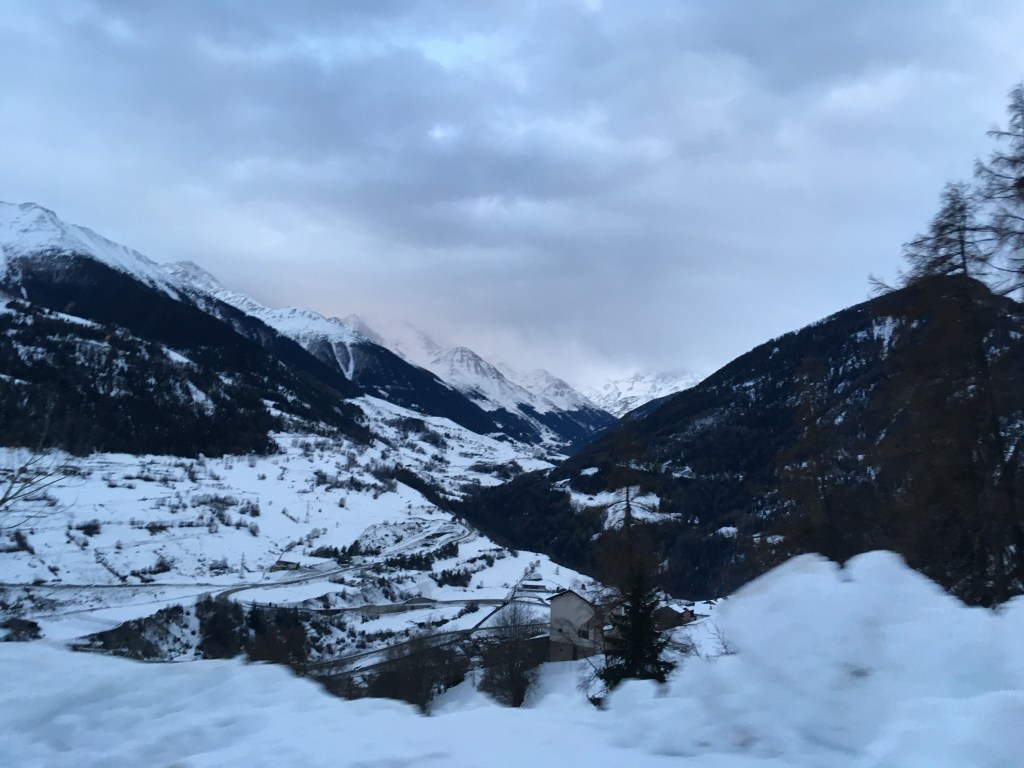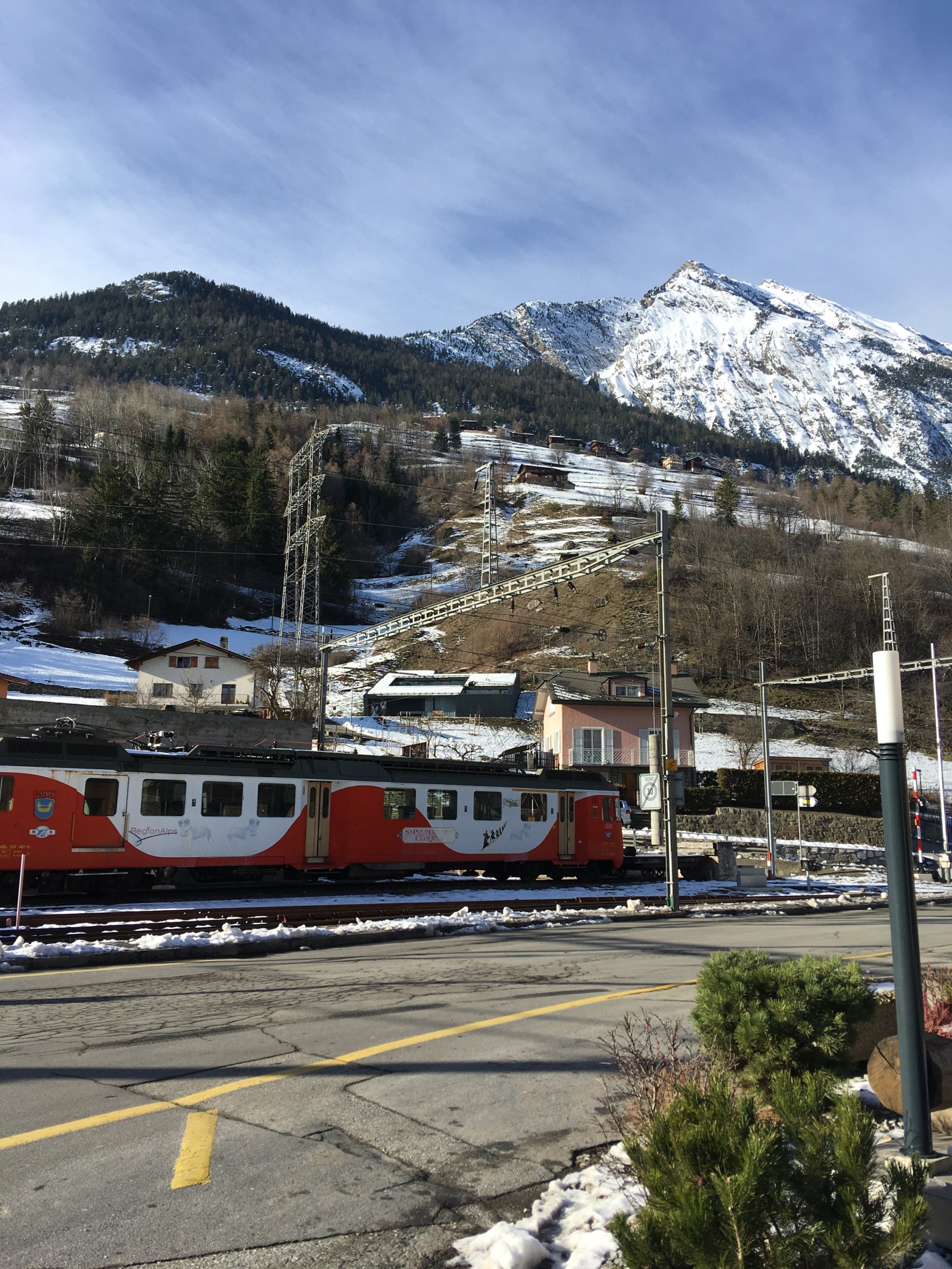
Orsières

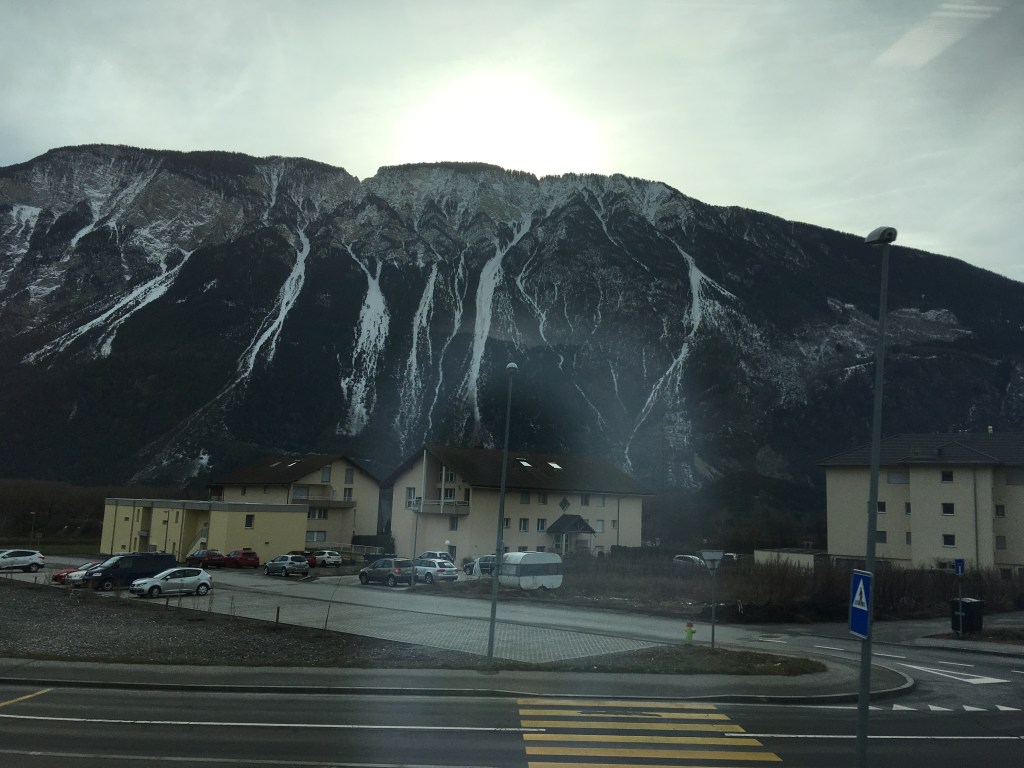
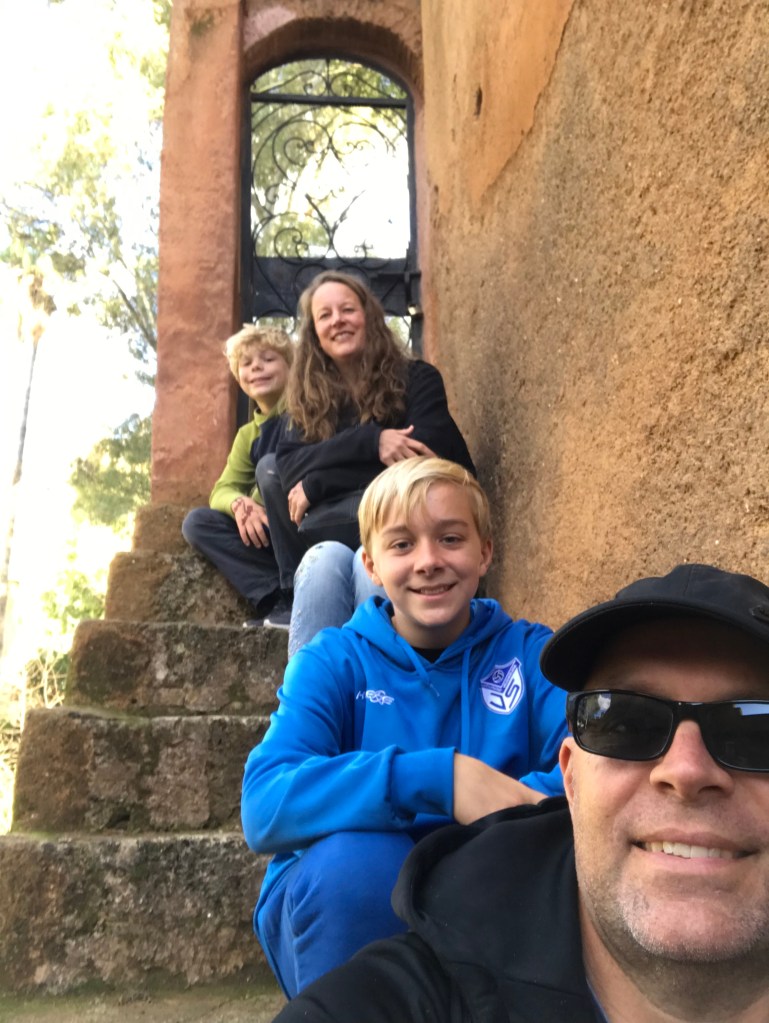
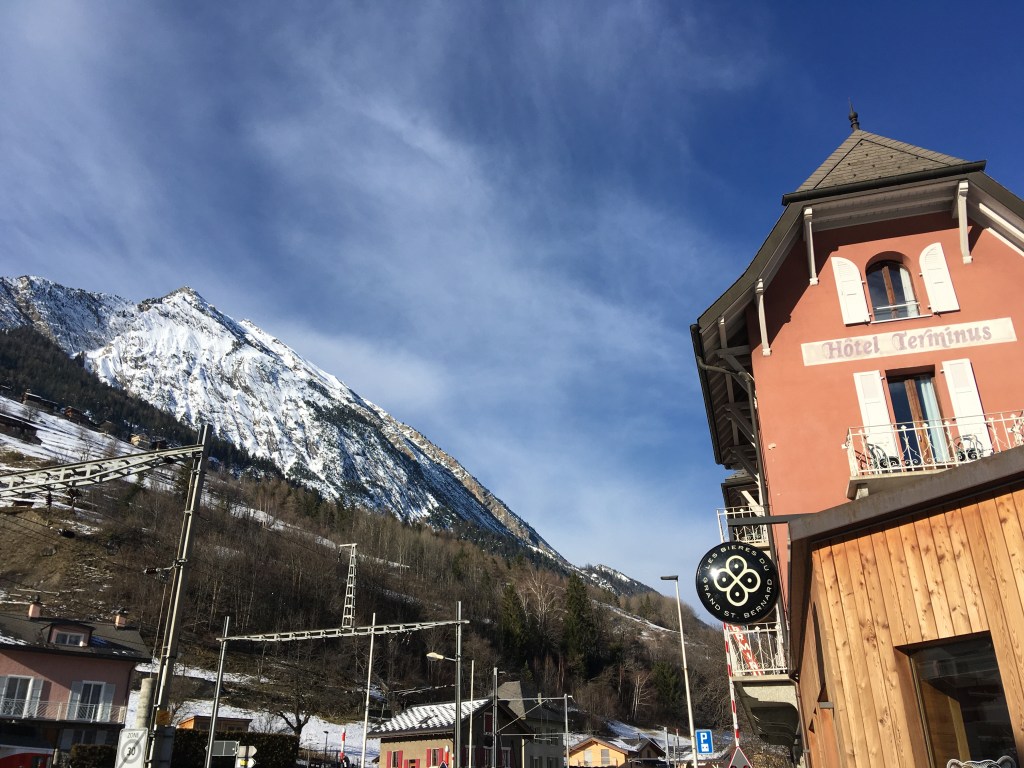
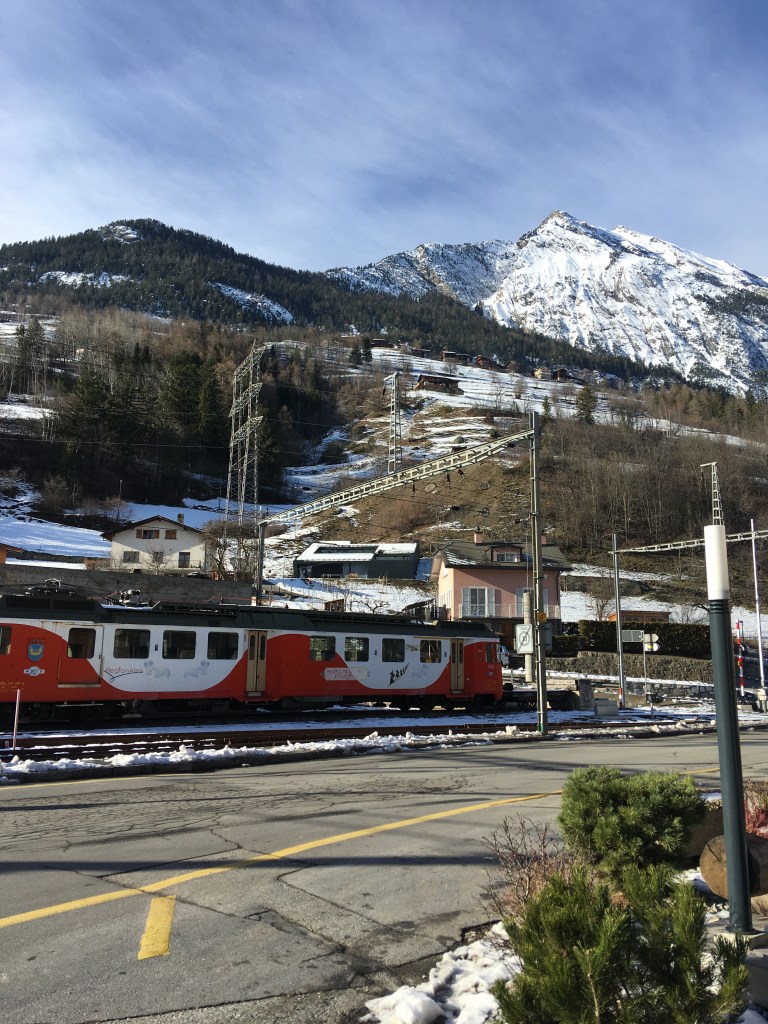
Spending the Christmas holidays away from family was a sad thought, so we decided we would visit the closest that we have to family in Switzerland. My stepfather’s brother’s family is from a tiny village in the canton of Valais, which is very close to Zermatt. So we decided to make a stop on our way from Zermatt to visit. This put us back on the train.
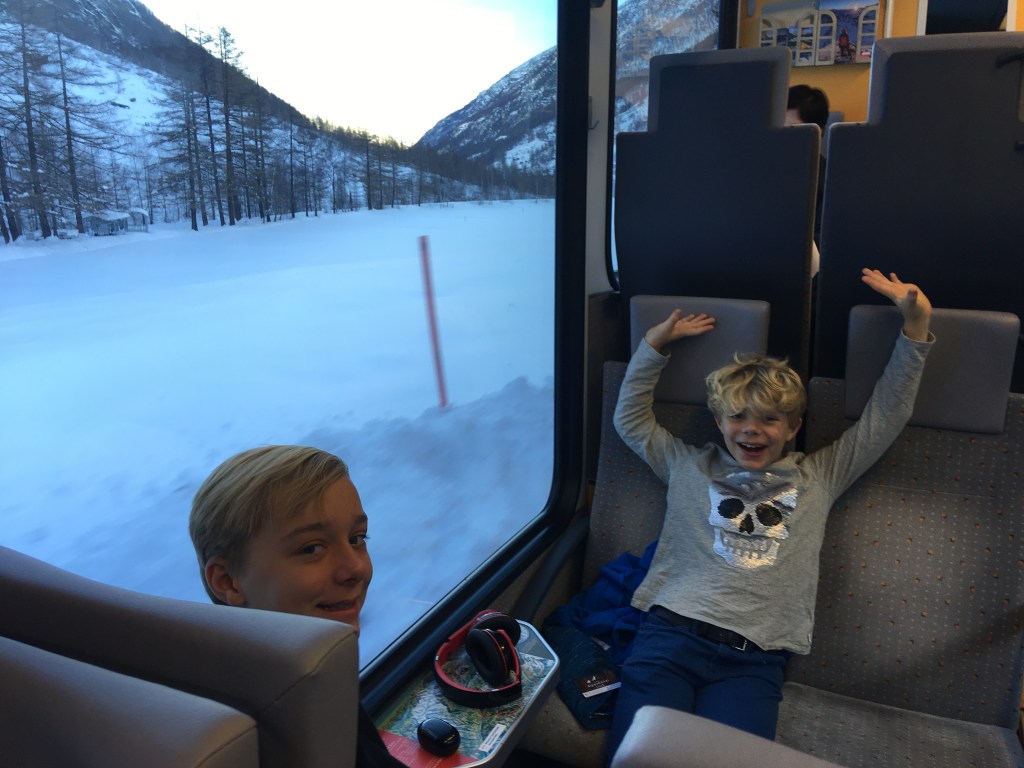
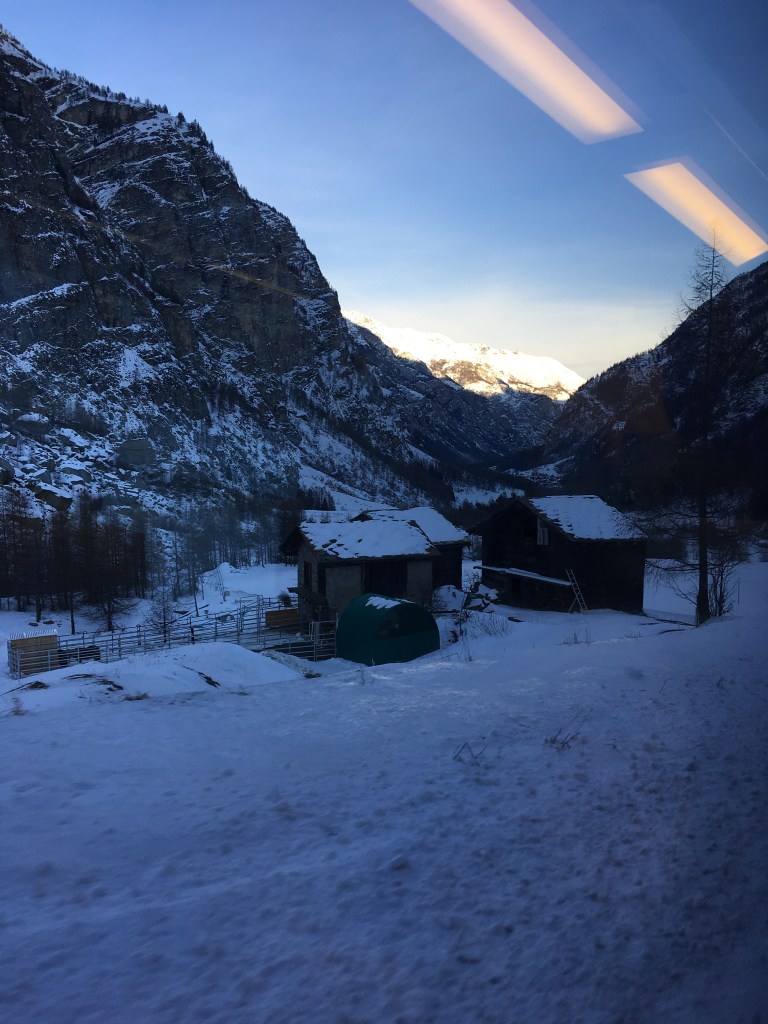
The scenery was even more beautiful since it was a sunny day.
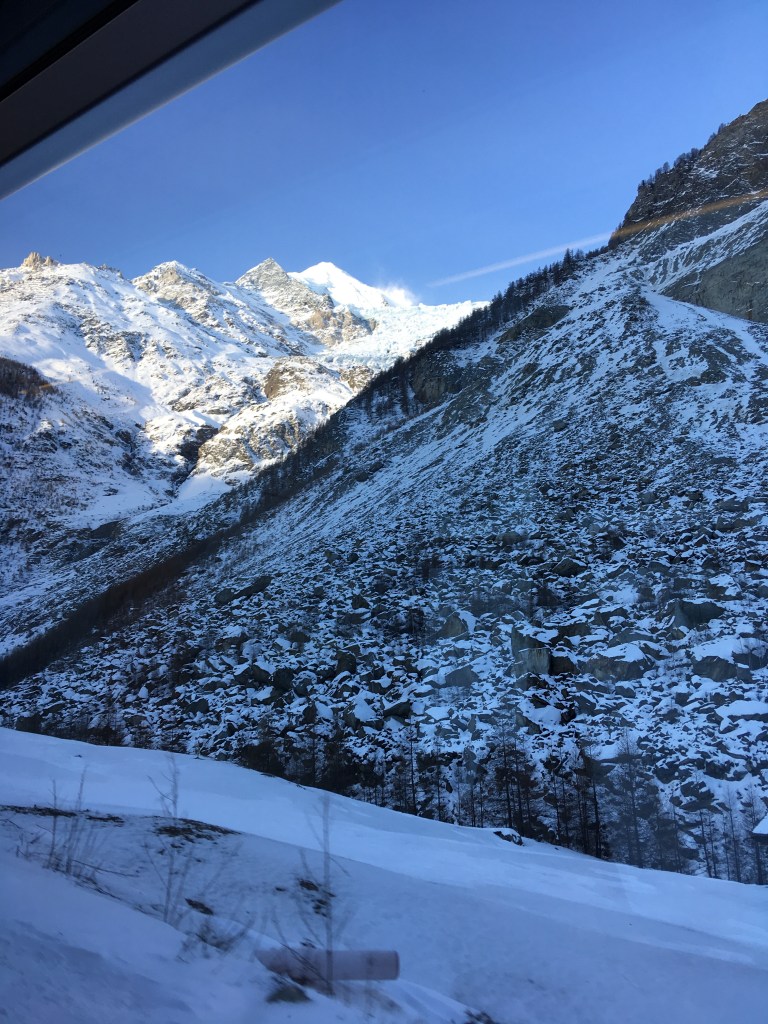
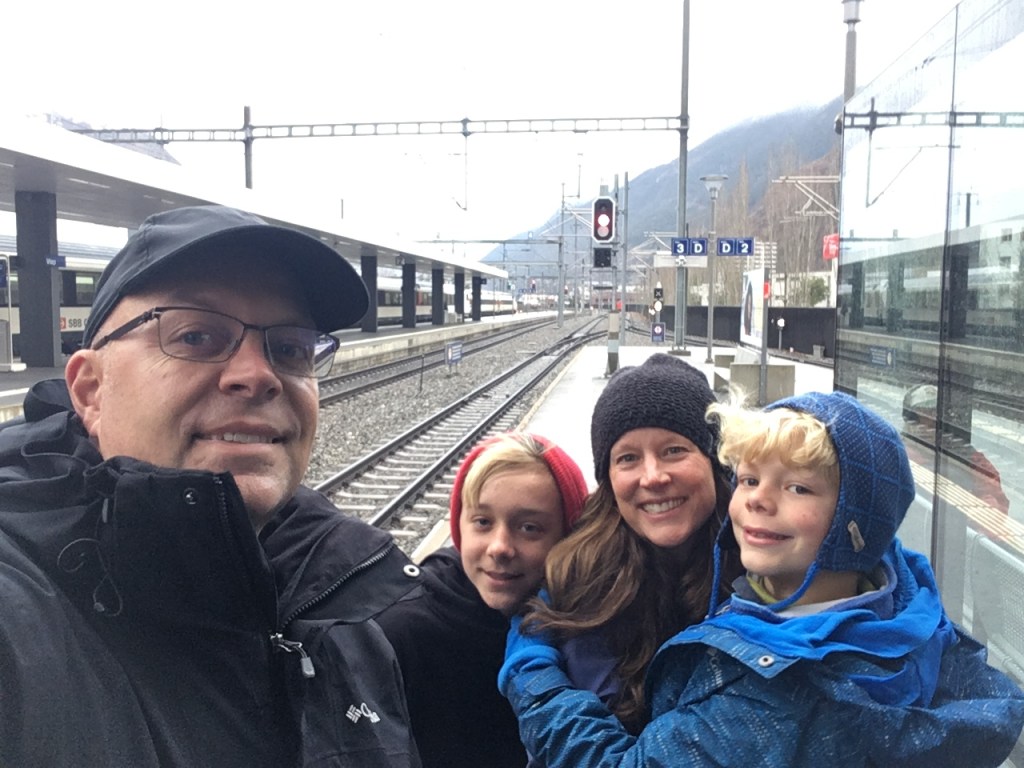
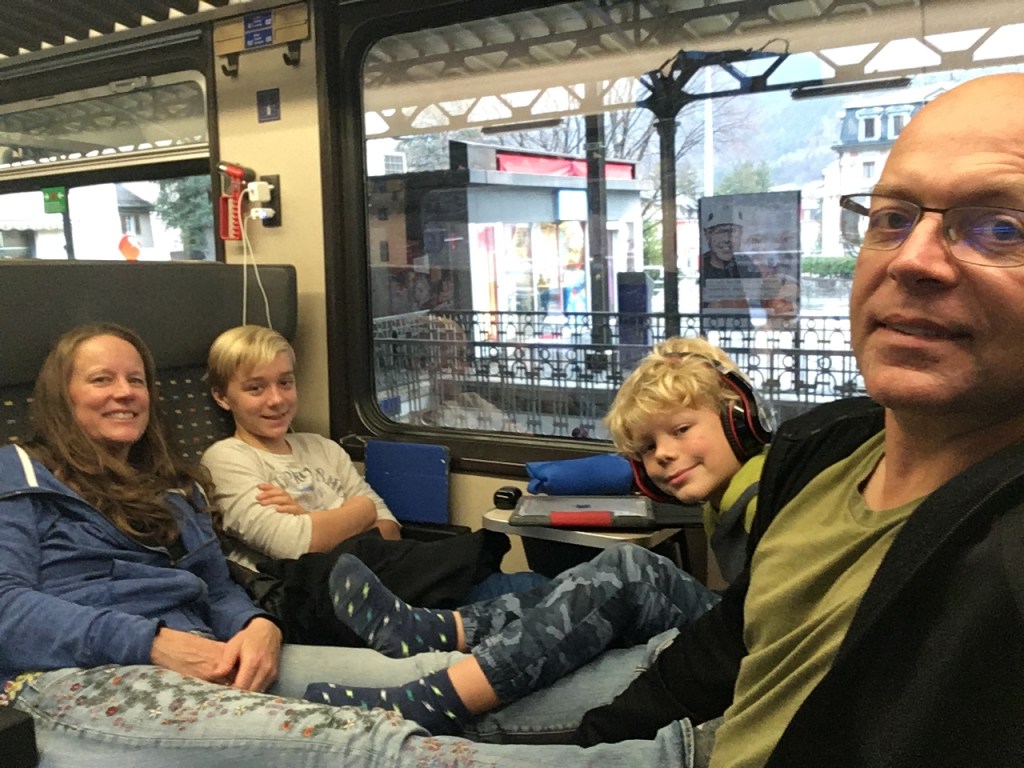
Traveling is always an adventure, but this trip brought a surprise. The trip from Zermatt to Orsières had 3 stops where we had to change trains. Trains is Switzerland are very punctual, which is wonderful, except when it isn’t. On our first stop, Visp, the doors to the train closed after the boys and I got on, but before Todd could get on. So we waved to a Todd as the train left the station (with a few panicked tears from the kids). Luckily our cell phones worked great and Todd and I agreed to meet up in the next town, Brig.
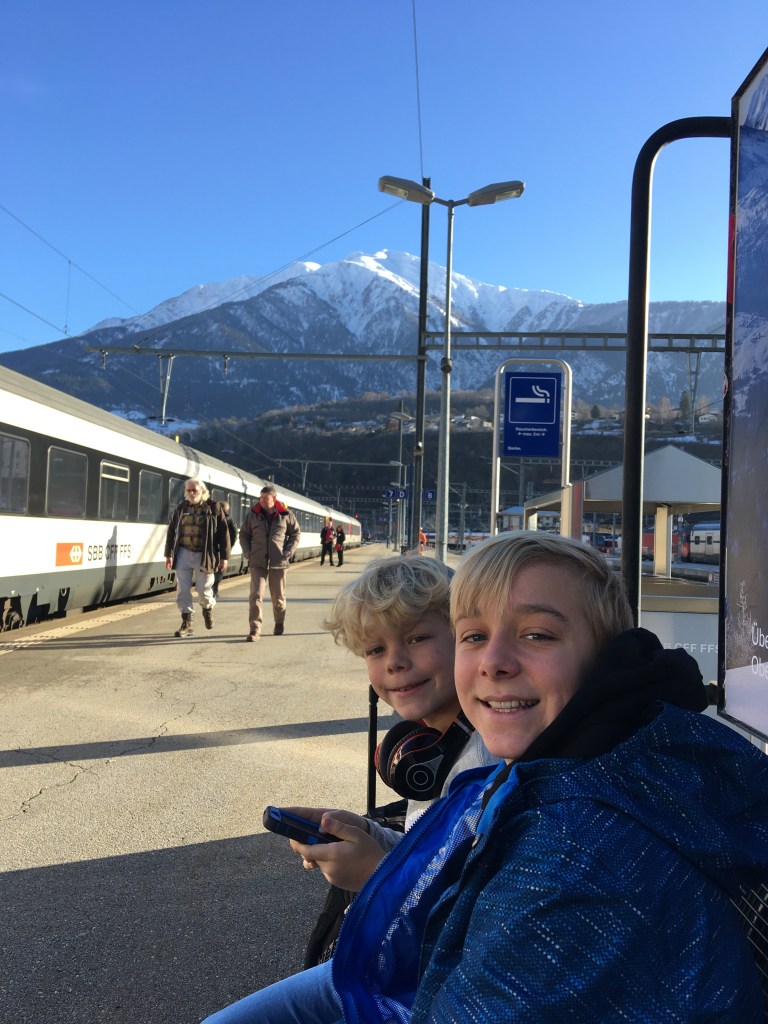
waiting for Todd’s train

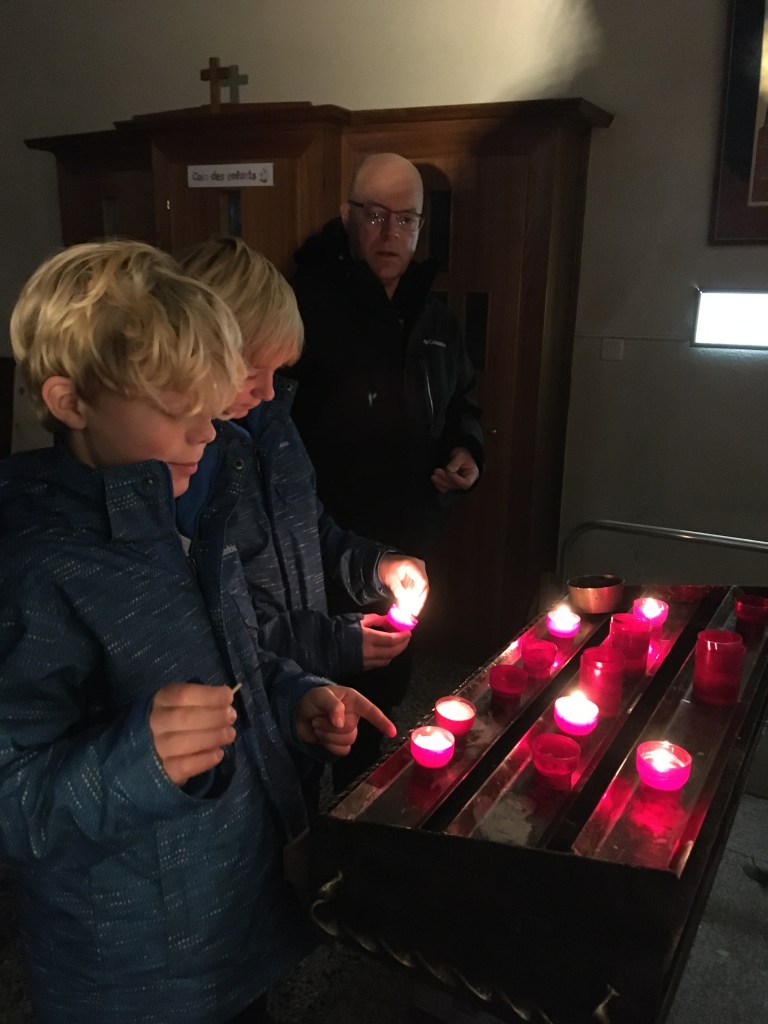
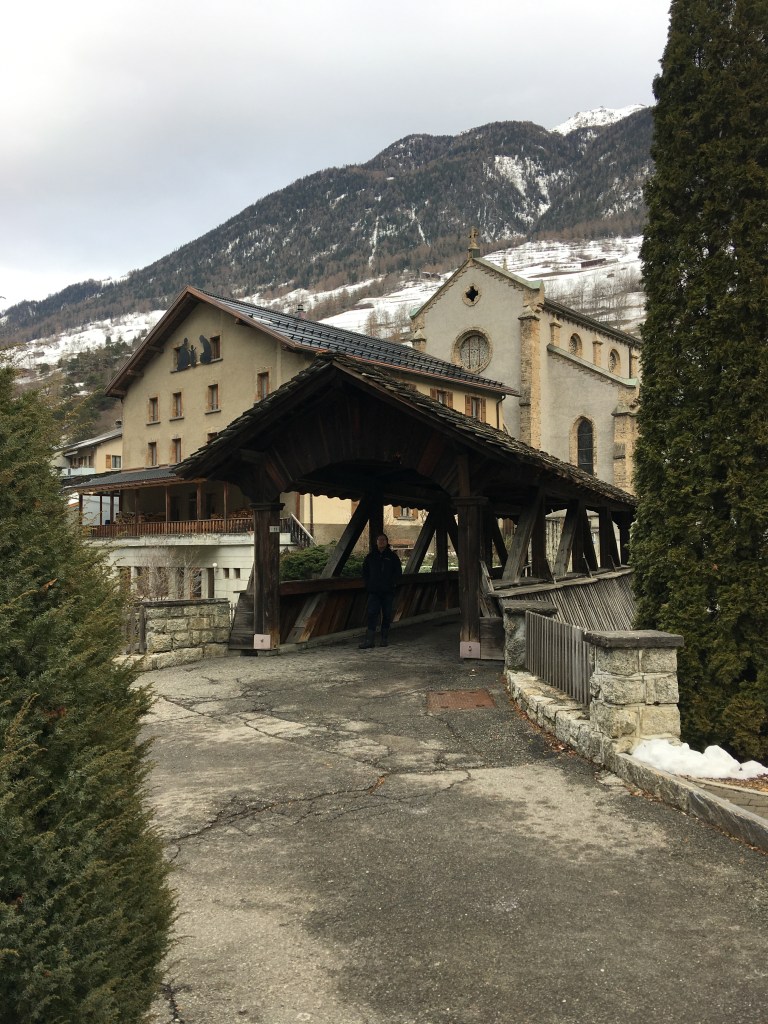
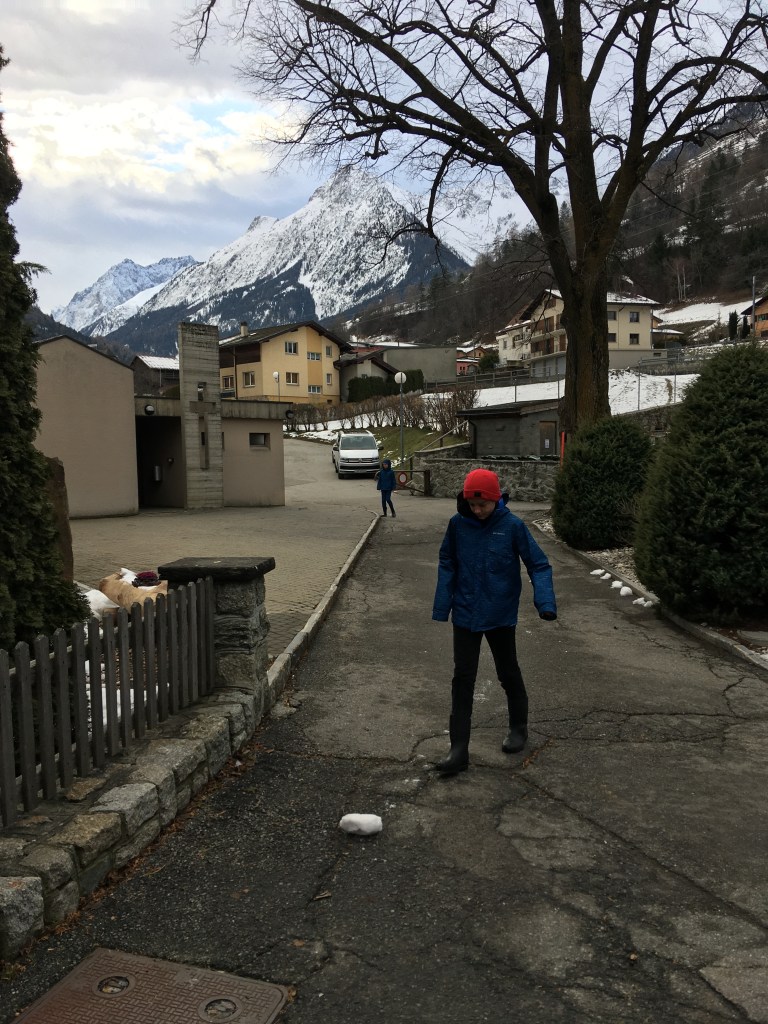
After reuniting with Todd, we resumed our journey, an hour late, and made it to Orsières. There isn’t a lot to see in Orsières, but there is an 11th century church that is beautiful.
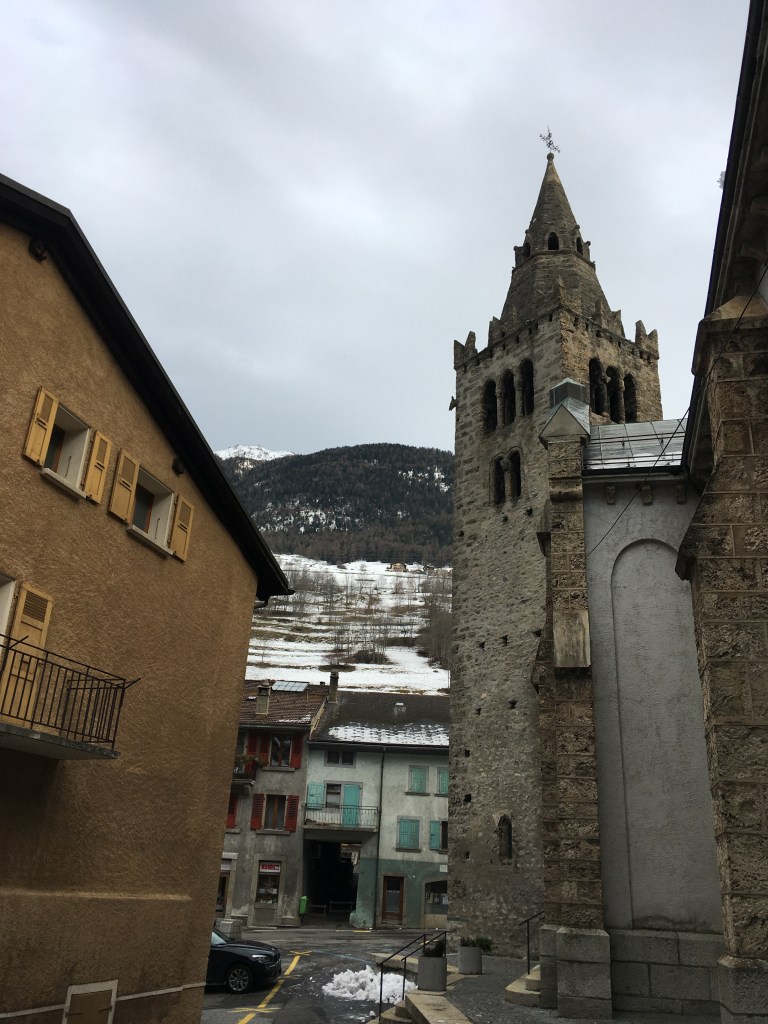
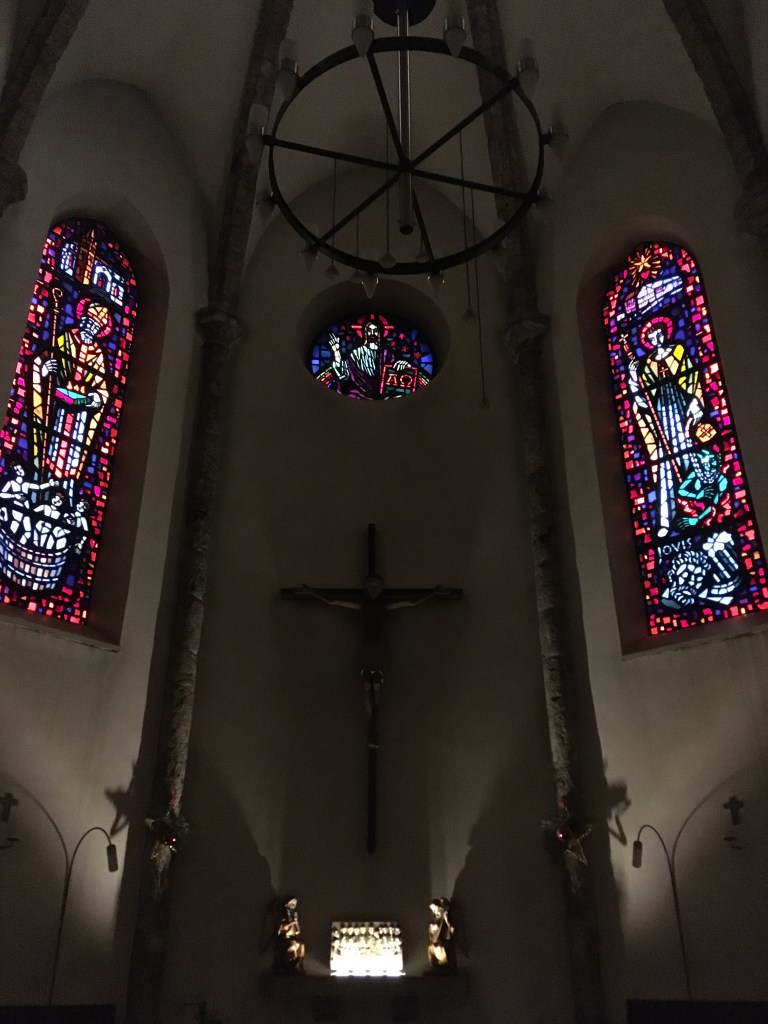
And it was nice to stretch our legs and walk around the picturesque little town in the mountains, just on the edge of Italy.
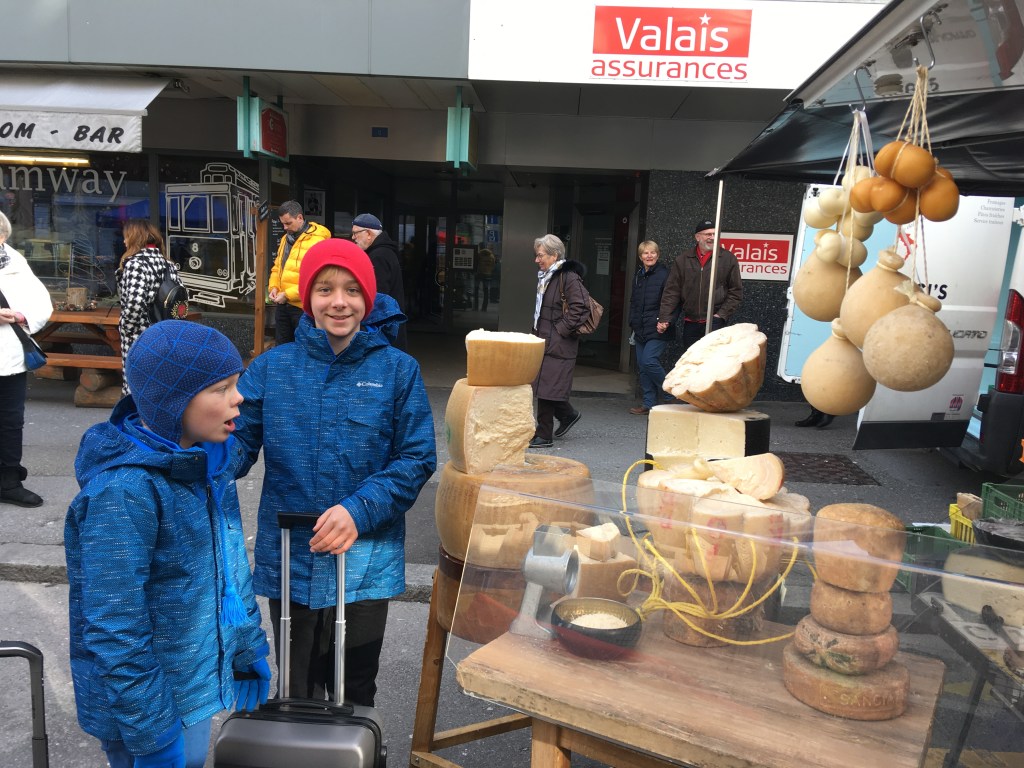
This area of Switzerland makes a lot of wonderful cheese.
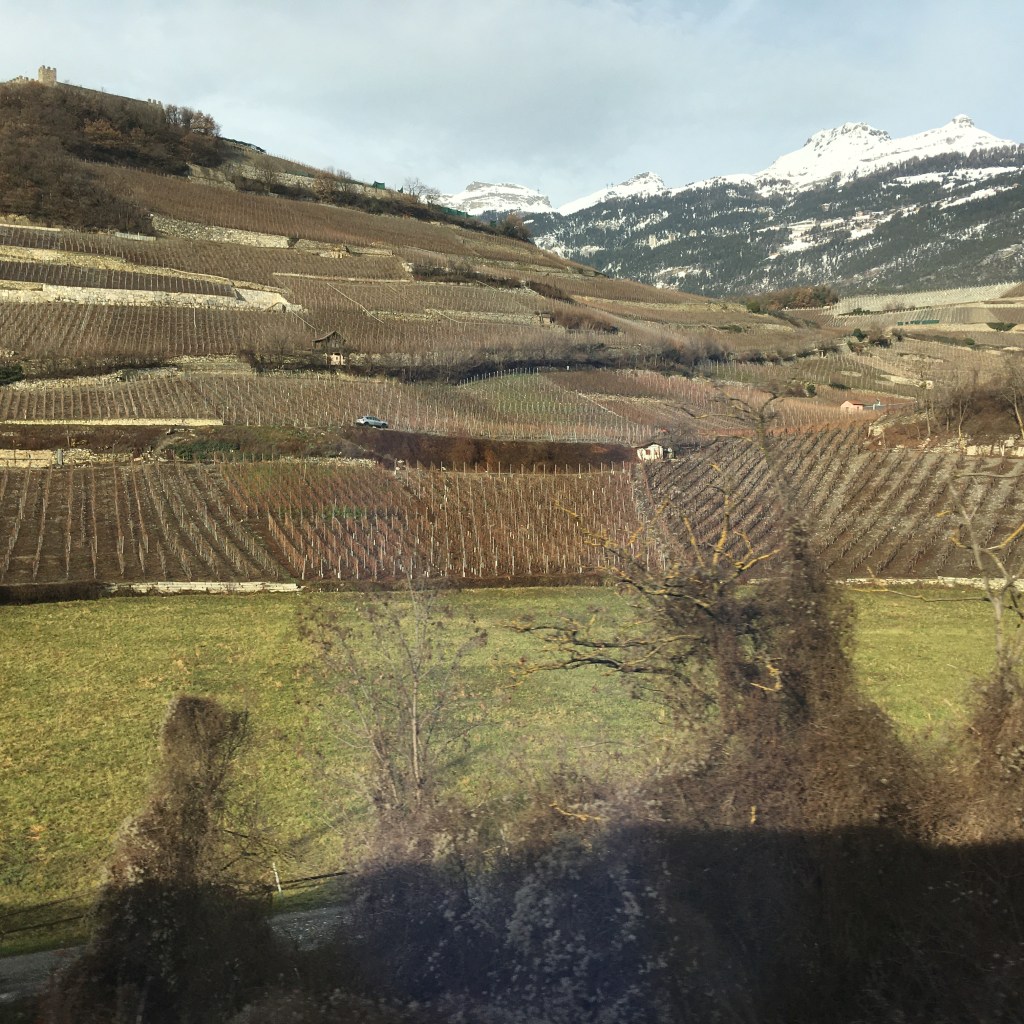
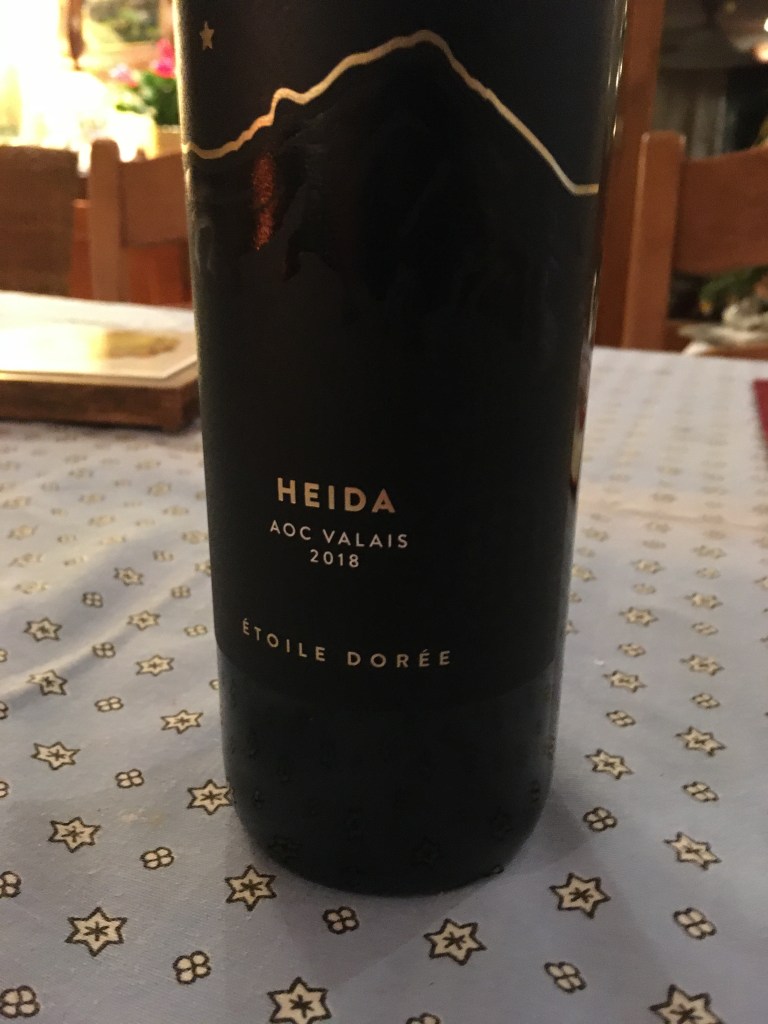
We also noticed a lot of vineyards on the train ride. Turns out Switzerland makes some excellent wine, which we were treated to at dinner. Unfortunately, because their wine production is relatively small, most of the wine is consumed in Switzerland and is difficult and very expensive to get outside of Switzerland.
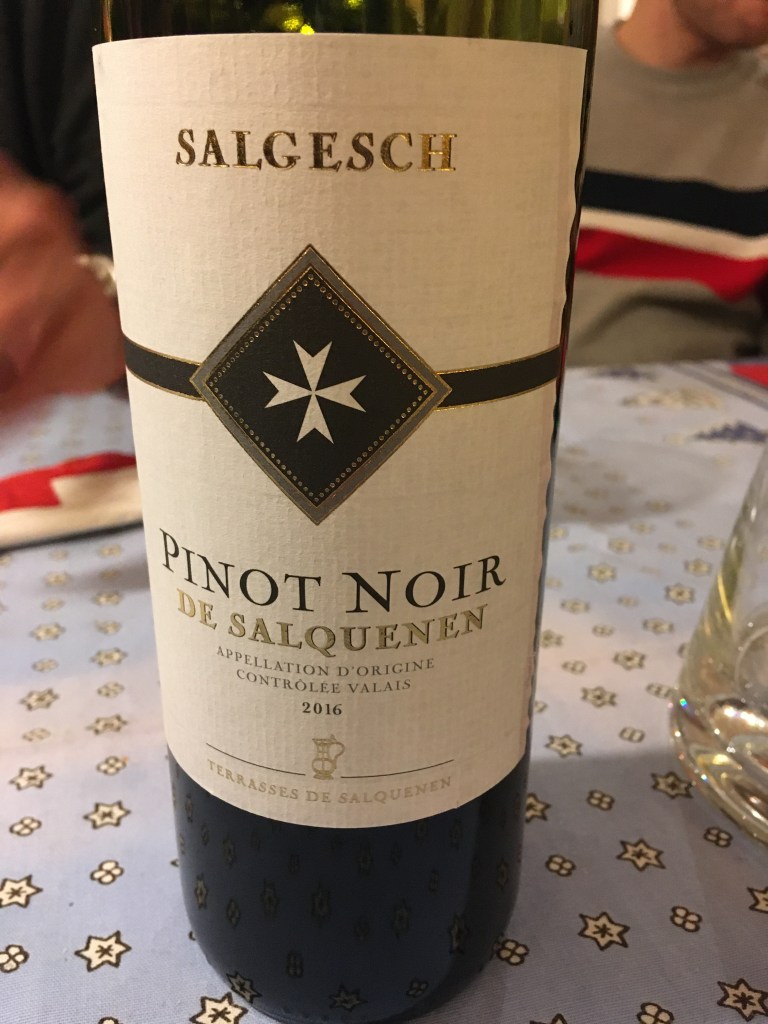
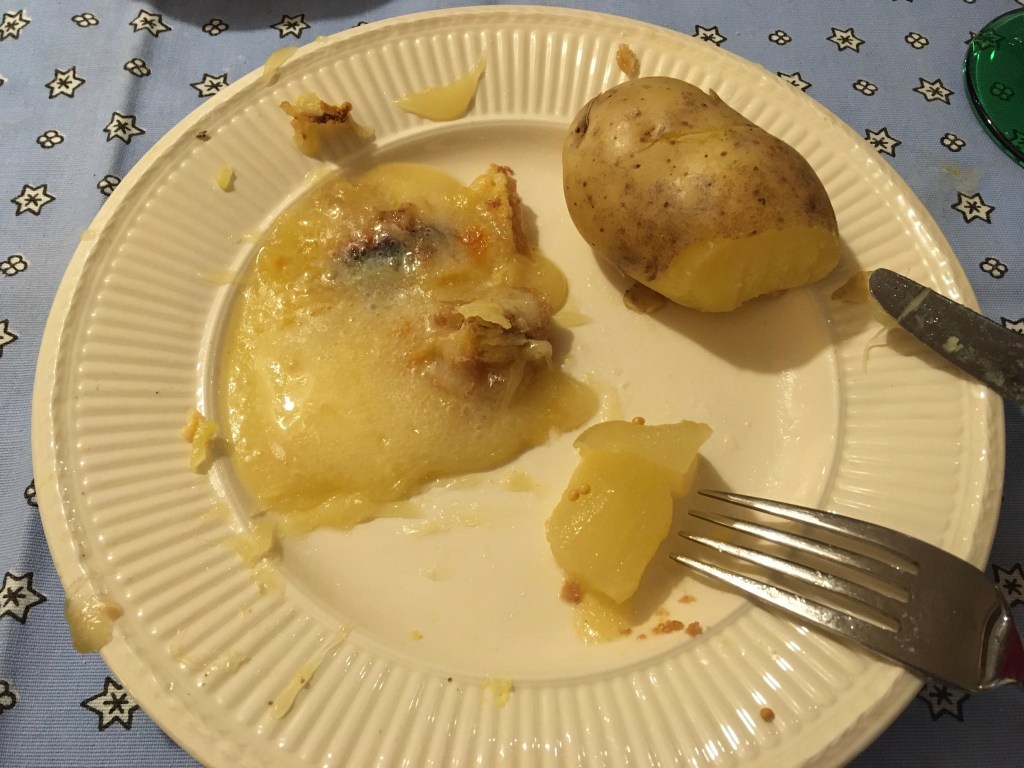
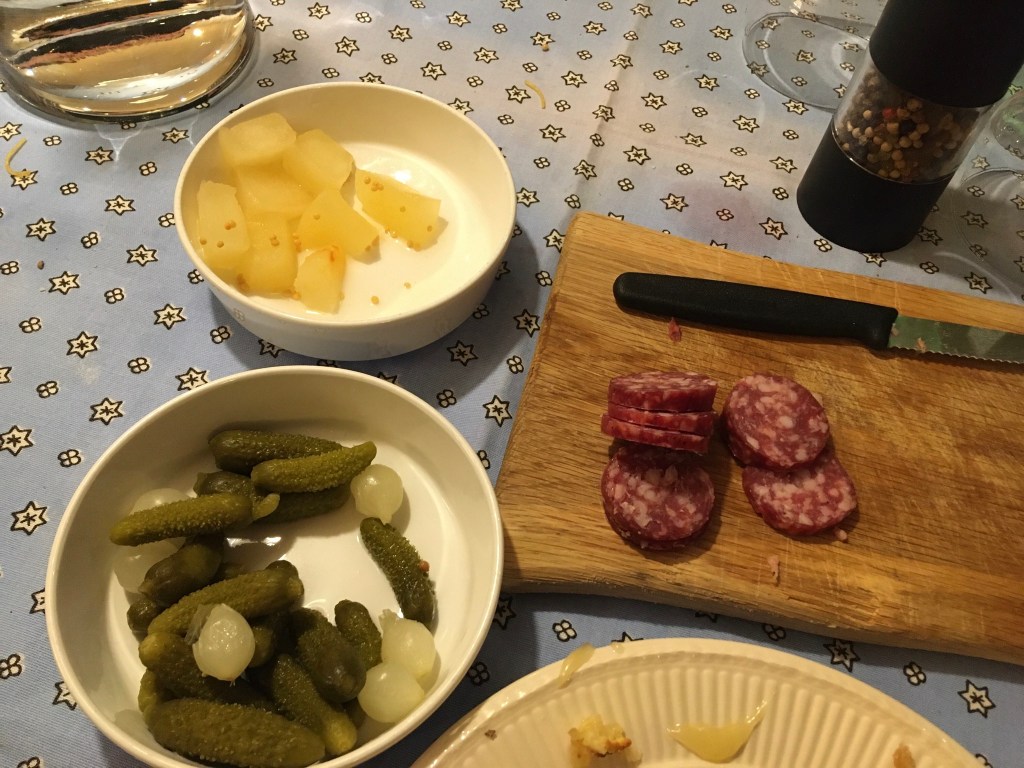
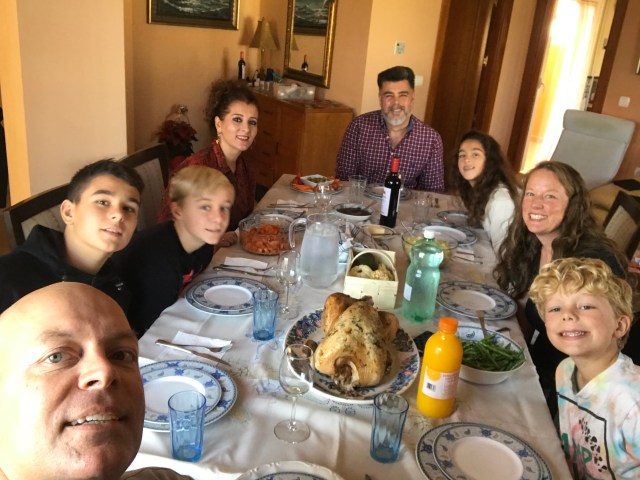
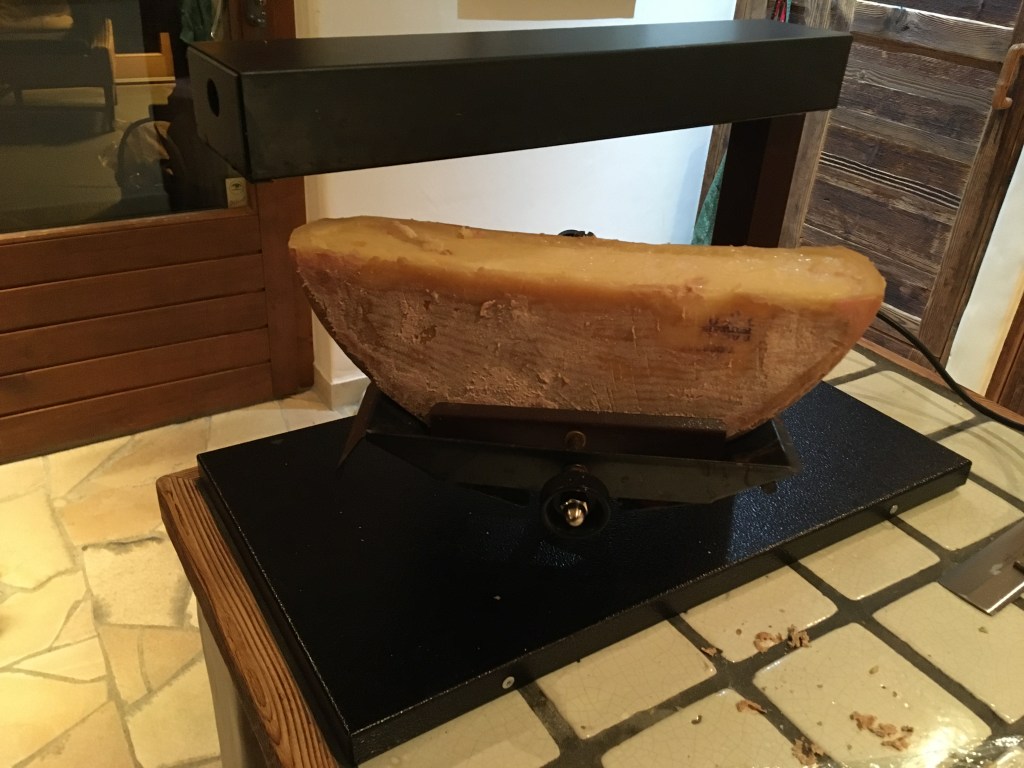
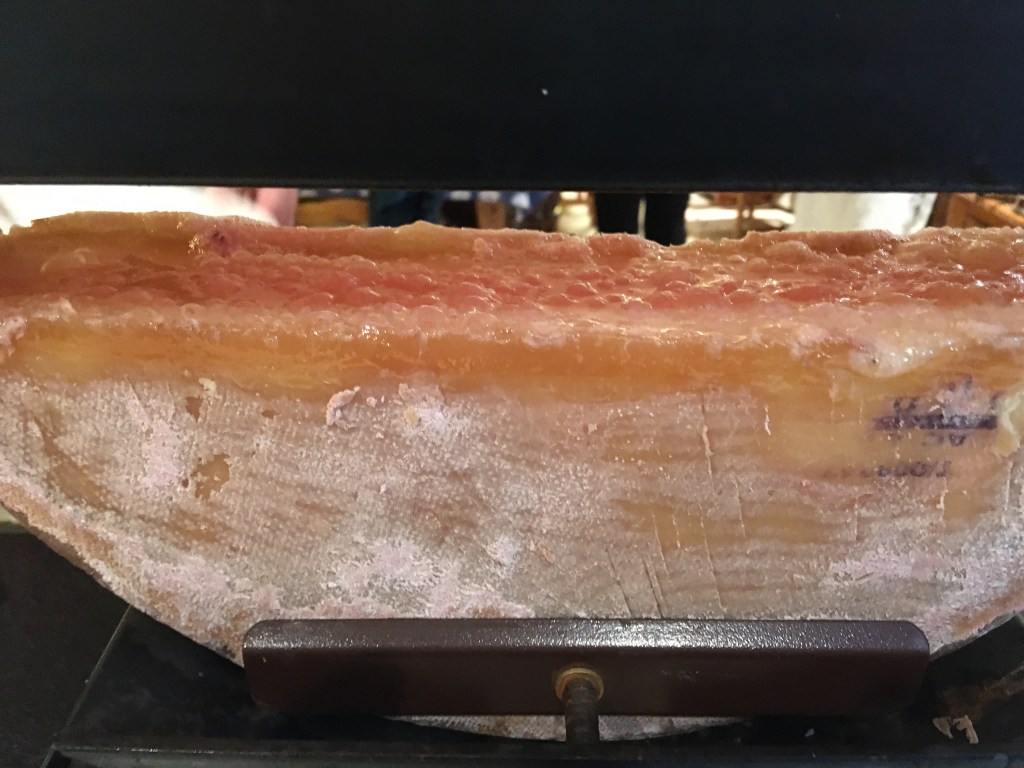
My stepfather’s brother’s ex-wife, Heidi, picked us up and took us to a nearby village called Chez-les-Reuses for a wonderful evening with “family” and traditional Raclette. Raclette is a name of a Swiss cheese and a typical Swiss dish made by roasting the cheese until it bubbles, then scraping off the melted layer, one serving at a time. It is then served with potatoes, pickles, onions and salame.
It was great spending time with family I haven’t seen in a long time; for some it had been 13 years, others 20 and 30 years, and some I just met.
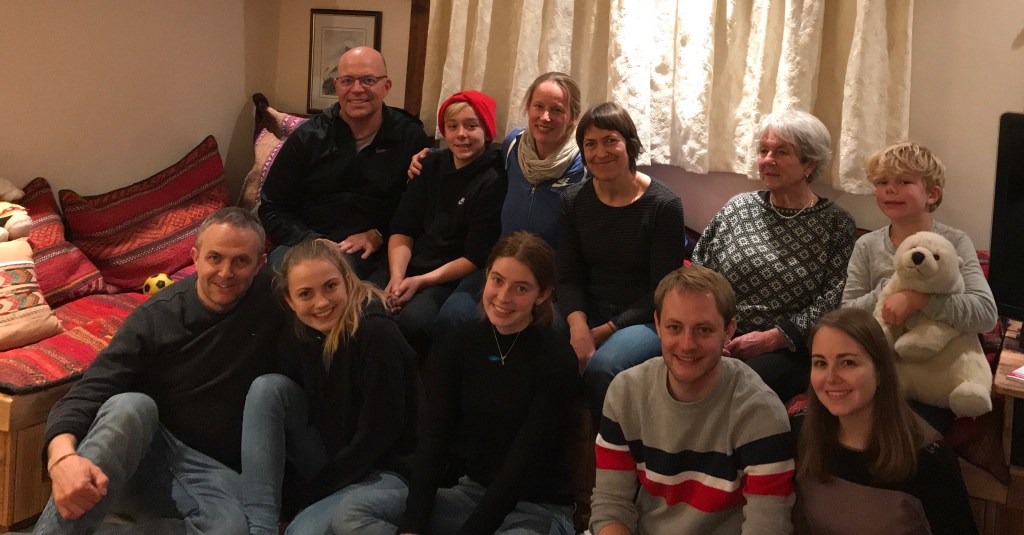
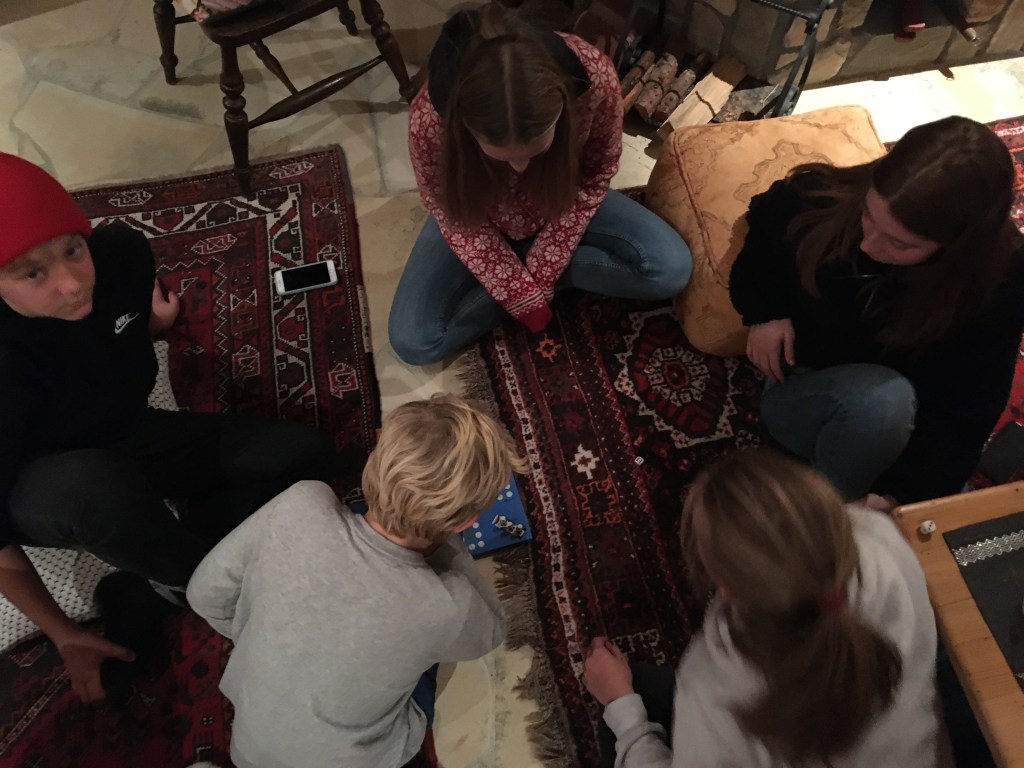
The last time I saw Rafael, sitting in the front row with a striped sweater, he was a baby.
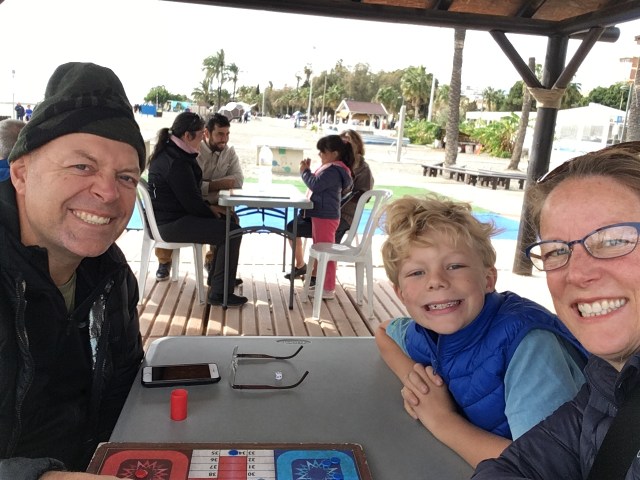
Playing a game that was a lot like Sorry. Oliver said it felt like hanging out with the cousins.
view on the way up to Heidi’s house

Zermatt

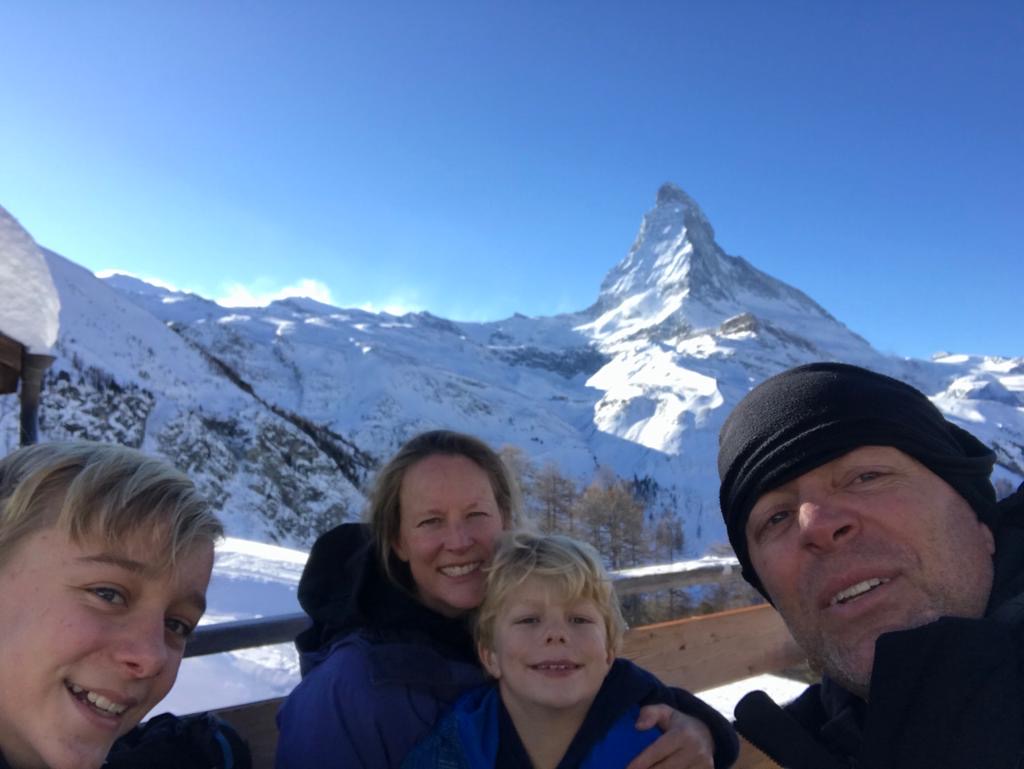
Living in Southern Spain would mean a 65° Fahrenheit Christmas. That didn’t seem right to us, so we opted to hop on one of the crazily inexpensive flights you can get to travel within European countries and spend a few days in Zermatt, Switzerland.

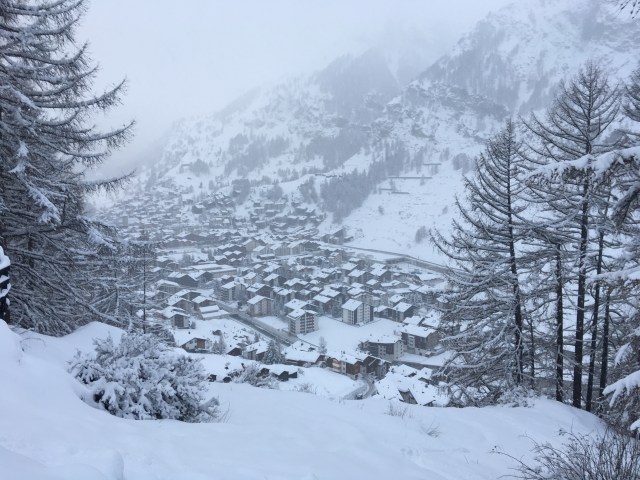
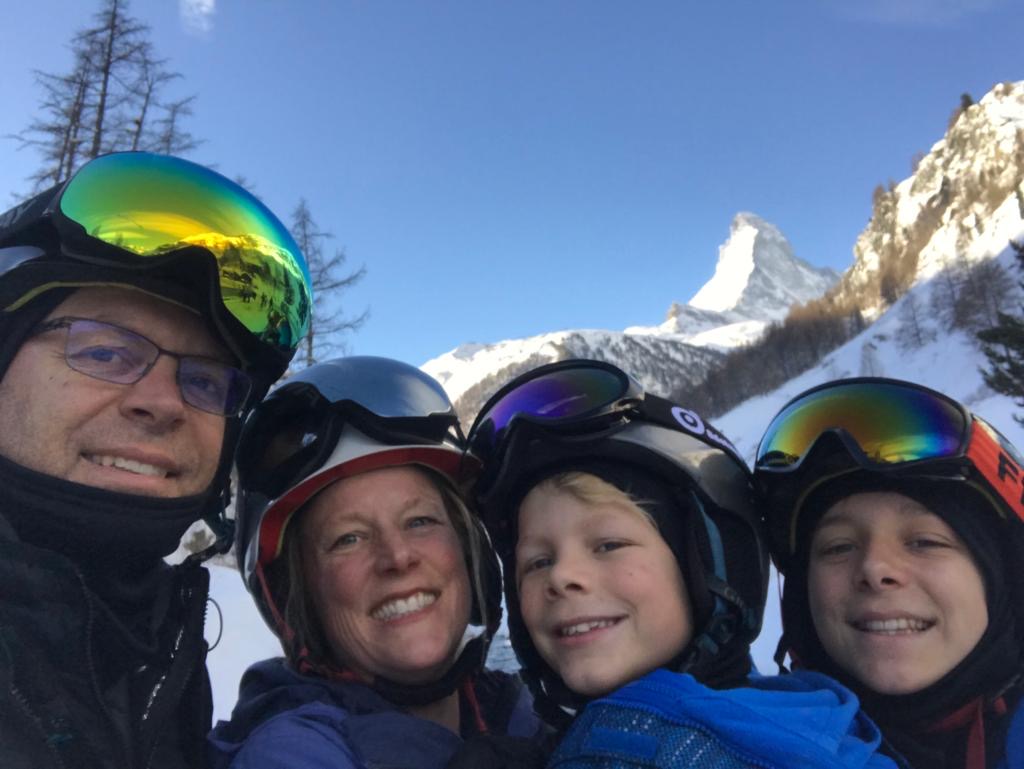
Looking into Zermatt from the ski slope

To get to carless Zermatt, you must arrive by train.

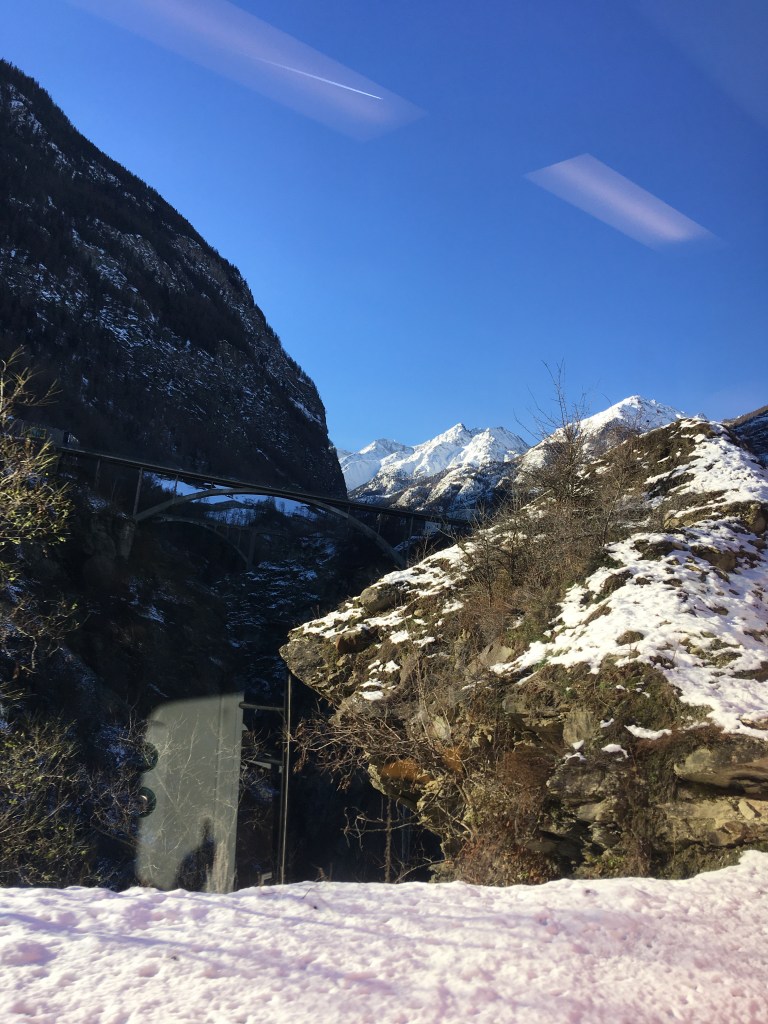
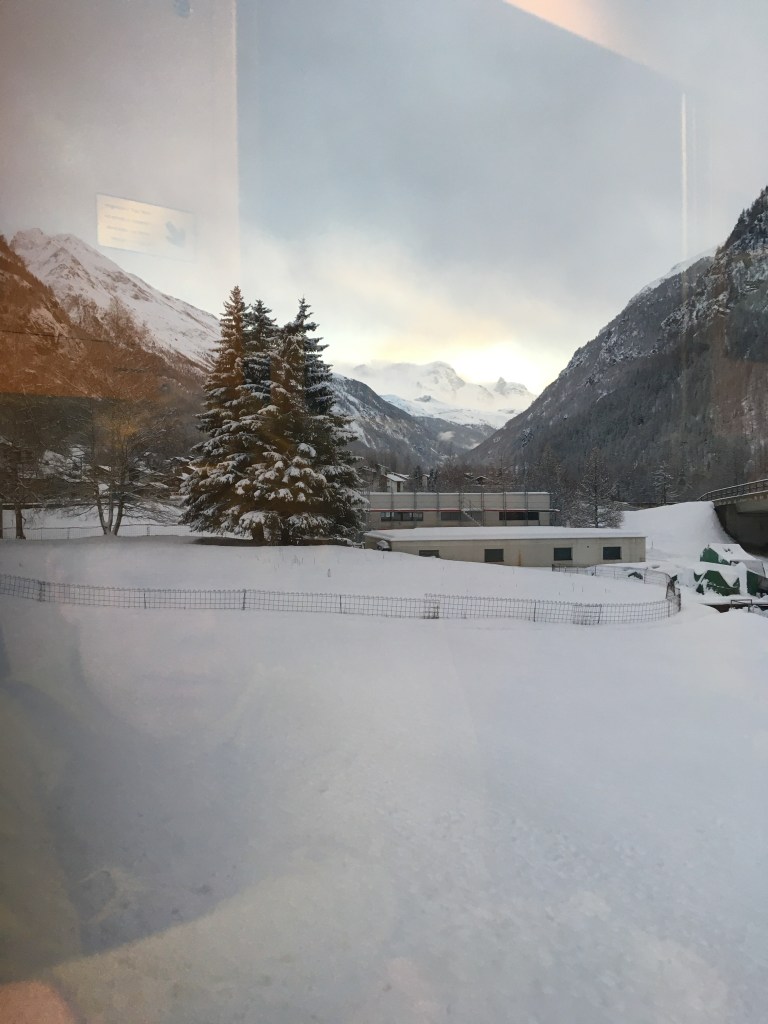
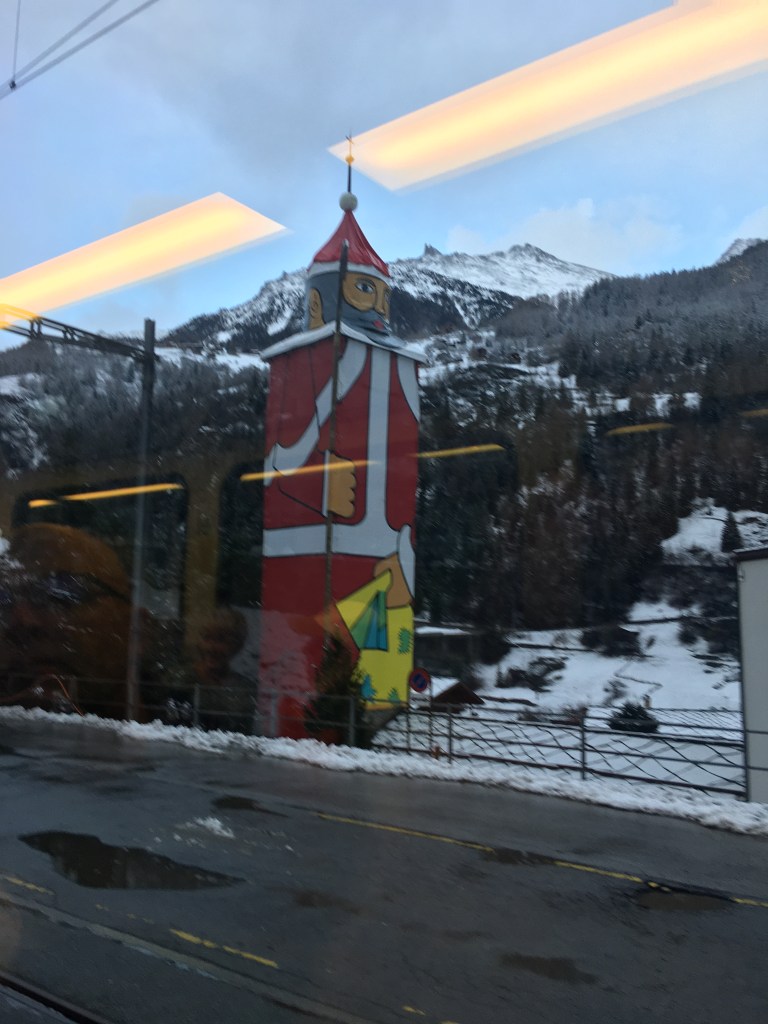
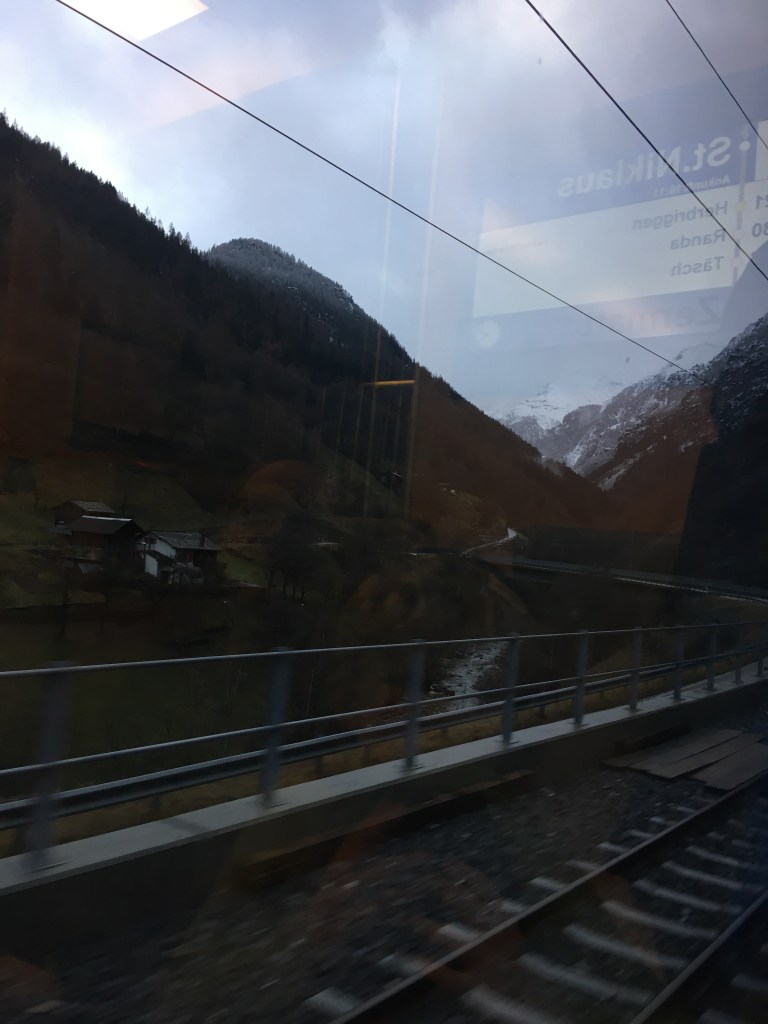
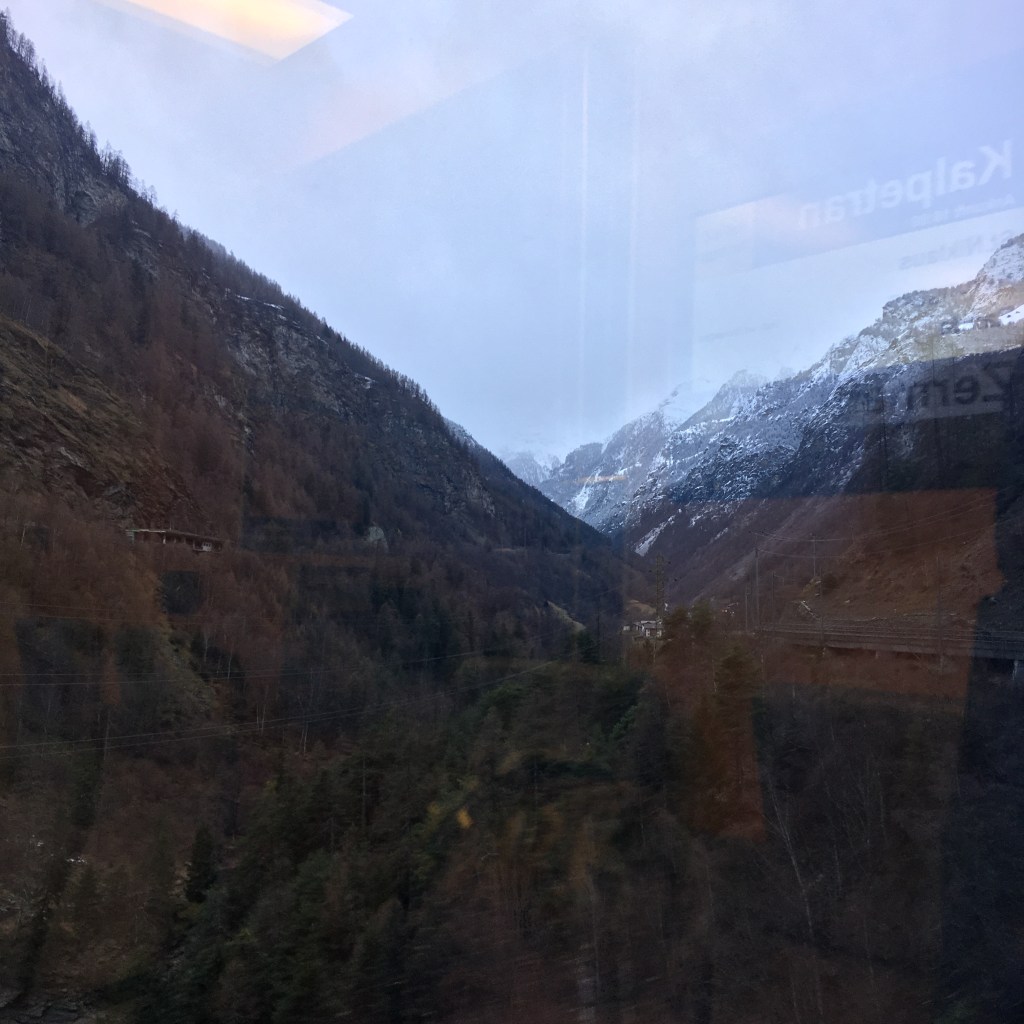
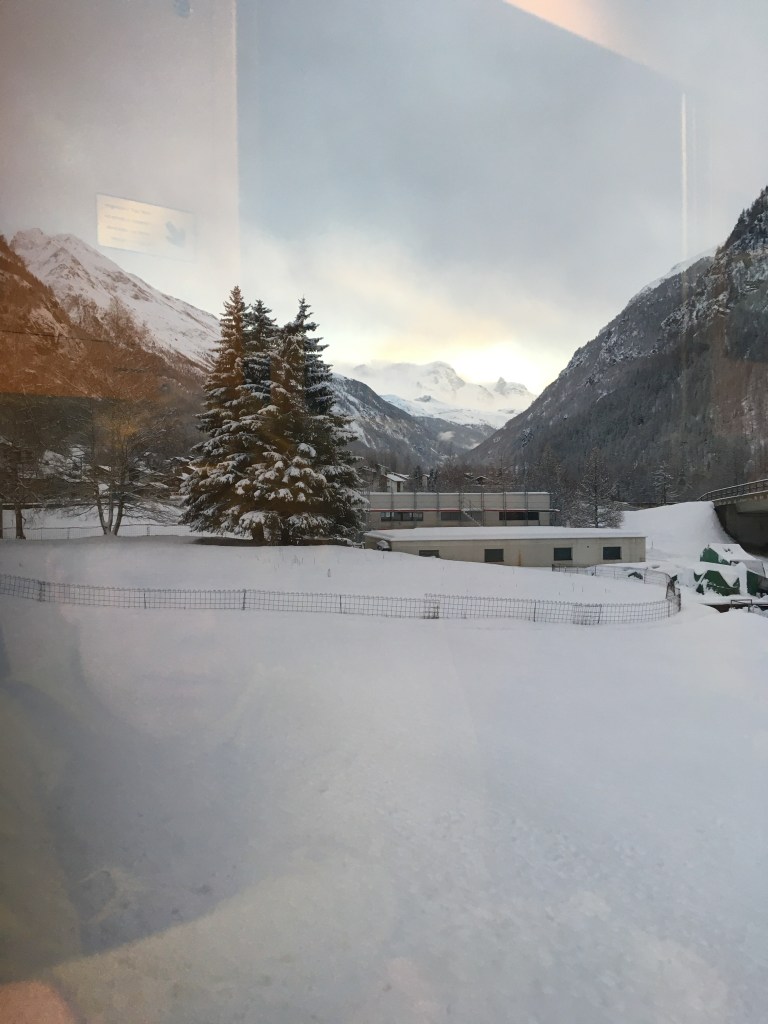
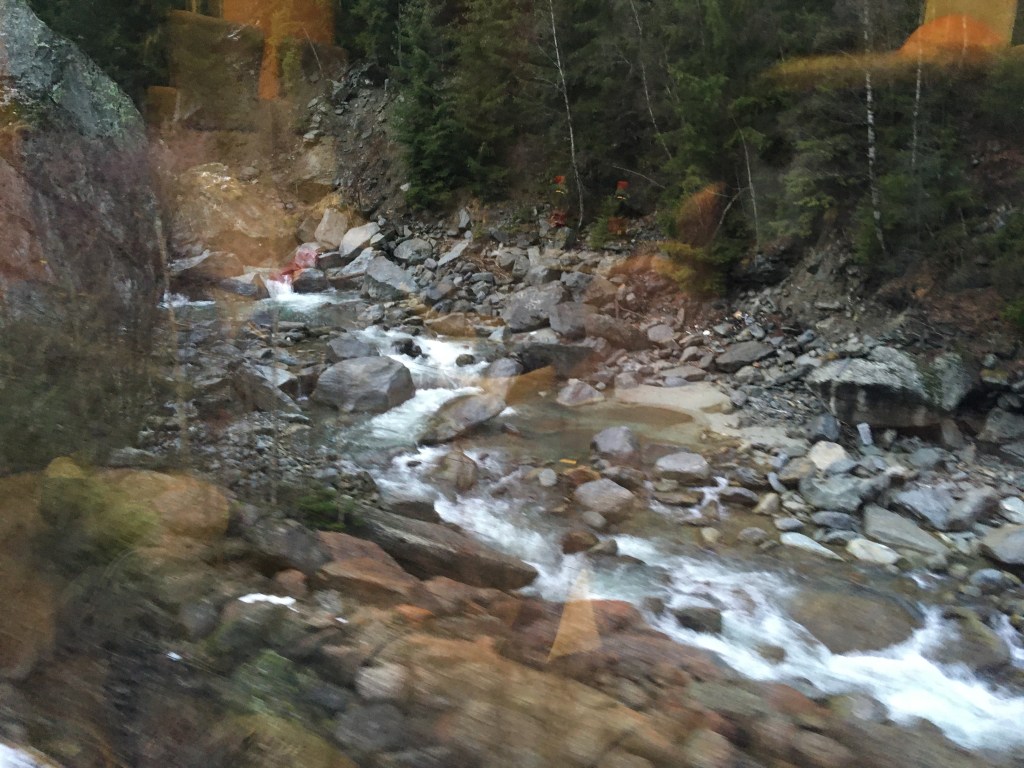
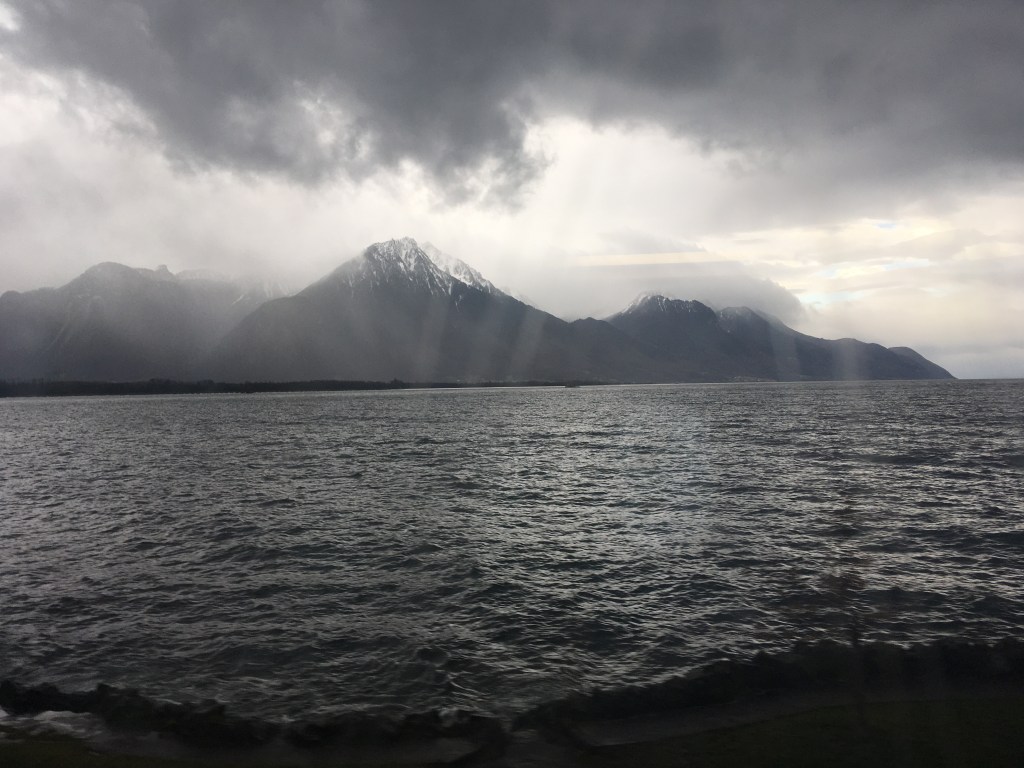
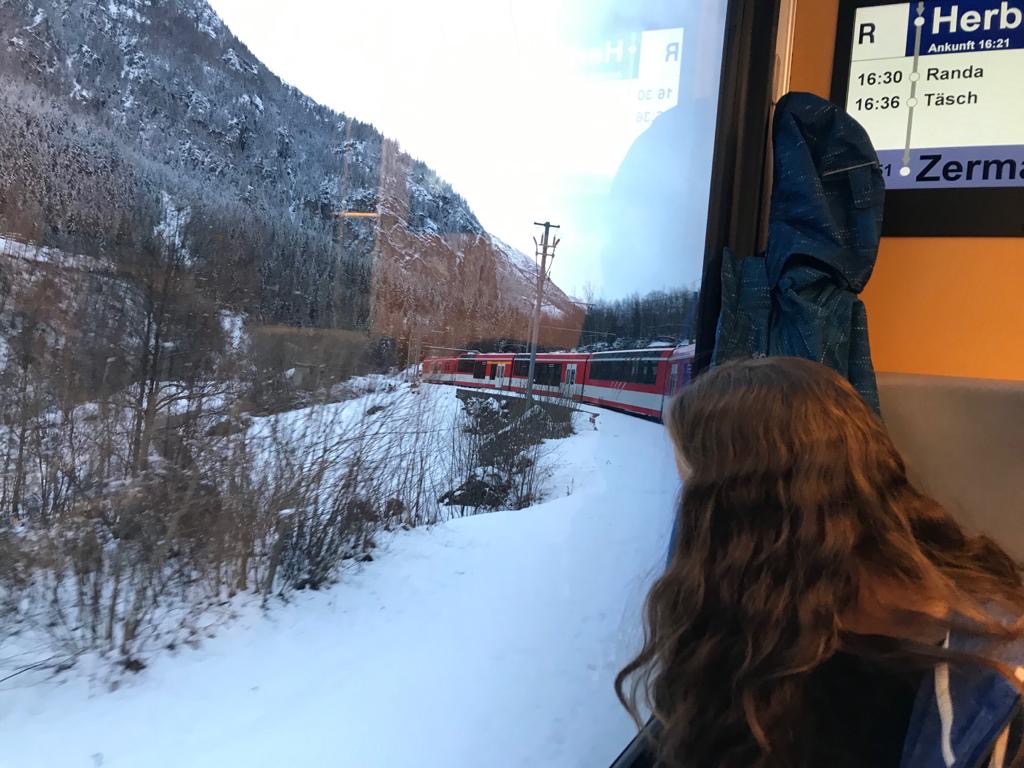
The train ride was super easy, comfortable, punctual and filled with amazing scenery. Unforunately, it was hard to get good pictures through the windows because of reflection, but here are a few.

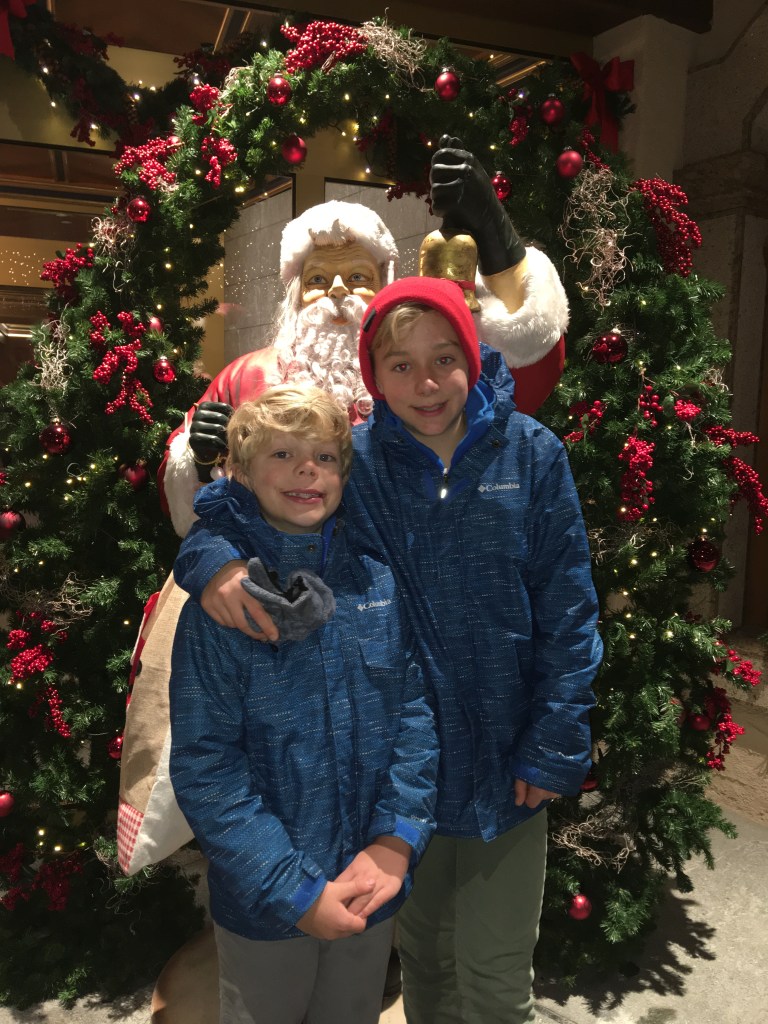
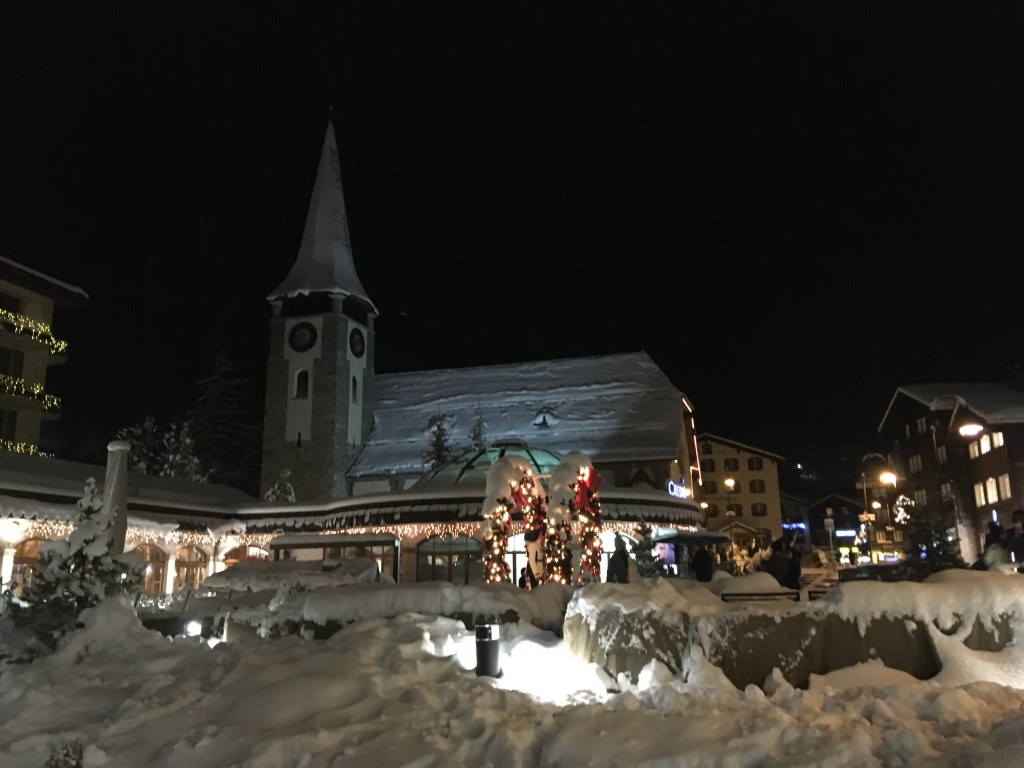
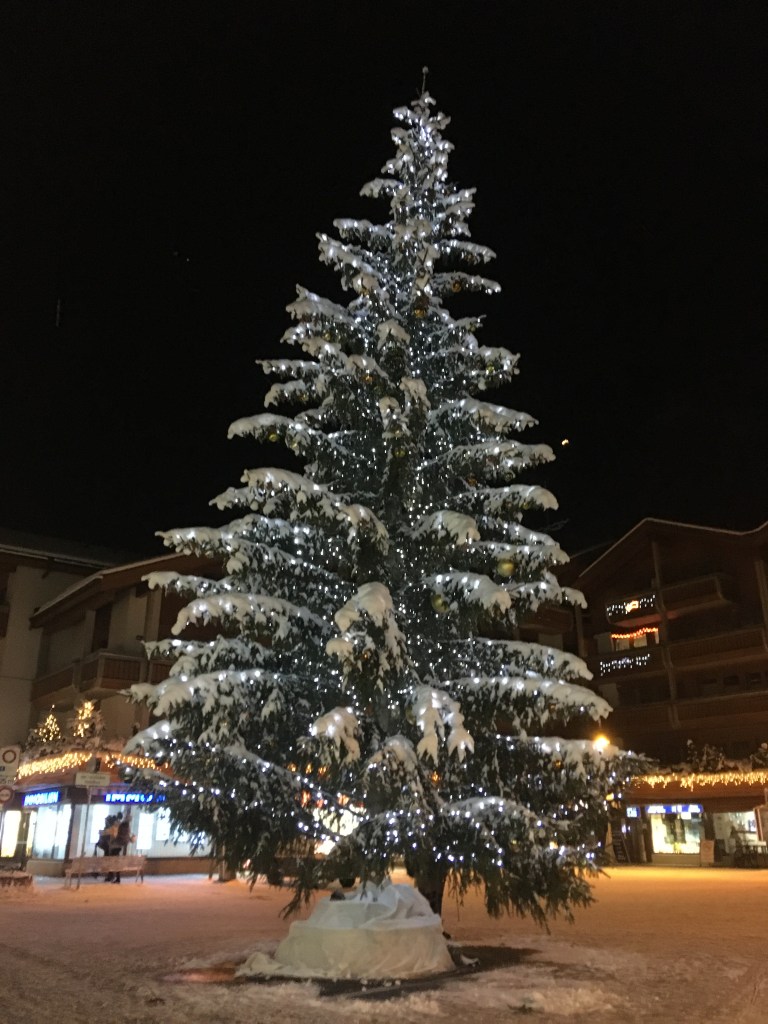
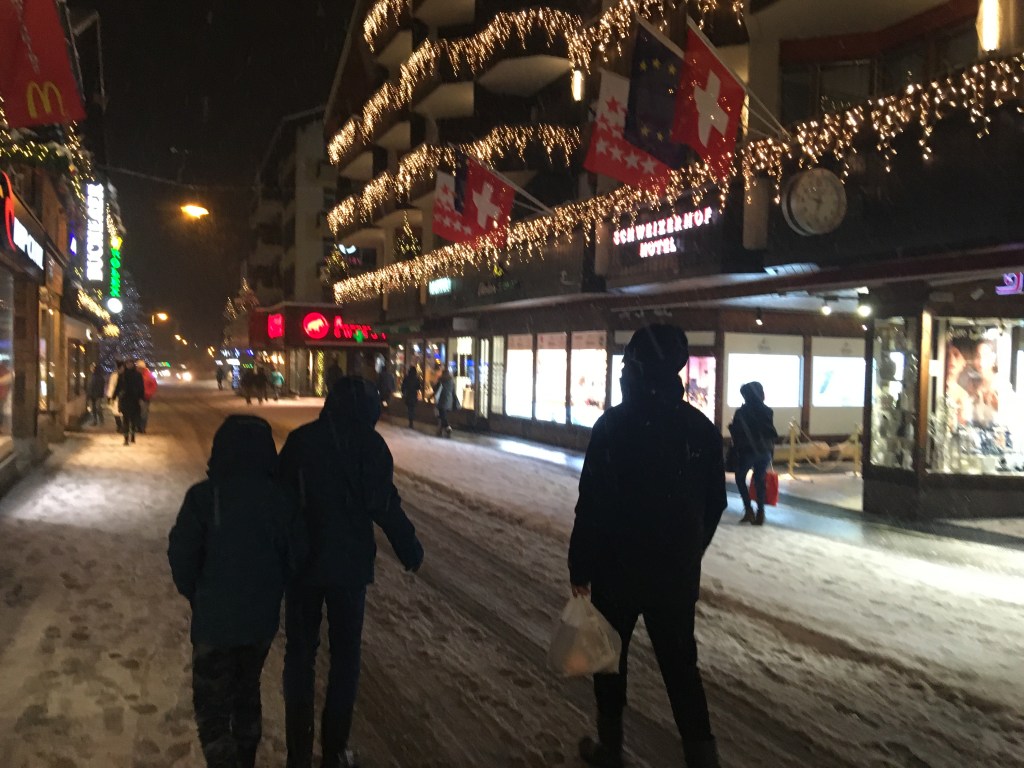
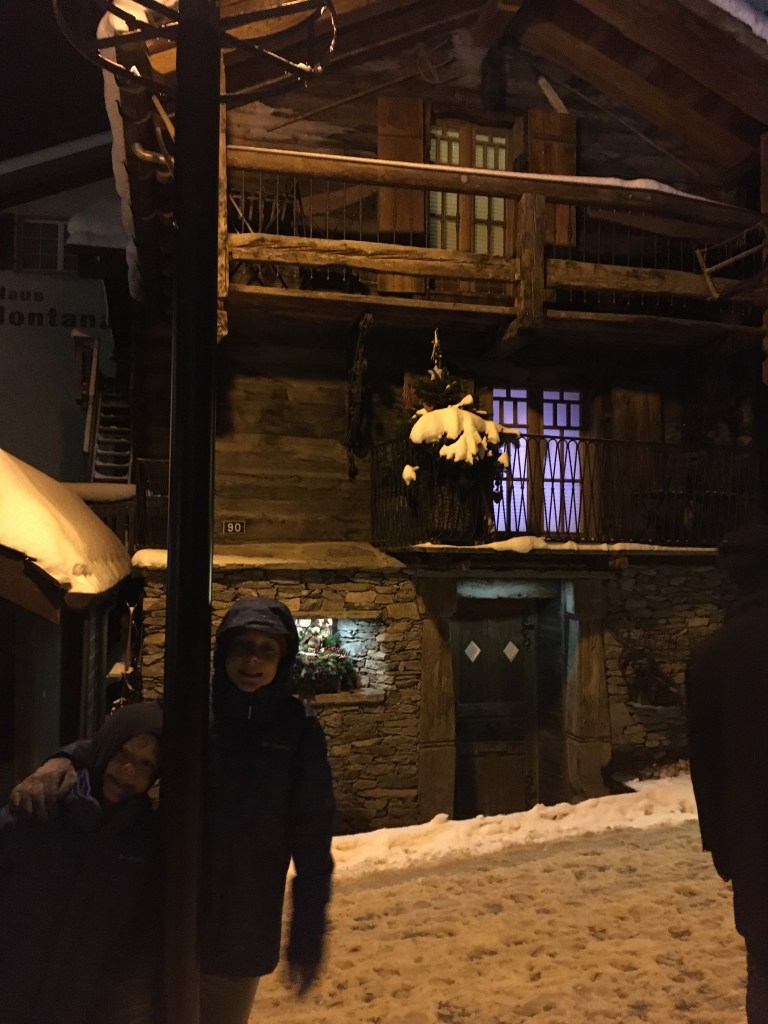
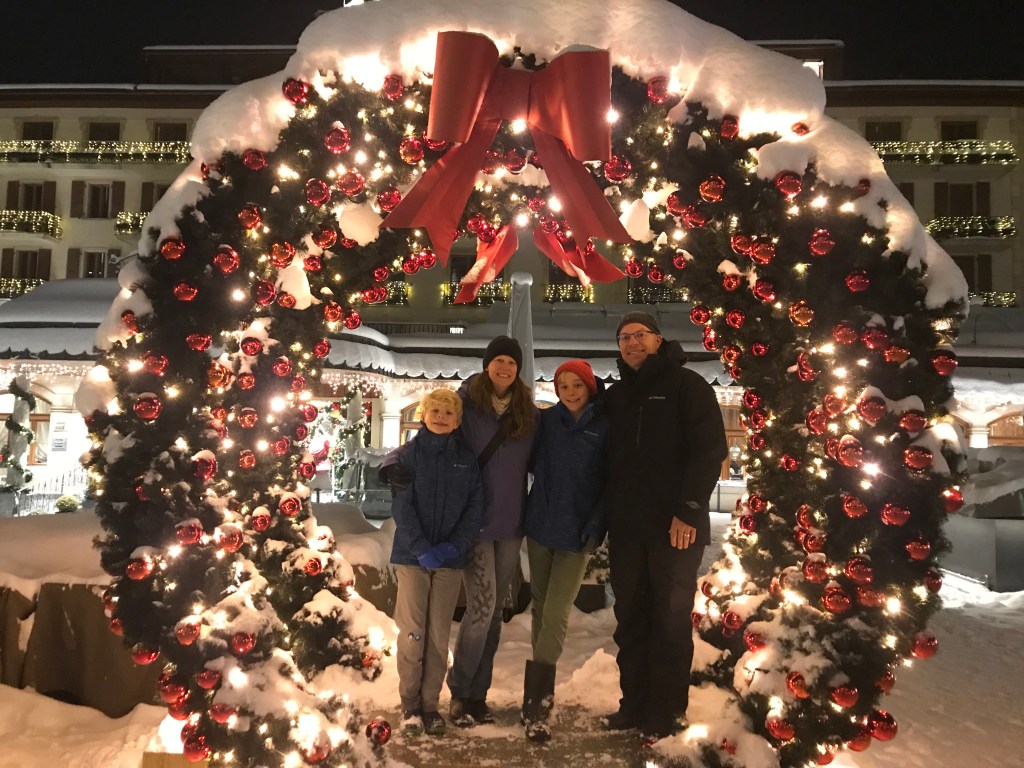
Zermatt is a beautiful Christmas postcard; covered in snow and twinkly lights.

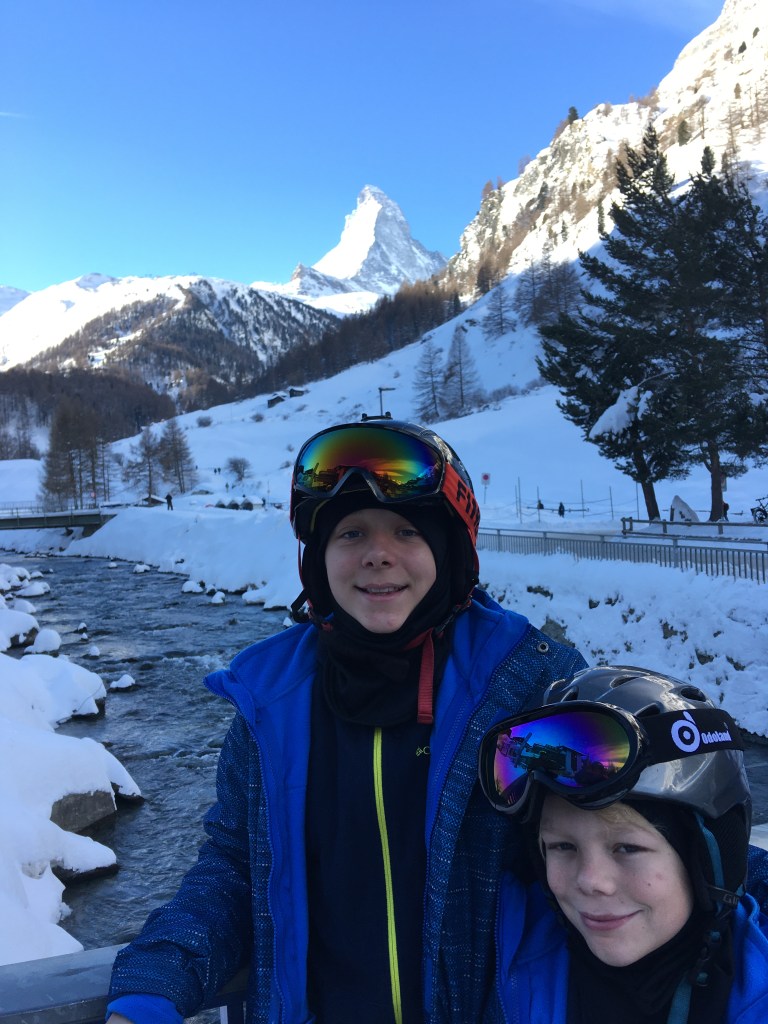
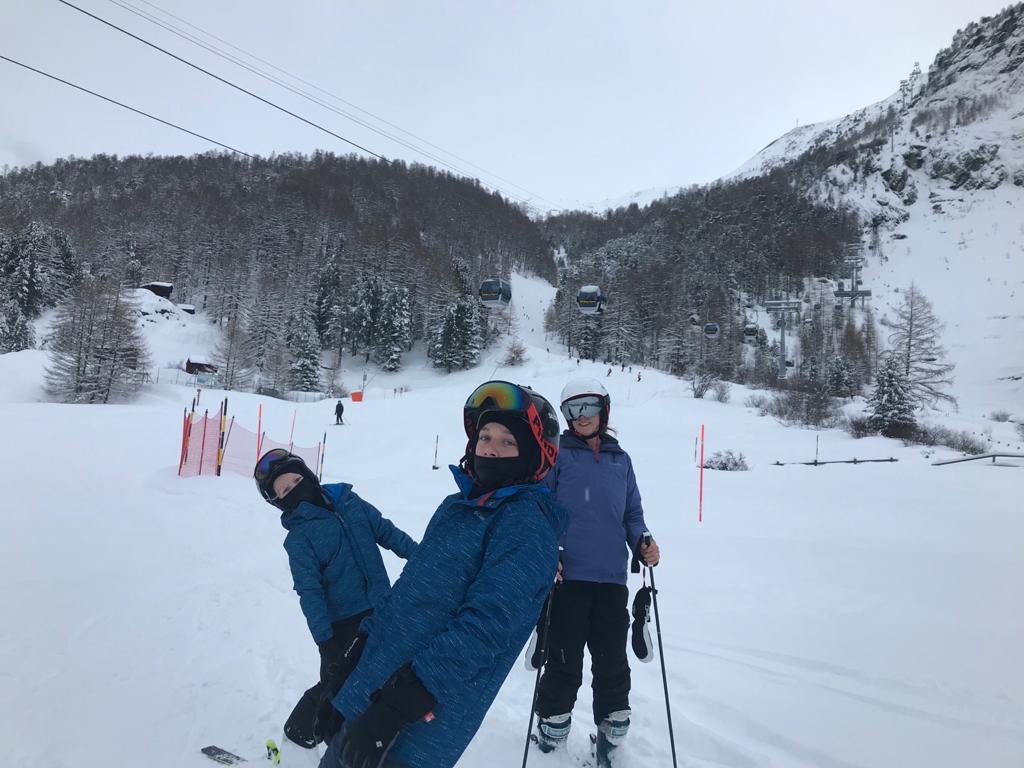
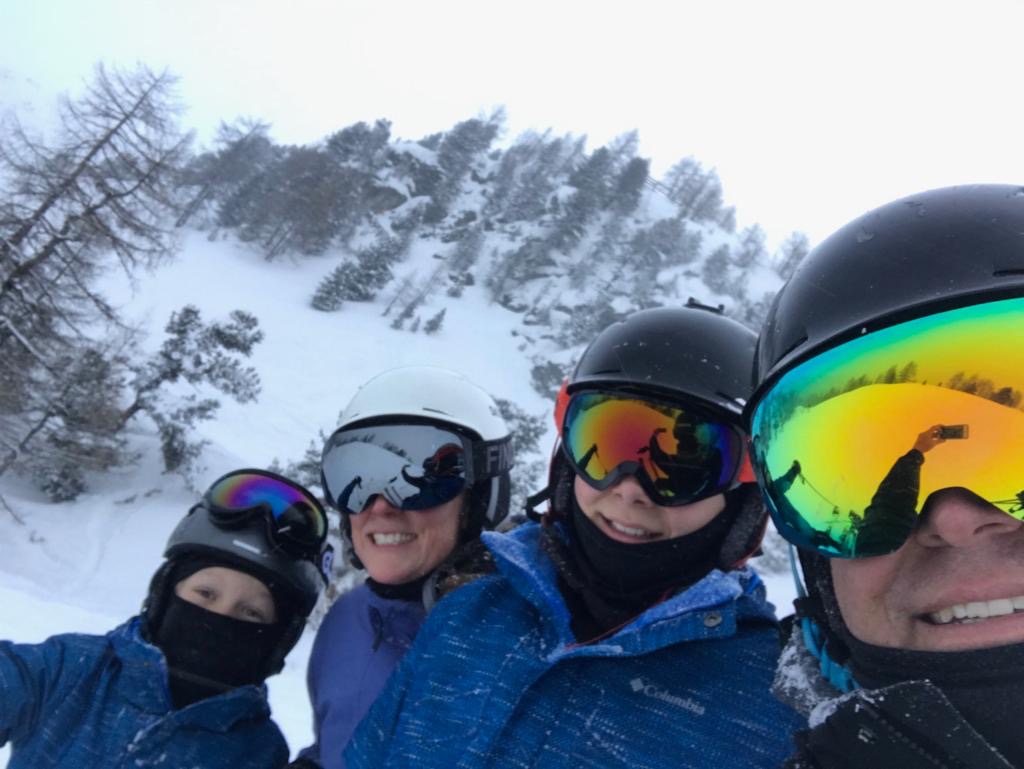
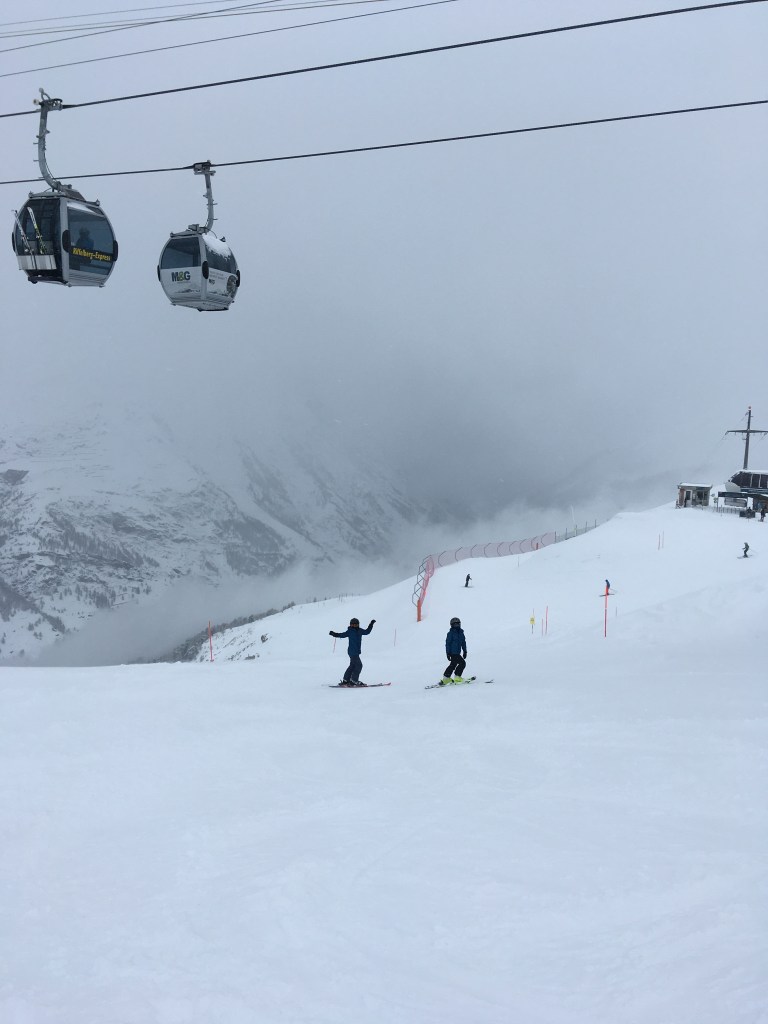
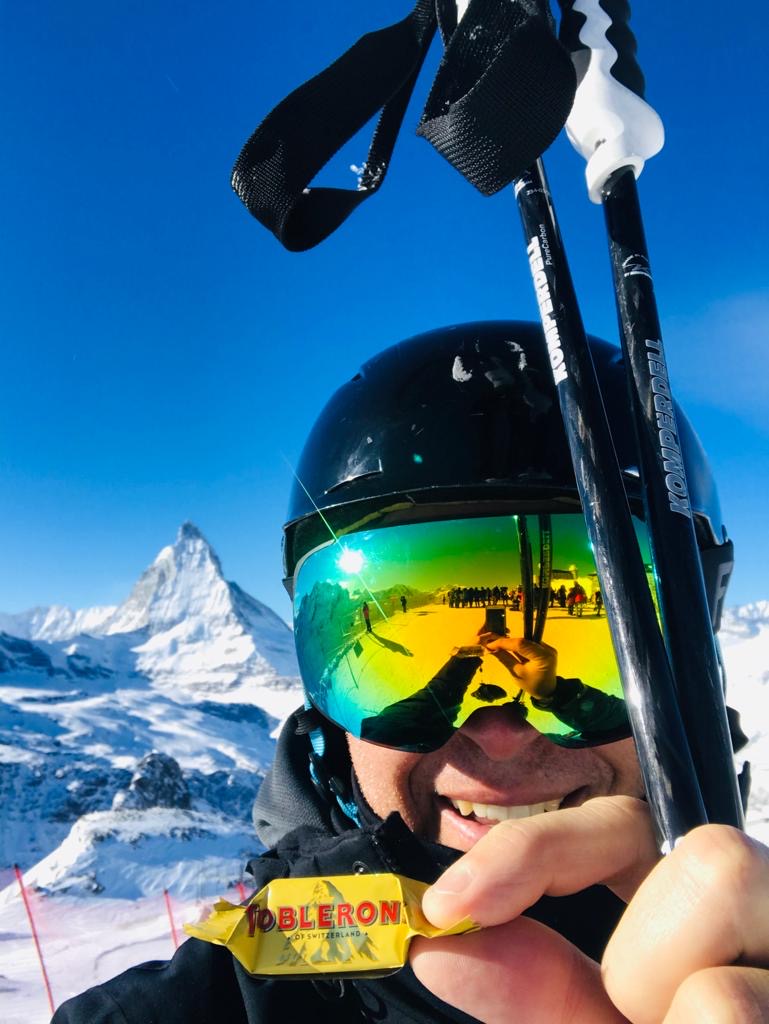
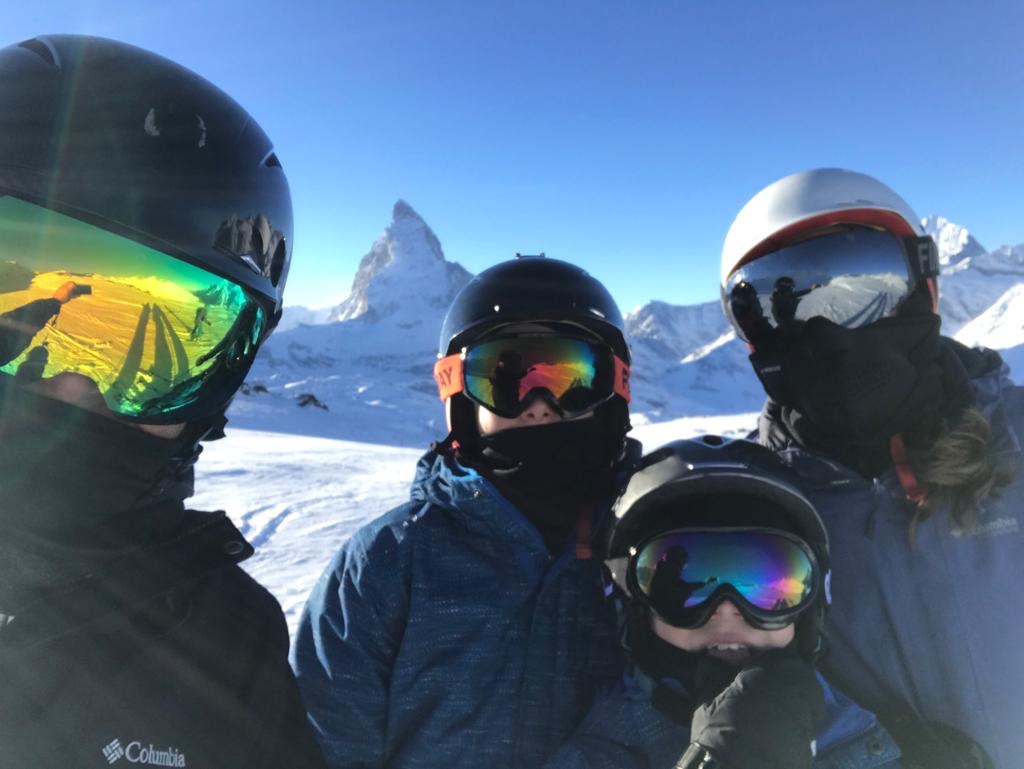
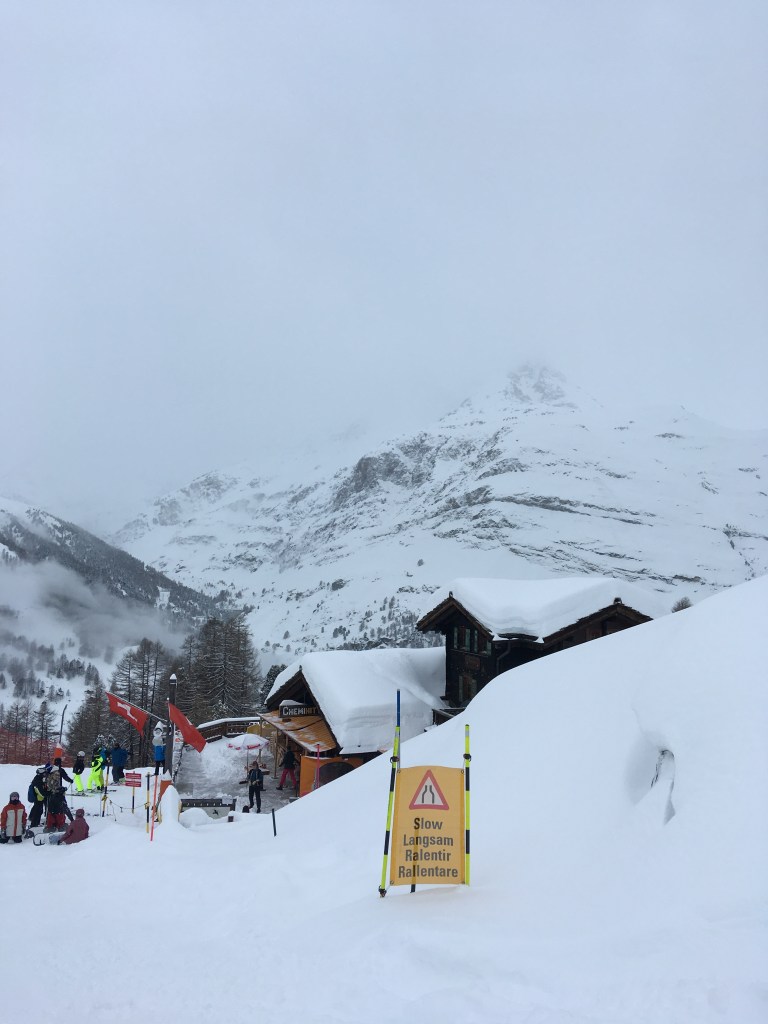
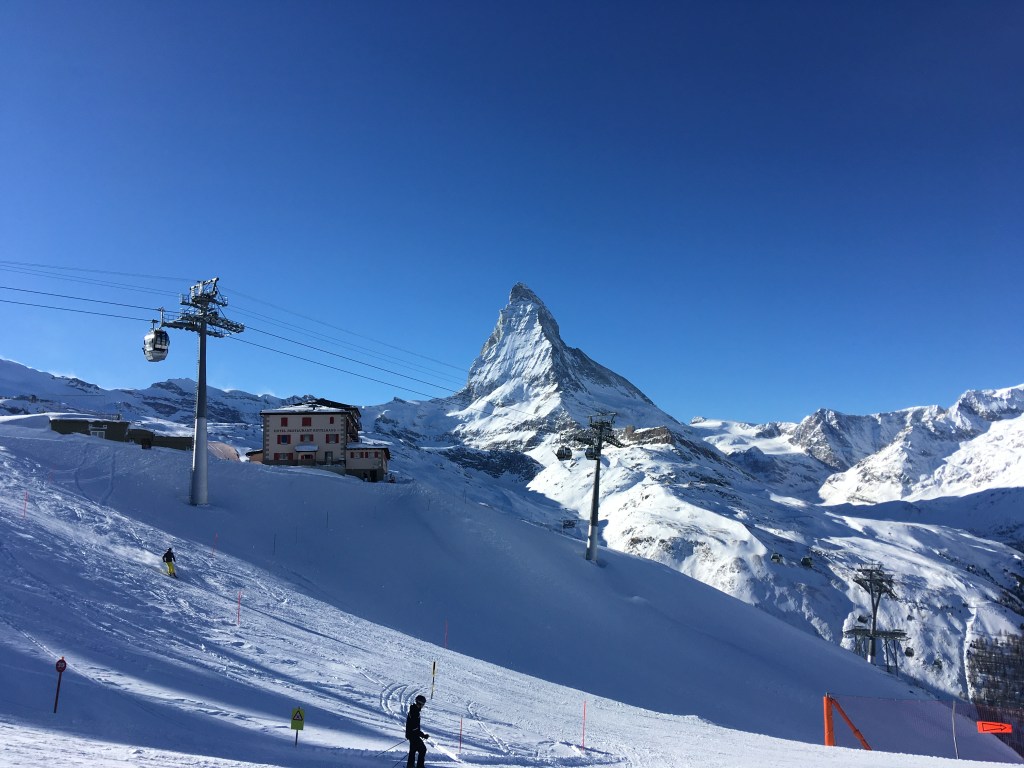
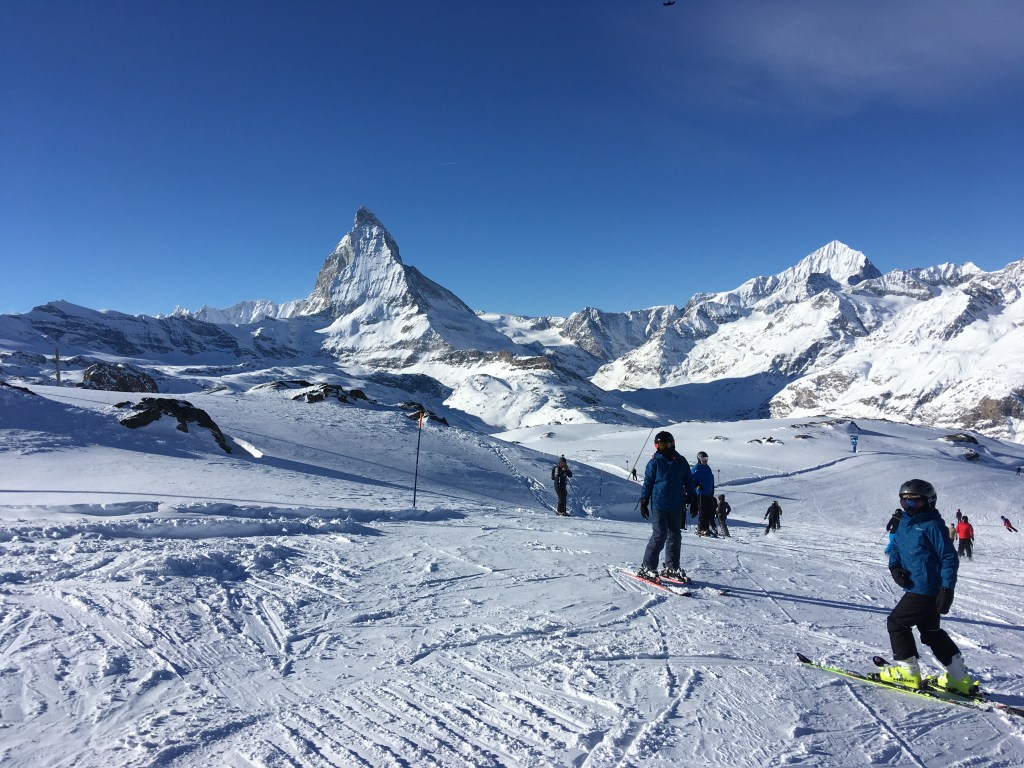
Our main objective was to ski. The Zermatt ski resort is huge. In three days of skiing, we got no where near to skiing all of the 360 kms of runs.

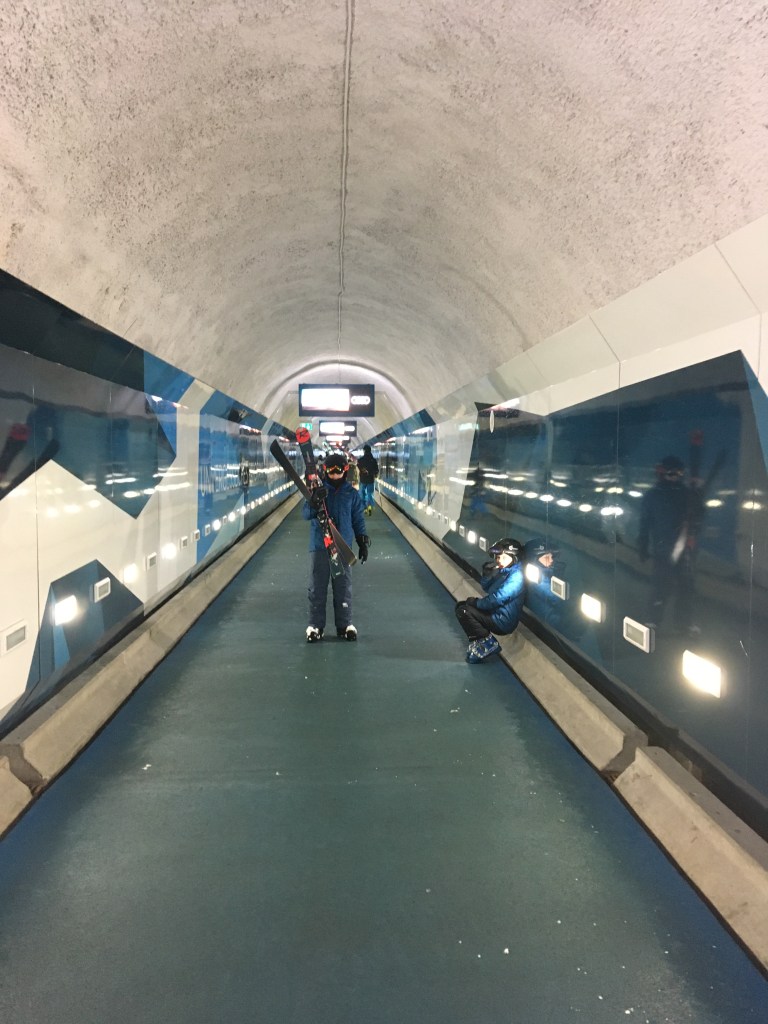
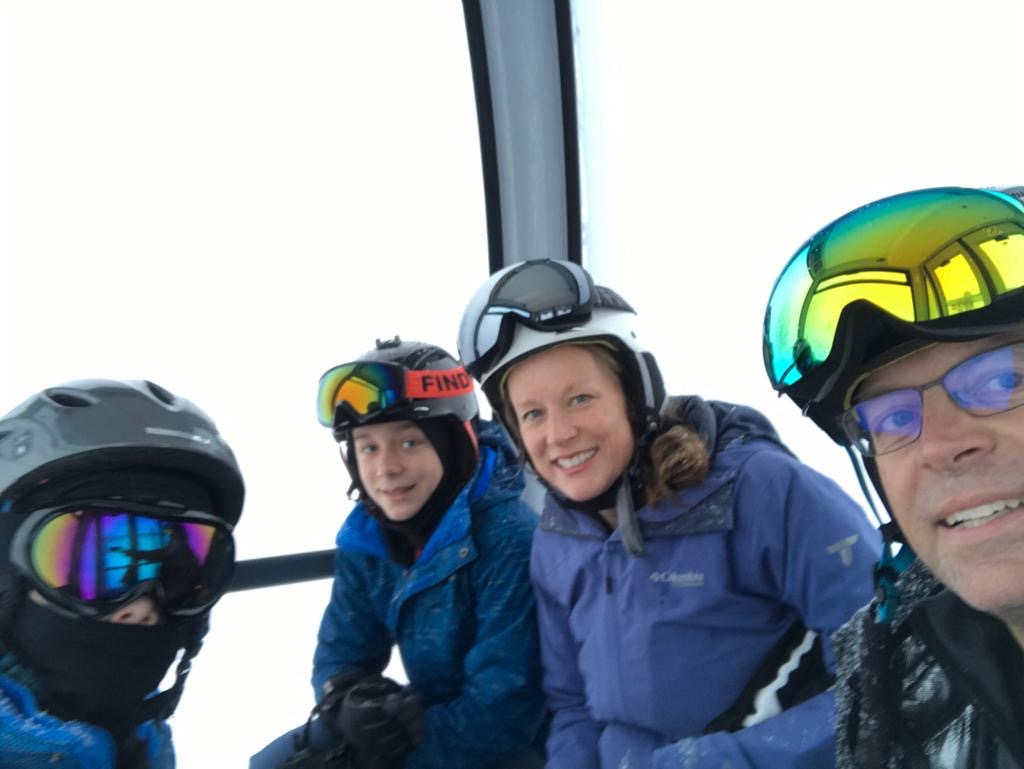
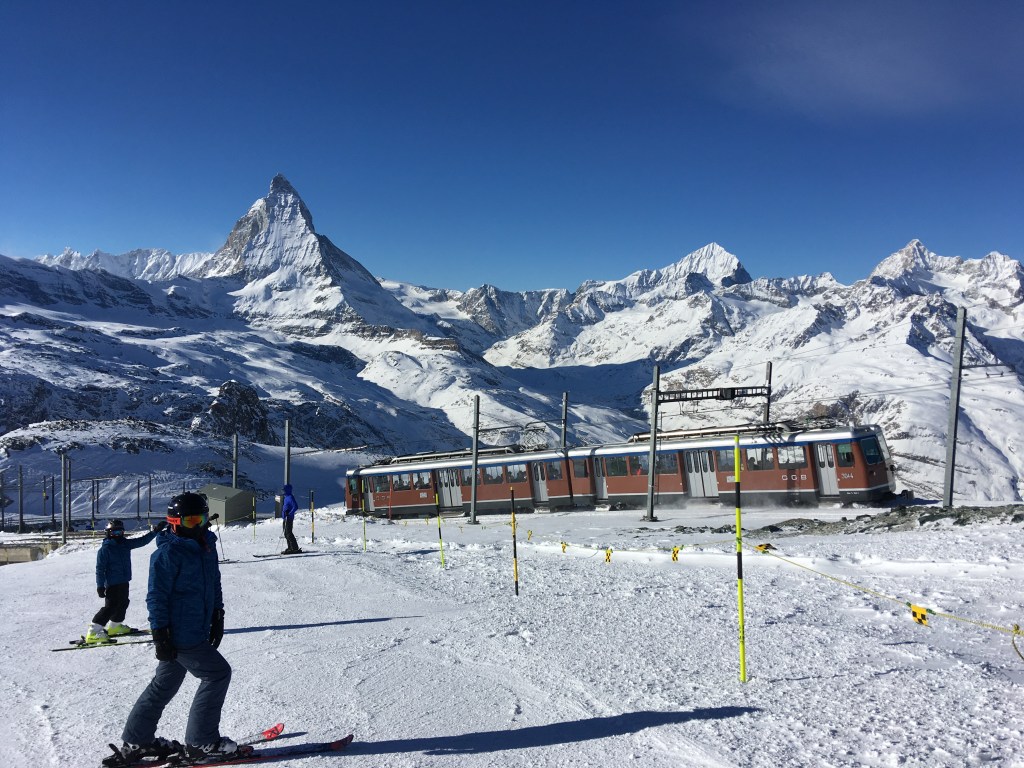
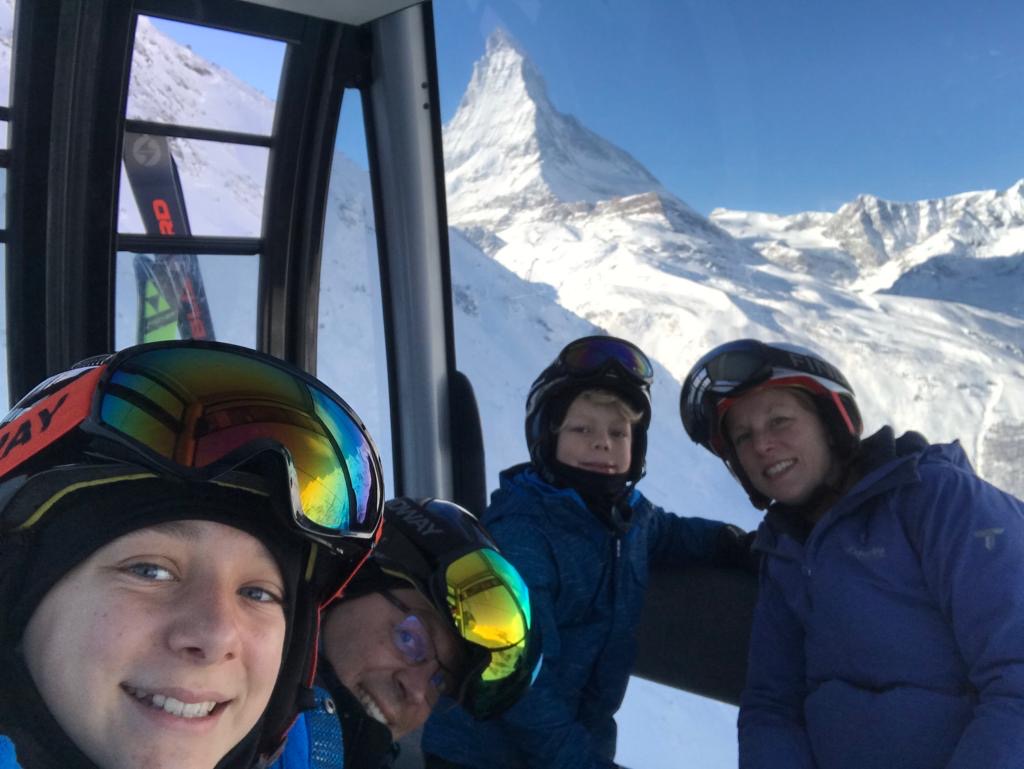
One of the really special things were all of the ways you get to the different slopes. Of course there are the typical chair ski lifts like we have at home, but we also used cable cars (big and small), a funicular and even a train! Because of this, the runs can be really long. The day we took the train to the top of Gornergrat, we spent the rest of the day getting to the bottom.

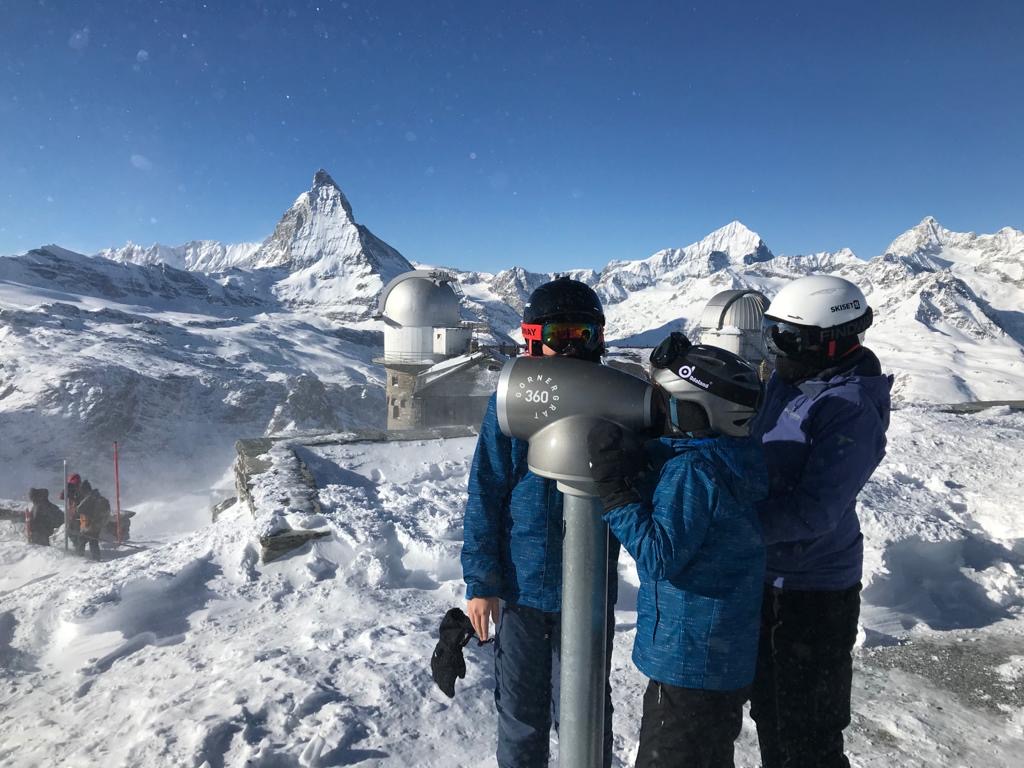
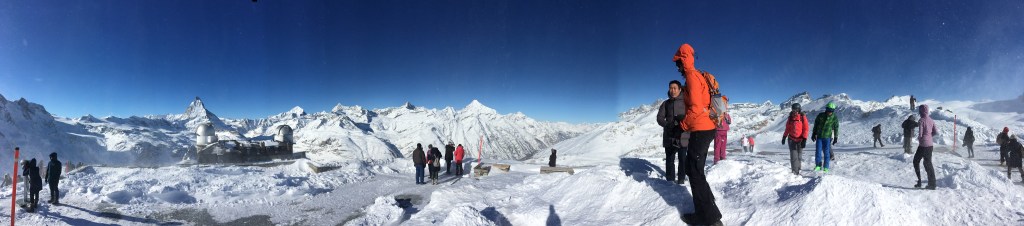
At the top of the train there is a panoramIc viewpoint that you can hike up to and get rewarded with some amazing views.

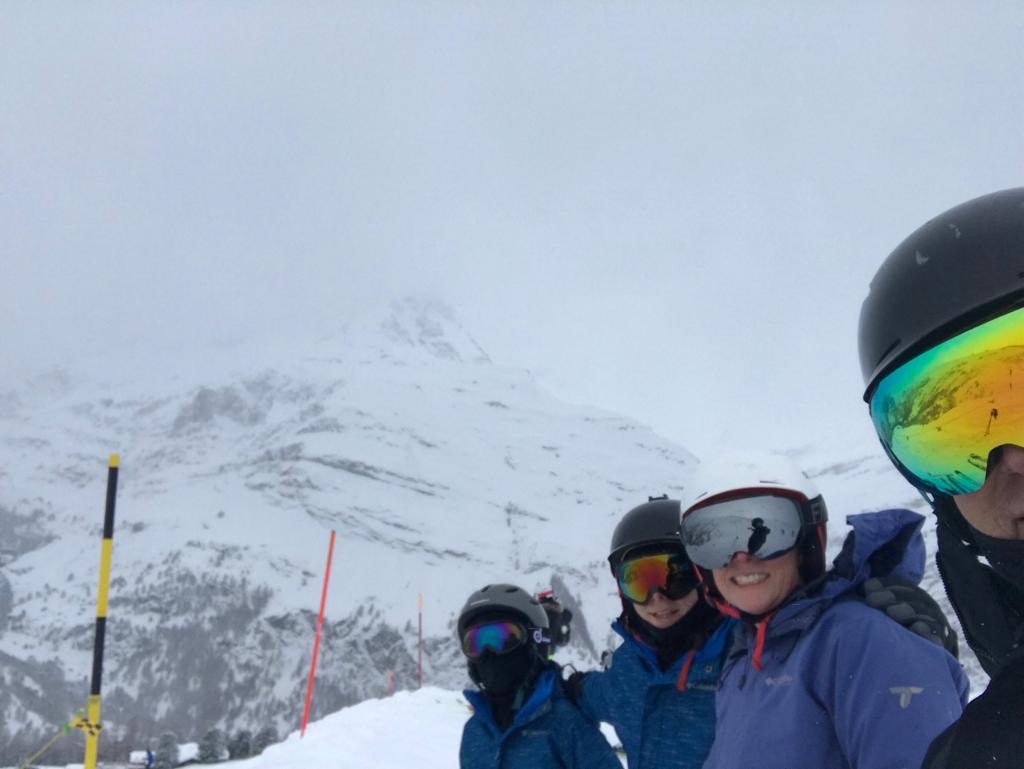
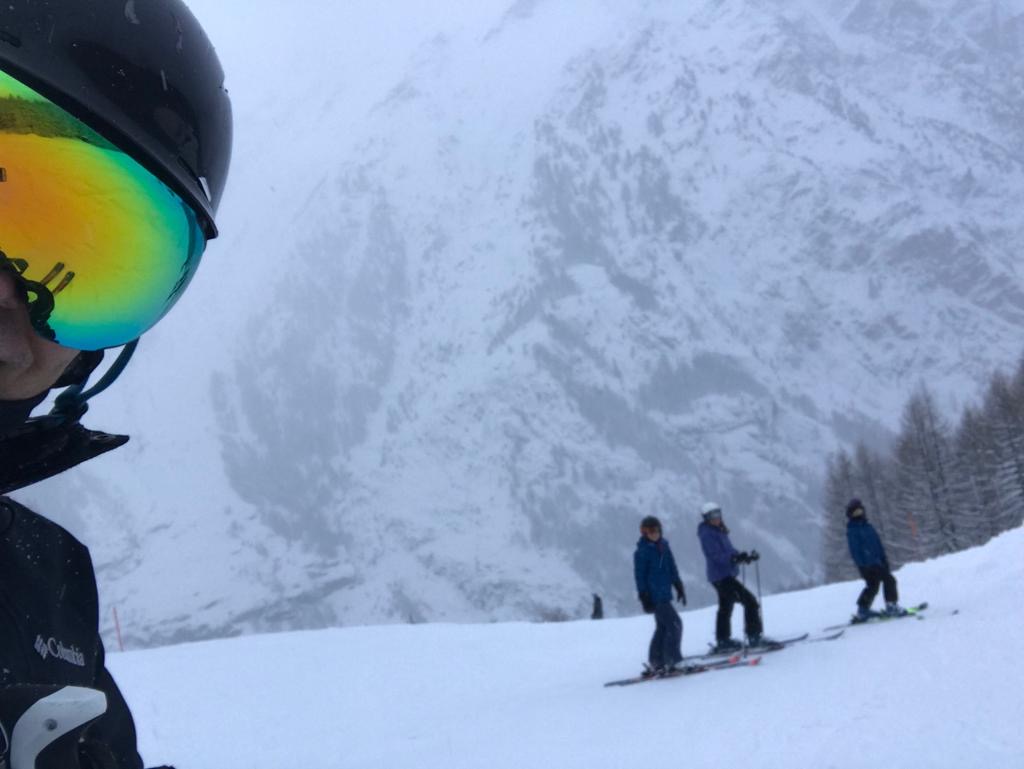
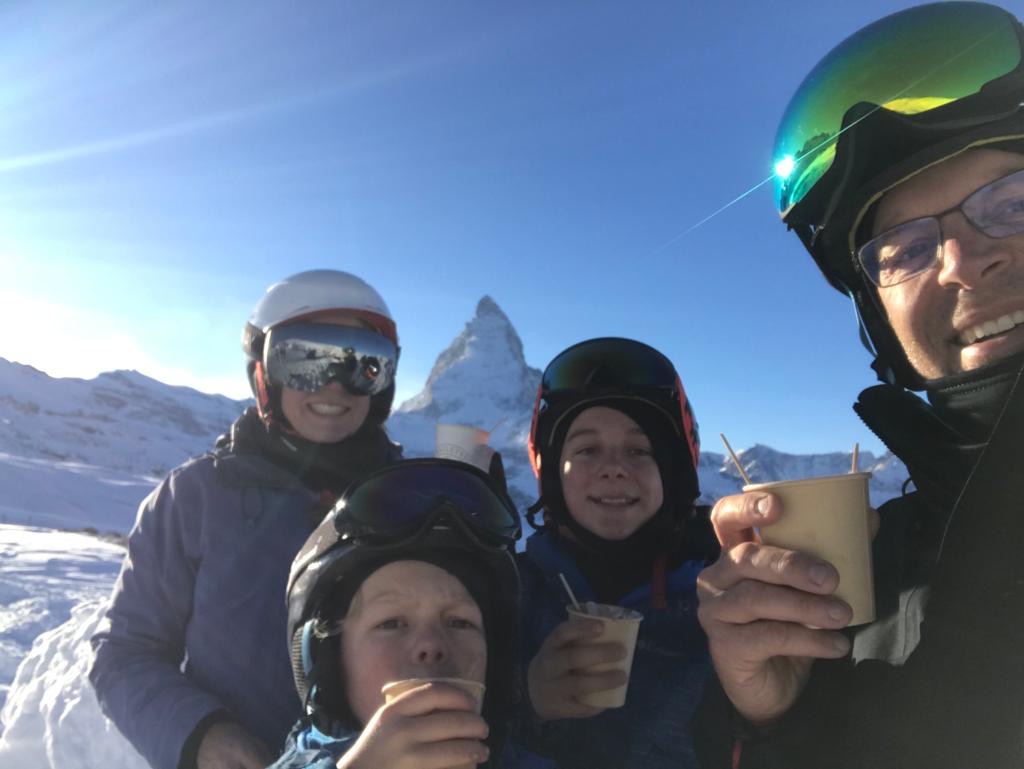
Our first two days of skiing were challenging because it snowed the entire time and the visibility was extremely limited. But the third day, oh my, what an amazingly beautiful place to be.

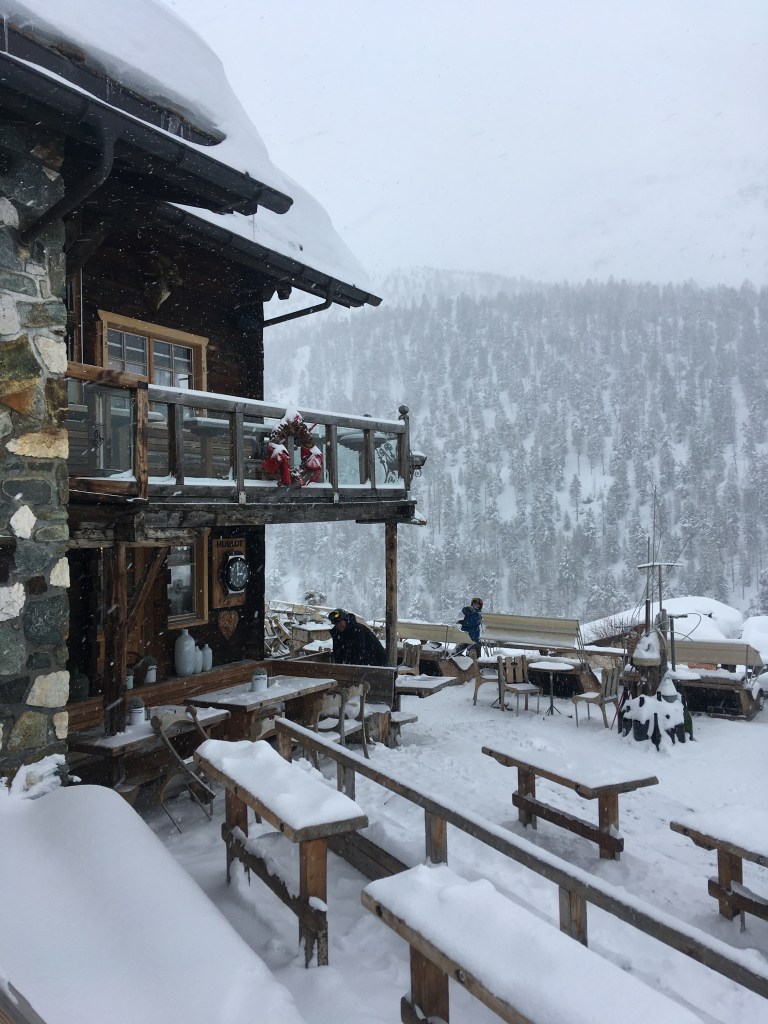
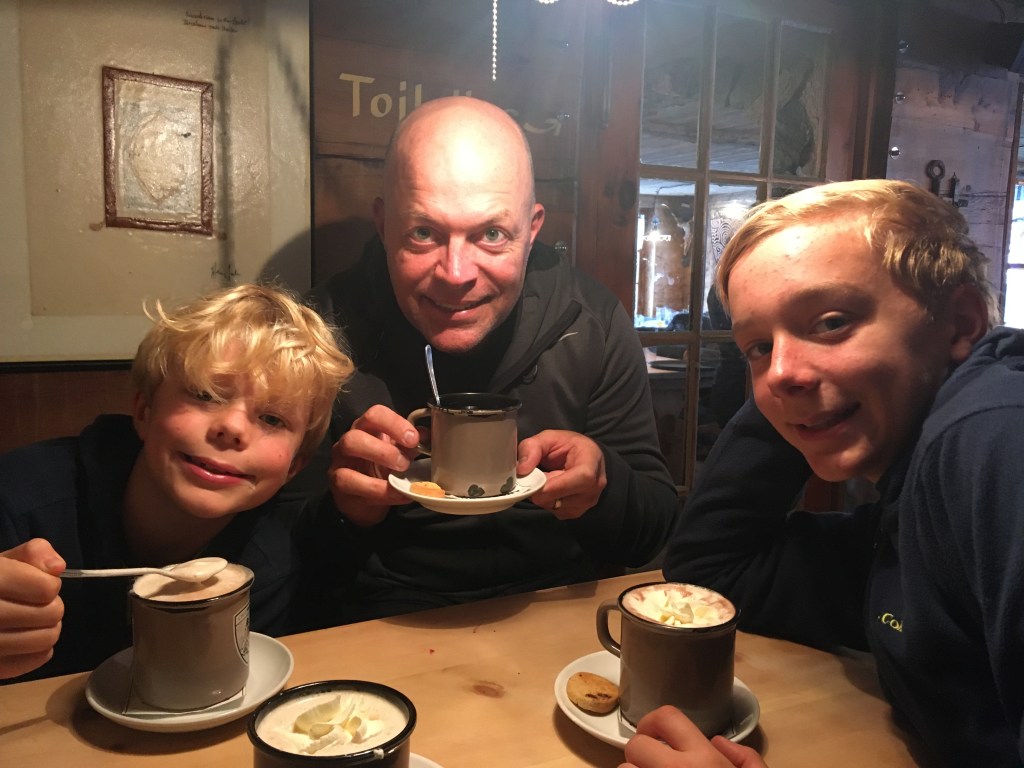
Another really special thing about skiing around Zermatt are all of the little restaurants you find along the runs.

Cocoa (mine with rum) and warm wine stop on the way down the slopes.

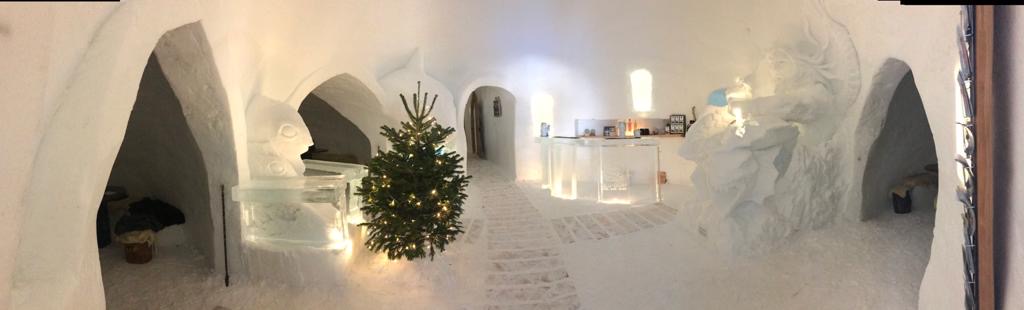
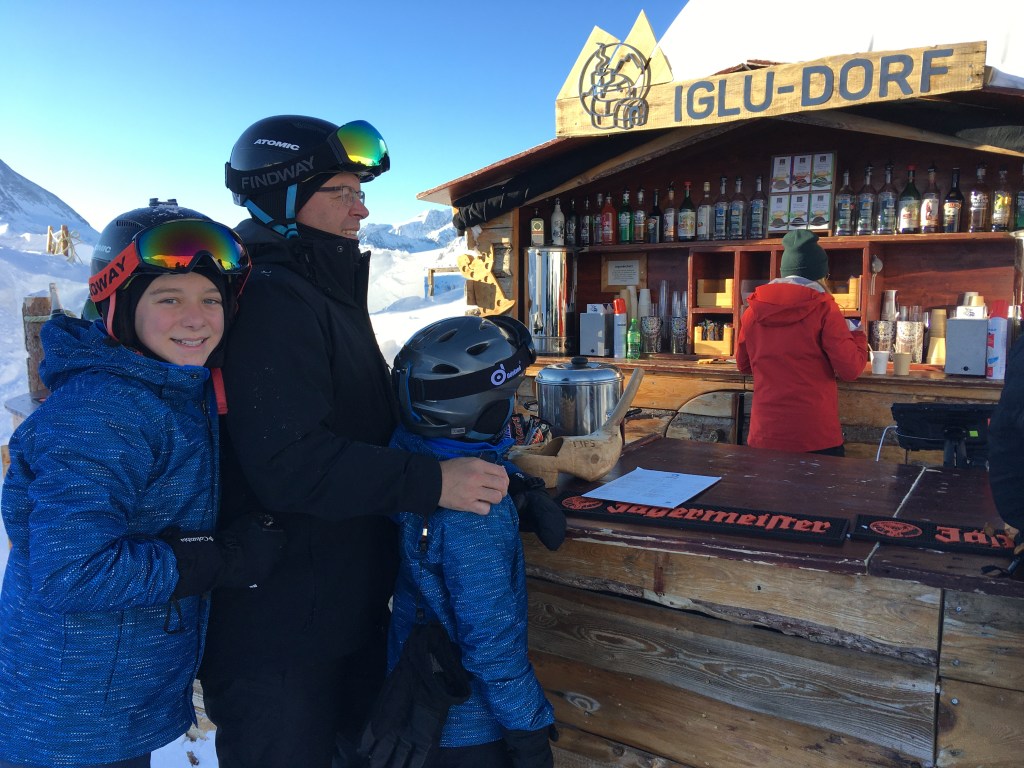
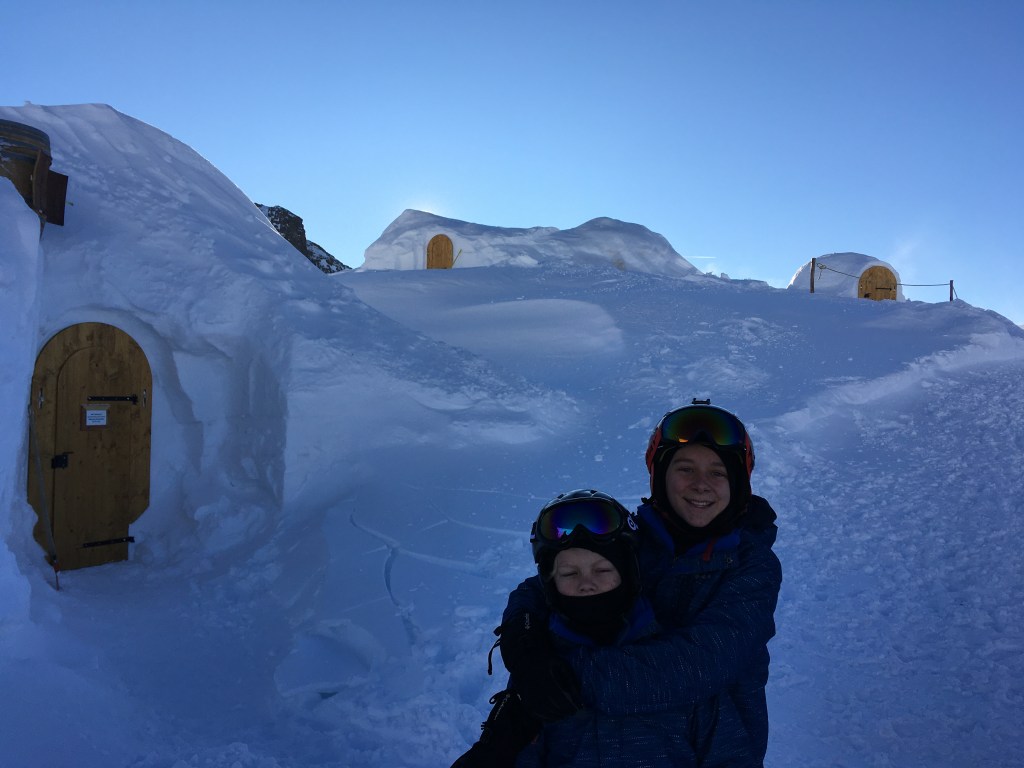
Also along the slopes was an igloo village; a bar, restaurant and hotel up high on the mountain which made a perfect place to stop for a hot chocolate. If we ever have a next time, we want to spend the night in one of these.

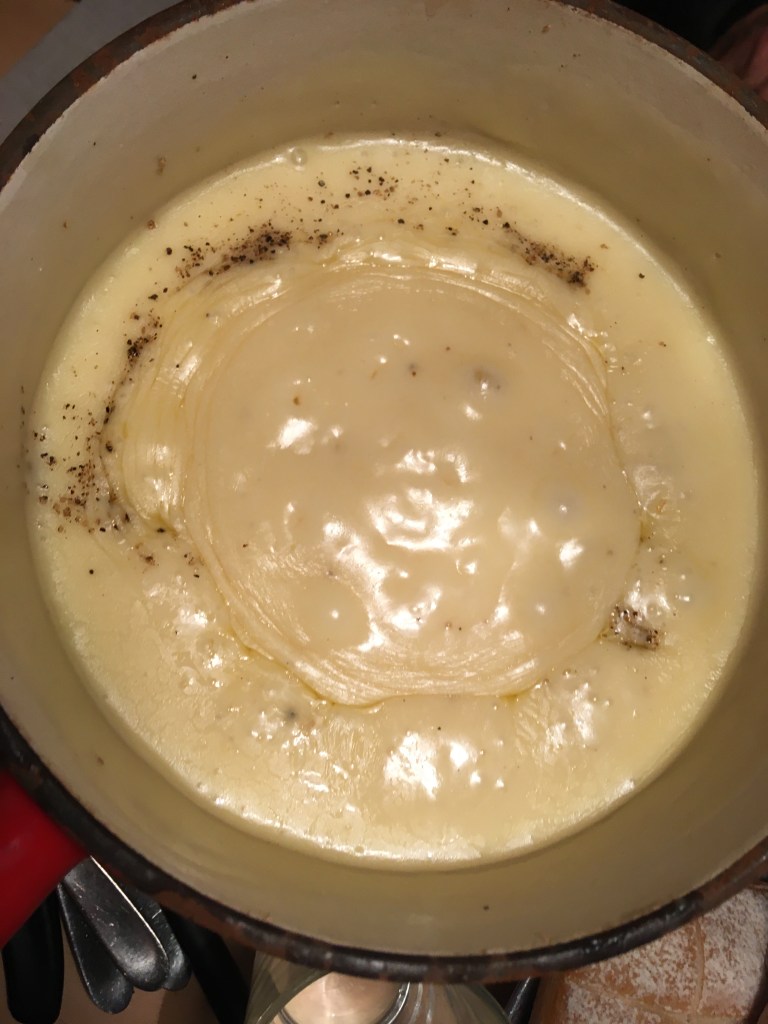
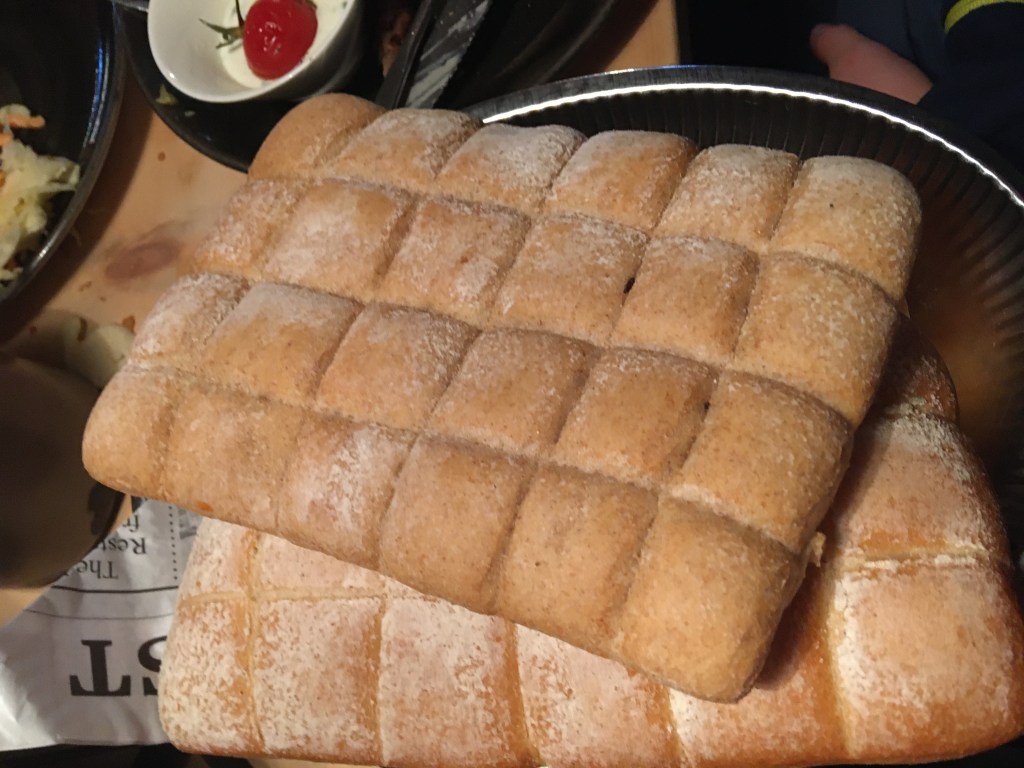
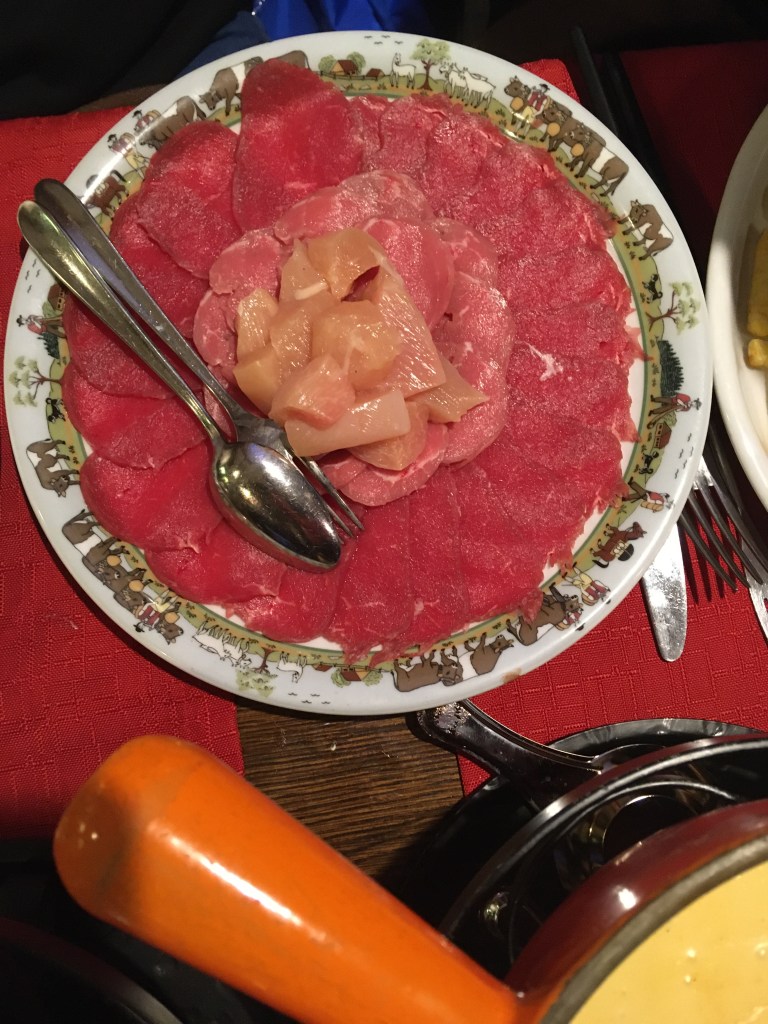
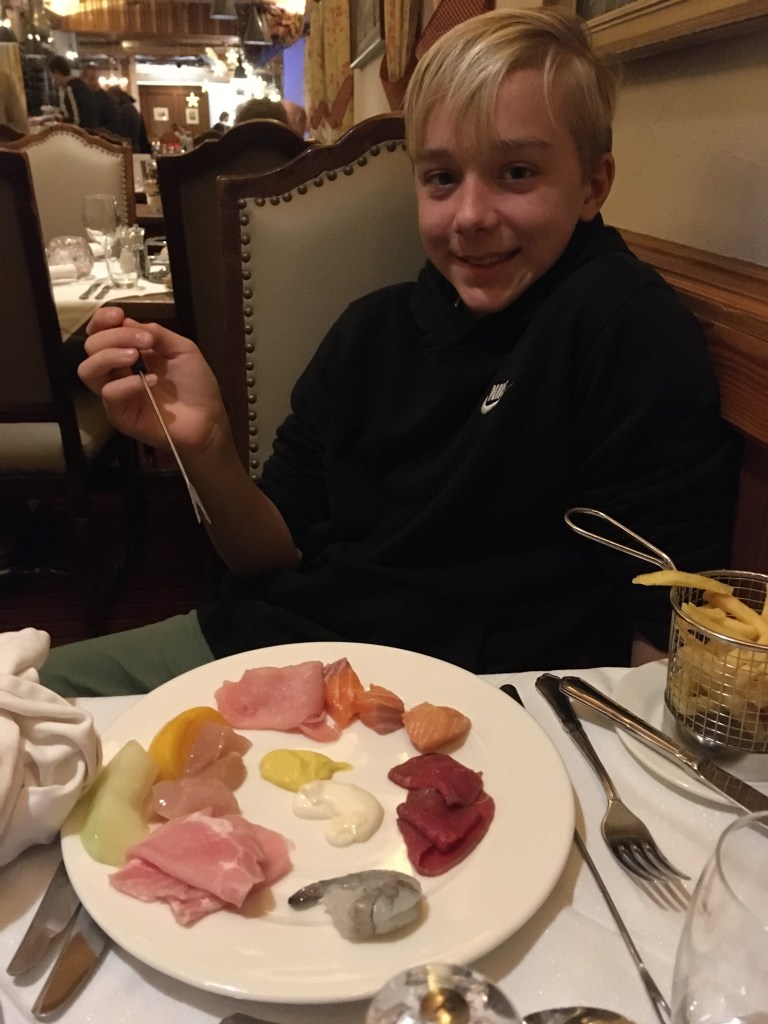
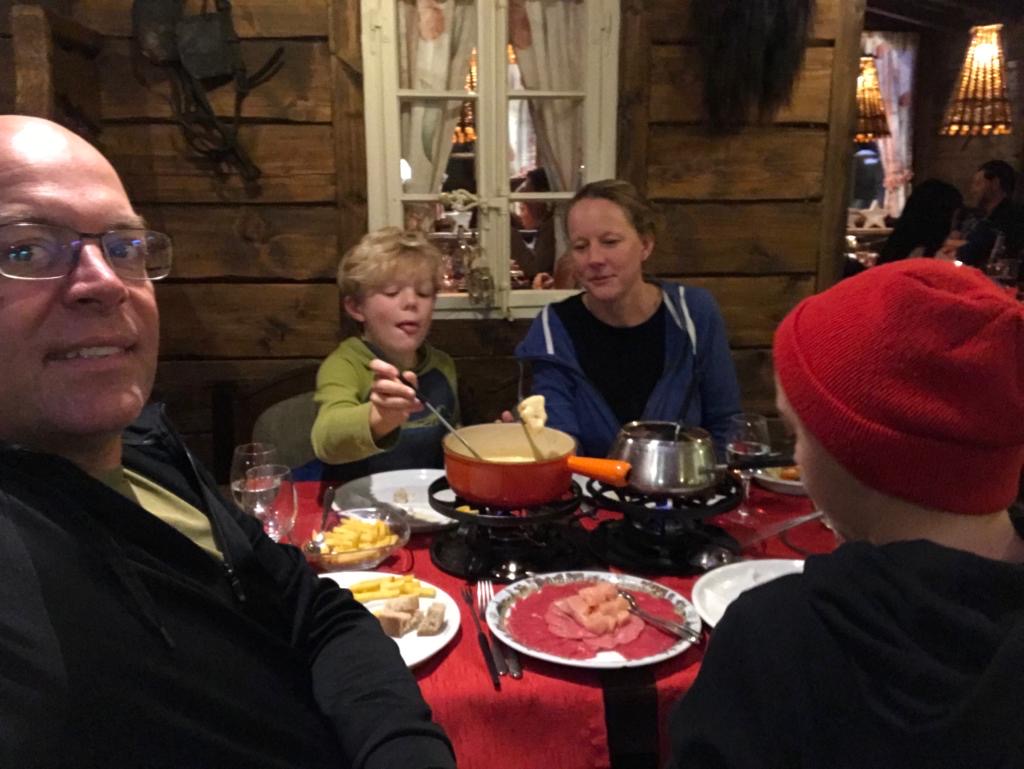
And then there was the food! We had a lot of ooey, gooey, cheesy fondue. The boys also enjoyed Fondue Chinoise, which translates as Chinese fondue, but actually means meat fondue, which includes a variety of raw meats that you dip in a boiling broth, not cheese, to cook to your liking. Oliver was in heaven; yummy food you can play with and cook yourself! And Leo, the only family member who is not a fan of cheese, really enjoyed the cheese fondue.

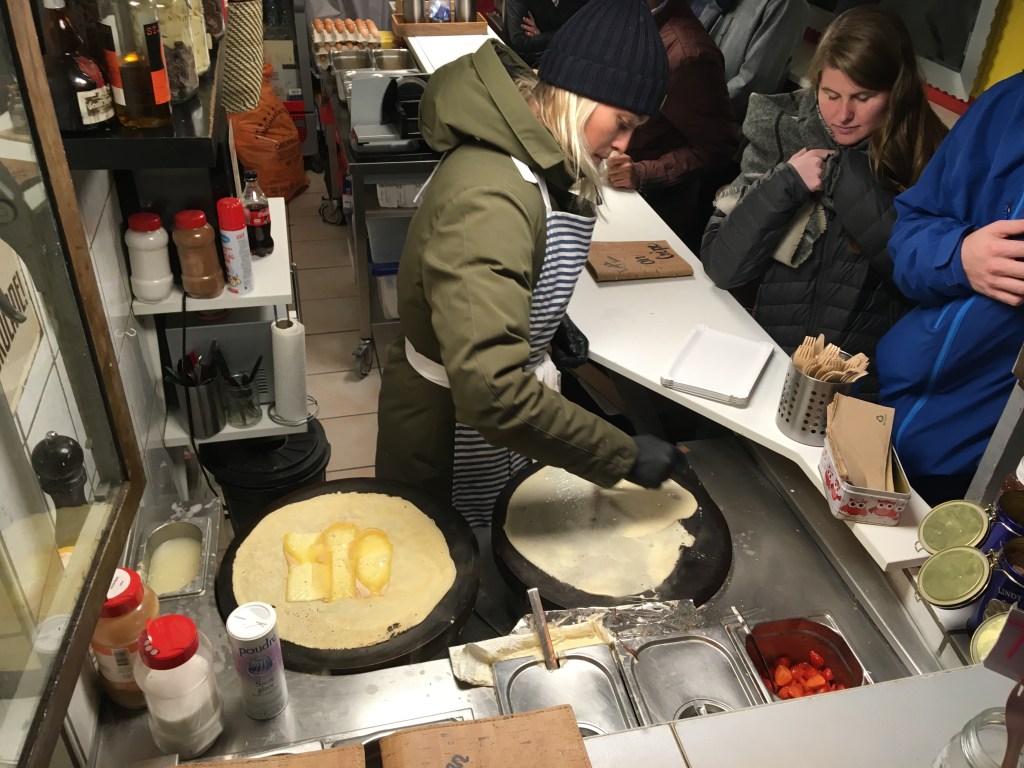
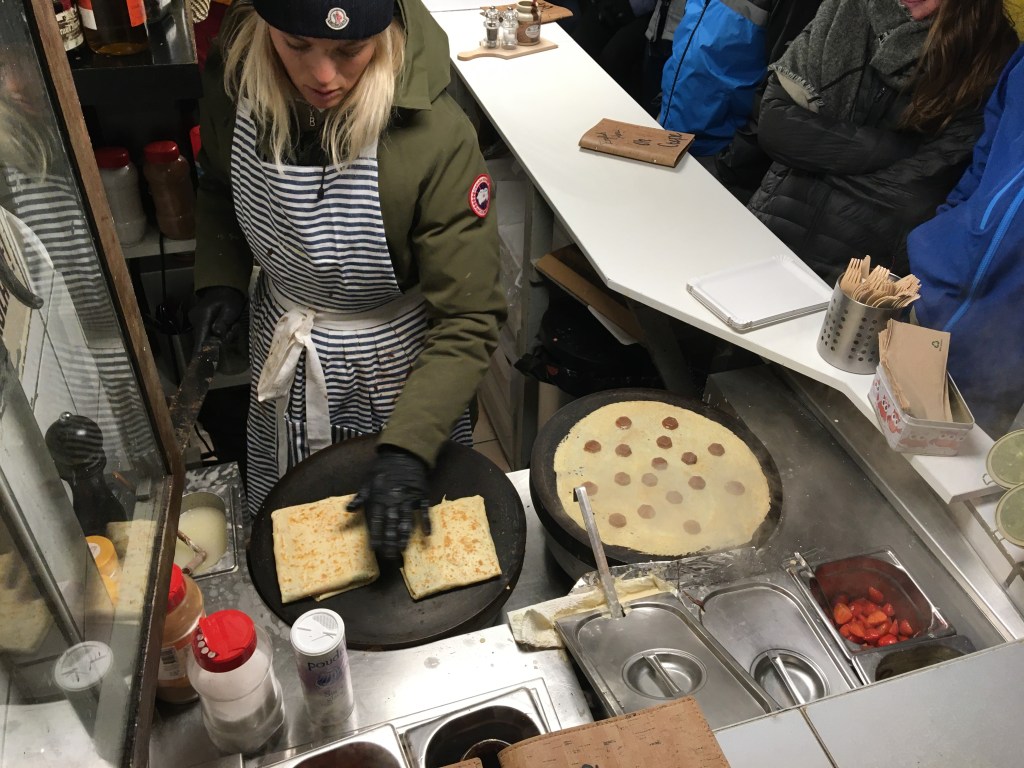
We also had some other Swiss dishes like Kåse Kuchen (cheese quiche), rösti (hash browns), and stood in line in the snow for crêpes made with Raclette cheese and Lindt chocolate.

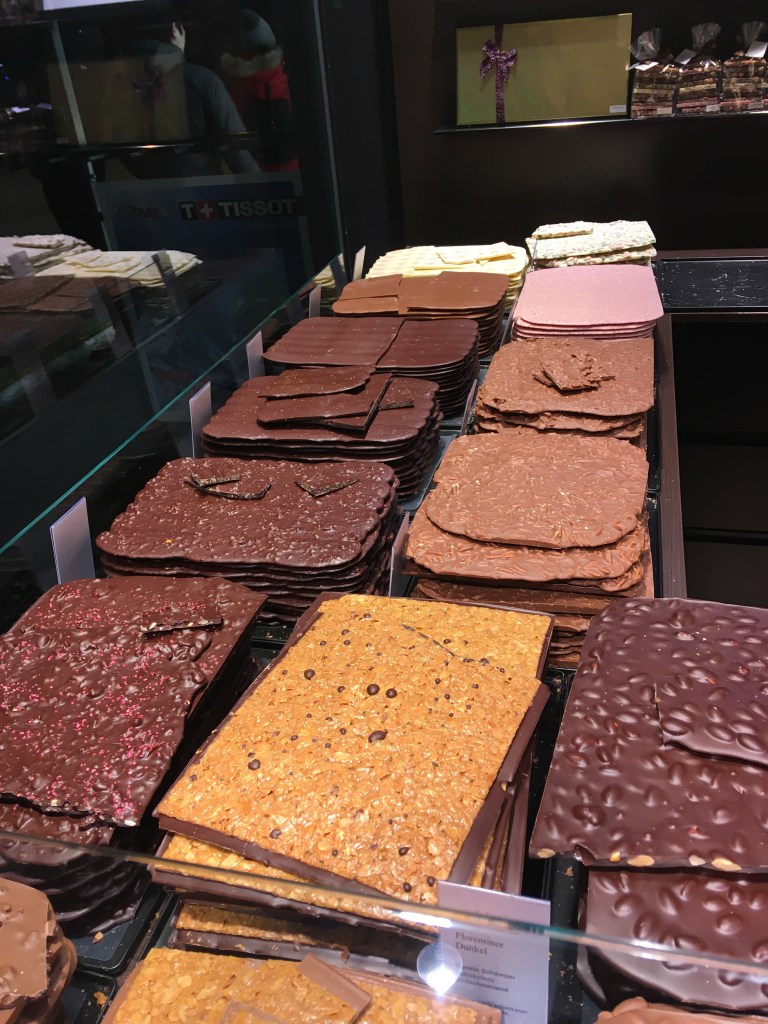
And of course we had to get some Swiss chocolate.

It was really surprising how expensive all of the food was, especially compared to Spain. This trip was Todd and my Christmas, birthday and Valentine’s Day presents to each other (and then some).

Zermatt is part of German speaking Switzerland. Luckily Todd knows a little German, and we all took turns trying a few words, guten tag (good day), danke (thank you), bitte (please), and the boys had fun finding a lot of similarities to English. For the most part, however, people were multilingual (French, English, Italian) and we had no trouble communicating.

Oliver said that he could live here and wondered where the school was. When we asked him why he wanted to live here he said because of the clean air and the super yummy water (we’ve been missing Portland water) and he wouldn’t mind eating fondue every day.

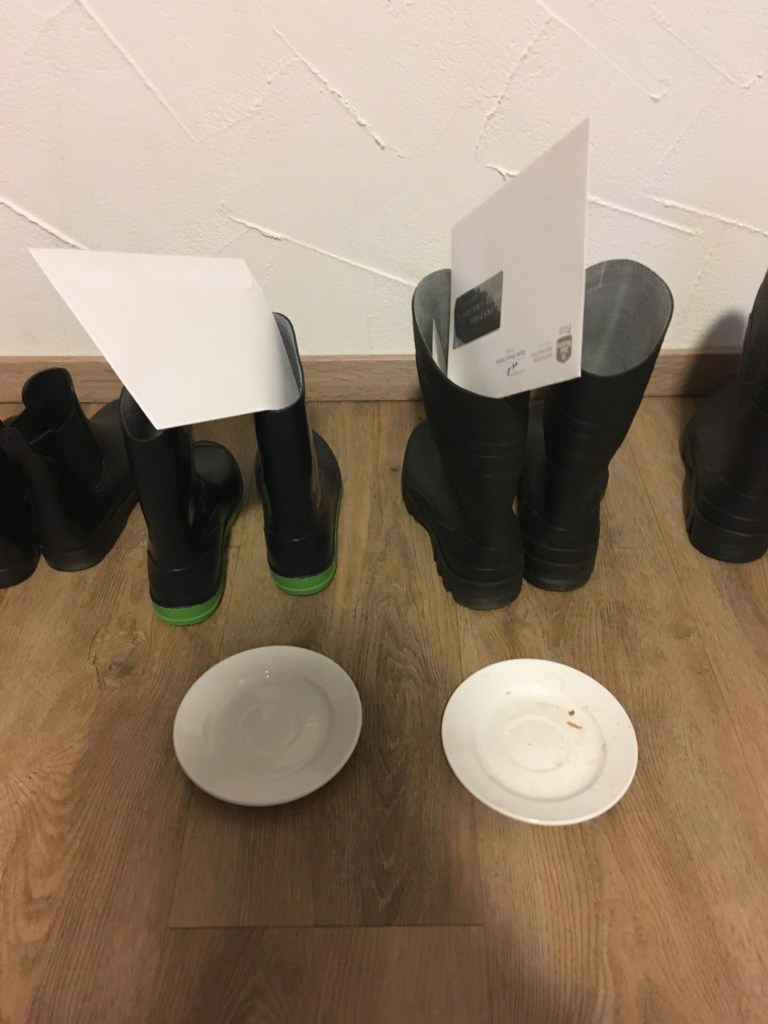
And having to travel light (those cheap airfares don’t allow a lot of luggage) and spending Christmas morning in a hotel, meant some creative Christmas stockings: boots!

‘Tis the season

Usually decorating for Christmas is something the whole family enjoys. This year, however, we aren’t putting much energy into it since, one, we don’t really have any decorations, and, two, we will be traveling for the last half of December.

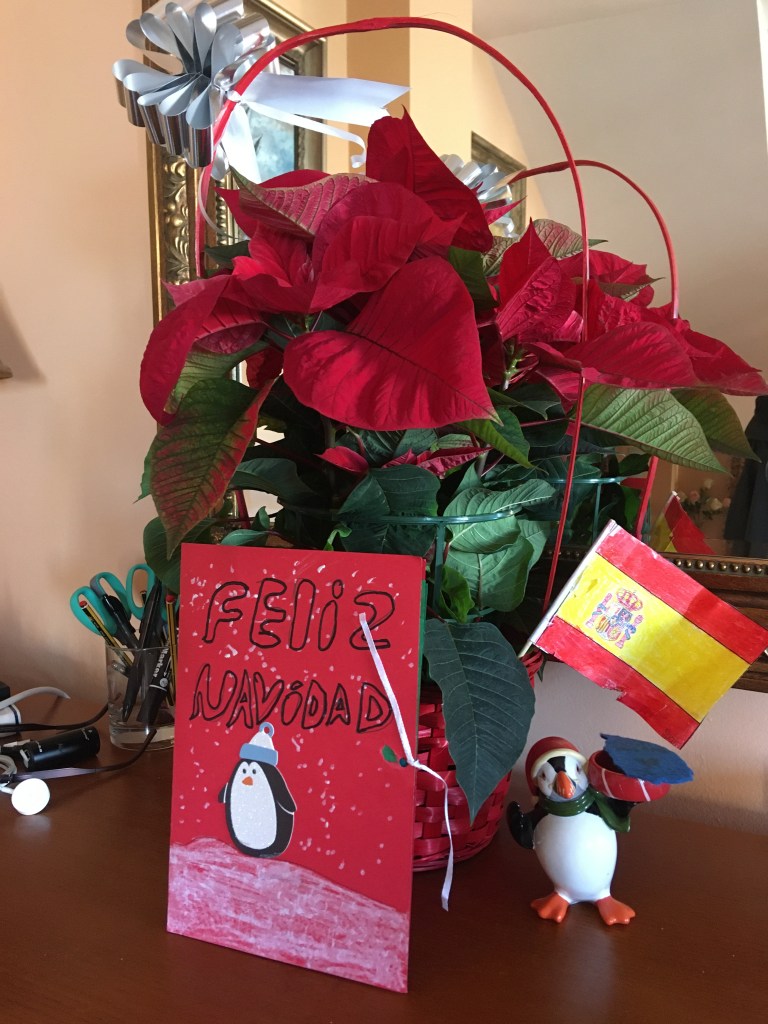
Our decorations consist of a Poinsettia plant that some friends gave us, a ceramic penguin that we found in the cupboards, a little felt ornament and a card that Leo made at school.

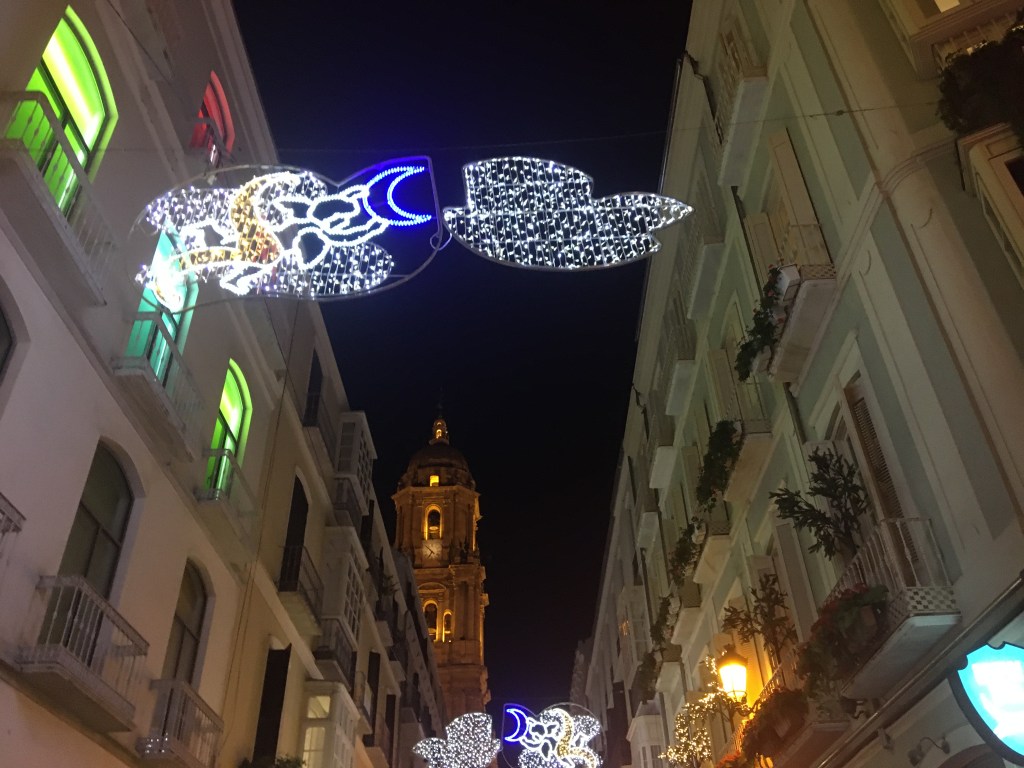
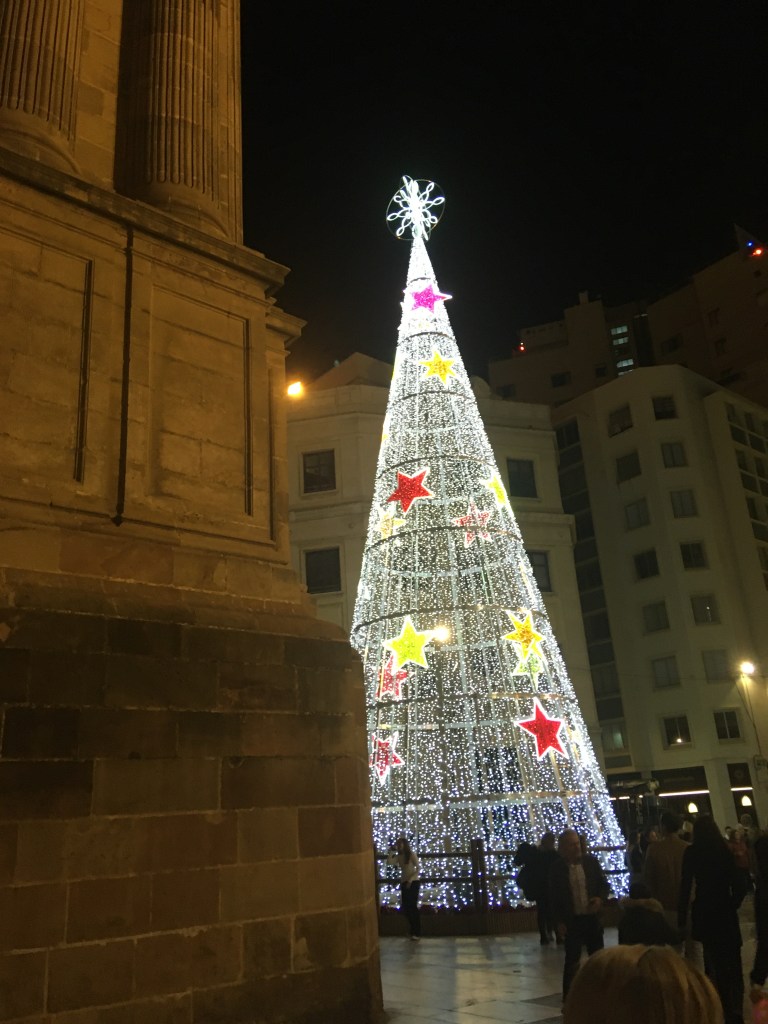
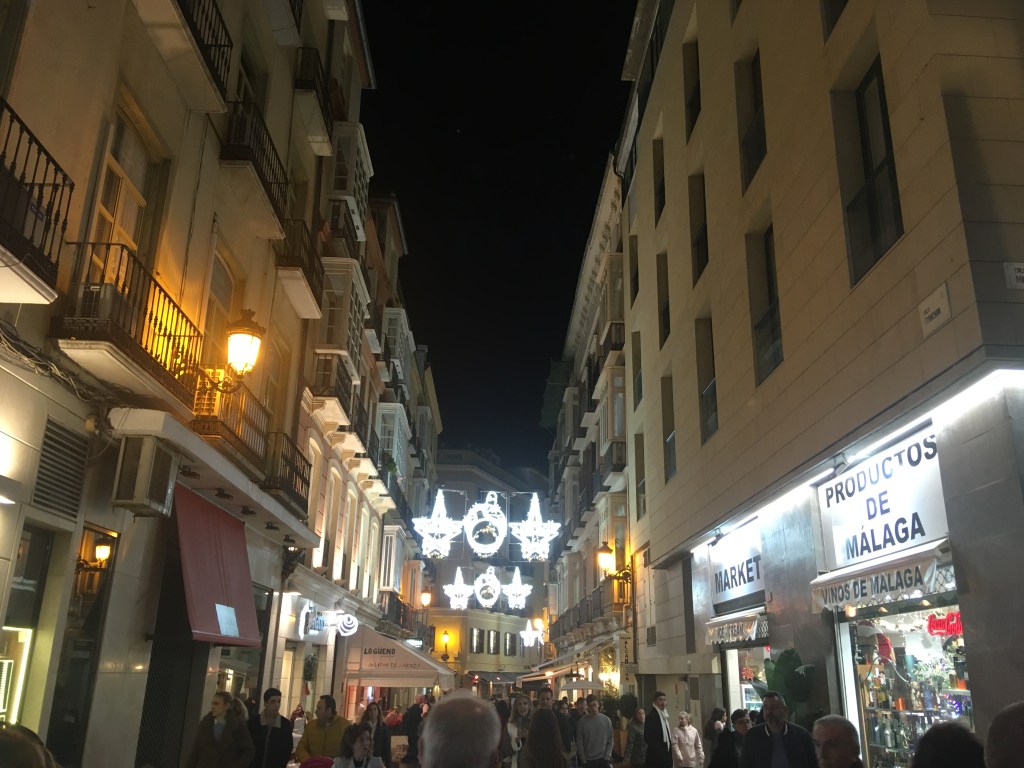
We are not complete humbugs, however. We made a few outings to see some Christmas decorations.

The first trip was to Málaga. We took the bus into the city. Usually this is a 40 minute ride, but thanks to the Málaga marathon creating many detours and traffic jams and getting on the ruta bus (the one that makes lots of stops), instead of the direct bus, it took an hour and a half.

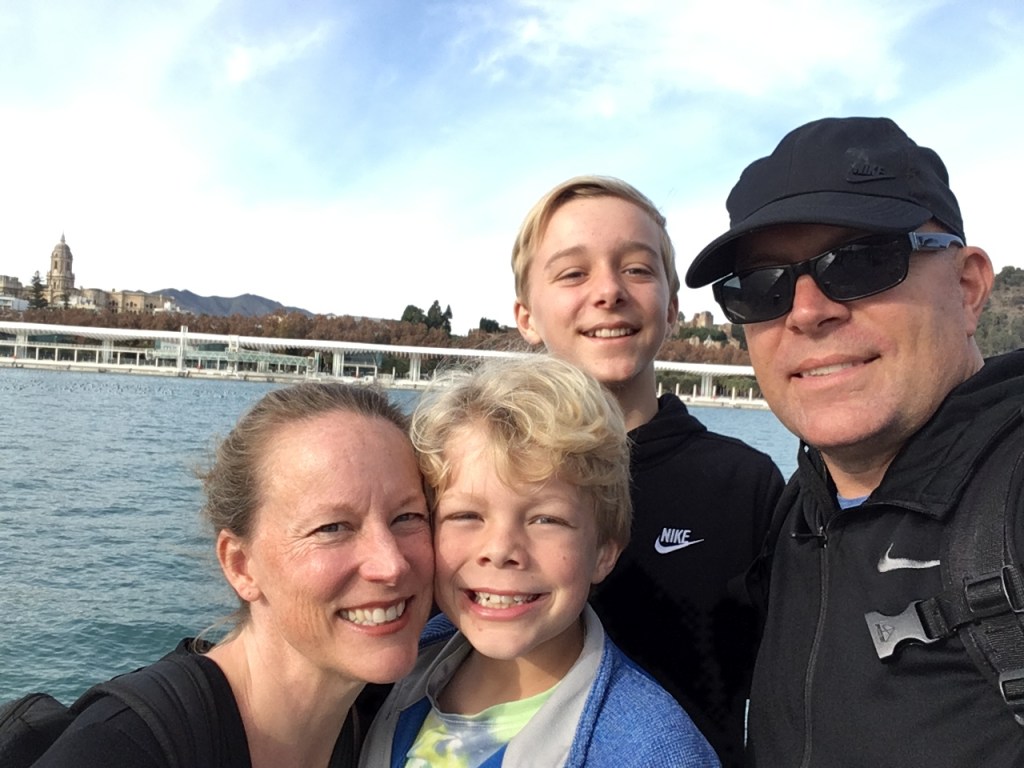
We decided to take the opportunity to see the port (Muelle 1). It is a really busy and relatively new district with lots of people, restaurants, and shops.

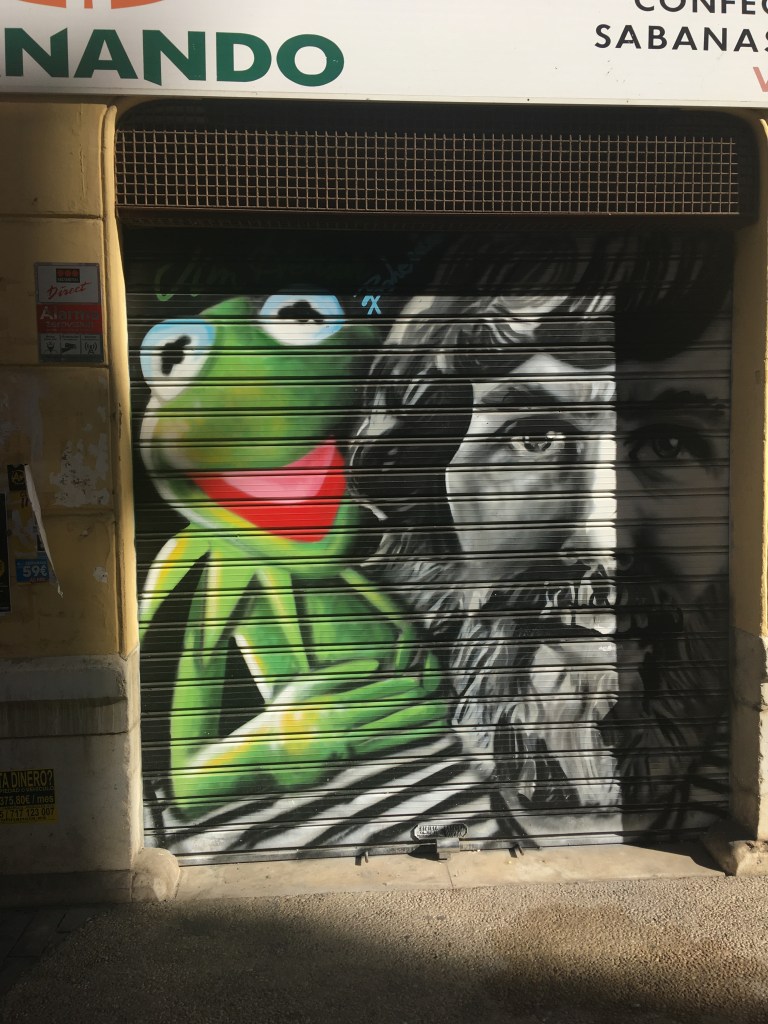
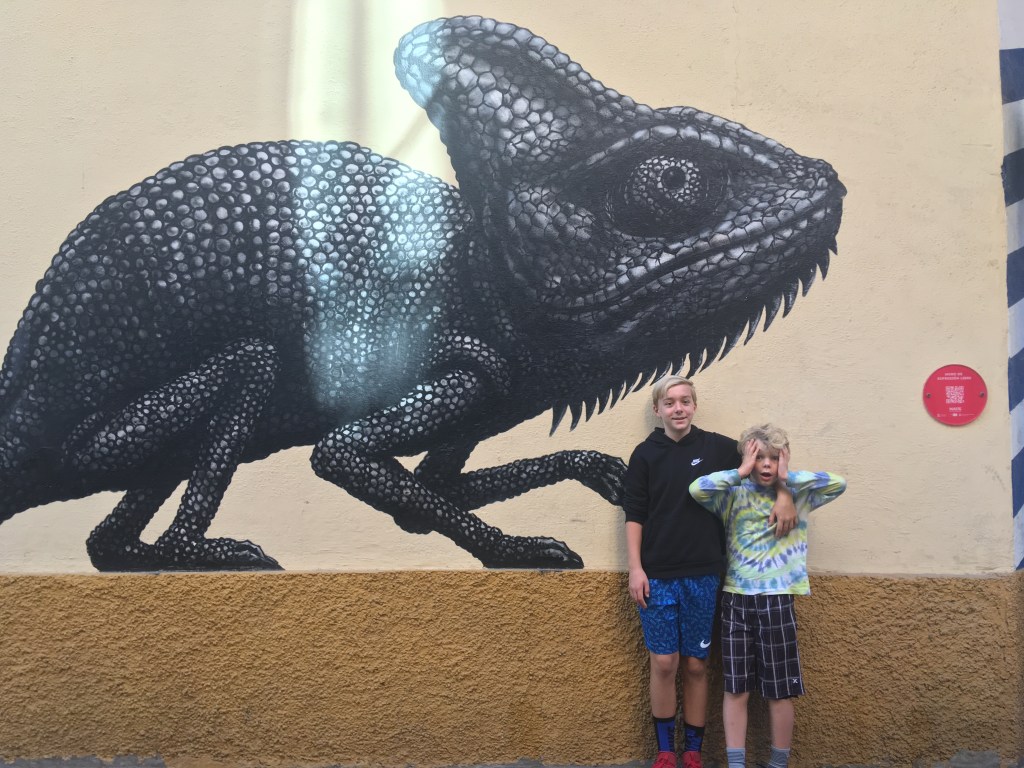
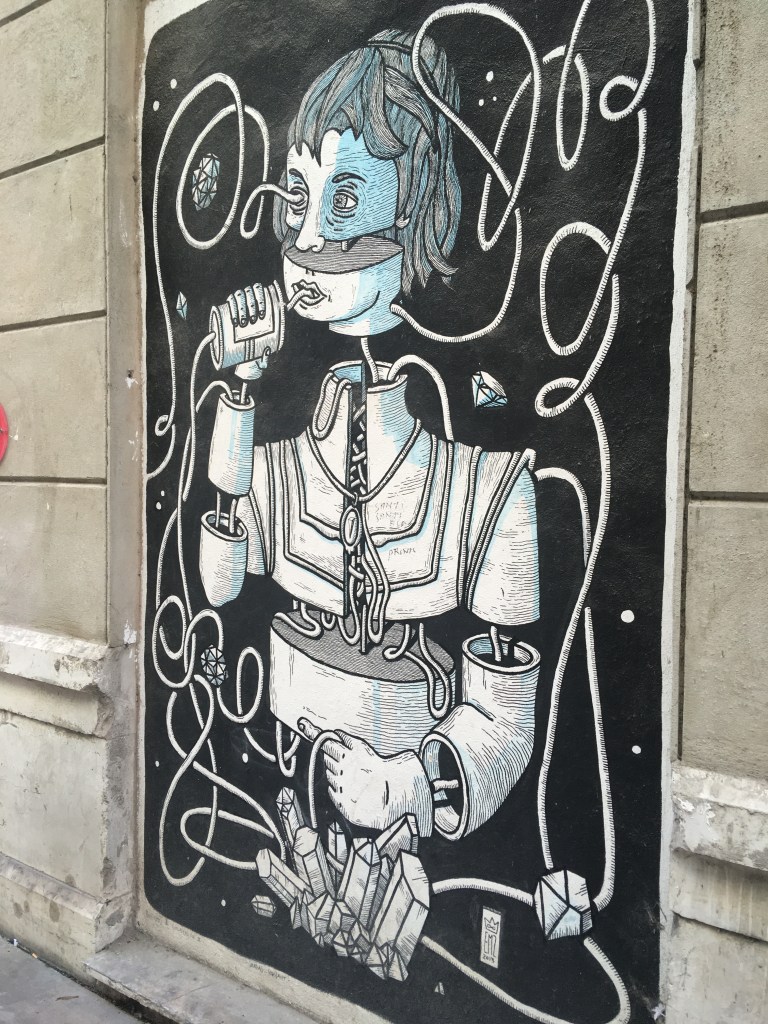
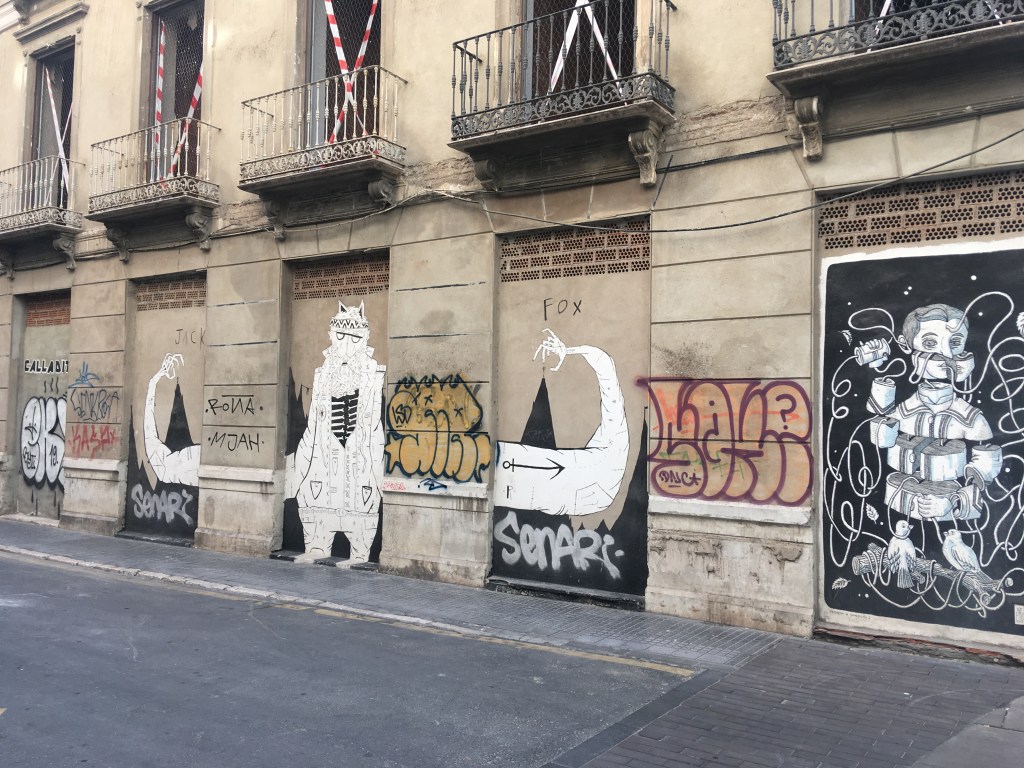
We also had a chance to walk through the Soho Art district.
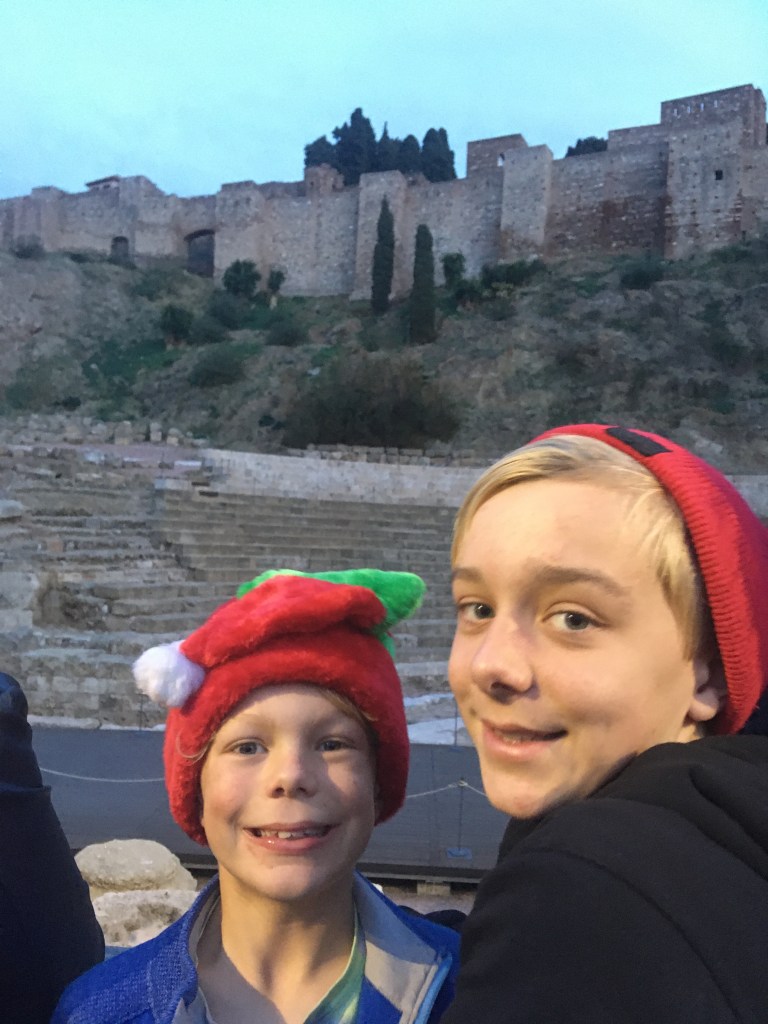
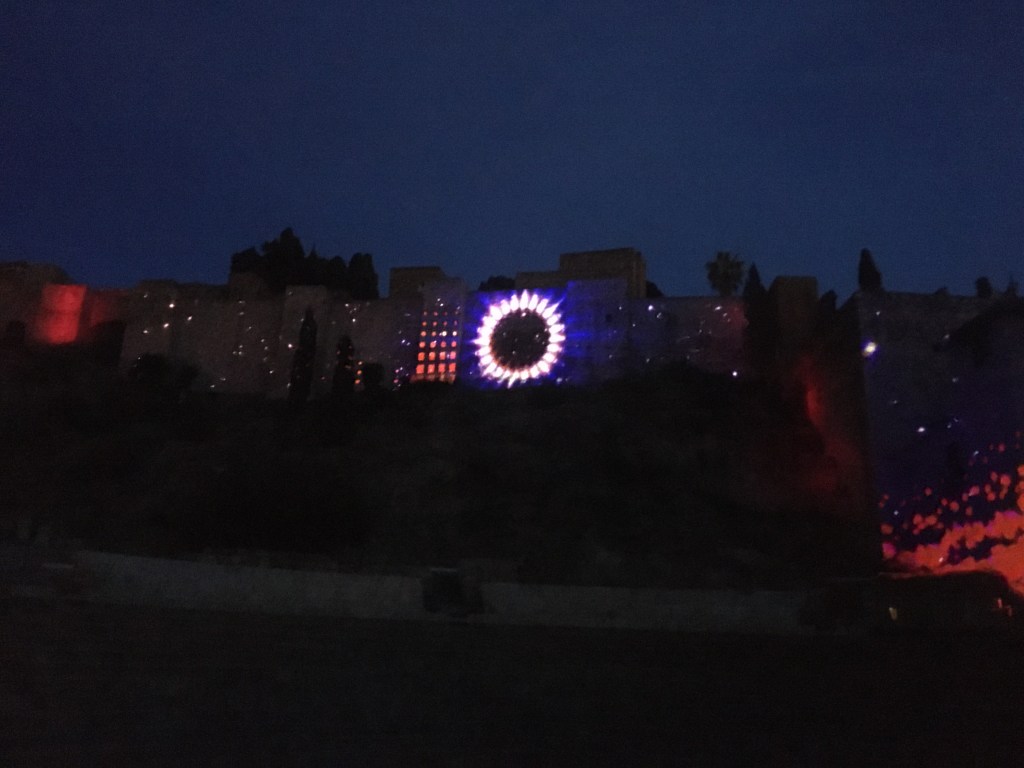
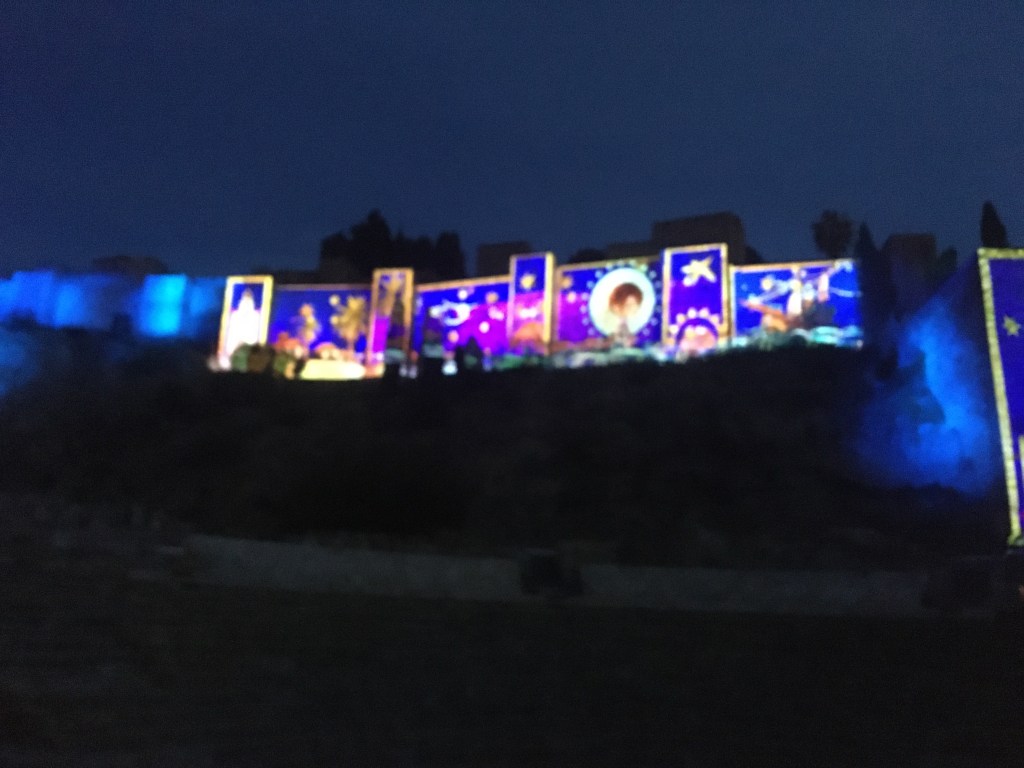
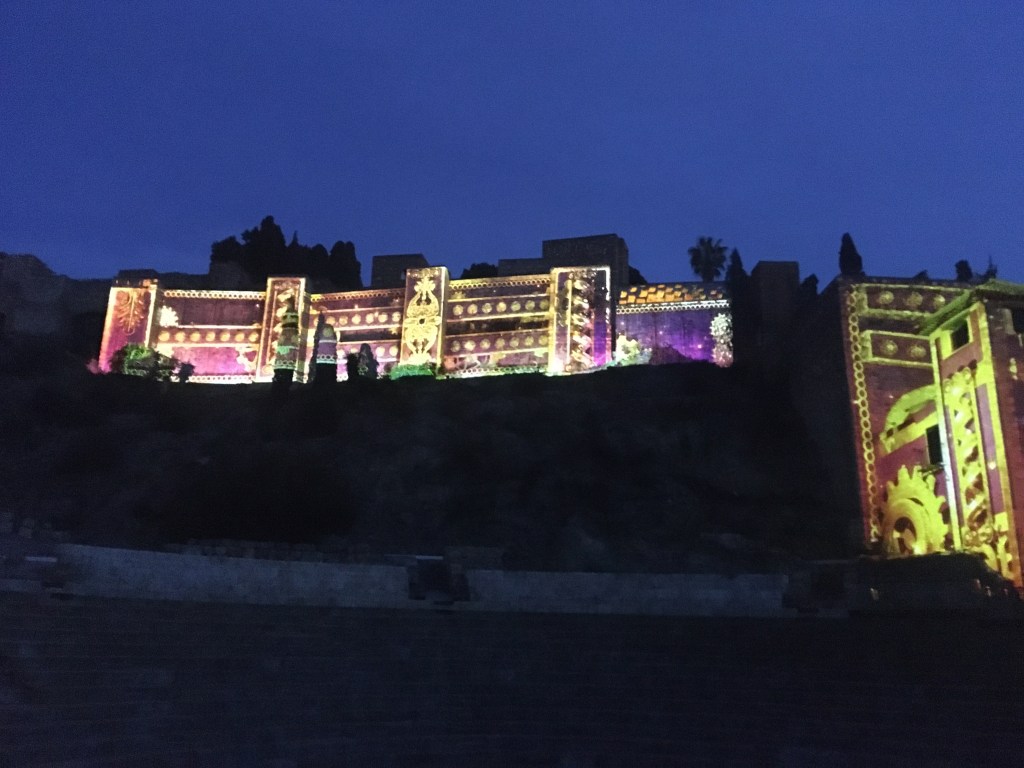
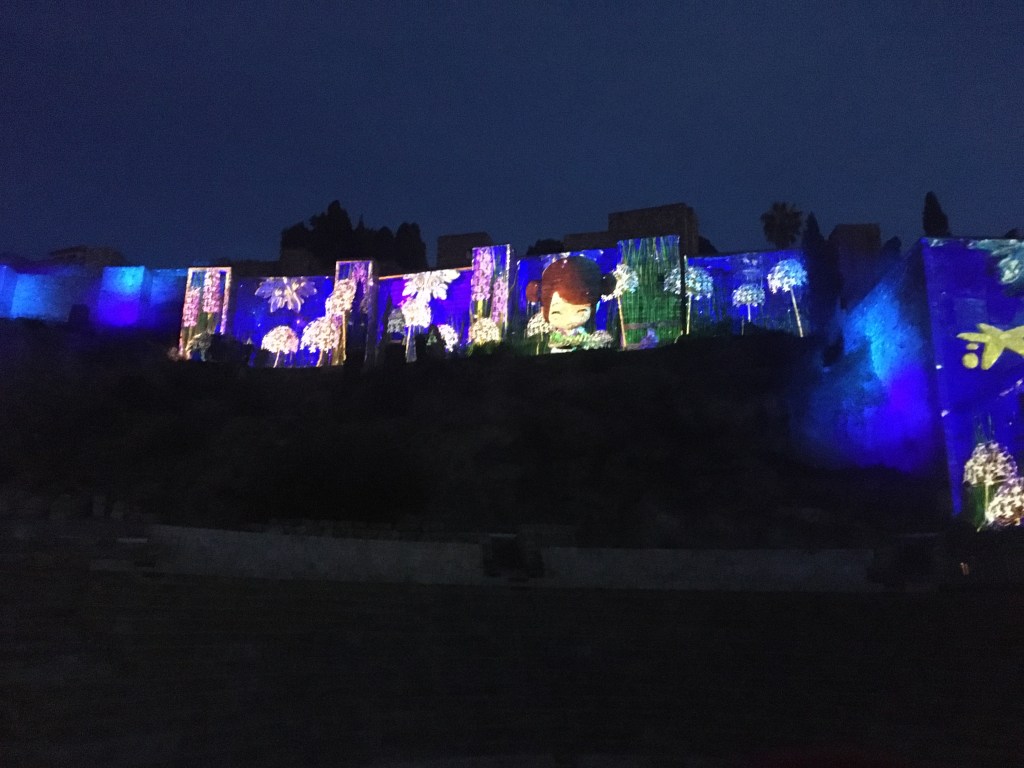
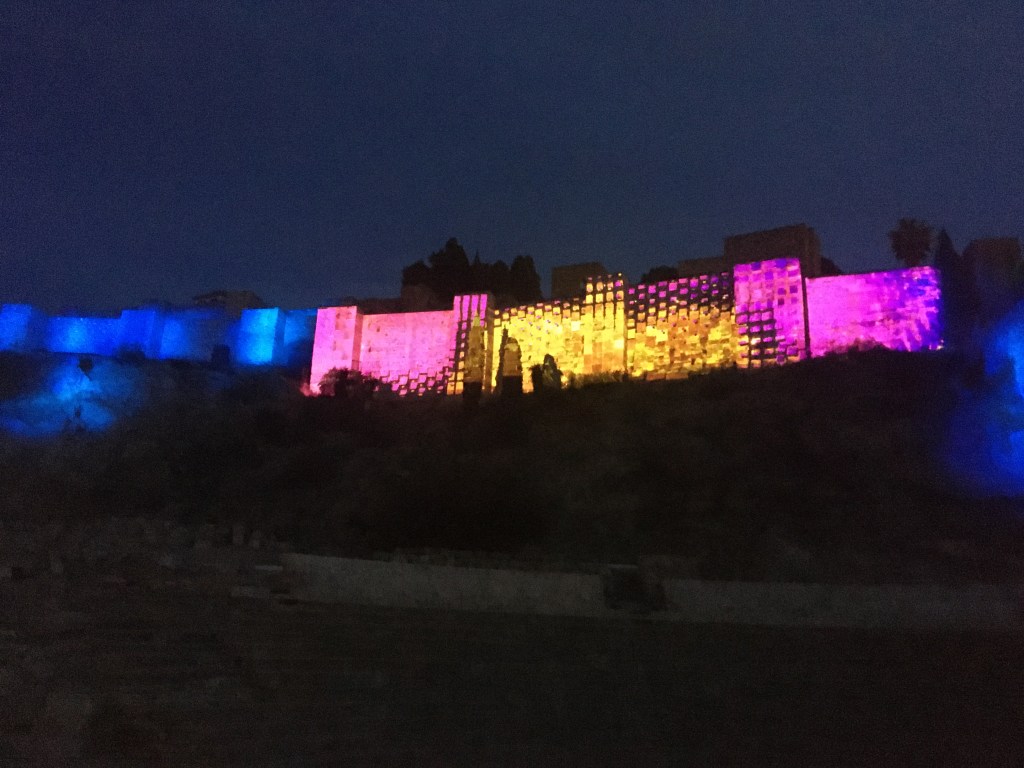
Then it was time to appreciate the lights. Our first stop was the Alcazaba, an 11th century Moorish Palace built next to a Roman theater.
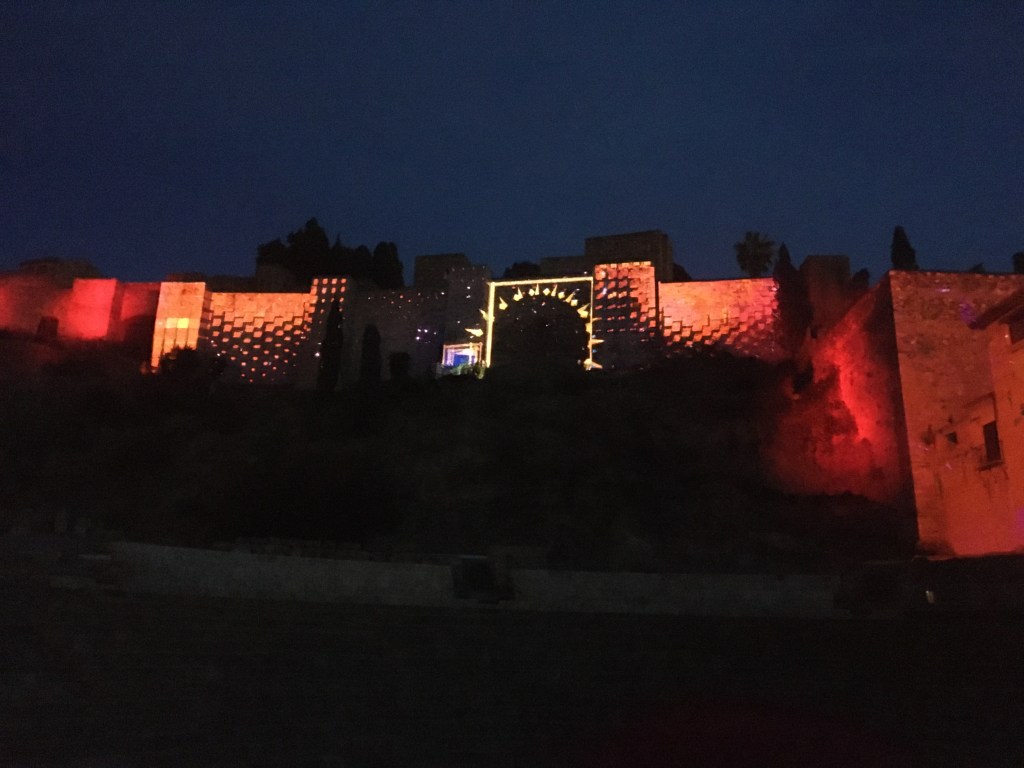
Once the sun set, we were in for a treat. An animated light show was projected onto the Alcazaba.
This is really worth watching…AMAZING!

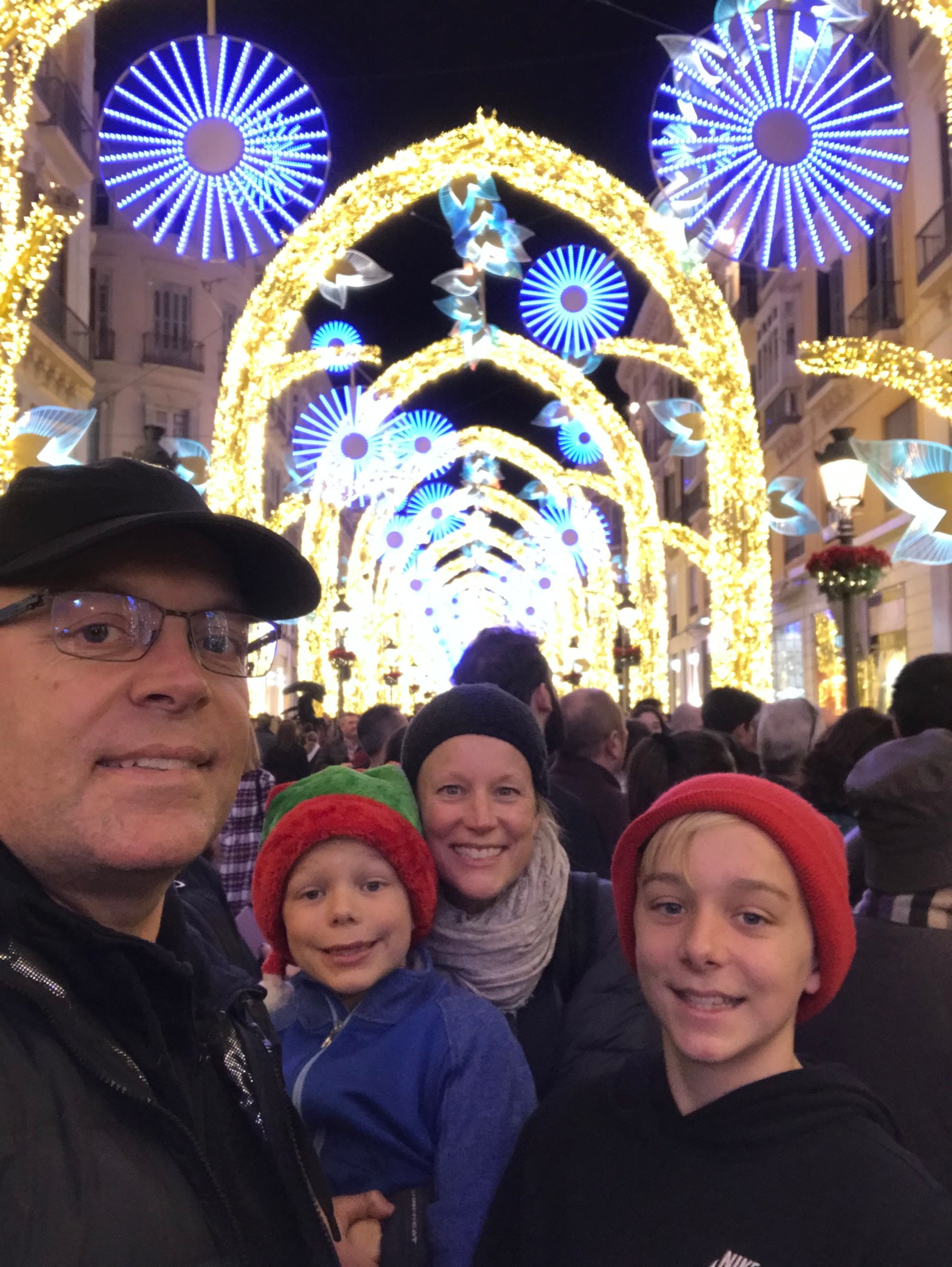
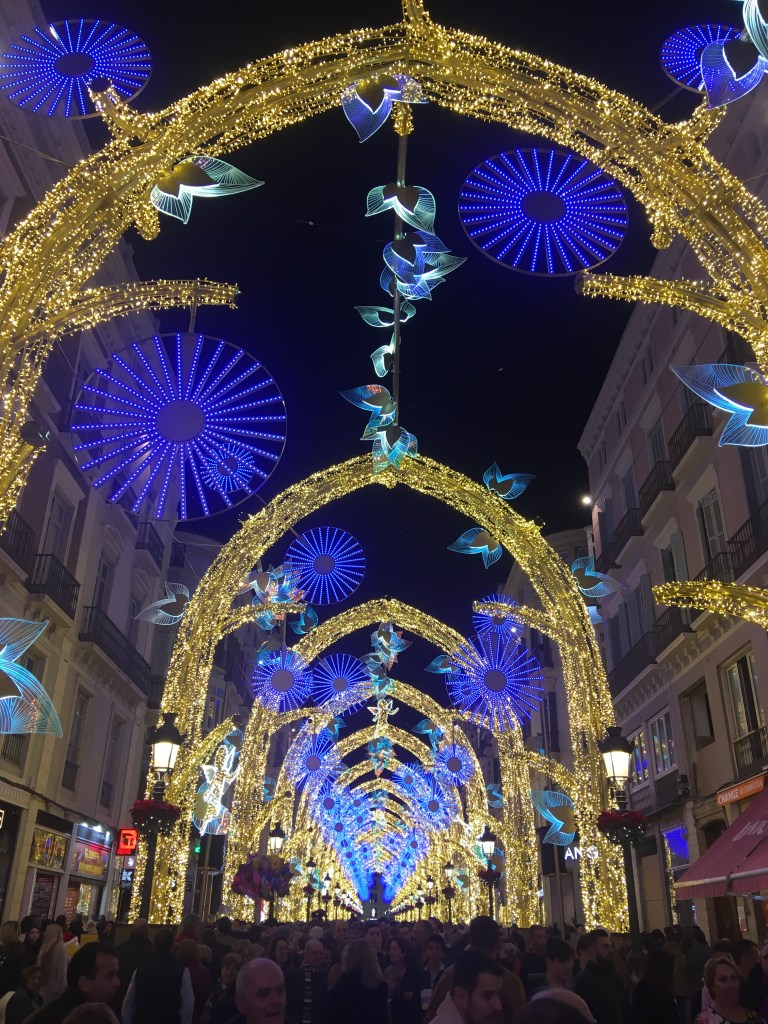
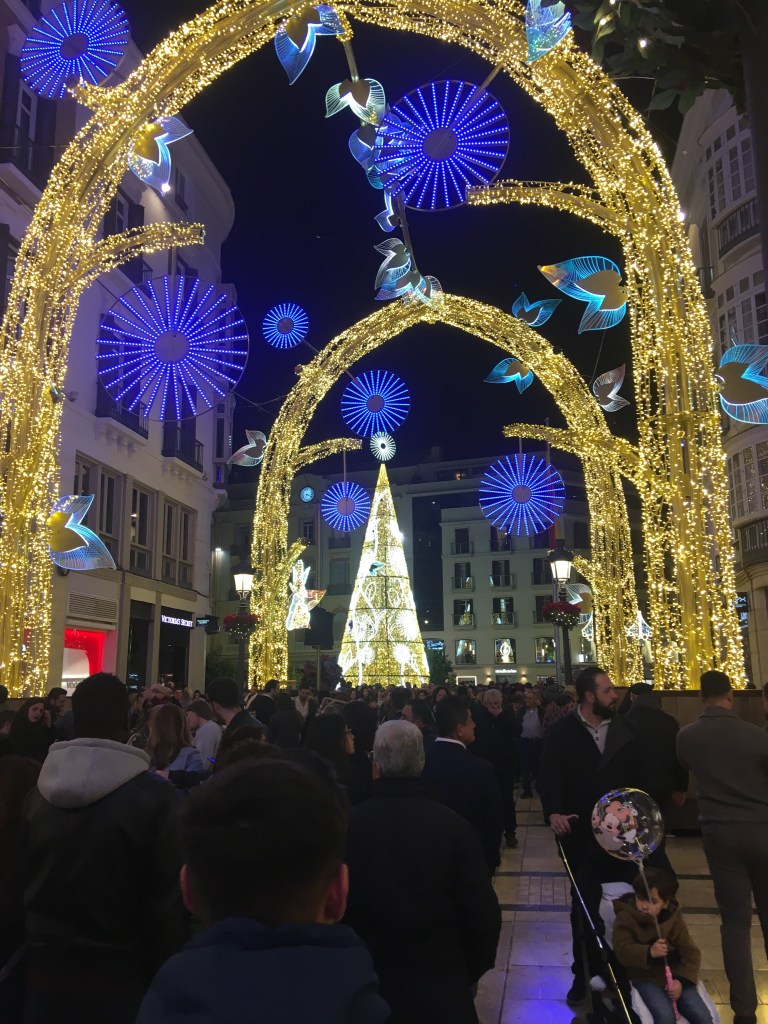
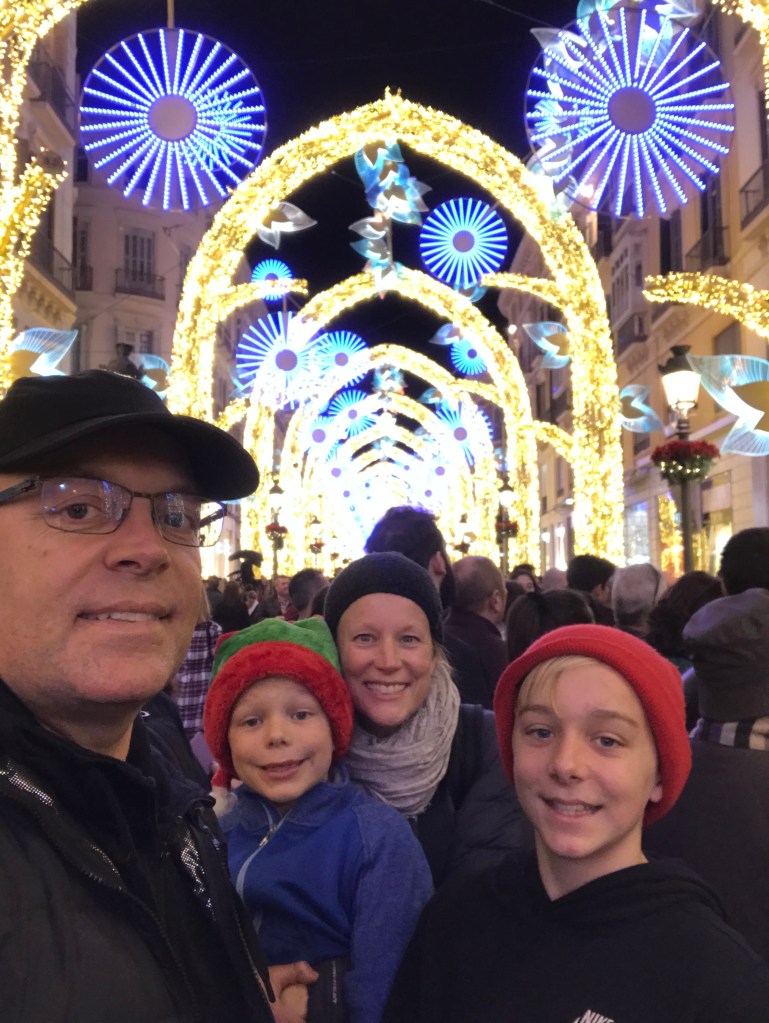
Then we walked to the Paseo Larios for another light display.

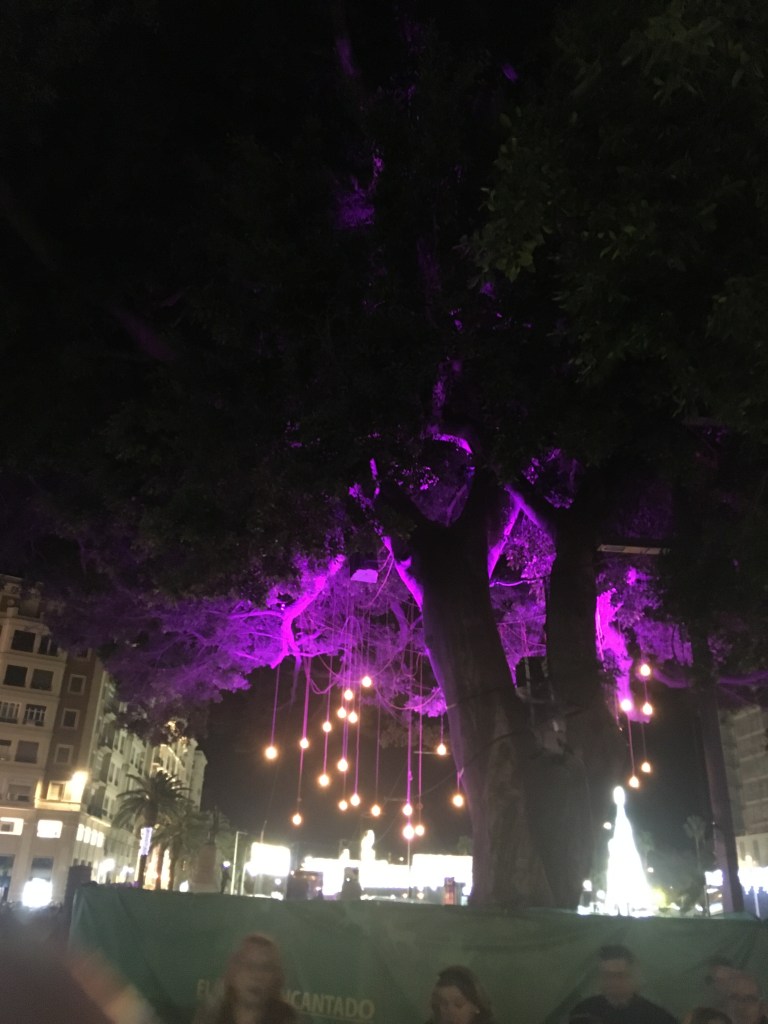
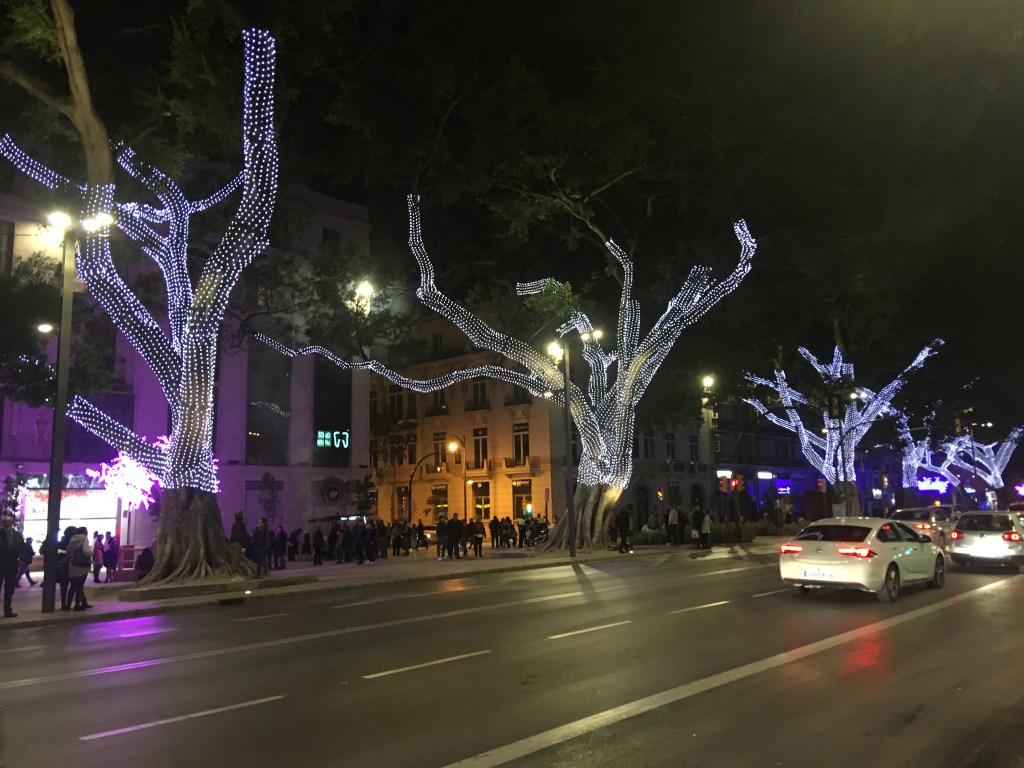
And there were so many lights along the way.

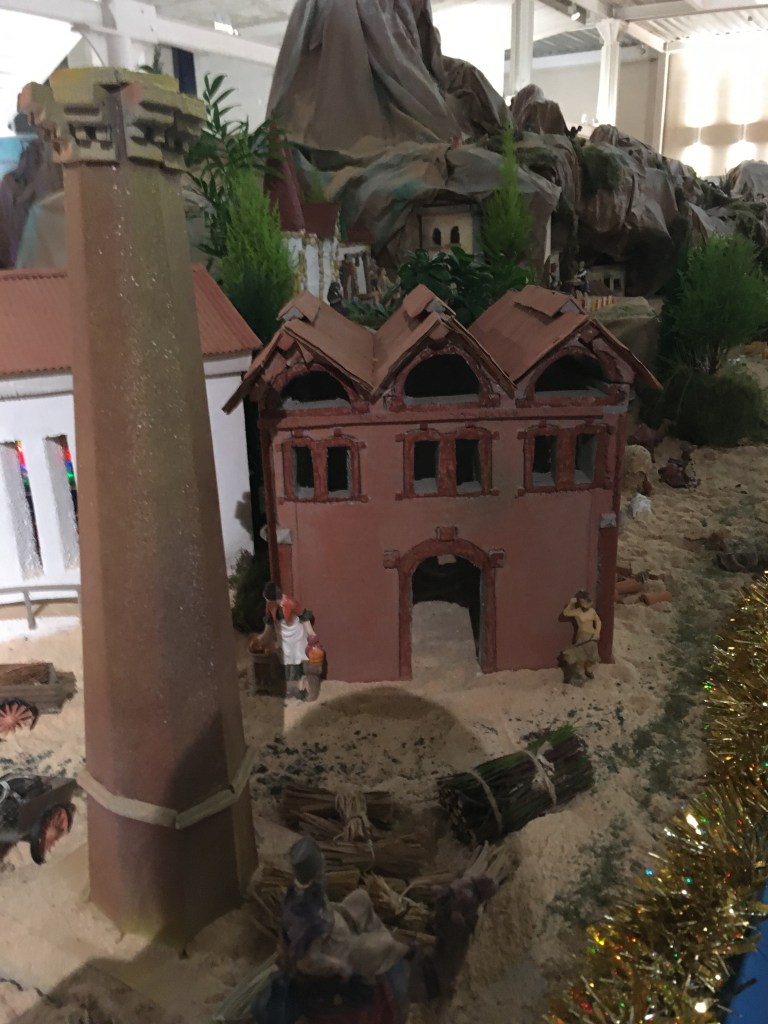
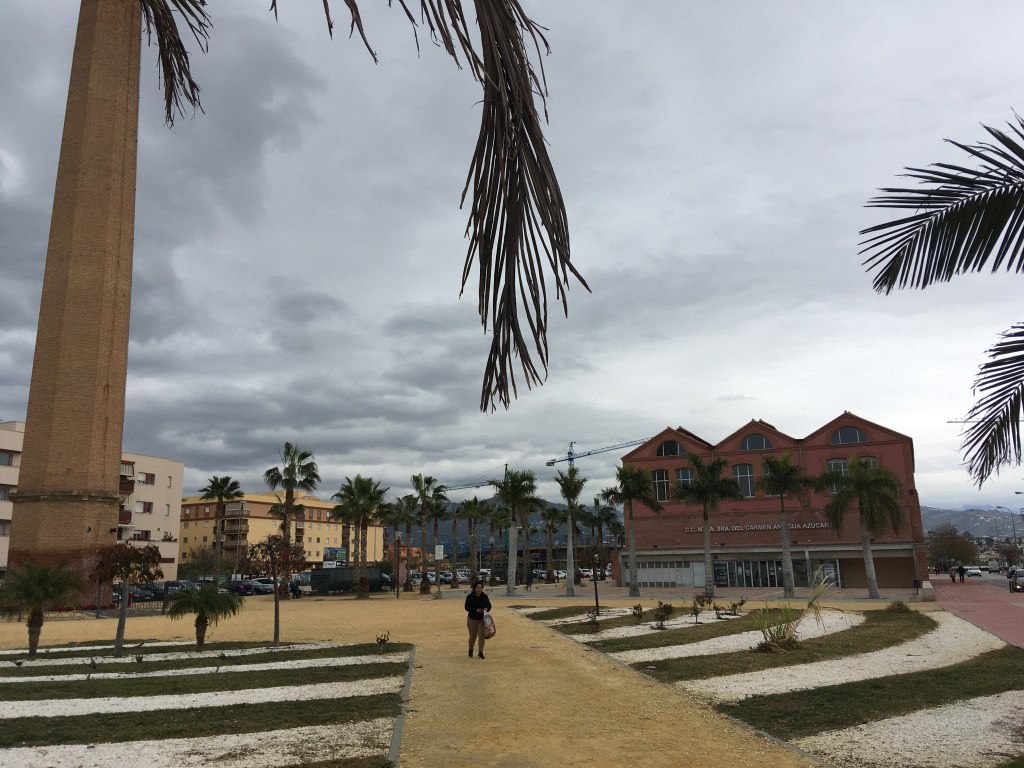
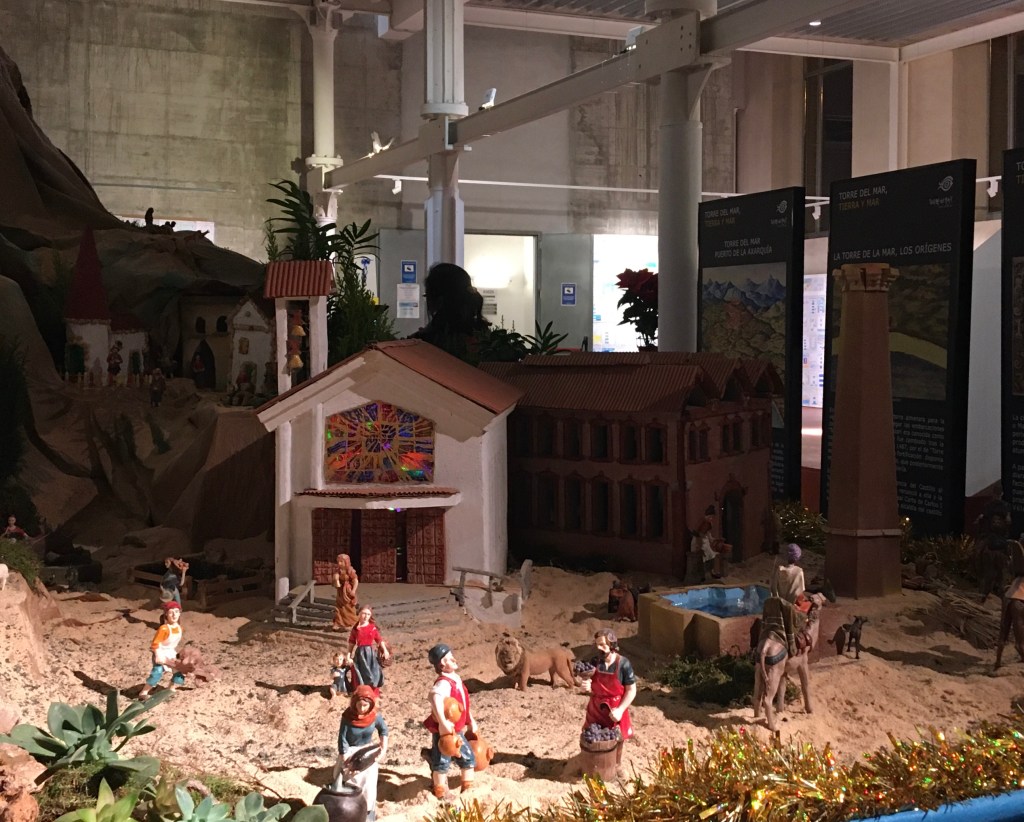
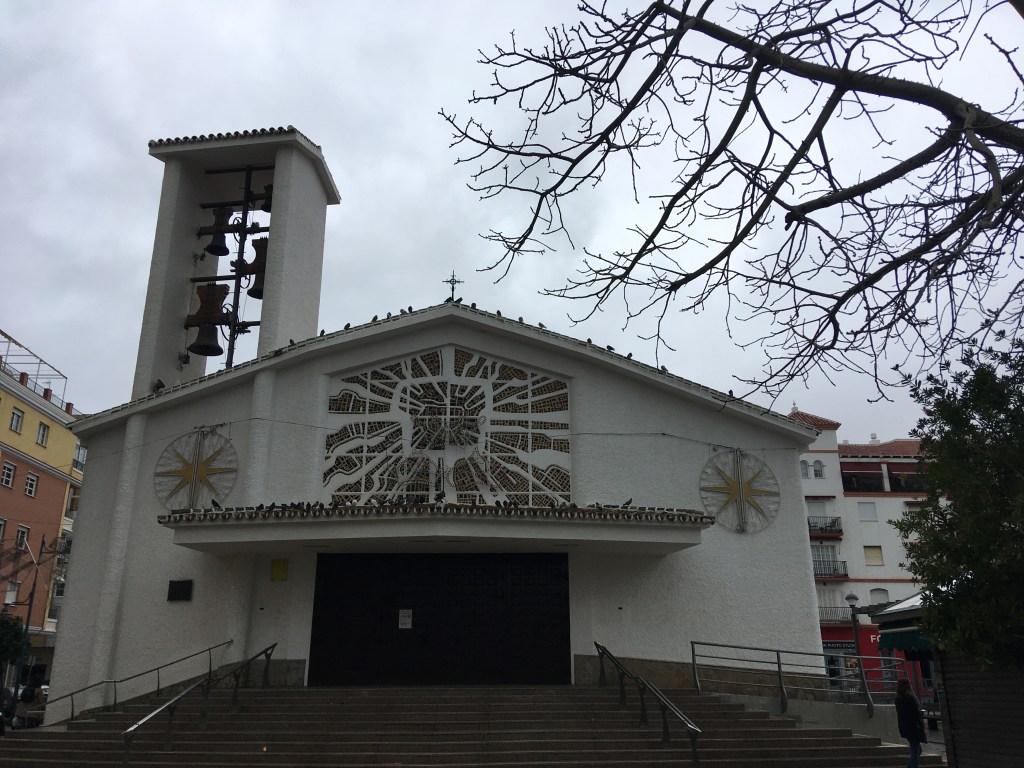
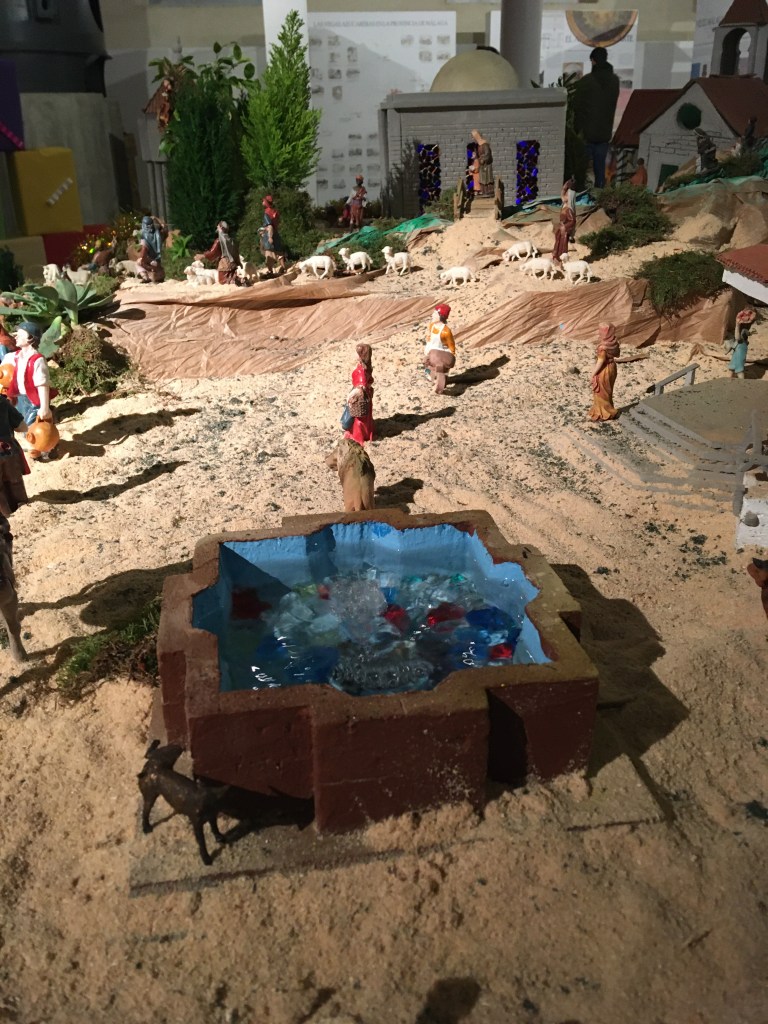
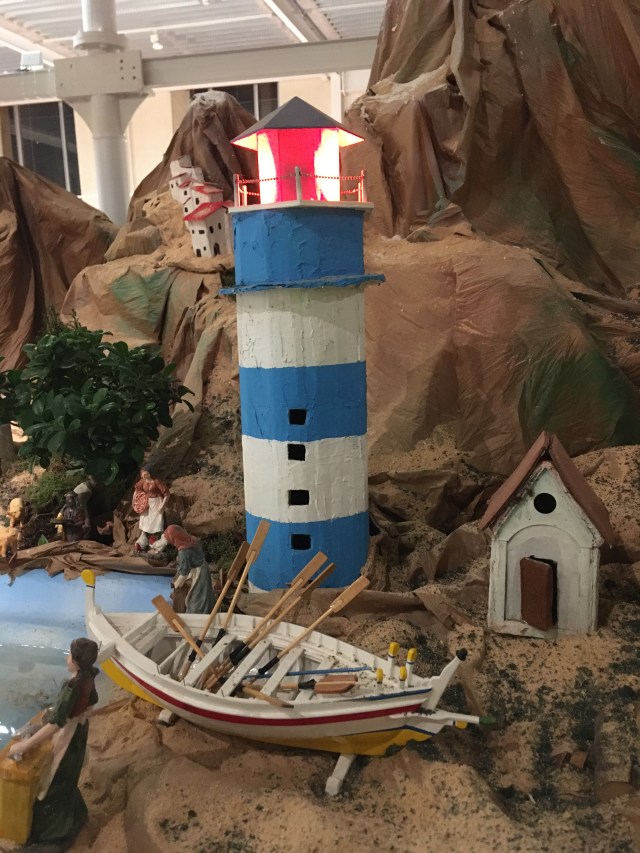
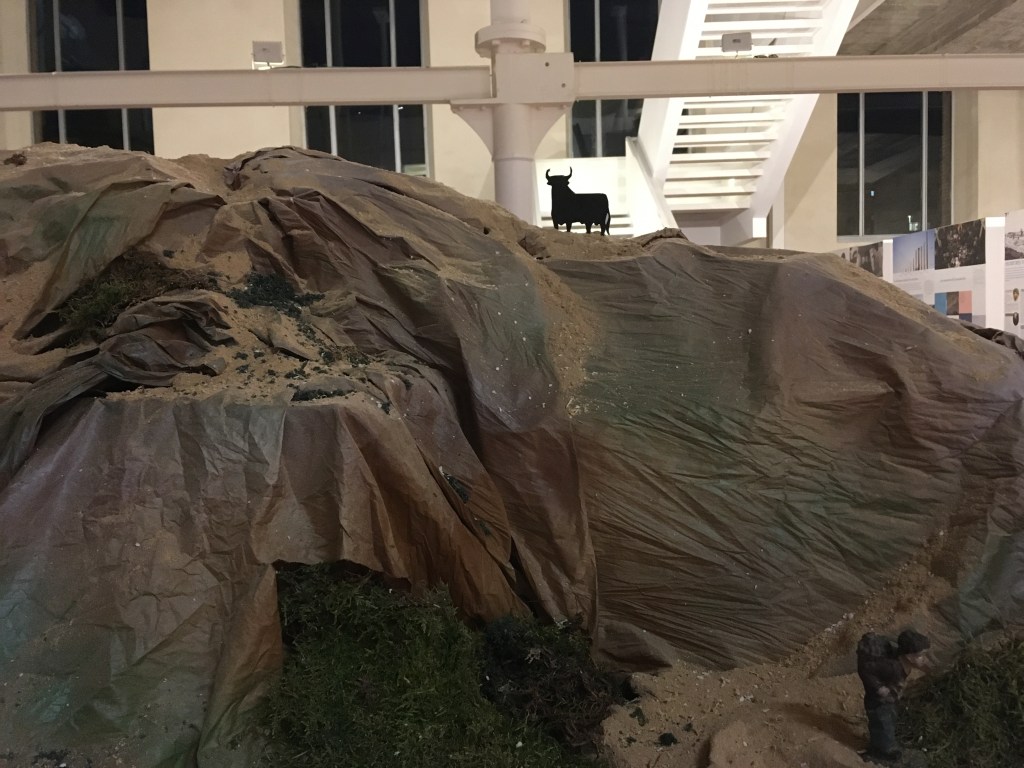
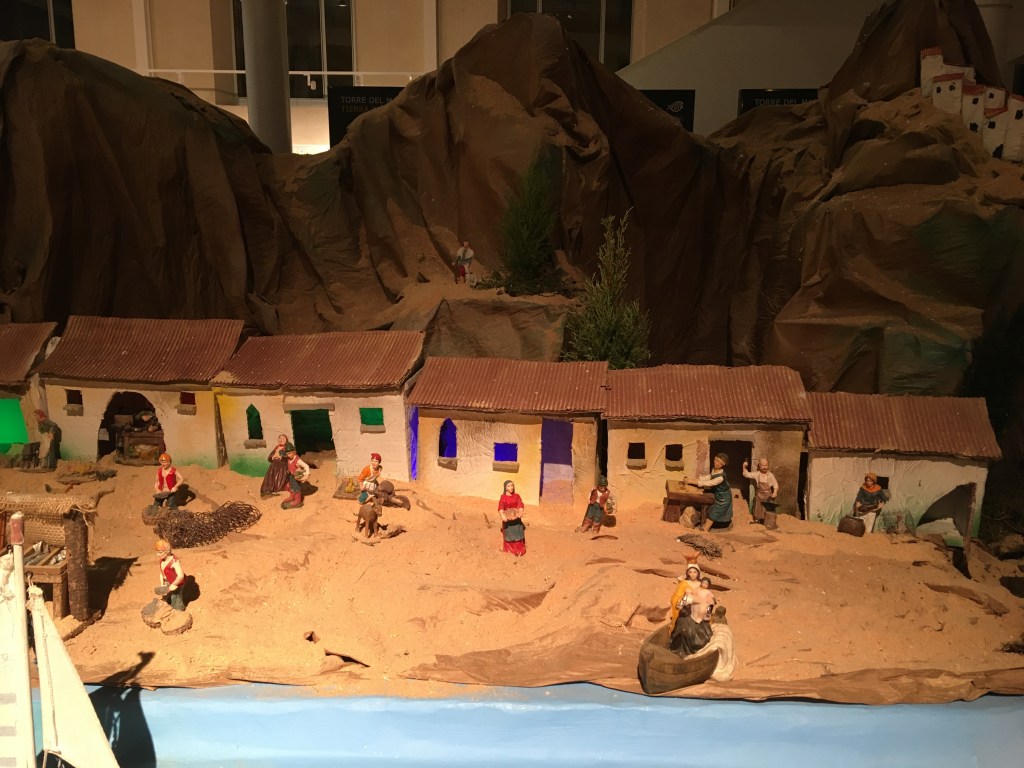
Back in our town of Torre Del Mar, we spent an afternoon checking out another important Christmas decoration, the Belén (nativity scene). What was especially nice about the nativity scene was that it had elements of the town.

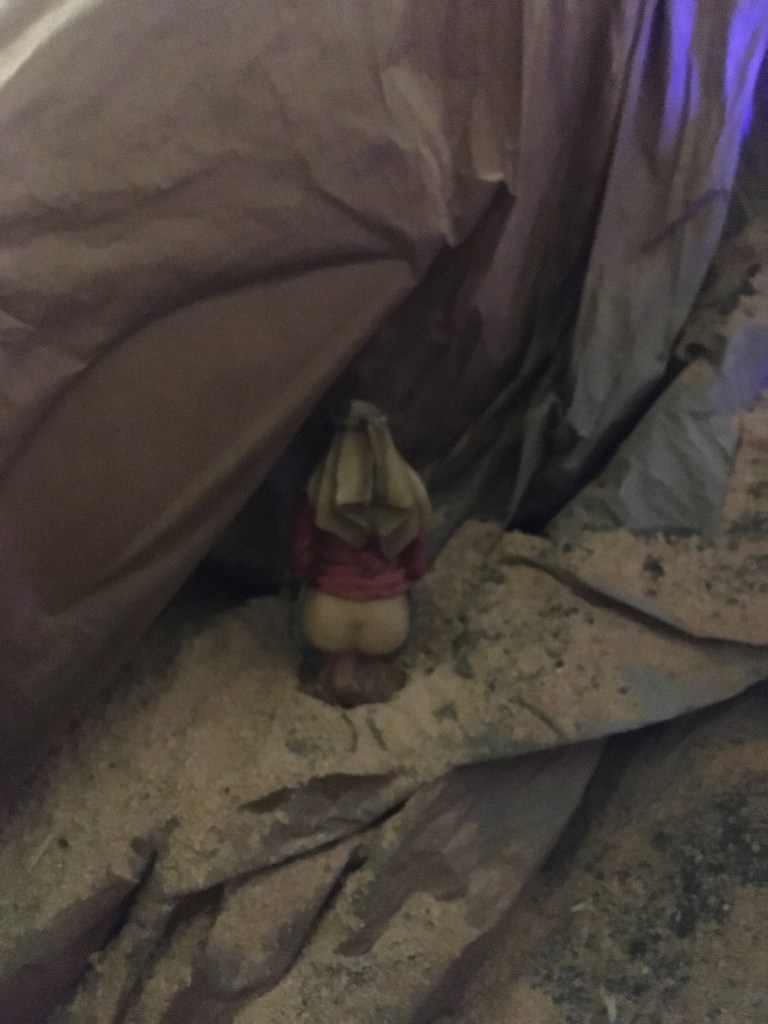
And of course there had to be a caganer (a Catalonian tradition that has infiltrated into the rest of Spain of adding a person pooping to the nativity scene). It is kind of like a “where’s Waldo” since they are hidden in the scene. It is said that they bring good luck. The “pooper” was a mandatory figure of the 19th-century Nativity scenes, because people said that with his stool he fertilized the ground of the scene and thus health and wellness was guaranteed for the following year and that the “pooper” brought luck and happiness. Not putting it in brought misfortune. Caganers can be made of any character: politicians, famous athletes, actors, etc. For some reason, everyone seems to use the same one in our town.

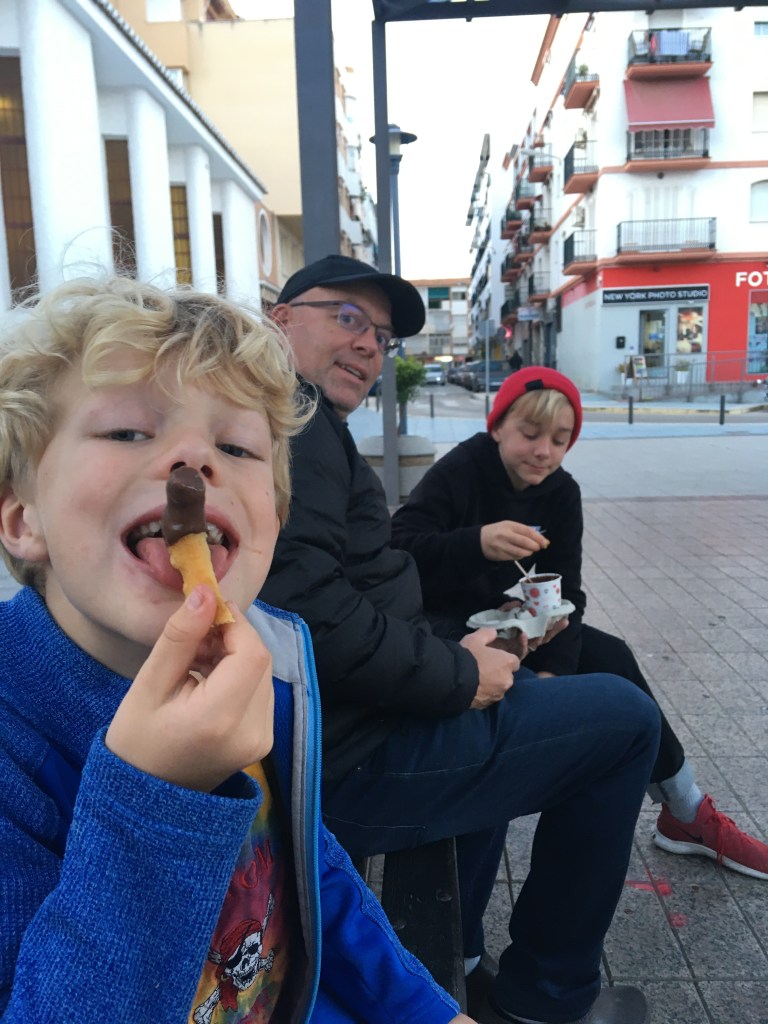
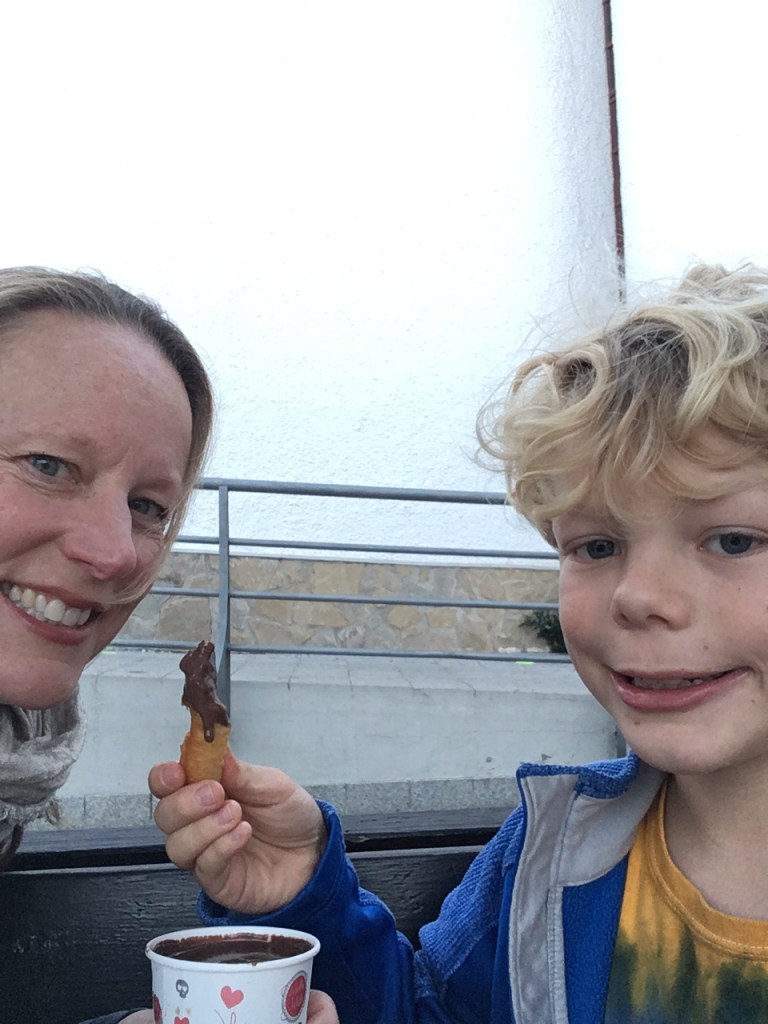
And we topped the outing off with some traditional churros and chocolate (fresh churros dipped in super rich hot chocolate).

Morocco

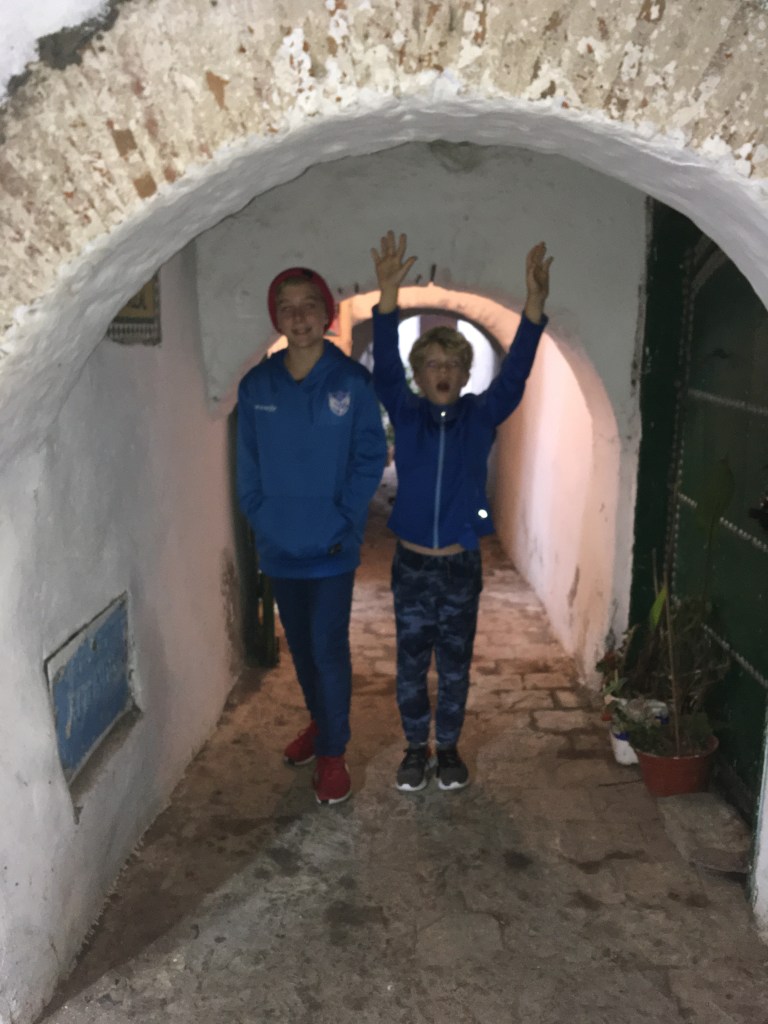
As we planned for our year in Spain, we made a list of all the places we wanted to visit. Morocco wasn’t on the original list. After we selected the region of Andalucía We realized how close we would be and thought it was an important opportunity to experience a very different culture. I have to admit, I was a little nervous to travel to Morocco, but oh, what a great time we had.

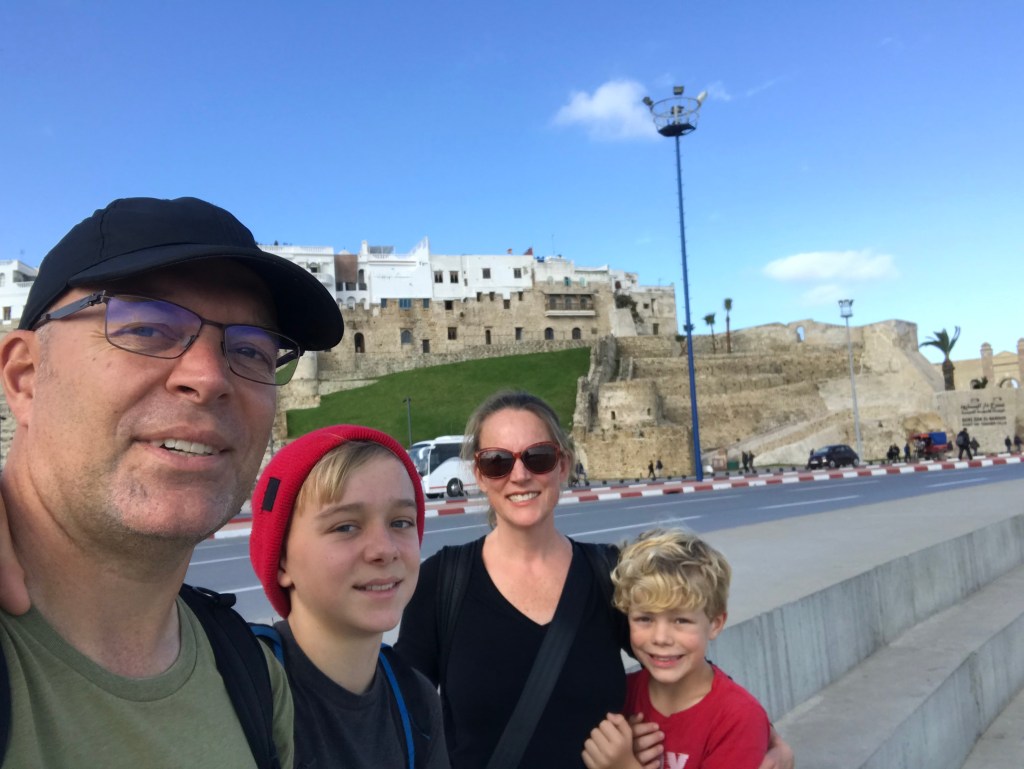
Just off the ferry in Tangiers

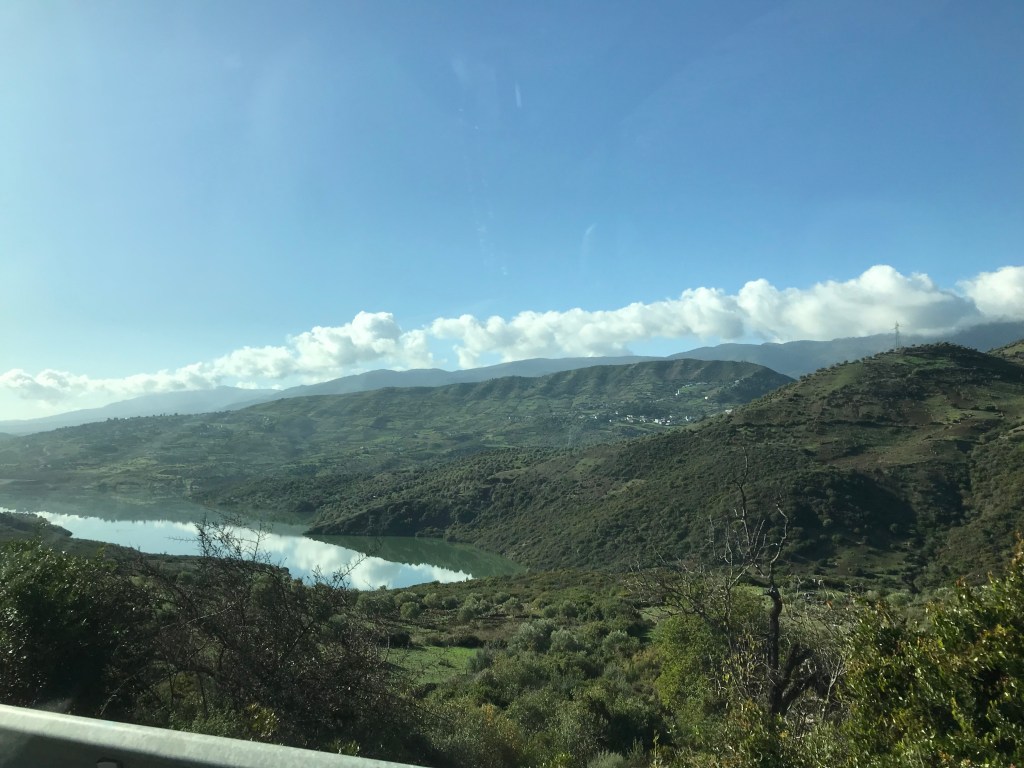
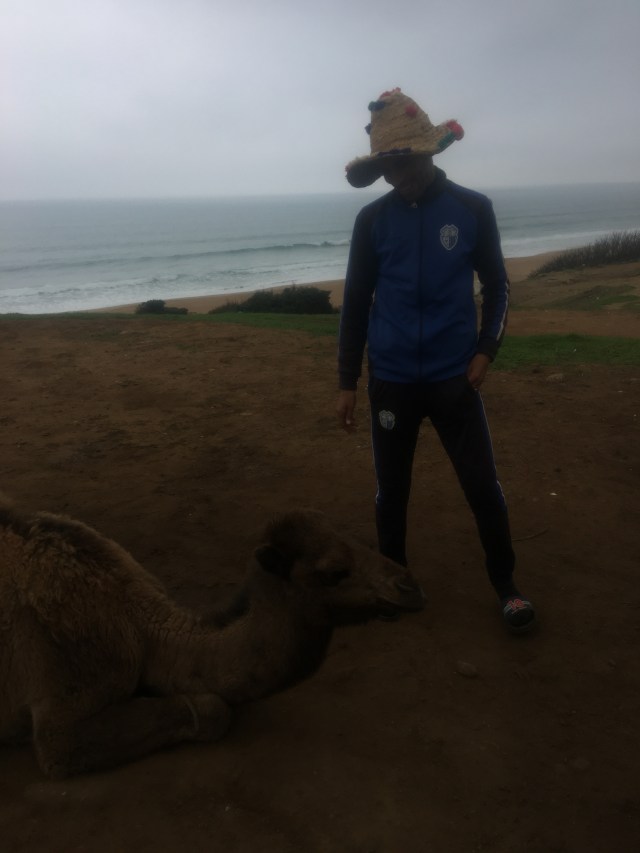
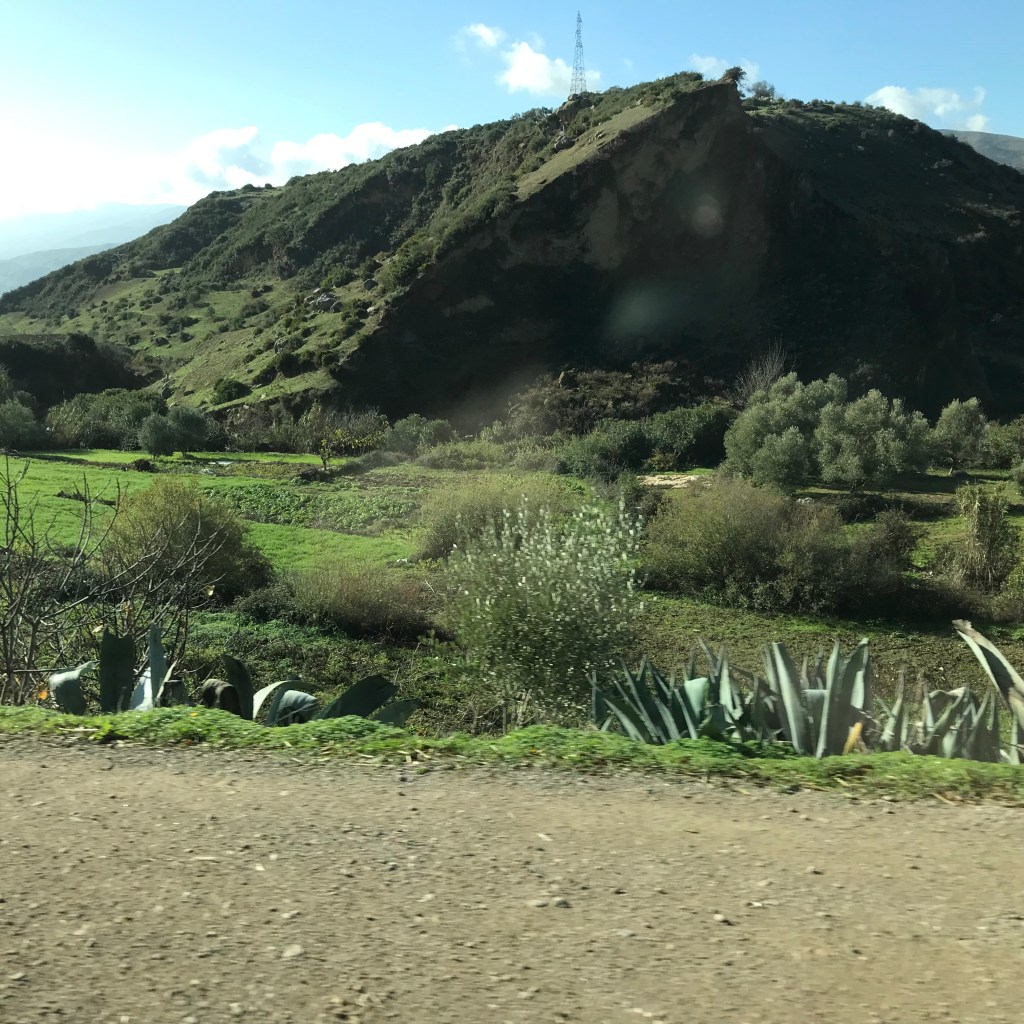
A few things about Morocco struck me right away. First thing, it was really green. I was expecting a desert, but northern Morocco was so much greener than southern Spain.

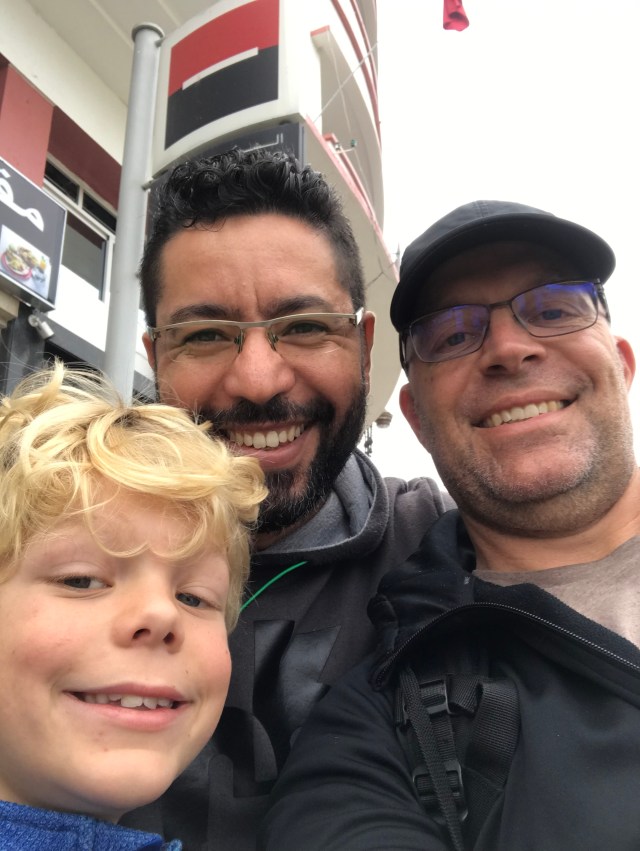
Next, were the people. We were treated with such warmth. Everywhere we went we were told “welcome, bienvenidos or bienvenues.” Oh, that is another thing, there are a lot of languages spoken. The main language is Arabic. Although none of us speak Arabic, we made sure to learn a few words from a wonderful Moroccan woman on the ferry: hello, thank you, please and bathroom (plus the names of a few foods we had to try while visiting). In addition to Arabic, a lot of people speak Spanish, which I am sure is due to their proximity to Spain and the fact that Spain once controlled parts of a Morocco. French is the official government language and is taught in school, and occasionally you will find a person who speaks some English. Todd and I had a great time using all of our languages.

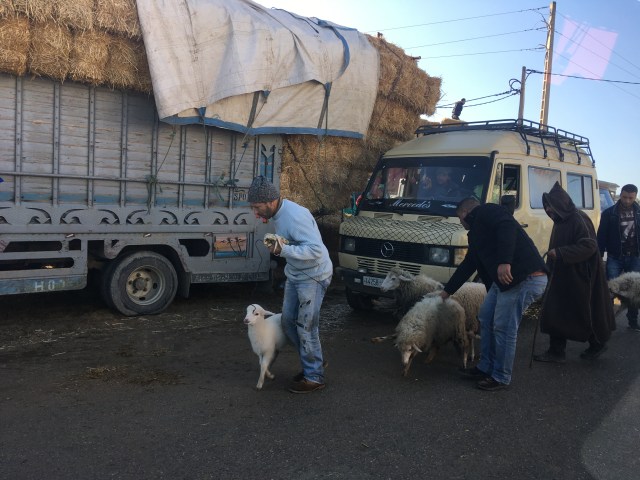
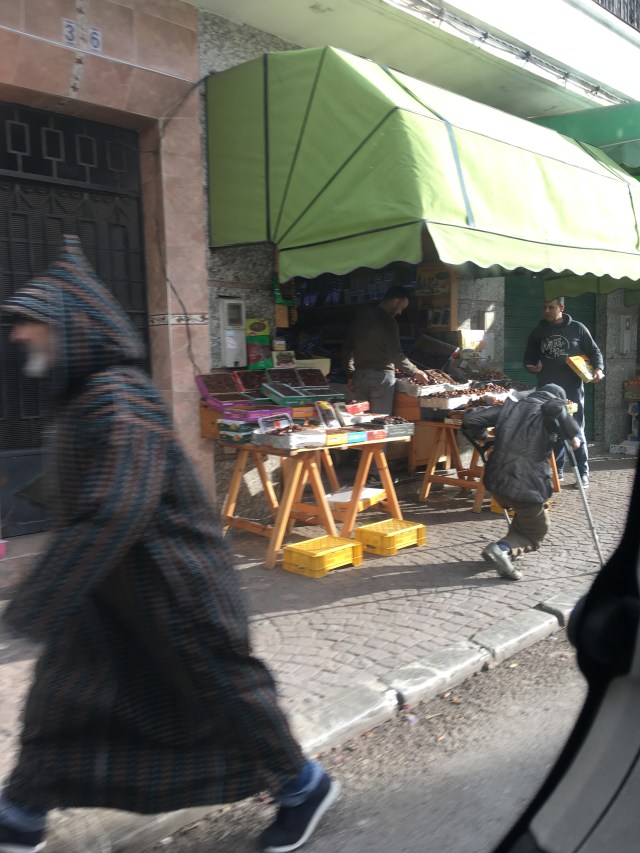
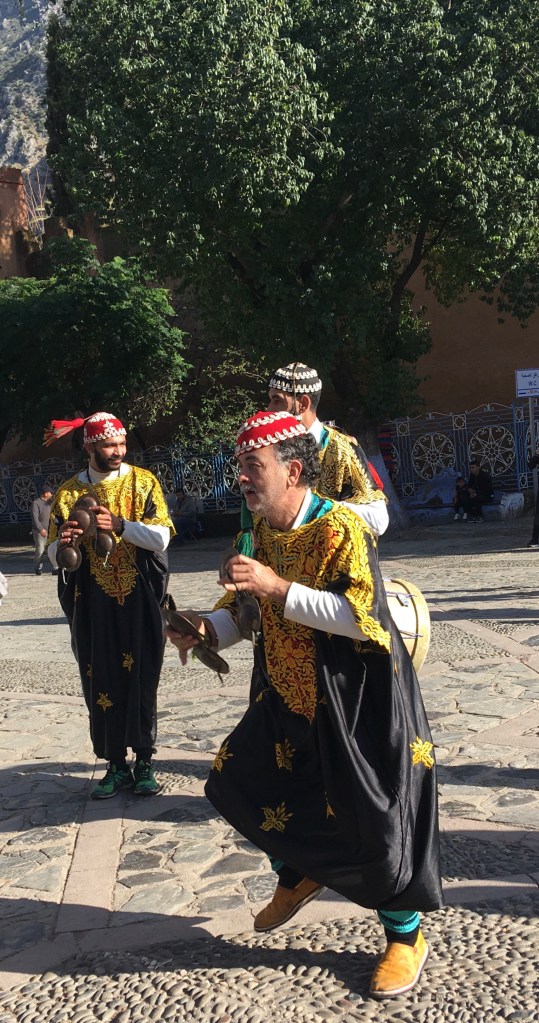
The diversity is also quite striking. As we traveled from big city to a small town and through the country you would see people in very modern and Western dress walking amoungst people in tradional dress from the different cultures of Morocco. There were women completely covered except for the eyes, and others without any head covering at all.

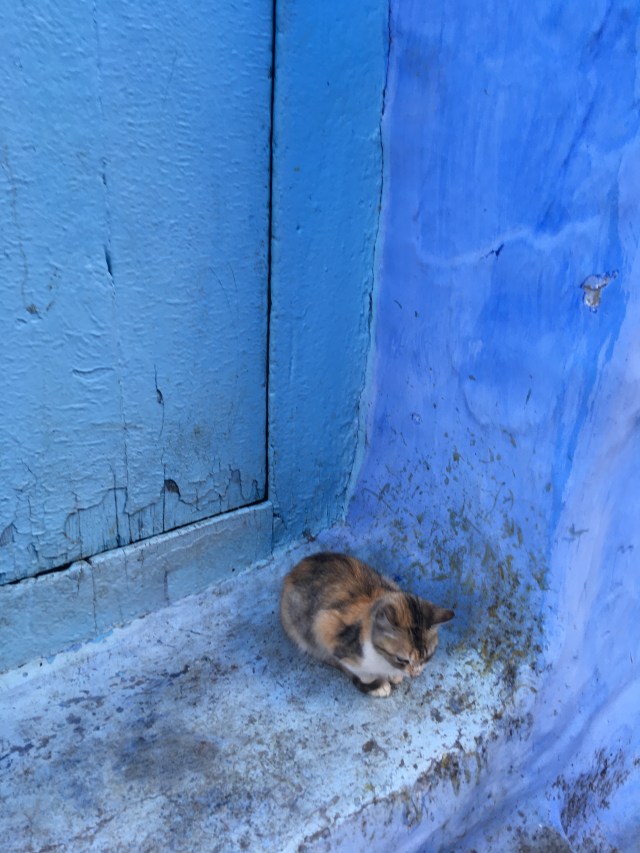
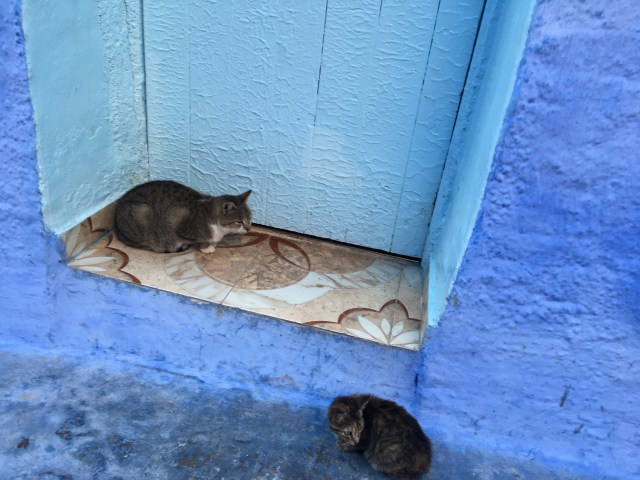
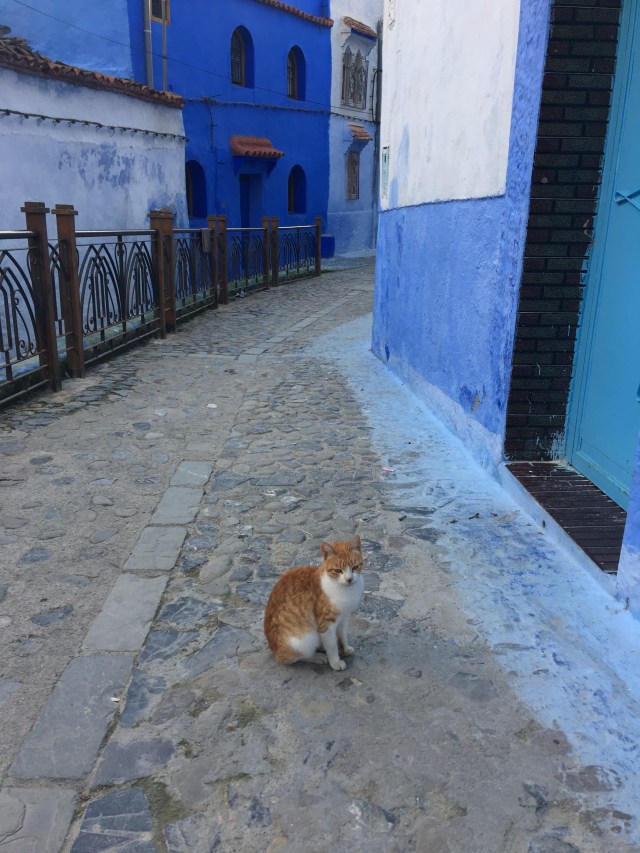
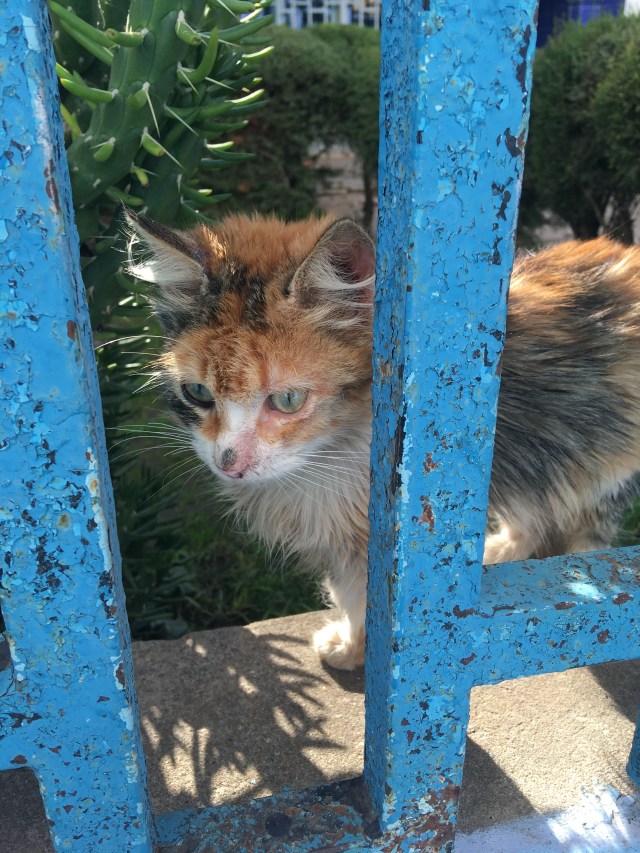
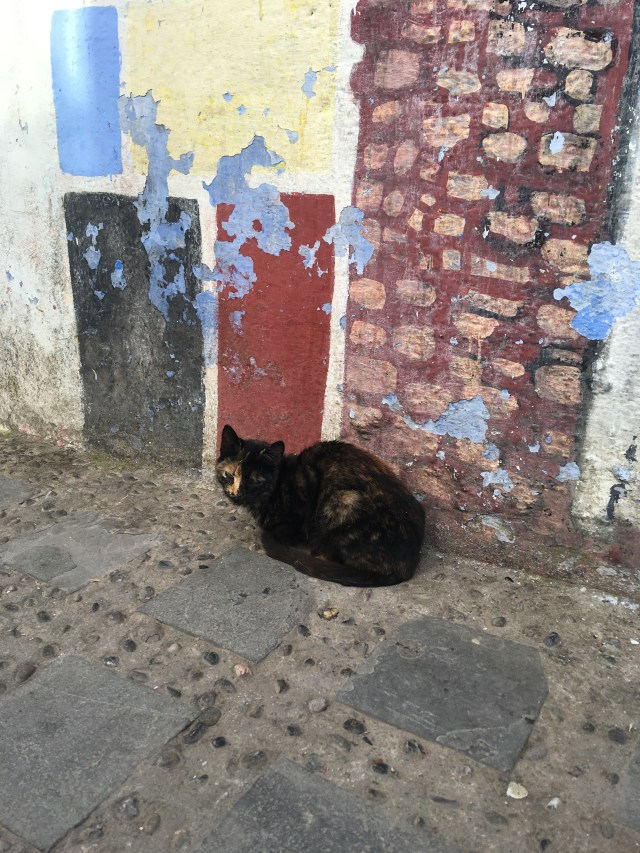
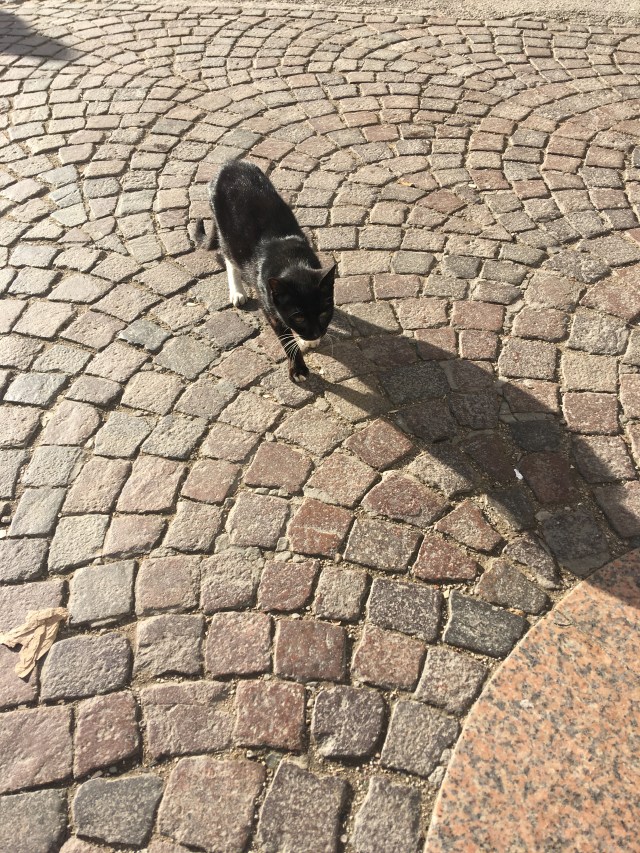
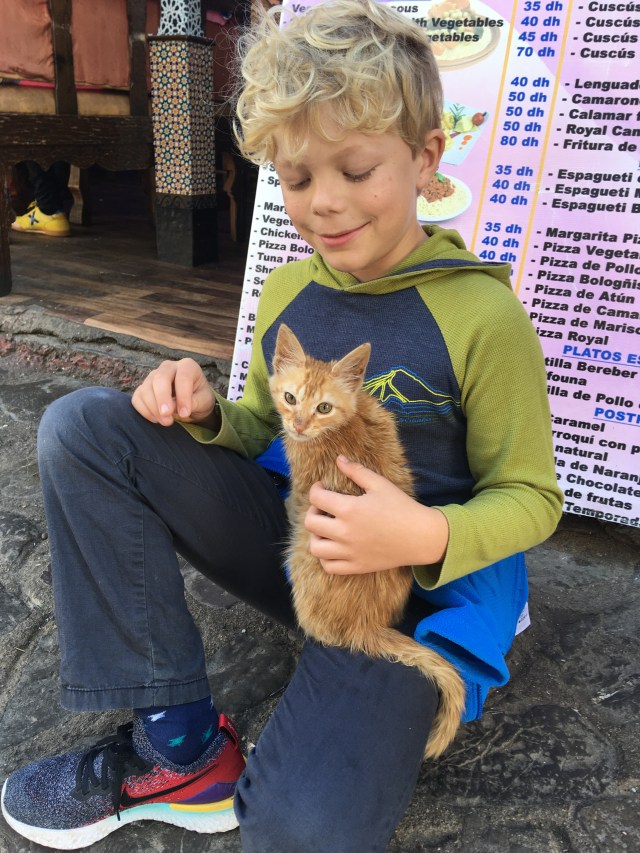
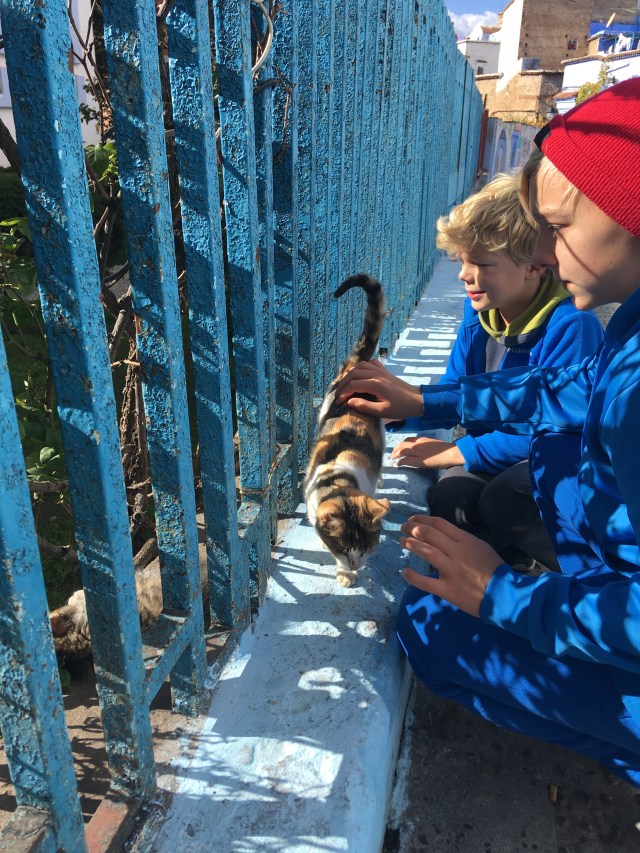
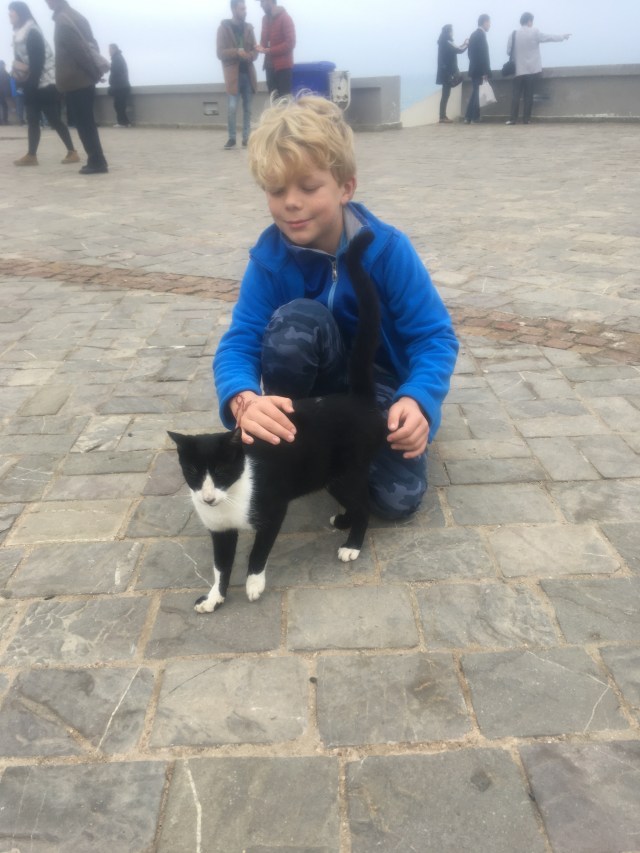
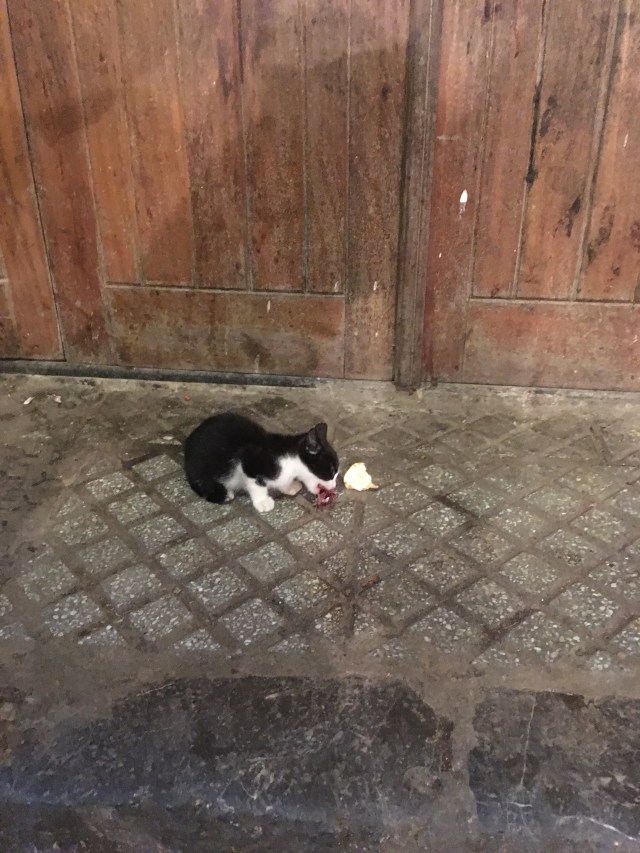
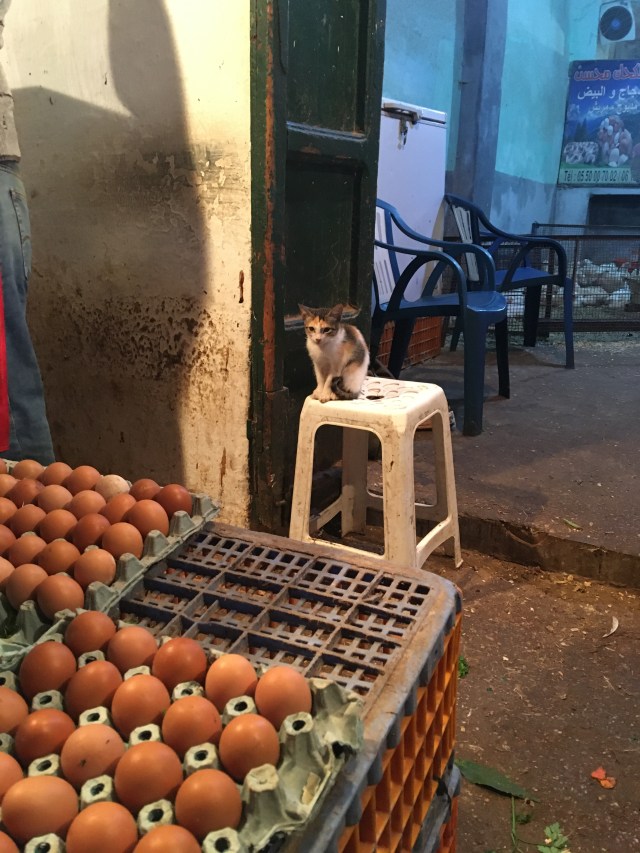
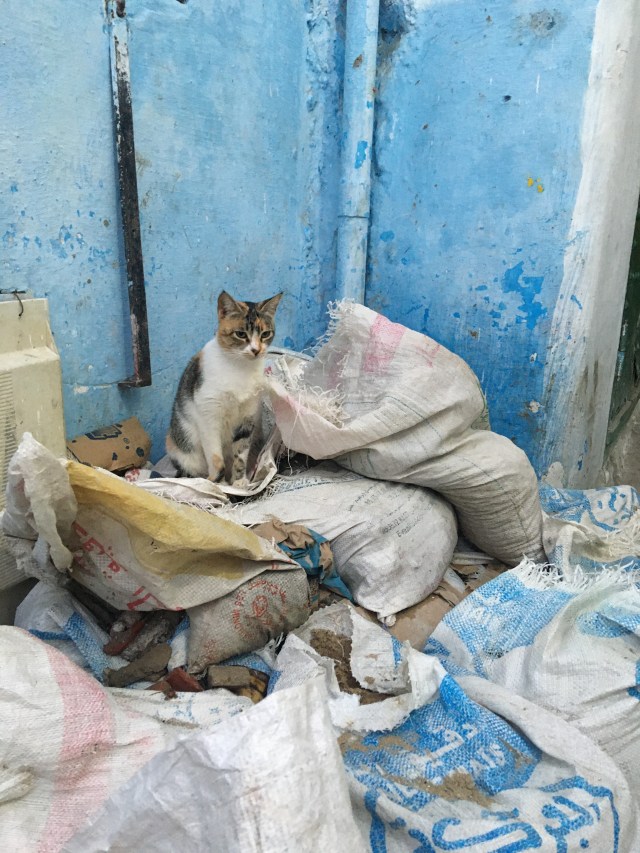
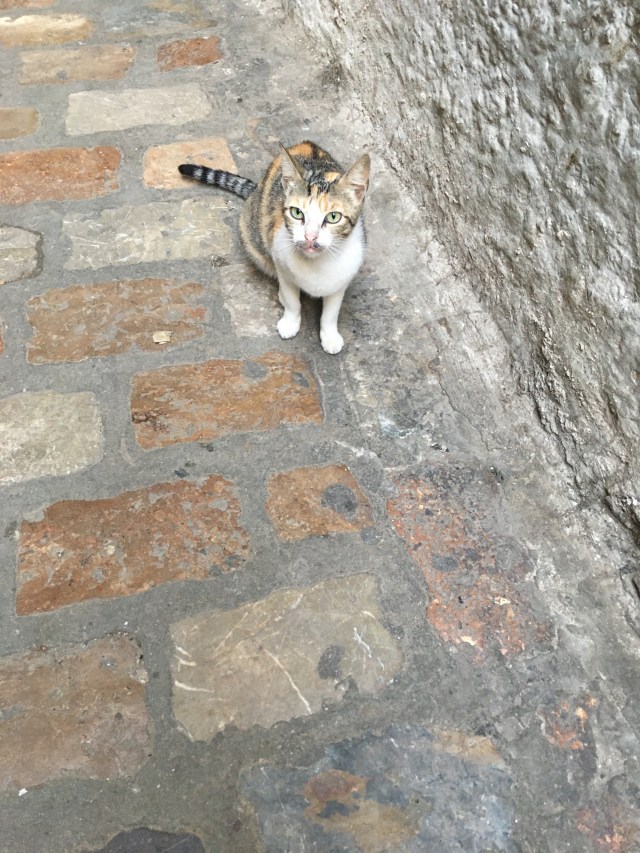
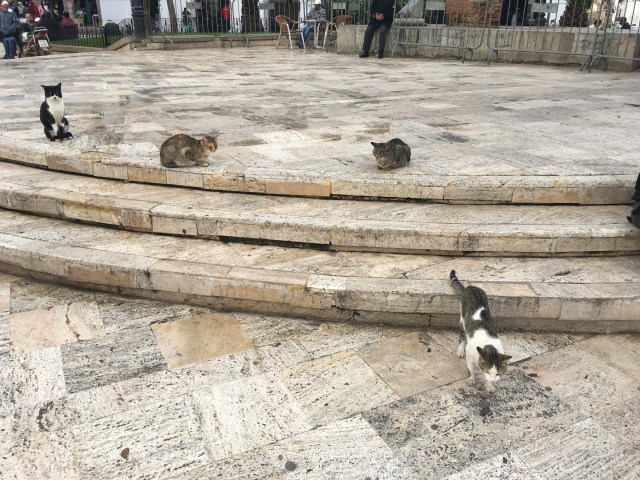
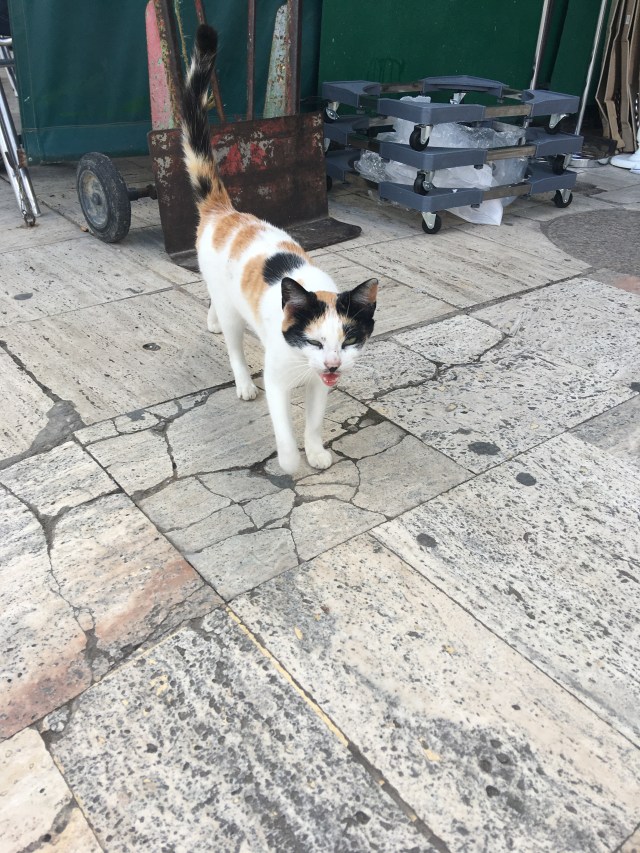
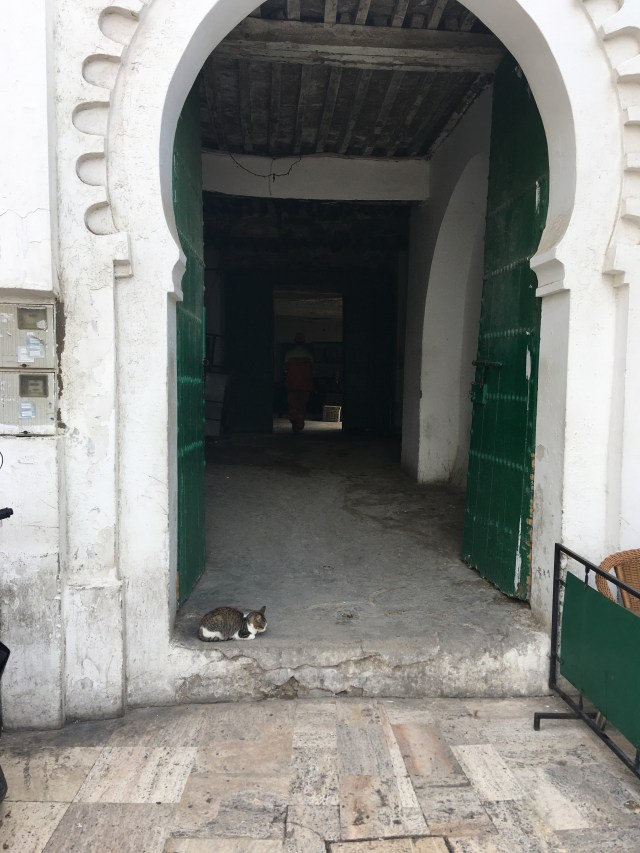
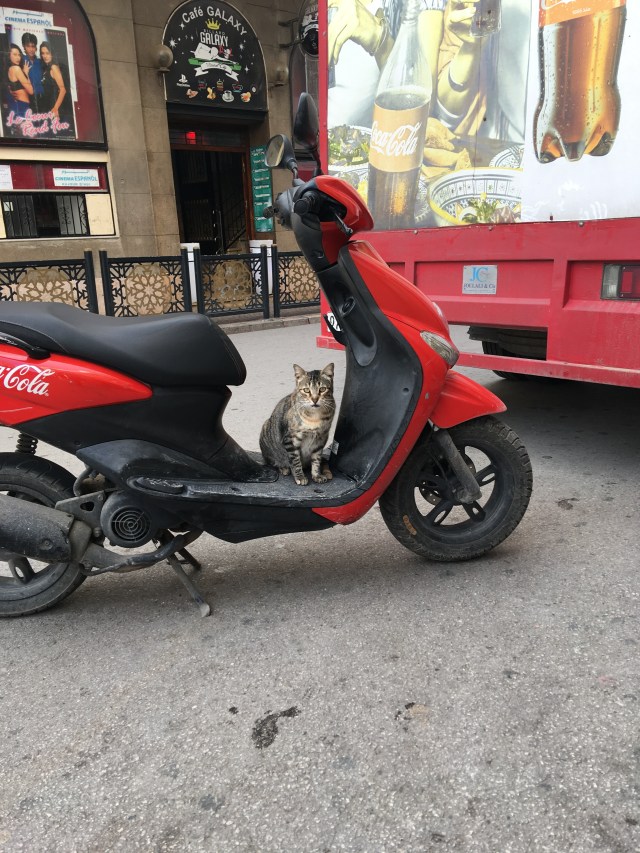
Finally there were the cats. They were everywhere.The boys and I loved them.

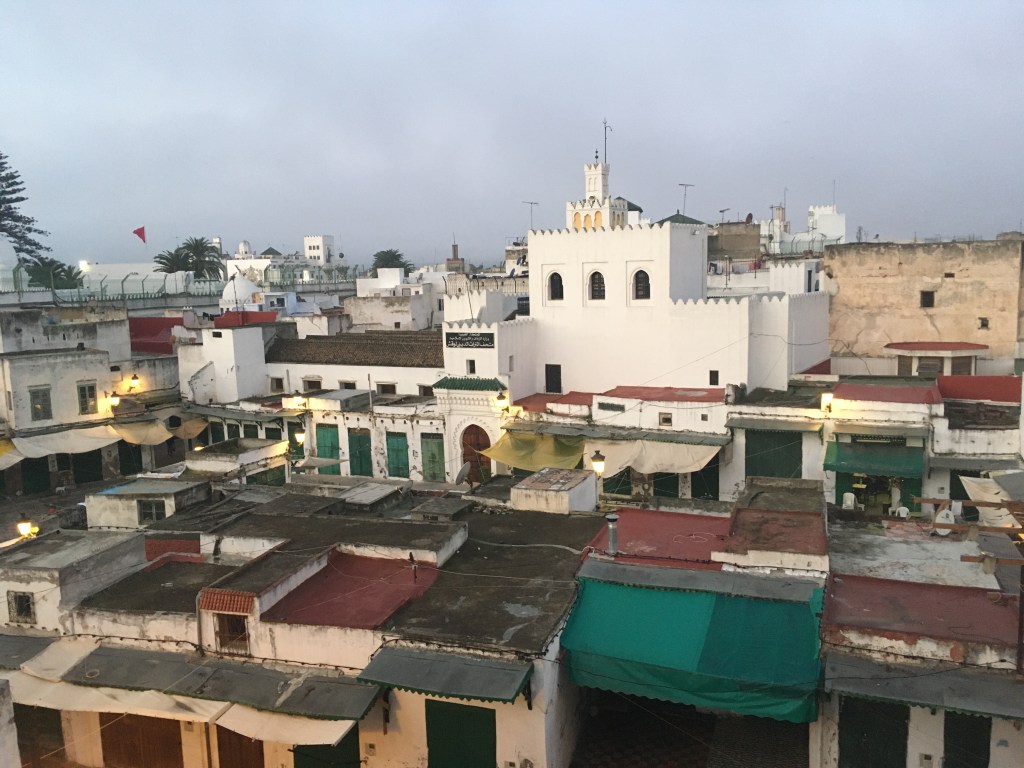
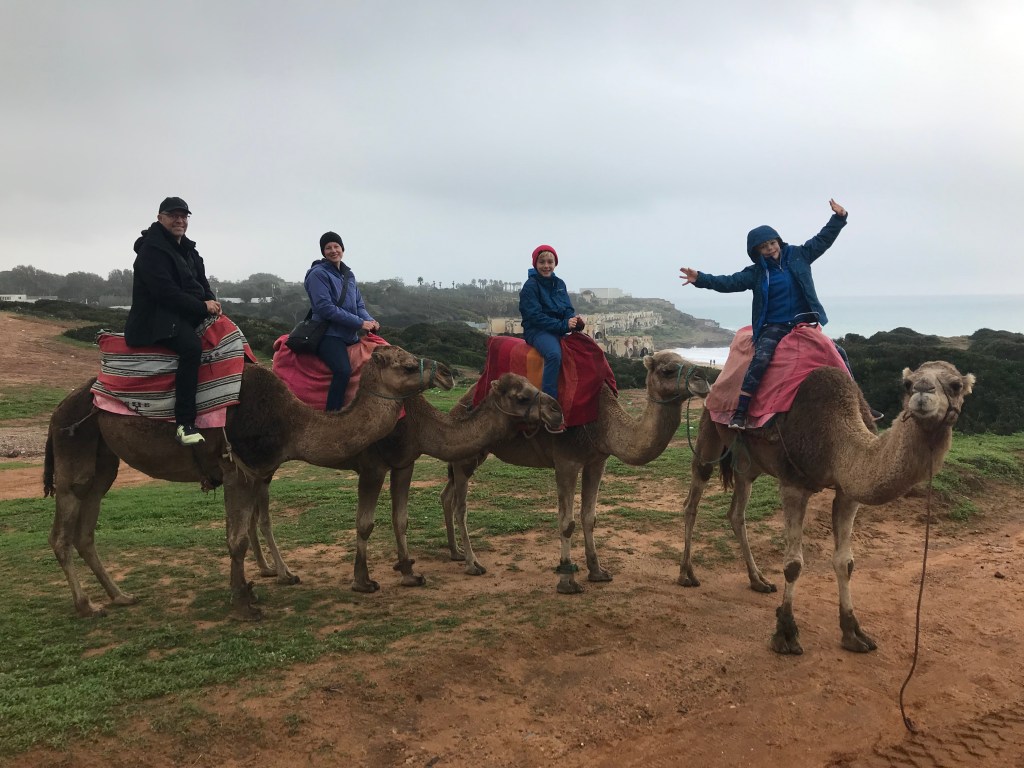
We were able to visit three towns, Tangiers, Tetouan and Chefchaouen.

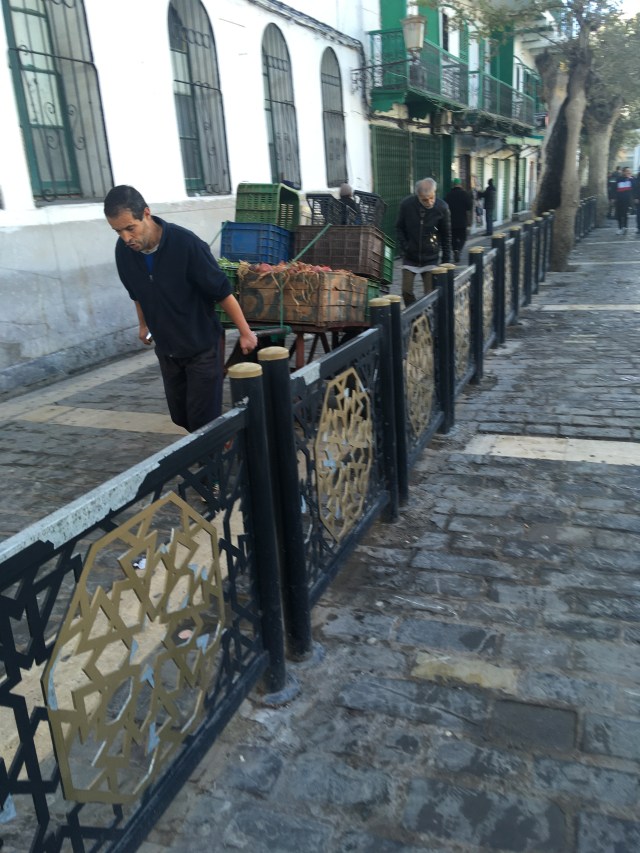
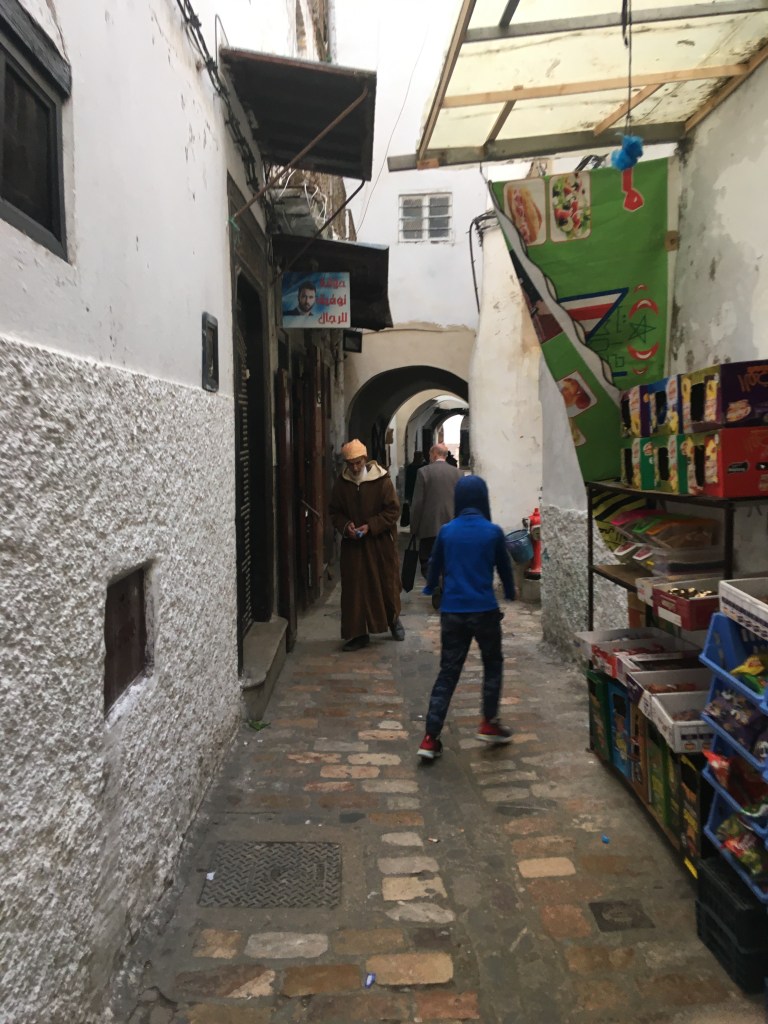
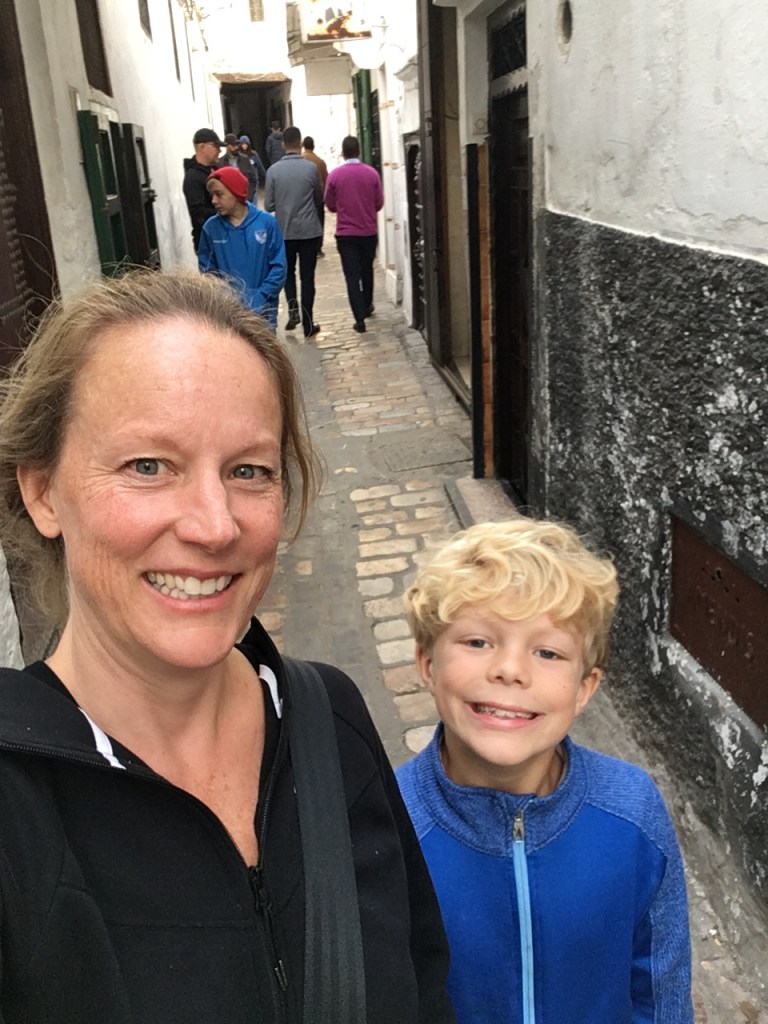
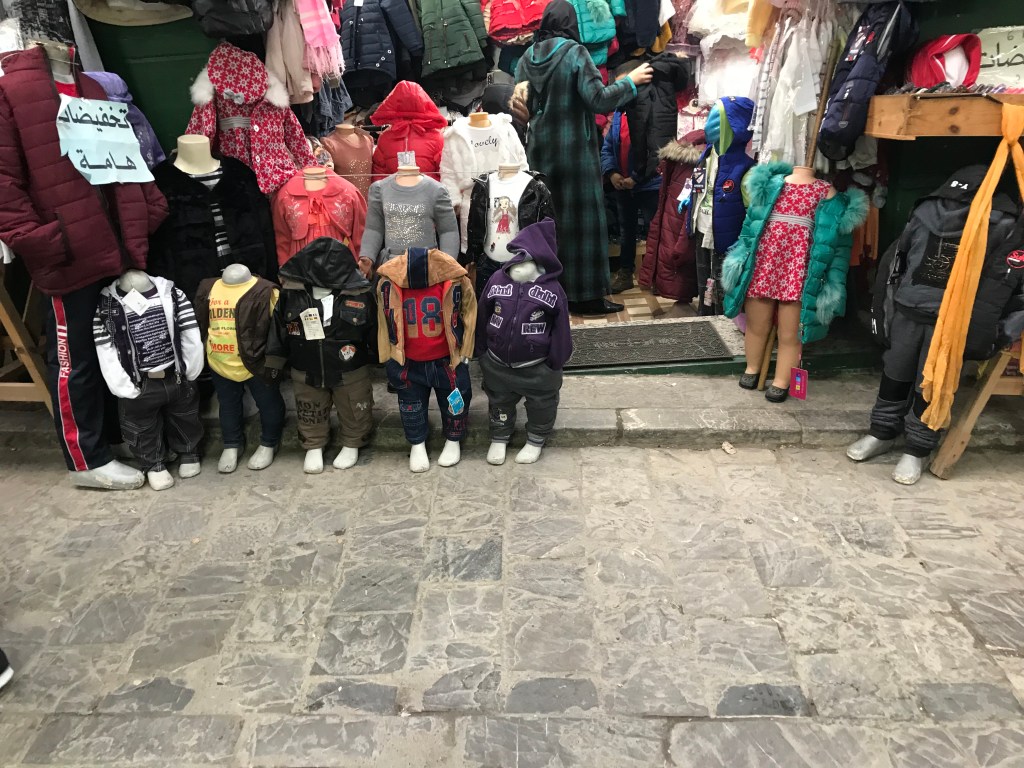
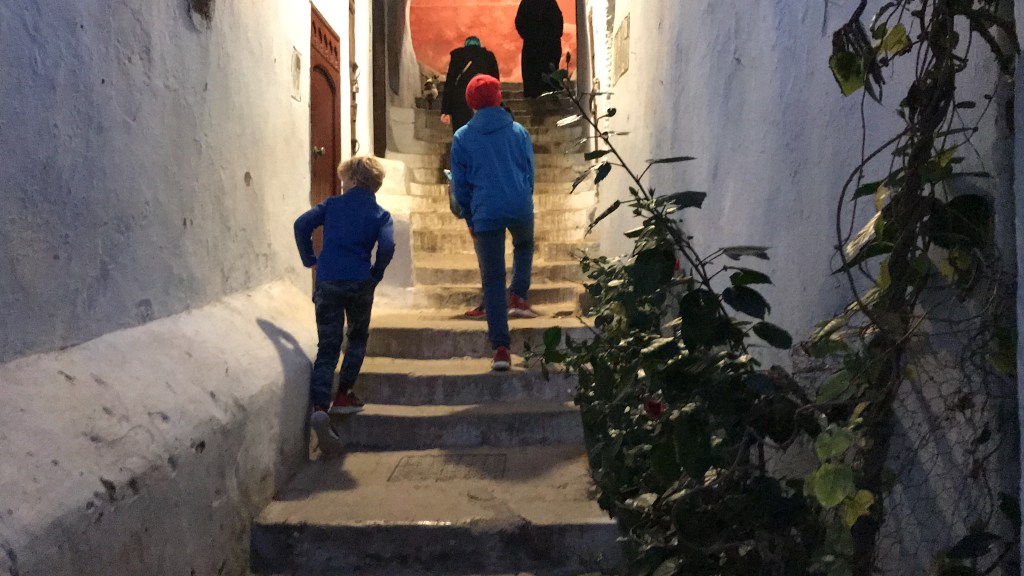
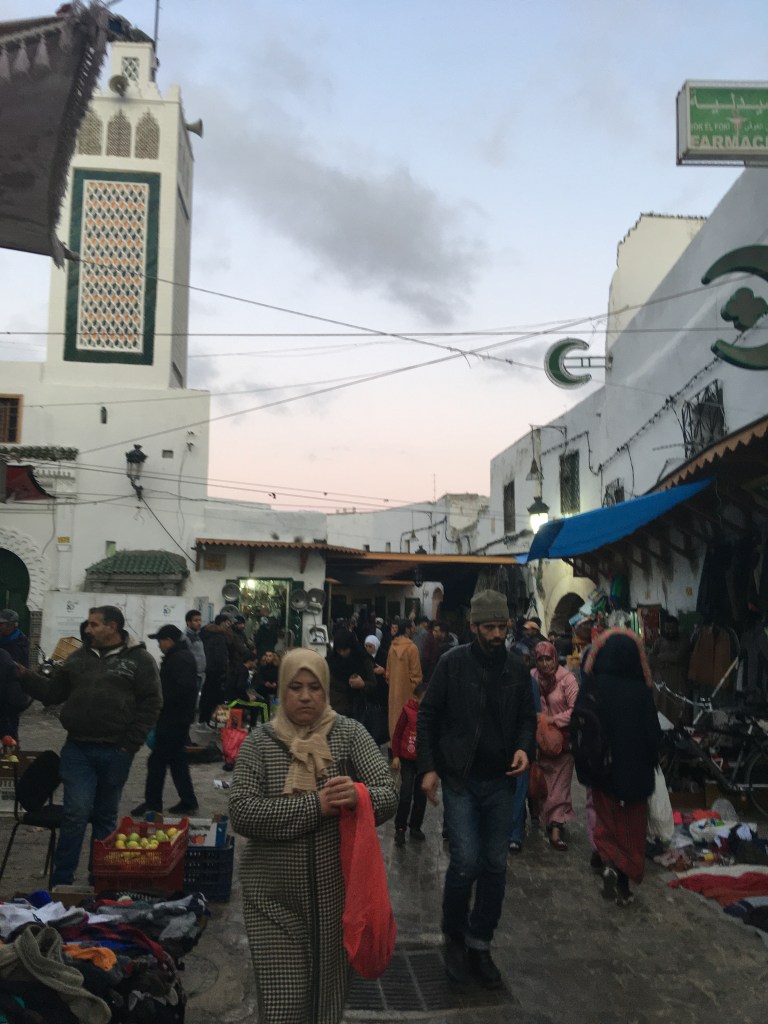
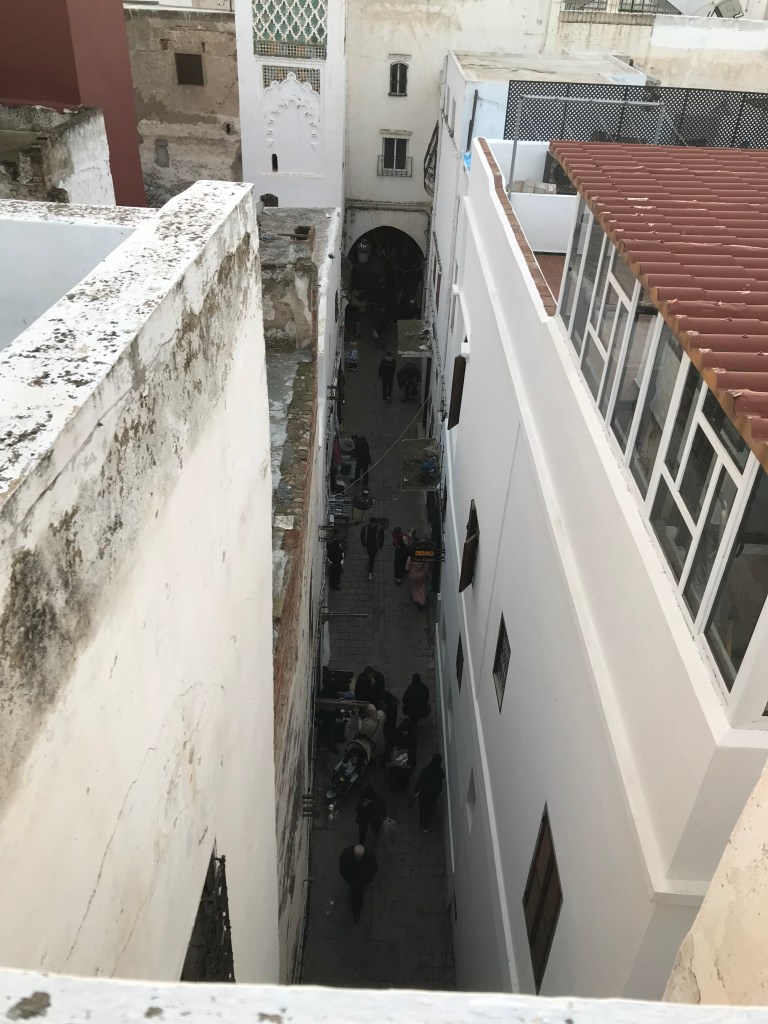
During the Reconquista of Spain (when the Moors and Jews in Andalucia were kicked out), they fled the the area in Spain where we now live and took refuge in northern Morocco. They built Tetouan’s Medina (market) in the 15th century. It is a fascinating labyrinth.

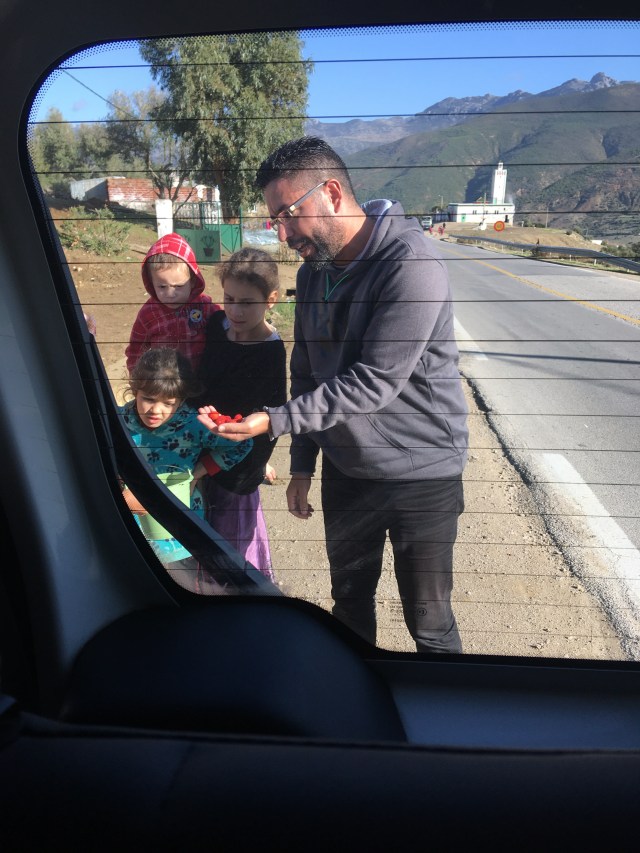
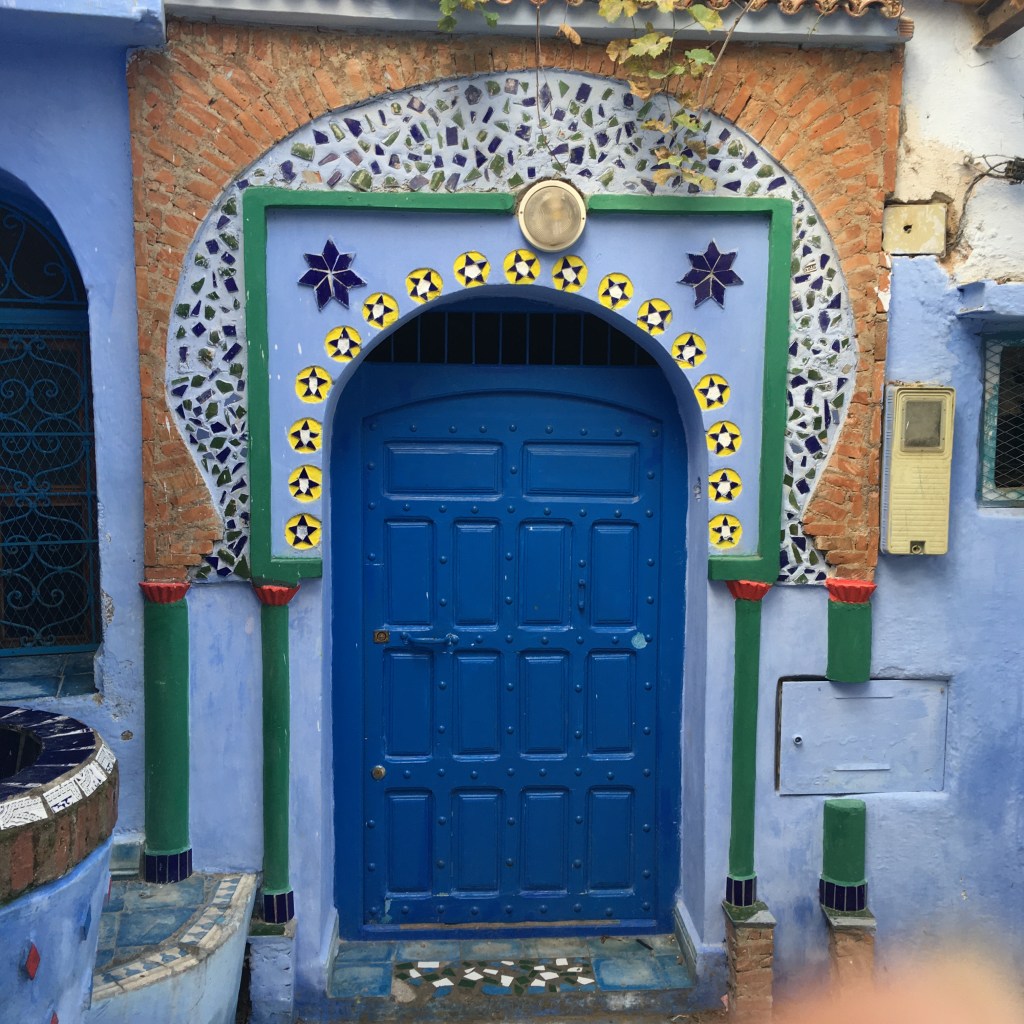
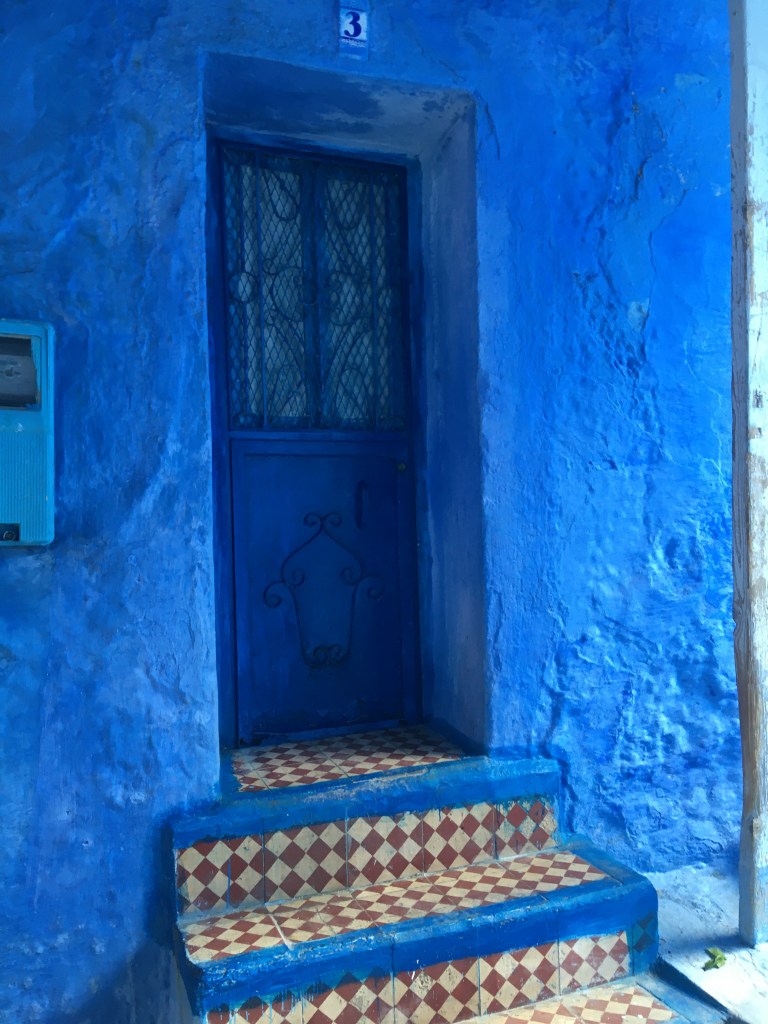
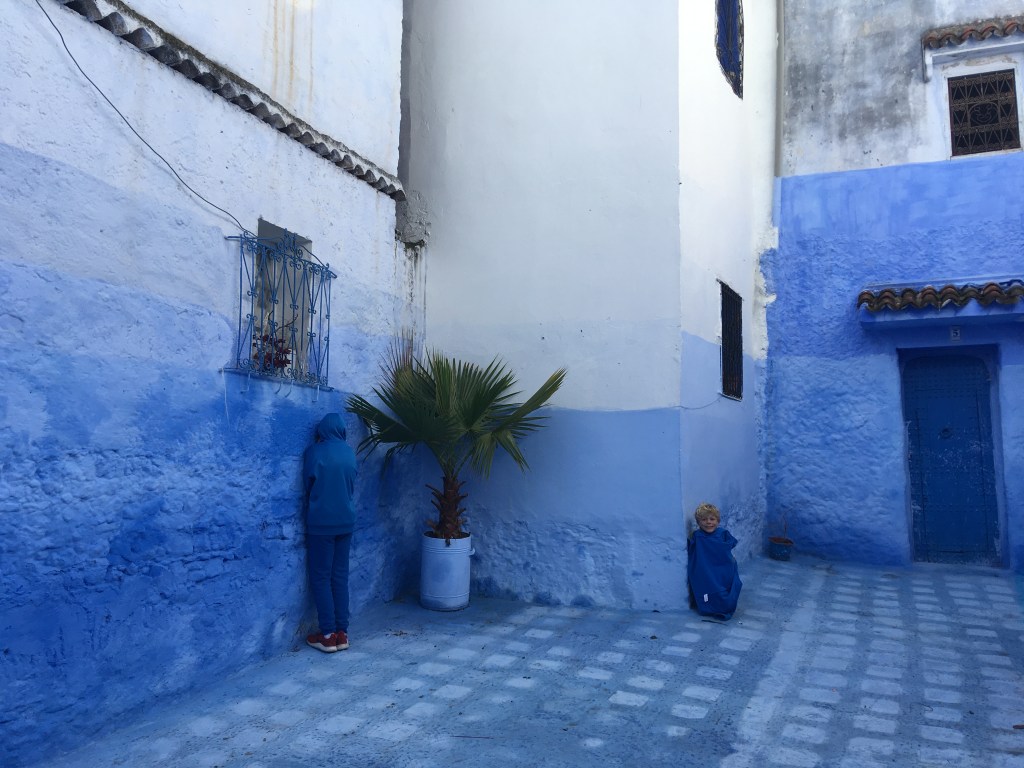
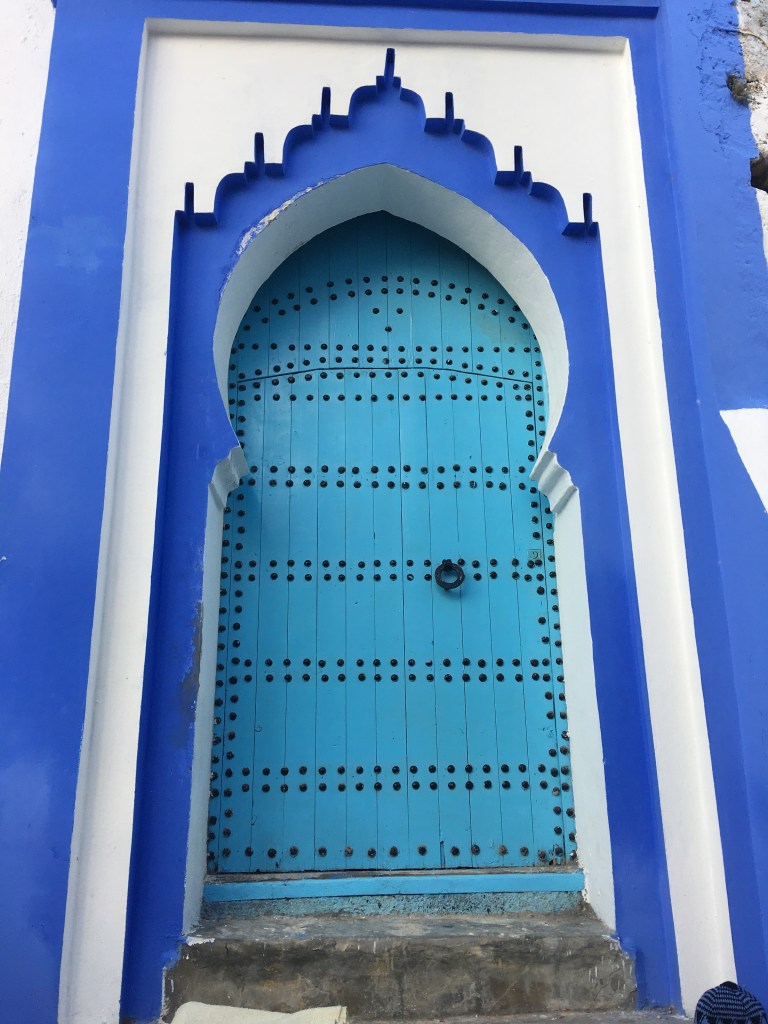
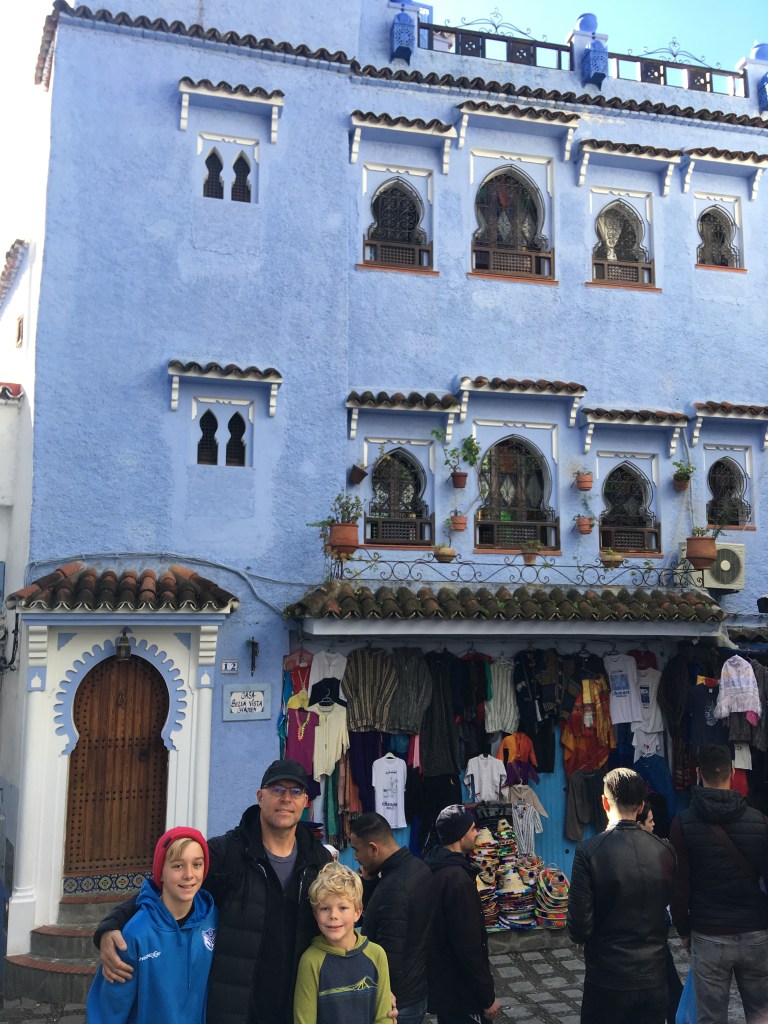
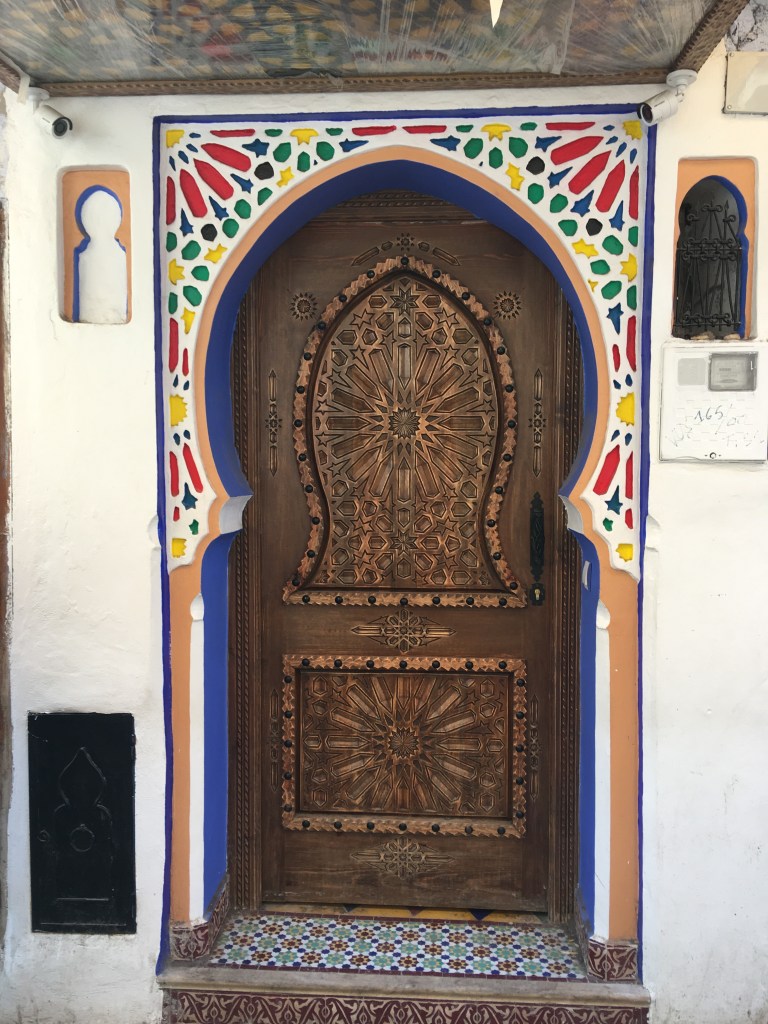
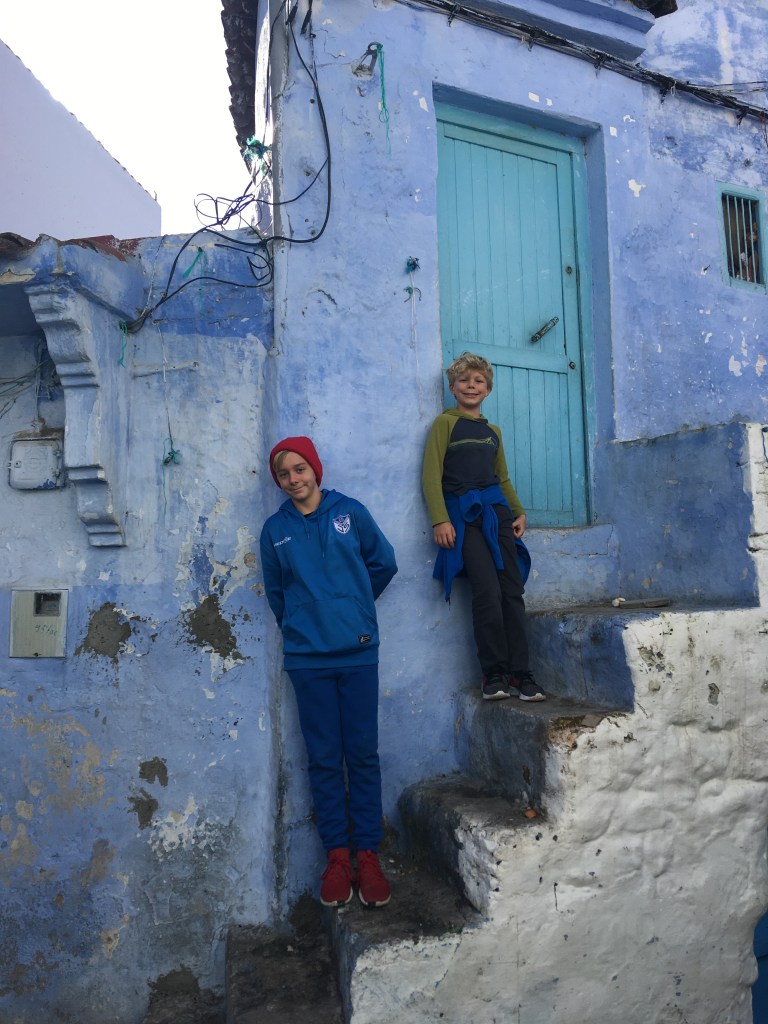
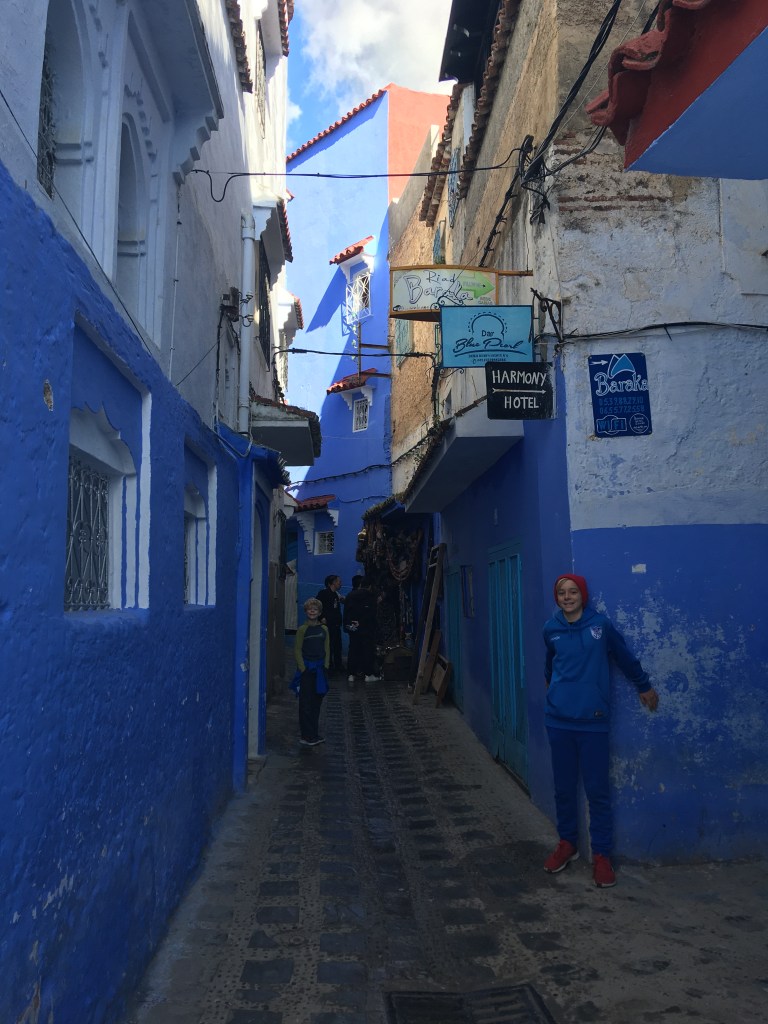
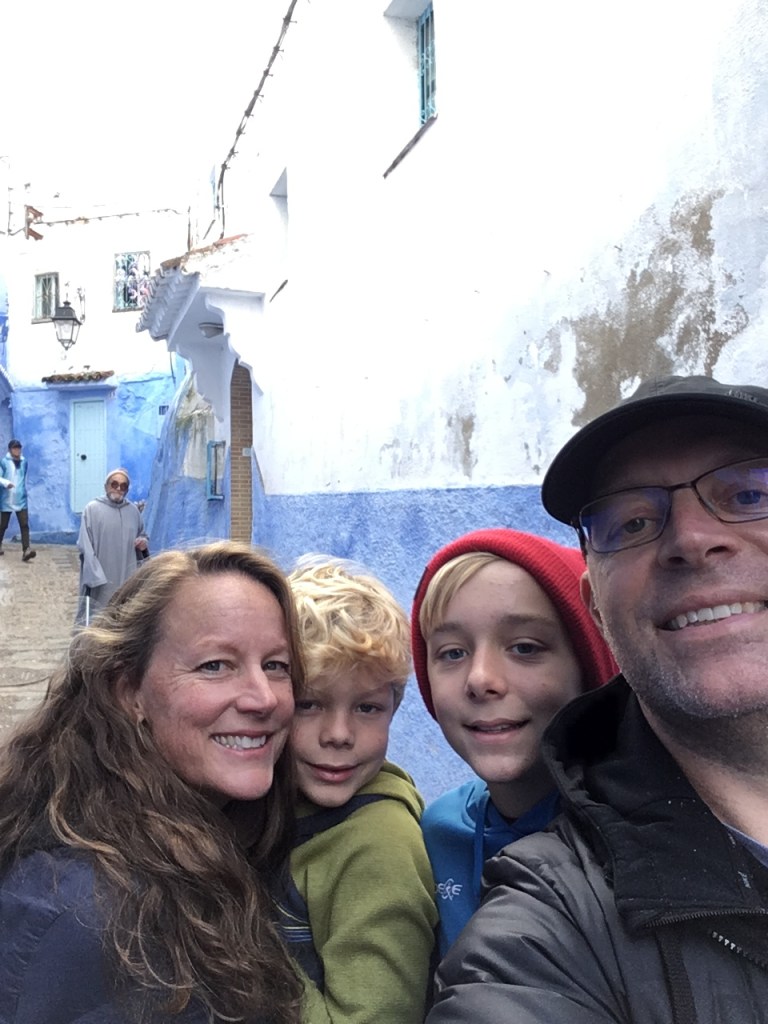
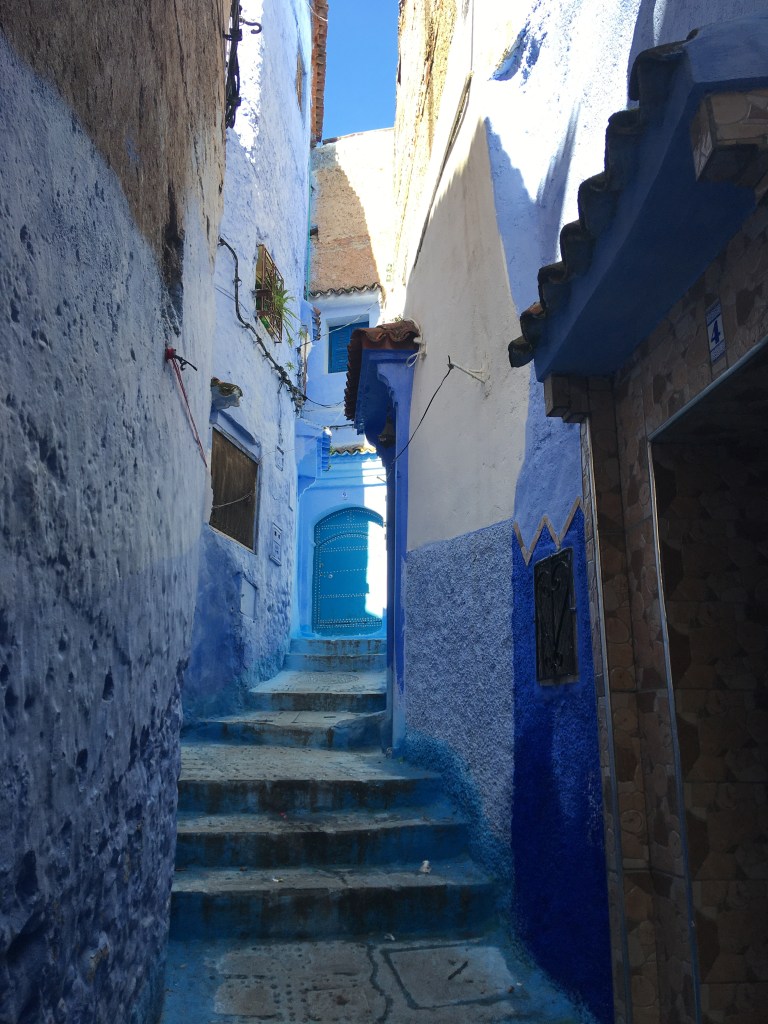
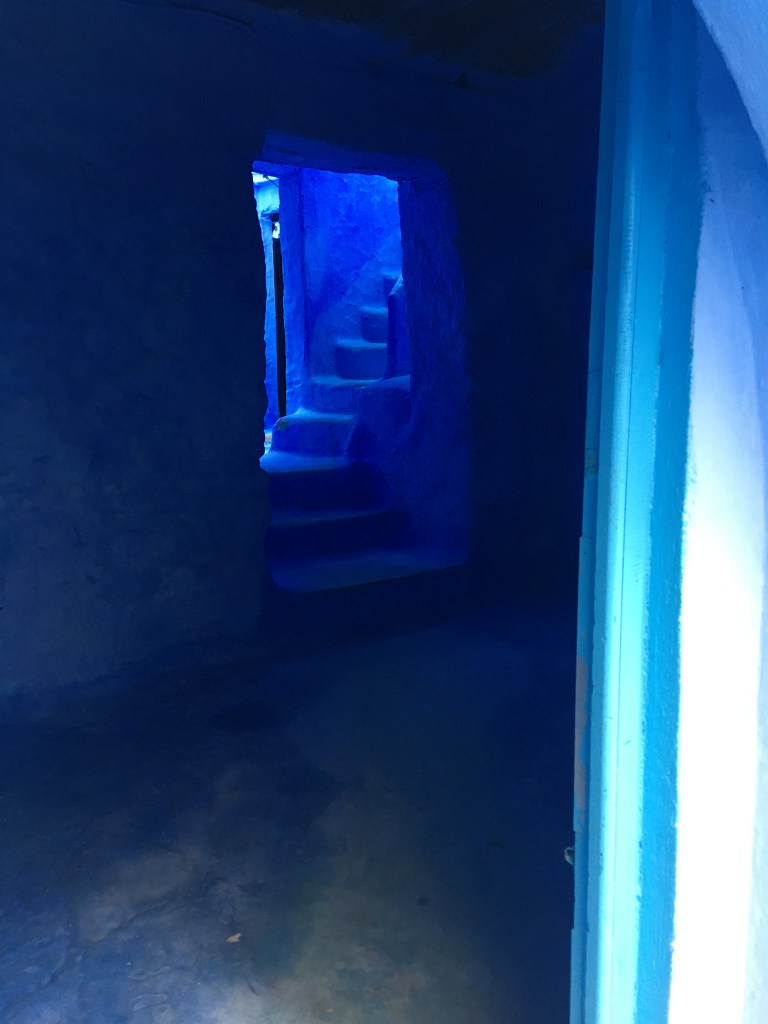
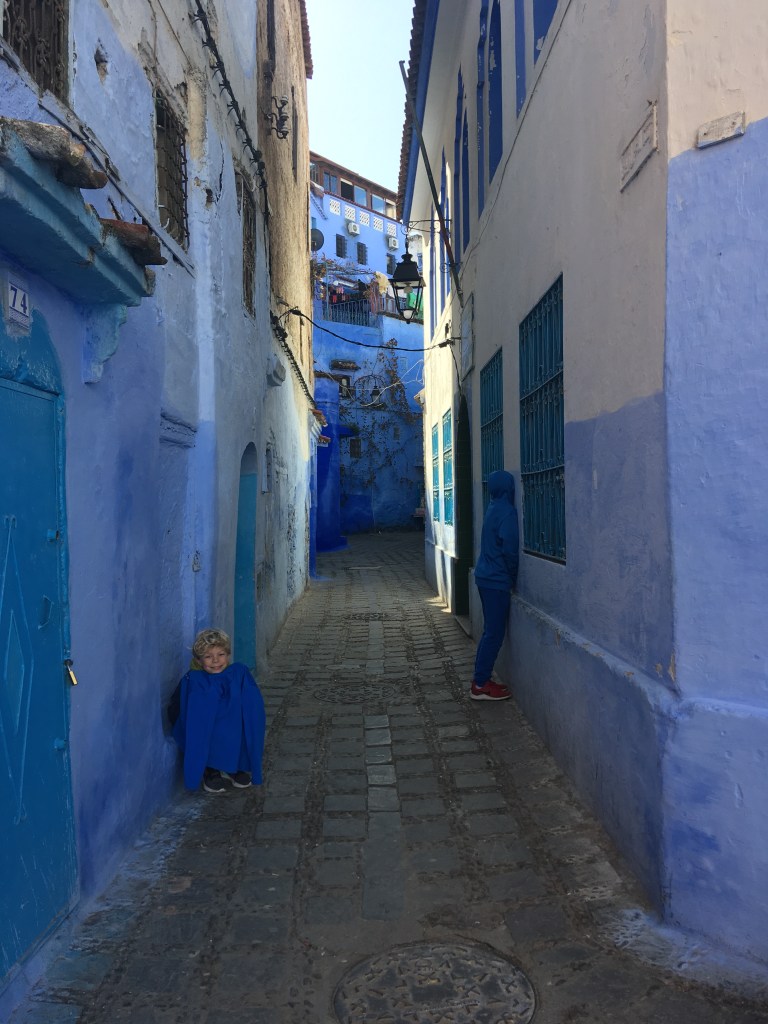
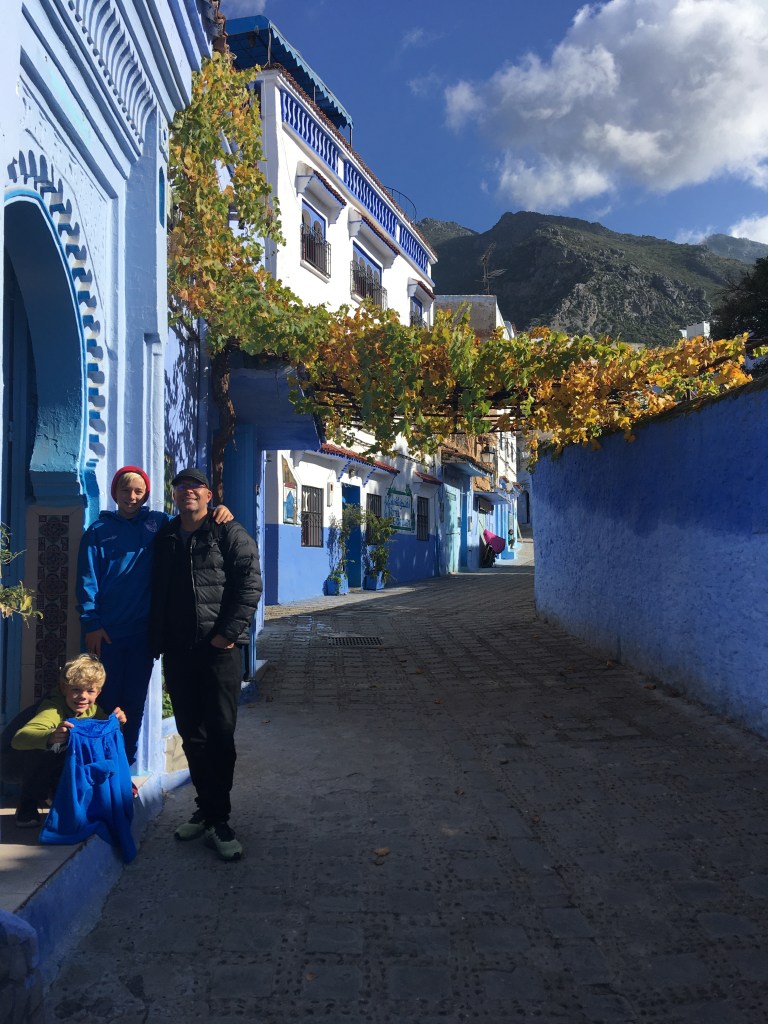
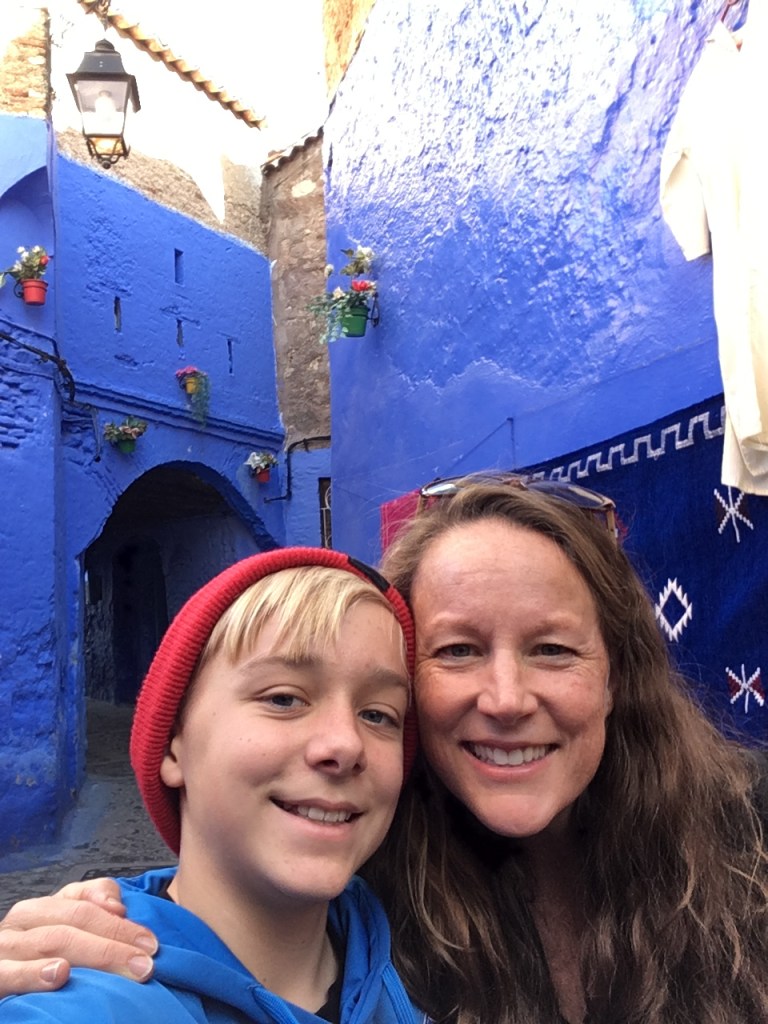
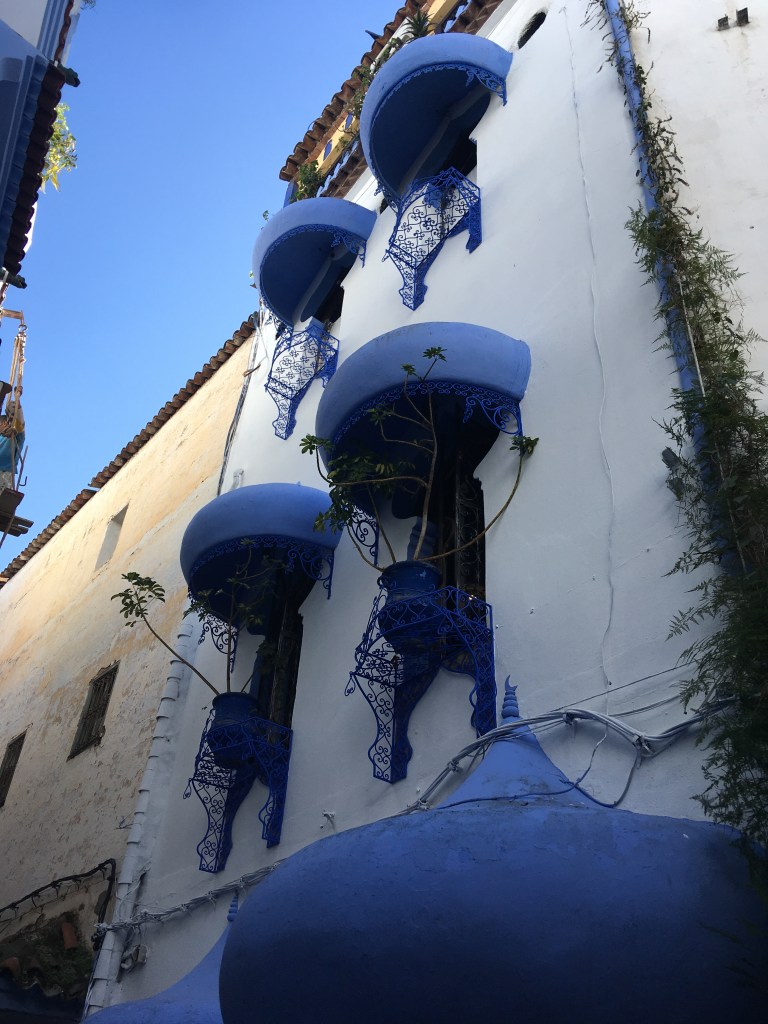
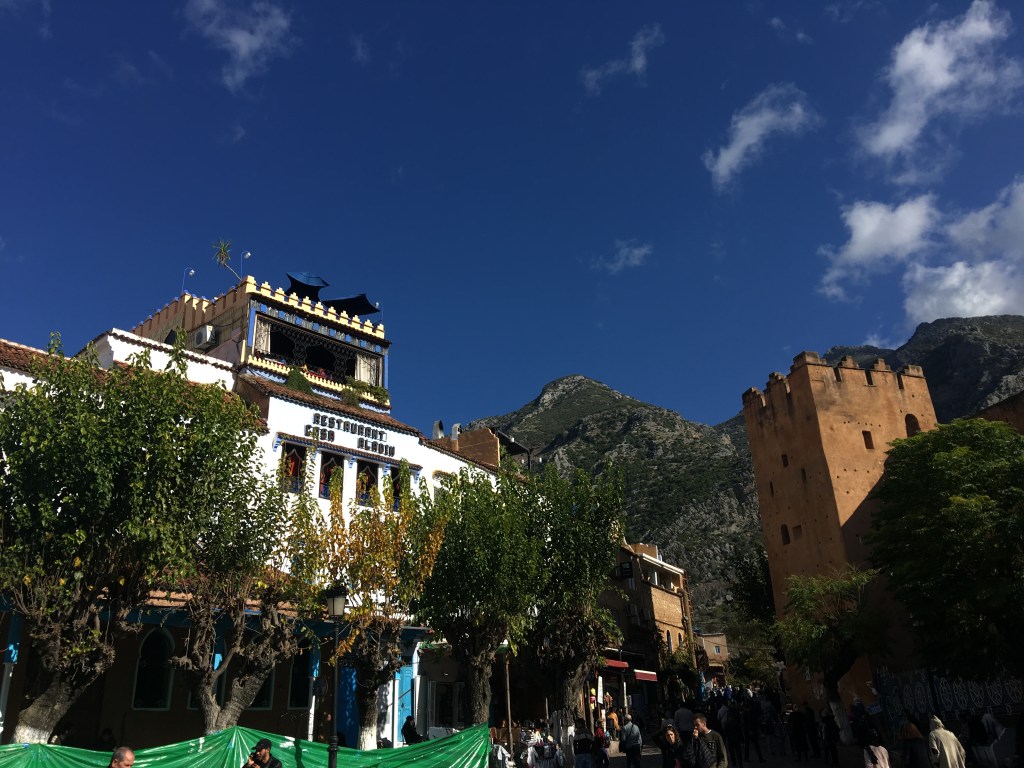
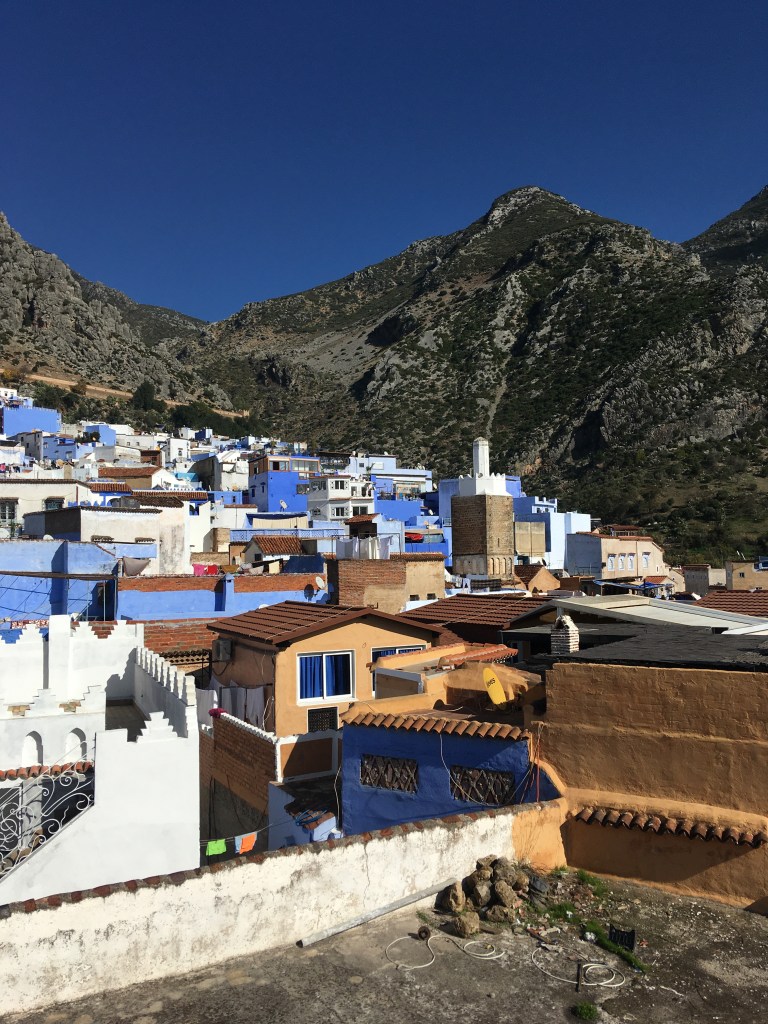
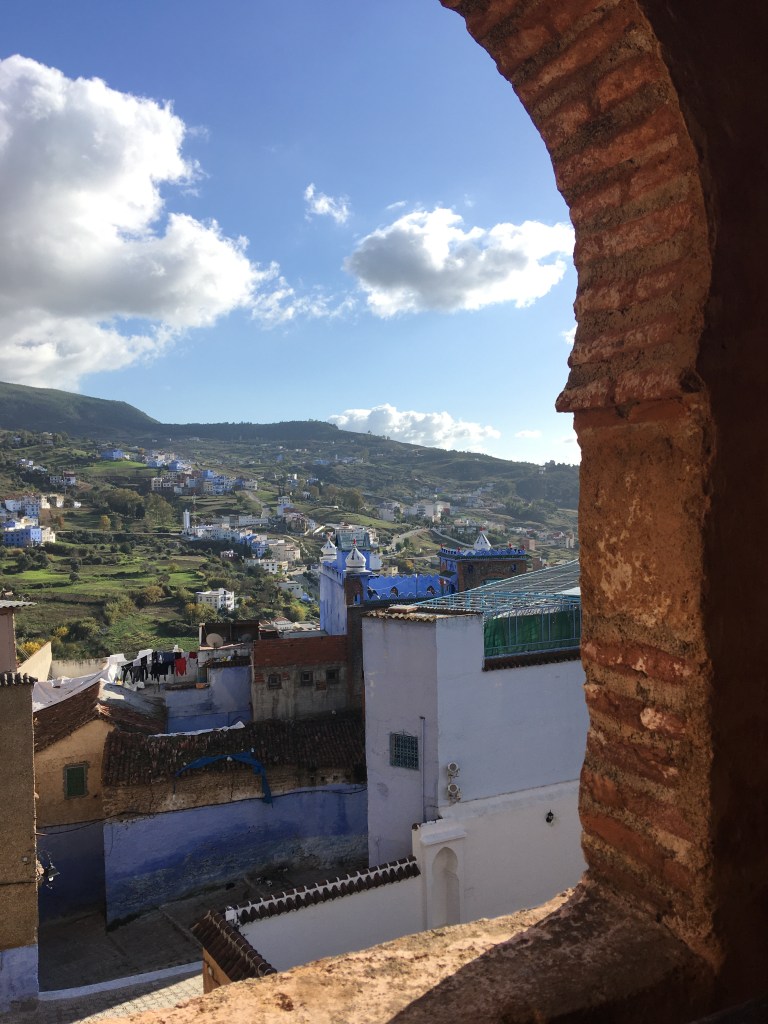
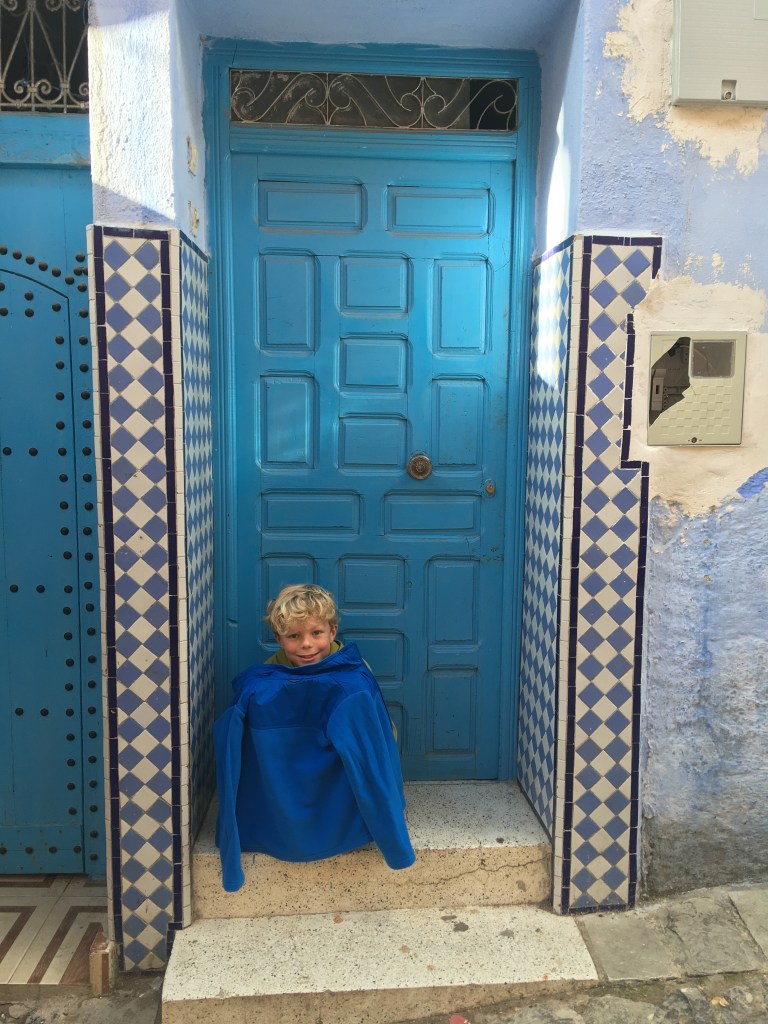
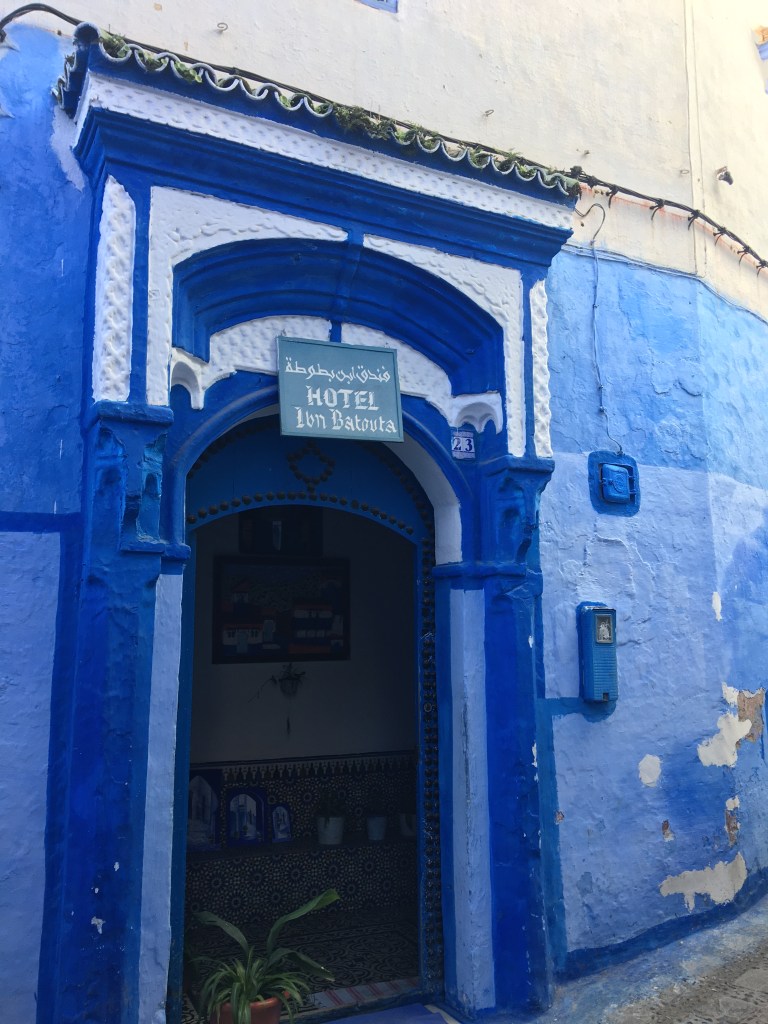
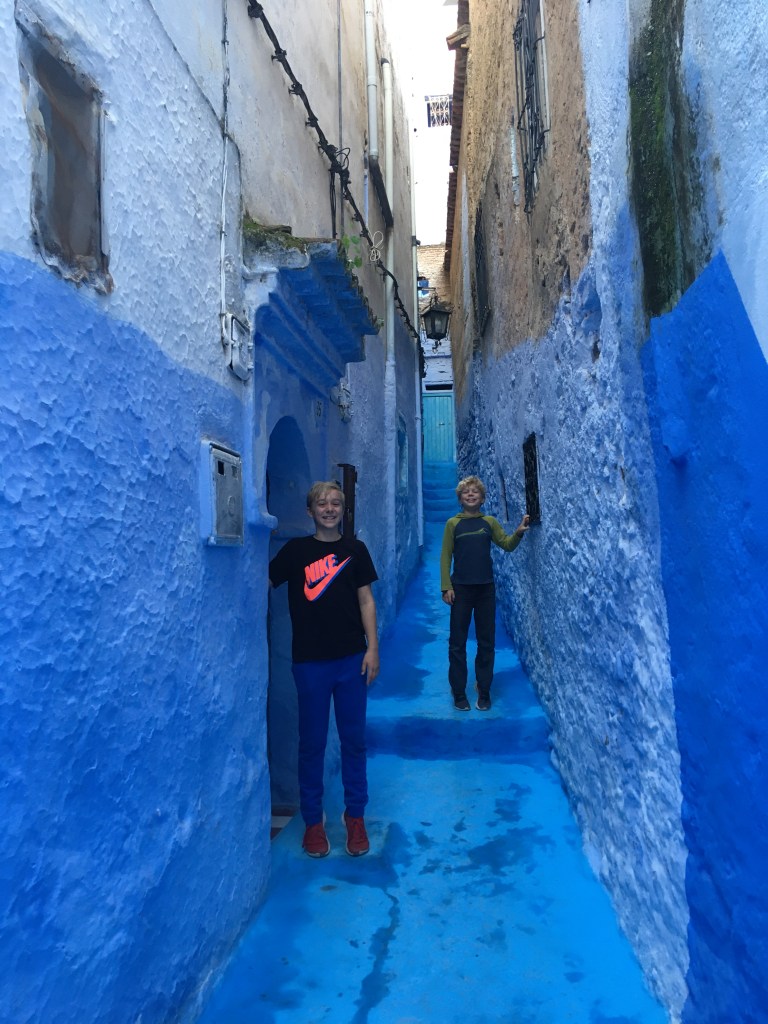
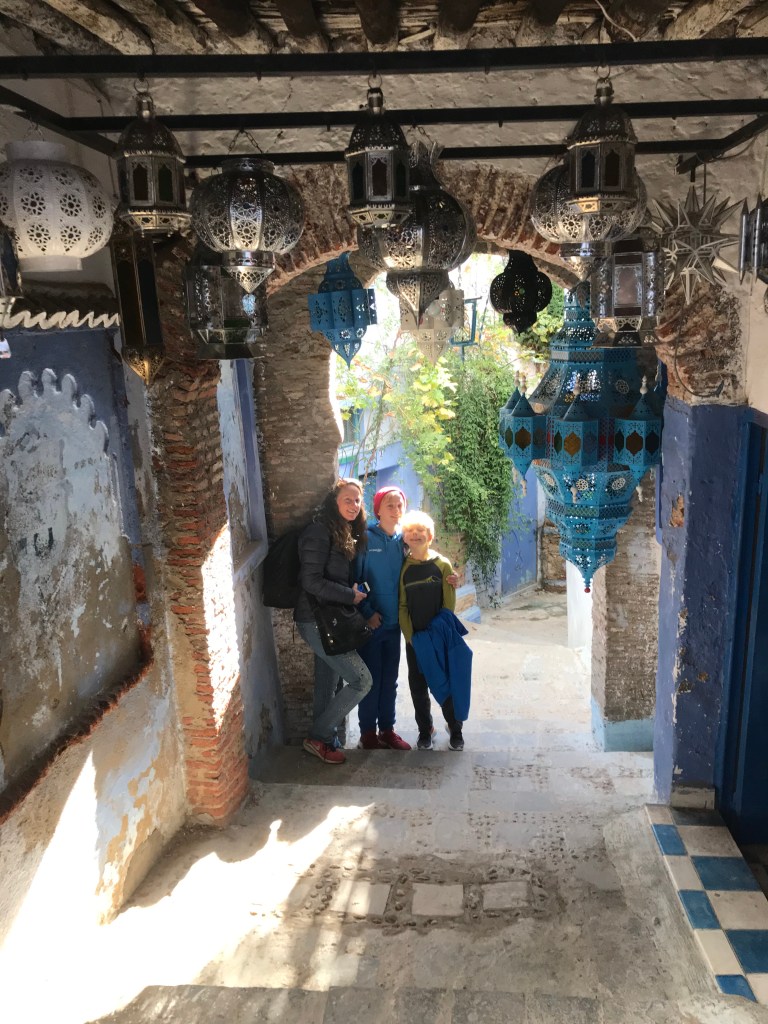
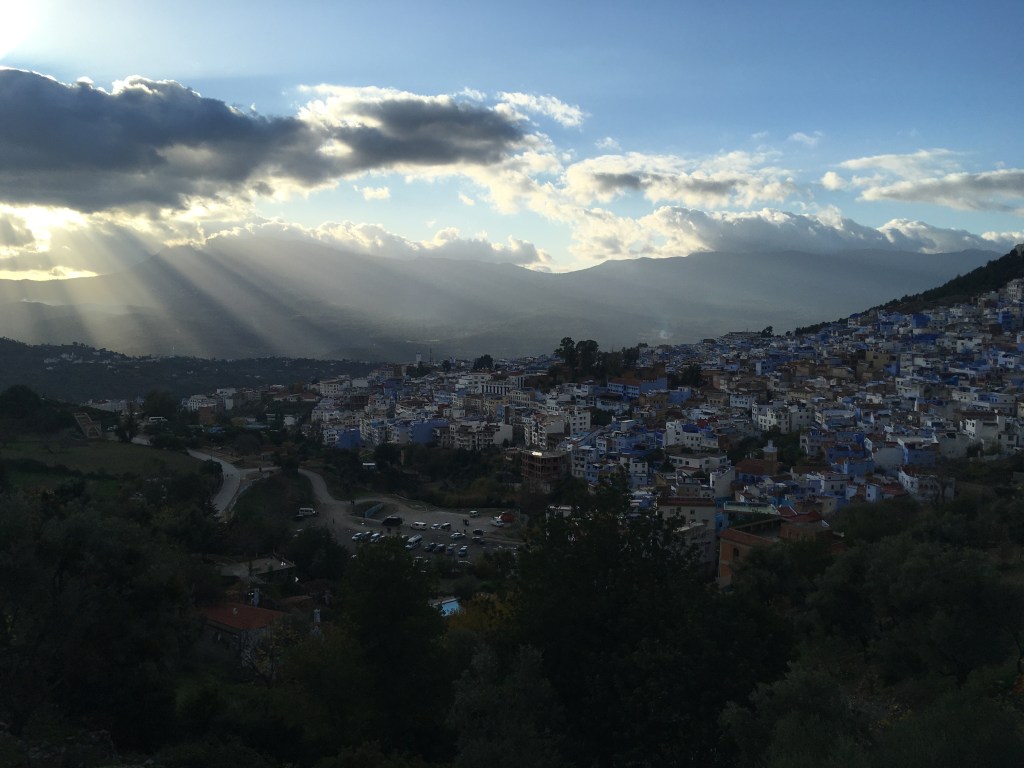
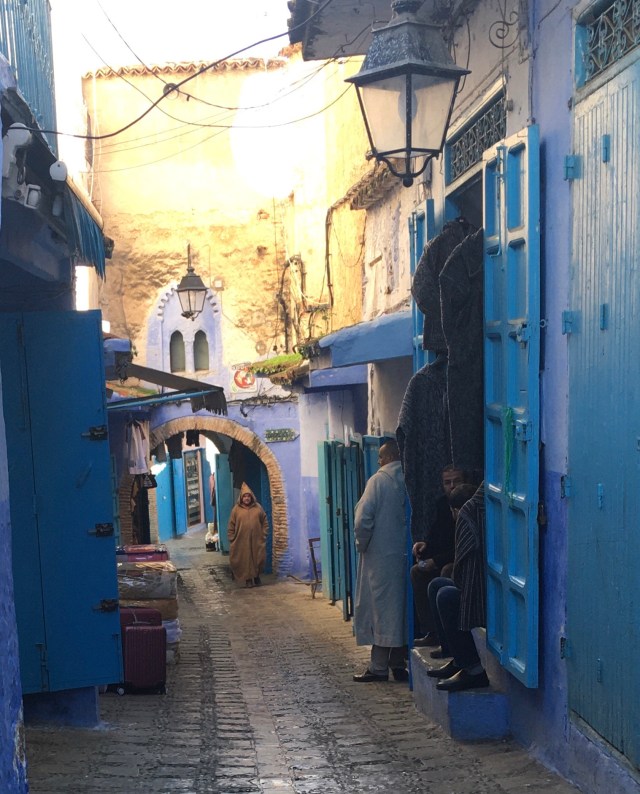
We drove through beautiful country to arrive in Chefchaouen, Morocco’s Blue Pearl.

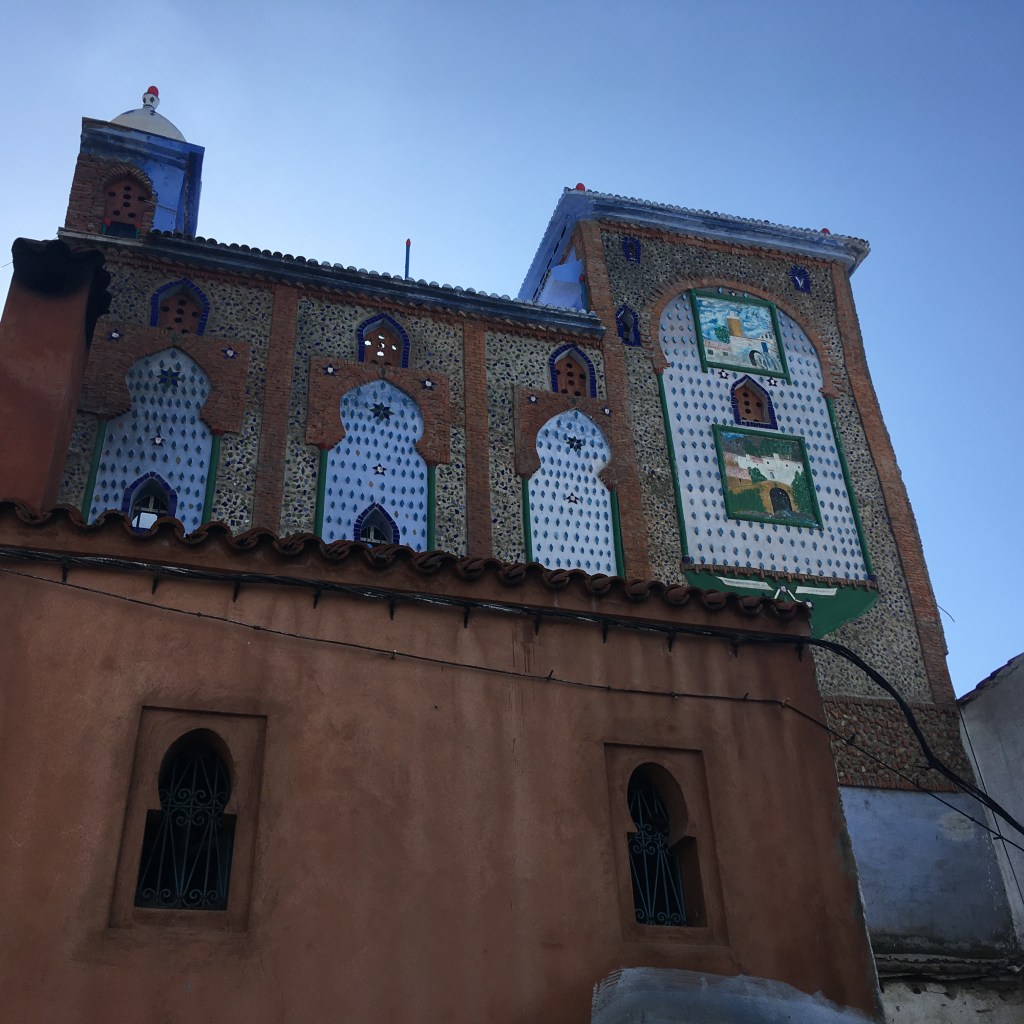
call to prayer

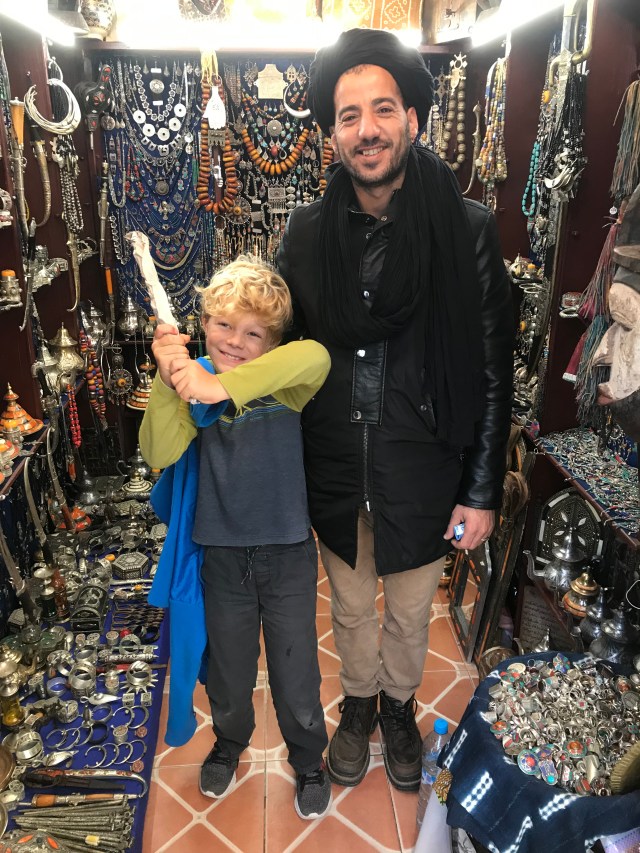
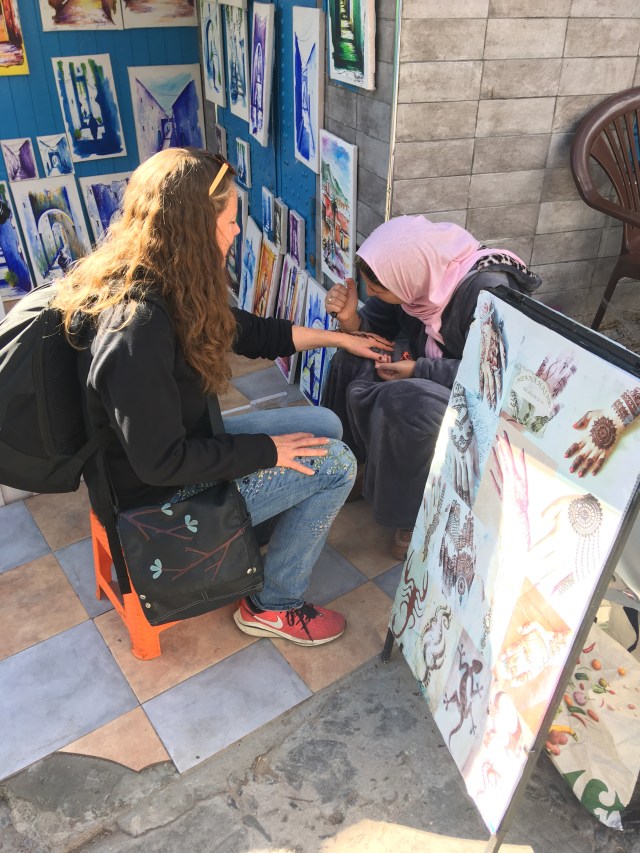
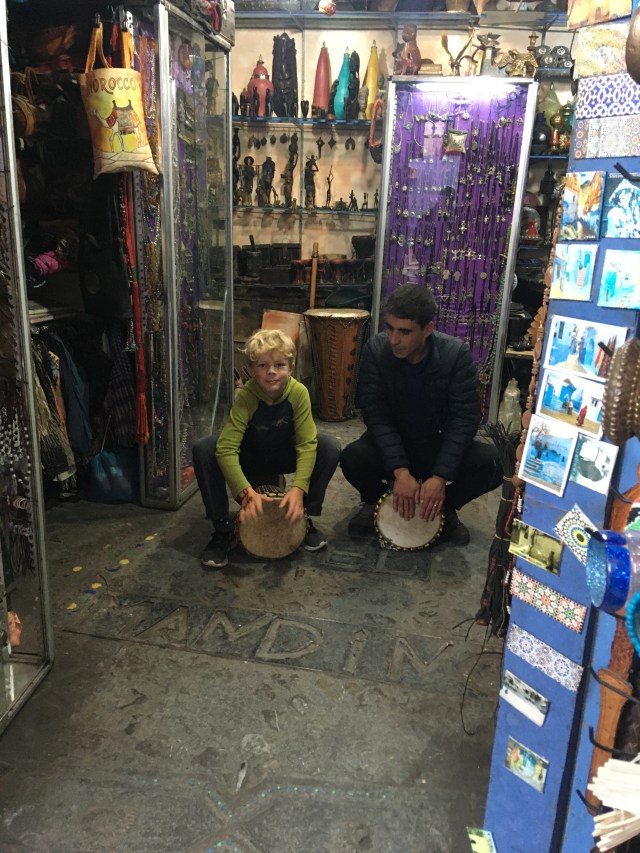
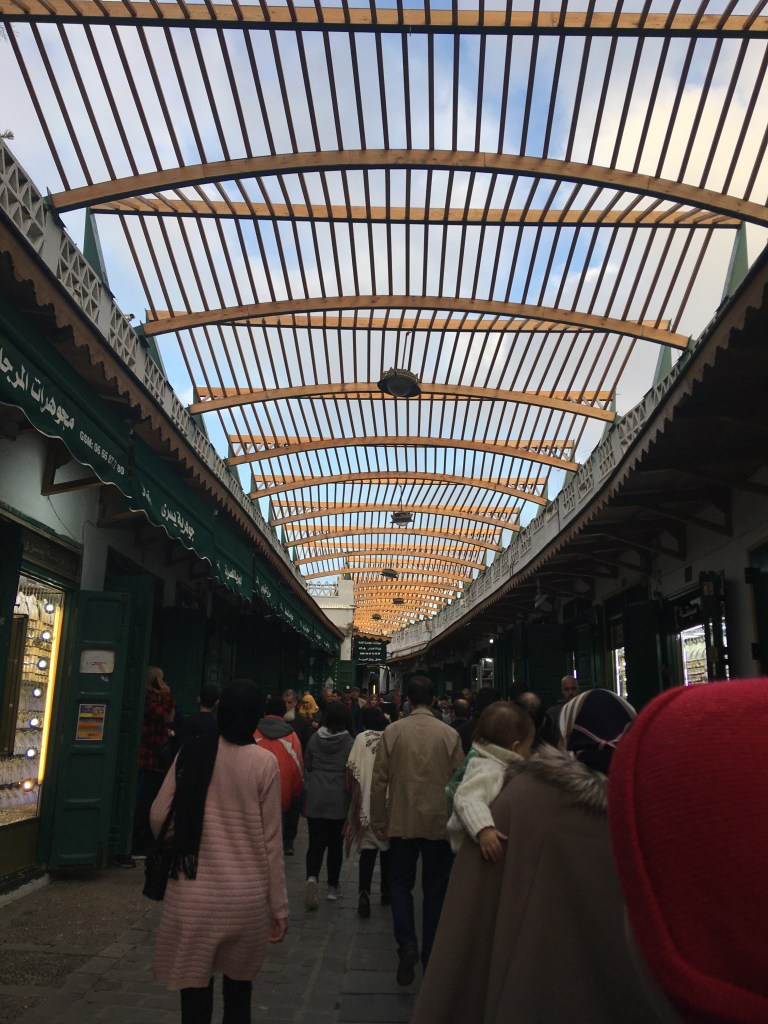
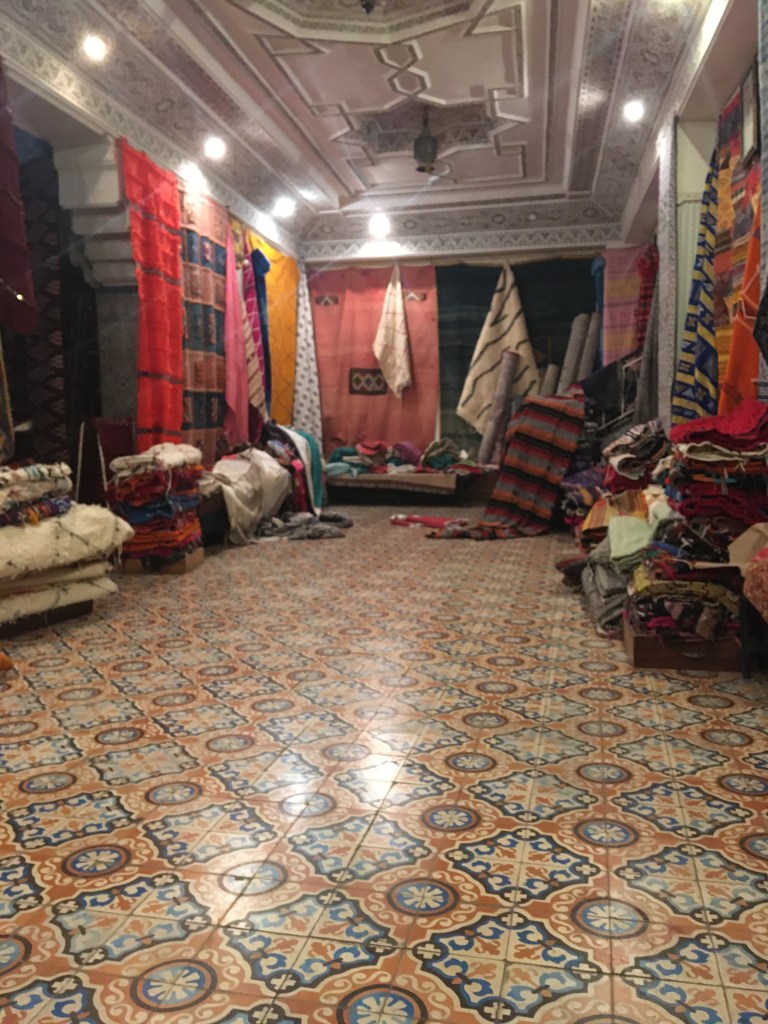
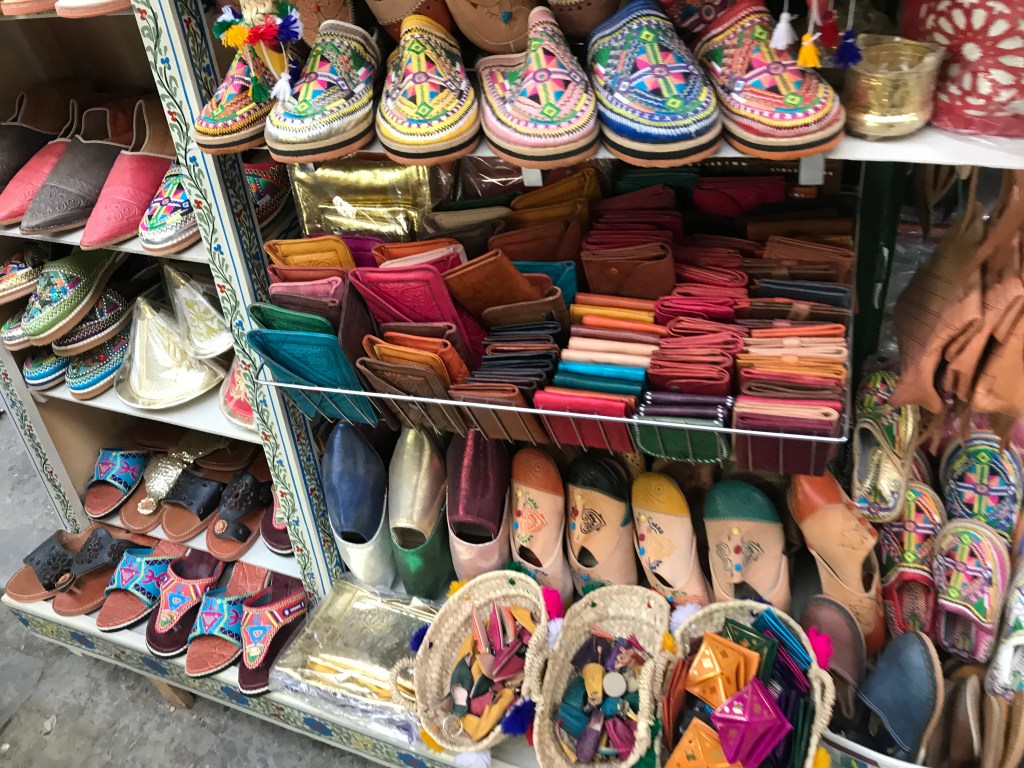
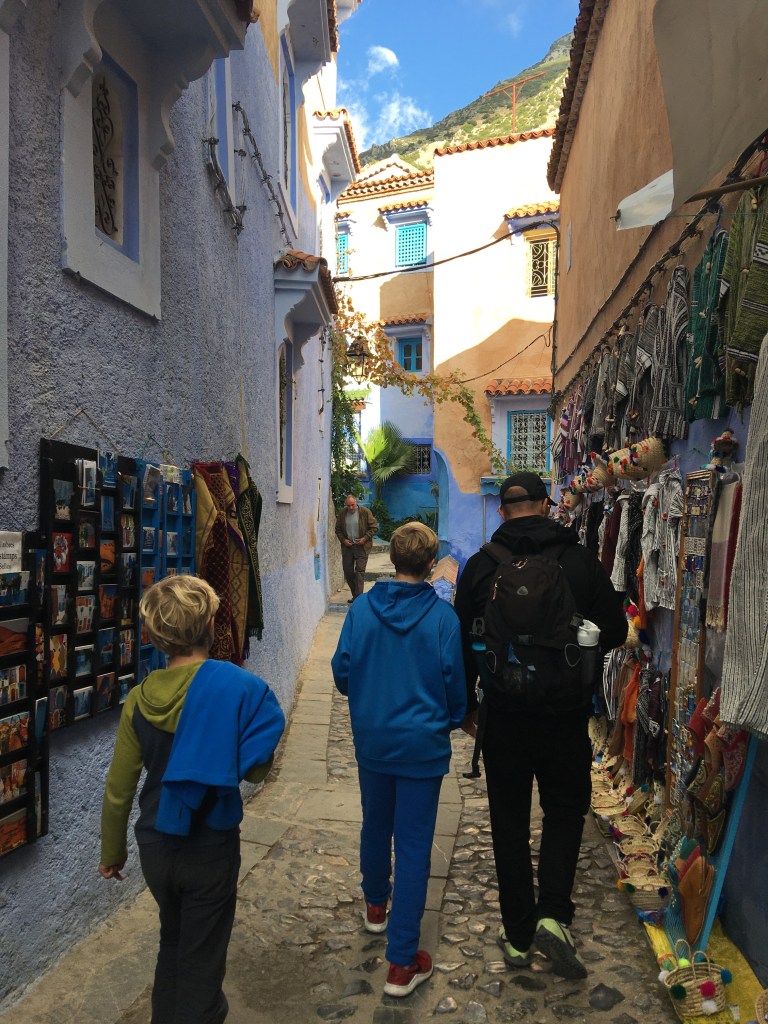
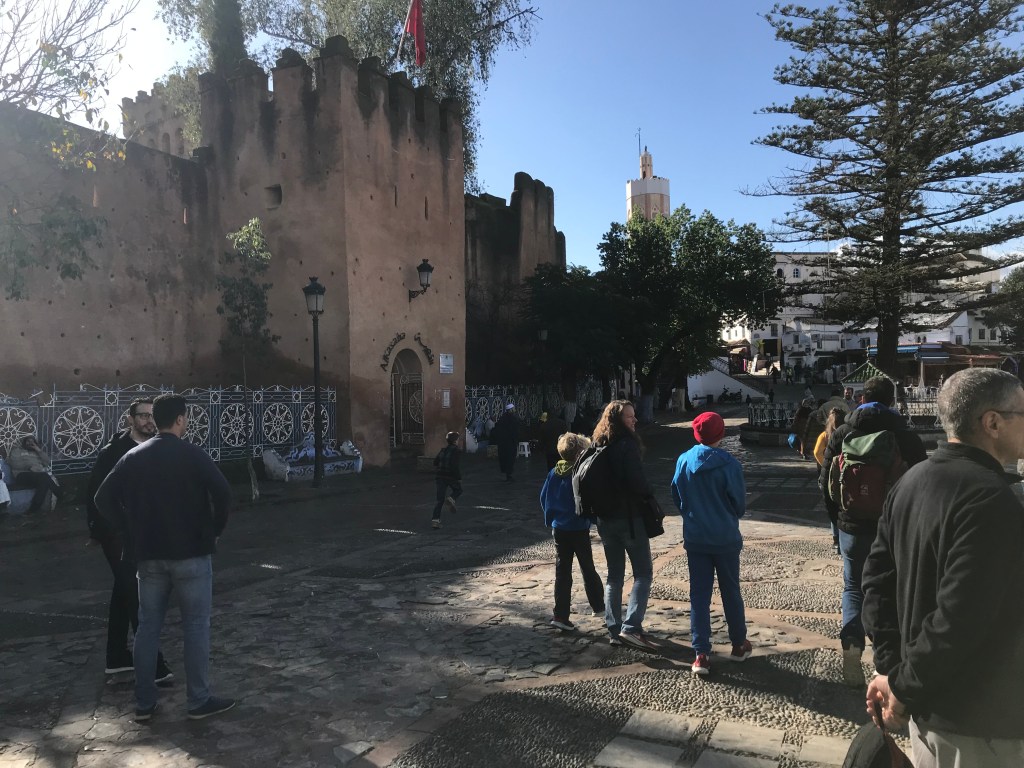
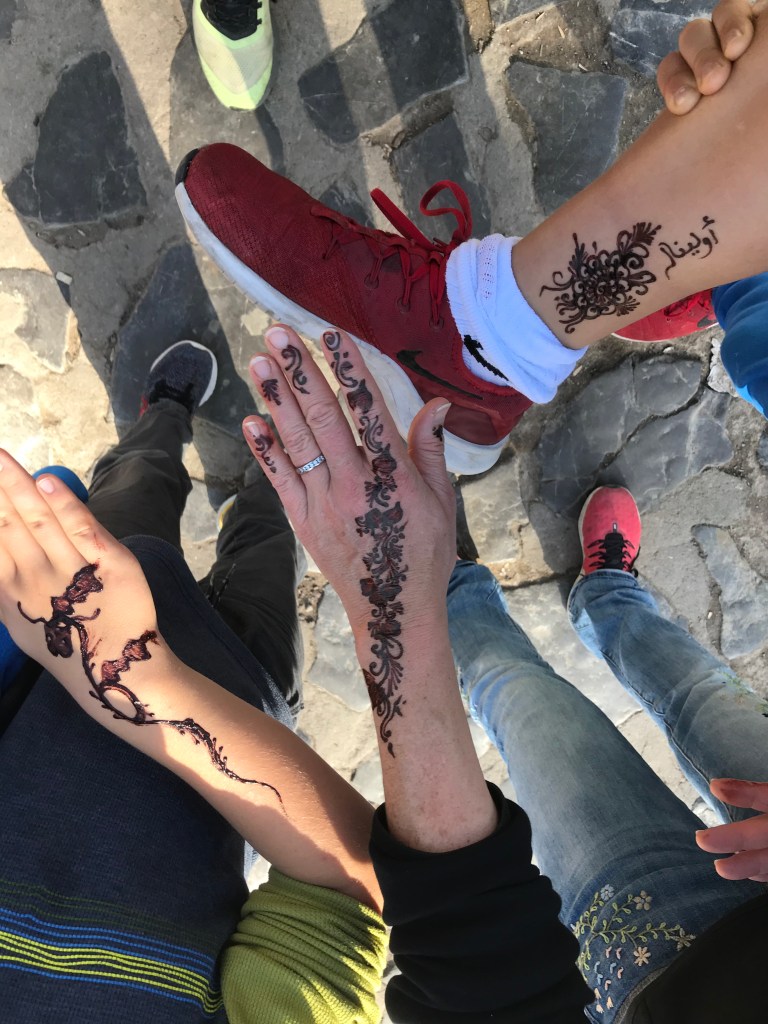
Whereas Tetouan’s Medina is mostly an everyday market, Chefchaouen’s is full of handcrafts and much more geared to tourists. We played good tourists.

Finally, Tangiers served as our point of entry and exit for the ferry. We did manage to spend one afternoon seeing a few sights.

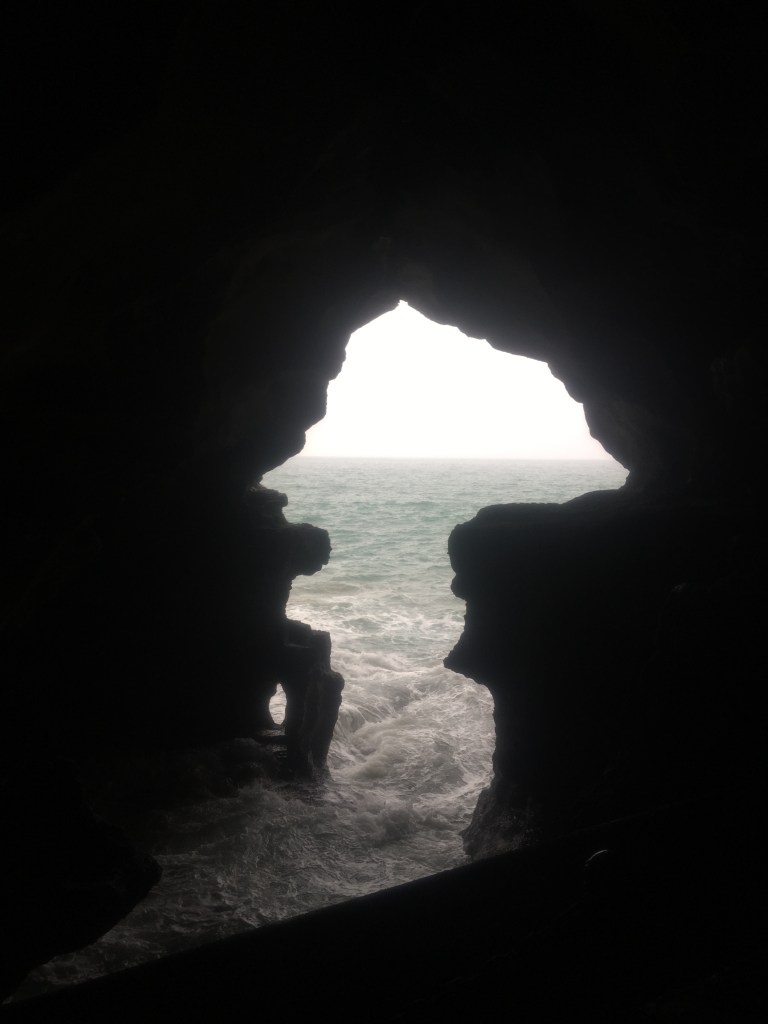
Hercules’ Cave

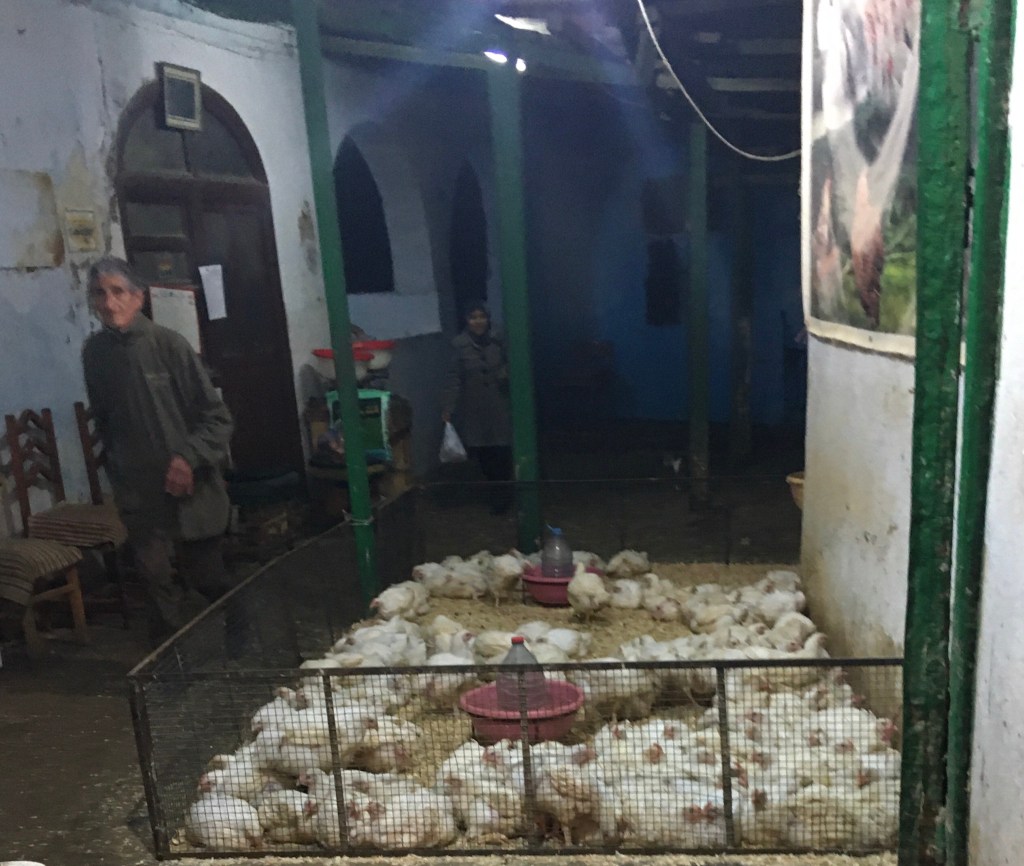
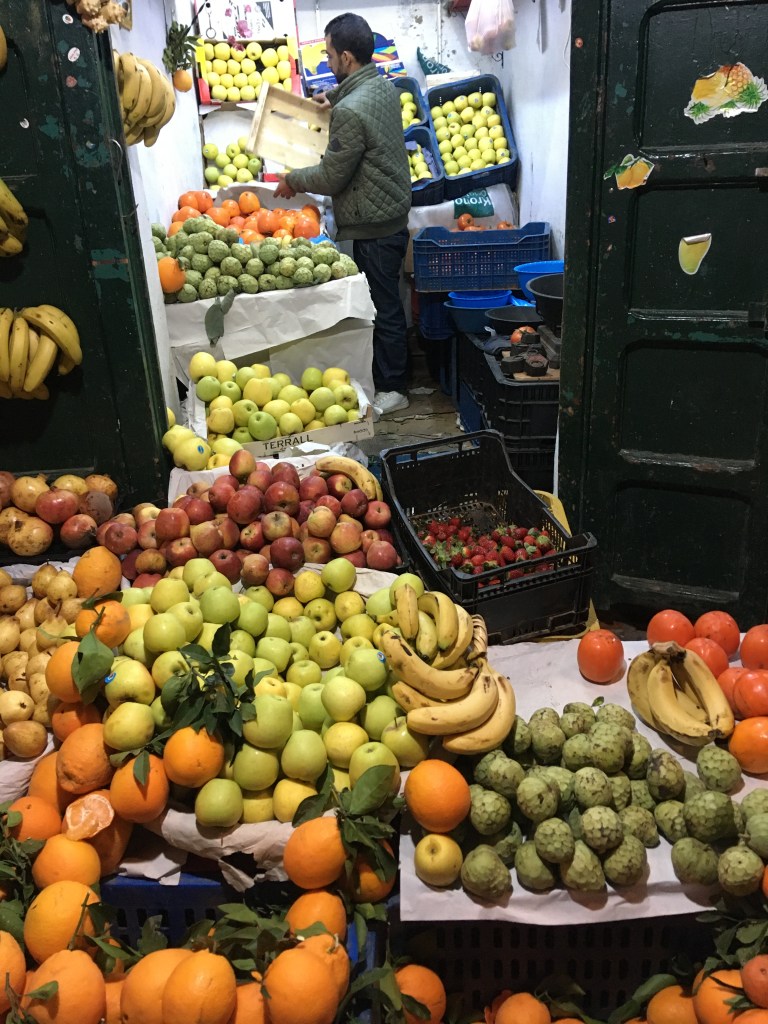
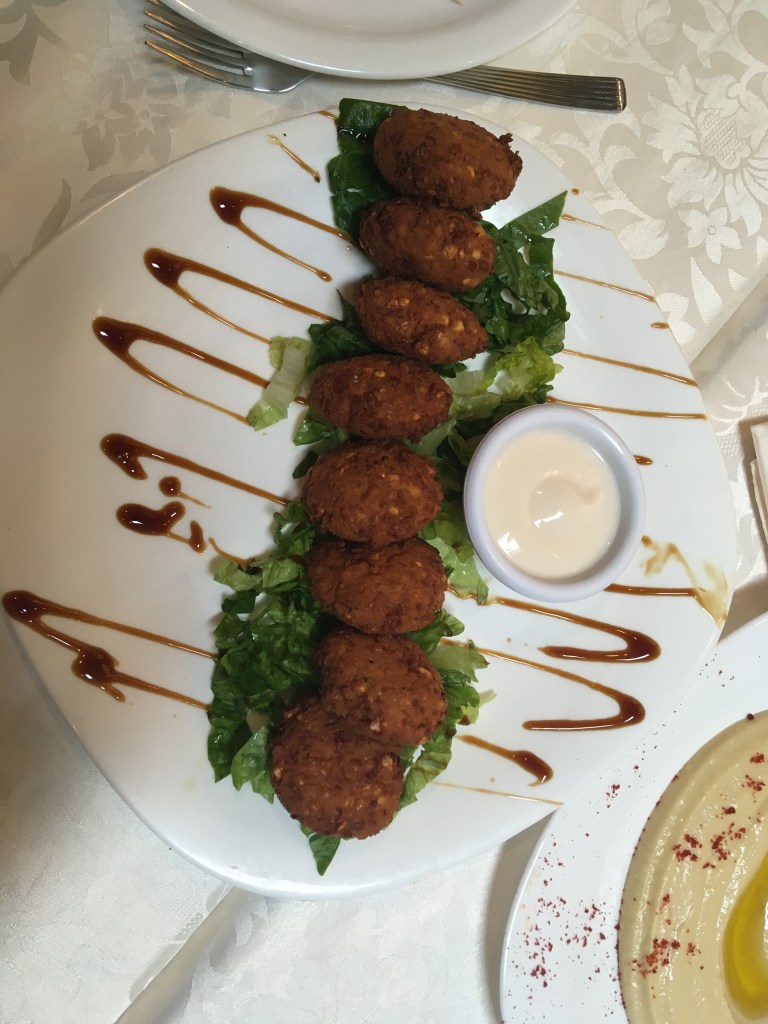
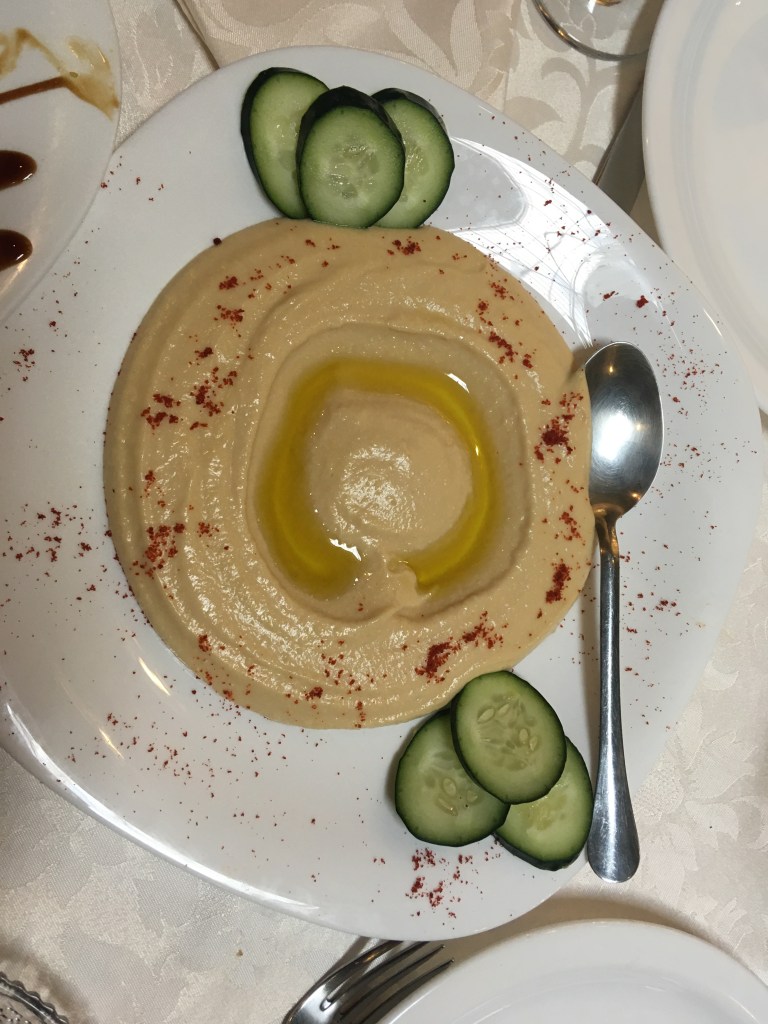
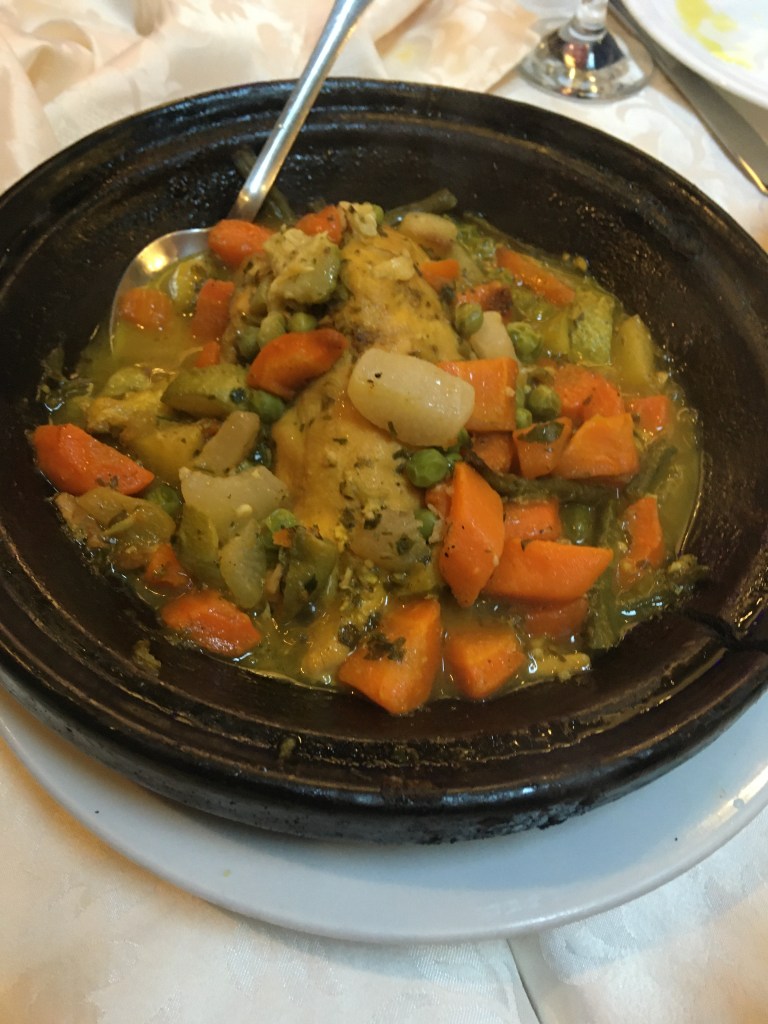
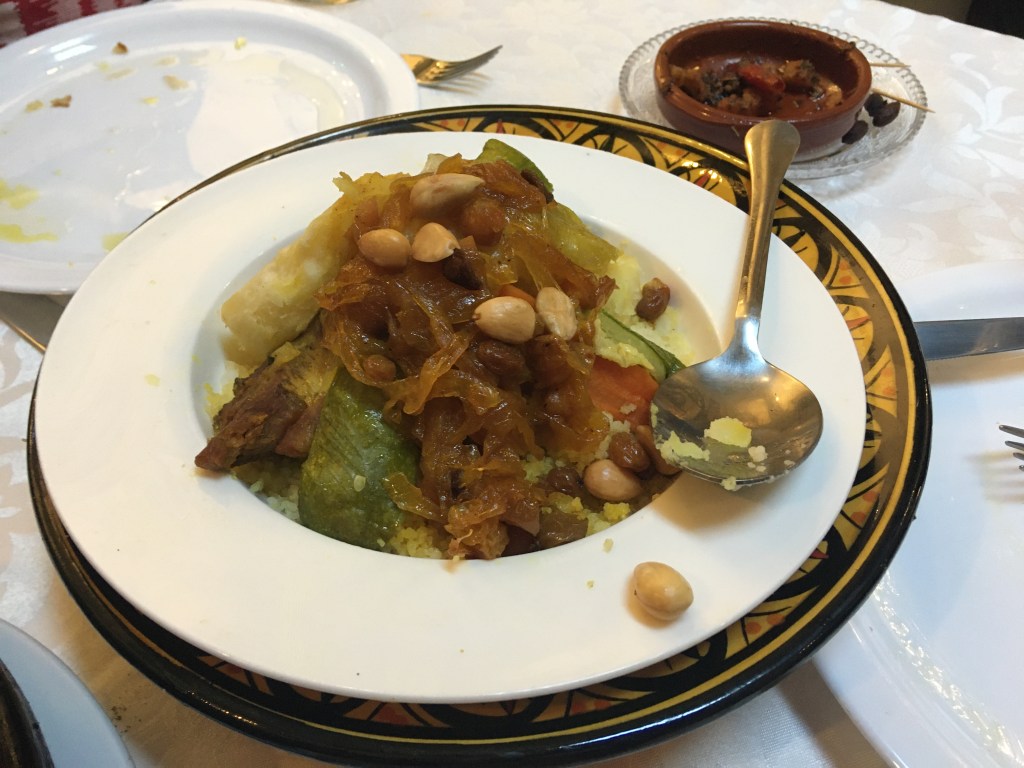
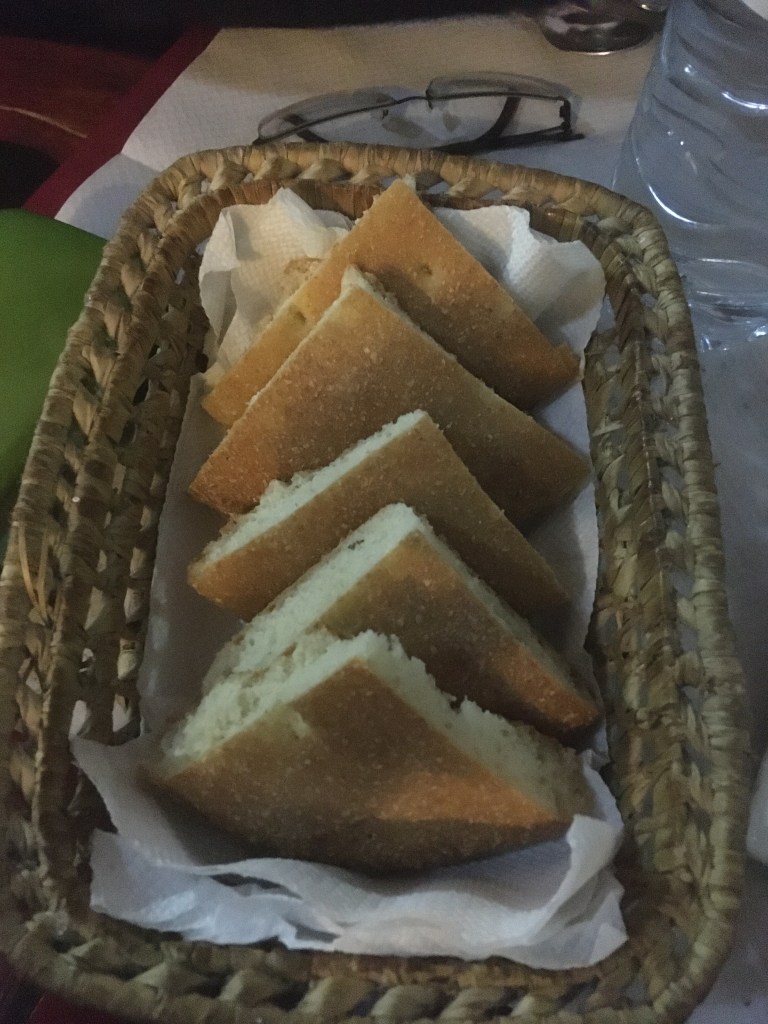
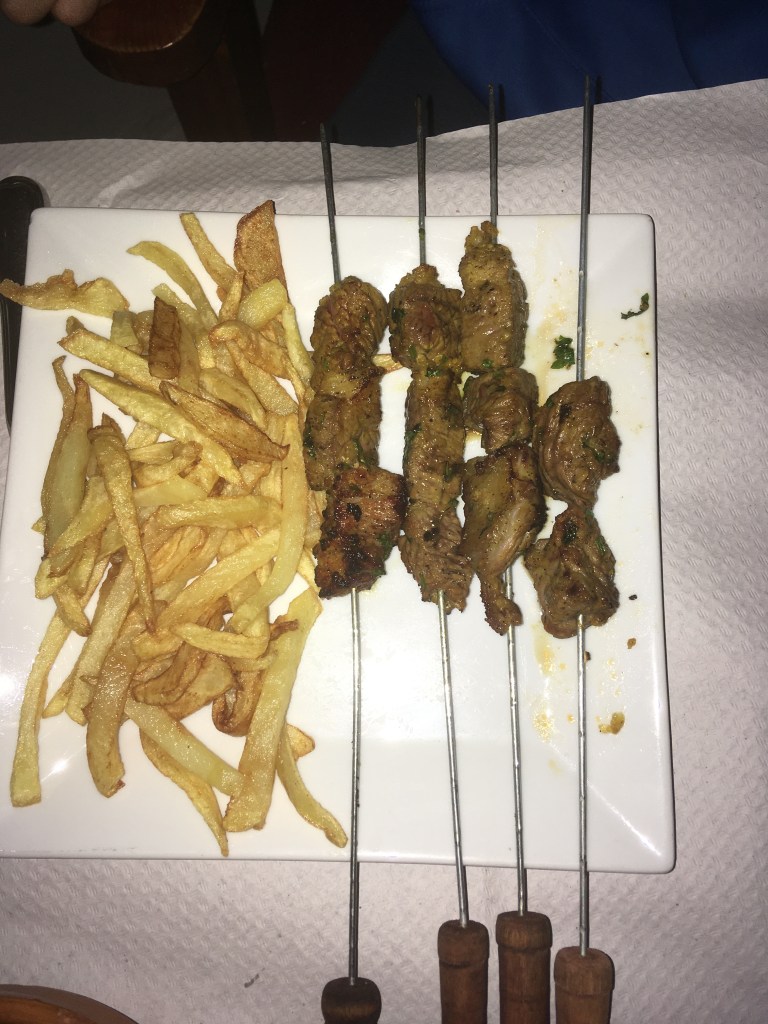
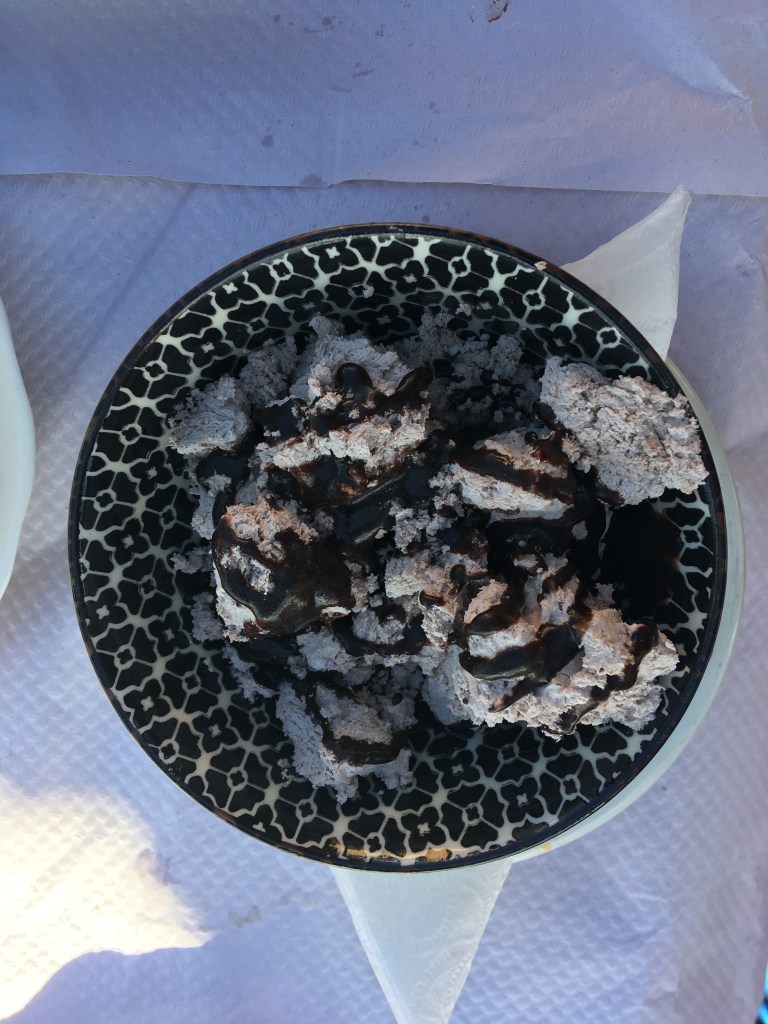
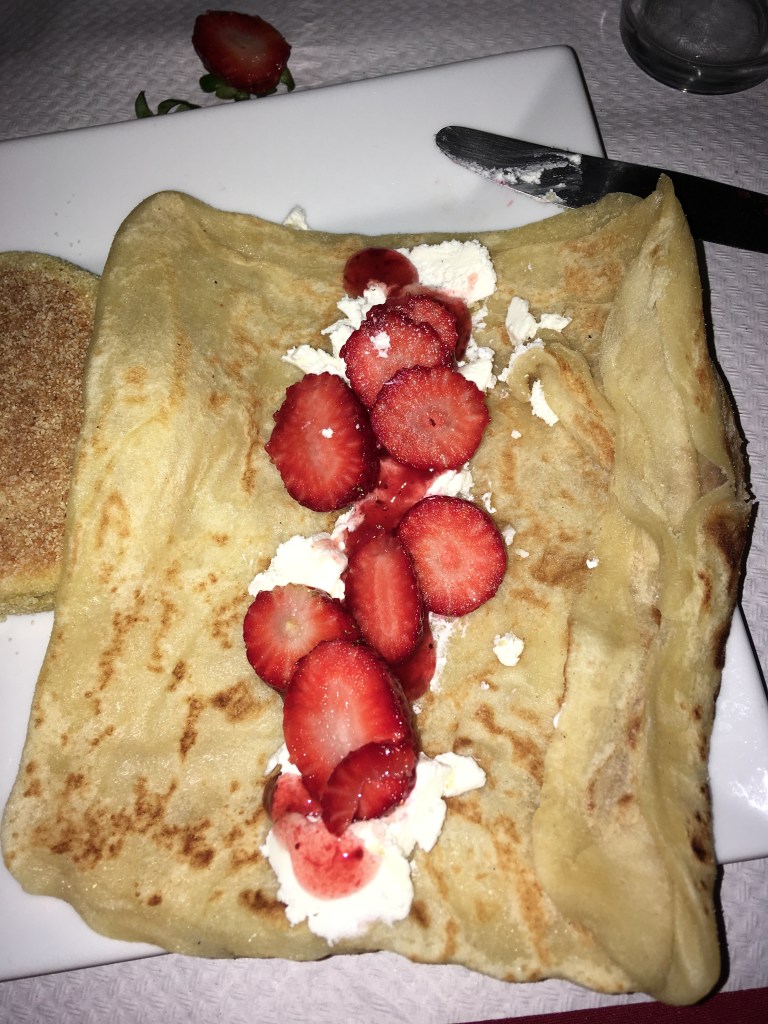
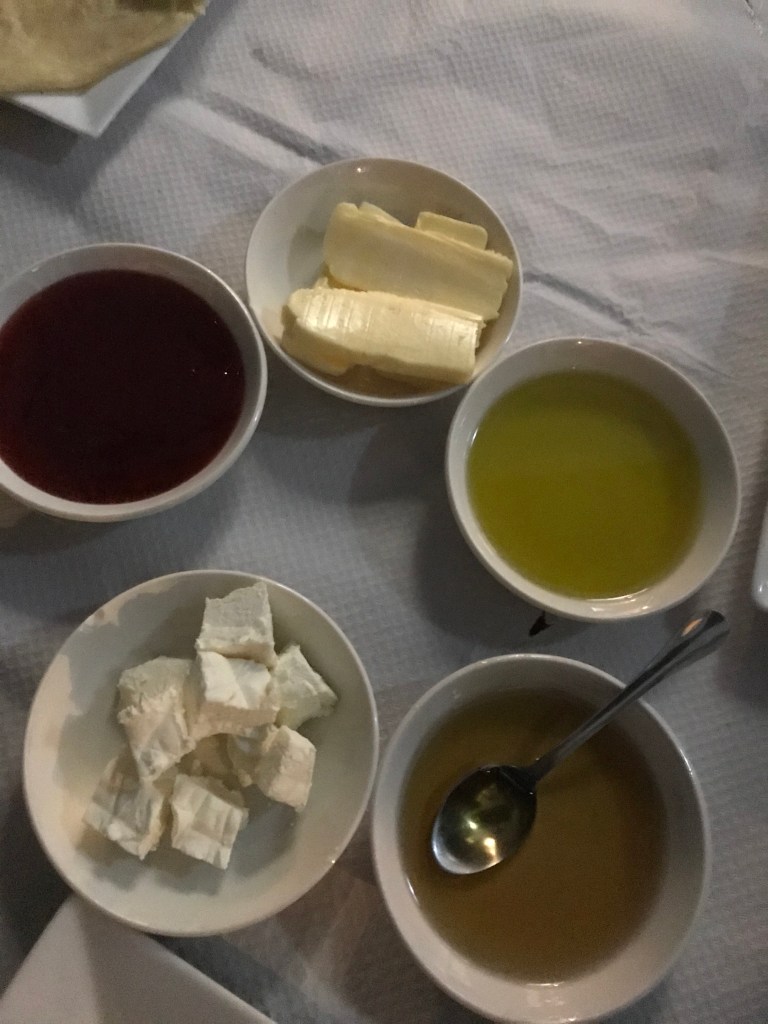
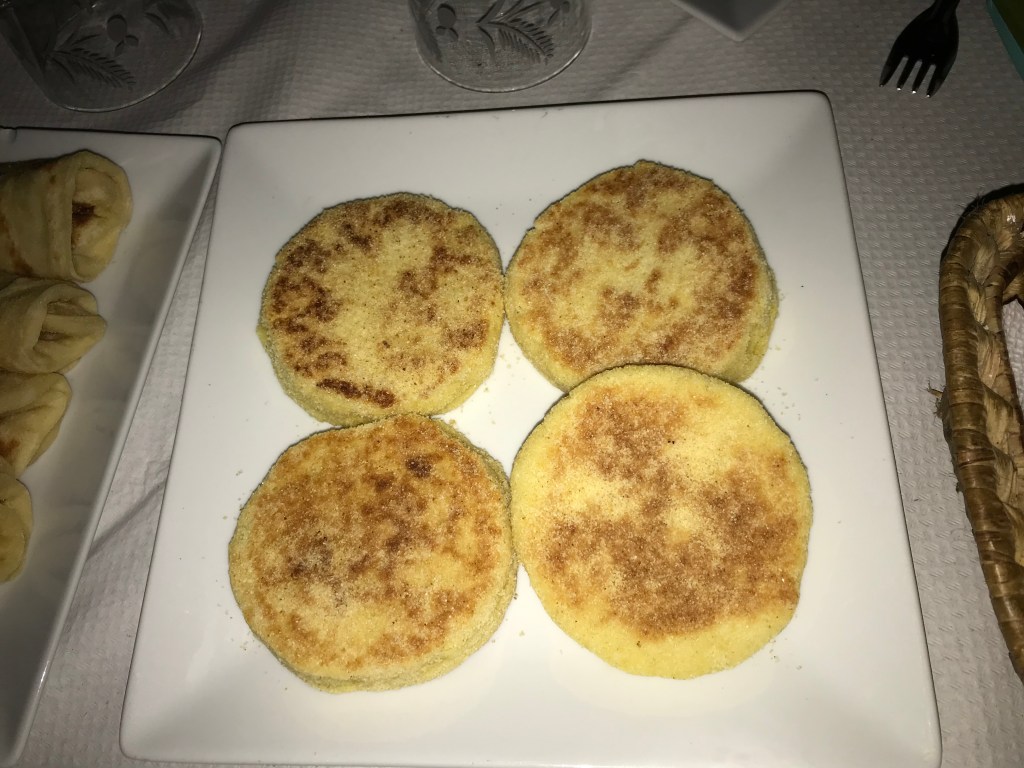
And of course, no trip would be complete without trying new and wonderful foods.

Whew! I was a full 4 day weekend!

Tarifa

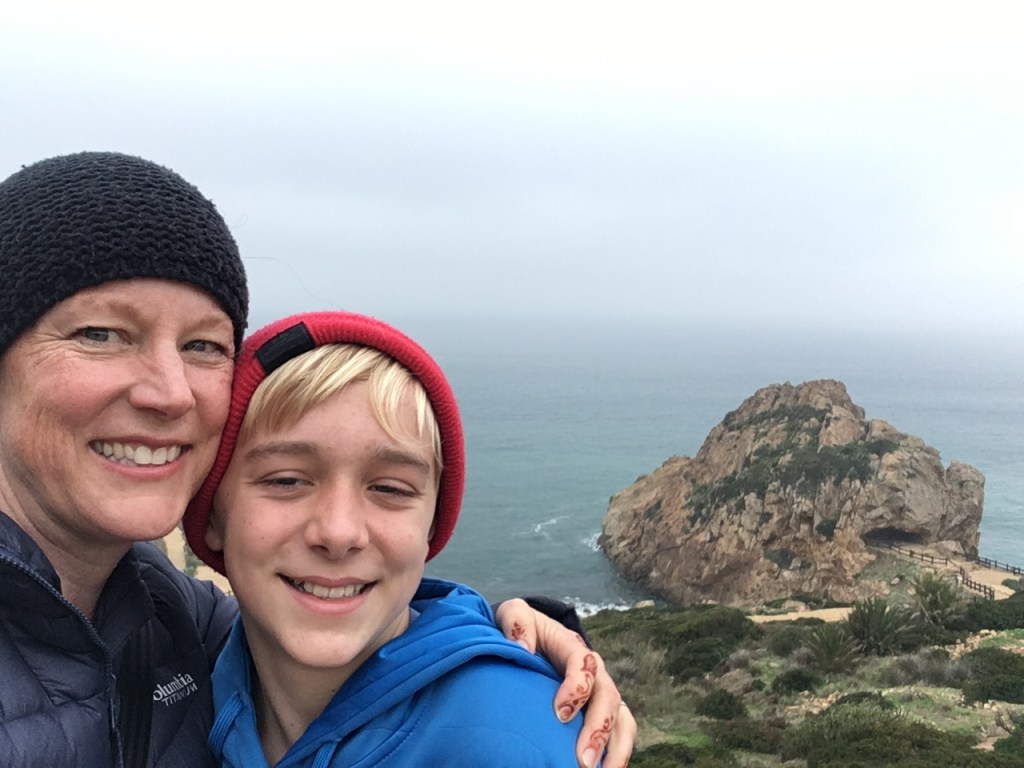
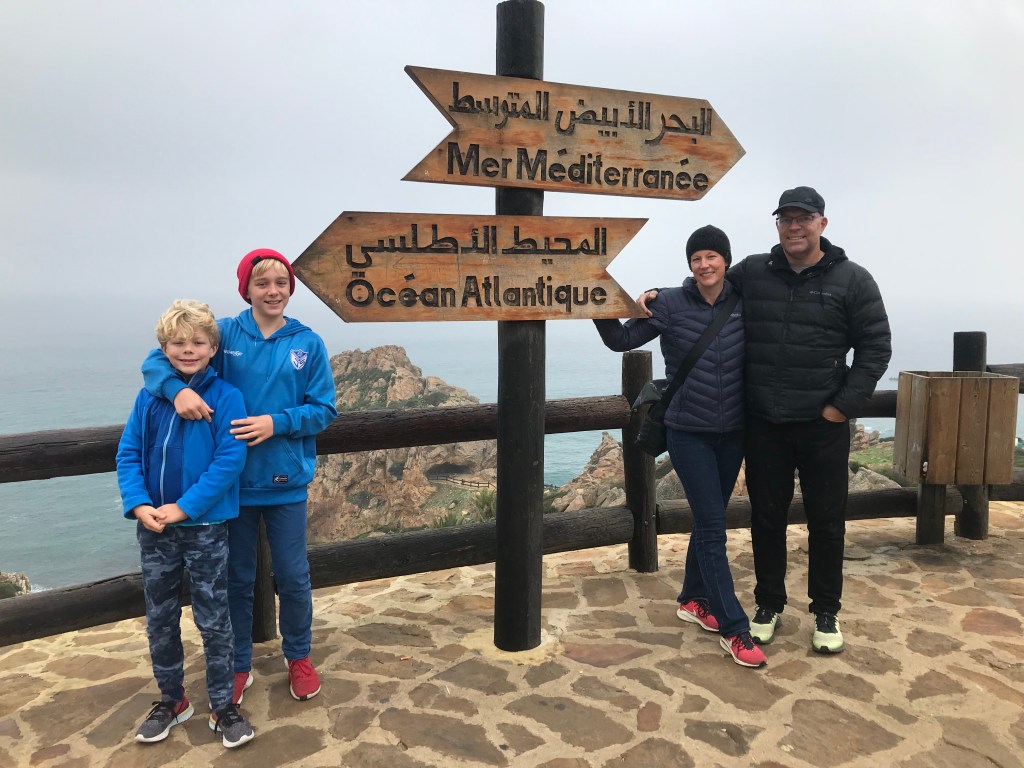
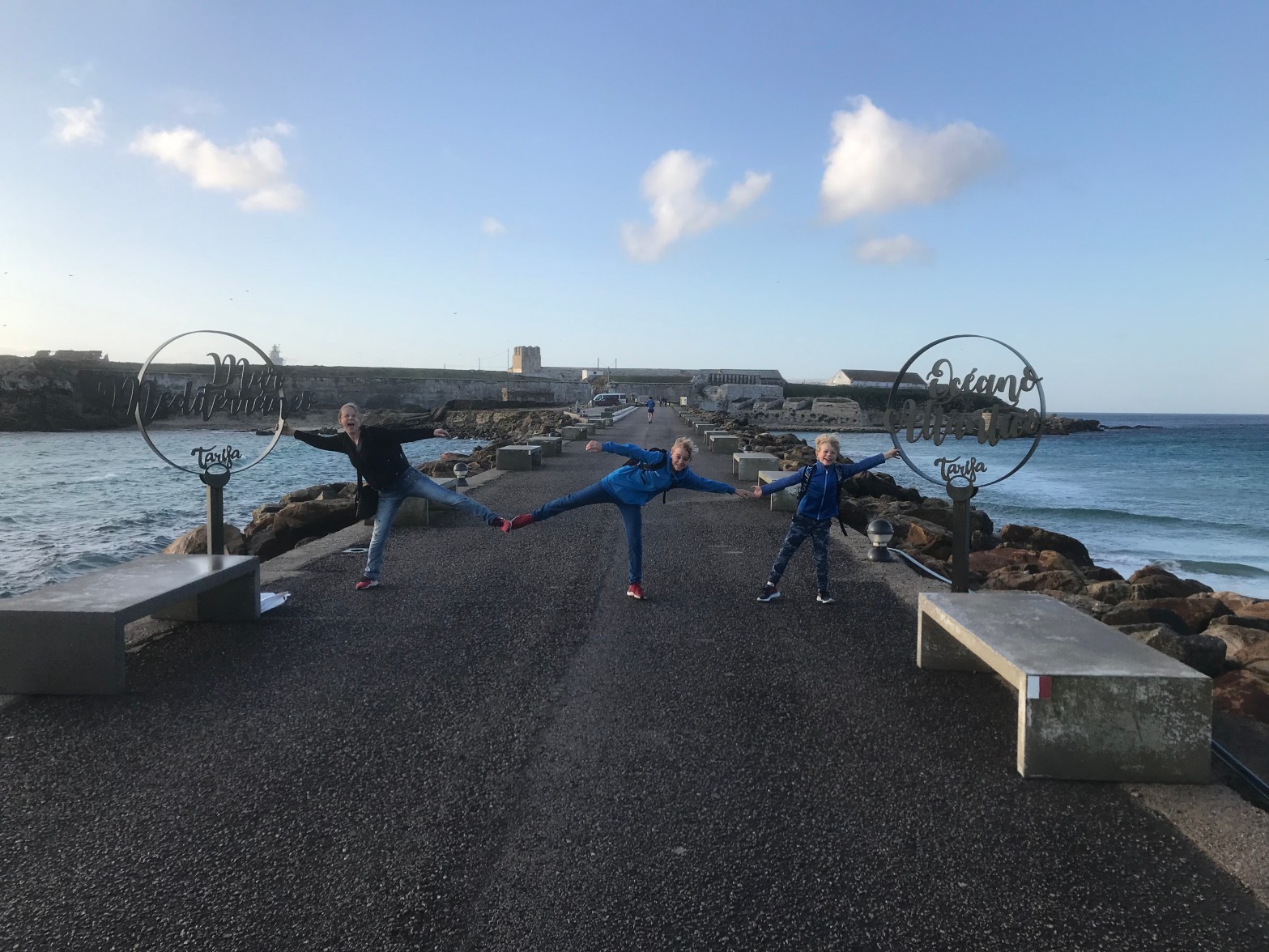
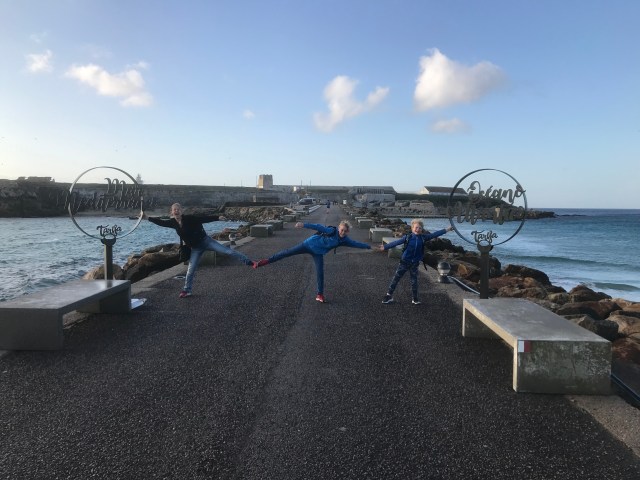
It is awesome when we can actually experience places that the kids study in school. Tarifa is one of those places. Oliver learned in his Geography class that Tarifa is the location in Spain where the Mediterranean and the Atlantic Ocean come together and really wanted to see it. As we began planning for our trip to Morocco, we discovered there are two places to catch the ferry, Algeciras and Tarifa. So the choice was easy for us.

Besides being a departure point for a Morocco, Tarifa is actually a picturesque beach town. It is known for its winds and waves, which bring surfers and kite surfers.

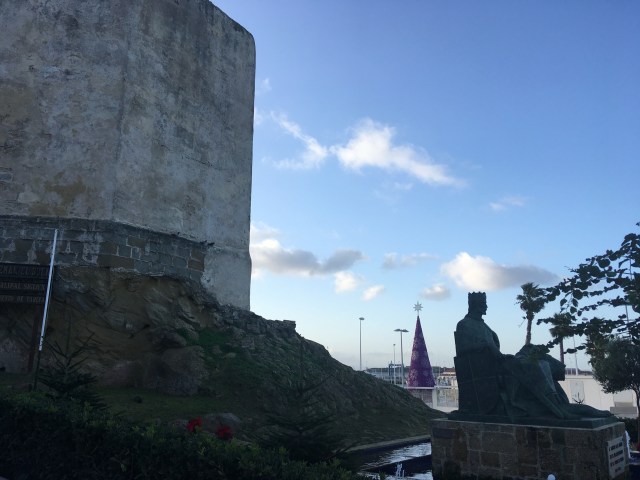
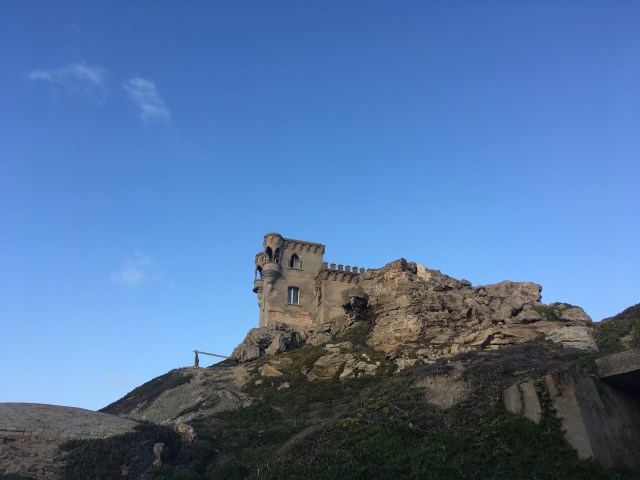
And like so many European towns, there is a castle and an ancient wall built around the town.

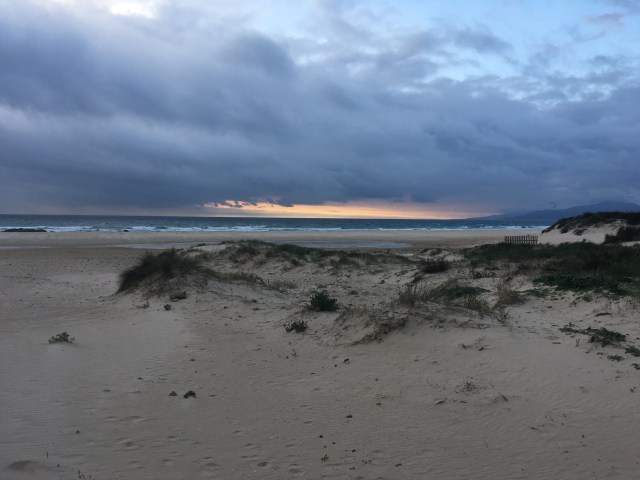
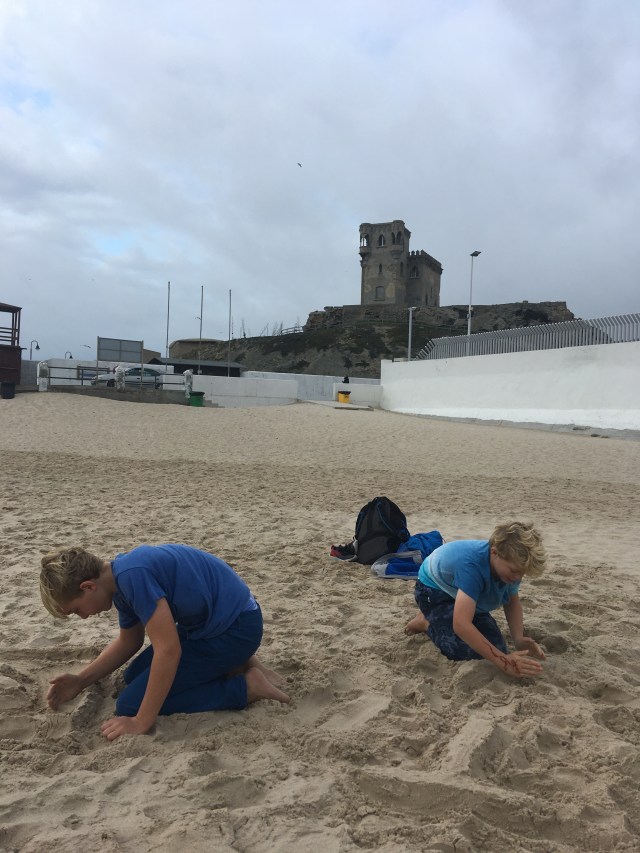
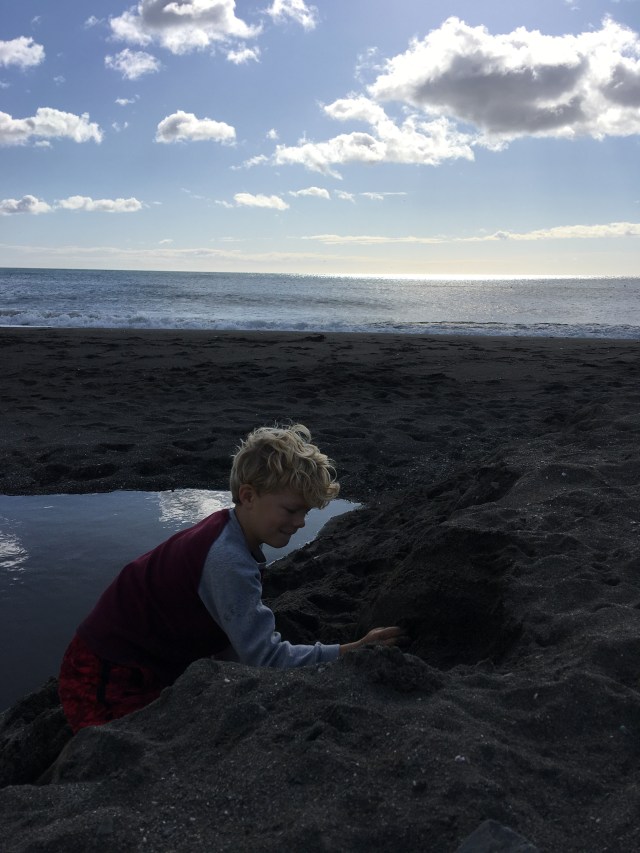
I think the kids were most excited about the Atlantic sand (as they called it). Unlike the rocky pebbles that we have on our beach in Torre Del Mar, it was soft and easy to build with.

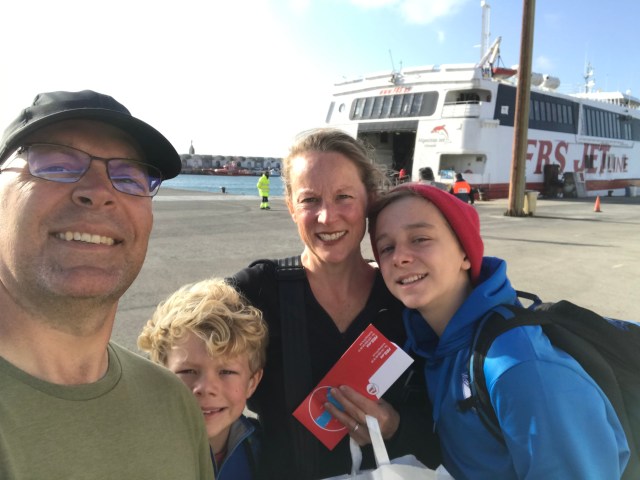
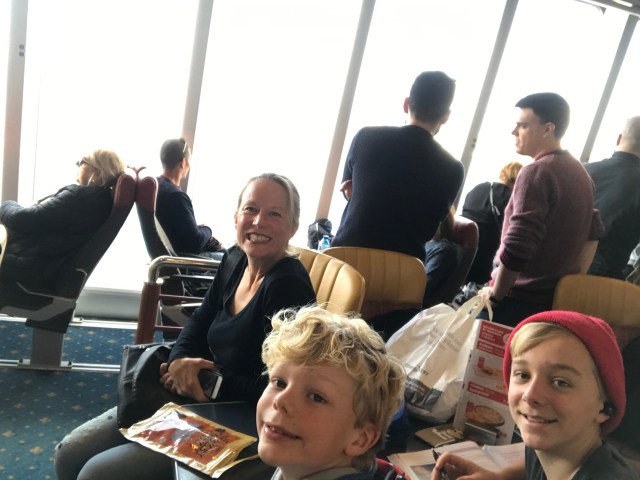
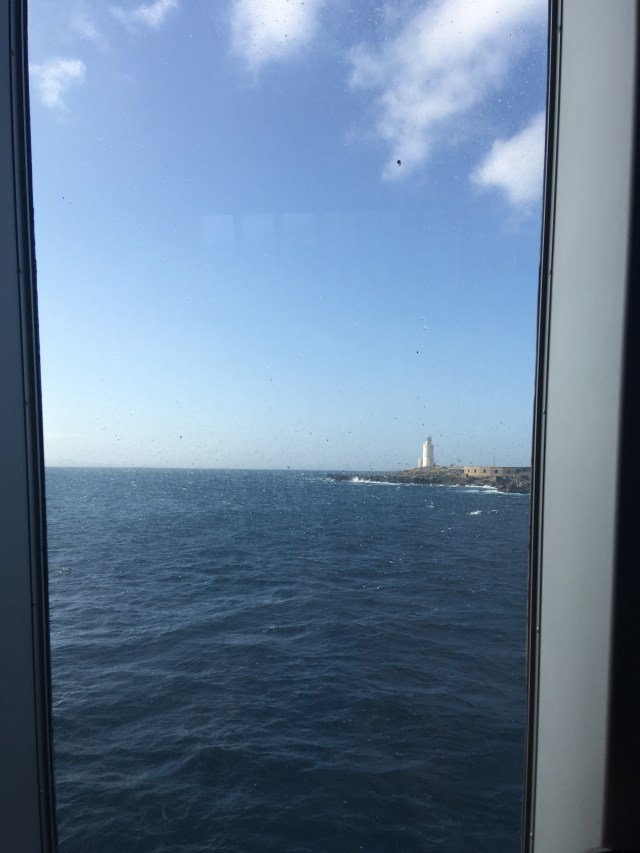
From Tarifa we caught the ferry that took about an hour to cross to Morocco.

Bye-bye Spain. Morocco, here we come!

Gibraltar

One of our goals while living in Spain is to travel around Europe since there are so many countries relatively close. So we decided to use all of the kids’ school holidays to travel. Our first opportunity to travel outside Spain was a four day weekend (one day to celebrate Spain’s constitution and the other day to celebrate the Immaculate Conception). Since it wasn’t a long break, we decided to go somewhere relatively close… Morocco.

As we looked at the map, we noticed that we would be passing by Gibraltar on the way to the ferry, so we decided to spend the day.

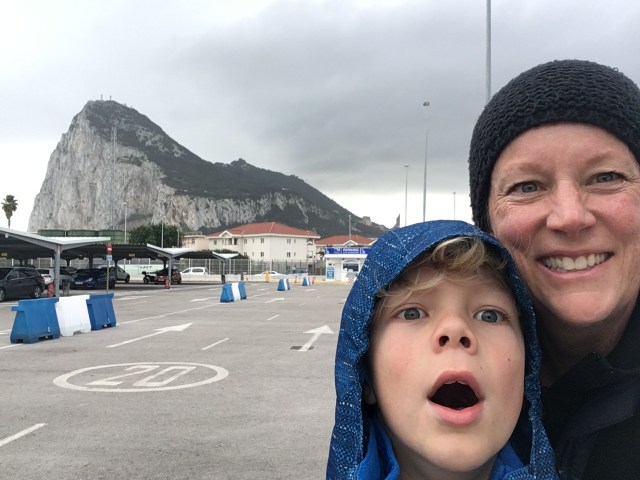
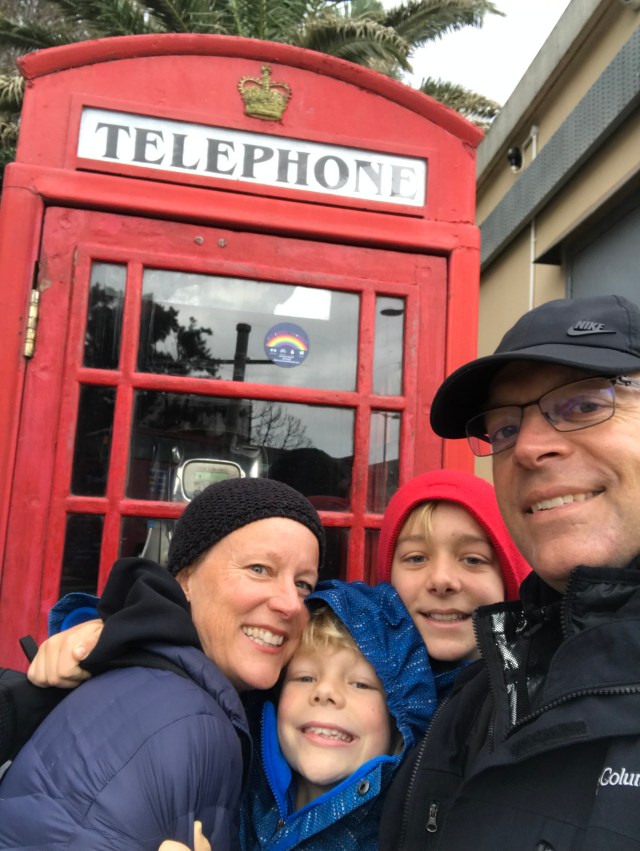
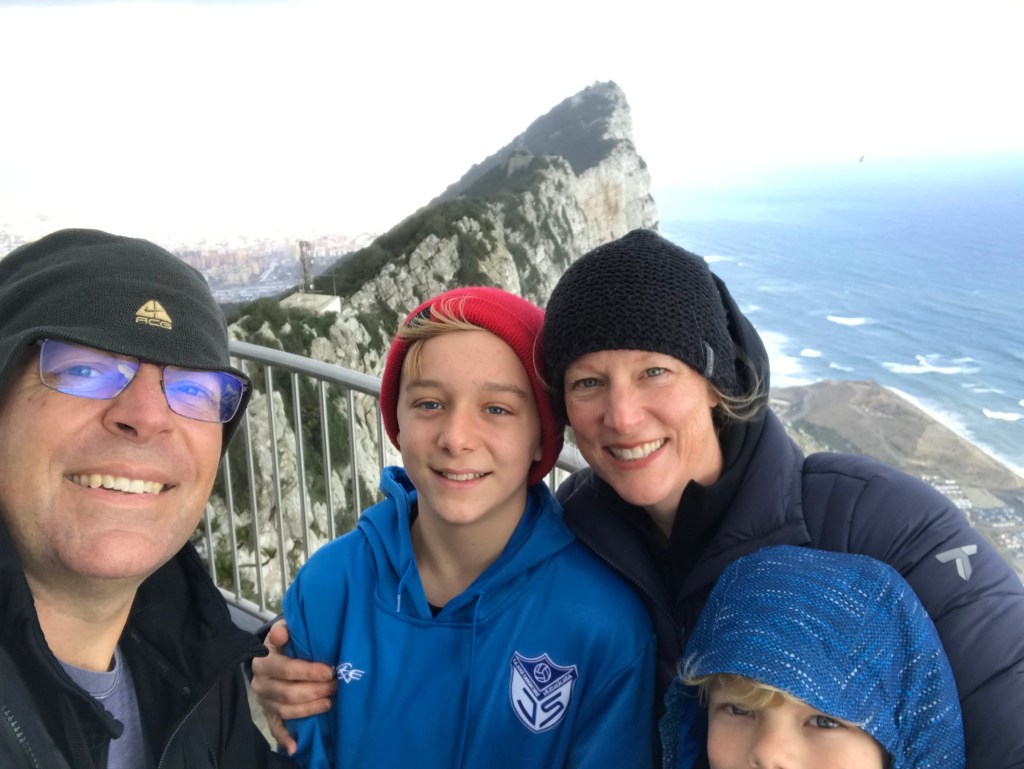
Although Gibraltar is on the southernmost tip of the Iberian Peninsula , it is actually British Overseas Territory. So to enter, we left Spain and entered Britain!

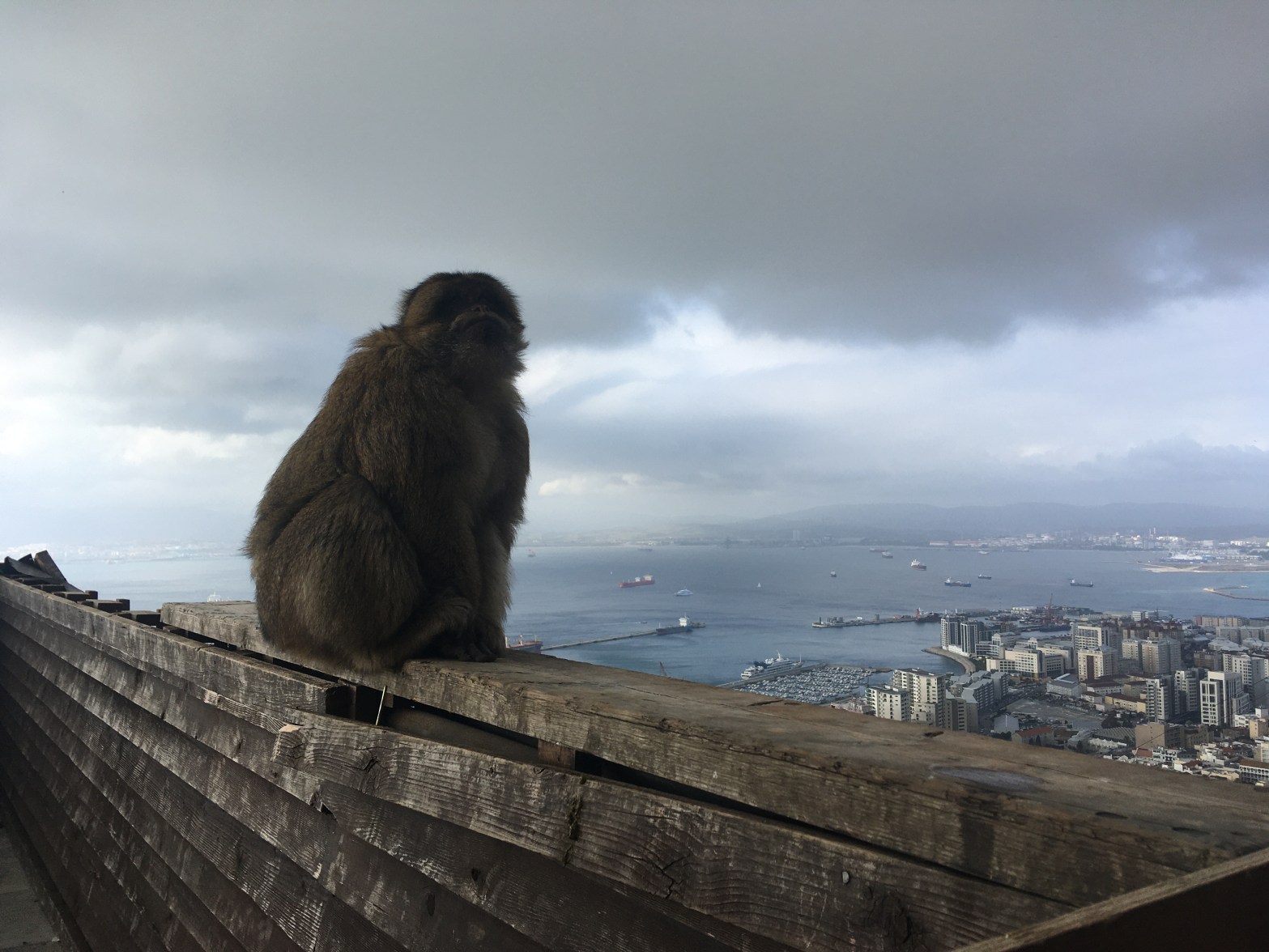
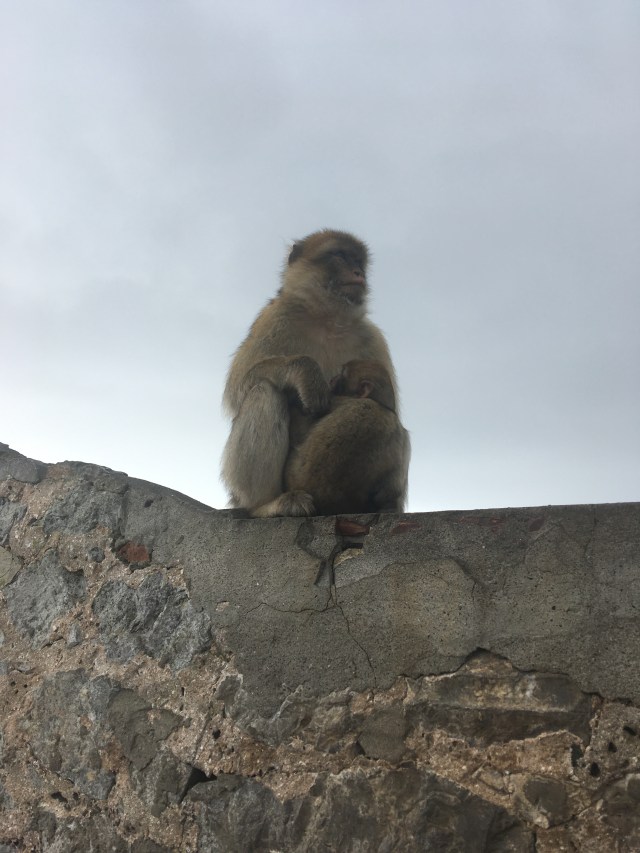
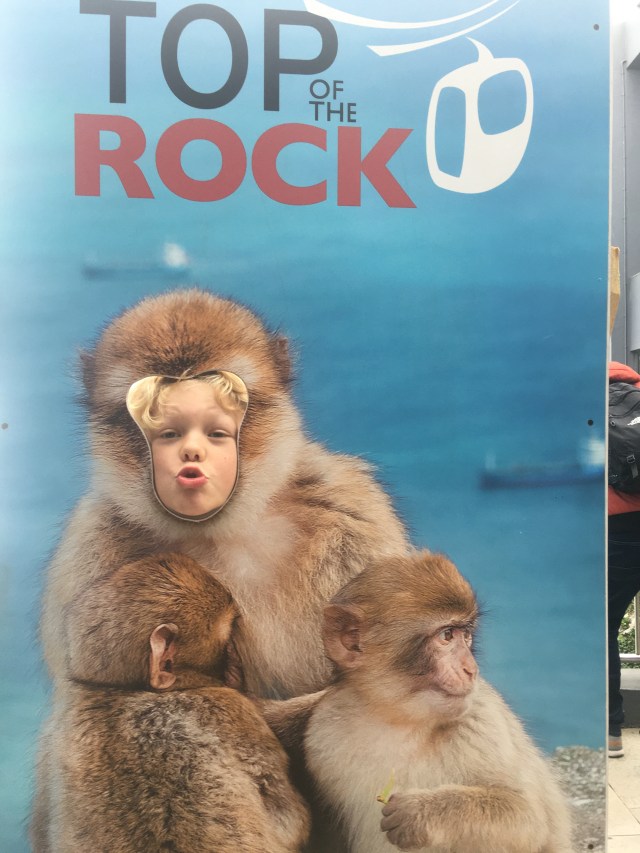
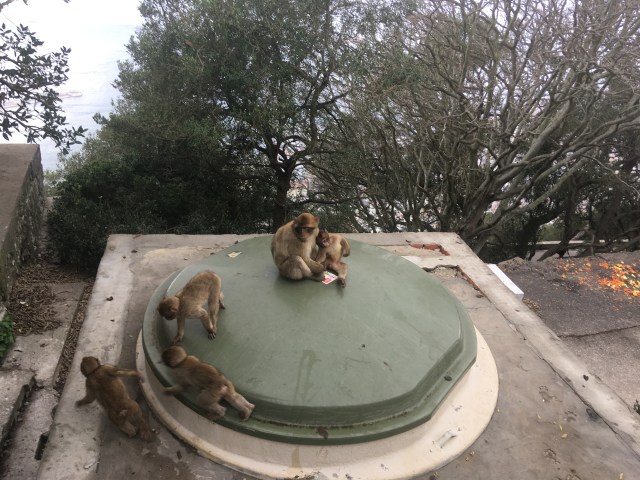
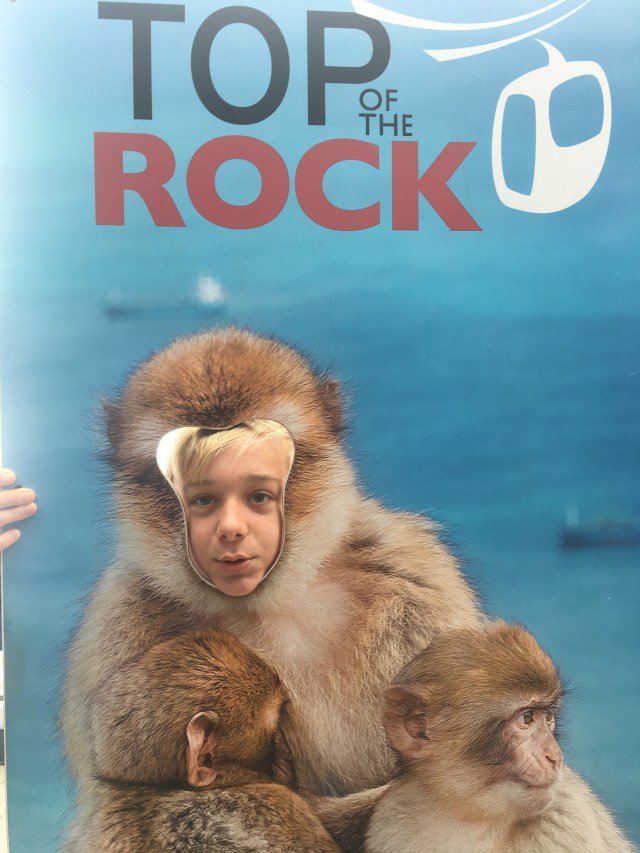
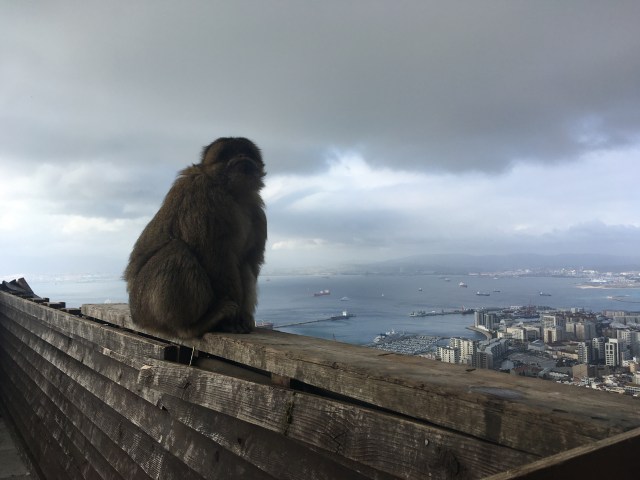
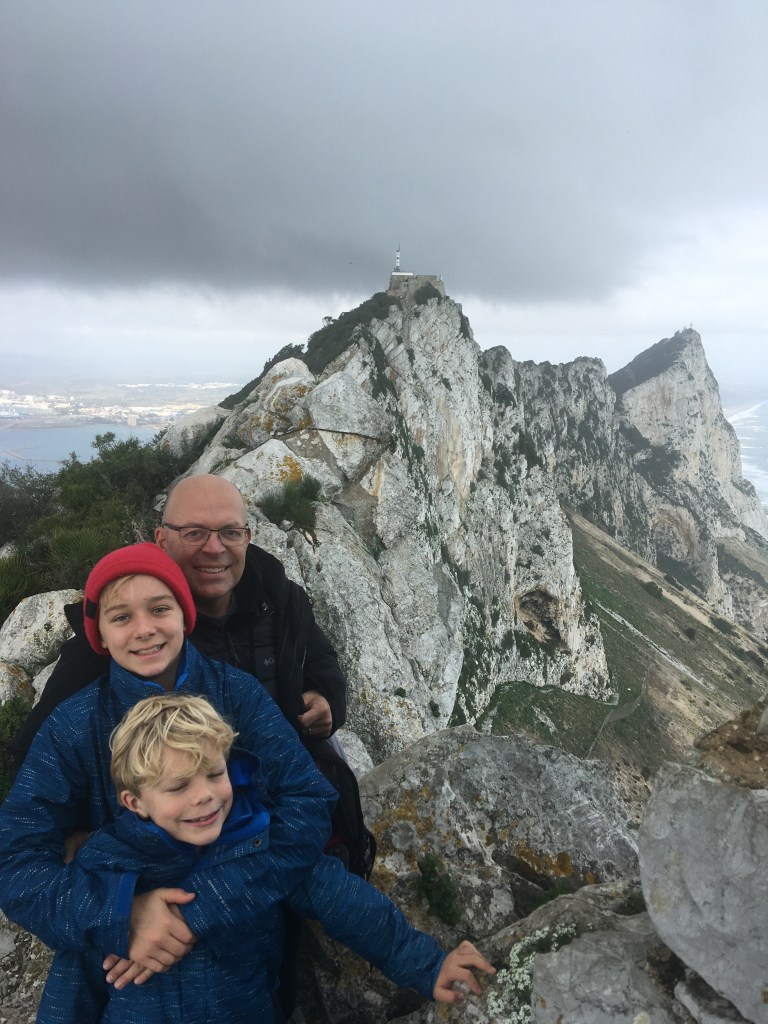
The rock of Gibraltar is a large nature reserve, inhabited by Macaque monkeys. We’ve heard the the joke that the English will leave Gibraltar when the monkeys do. I don’t think that will happen any time soon; they are everywhere.

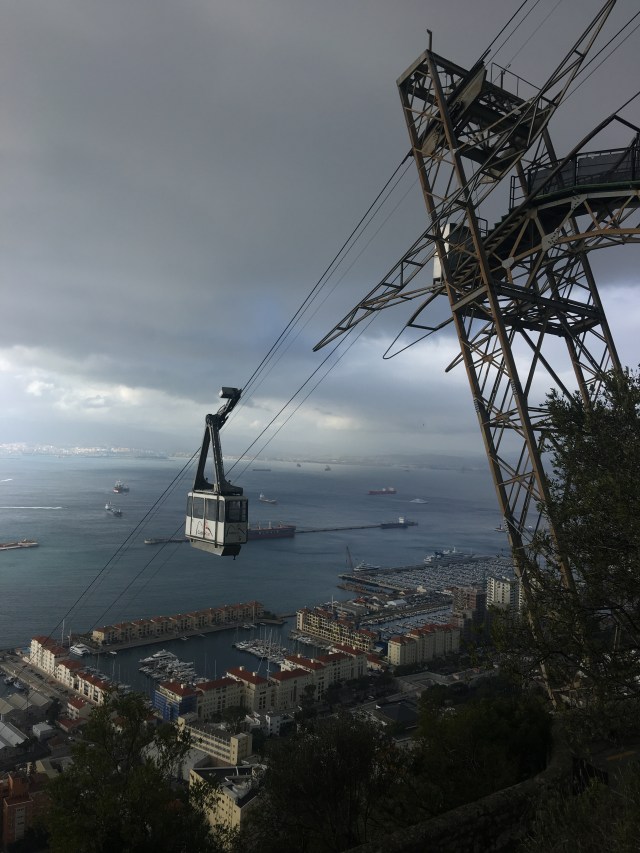
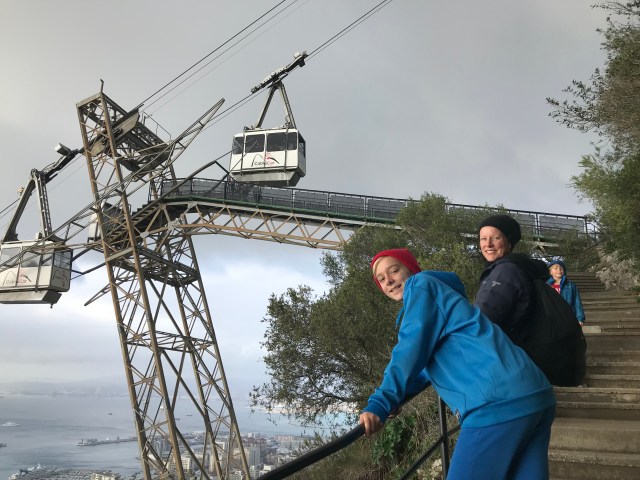
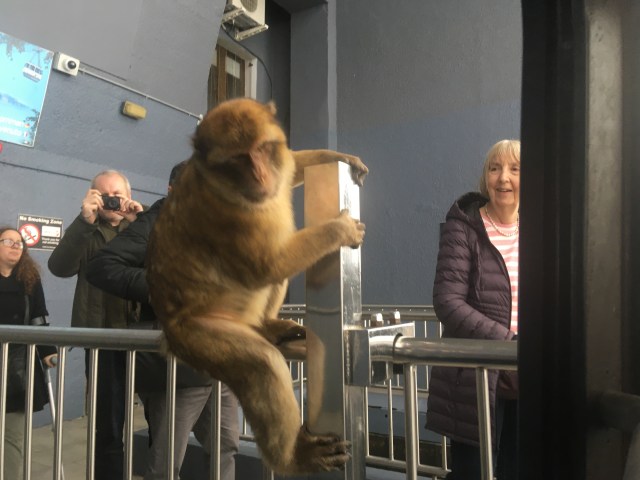
We took the cable car up to top of the rock and had our first encounter with one of the monkeys, when he jumped through the open window into the cable car and grabbed my backpack. We were on guard from that moment.

There is so much to see on Gibraltar.

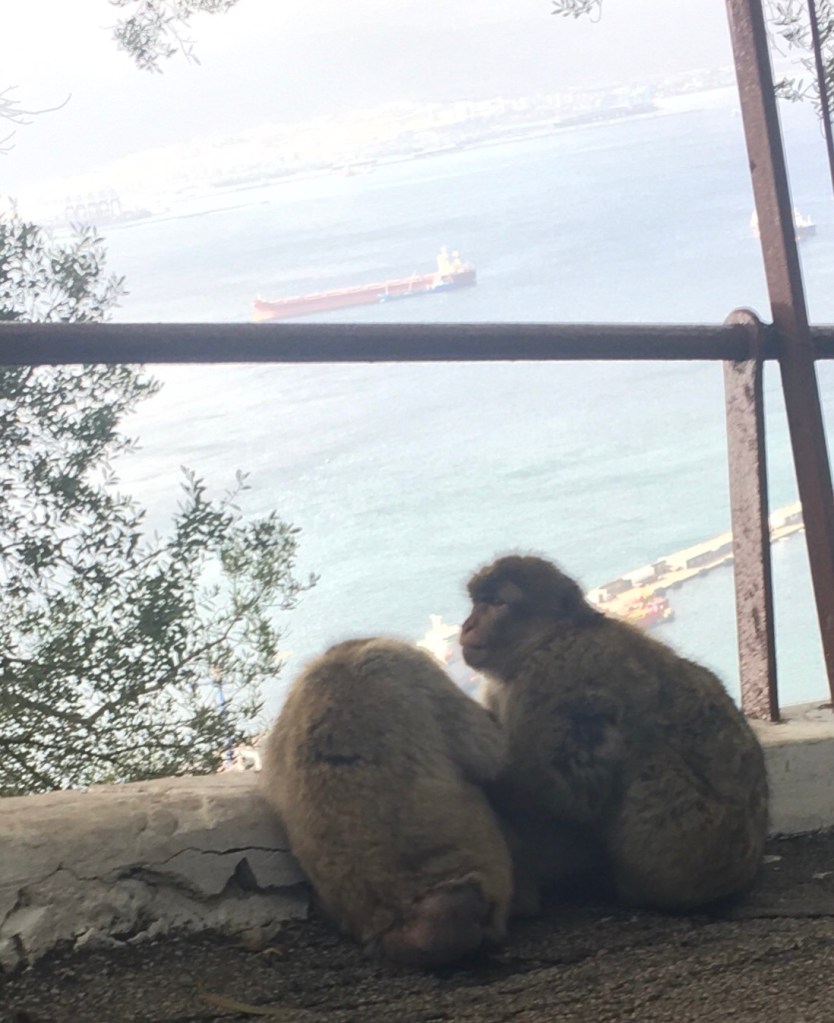
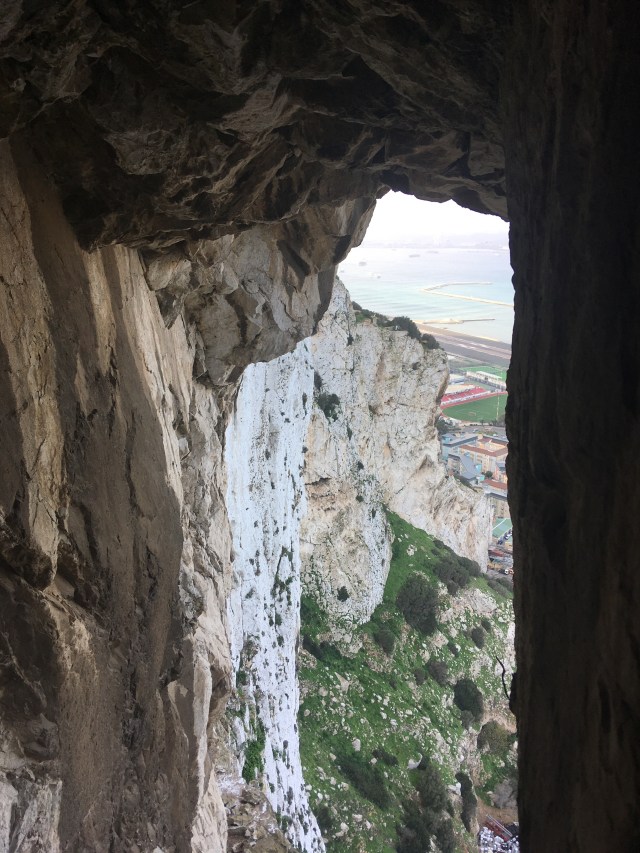
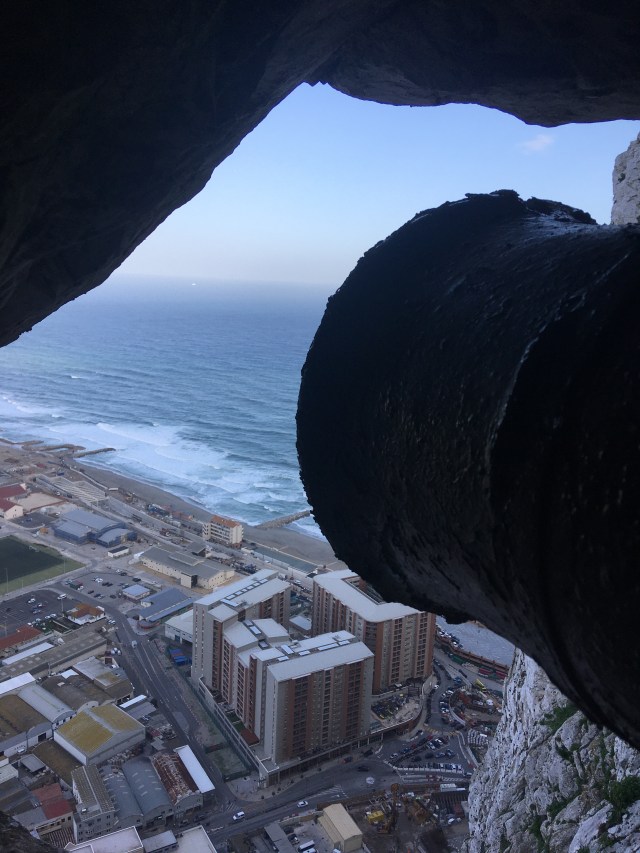
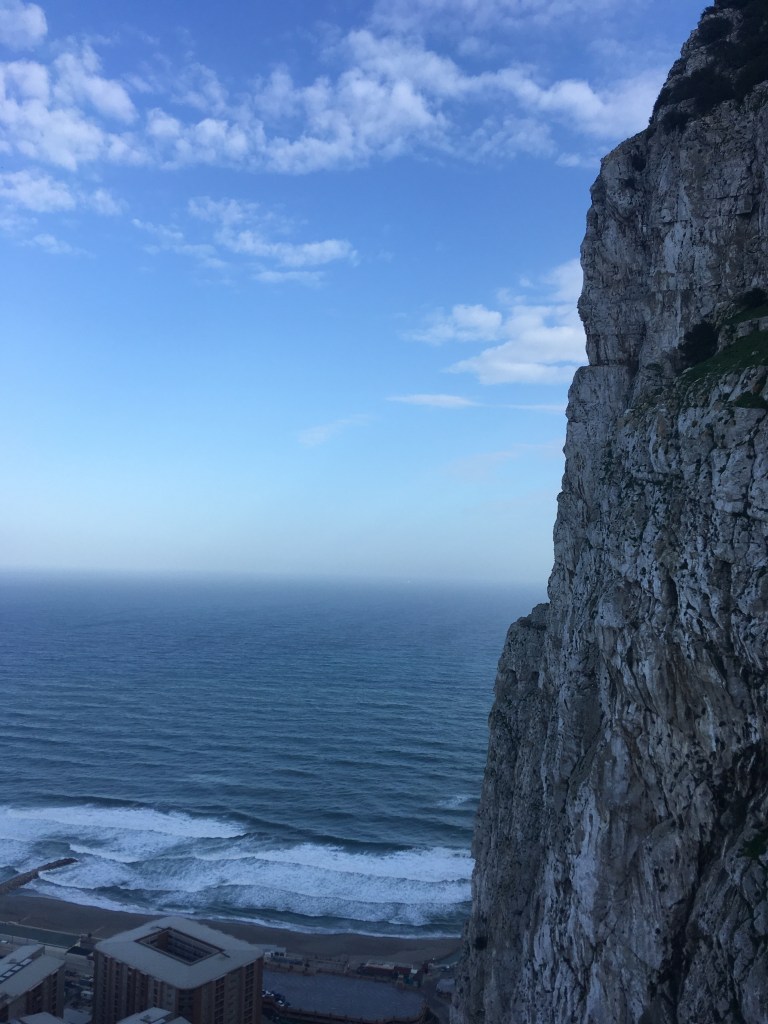
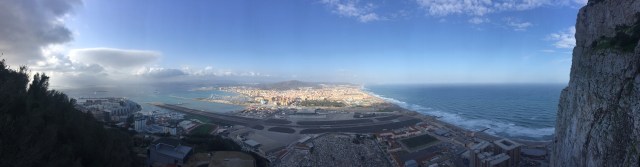
First are the views. Unfortunately, it was a cloudy day, otherwise we would have been able to see to Africa.

The Gibraltar airport’s airstrip separates the British Territory from Spain.

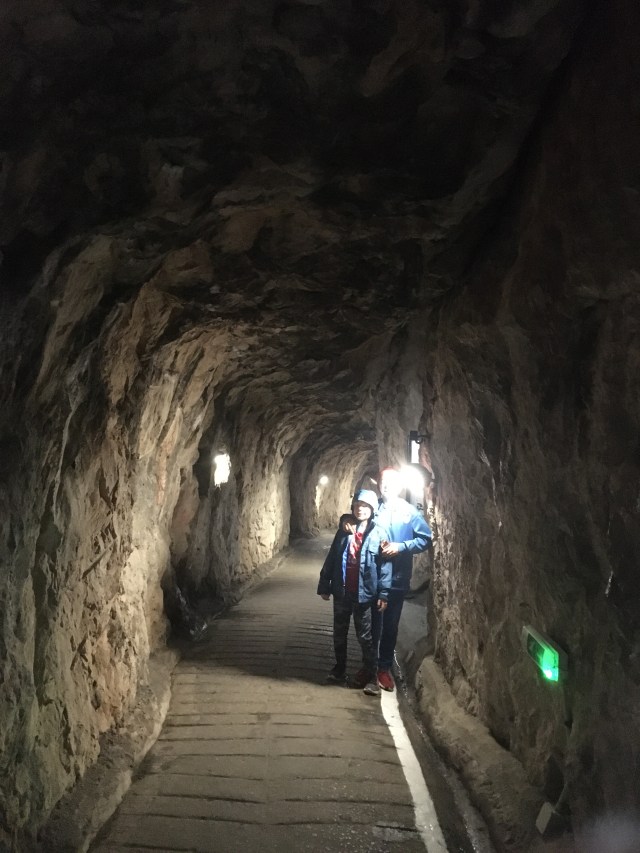
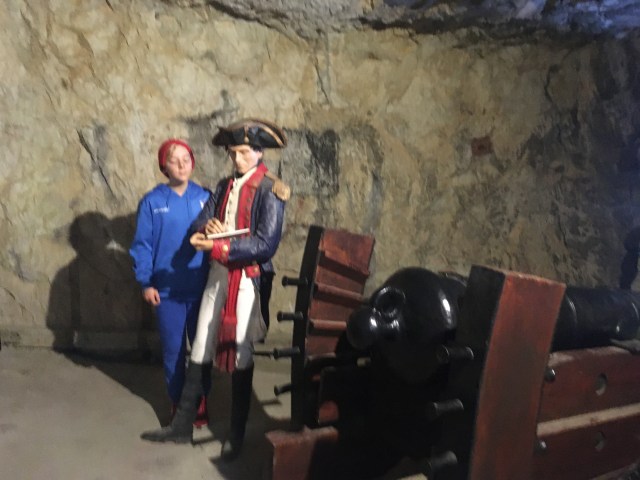
Gibraltar, with its critical location at the mouth of the Mediterranean as it joins the Atlantic Ocean, has been fought over for hundreds of years. There were many military remnants and exhibits explaining the military history. One of the most interesting were the tunnels that the British dug deep into the rock.

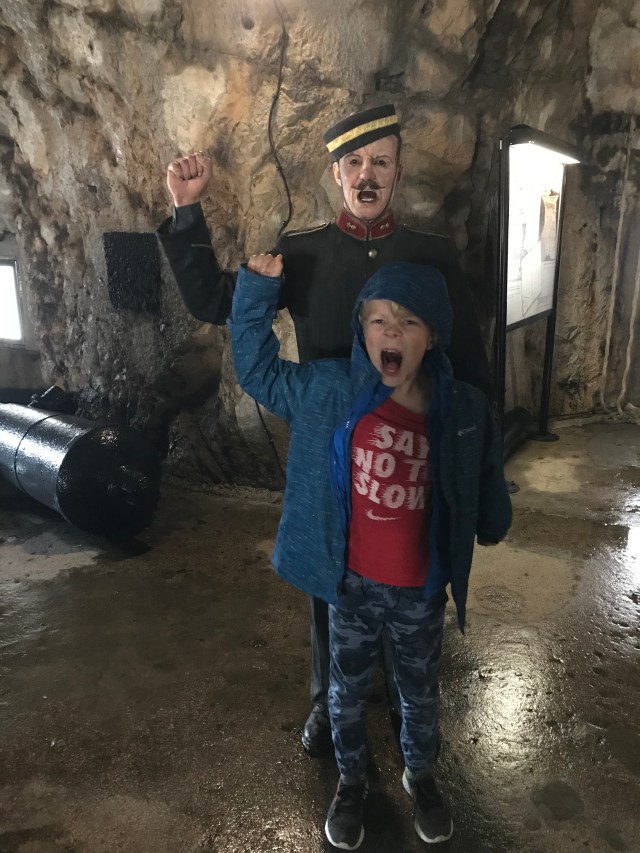
The kids found the mannequins especially creepy.

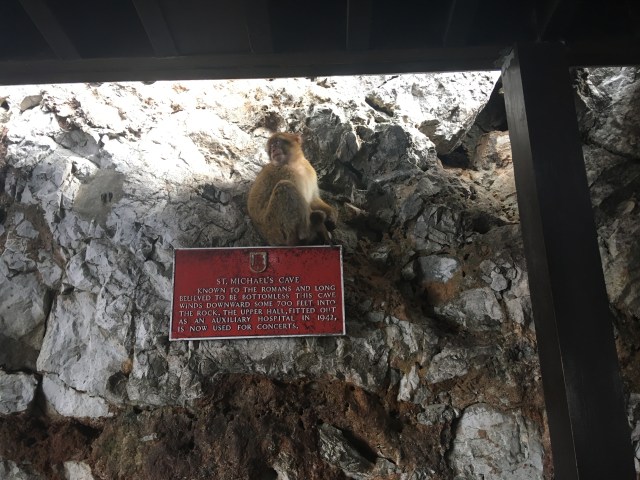
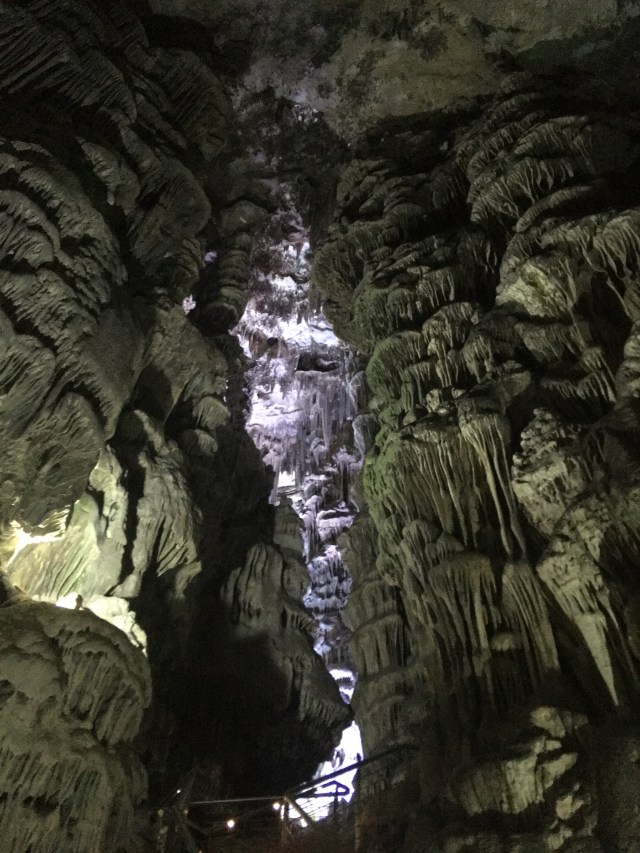
Then there was St. Michael’s Cave.

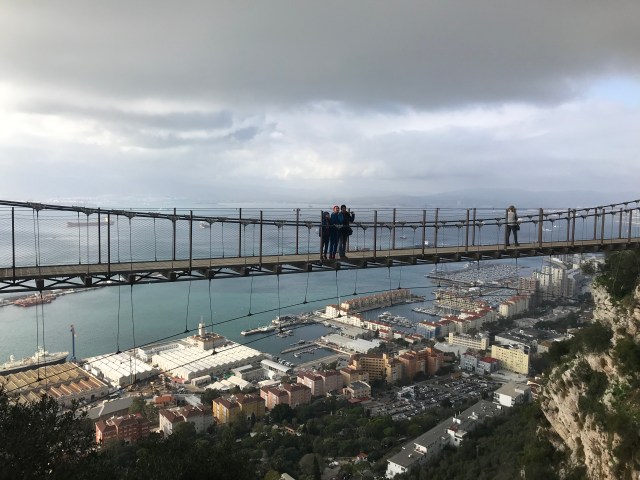
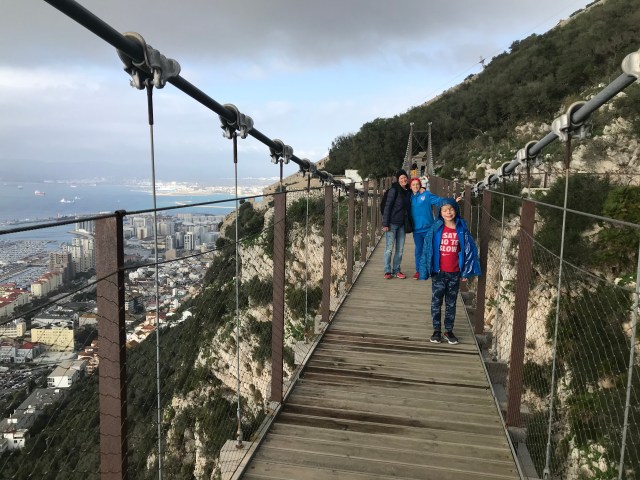
And a suspension bridge with an amazing view.

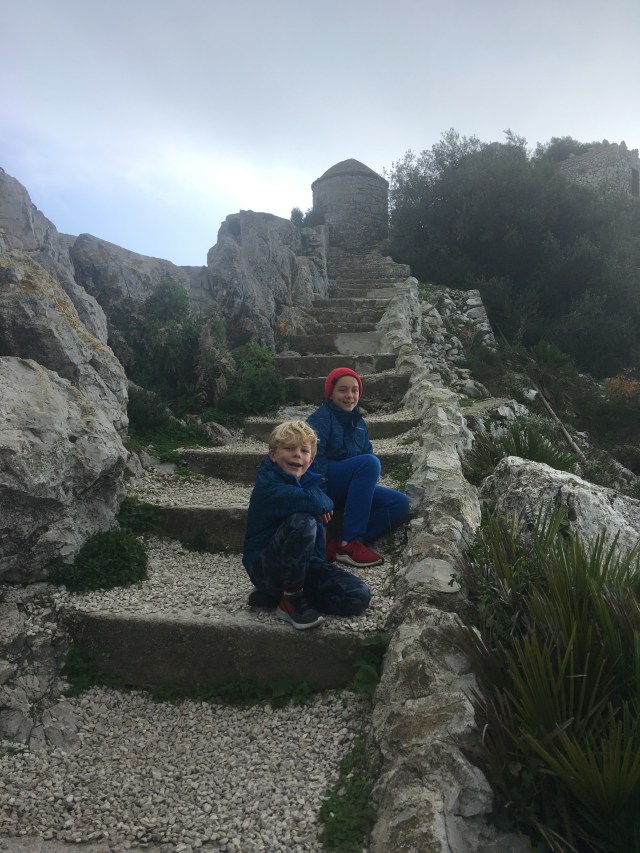
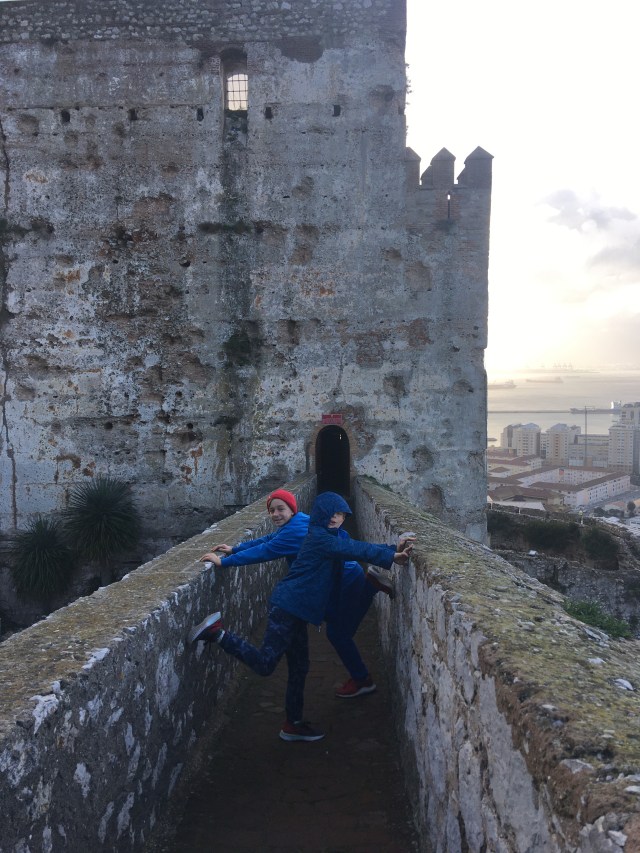
And finally a Moorish castle just before we left the reserve.

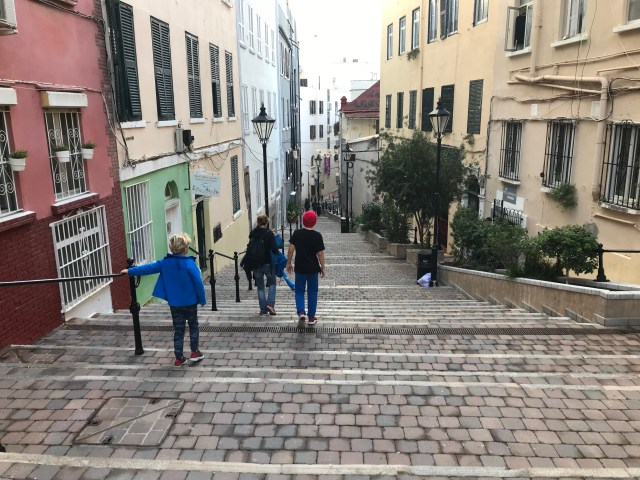
The rock of Gibraltar is huge. We walked over 9 kilometers to explore it all. As we descended into the town of Gibraltar we found ourselves in need of a snack.

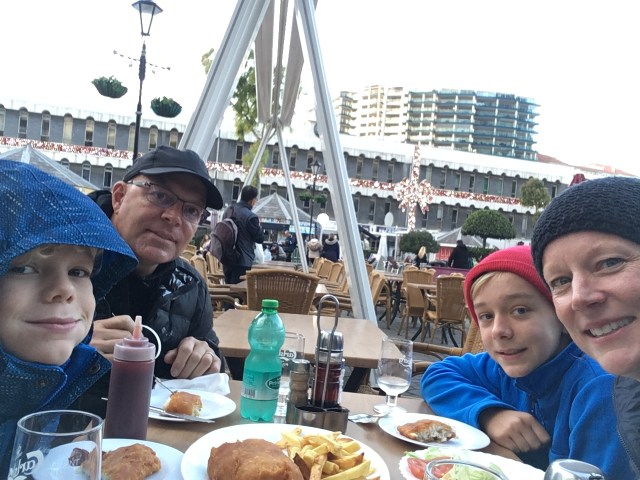
Since we were in a British territory we chose fish and chips and scones.

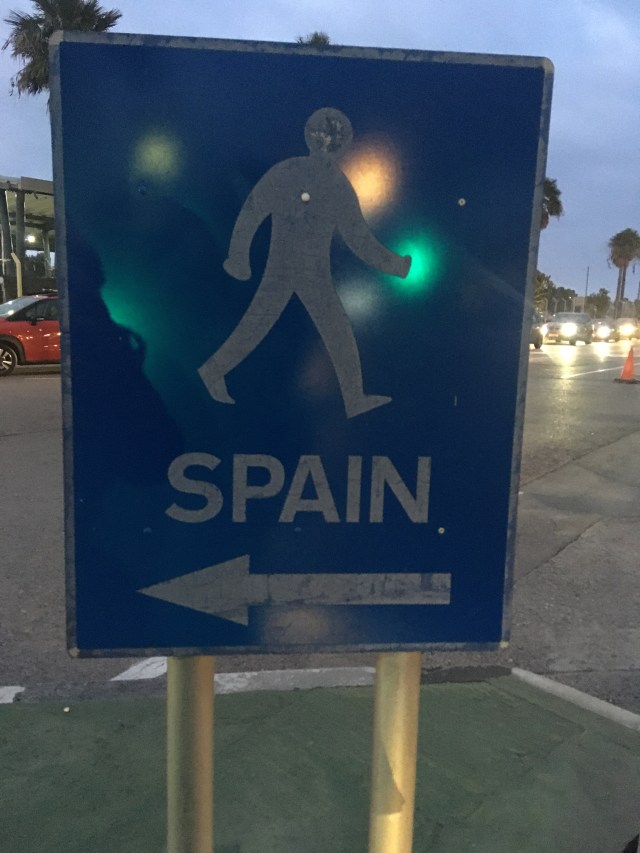
As the sun set, we stepped back into Spain and headed off to the next stop on our adventure… Tarifa!

Thanksgiving

There is no Thanksgiving in Spain, but we still wanted to celebrate. Unfortunately, We don’t get any days off to celebrate in Spain, and our weekdays are too busy with school, sports and music, so we decided to celebrate on Sunday.

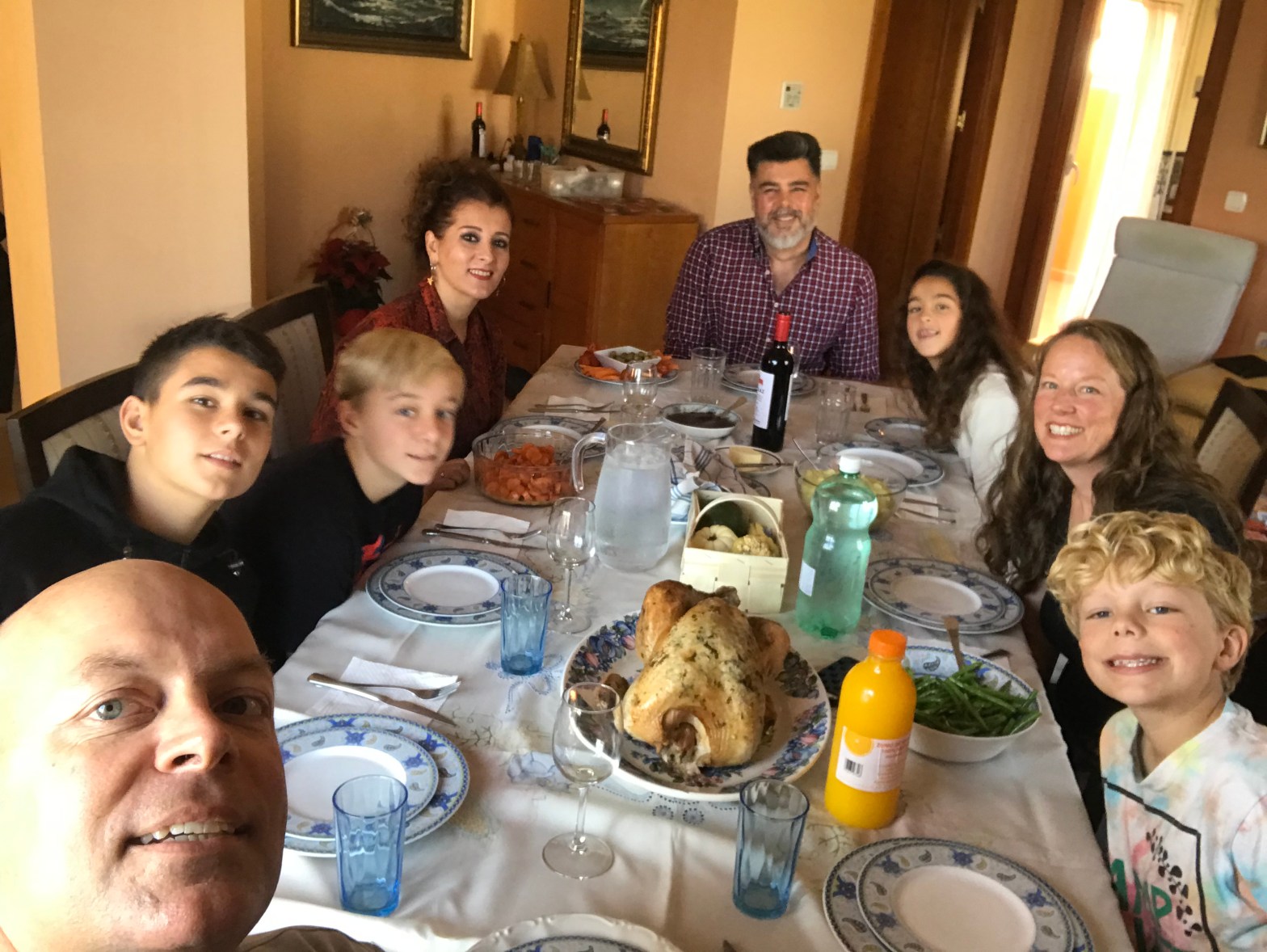
We invited the family of one of of Oliver’s friends to join us. They were excited and curious to celebrate an American Thanksgiving, which they had only seen in movies.

The first task was finding all of the ingredients to make a traditional American Thanksgiving meal.

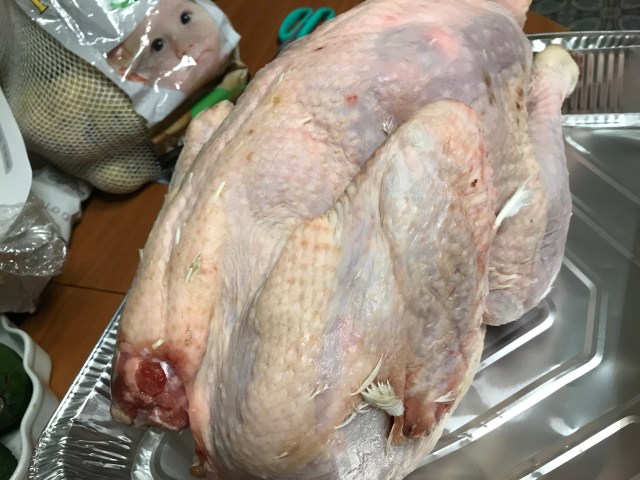
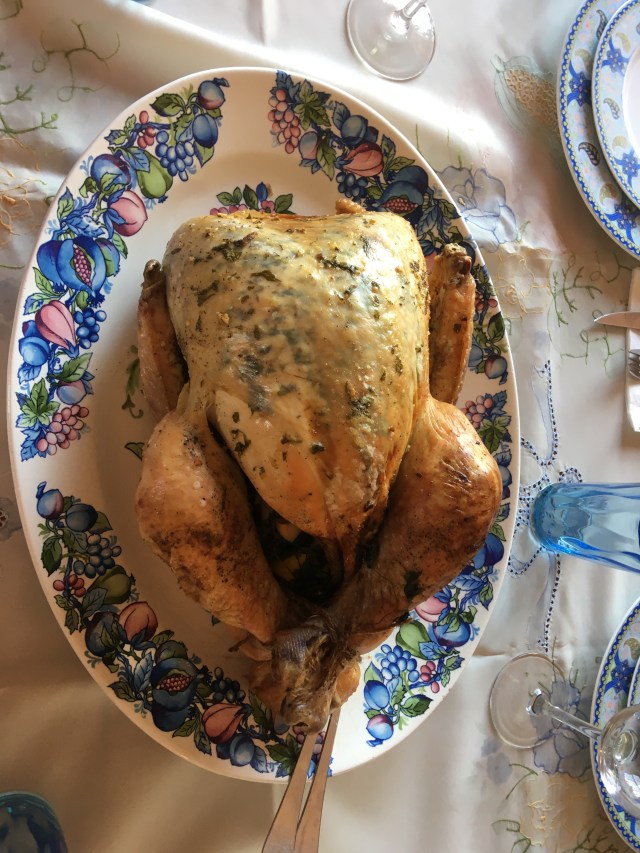
We were able to order a turkey from our butcher. It was smaller than the turkeys we normally get in the States, but that was fine, since we were going to have a small gathering. There were a few more differences and surprises. First, the turkey wasn’t completely free of feathers:

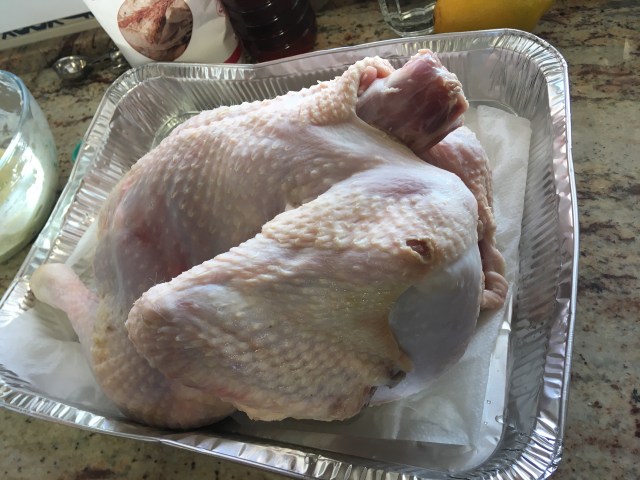
It also still had the neck:

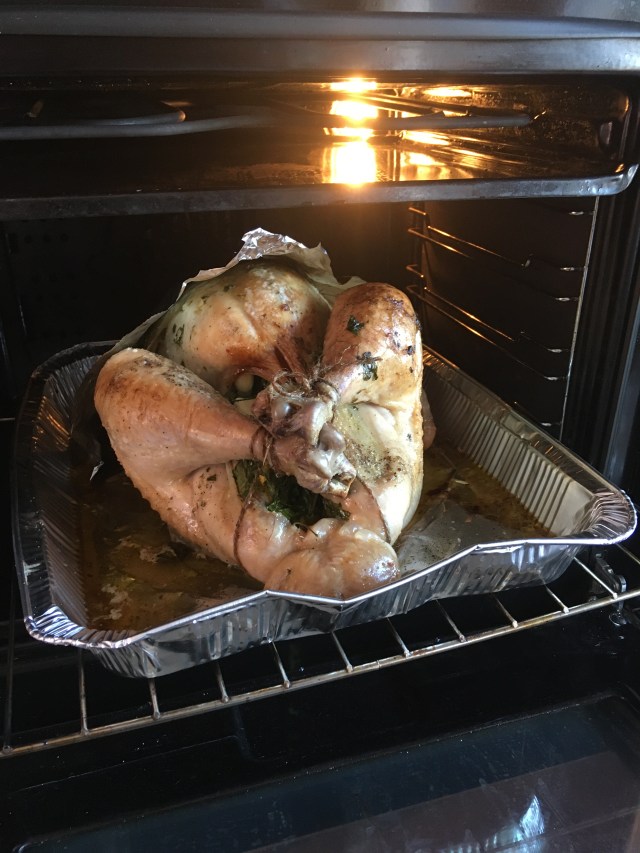
Luckily it fit in our small oven

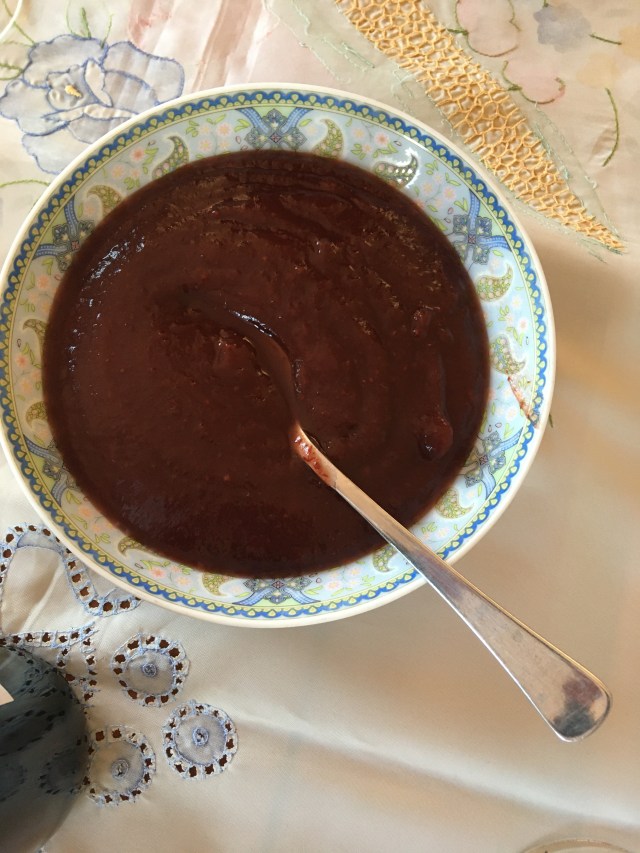
Cranberry sauce was not available in the 3 grocery stores we visited, so we made it from scratch from dried cranberries from the Mercadillo since fresh cranberries were also not available.

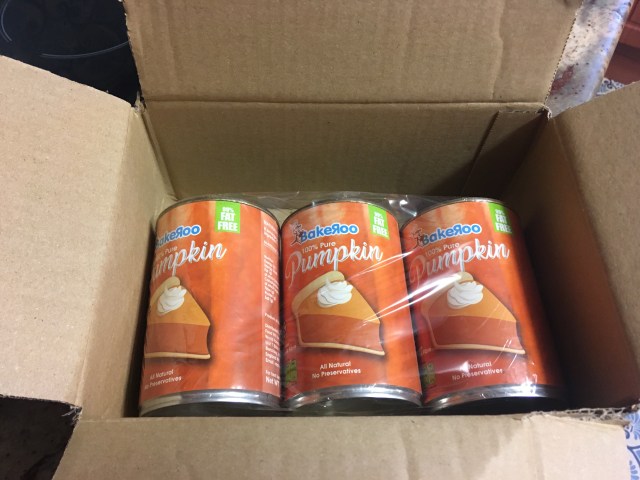
Also unavailable was pumpkin purée and, as we already knew from our a Halloween pumpkin hunt, getting a fresh pumpkin would be near impossible. We were able to order some from England on the Spanish Amazon.

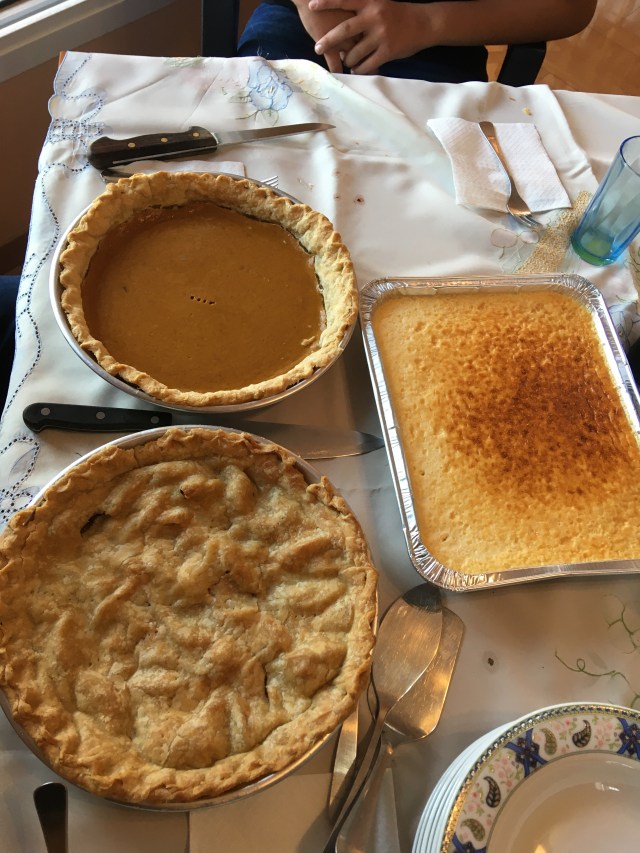
As we prepared to cook, we realized we didn’t have a pan to fit the turkey or pie pans. After trips to 5 stores and another Spanish Amazon order, we were able to obtain the right pans, something to baste the turkey, and a meat thermometer.

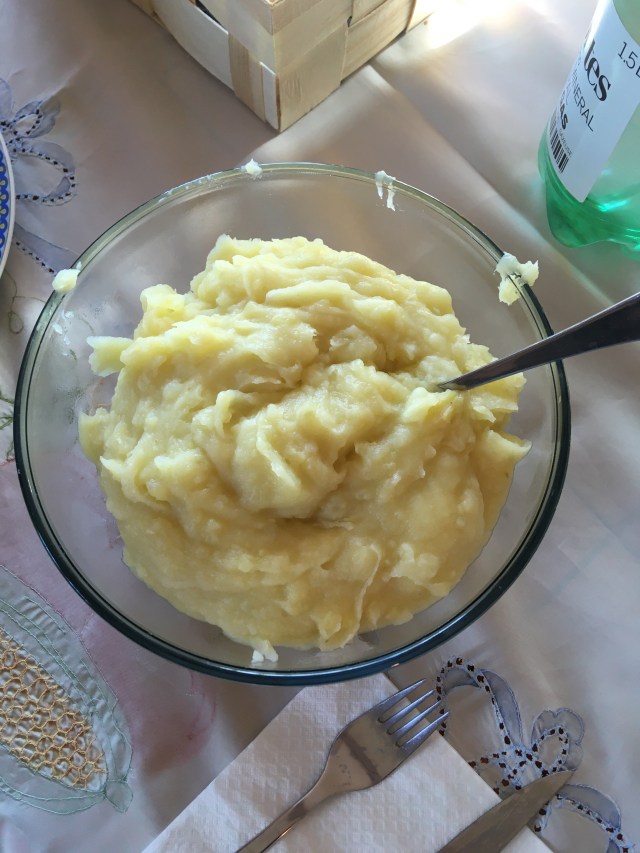
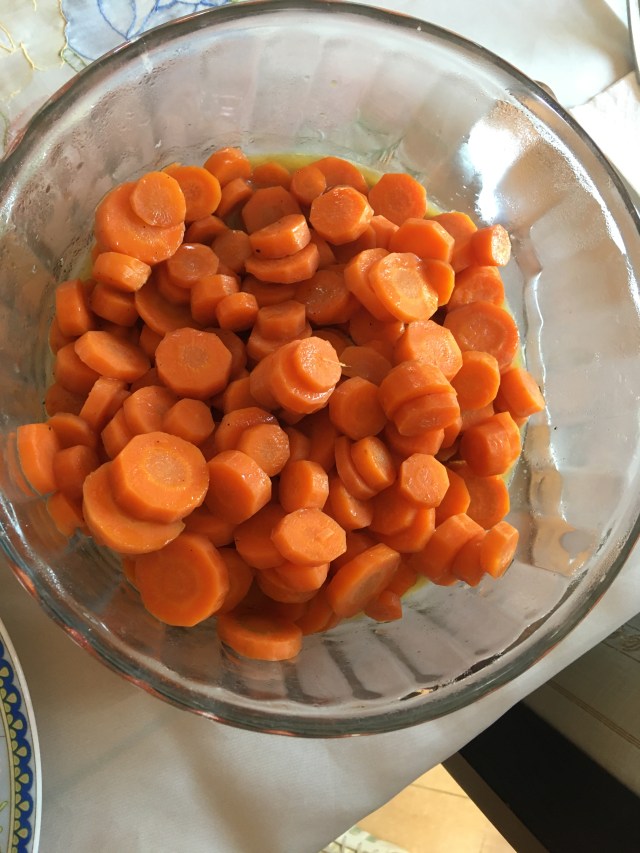
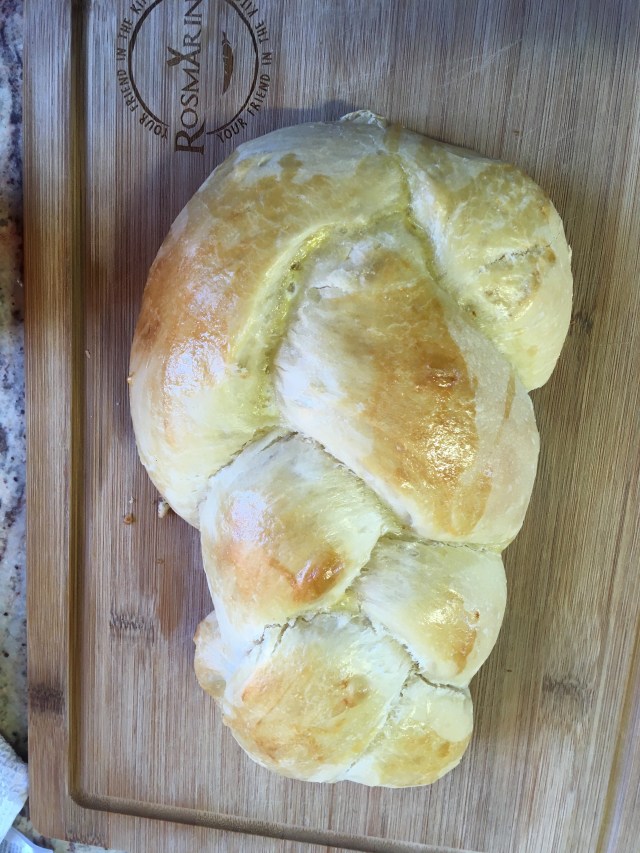
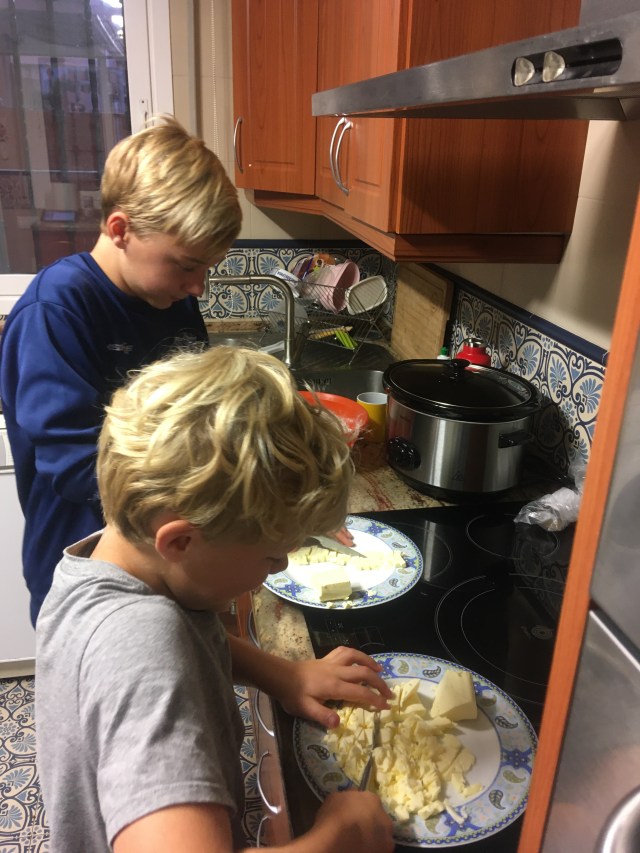
After finally gathering all of the ingredients, Todd, Oliver, Leo and I prepared our first Thanksgiving meal completely on our own:

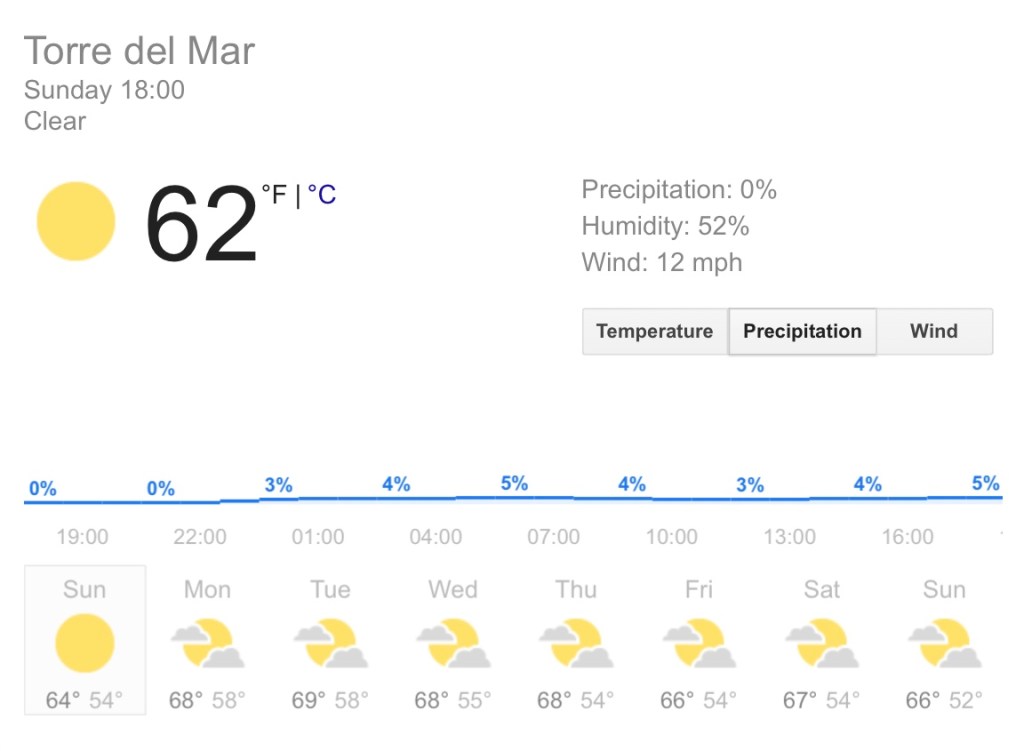
We almost ate outside, since it was 65 degrees, but it started to cool off right before sitting down, so we decided to take the meal inside.

It was a bit of an adventure procuring the ingredients and cooking, and we sat down to eat an hour later than we planned, but surprisingly everything turned out great and our friends really enjoyed their first Thanksgiving.

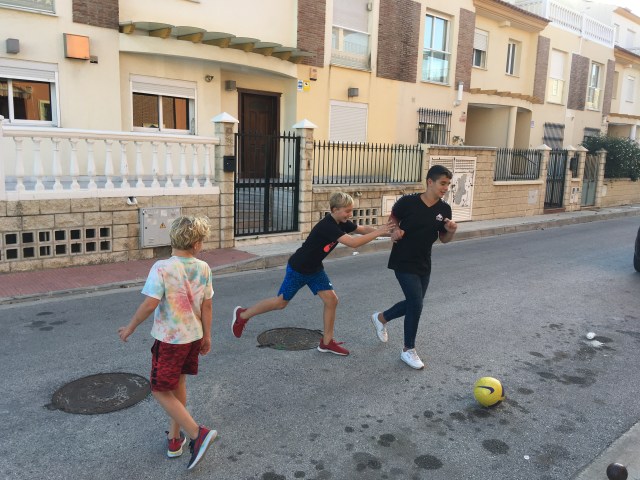
Finally, our thanksgivings in the States often include playing football, but since this Spain, we played fútbol.

La lluvia

Introduction by Oliver

It’s raining, it’s pouring, the Old Man is Snoring.

When we got here we thought that it would not rain that much. I think we were wrong. We have had a whole week of rain nonstop practically. One day it was pouring so hard that if you stood out in the rain for a second you would get drenched. The rain patterns are a lot like a Leo; either angry or happy, either pouring or 80° F and sunny.

Oliver didn’t want to put his snow pants on after school. He is only dry where his parka covered.

Thank you Oliver

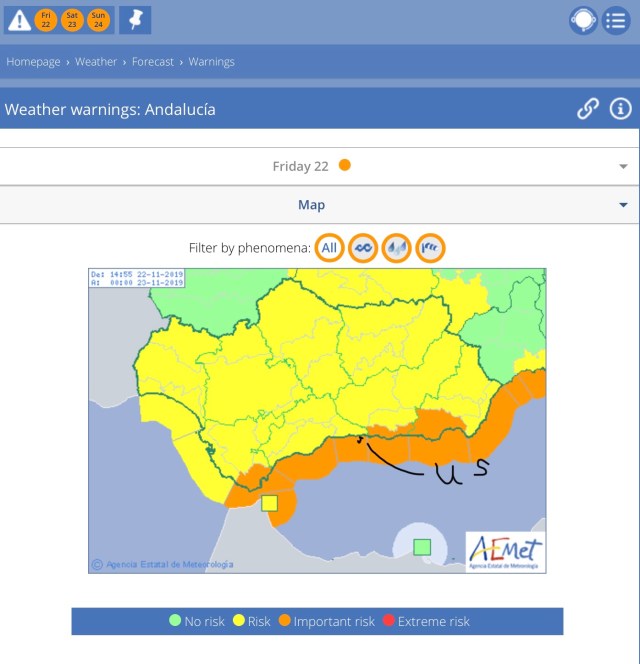
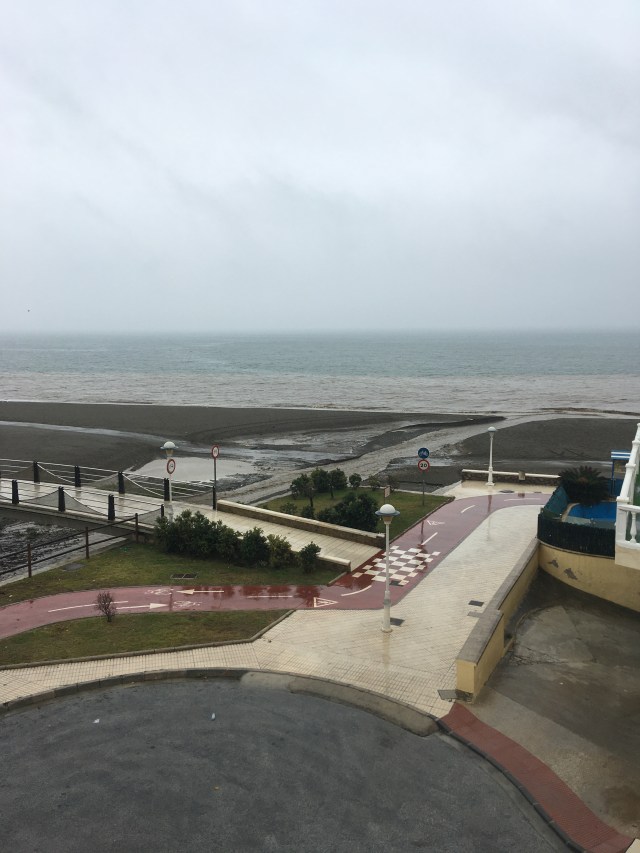
We were surprised by the rain this week. I think it was just 3 days, but it seemed like a lot since it had a big effect on our lives. Additionally, the last day of the rain was a doozy. There was a yellow warning issued for rain and wind, and an orange warning issued for waves. And it rained, hard, ALL day.

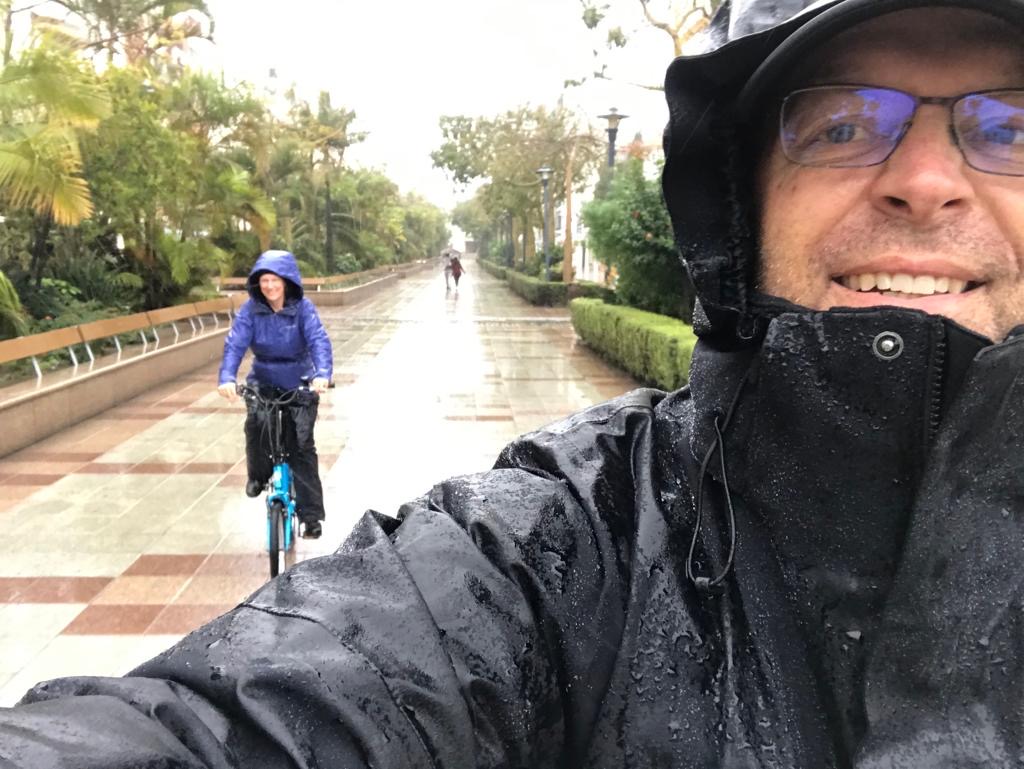
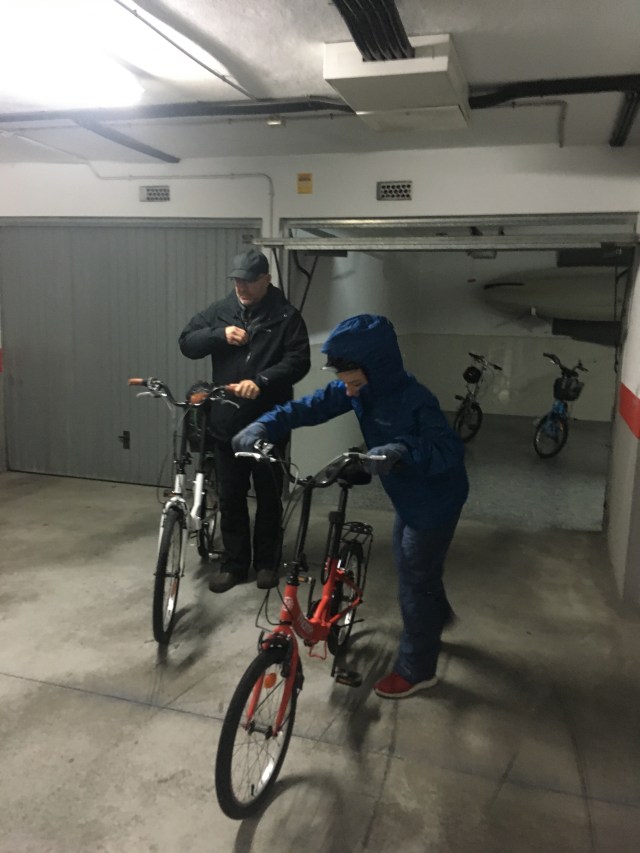
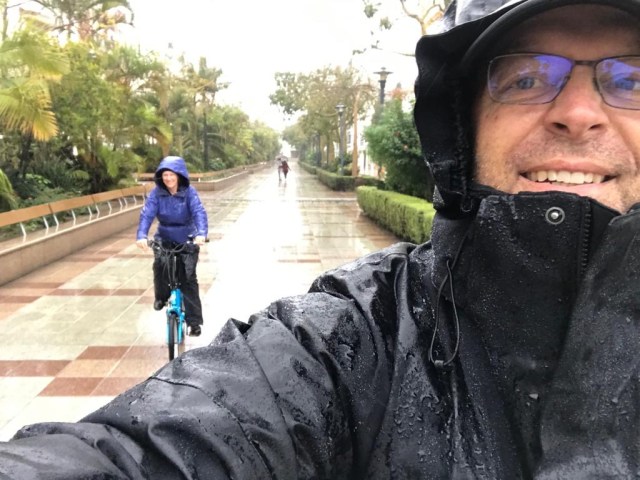
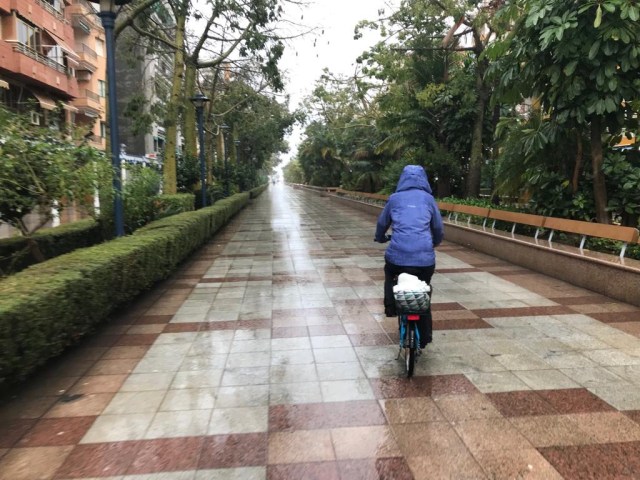
We travel everywhere by bike. Riding through pouring rain is a challenge and an adventure. When we packed to move here we weren’t expecting the rain, so we didn’t bring a lot of raingear. Luckily we did bring clothes for some expected winter skiing, so we had our great waterproof parkas and snow pants. They came in handy as we prepared to get the kids to school in the pouring rain.

Backpacks were covered with garbage bags. Garbage bags were used again to cover the guitar for a trip to music lessons.

Since we do not have a dryer, we had to hang up our parkas and snow pants in between trips. We went through 3 pairs of socks each. And our shoes didn’t really dry out between trips.

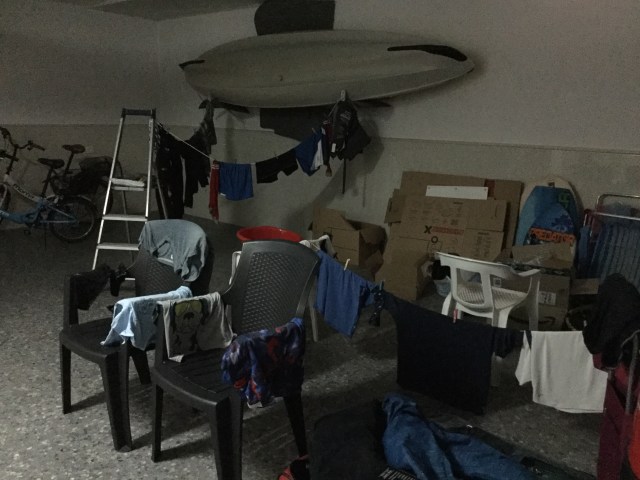
Additionally, we rely on the outdoor clotheslines to dry our clothes. The rain added a new challenge to getting the laundry done. Luckily, our new home has a garage, where we were able to string up several lines.

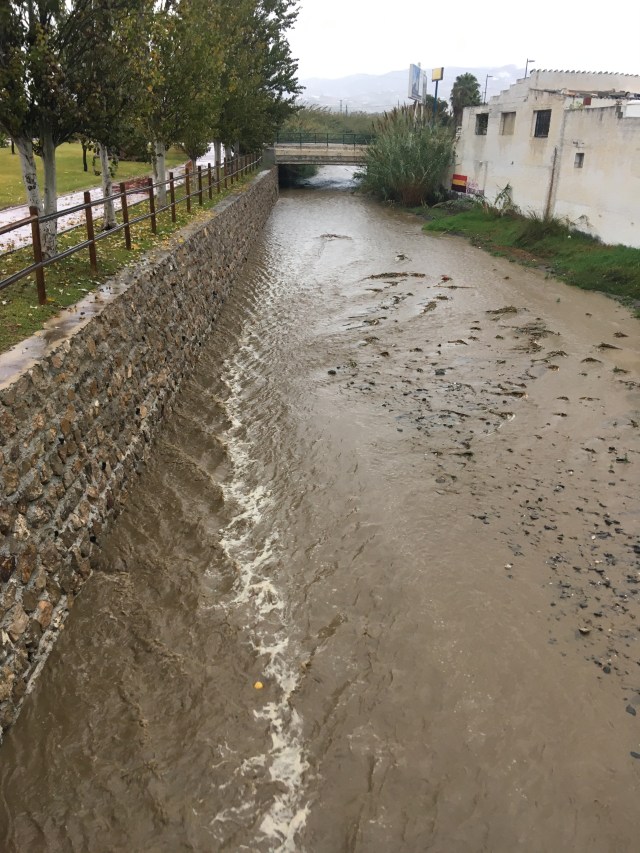
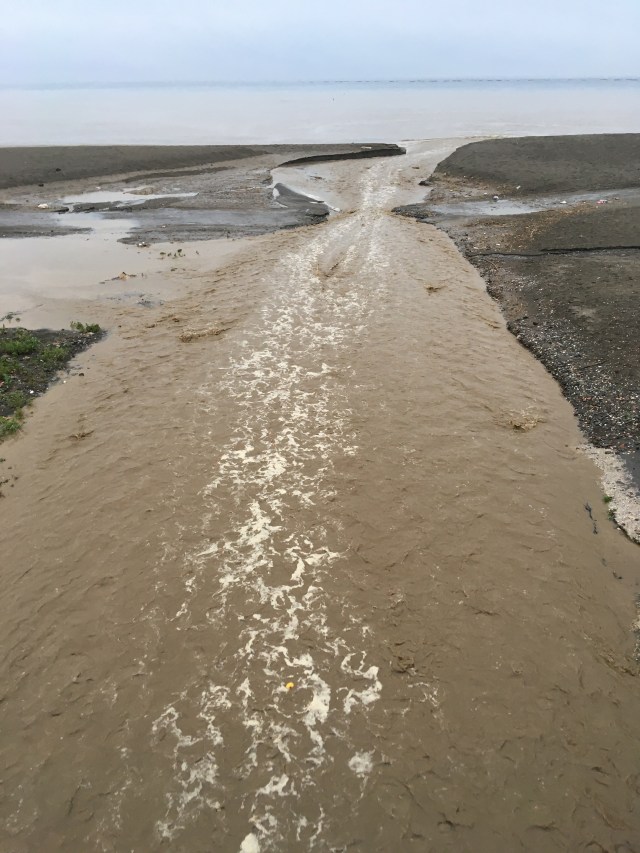
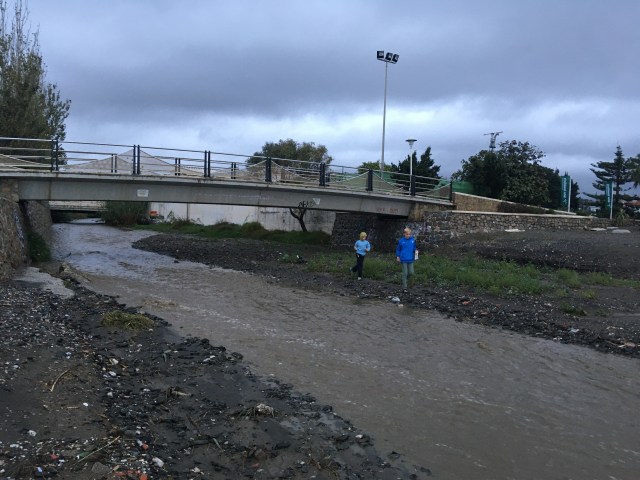
It was really exciting to watch the changes in the Rio Seco (dry river) with the rain. Normally Rio Seco is just that, a dry river. But as the rain continued to fall, the river began to fill.

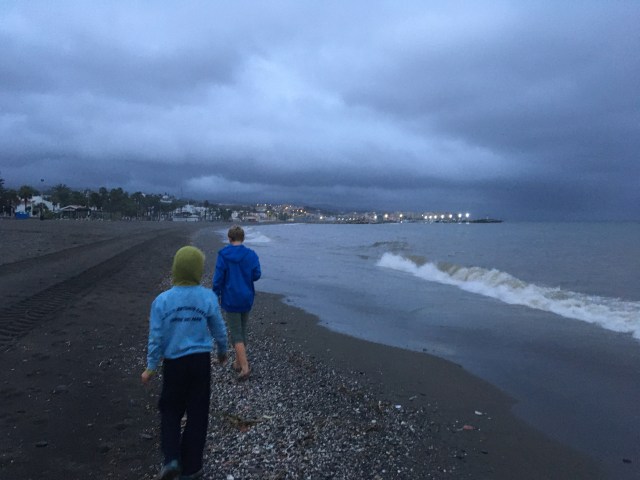
As the rains started to taper off, we went out to investigate.

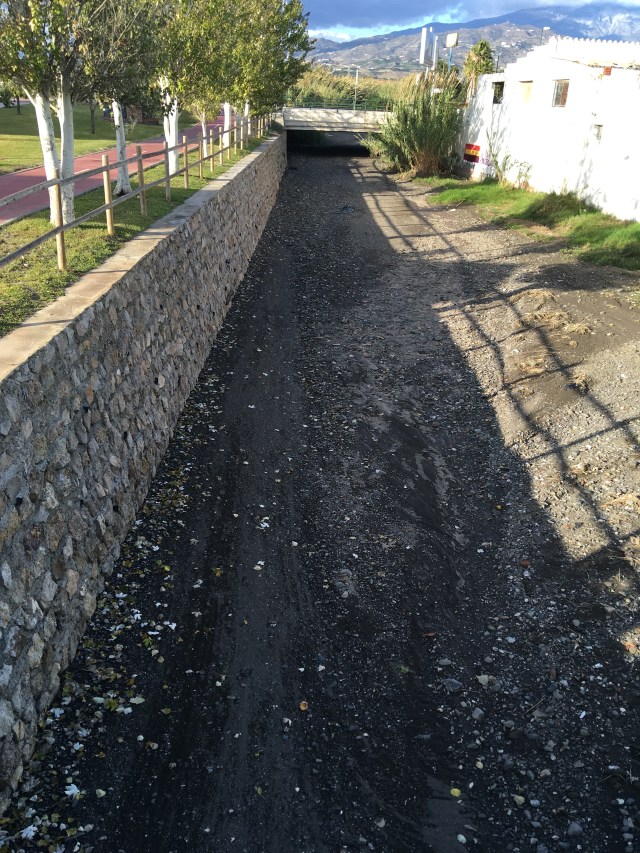
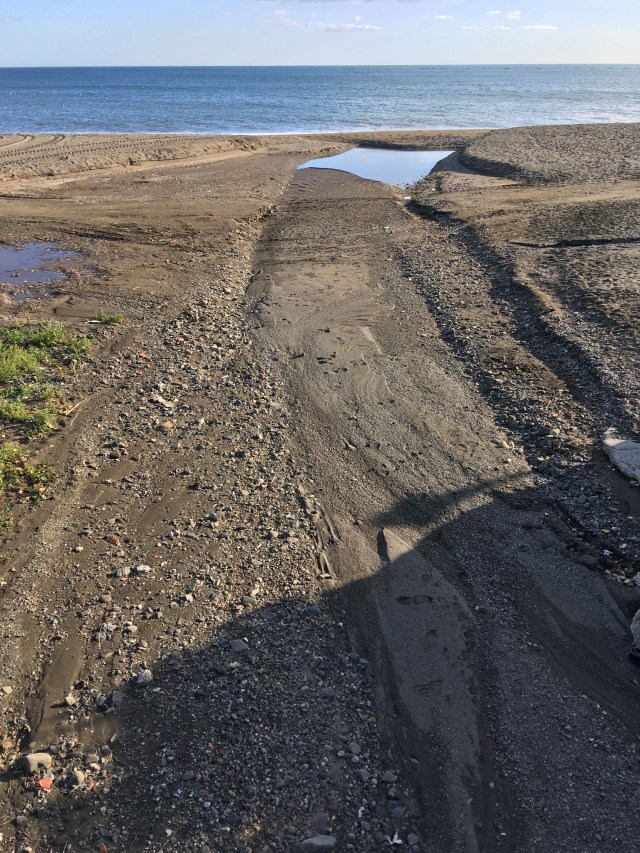
After the rains finally ended the river dried up again quickly.

And we happily went back out to play.

Next week’s forecast is looking much better.

Soccer discovered chestnuts

By Oliver

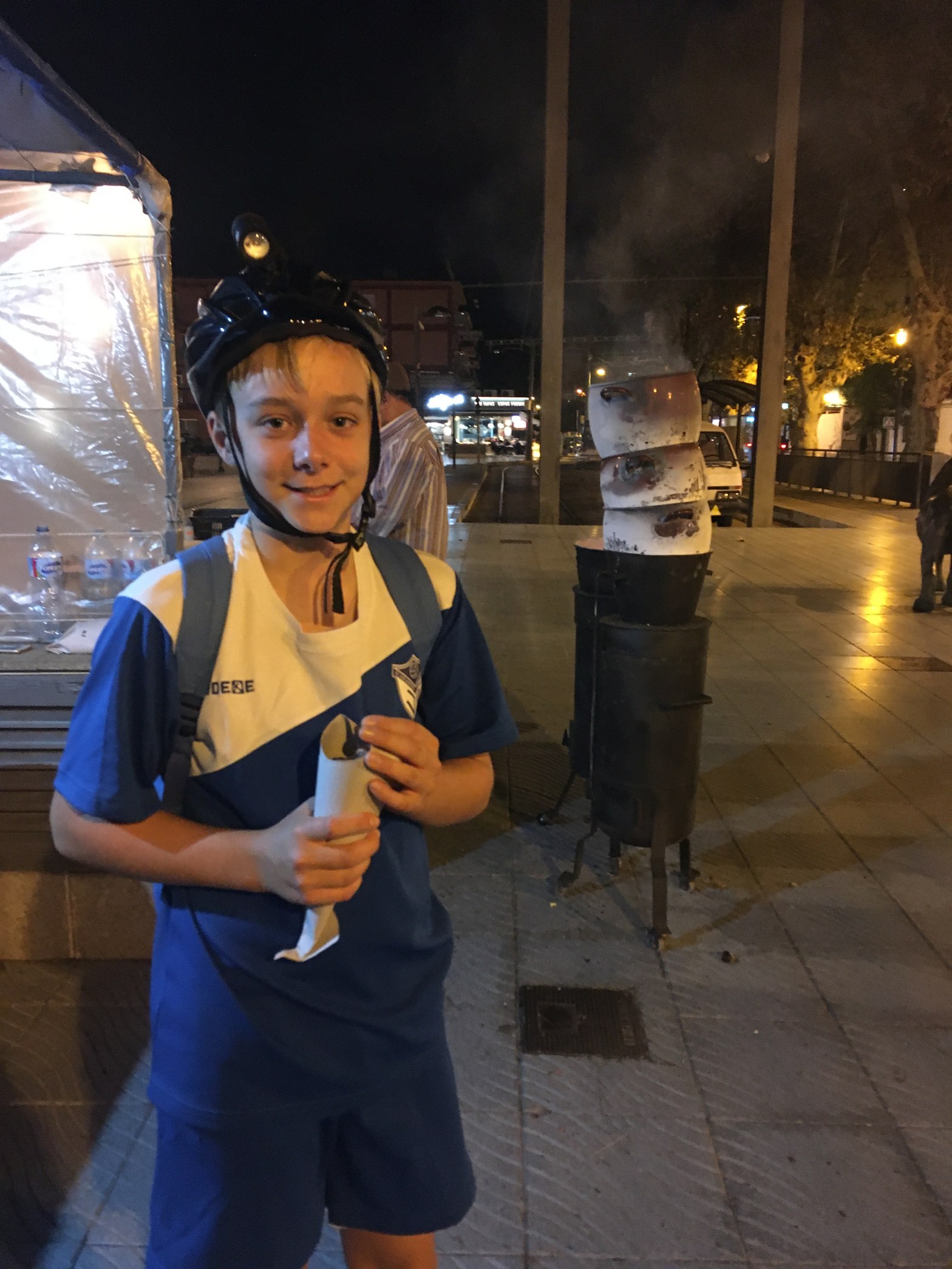
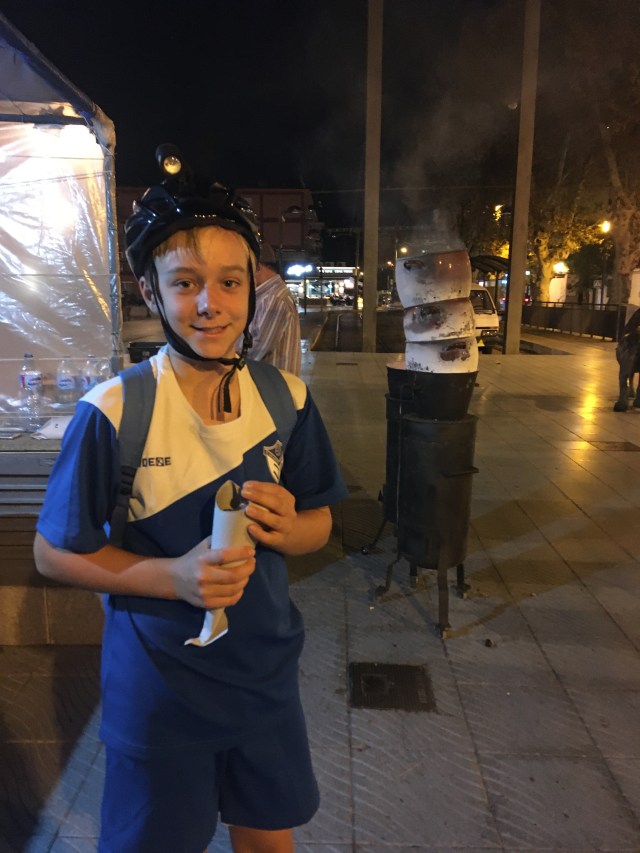
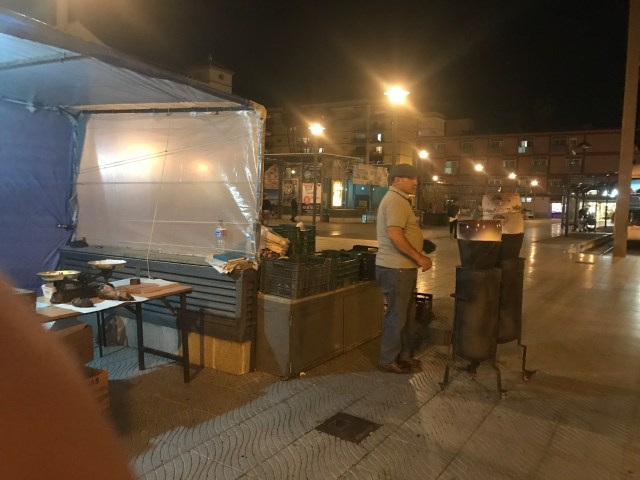
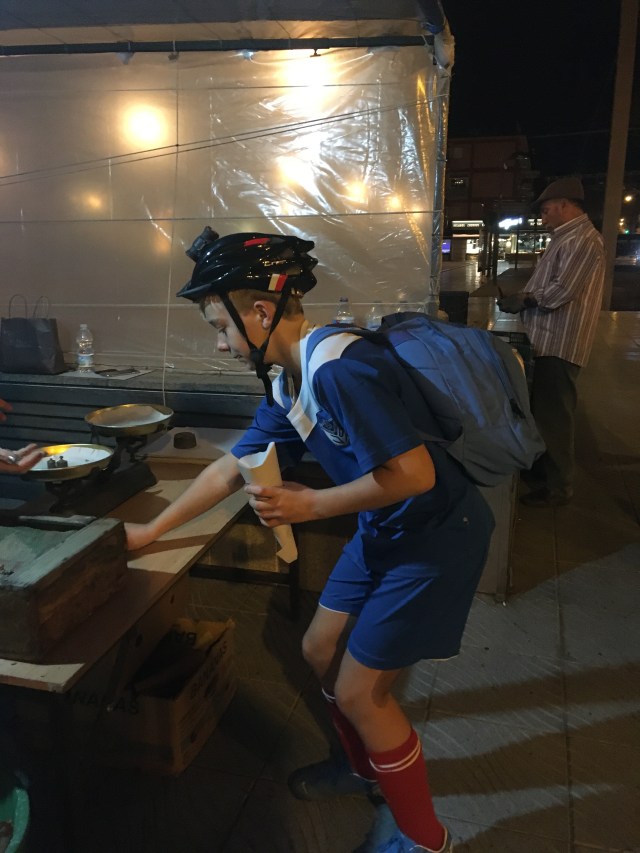
One day we were riding back from soccer practice and we came across a stand by Paseo Larios, which is a main pedestrian road in the middle of town. The stand was cooking something in pans, so we stopped to investigate.

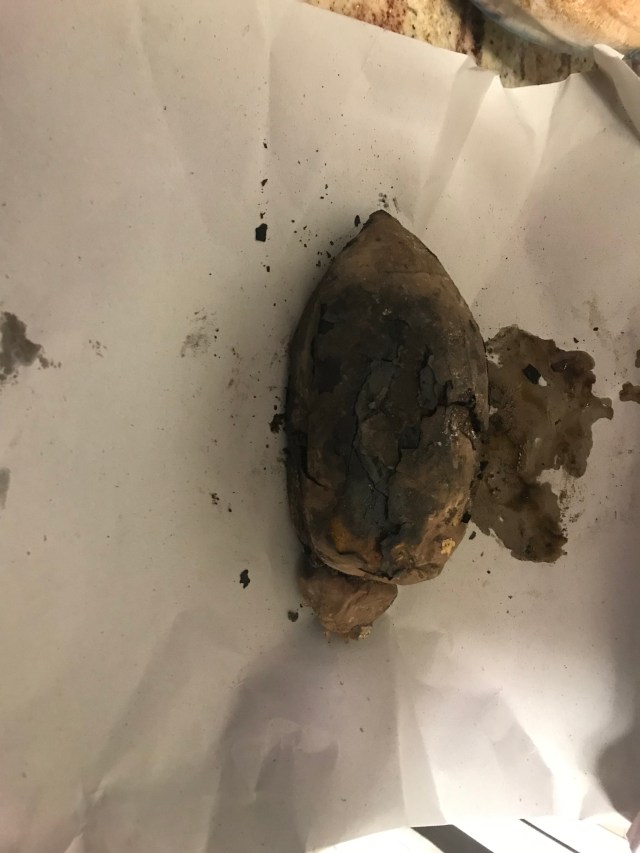
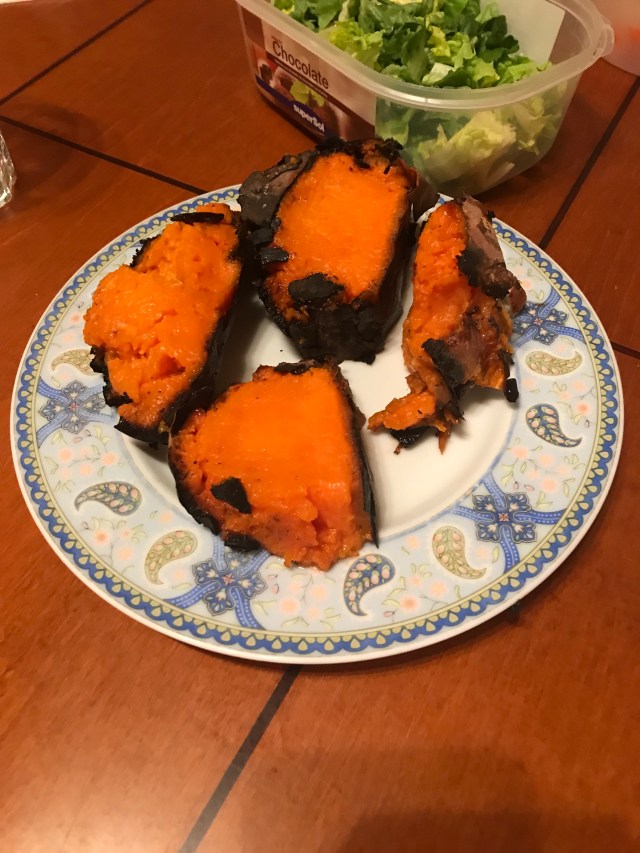
They had two foods: castañas (chestnuts) and sweet potatoes.

We got castañas (chestnuts) and decided to get the sweet potatoes later.

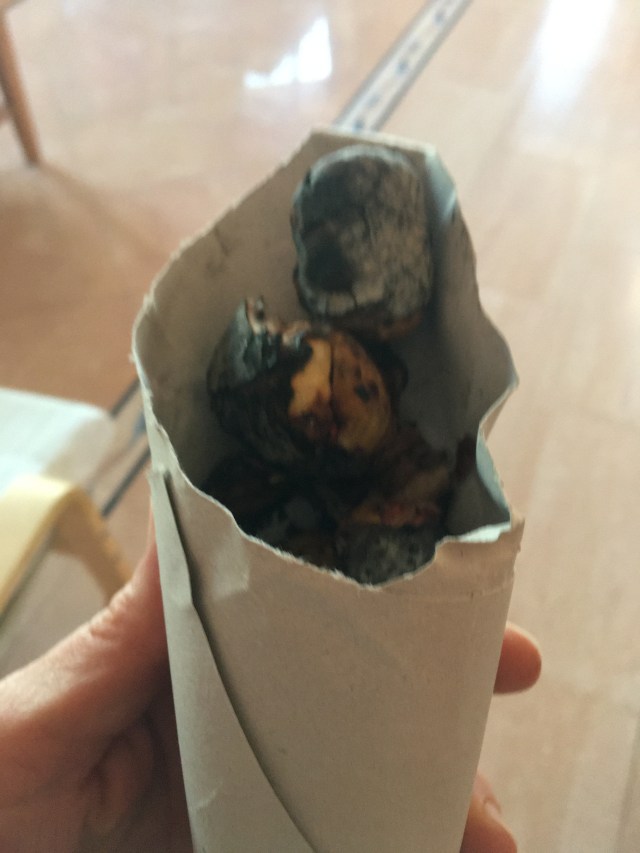
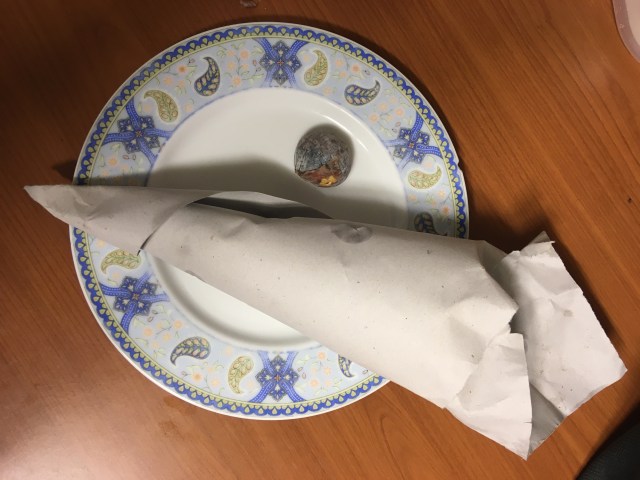
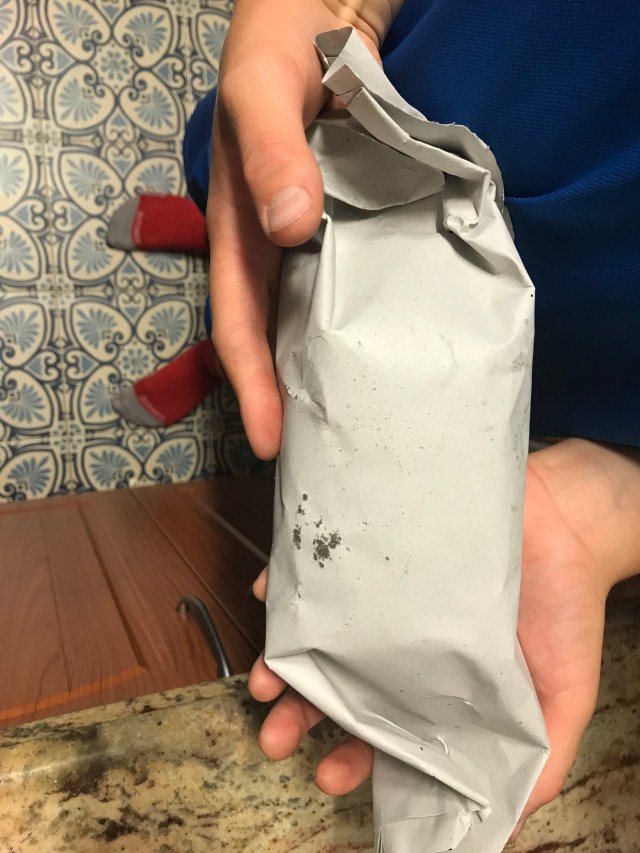
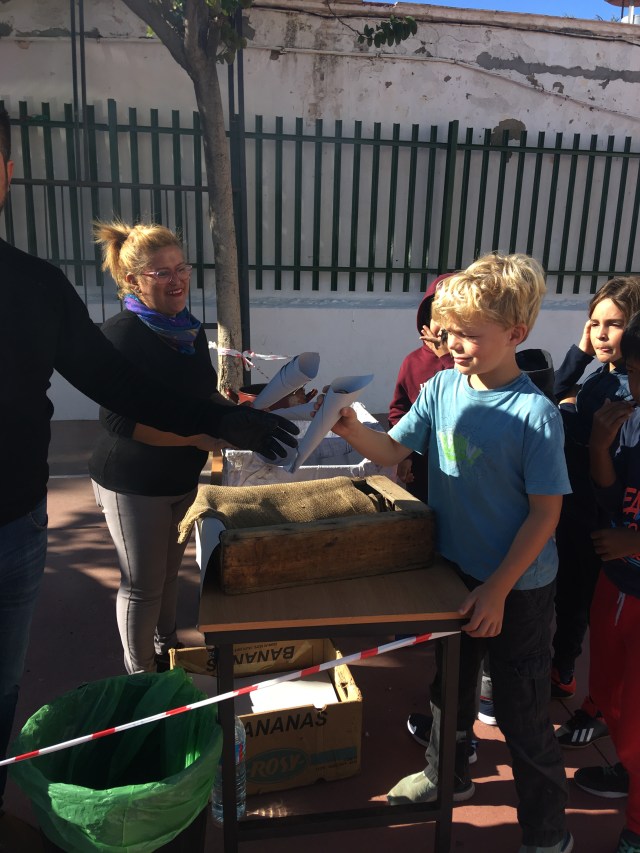
You tell them how much you want to pay and they weigh out the right amount and put the castañas in a paper cone that they roll. We bought €2 worth.

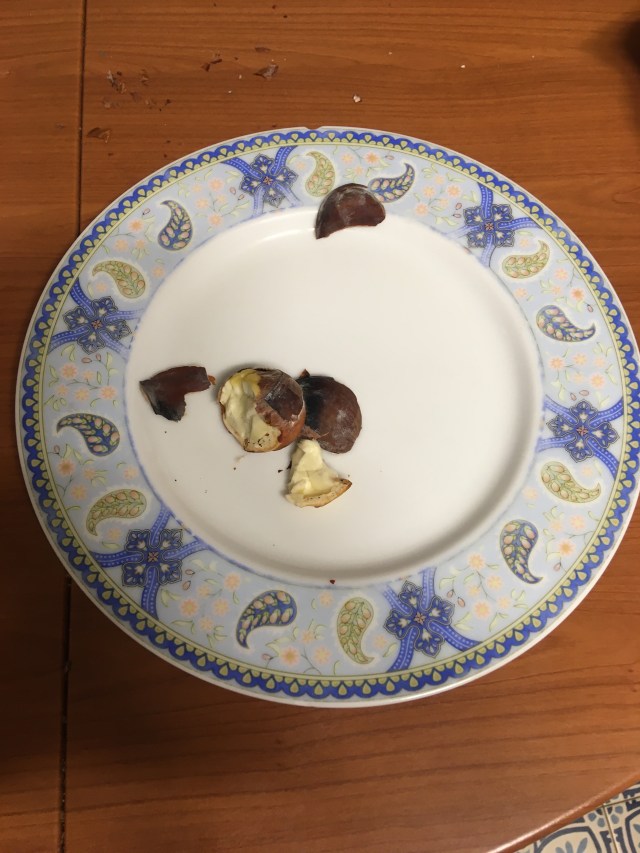
The castañas (chestnuts) did not taste good at first because I ate part of the shell. The shell tasted like banana peel and I did not like it. But as we were riding he rest of the way to our house, I ate a lot of them without the peel (mostly) and they started to grow on me. Now we get them each time we come back from soccer, which is three days a week and they taste amazing. When we get them I put them in my soccer hoodie pocket; they keep me warm and I keep them warm. If you visit soon you might be able to try them too.

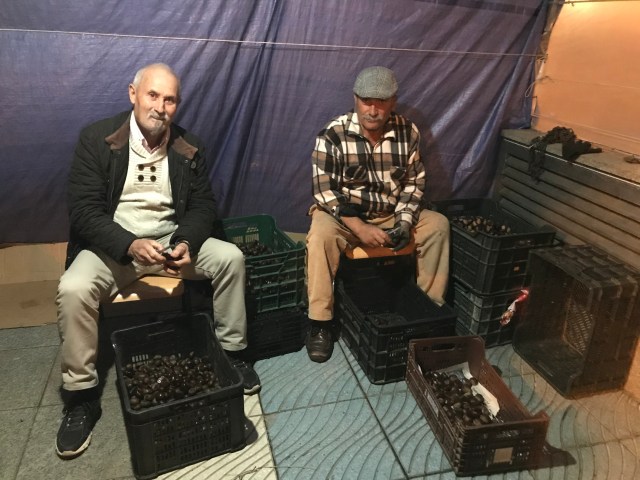
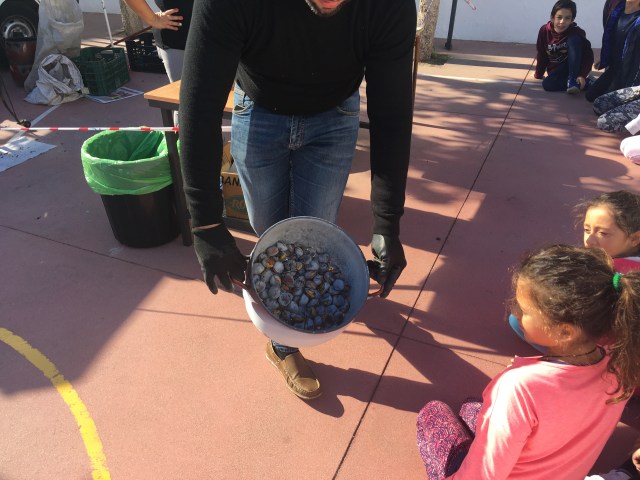
The two guys cut into each chestnut before roasting them so that they don’t explode.

A little bit more by Mom…

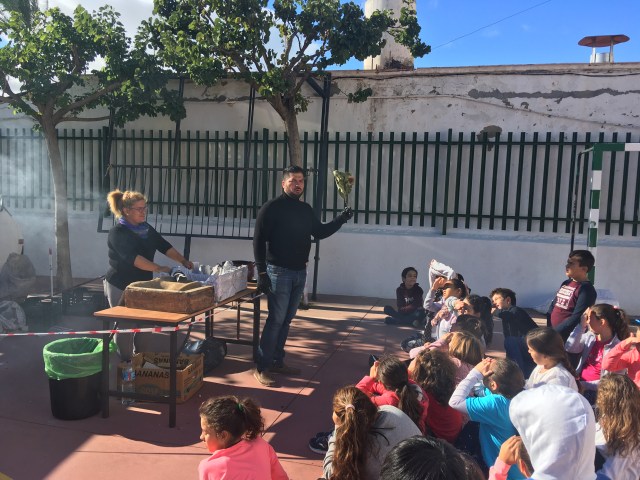
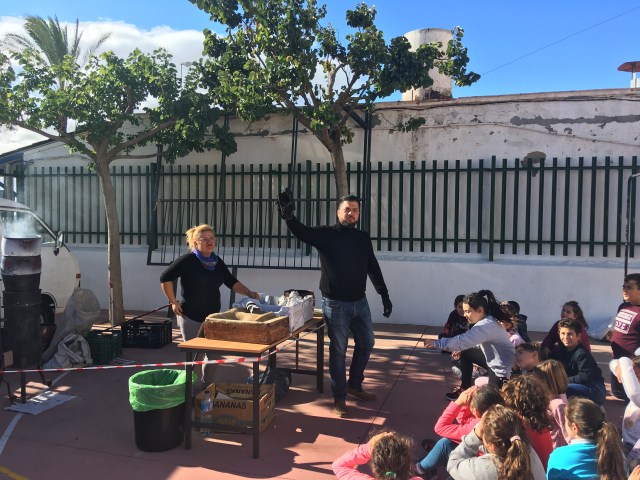
The same chestnut roaster (Castañero) came to Leo’s school. We happened to be there for Leo’s presentation about Oregon and got to stick around for the Castañero’s presentation.

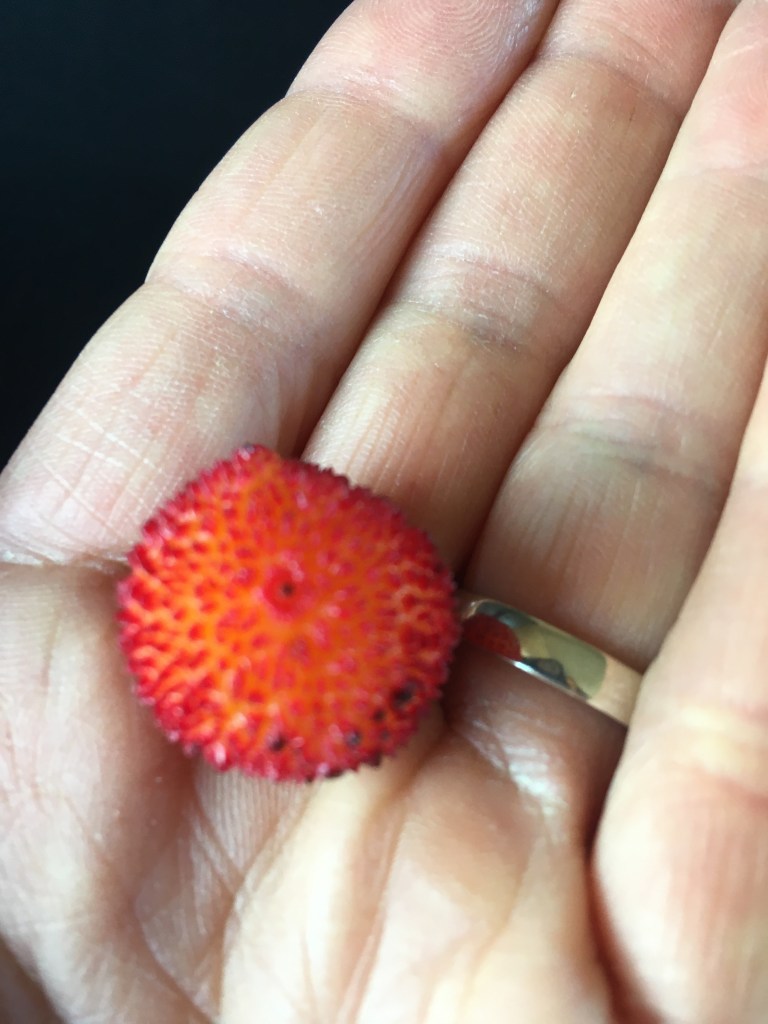
The chestnuts grow on the branch of the chestnut tree in a spikey ball they call the erizo (hedgehog).
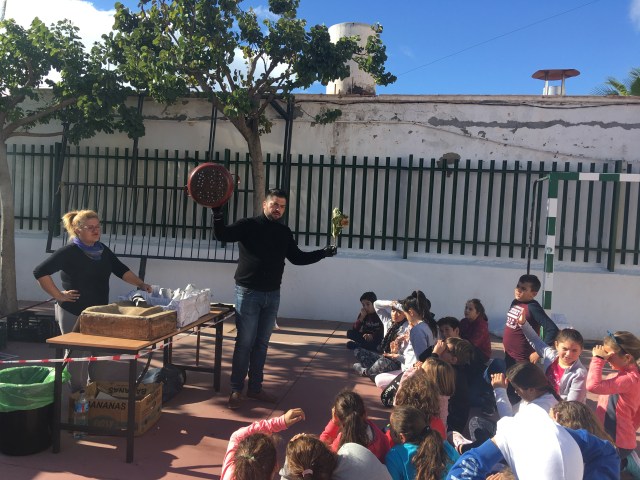
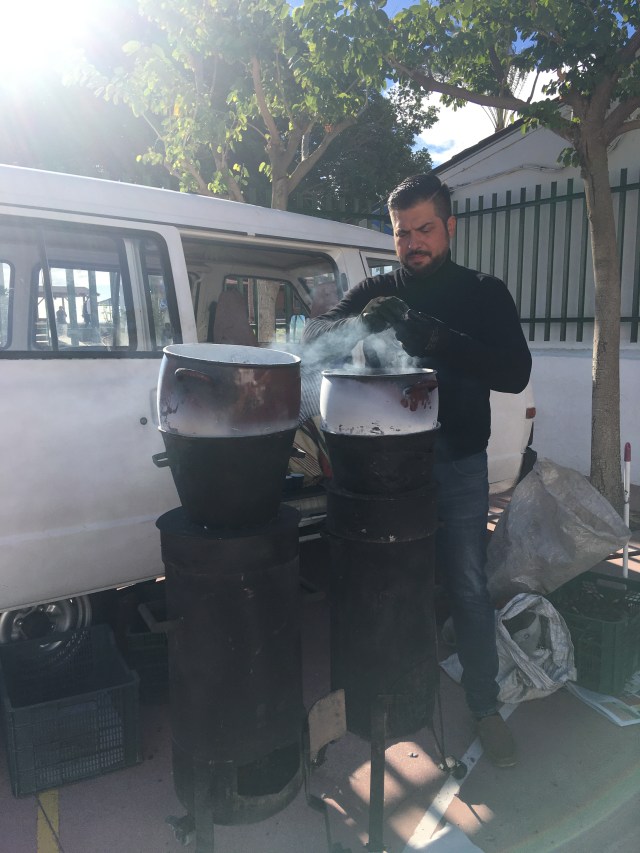
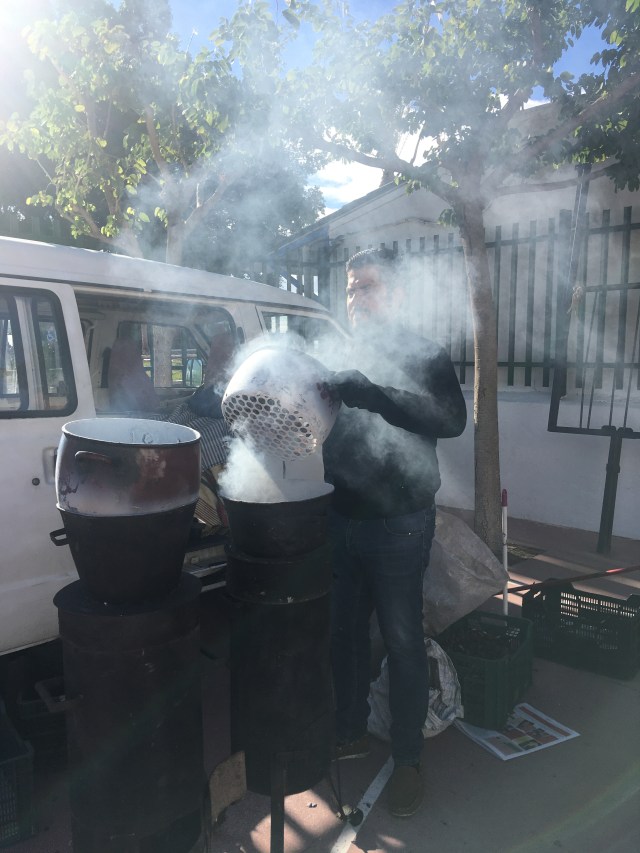
They roast the chestnuts in a special pot with holes in the bottom (he made sure to tell us you couldn’t use the pot for soup).
They add charcoal in the lower pot to make smoke to help roast the chestnuts.
Sadly, Leo didn’t try them because of his nut allergy. We’re not sure if he is allergic to them, but since they have the word nut in the name, he didn’t even want me to check with the doctor if he could try them.

La Biblioteca

We are big library users. Figuring out how to access the local library was a big priority when we moved here.

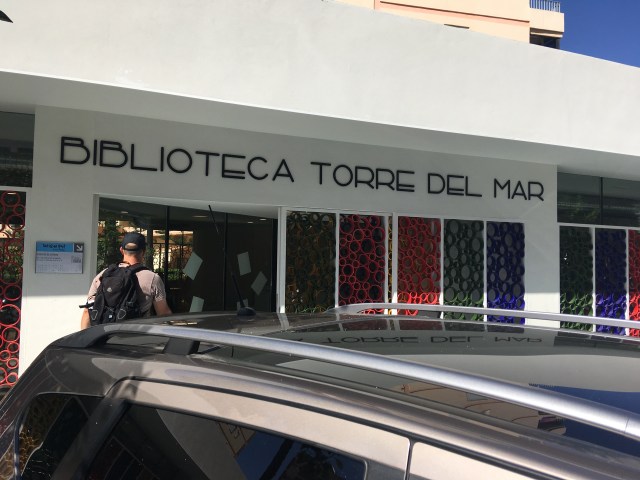
There are three libraries in town. Biblioteca Torre Del Mar, Biblioteca Municipal Maestro José Ramos Cabello, and the Biblio Playa.

Turns out, getting access to the library is not that hard, since we have Spanish residency. All that was involved was filling out a form for each of us. Once completed, we turned the form into the front desk. The local government has not given the library a card making machine, so we do not get to have a library card🙁. We just have to give our names when we want to check out a book.

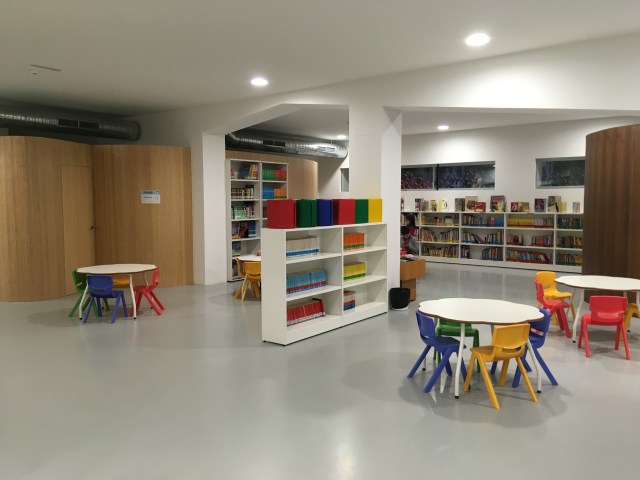
The library that we use most it the Biblioteca Torre Del Mar.

The selection is quite small, but we’ve been able to find several good books for everyone.

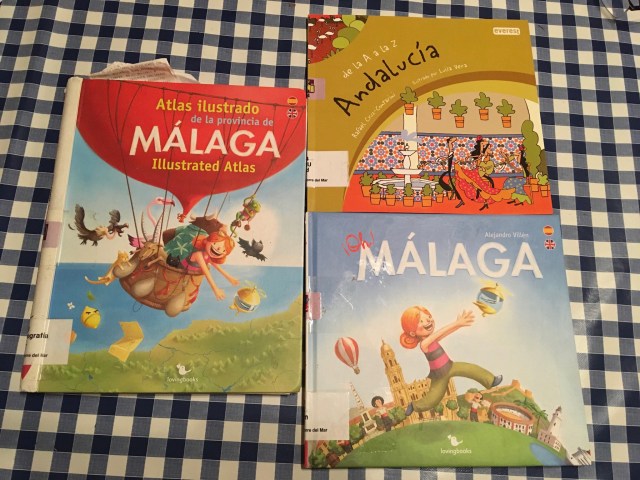
Leo has found some great books about dragons and castles and Oliver has found some books that he needs for school. We also found a selection of books about this region of Spain, and even though they are written for kids, Todd and I have learned a lot from them.

At home, the boys mainly select books from the graphic novel section. There isn’t a graphic novel section here, so the boys have the opportunity to expand their reading interests.

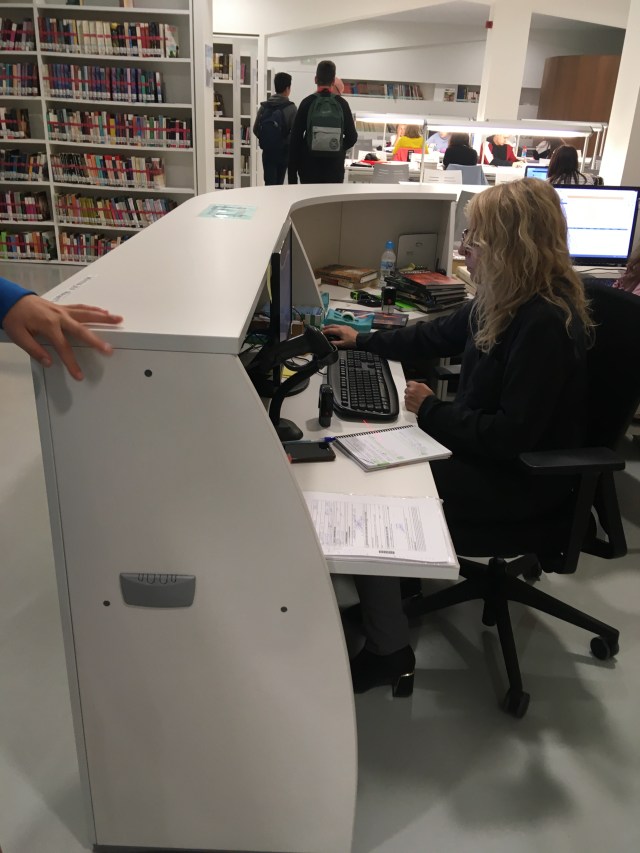
There is no online book catalog or card catalog. To find a book you have to ask the woman at the front desk and she will look it up on her computer.

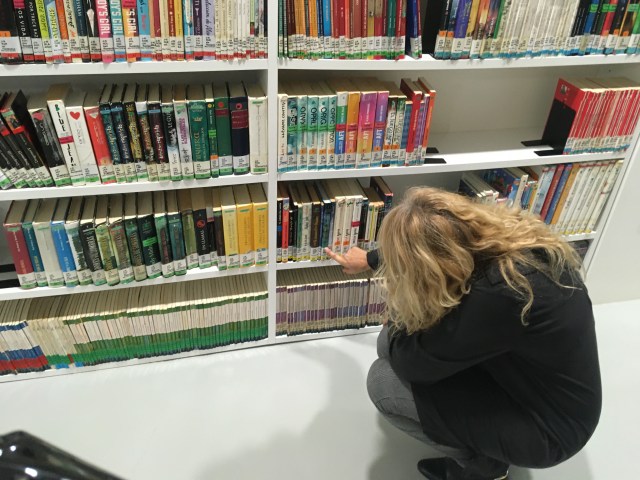
Then she will walk over to the shelves and find the book for you.

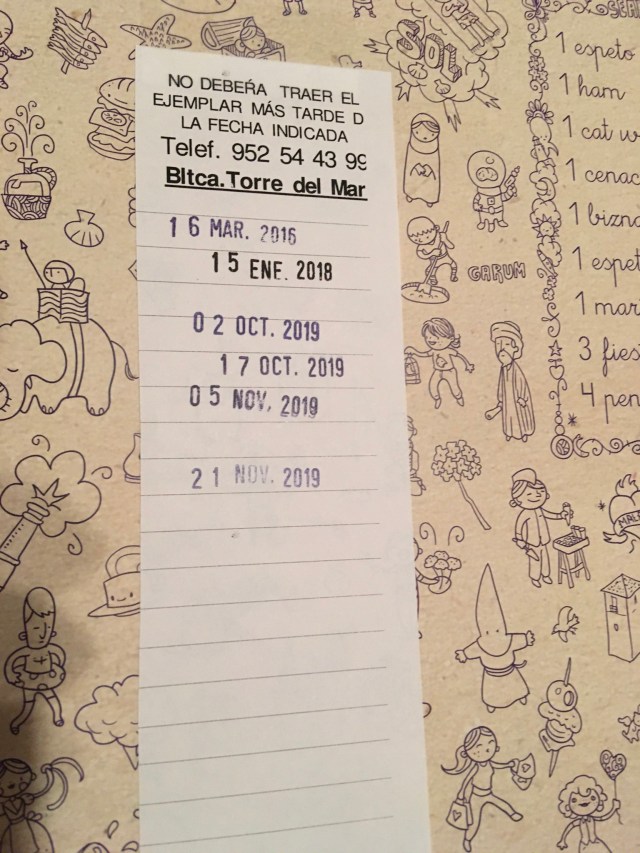
One week she was out sick and had a substitute. She tried, but couldn’t seem to find any of the books we were looking for. We had to come back the following week. There is some sort of organizational system, but neither her substitute nor I could figure it out. Another disadvantage of not having an online computer library system is that the only way to renew a book is to visit the library in person, with the book in hand. Then she will hand stamp each book (like when I was a kid, back in the 70s and 80s).

One of our biggest frustrations is the open hours. The library is only open during the week in the morning and the evening (and closed for 3 hours for lunch), and closed all weekend. Given the kids’ sports and music class schedules, that only allows for one afternoon a week that we can take them to the library.

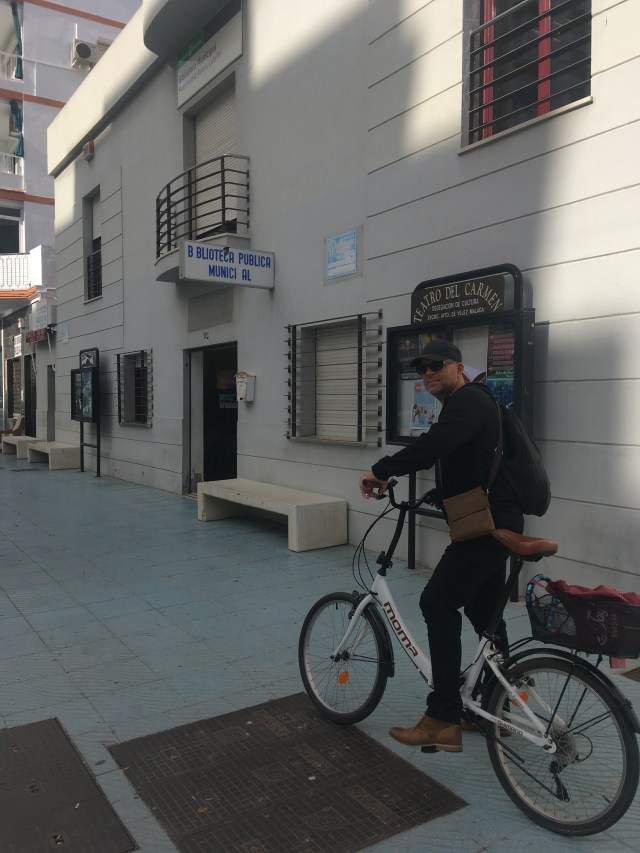
The Biblioteca Municipal Maestro José Ramos Cabello is another library in town.

This library is unique because you can’t check out any of its books, or it’s extensive DVD collection. You are only allowed to view the items in the library, so we don’t really use this library.

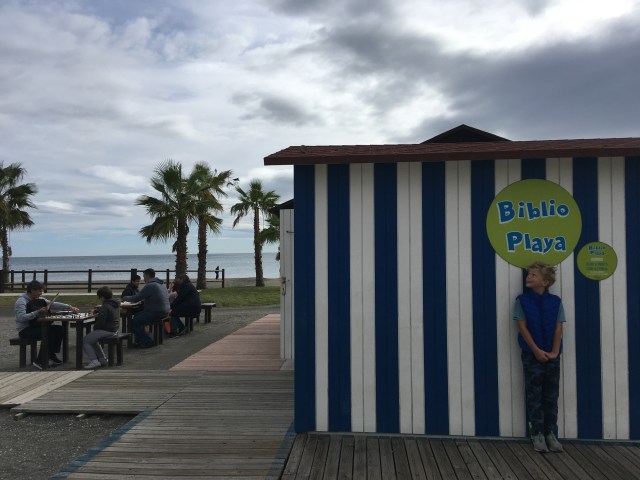
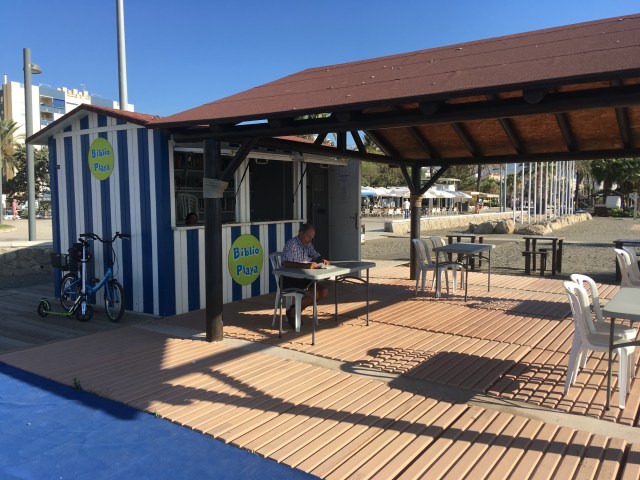
The Biblio Playa may be my favorite. It is located directly on the beach.

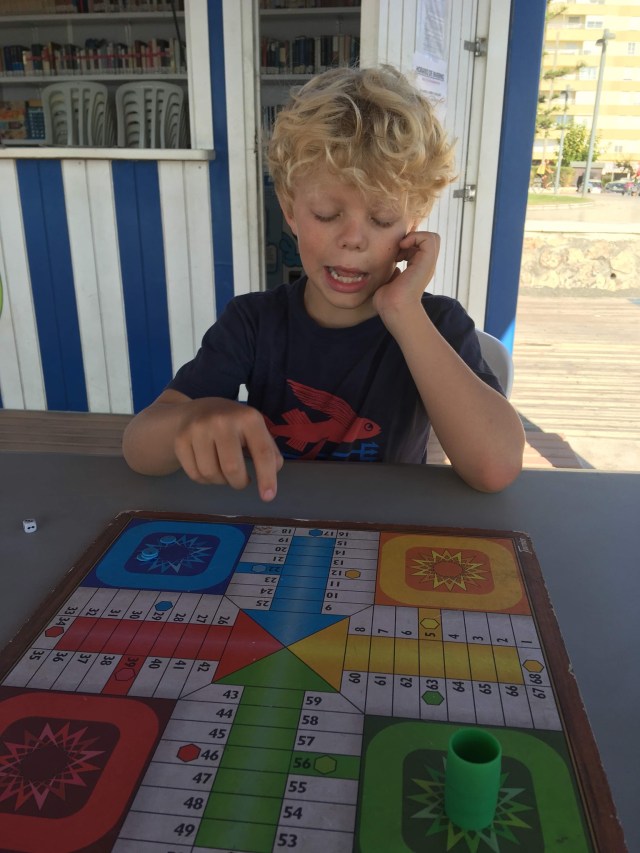
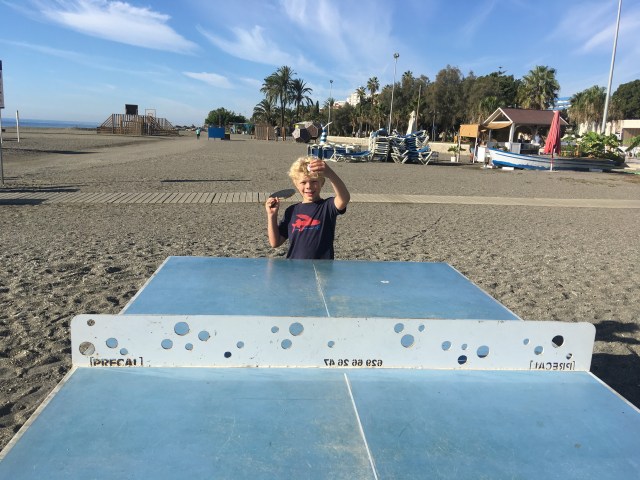
It is little more than a shack and the selection of books is extremely limited. But it has a great selection of board games and puzzles and even ping pong paddles to check out. During the week, seniors come to read the newspaper. On the weekends, lots of families come to play the games.

We are glad to have access to the libraries, but we do miss the Multnomah County Library system.

Design a site like this with WordPress.com
Get started