One of our goals while living in Spain was to also see what we could of Europe when the kids had vacations from school. We figured Portugal should be included since it is one of Spain’s neighbors. Portugal’s turn came during Semana Blanca, which translates as “white week.” I got curious what we were celebrating during Semana Blanca and did a little research.
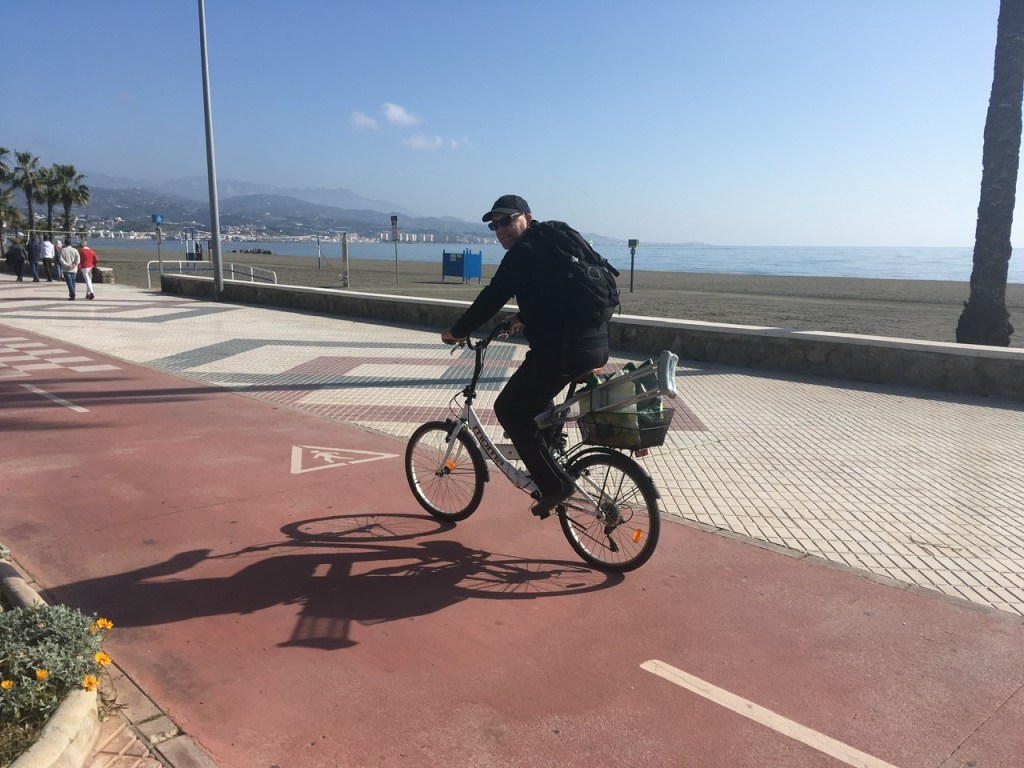
In Spain, holiday calendars are not the same across the country. Each region, even each town, can have its own holiday calendar. One way this is apparent is each town has different patron saint days as holidays. We found this out when we biked to a neighboring town’s grocery store (just a 10 minute bike ride) and found it closed, because that town had a holiday, while ours was business as usual. Well, it turns out that Semana Blanca is another example. Each region has a weeklong “Féria (festival)” at different times in the year. The Málaga region Féria is in August when people are already on vacation, so to make it fair, there is a week off in February to compensate.
So with Semana Blanca, we decided to take a road trip to Portugal. None of us are fans of driving too much in a single day and try to do no more than around 3-4 hours in a day. So to break up the drive to our main goal, the Sintra region, and to see more of the country, we made a few stops on the way. Our first stop was Doñana National Park, which is actually still in Spain.
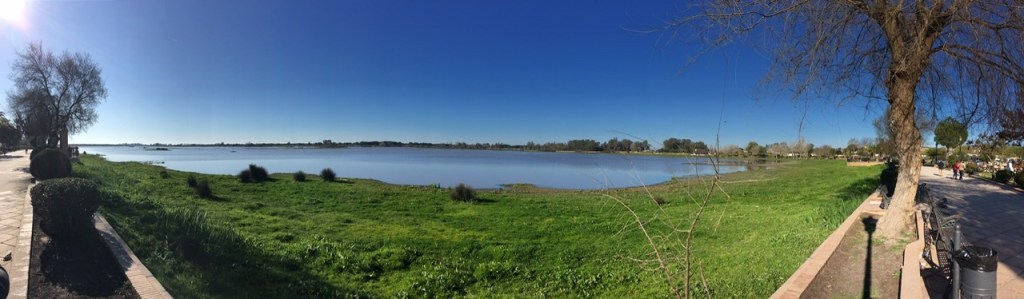
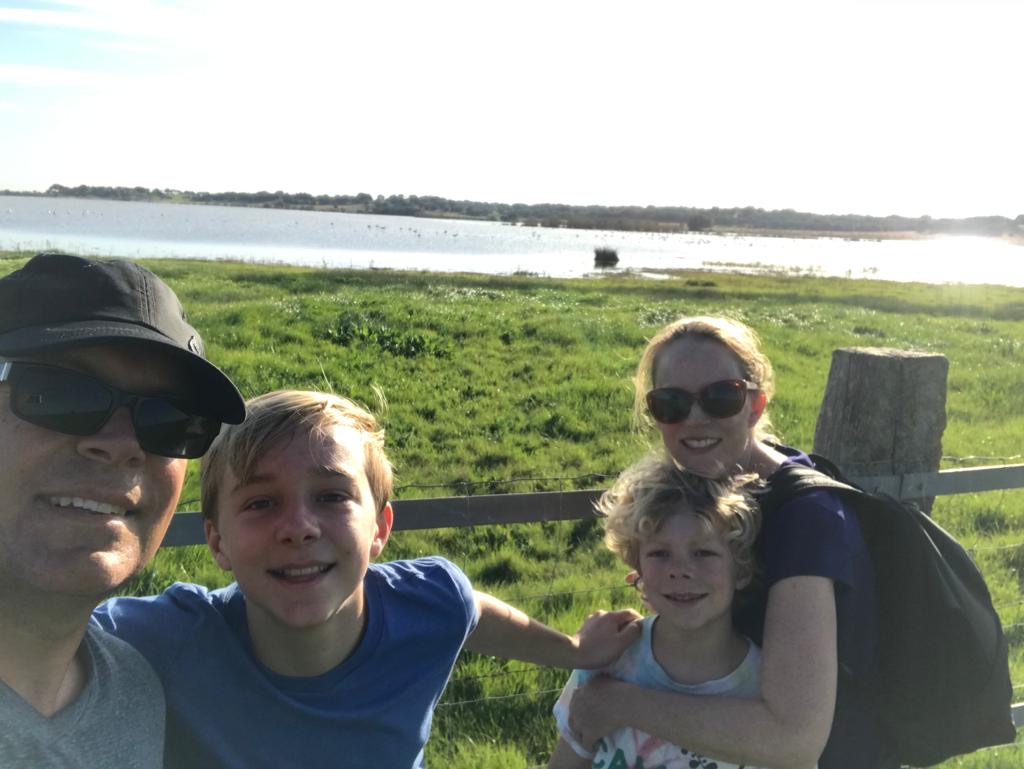
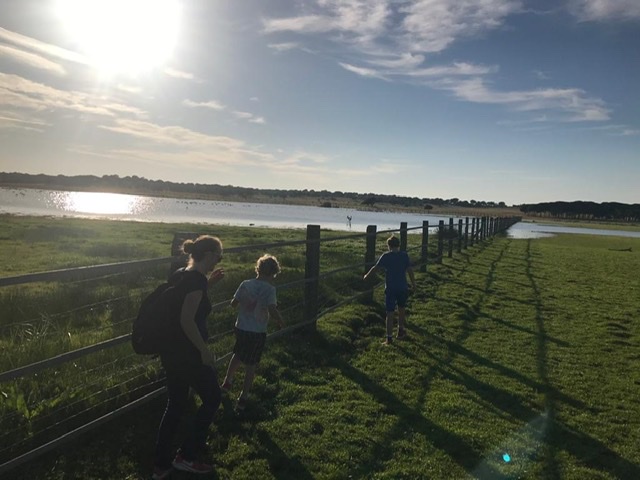
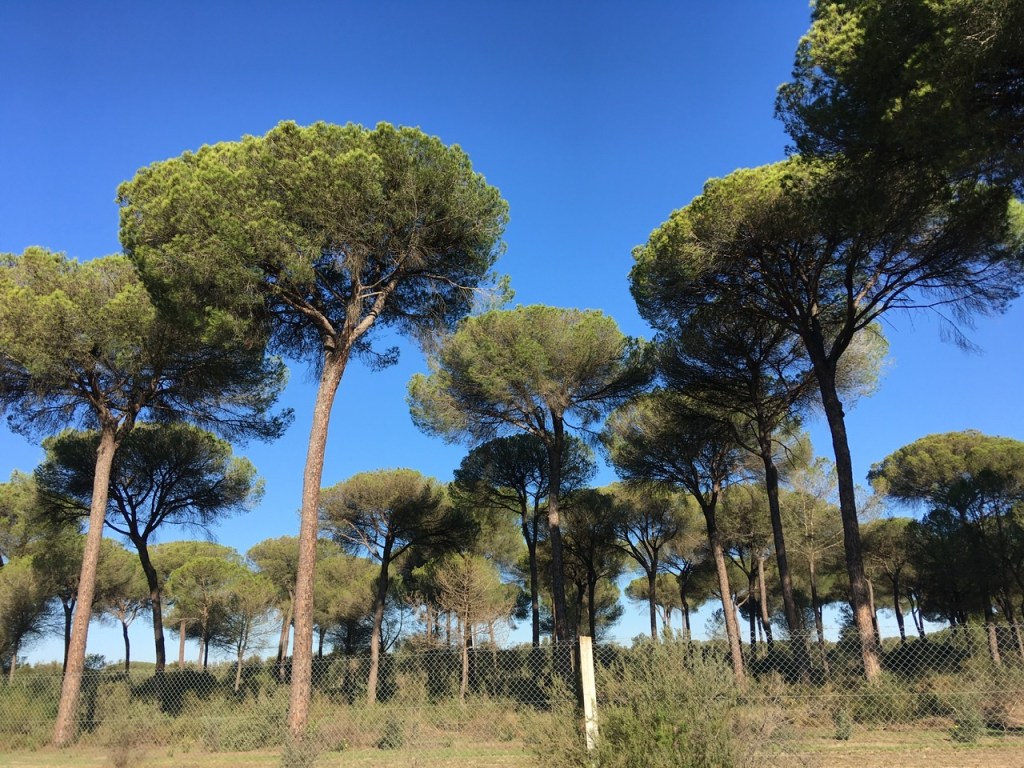
Doñana is a nature reserve in southwestern Spain, and the largest roadless area in Western Europe. It is home to many kids of migratory birds. Birds are attracted to the park because of all the water bodies, In an otherwise dry landscape, many of which are rice fields that get flooded.
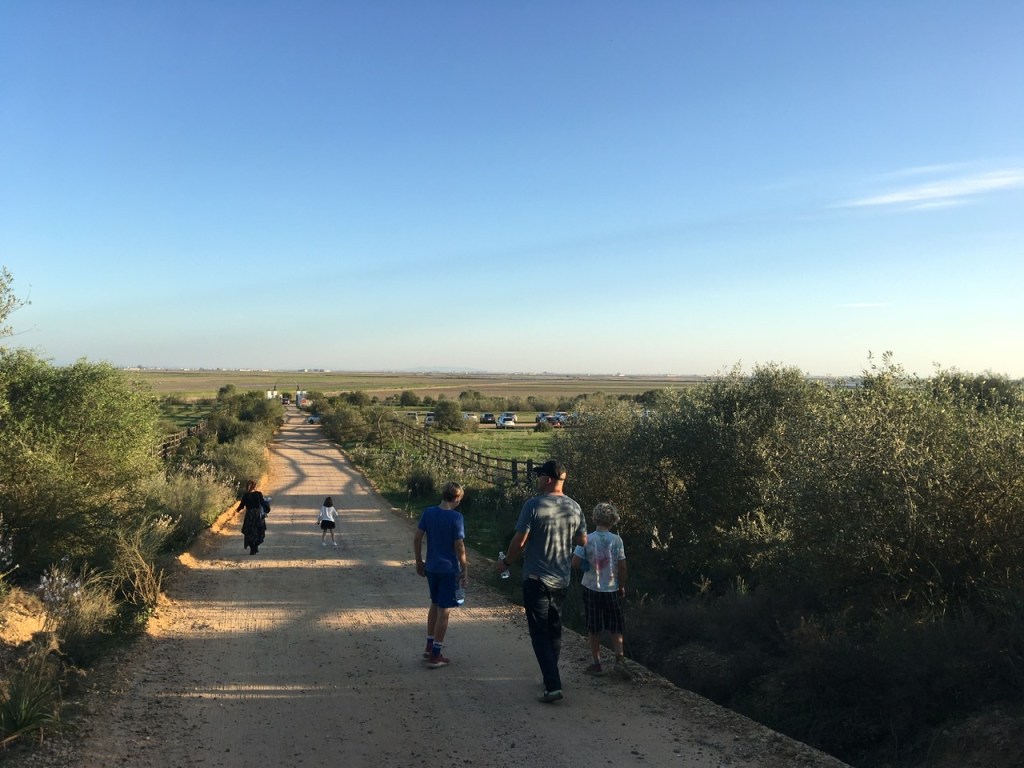
It is also one of the last two homes of the endangered Iberian Lynx, despite our hopes we did not get the possible rare glimpse.
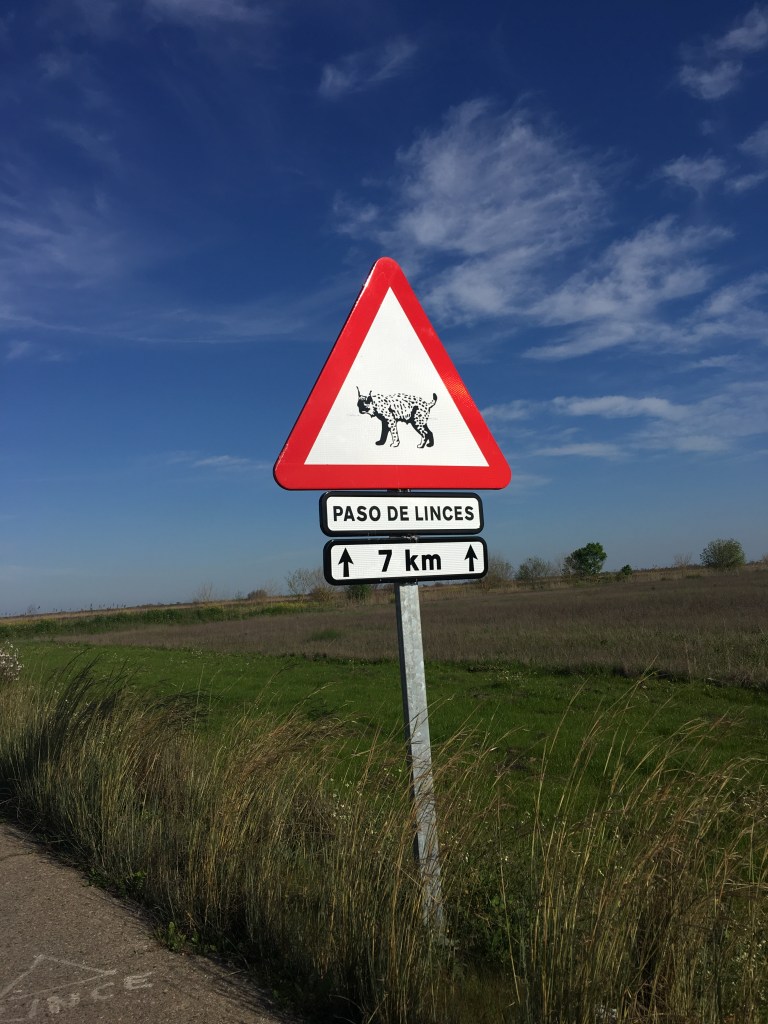
Because Doñana is so large, most people take 4 hour tours in 4X4 vehicles. Since we were trying to take a break from driving, we hoped to ride bikes. For a variety of reasons this didn’t work out, but we did do a few walks on some of the great trails that are found throughout the park. We explored just a small portion of this huge park.
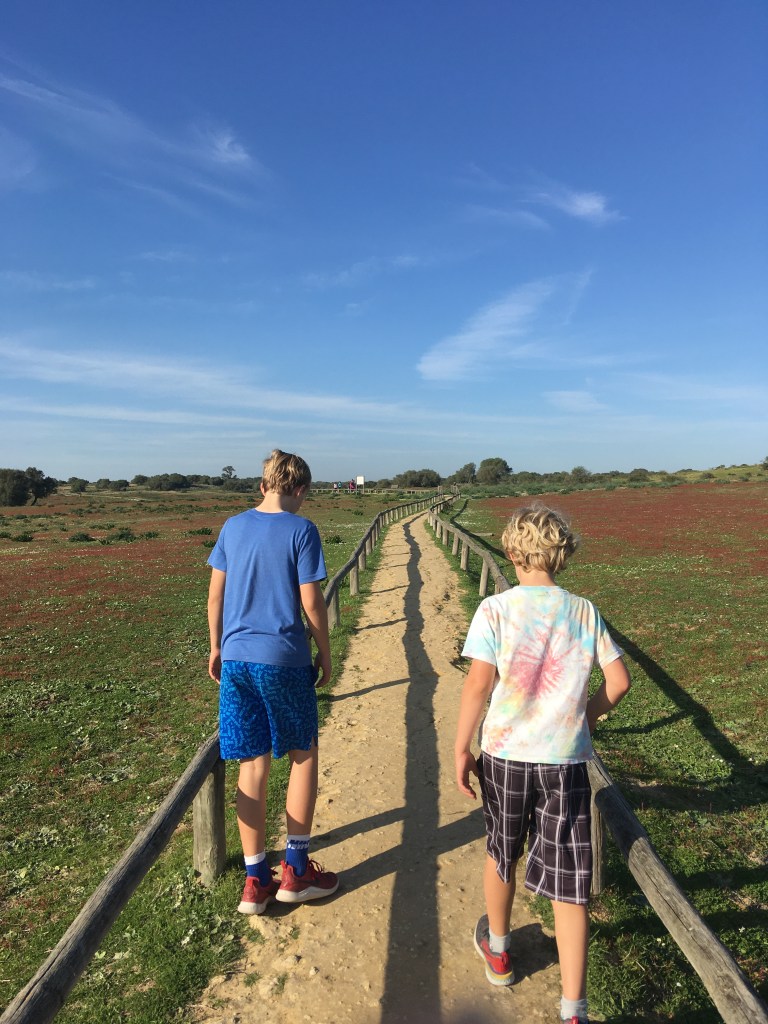
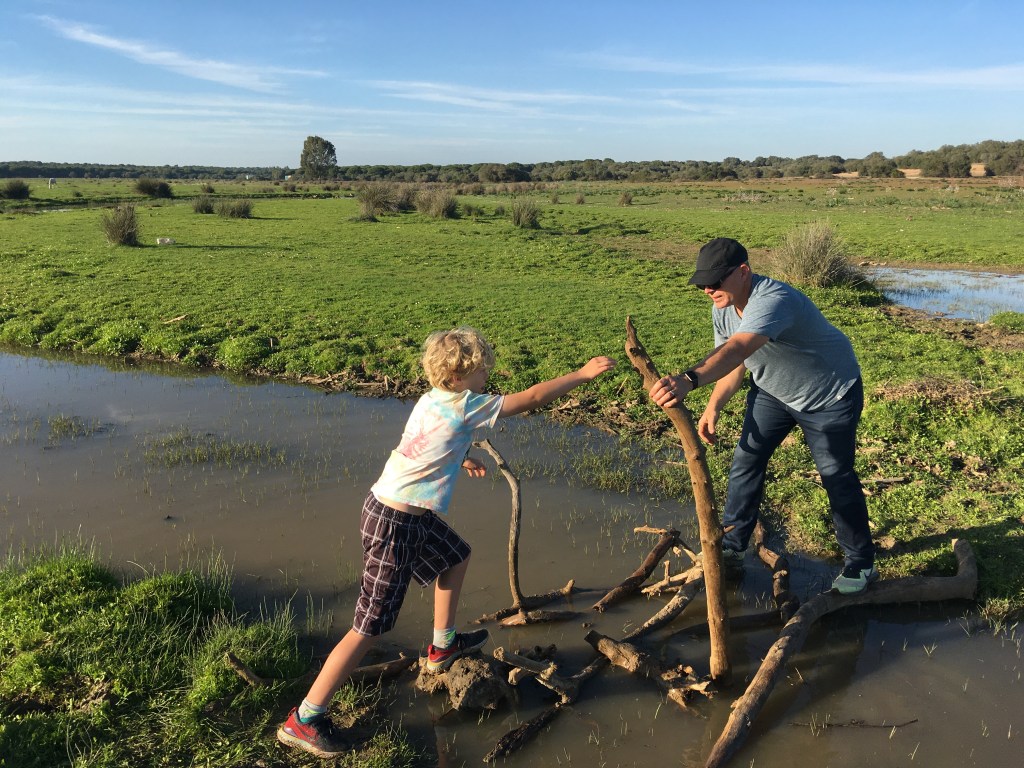
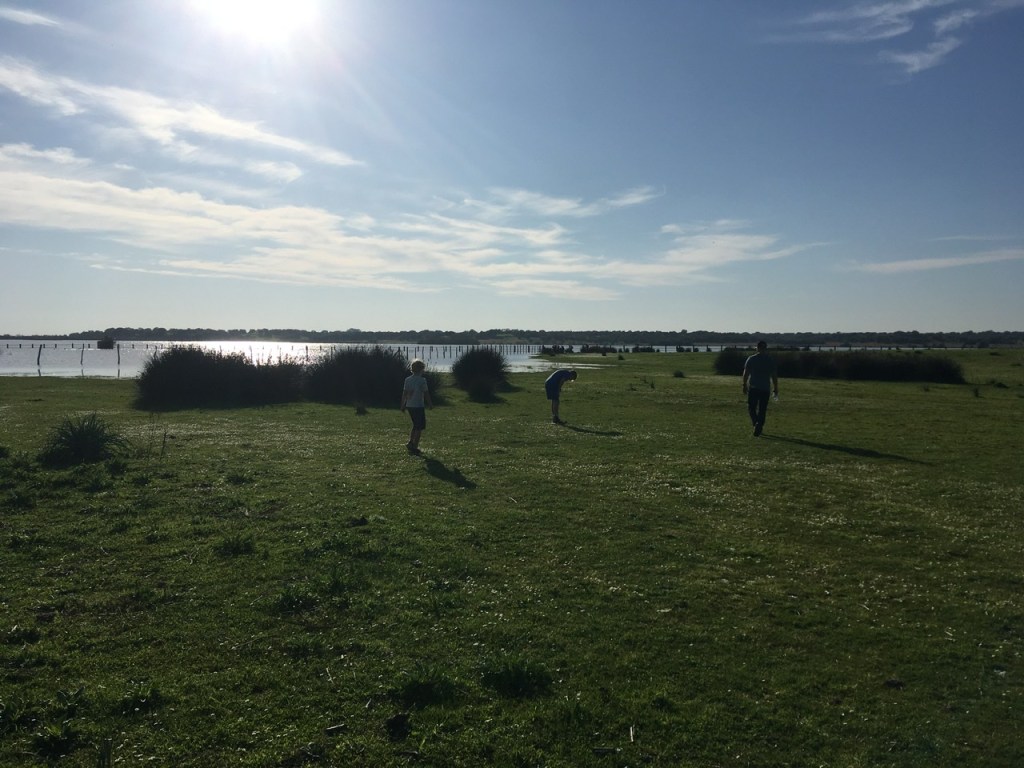
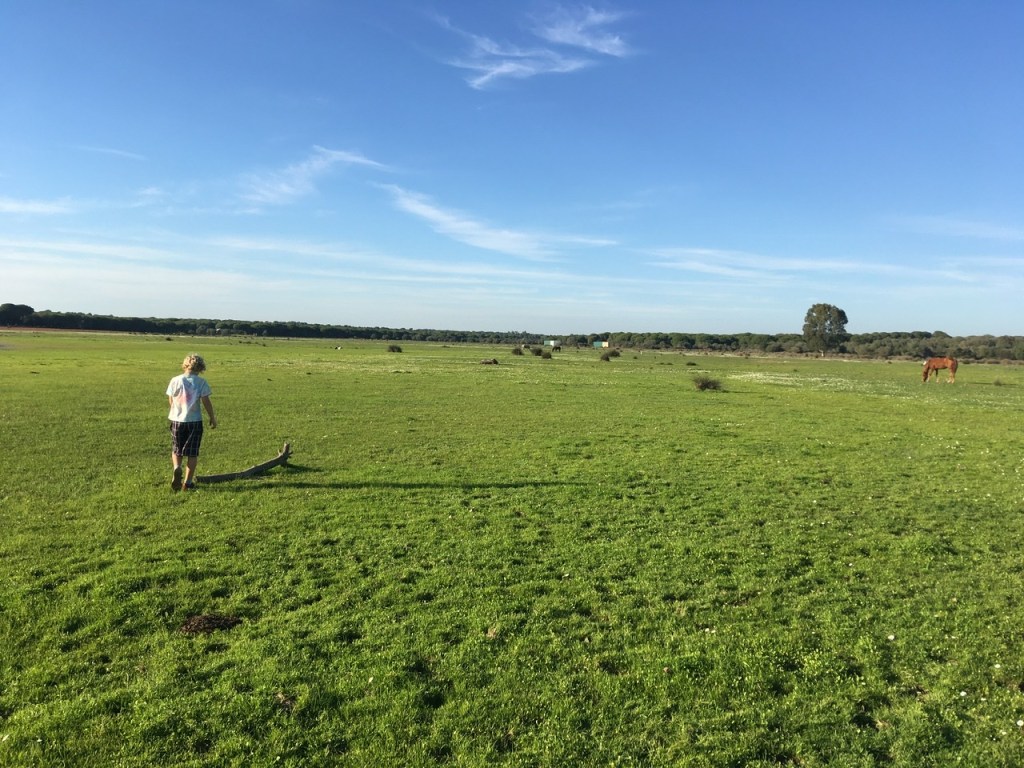
Doñana is a great place for bird watchers.
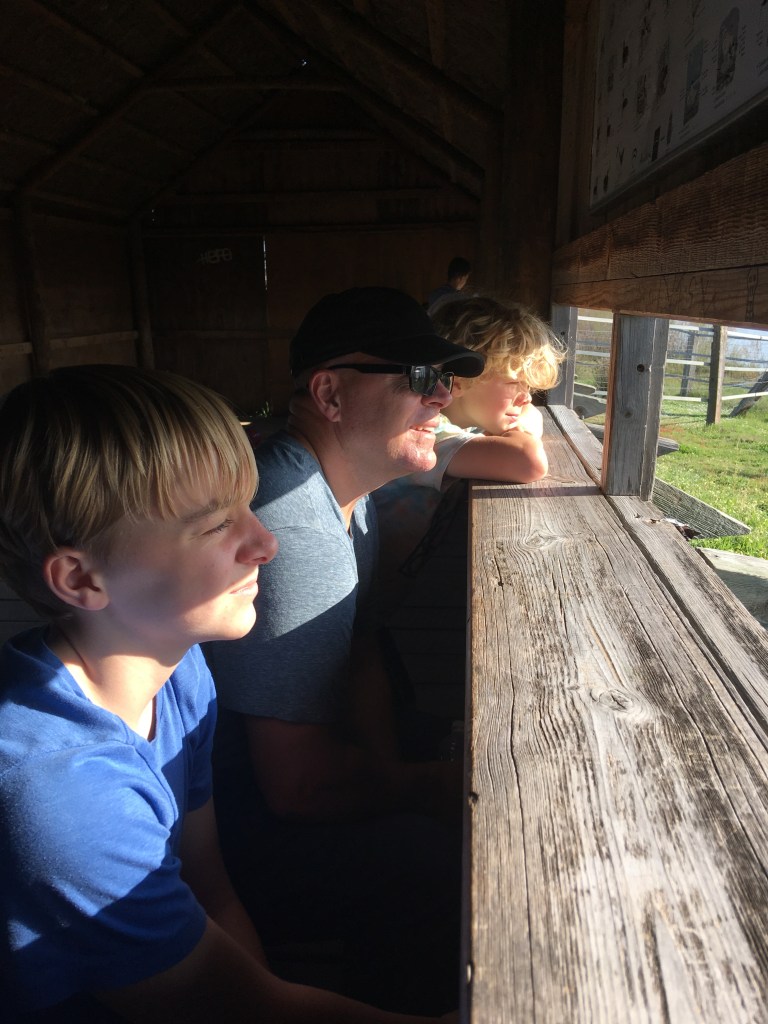
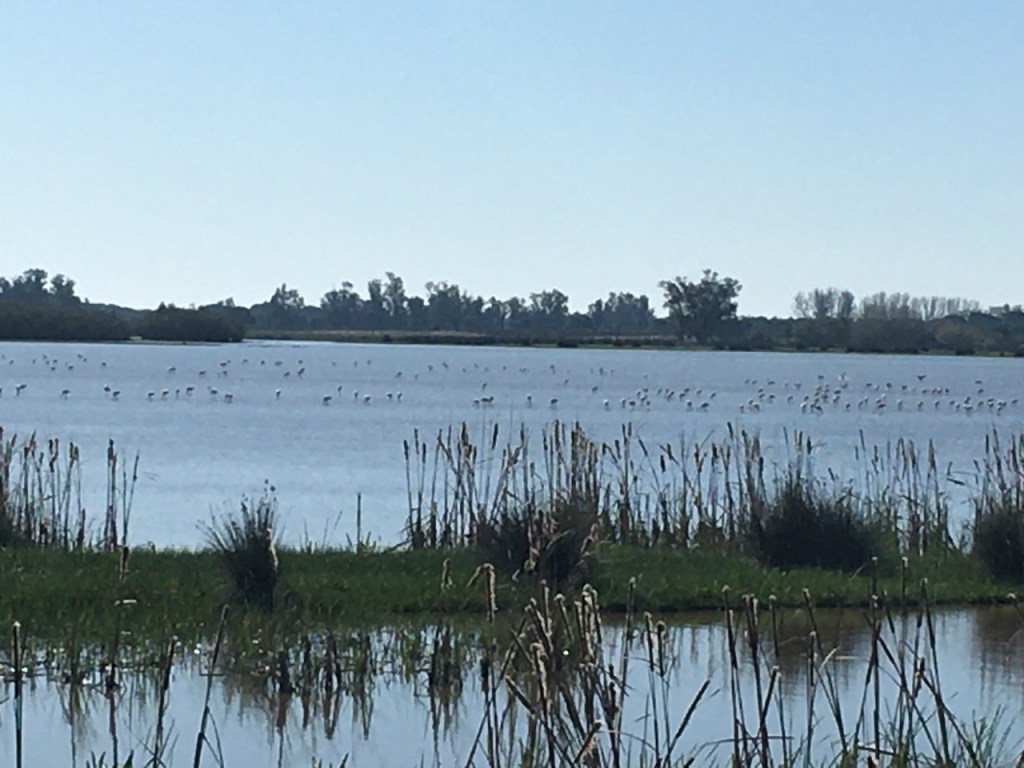
One of Doñana’s most exciting inhabitants are the flamingos. We were lucky enough to see them twice. Unfortunately, they are shy of people and kept their distance, but with binoculars we got a good look at them.
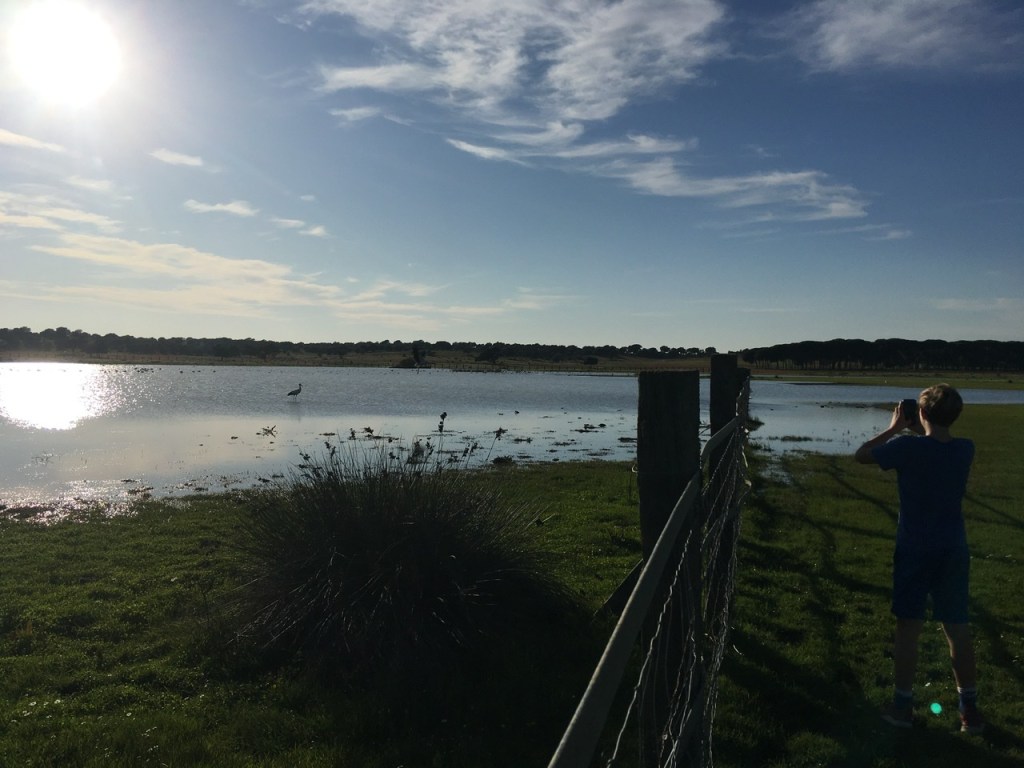
What we saw the most of were the white cranes. They were everywhere!
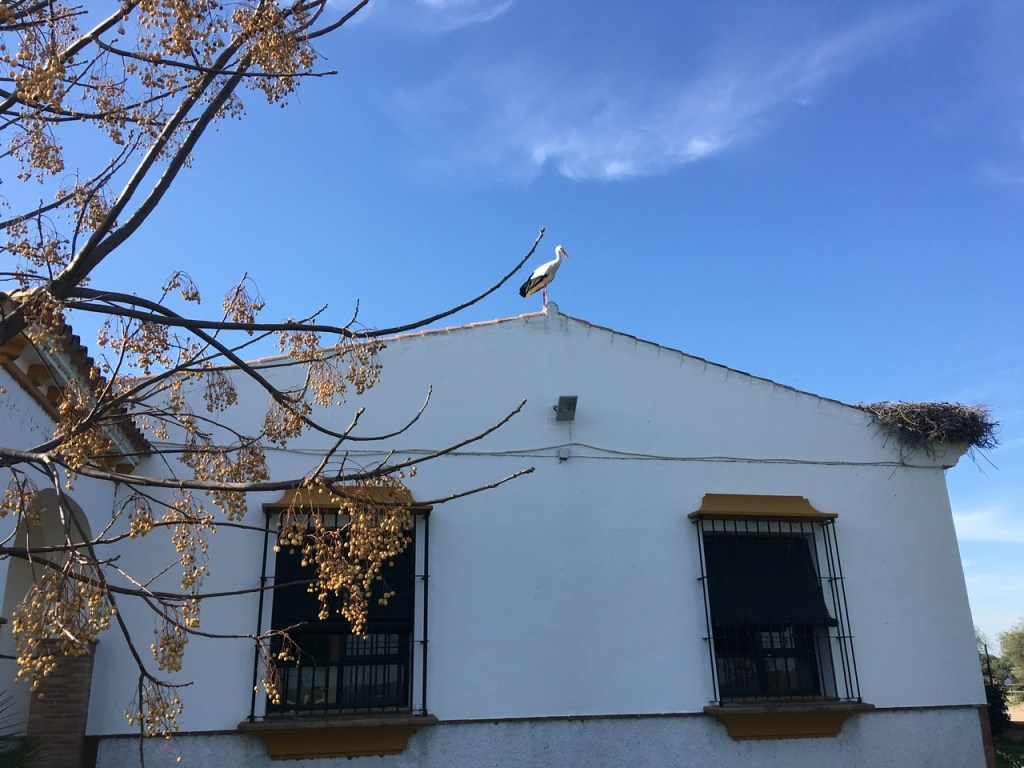
Even after we left the park we continued to see the white cranes along the road, even into Portugal.
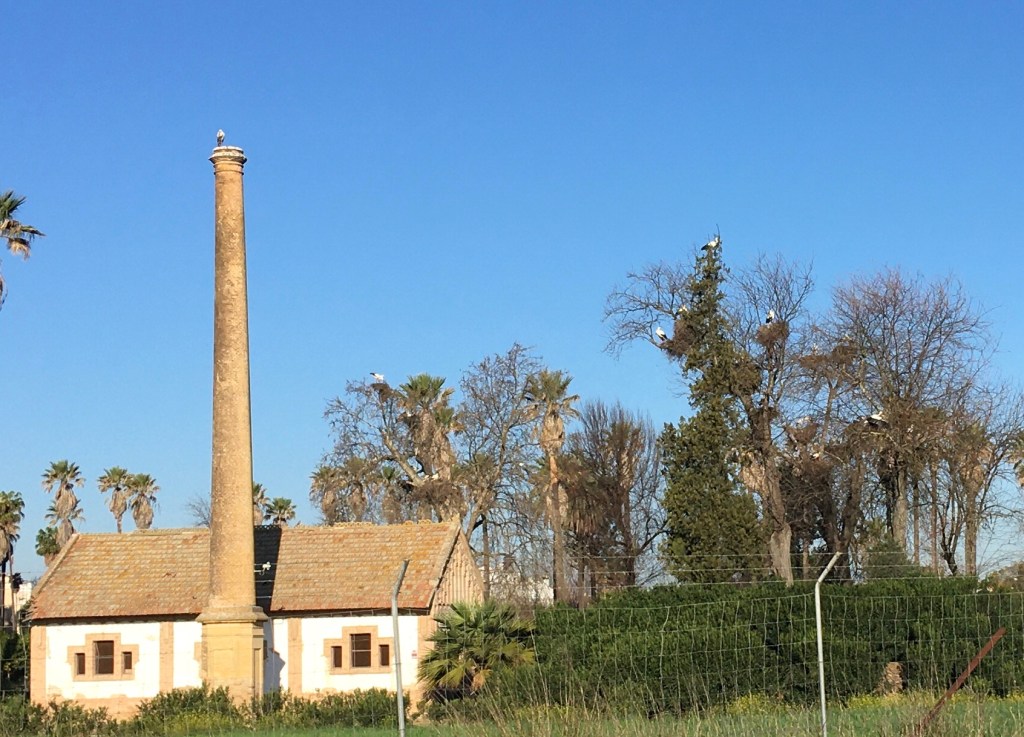
Look carefully, there are at least 8 in the trees and on the chiminey. 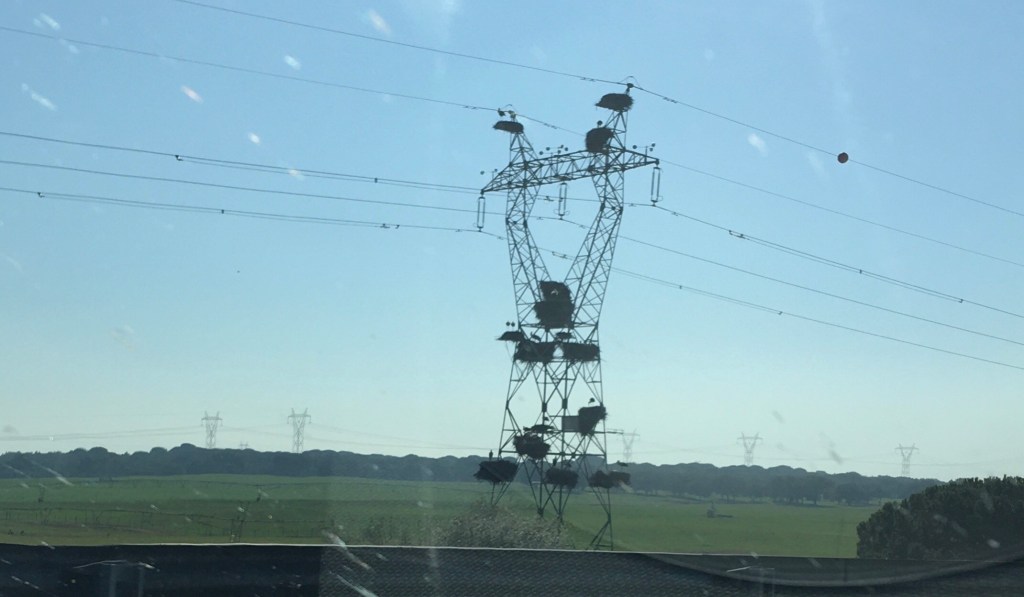
And at least 12 on this power line tower.
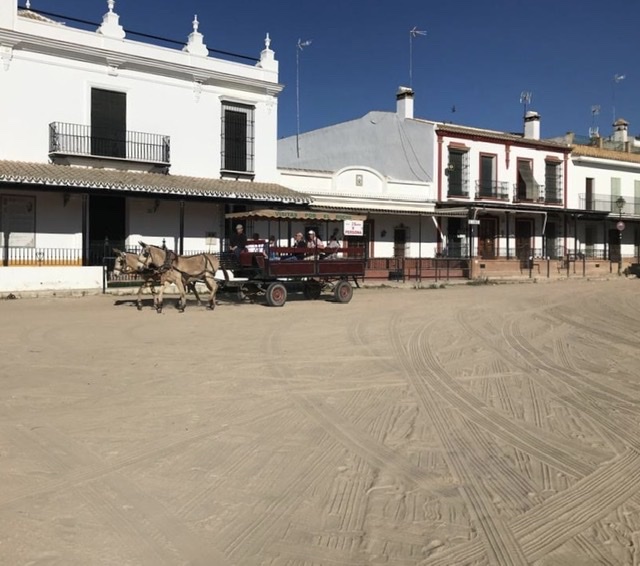
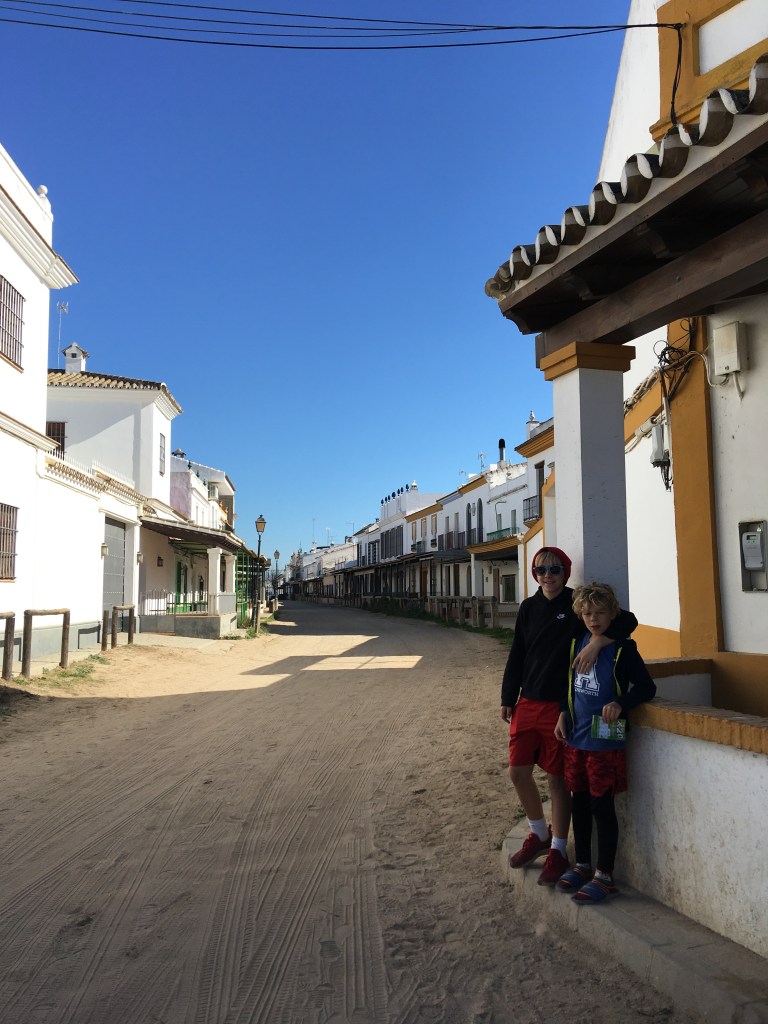
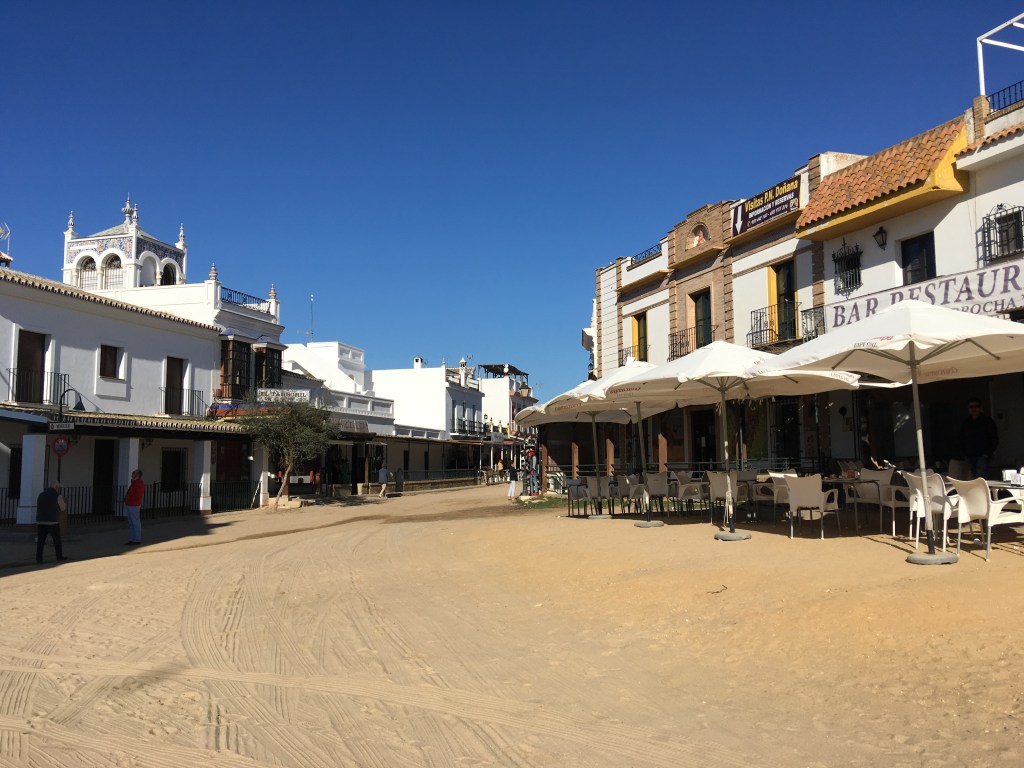
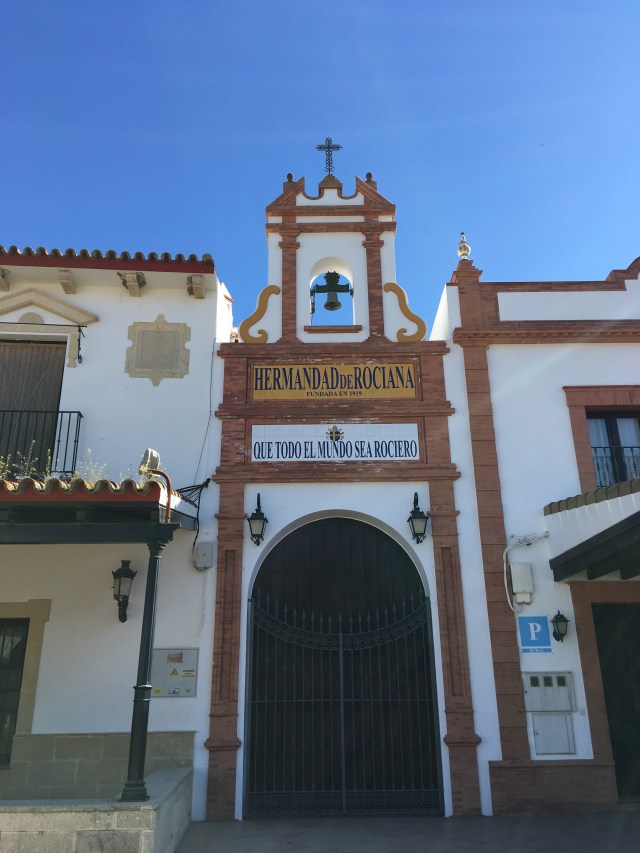
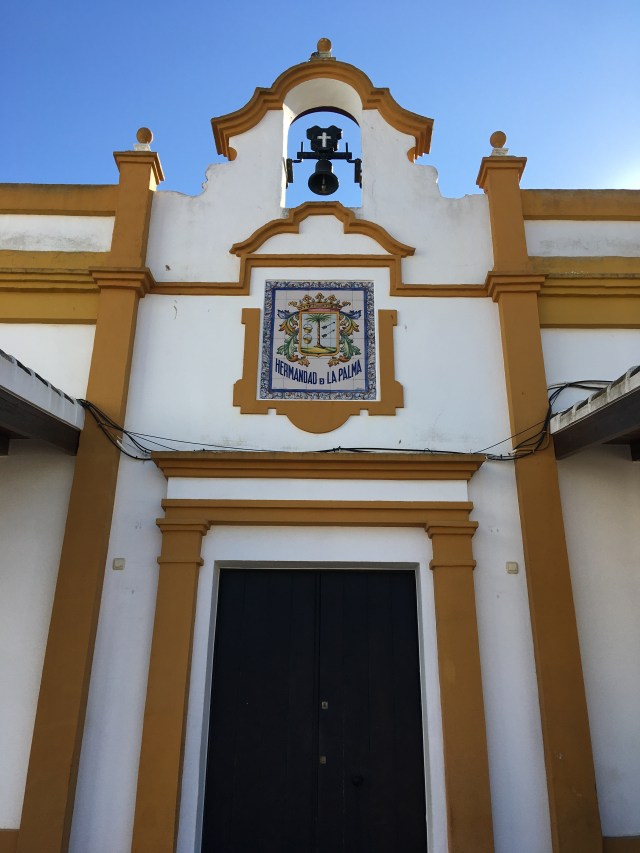
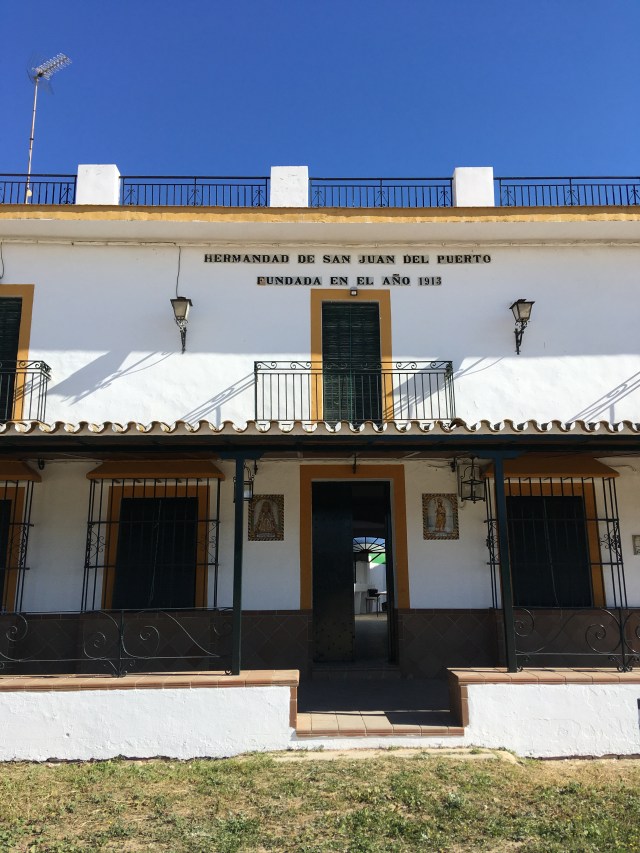
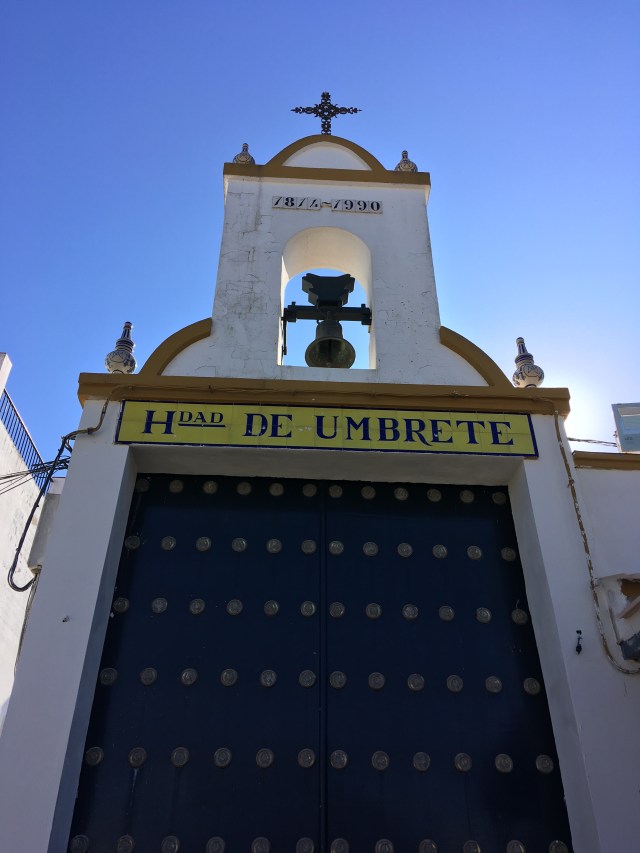
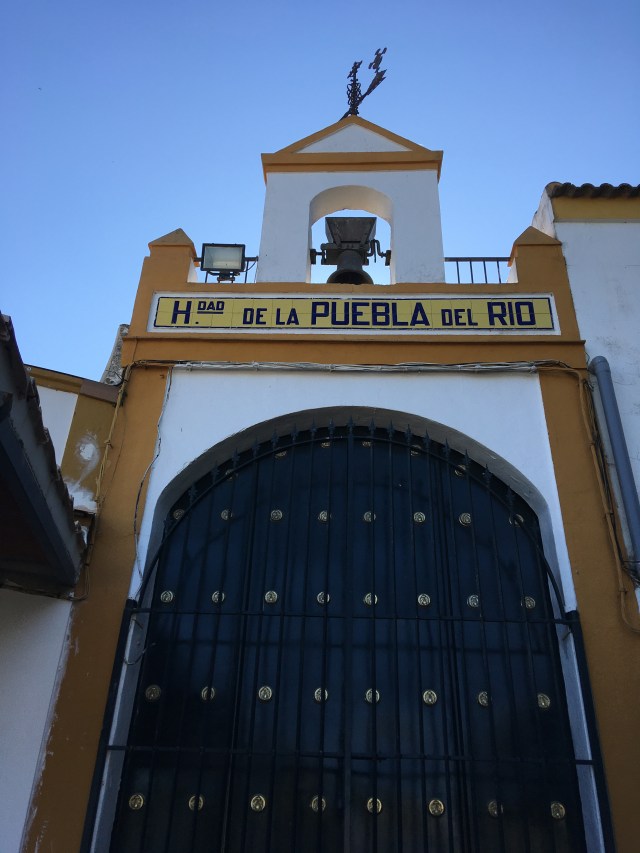
In the middle of the park is the little town of El Rocío. This old town looks like something from the Wild West, with only sand roads and lots of horse drawn wagons. Once a year there is a pilgrimage of a million people who come by horse carriage to visit the church in the center of town. The rest of the year the town is basically empty.
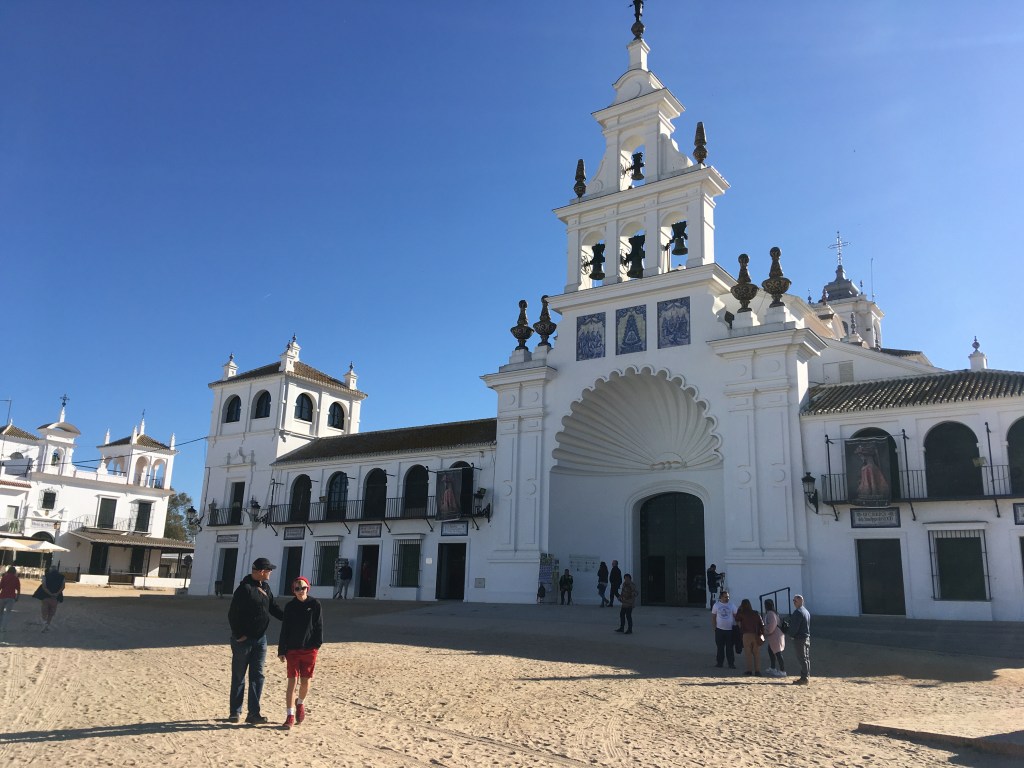
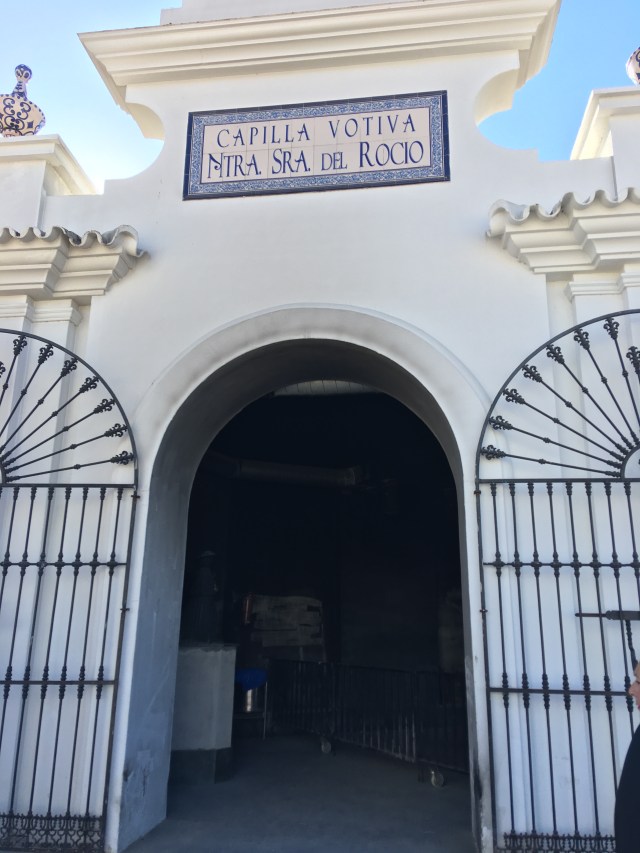
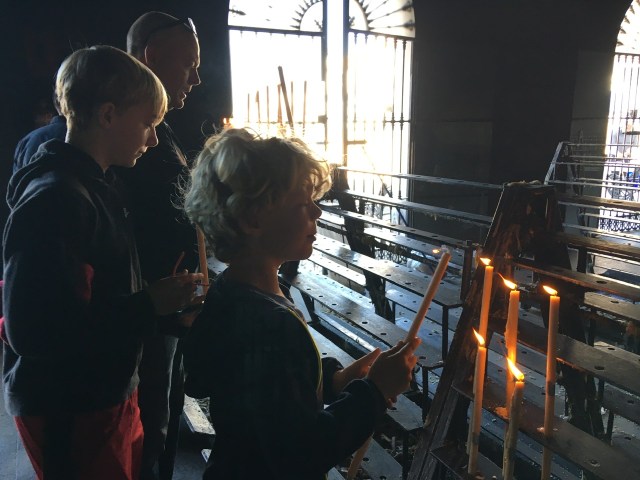
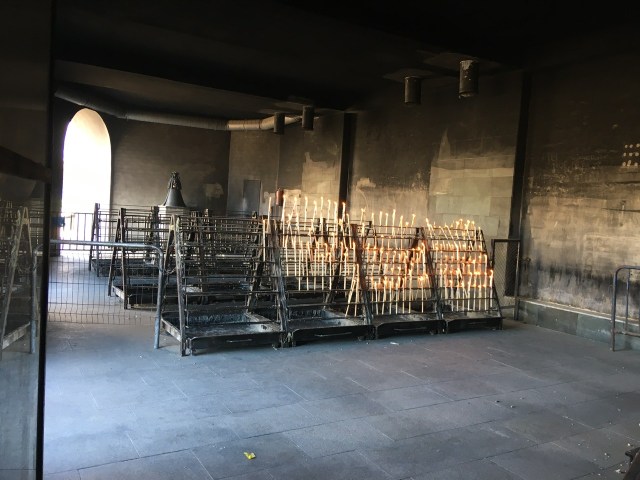
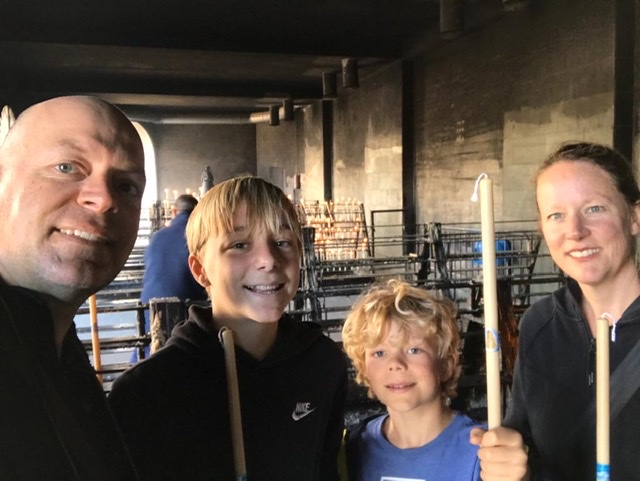
Also in El Rocío, next to a church is a building made just for lighting prayer candles. I can imagine with so many pilgrims, it would be too many candles in the church.
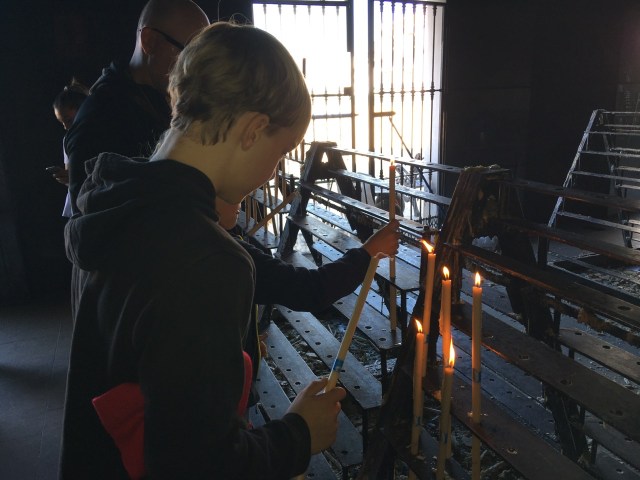
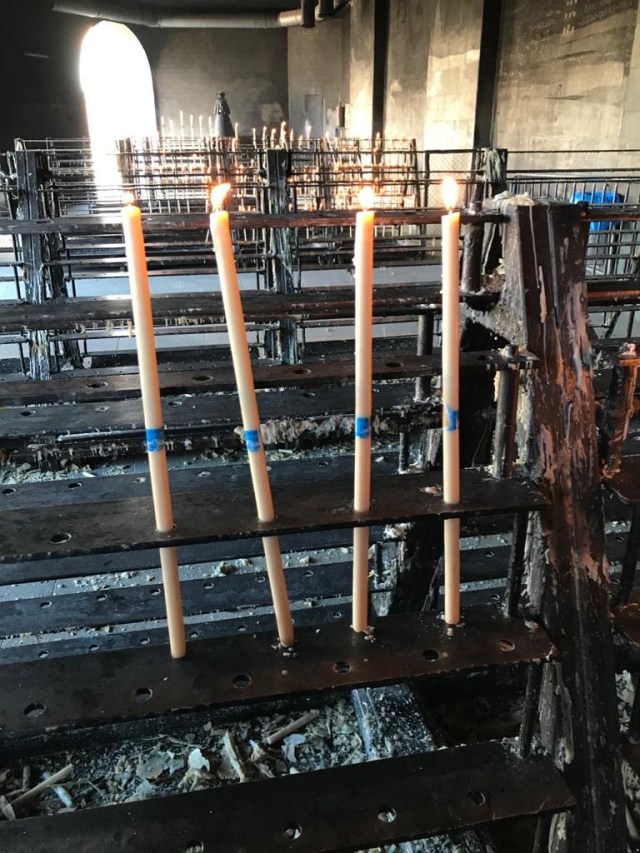
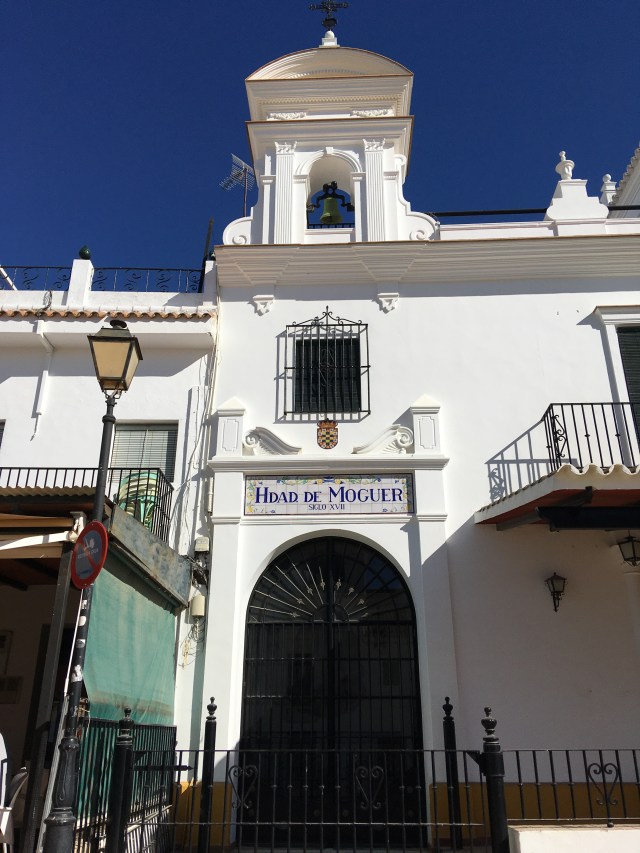
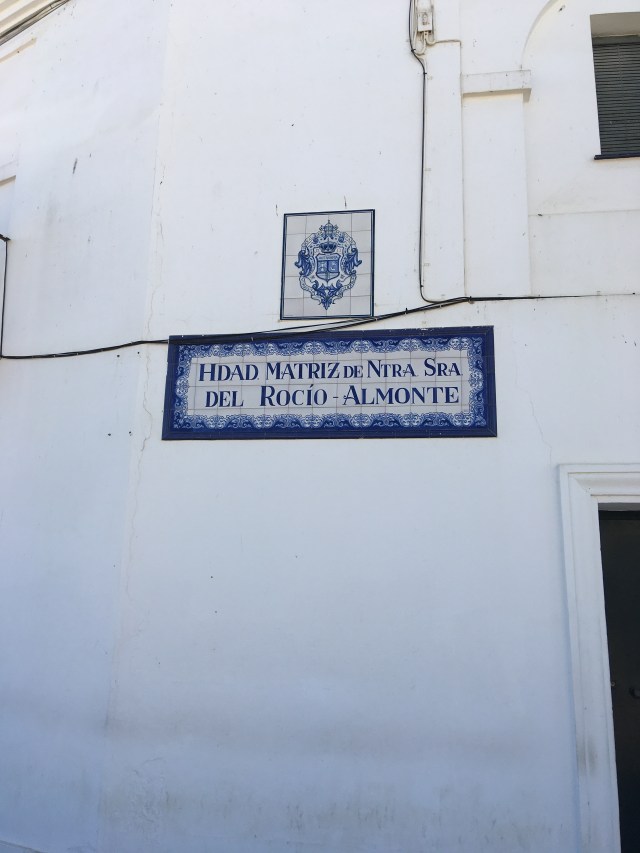
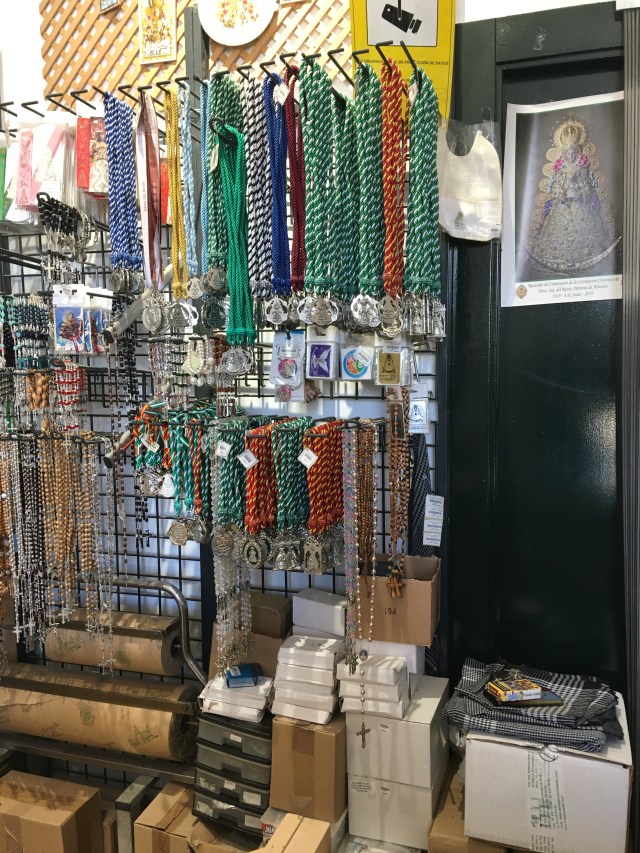
Representatives from a variety of “hermandades,” Catholic brotherhoods come for the pilgrimage as well. Each hermandad has a building to house their pilgrims during the celebrations. They identify themselves with color coded ropes holding medals that are worn around their necks. Part of the pilgrimage includes carrying the statue of the virgen around town, The hermandades compete to be the ones to carry the statue at the end of the procession into the church.
Doñana is definitely somewhere we needed more time.

 Adrift in Andalucía