Has a week already passed? Has it only been a week?
So much has happened. Where do we start?
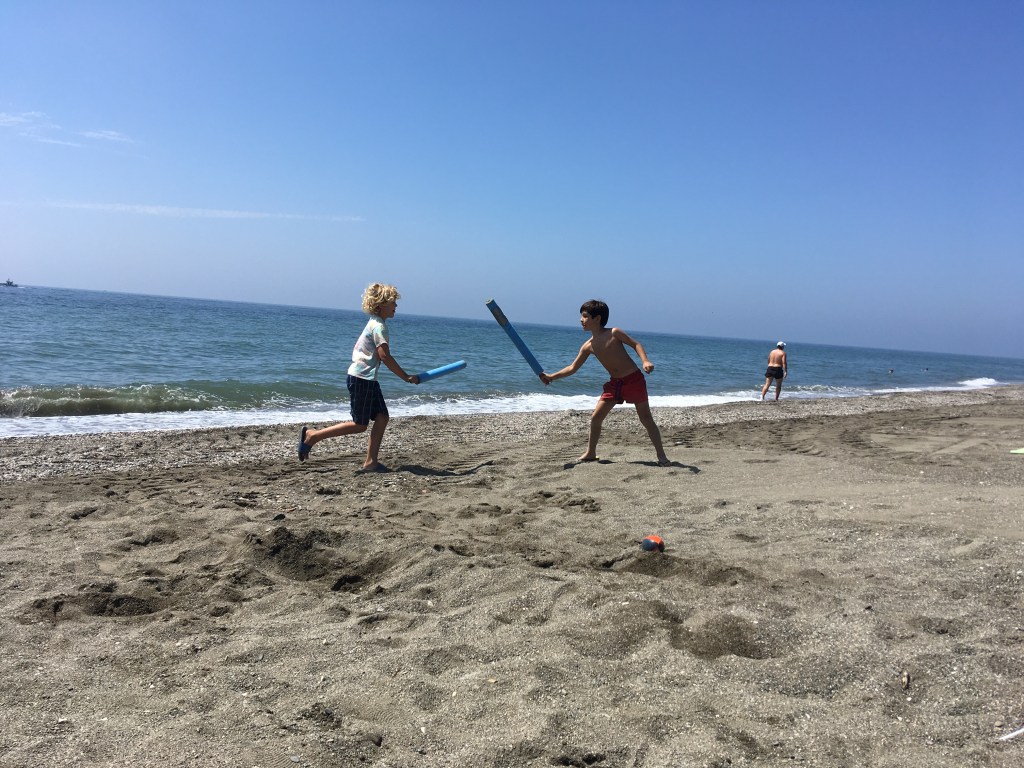
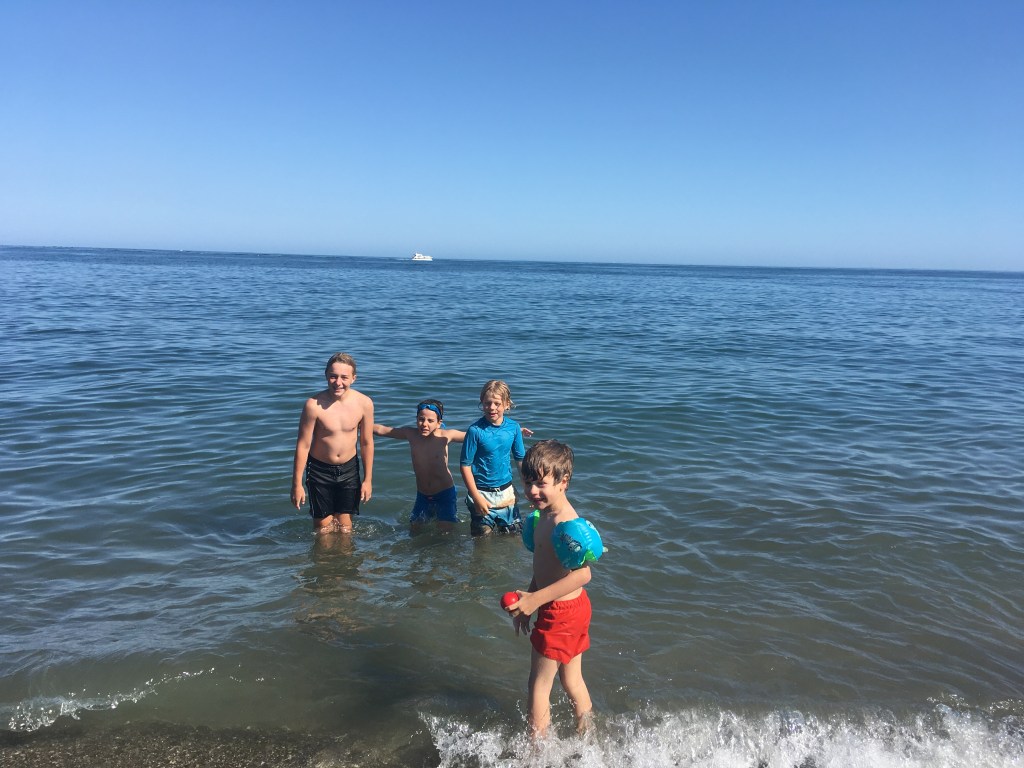
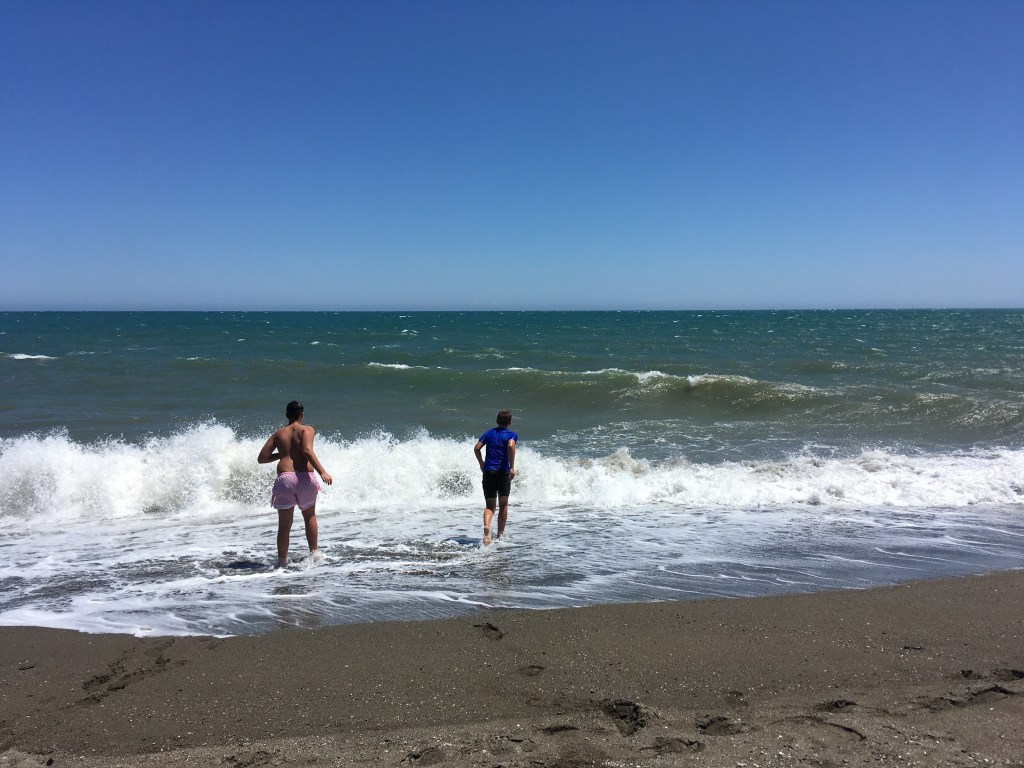
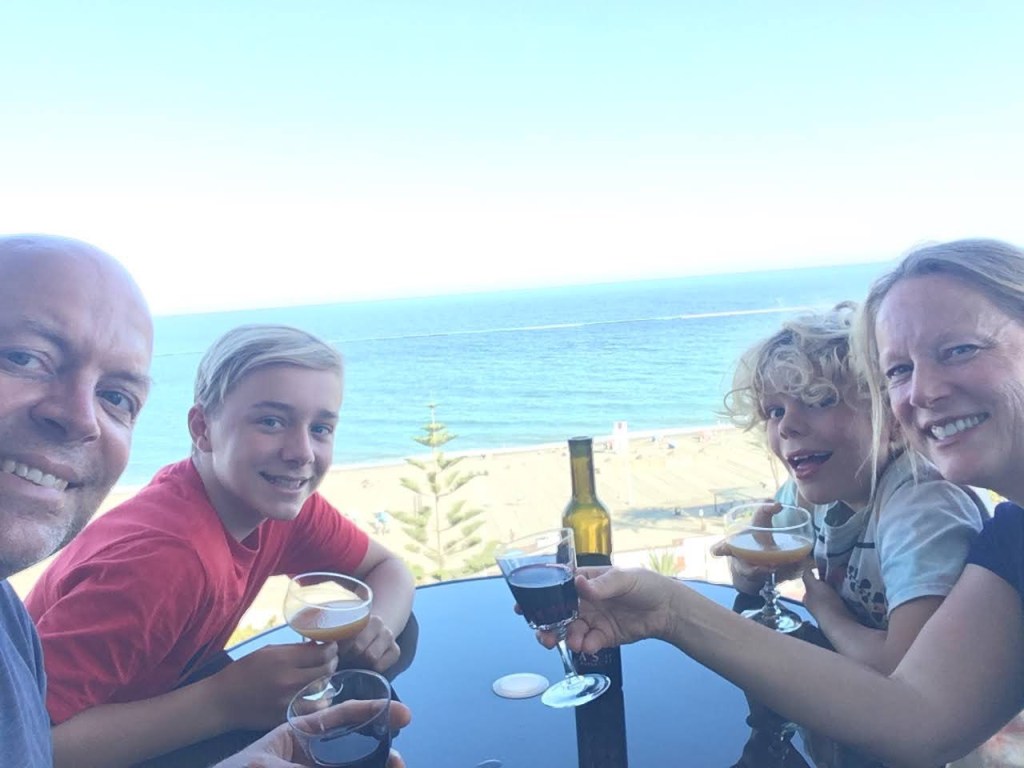
Since we hadn’t actually spent much time in Torre Del Mar before starting our adventure, we decided to rent an apartment for one month, to give us time to get to know the town and the neighborhoods, before settling on a long term home.
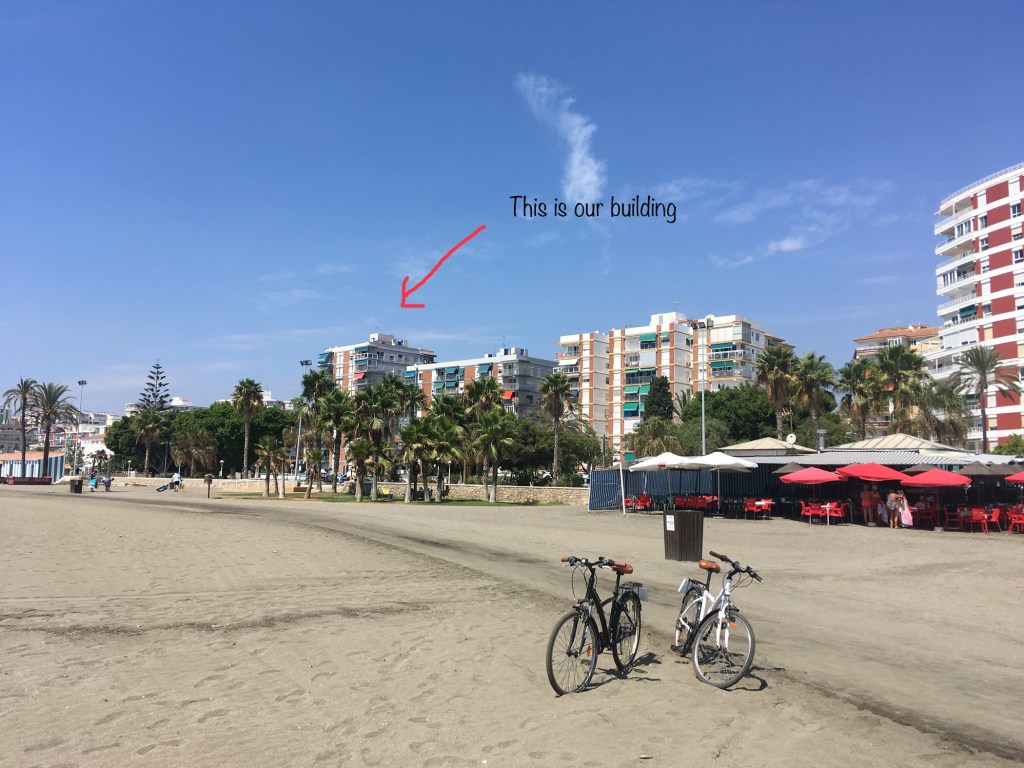
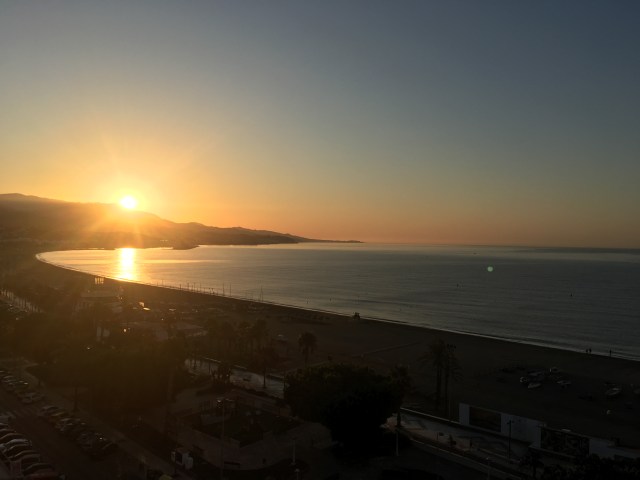
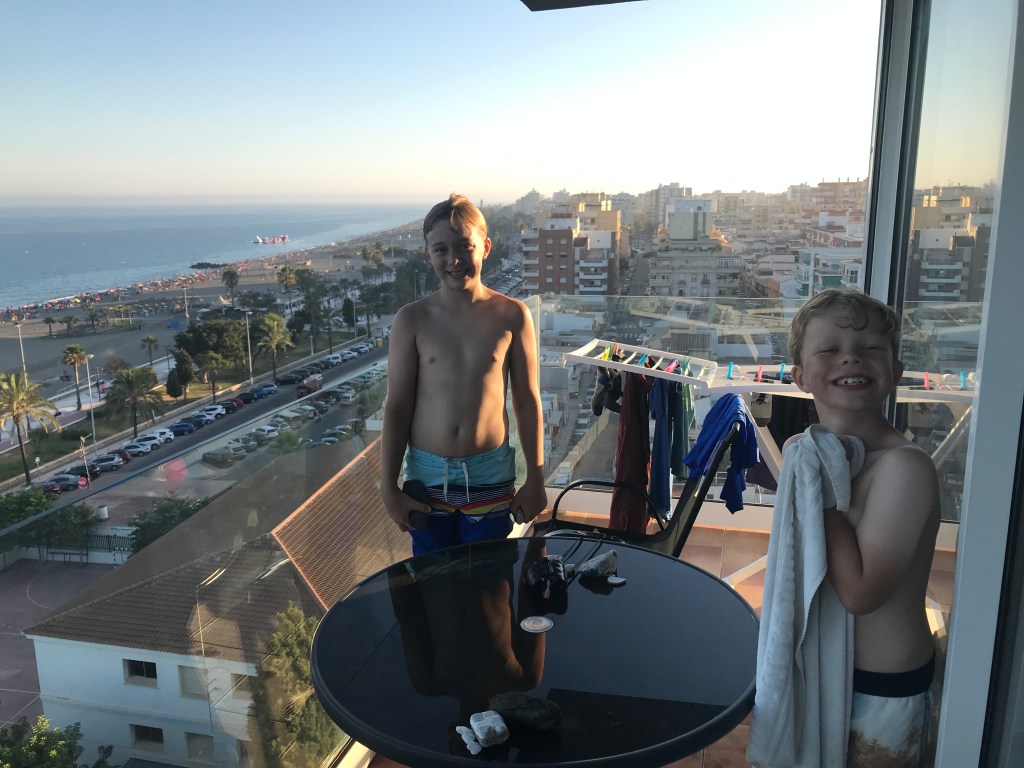
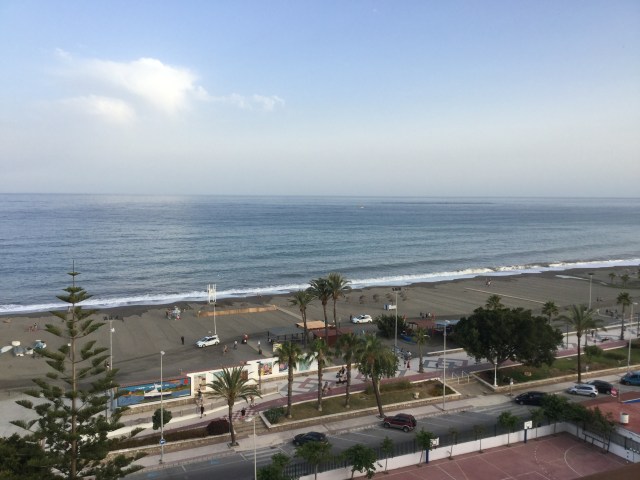
Torre Del Mar is a popular summer vacation spot for Spaniards and other Europeans, so it is currently high season. Rents for August are quite expensive, so we chose a small apartment. Despite being small, this apartment is in an amazing spot. The apartment is on the first street off of the beach.
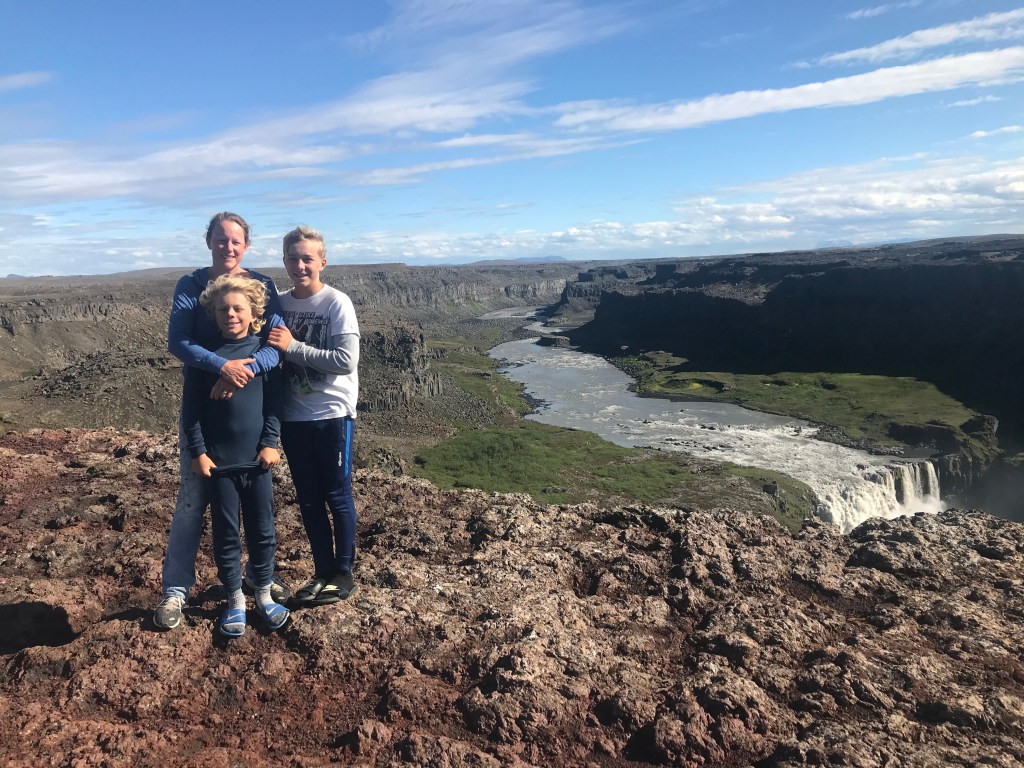
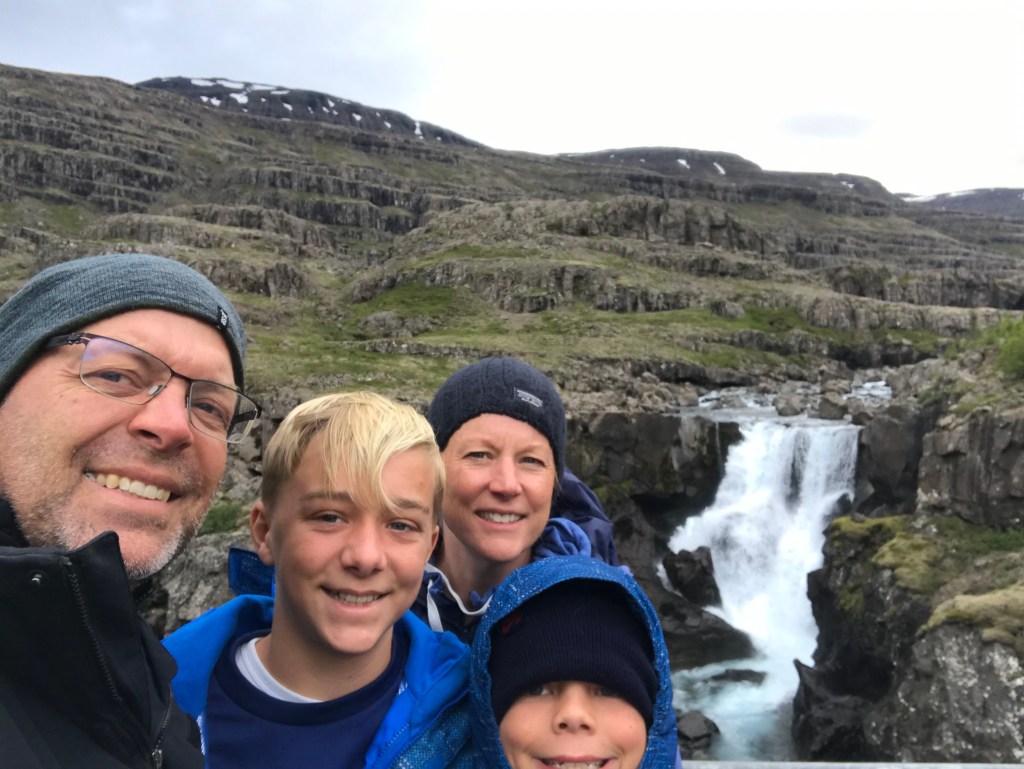
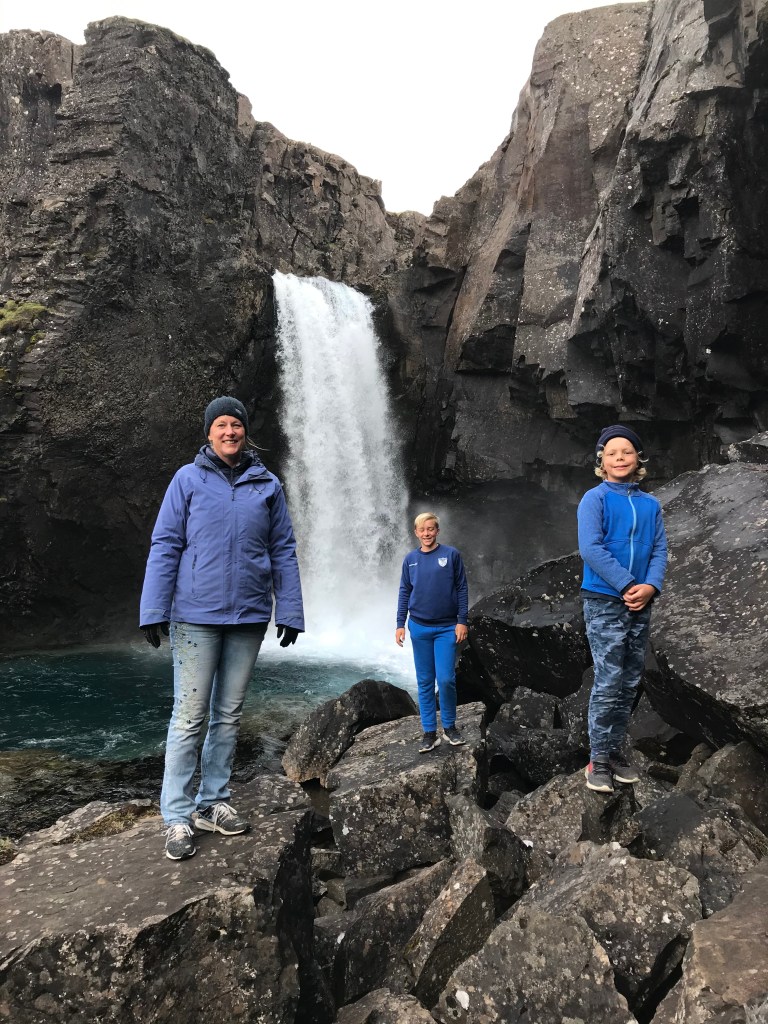
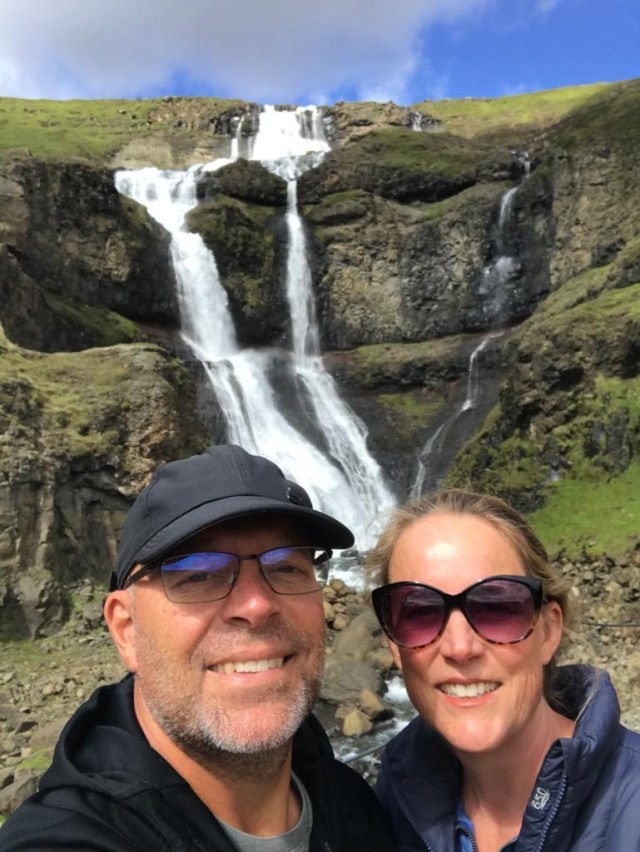
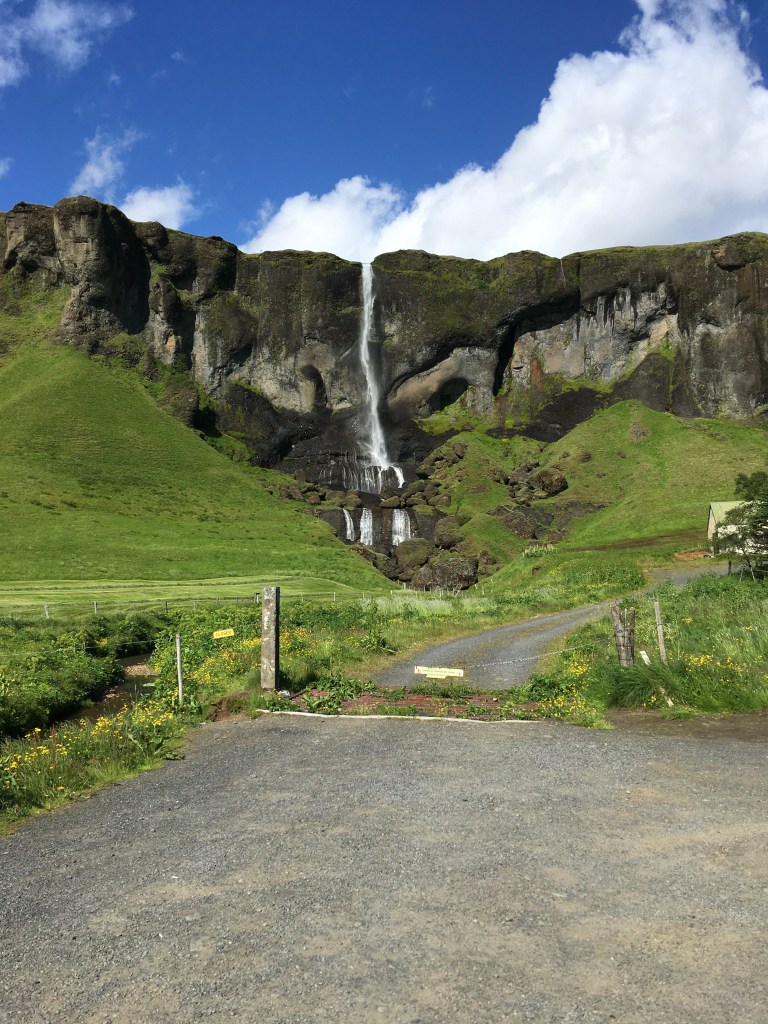
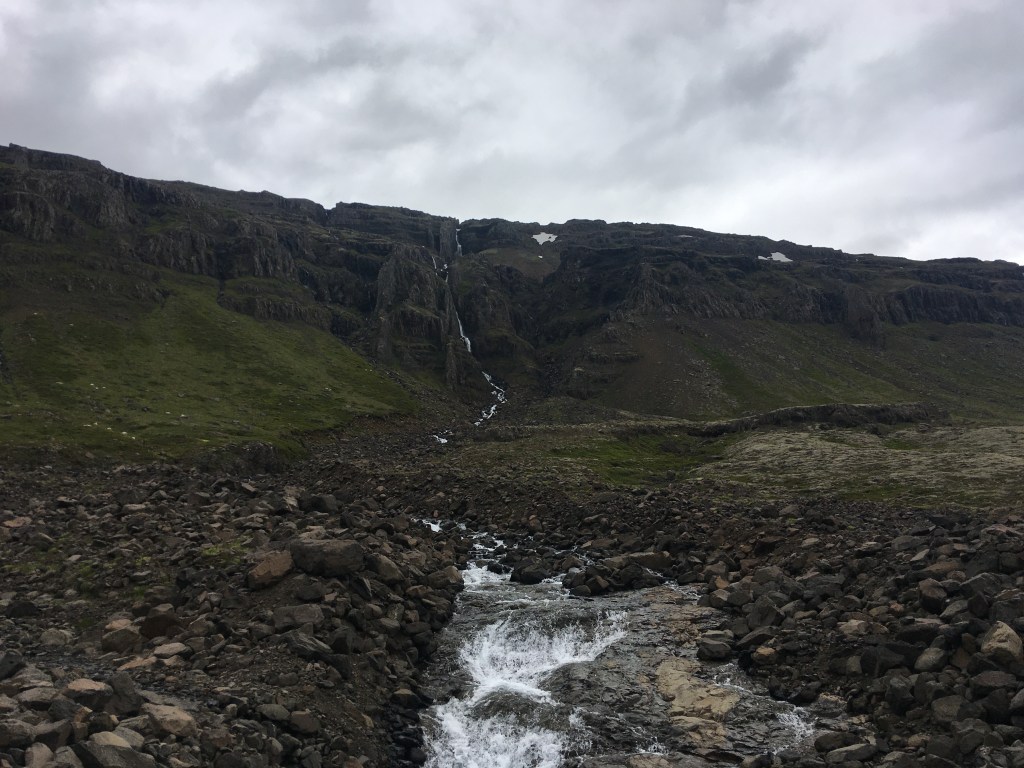
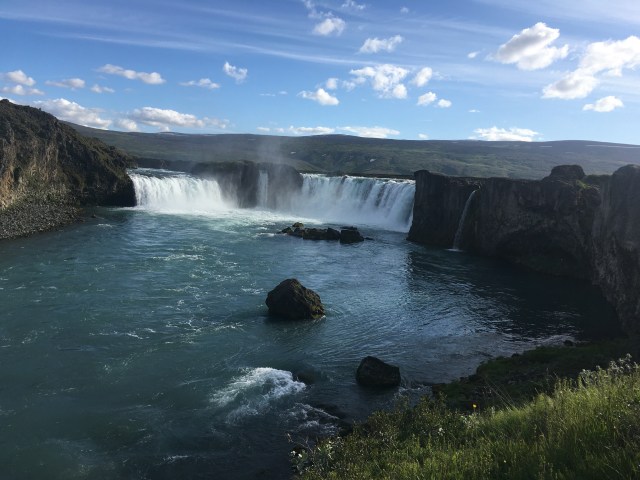
Besides the amazing scenery, there were some interesting and fun roadside attractions to stop at and stretch our legs.
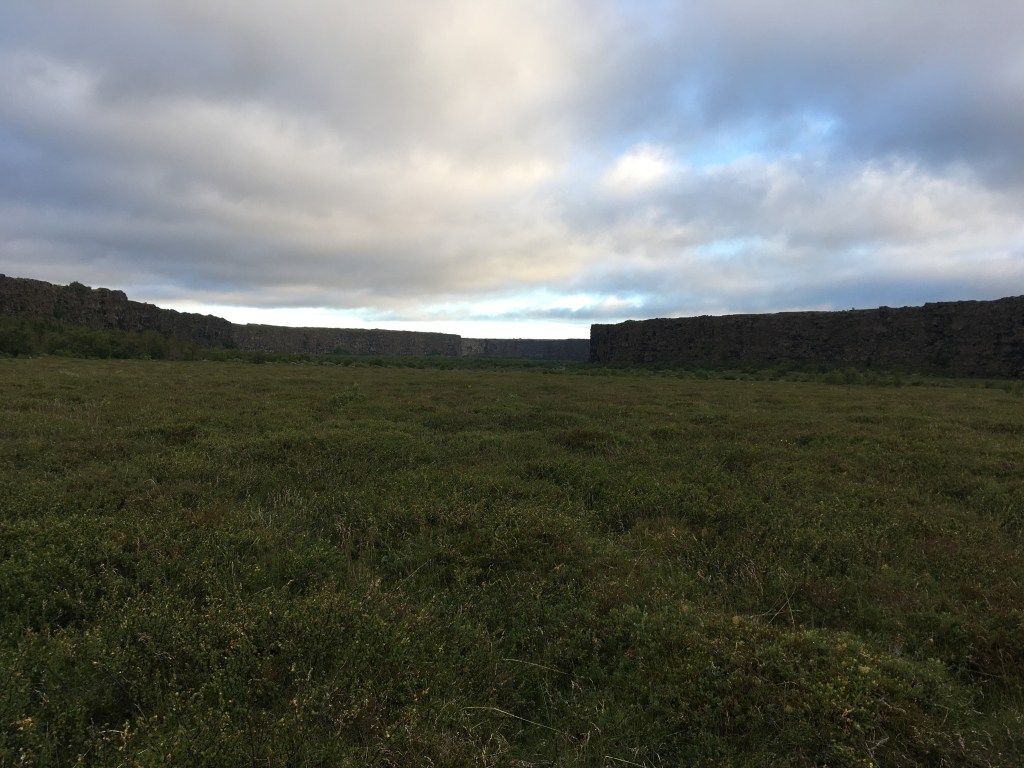
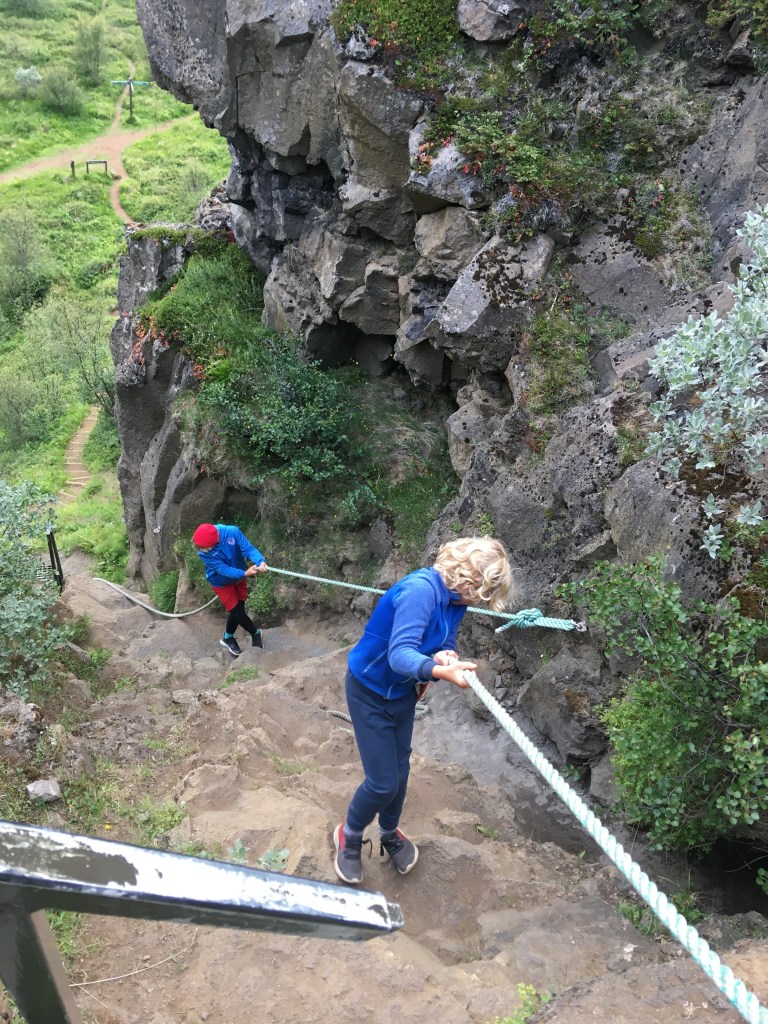
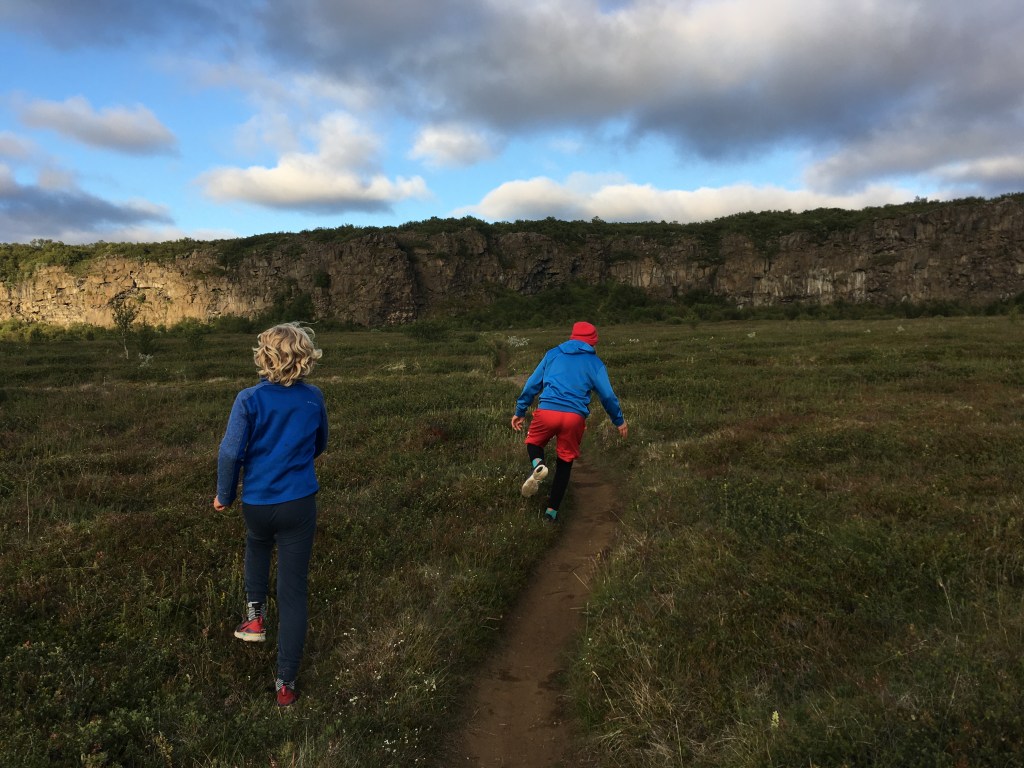
Aspyrgi Canyon. Local lore says it is the spot where Odin’s eight-legged horse Sleipnir stepped down leaving a horseshoe shaped canyon surrounded by high basalt walls.
We got to scale the basalt cliff out of the canyon.
Inside the canyon
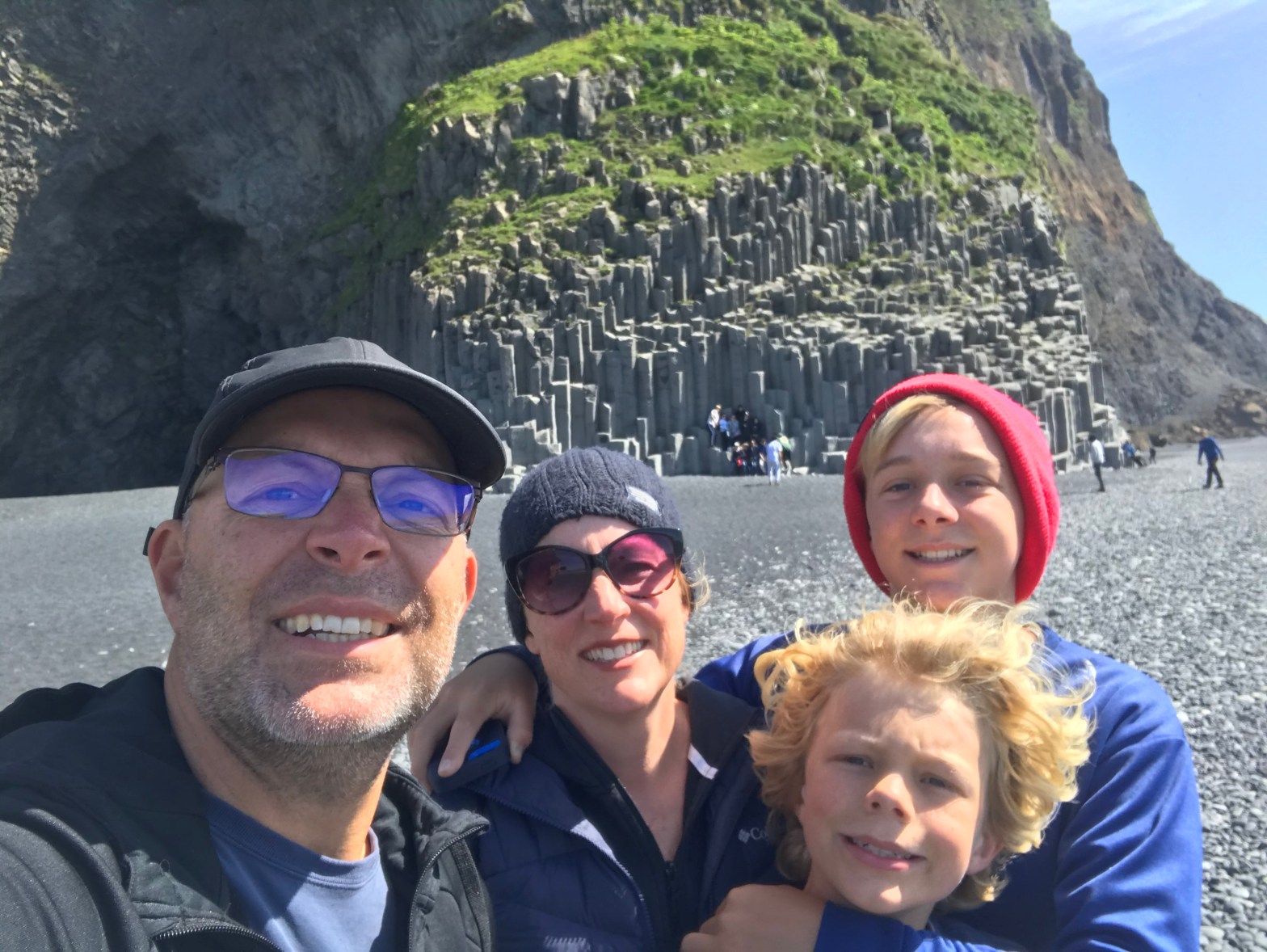
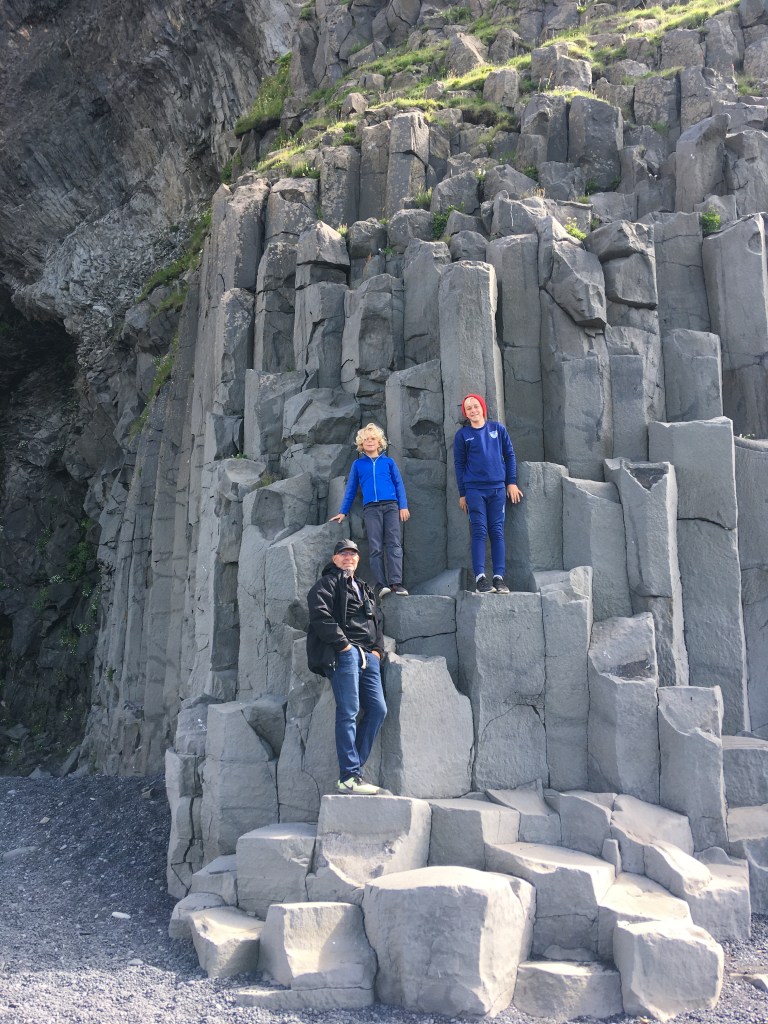
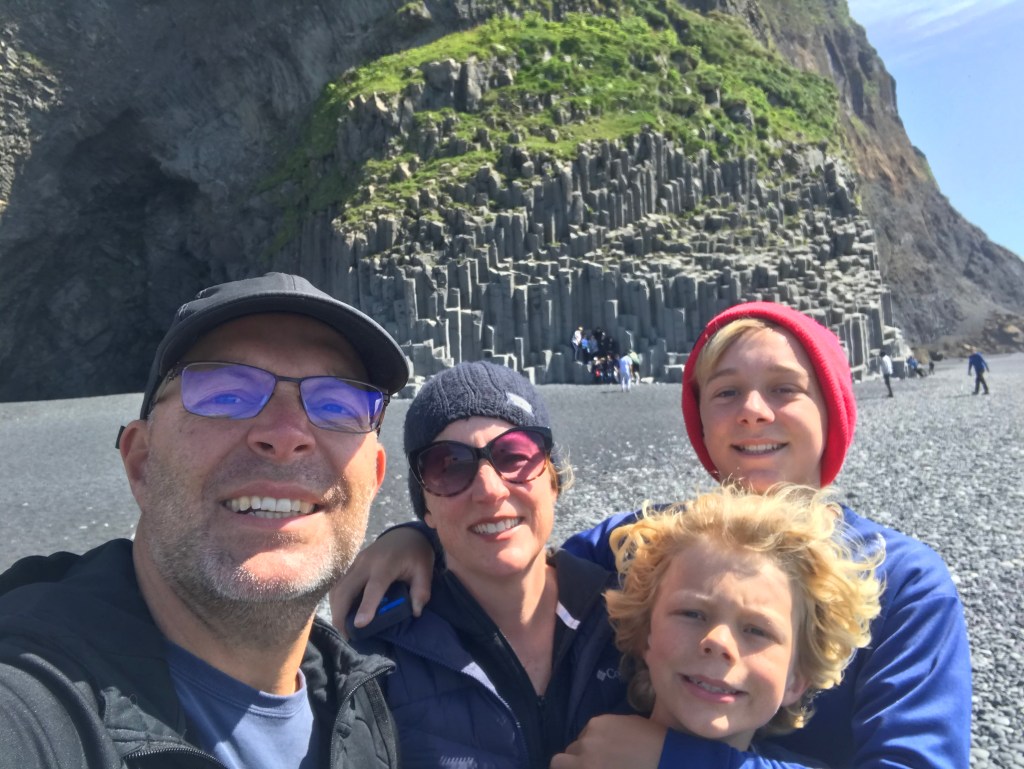
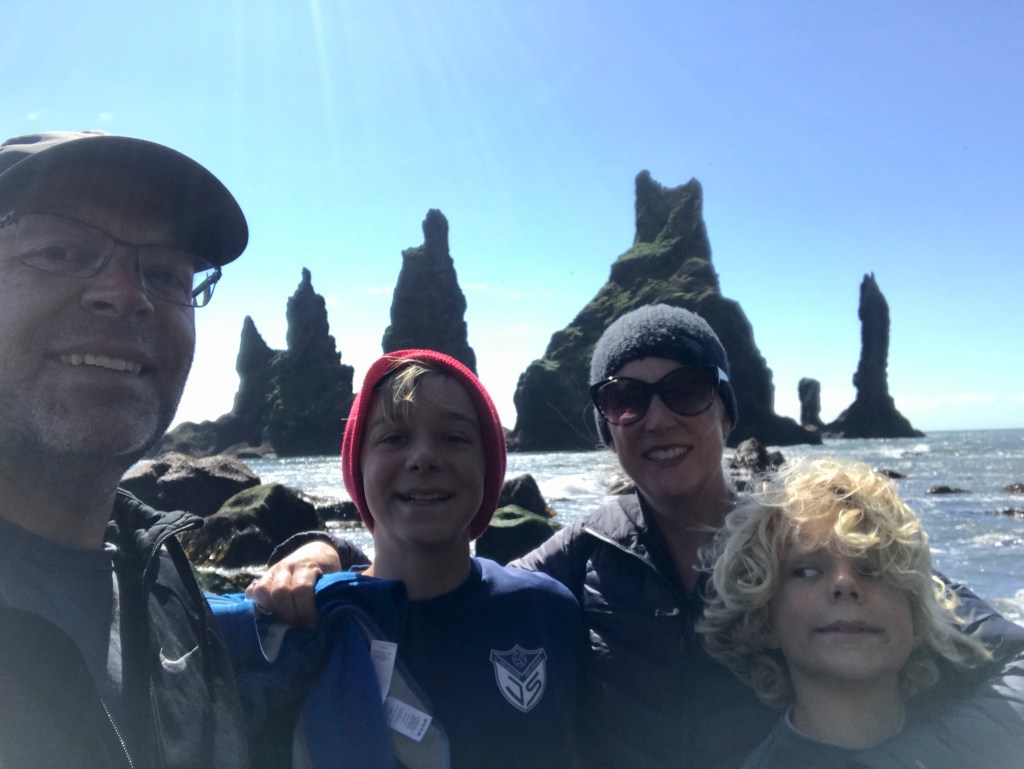
Reynusfjara Beach. Black sand beach with columnar basalt, perfect for rock climbing and some amazing rock features in the ocean.
Thingvellir National Park is the site of what is claimed to be the oldest parliament. People would come to “Law Rock” once a year to meet. The laws of the land would be recited from memory.
Disputes would be settled. Punishments would be performed; men were beheaded, women were drowned in the drowning pool by being placed in burlap sacks and held under water.
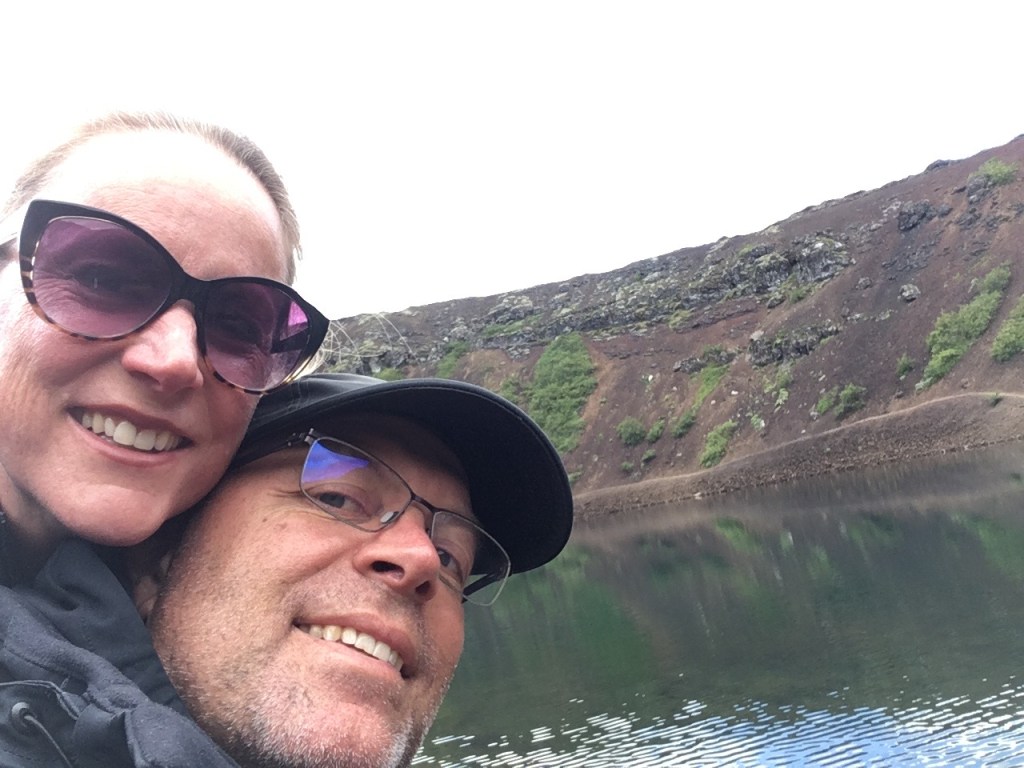
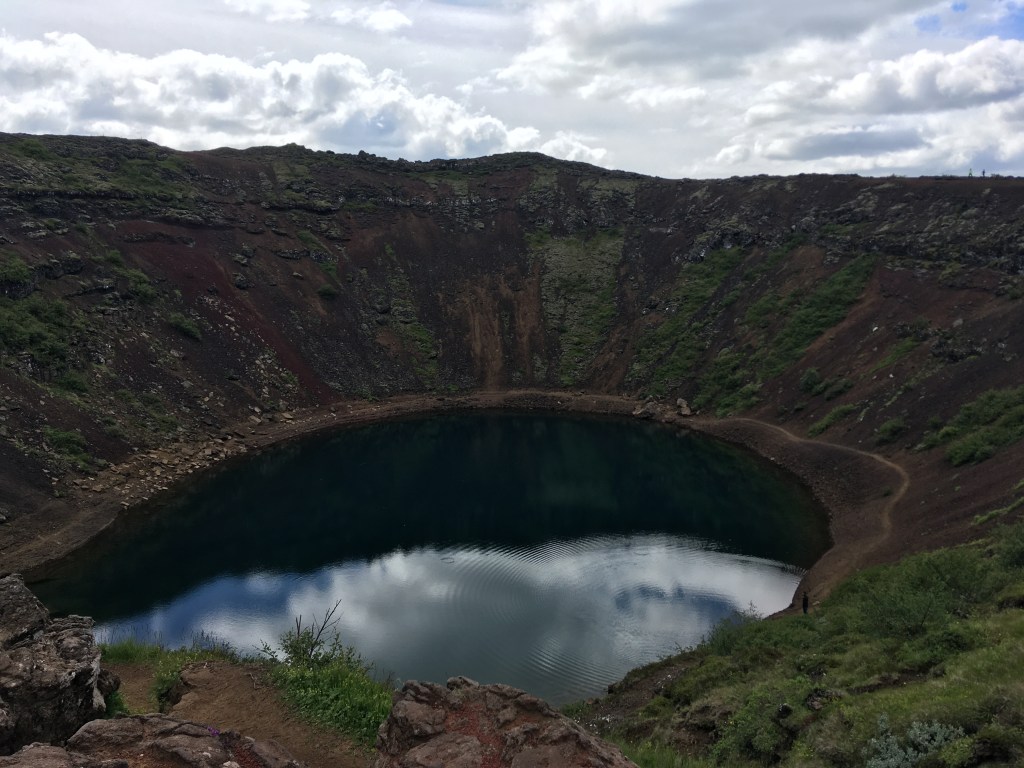
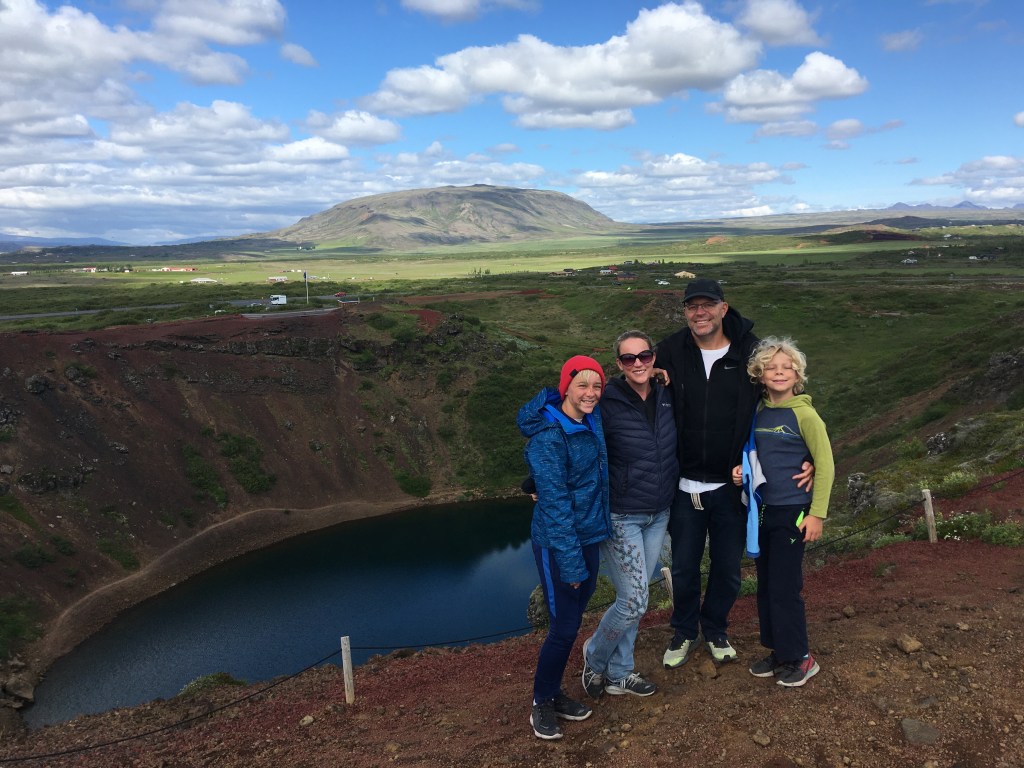
With so much volcanic activity on the island, there are craters all over. We visited Kerid Crater.
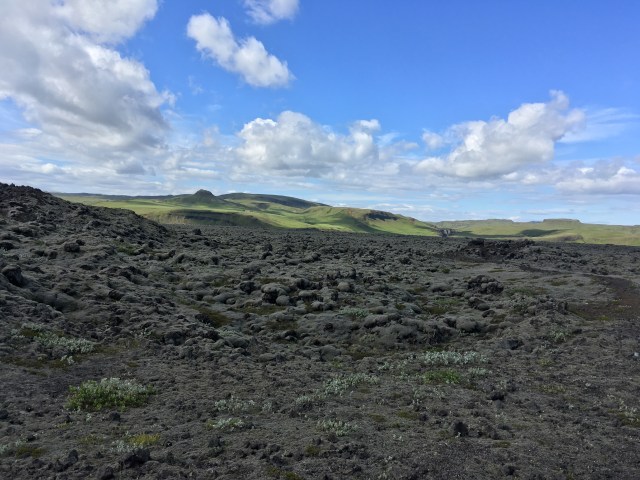
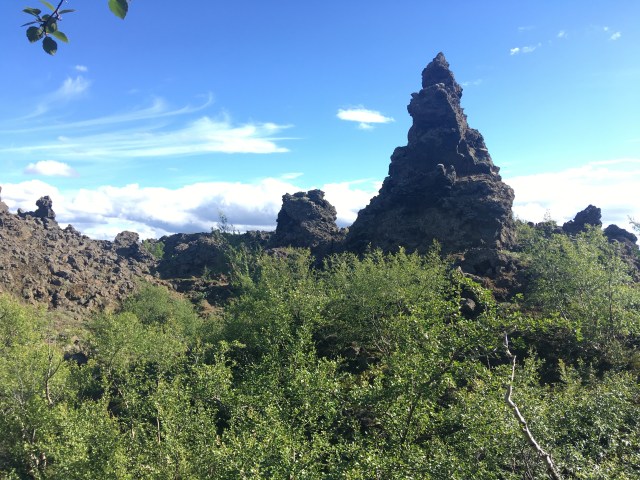
And lava fields.
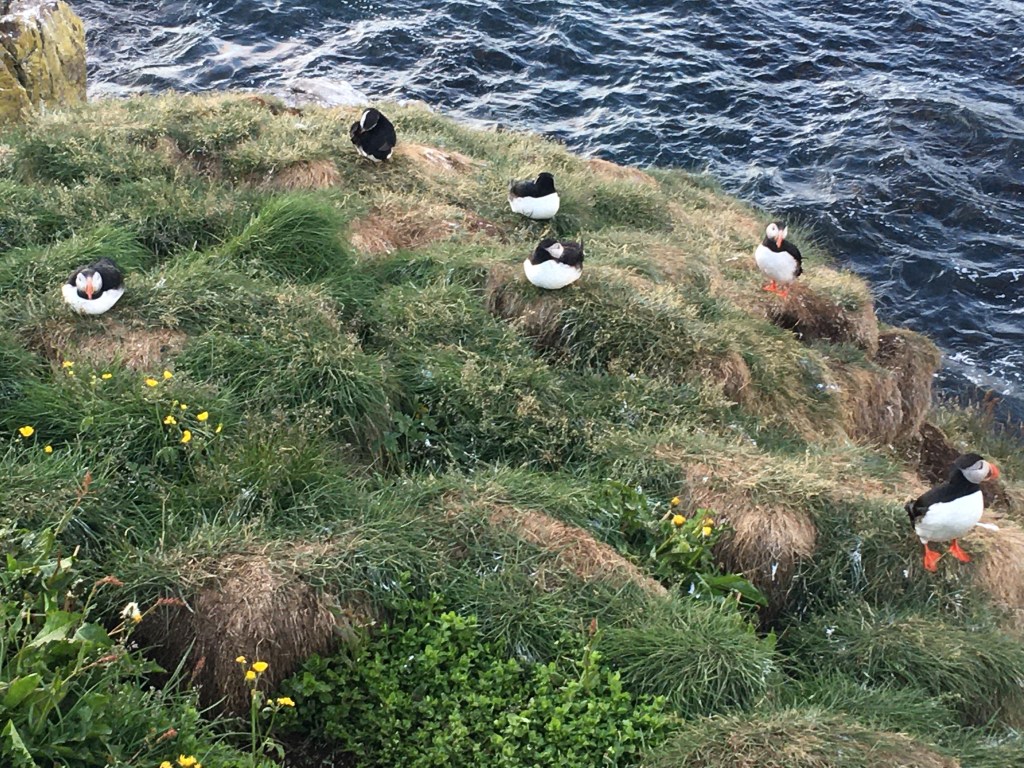
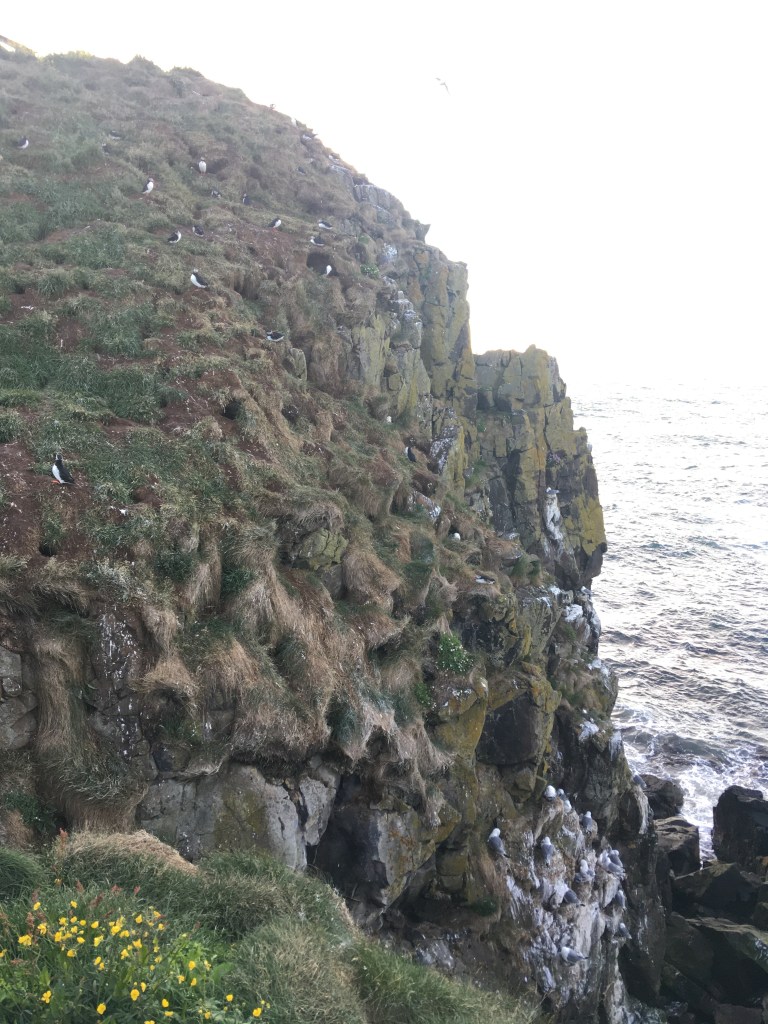
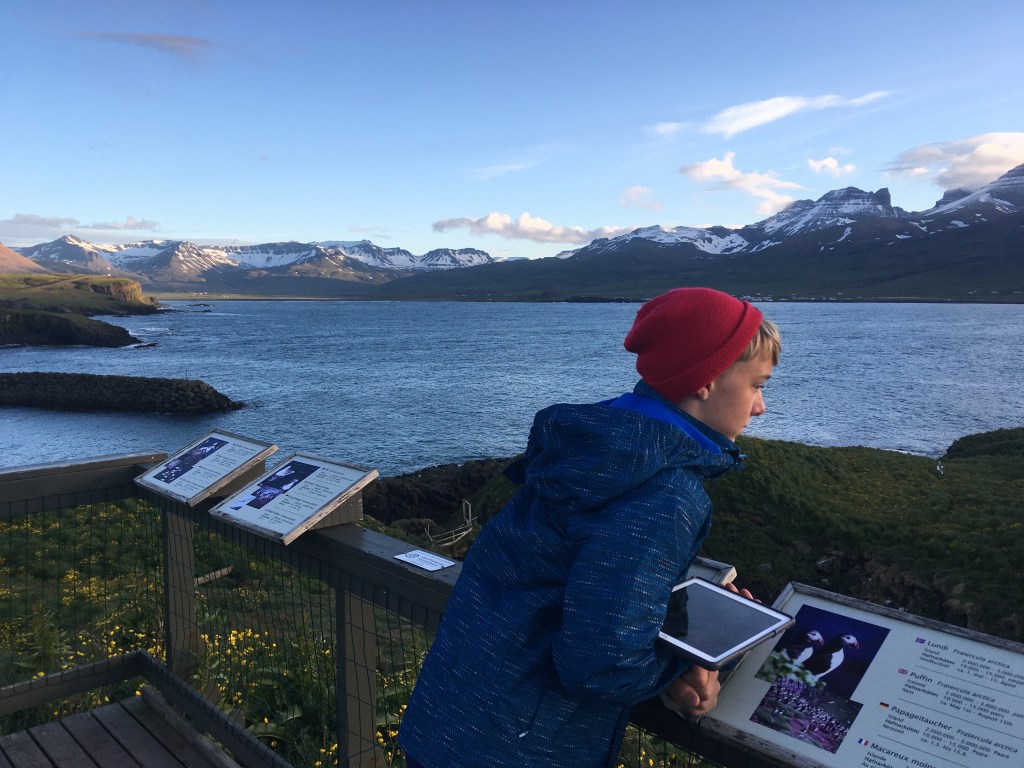
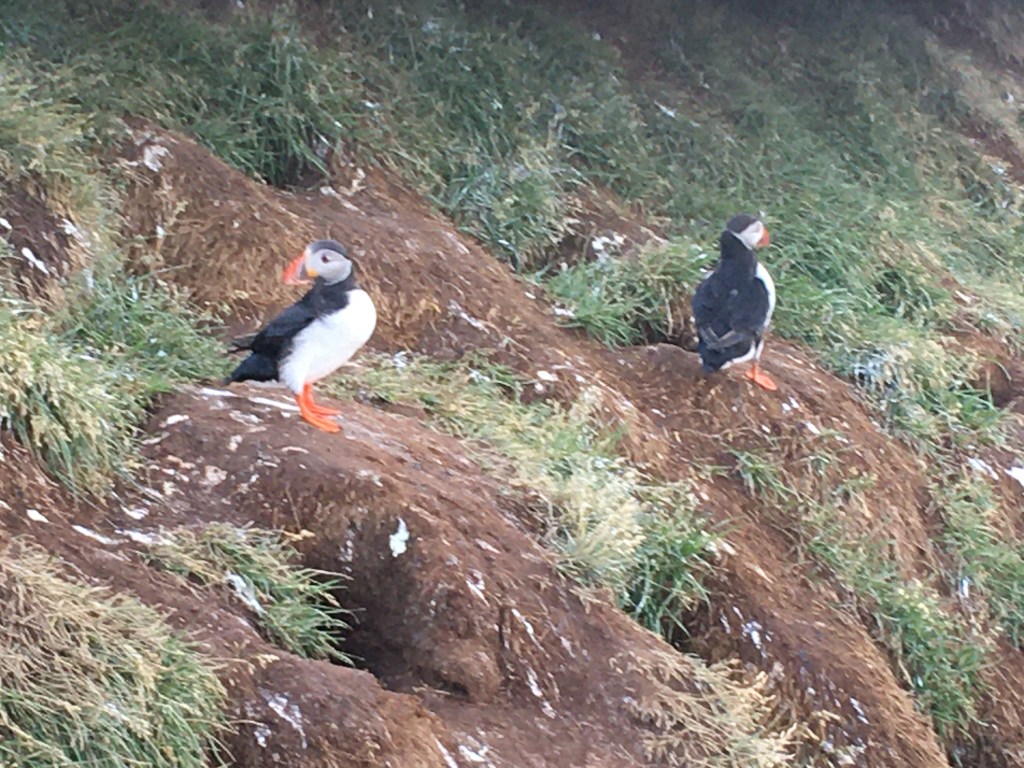
Iceland is home to puffins during the summer months. Borgarfjörður eystri was one of our detours off of the Ring Road, and the perfect place to view puffins.
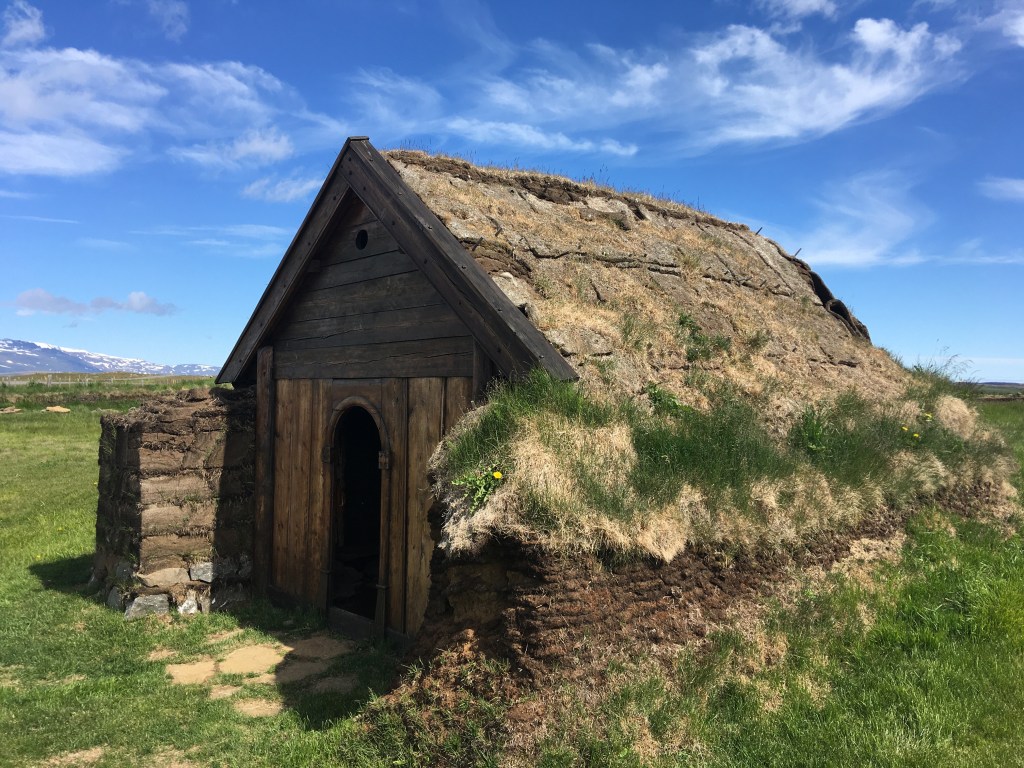
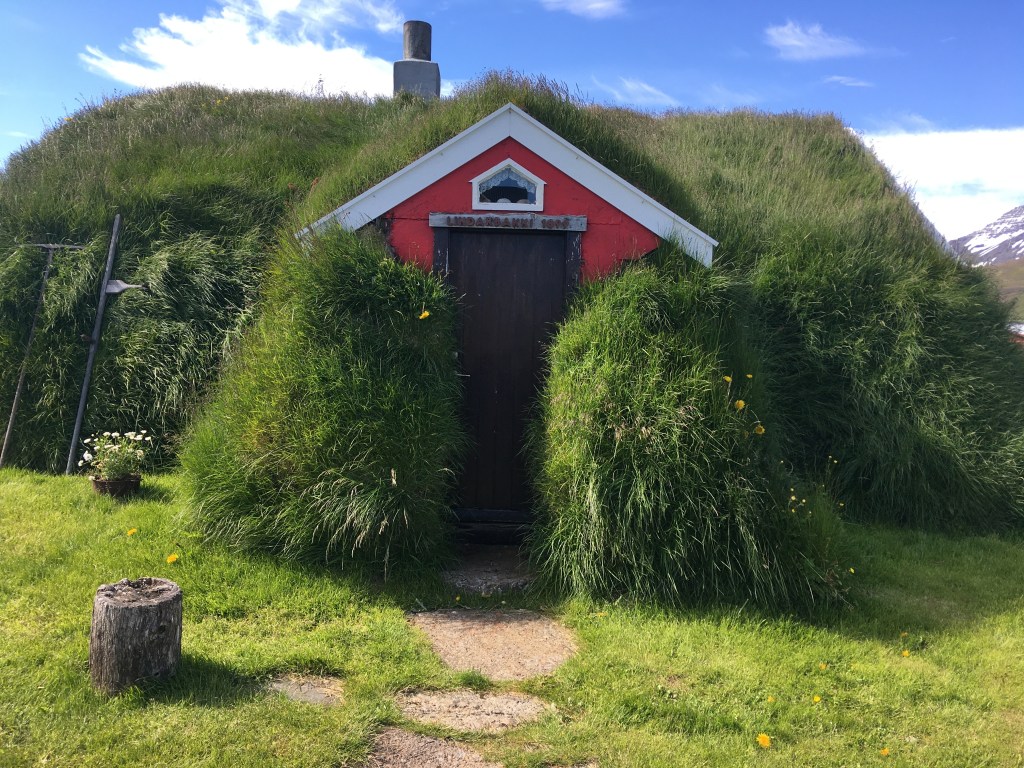
You might notice from the pictures that there aren’t a lot of trees in Iceland. The conditions are harsh and plant growth is slow. People had to get creative with construction since wood was hard to come by, thus the turf house. Turf houses have the added benefit of providing insulation for the harsh winters.
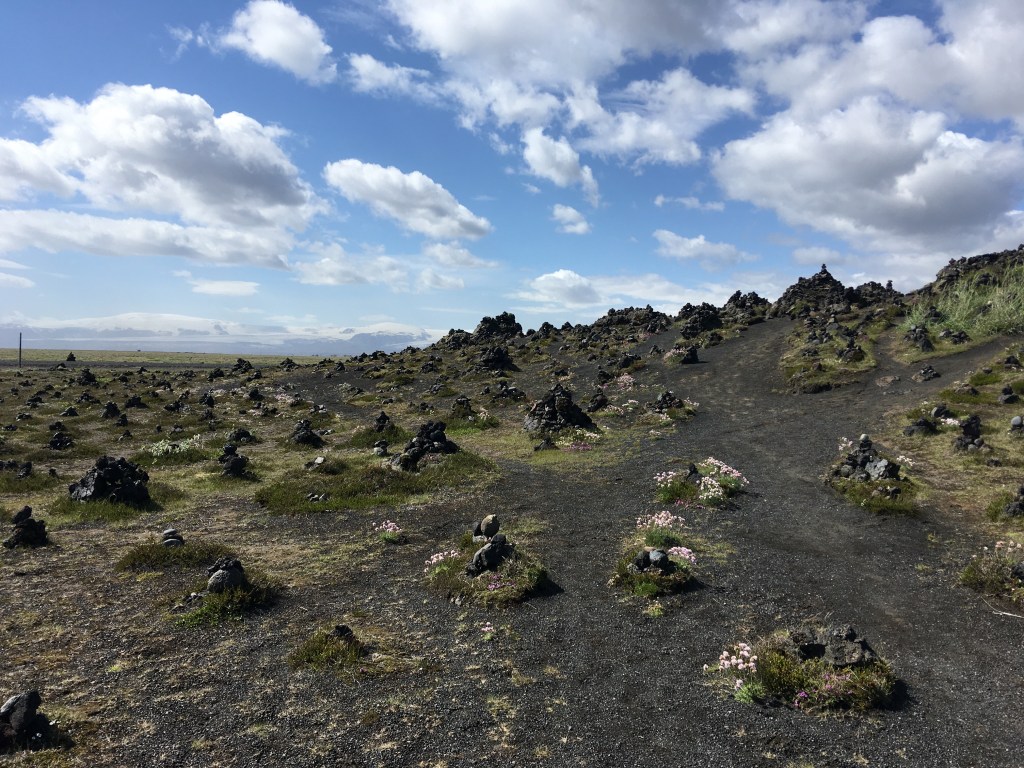
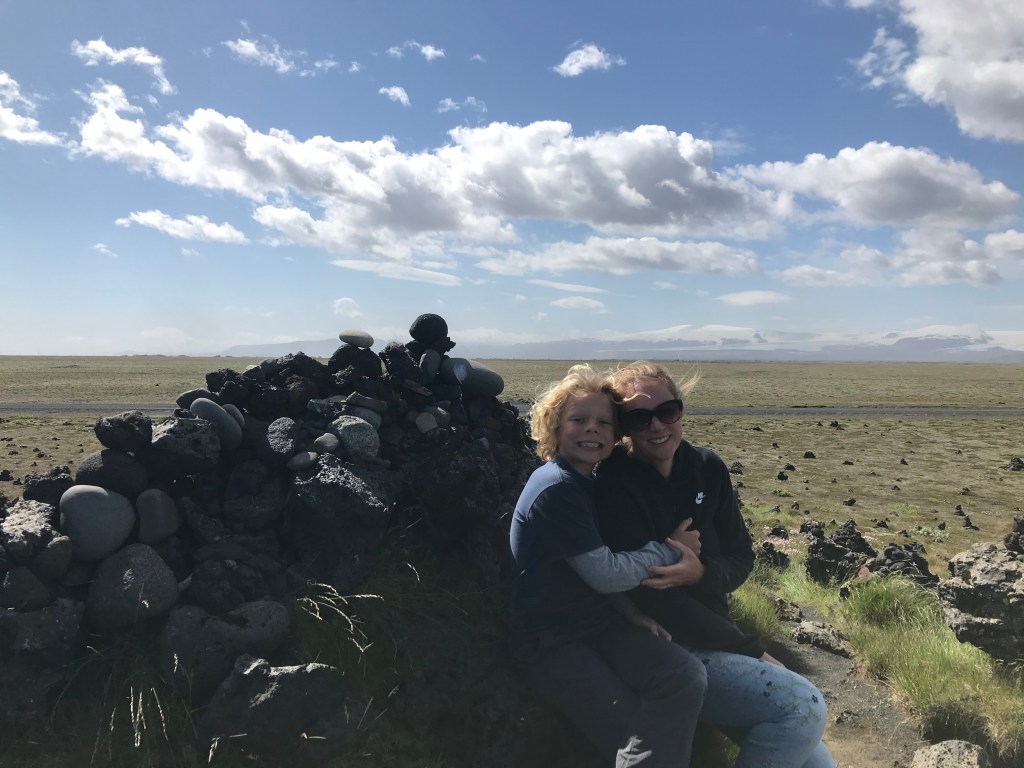
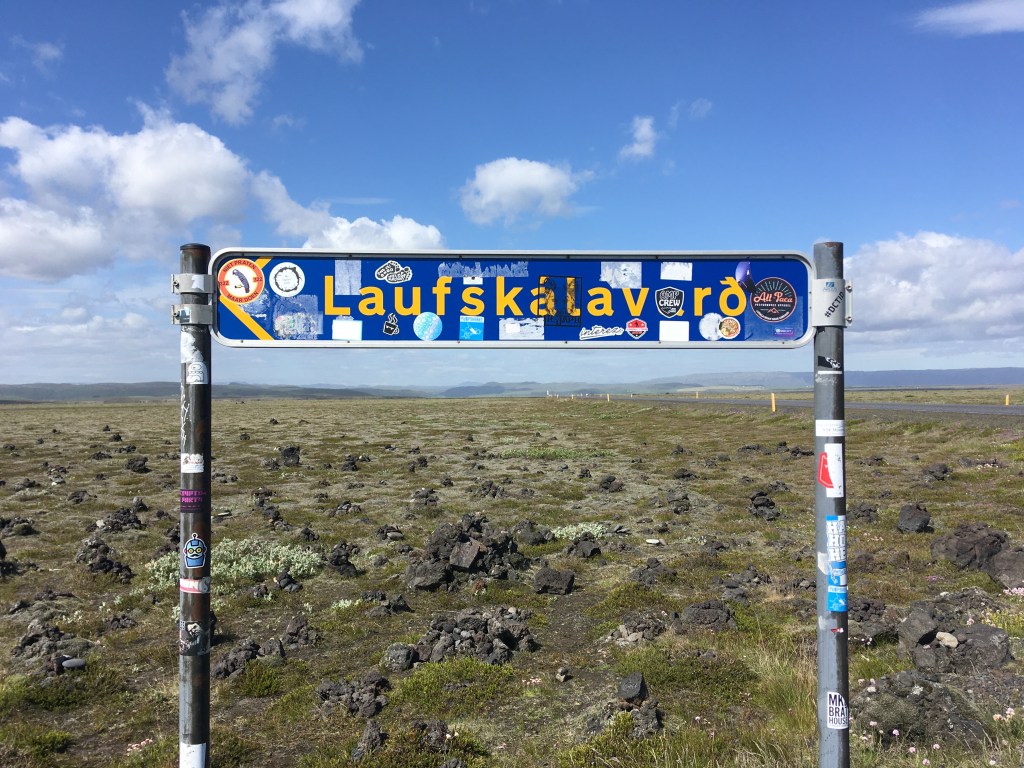
Laufskalavarda is a little spot on the side of the road where everyone passing by for their first time needs to stop and place a rock on the cairns for good luck. So many cairns have been built that all of the rocks nearby had been used, so loads of rocks had to be brought in.
Each little lump is a cairn about 2-3 feet tall.
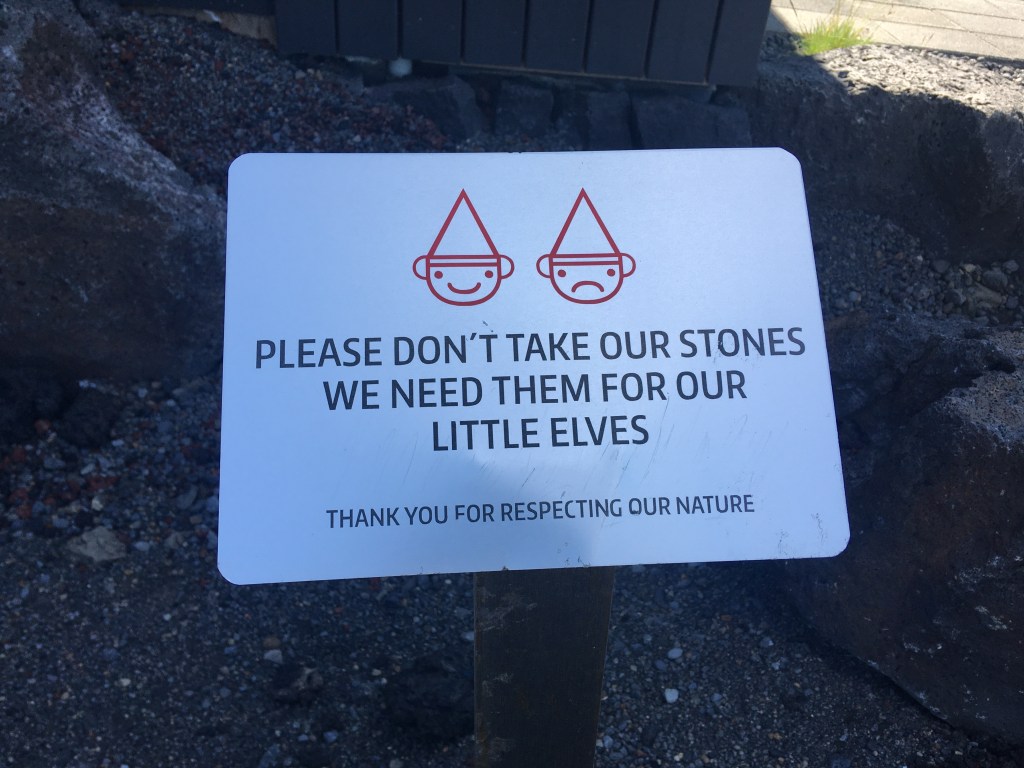
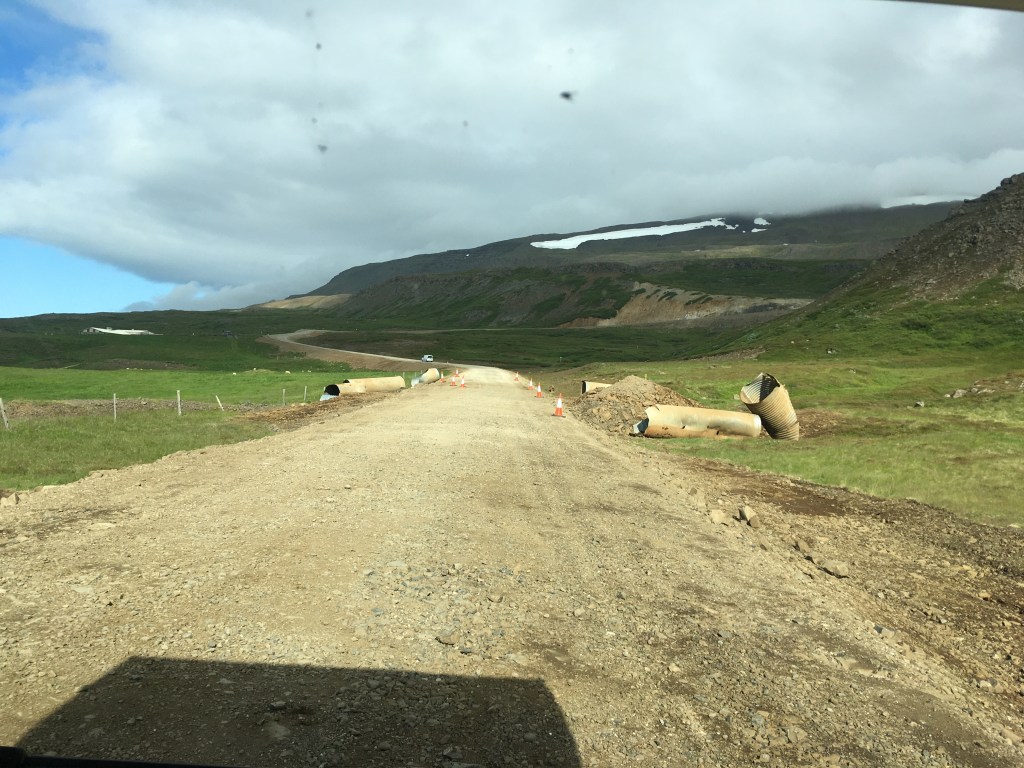
There is a lot of fun folklore in Iceland. Many people believe in Huldufólk (elves or hidden people). It is said that elves interfere with road work. Sometimes when road are being built and they need to move a rock it is said that the elves interfere, making machinery break down. There are many places were the road has to go around a rock because they can’t move the rock. You will find little doors in places for the elves. And it is said that you should never throw a rock because you might hit an elf.
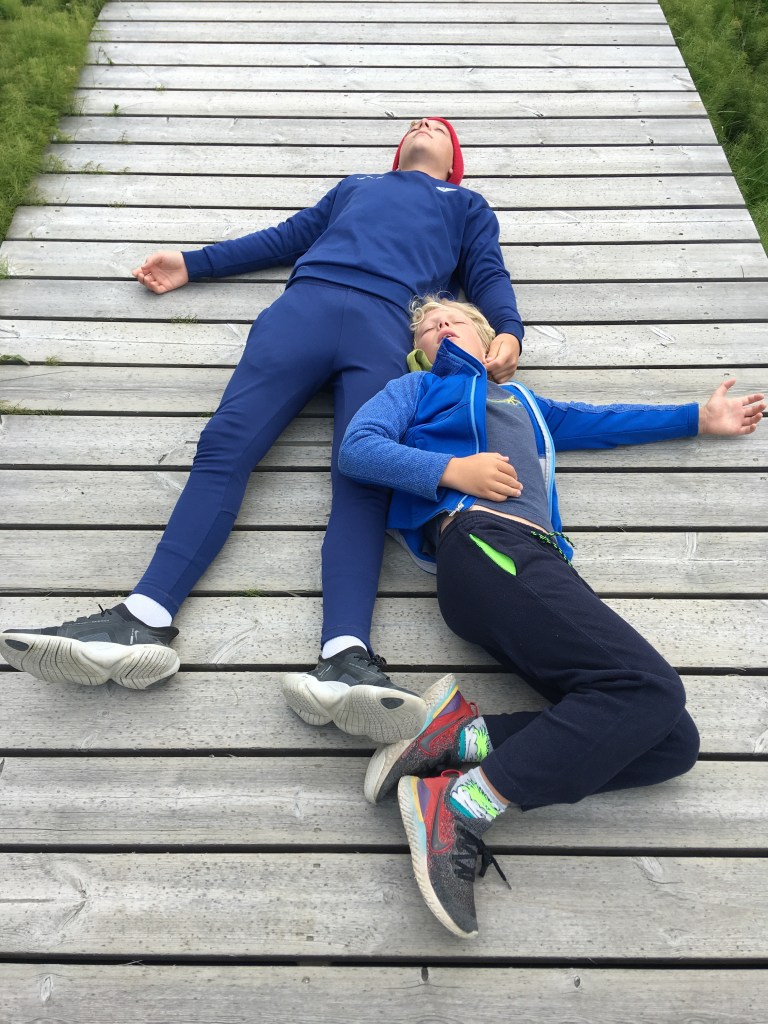
Some days we did a lot of walking. The kids weren’t always excited to walk so much. Actually, we’ve noticed that the kids’ stamina is not what it used to be before our 3 month COVID-19 quarantine.
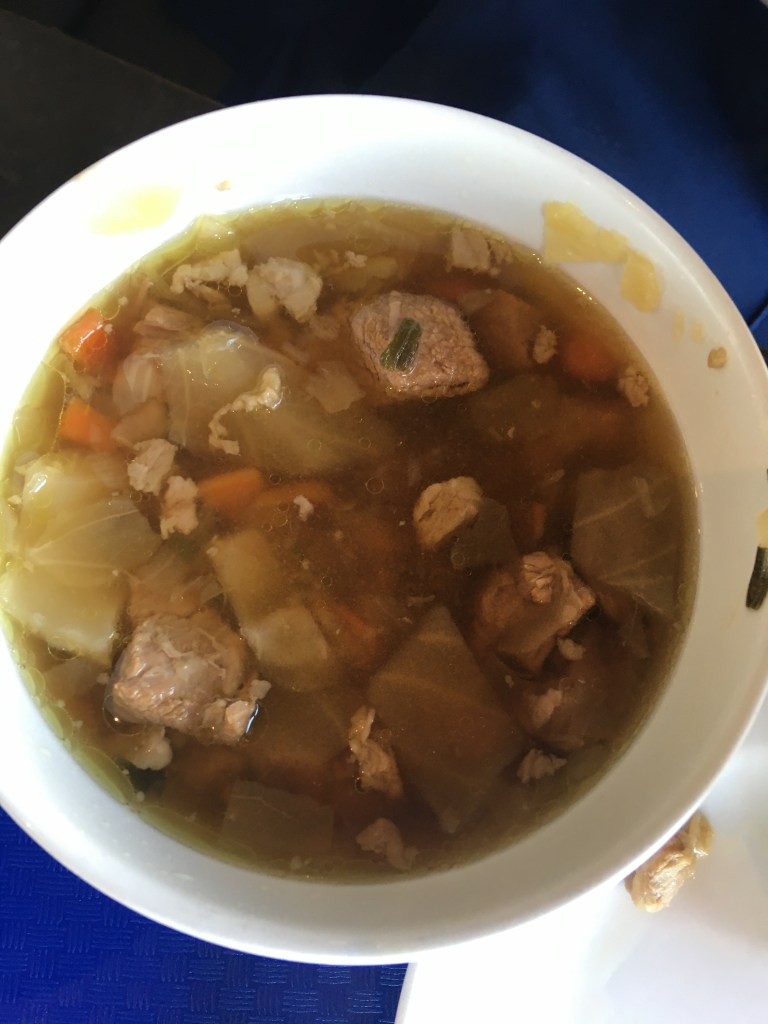
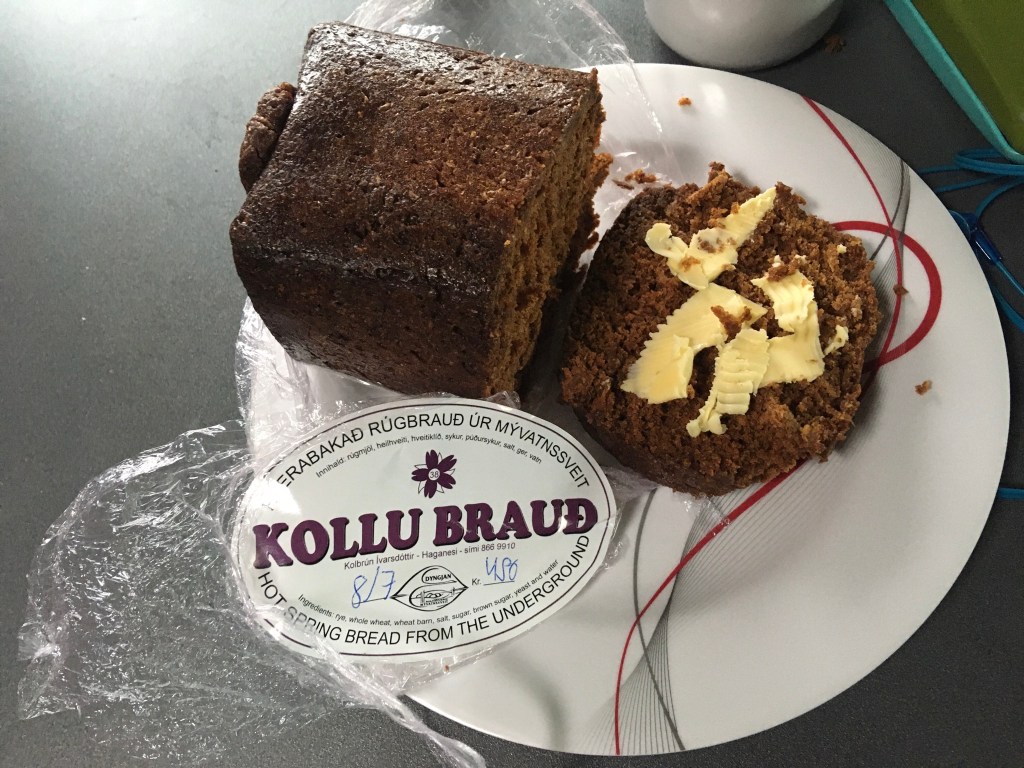
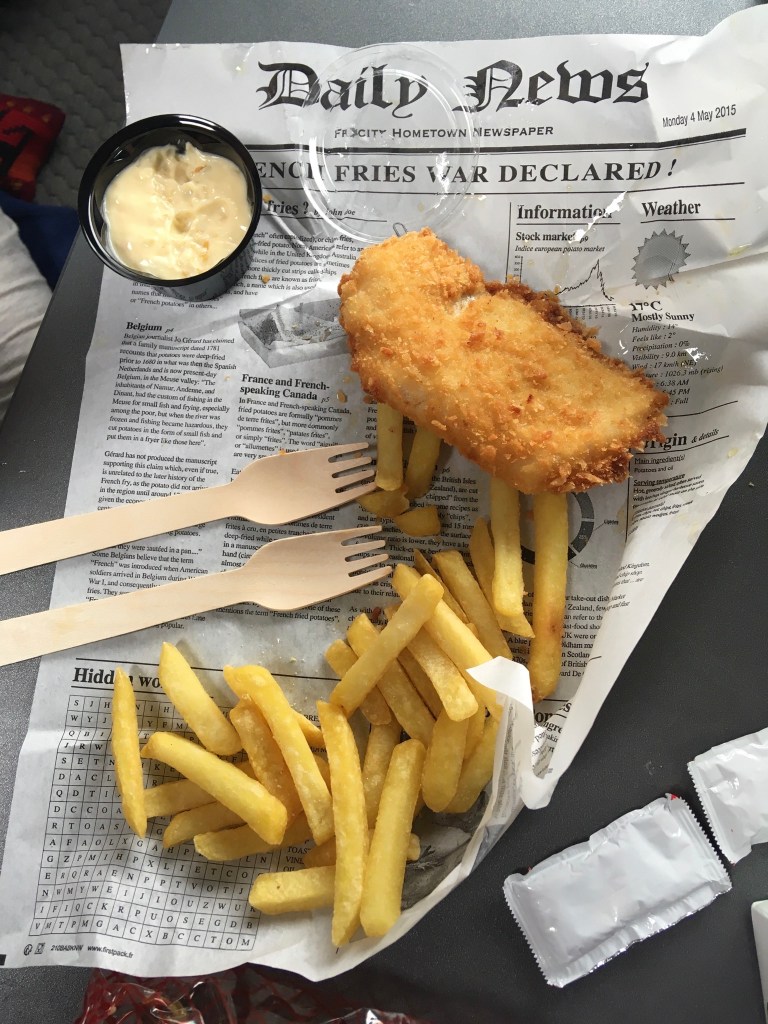
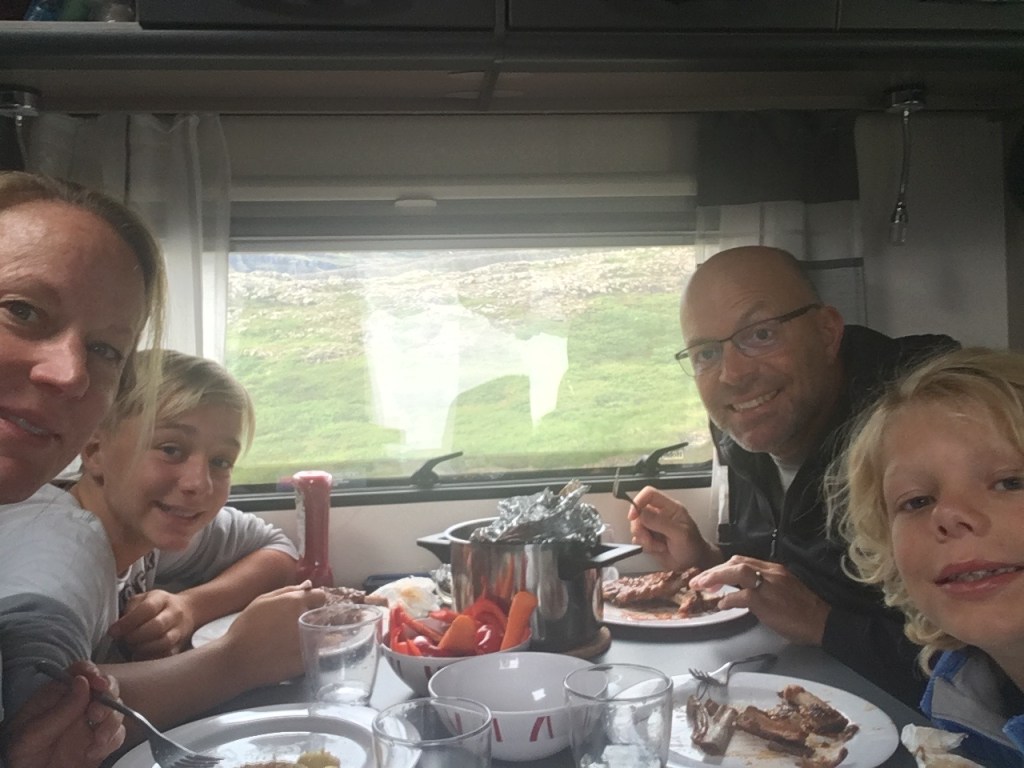
We made most of our meals in the camper but we had to try some local food along the way.
Lamb stew
Geysir bread baked underground with thermal heat
Lots and lots of fish
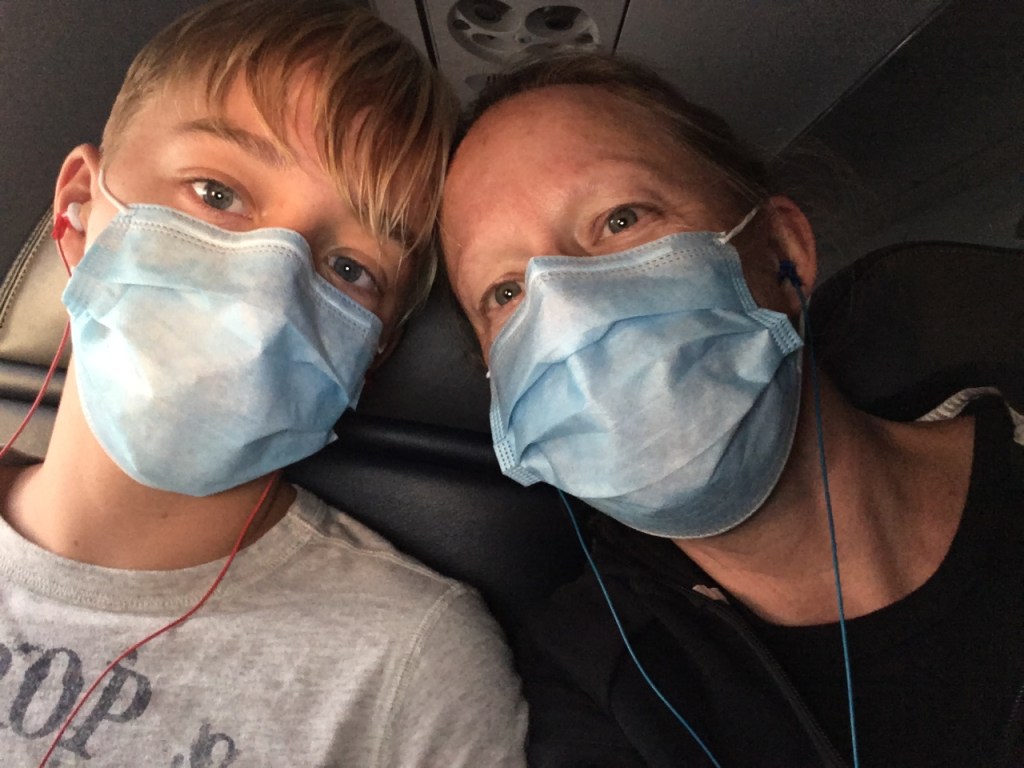
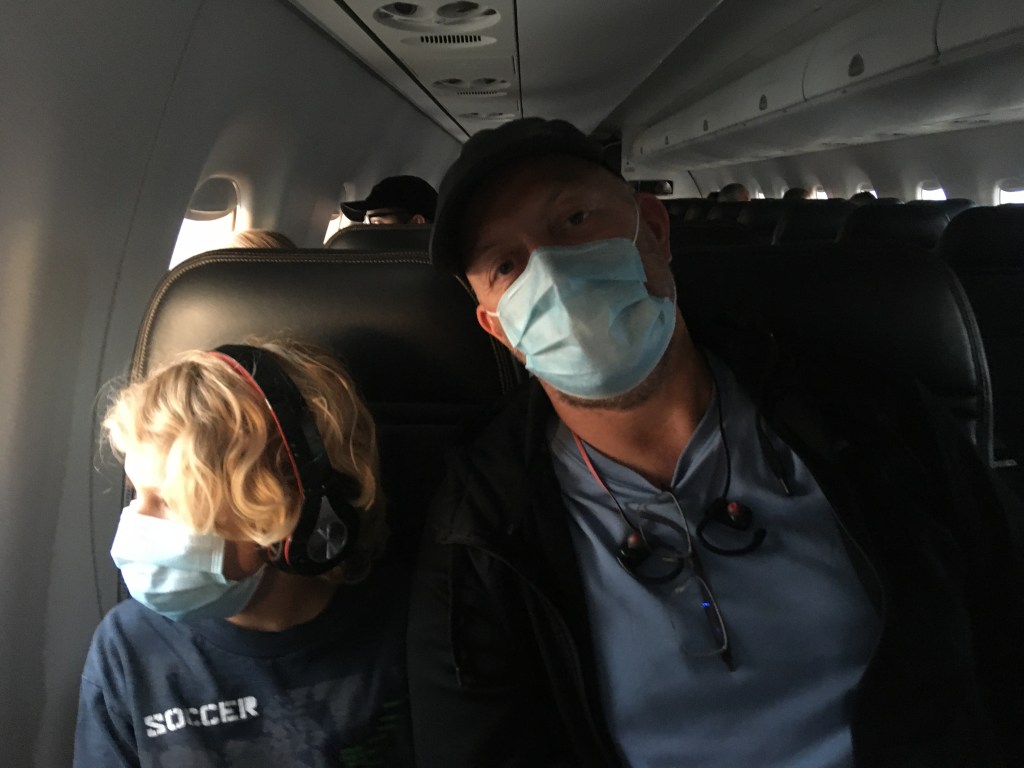
And after a week, we said goodbye to Iceland, donned our masks and finally flew home.
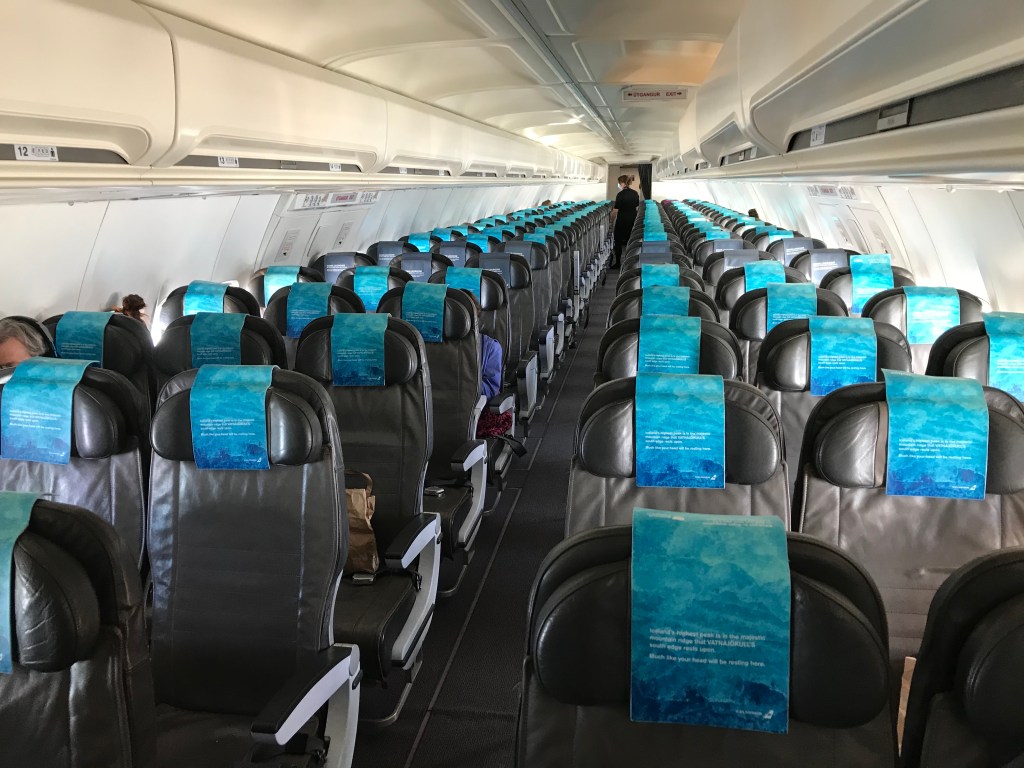
The plane from Iceland to Seattle was nearly empty.
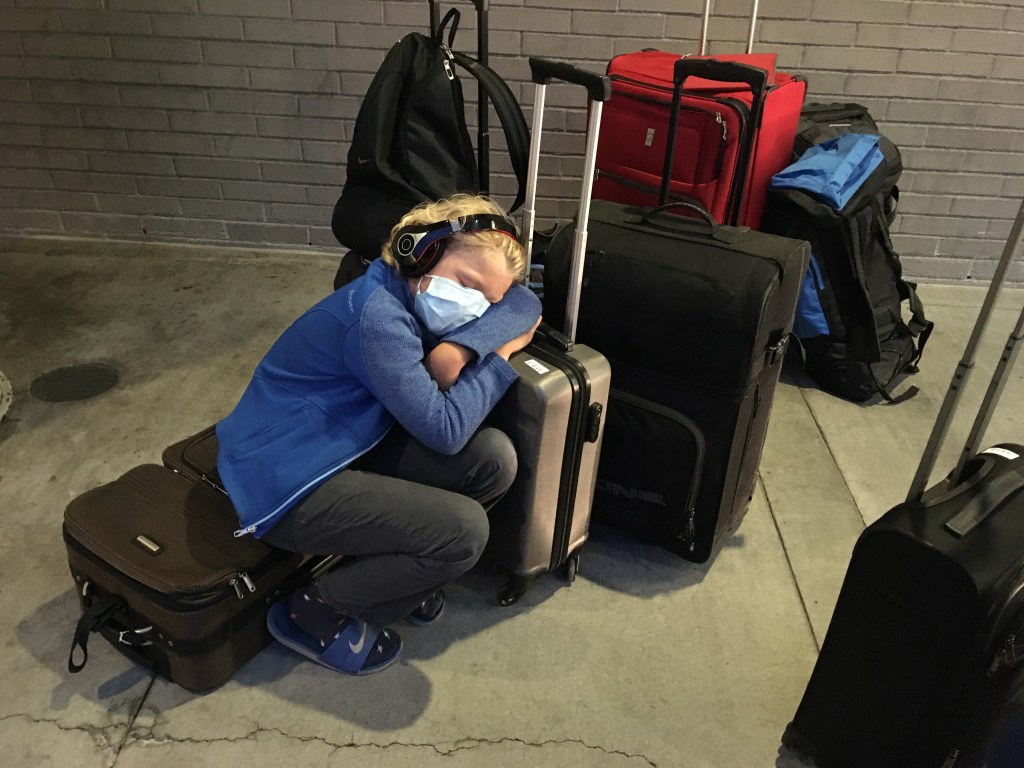
Leo was able to stay awake for 35 hours until we arrived in Portland, but then he finally gave in to sleep.
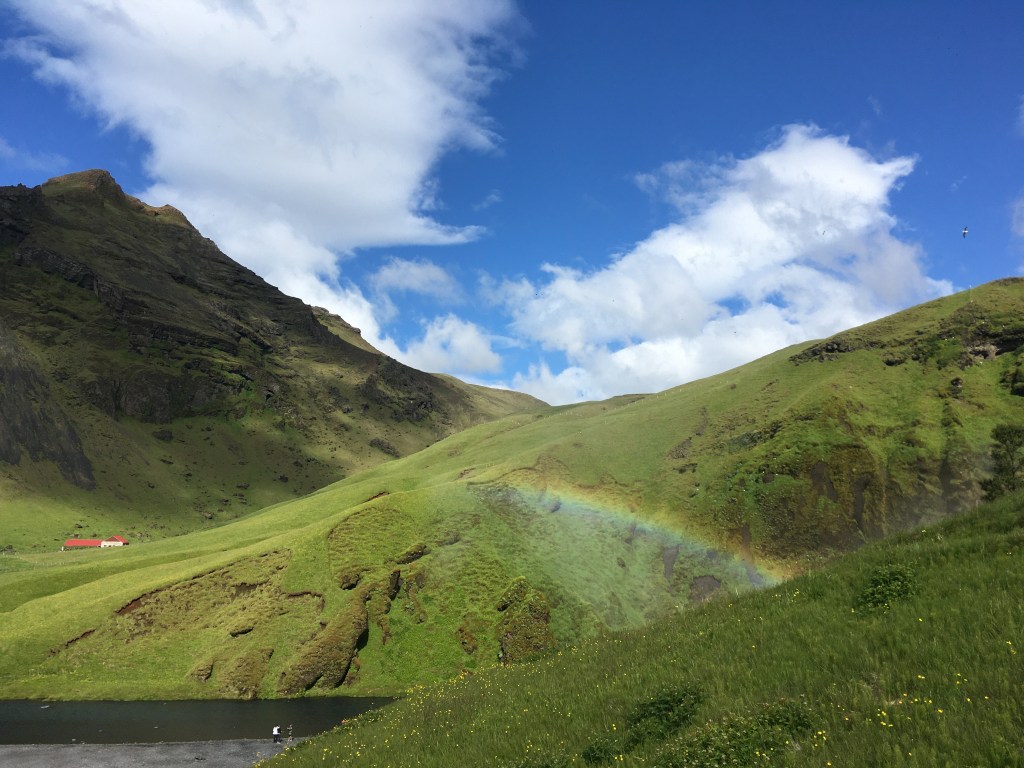
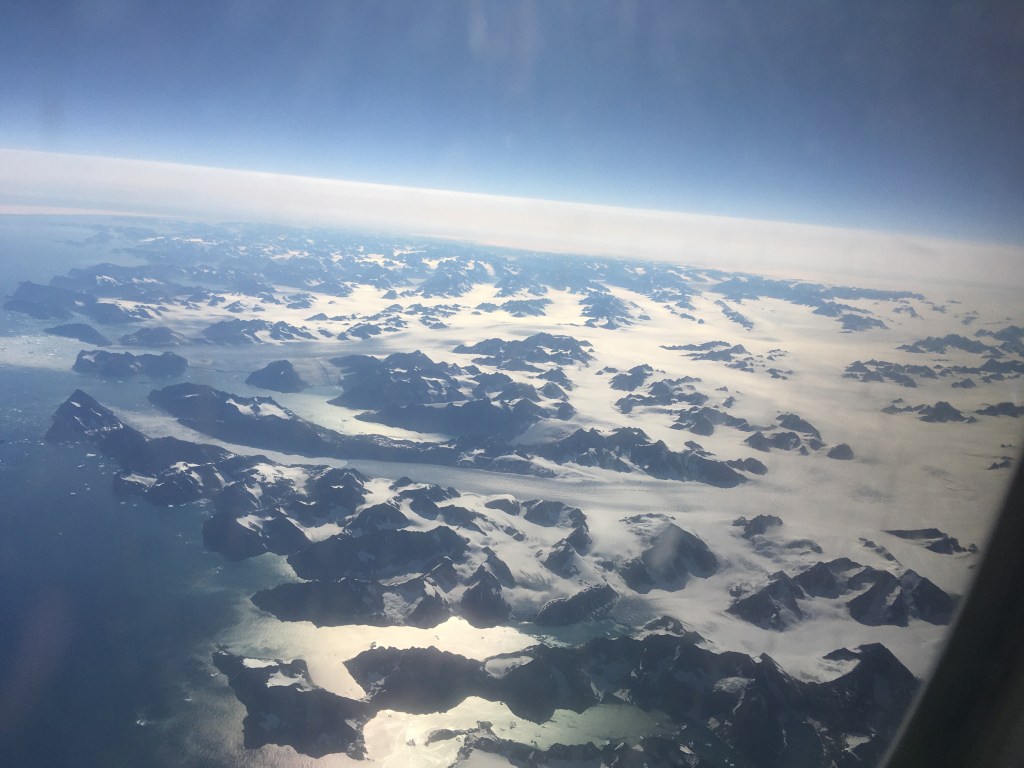
I’ve heard that Iceland is green and Greenland is icy, and from what we saw, that is a pretty true statement.
Iceland
Greenland (from the plane)
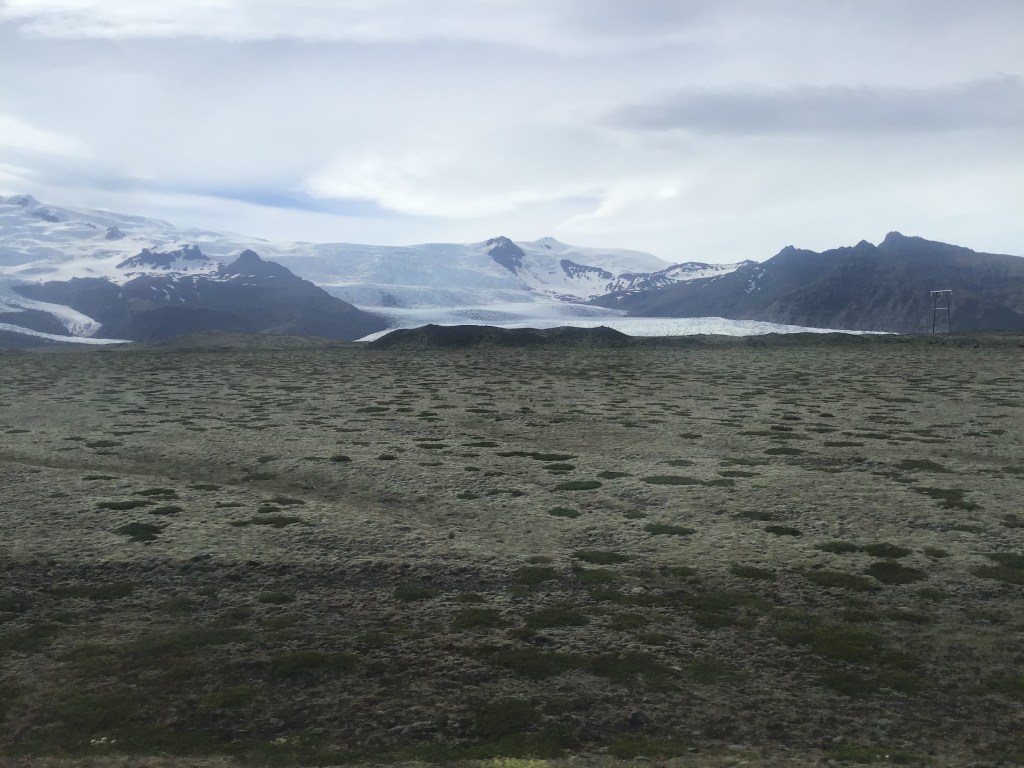
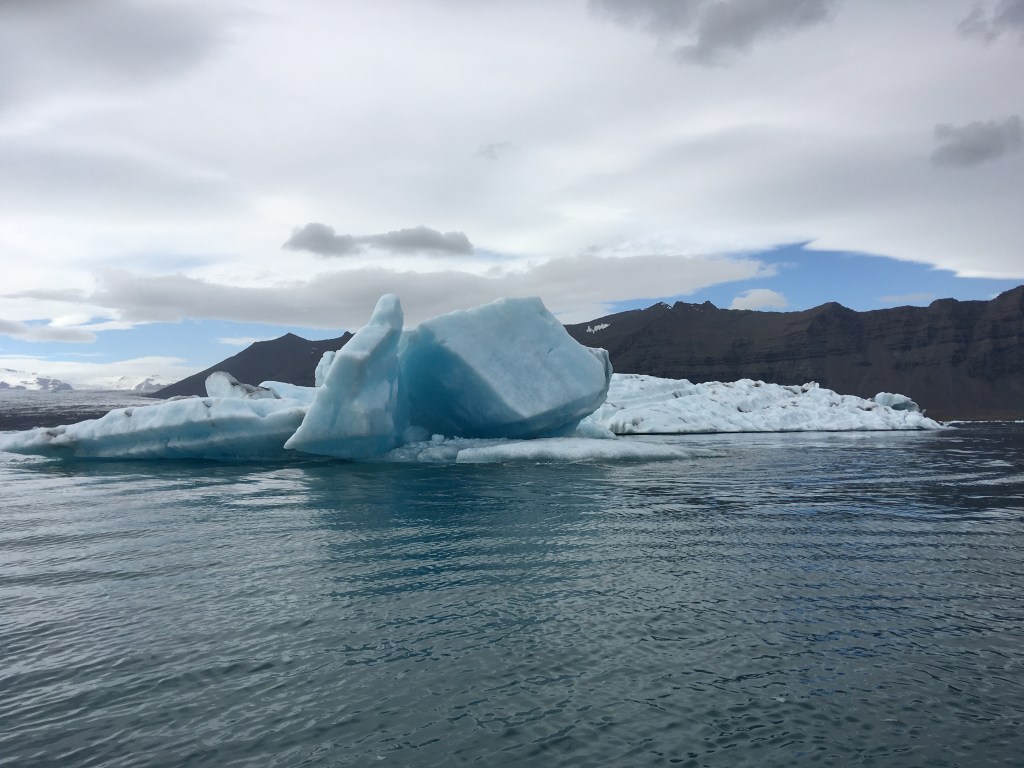
We didn’t actually see ice until the end of our third day in Iceland, when we started to get views of the glaciers.
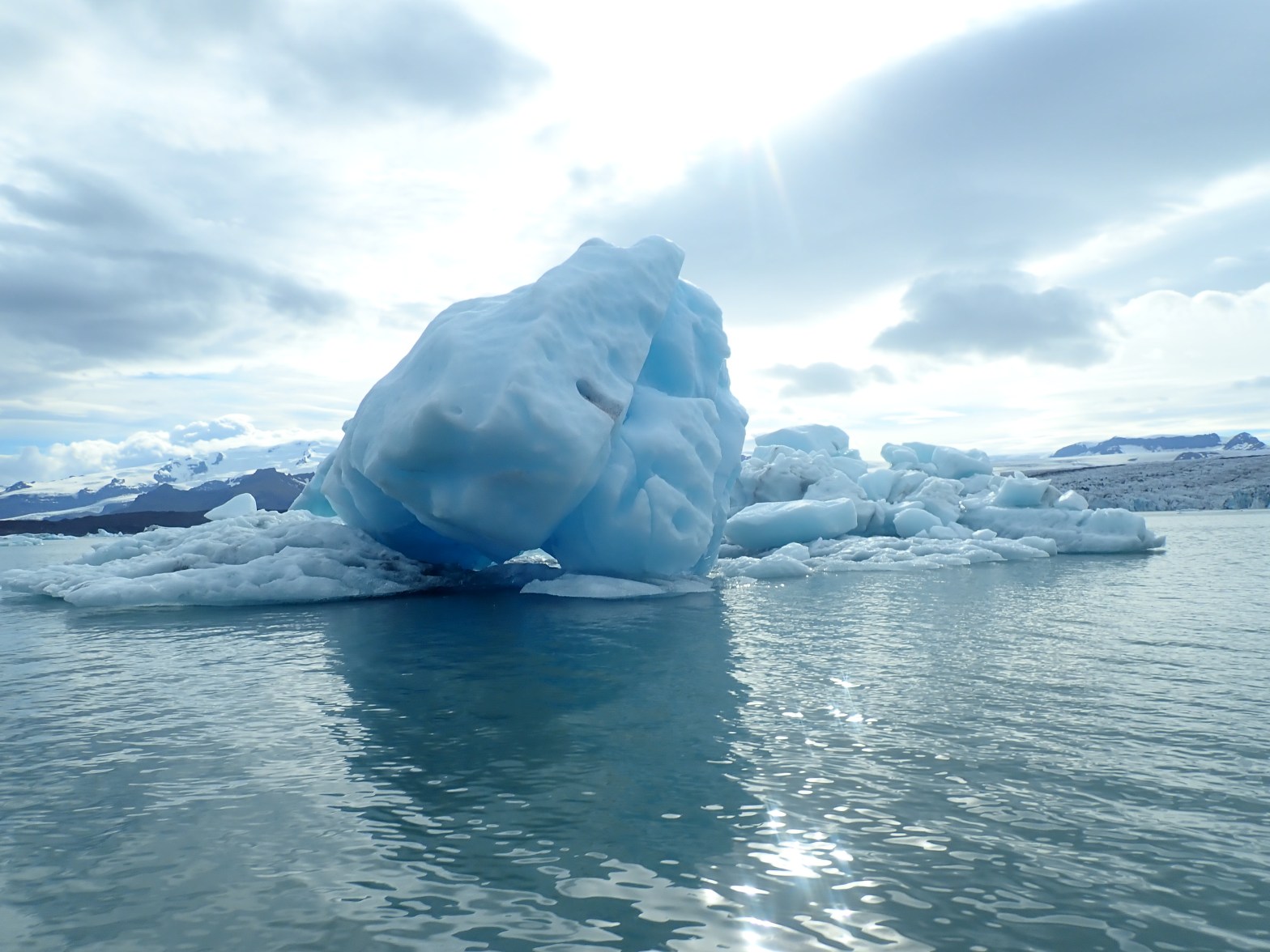
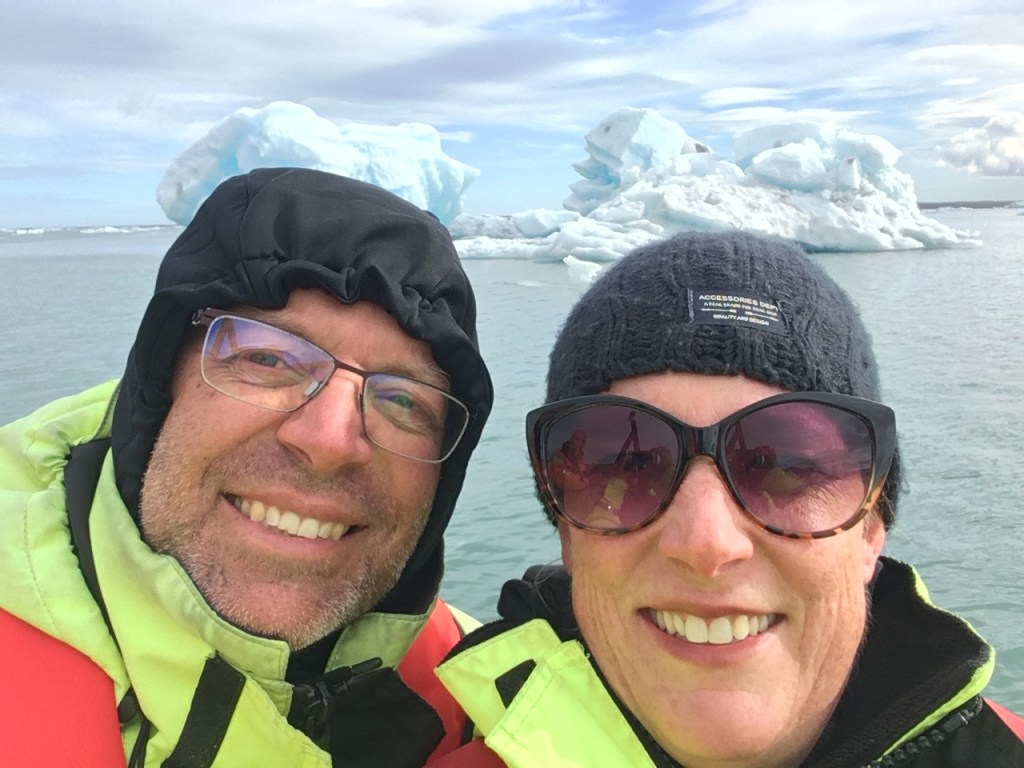
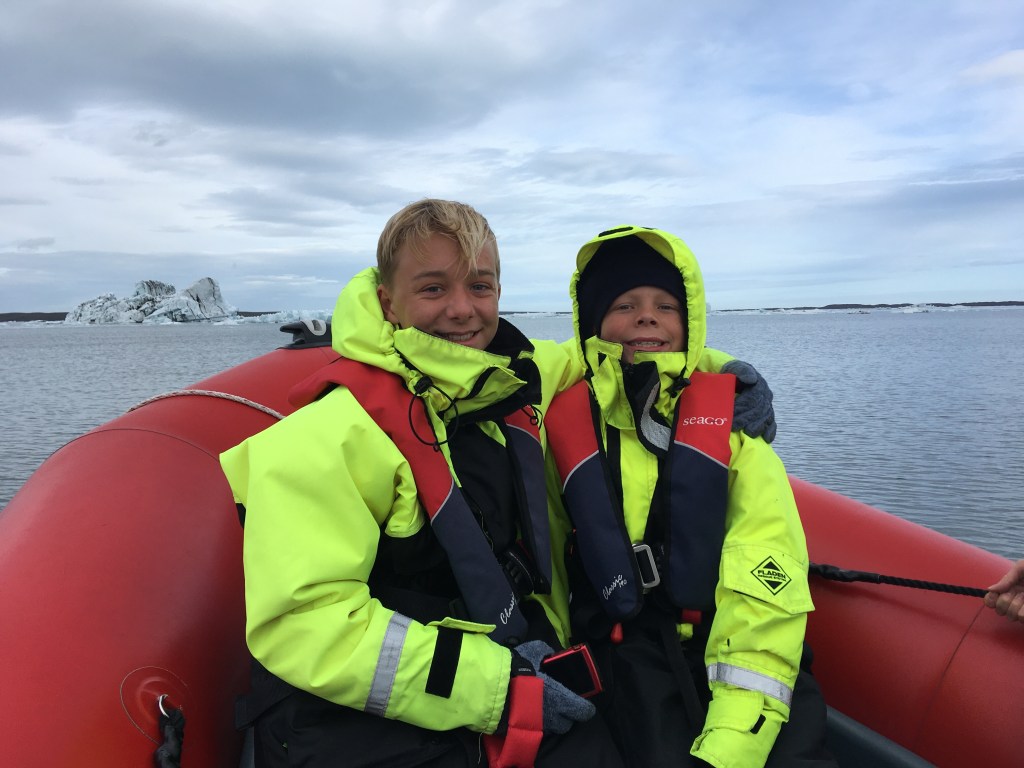
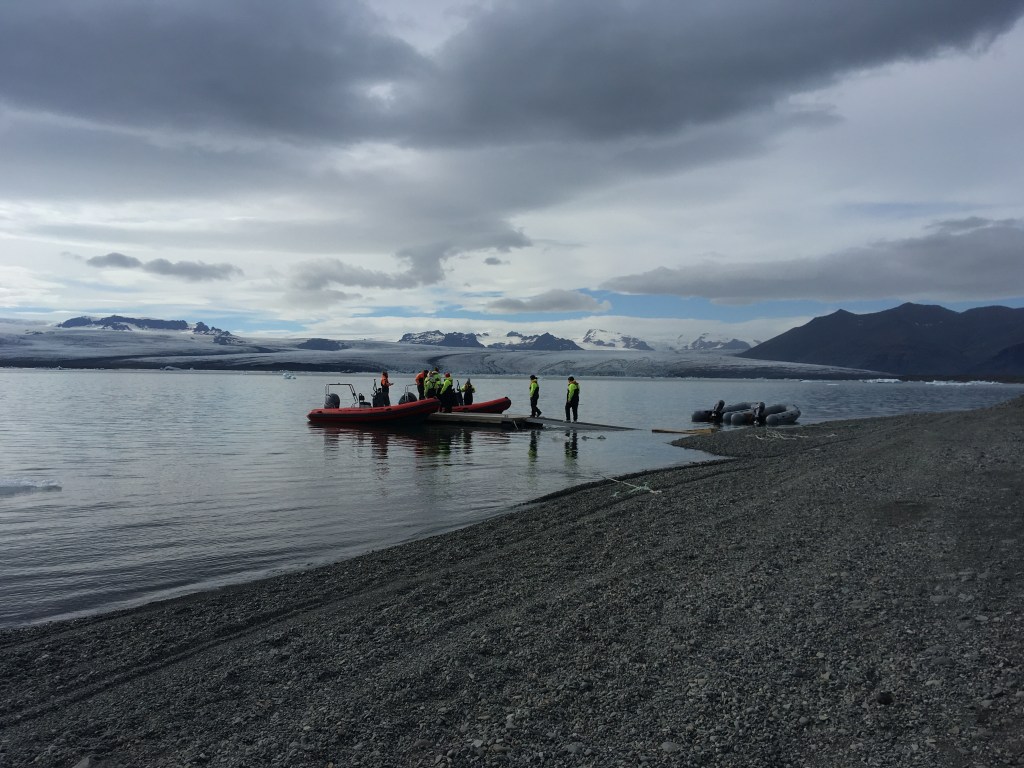
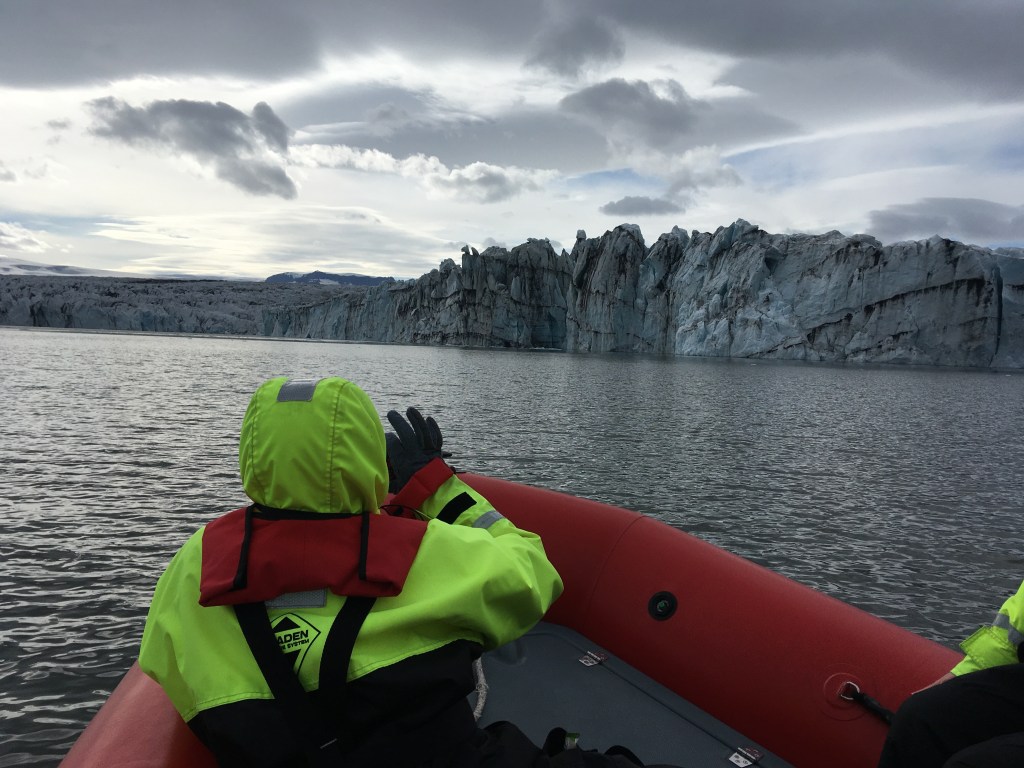
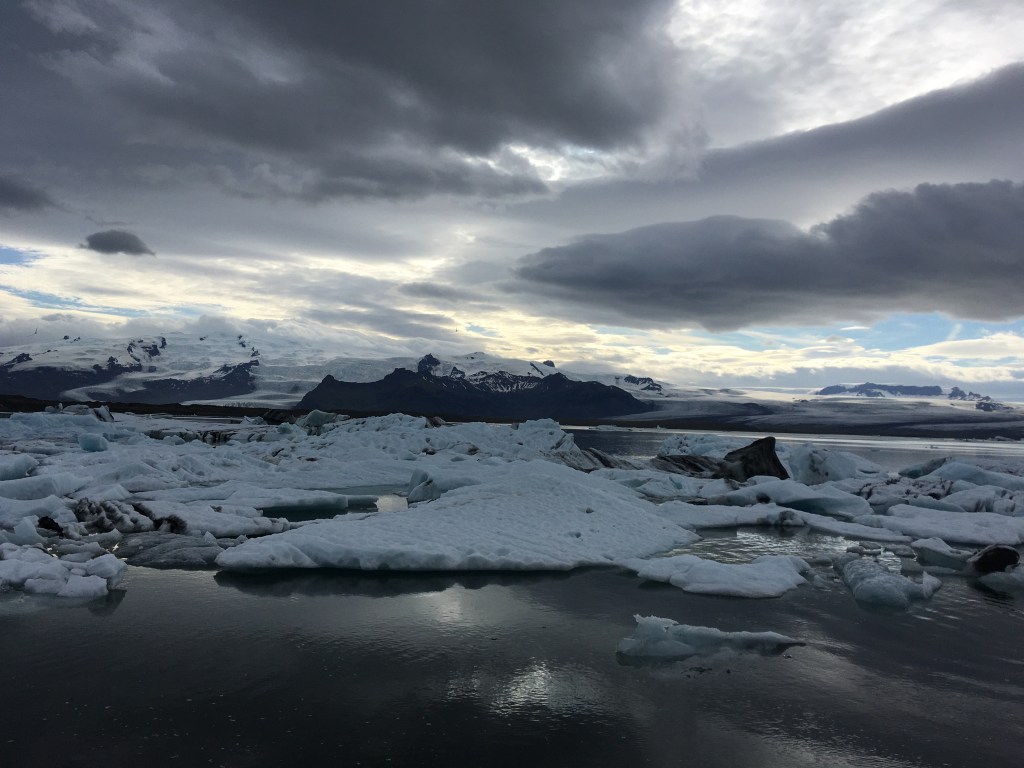
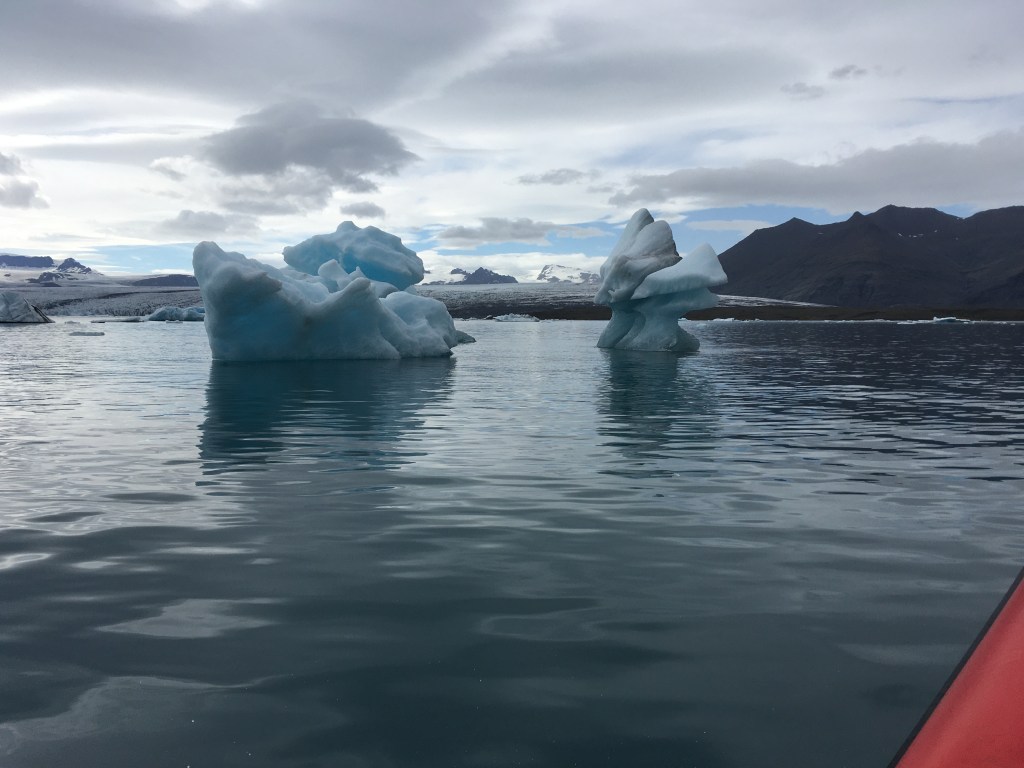
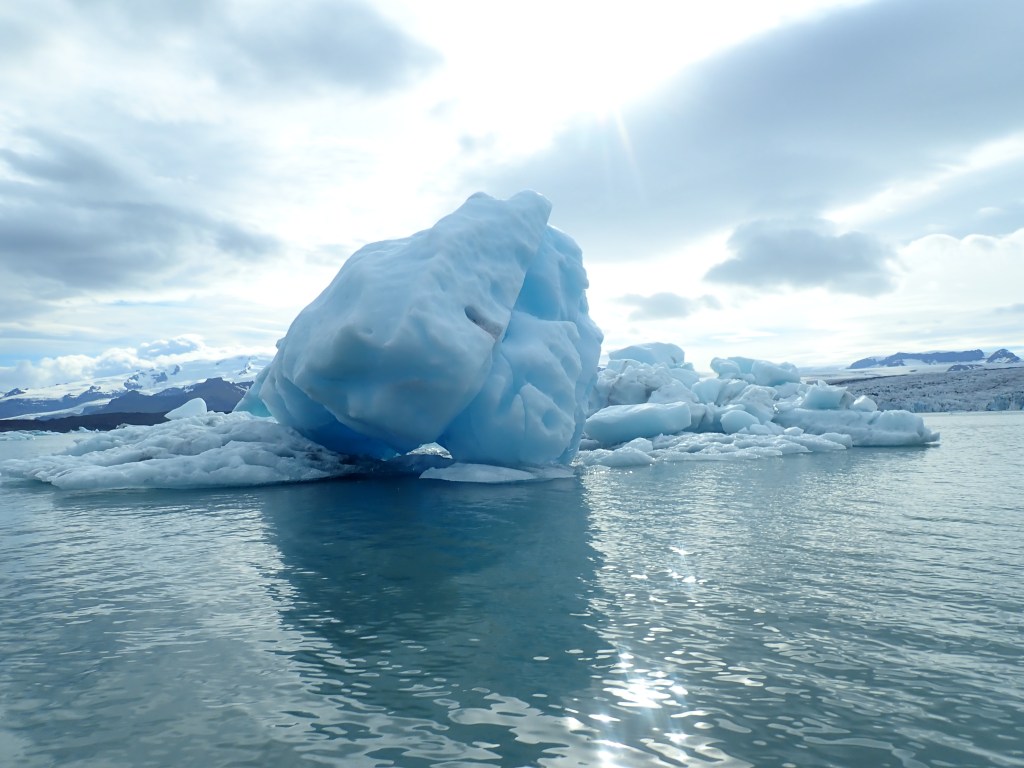
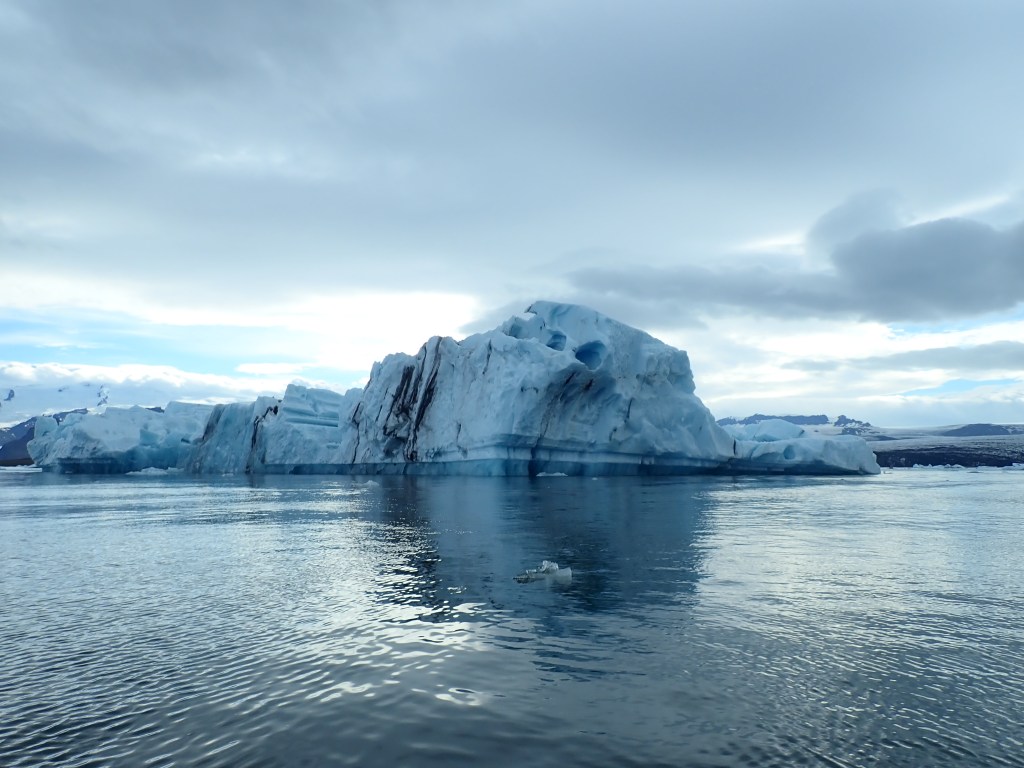
We visited the Jökulsárlón Glacier Lagoon. We took a Zodiak boat tour into the lagoon and cruised around icebergs and the edge of the glacier.
We were lucky enough to see the glacier calve (which they says happens about once a day) and splash into the water.
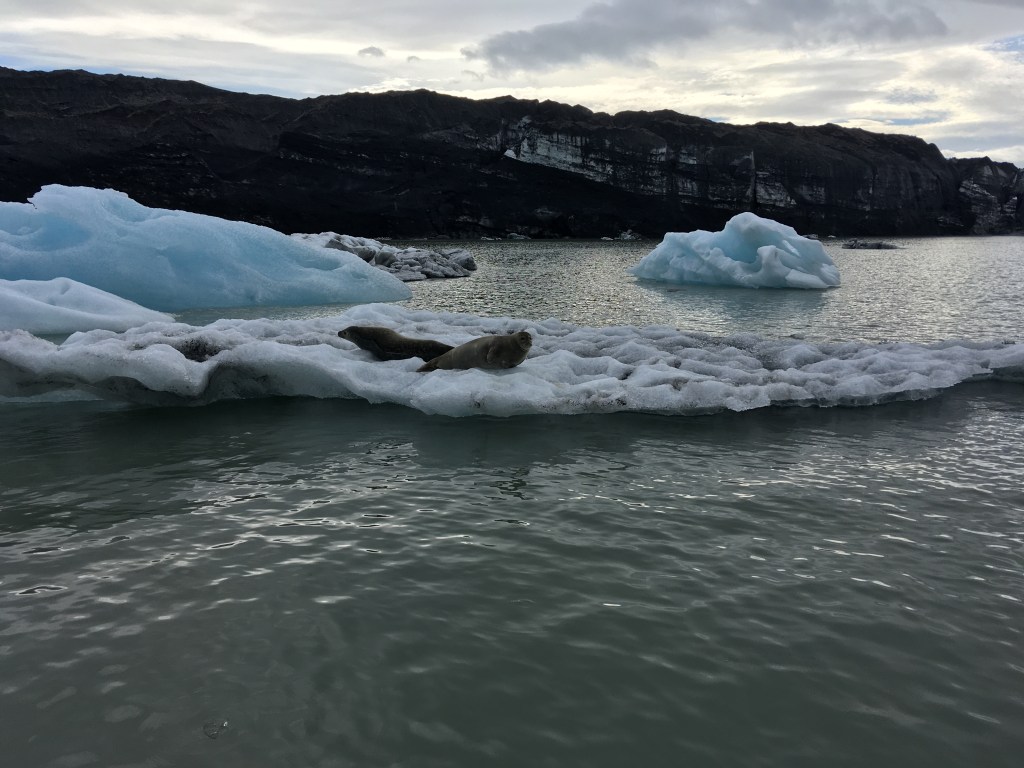
It makes quite a sound, which stuns the fish, and serves as a dinner bell for birds and seals to come around for a fish buffet.
Seals ready for a snack.
What we could see of the glaciers is actually only 10% of their total size.
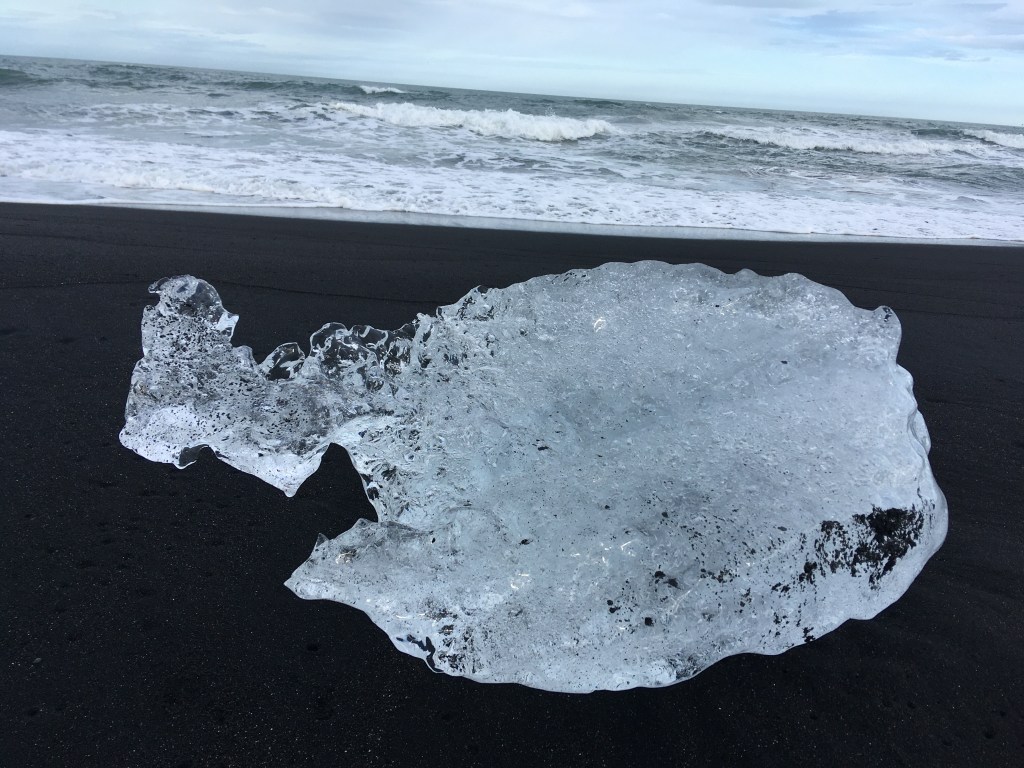
Much of the glacier and some of the icebergs have black lines in them, which are ash deposits from volcanic eruptions over time.
Our guide told us that his grandfather said that the trolls put magic into the ice to make it blue to attract humans so they can eat them.
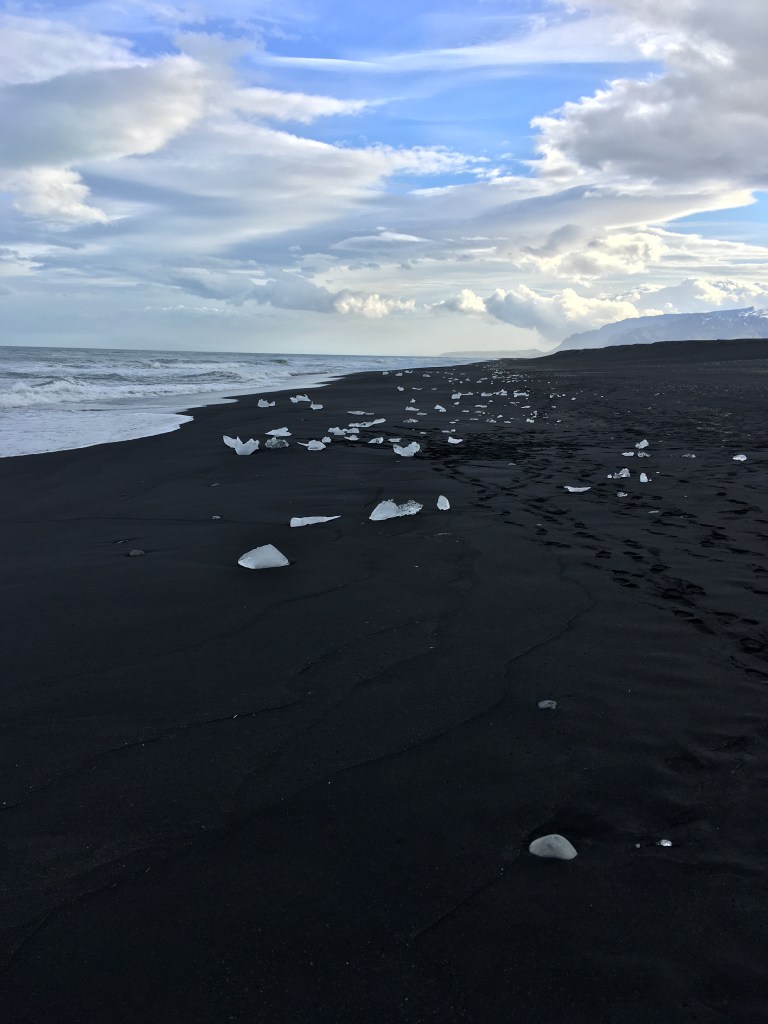
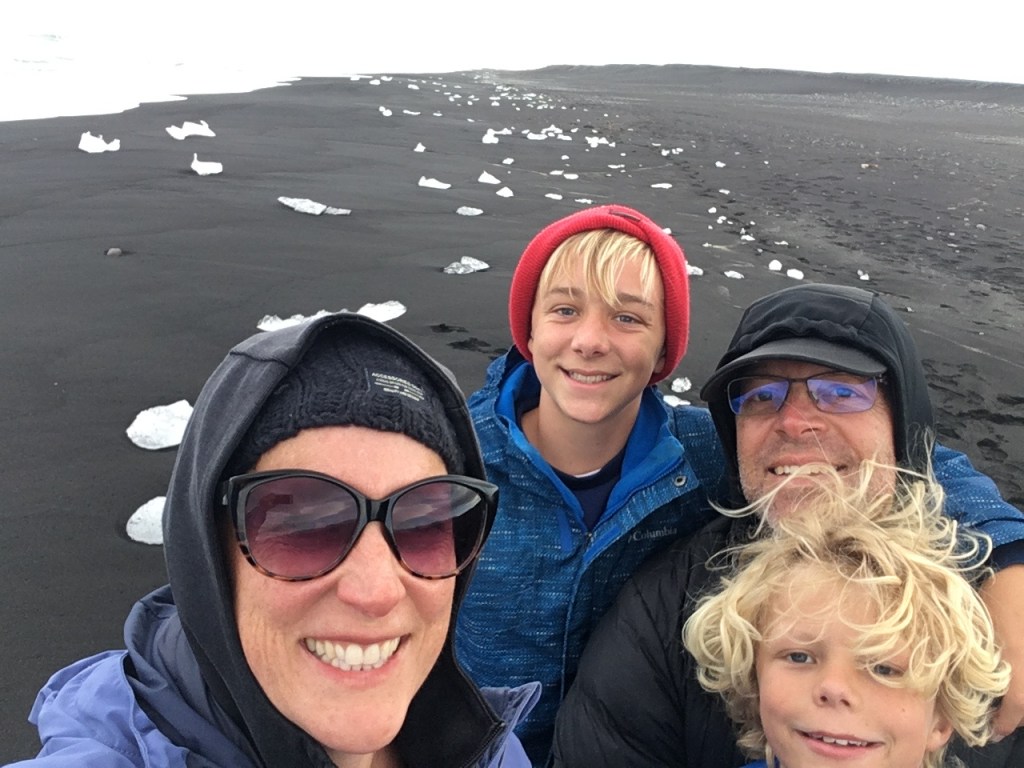
The lagoon opens up into the ocean at Diamond a Beach, which gets its name from the large pieces of ice that float from the glacier and litter the black sand beach.
Iceland is where the North American and Eurasian tectonic plates meet. Oliver thought it would be a symbolic place to end our year in Europe on our way back home in North America. The distance between the plates is now 7 km wide and is growing 2 cm each year. Being on the fault line produces exciting geothermal activity, including hot springs. Much of the electricity in Iceland is created using this geothermal energy. Hot water is pumped from the springs to communities to provide heat and hot water for home.
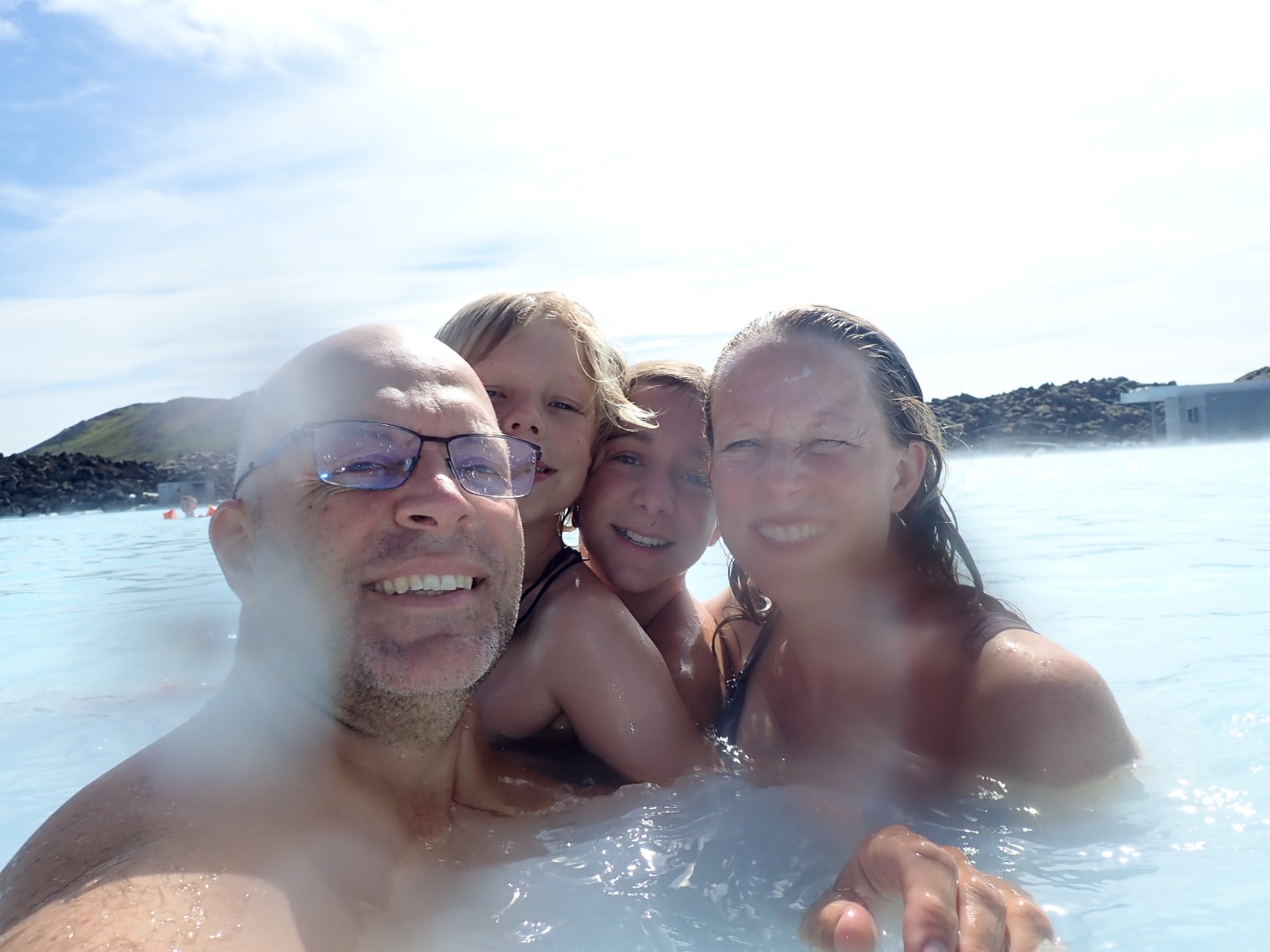
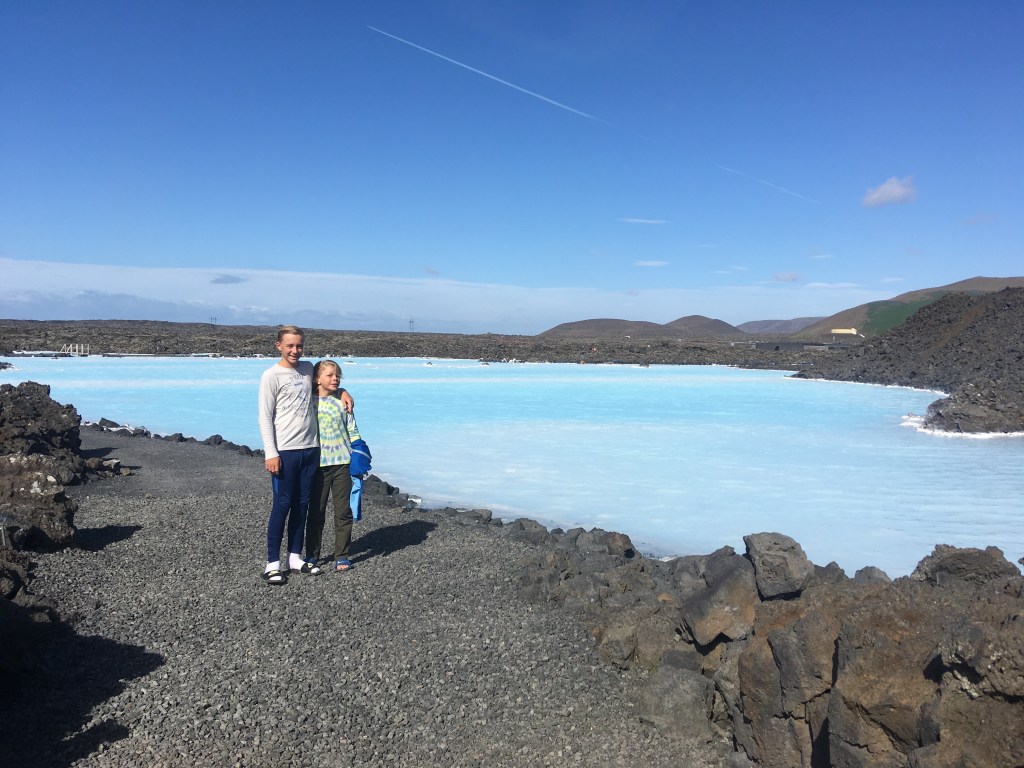
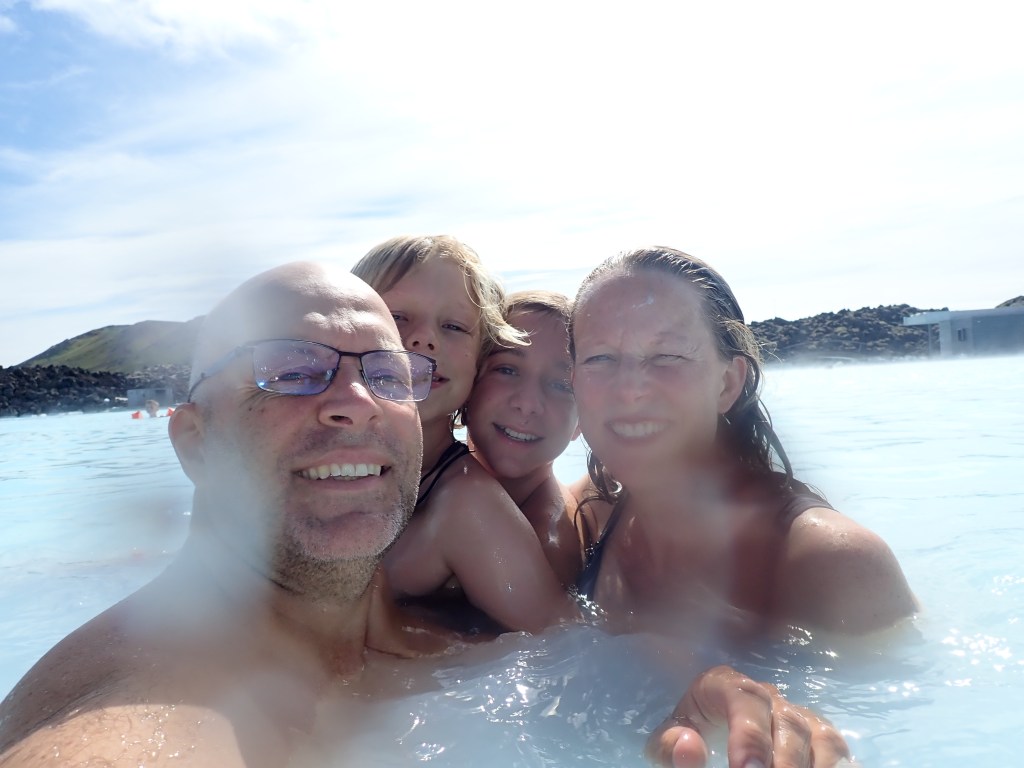
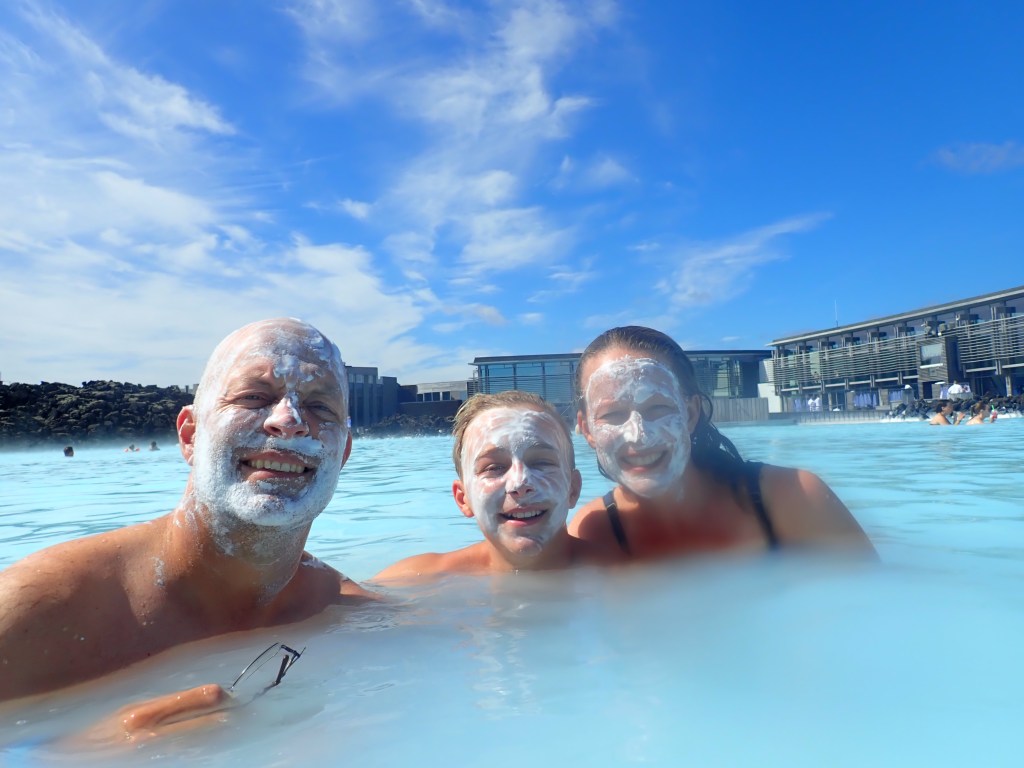
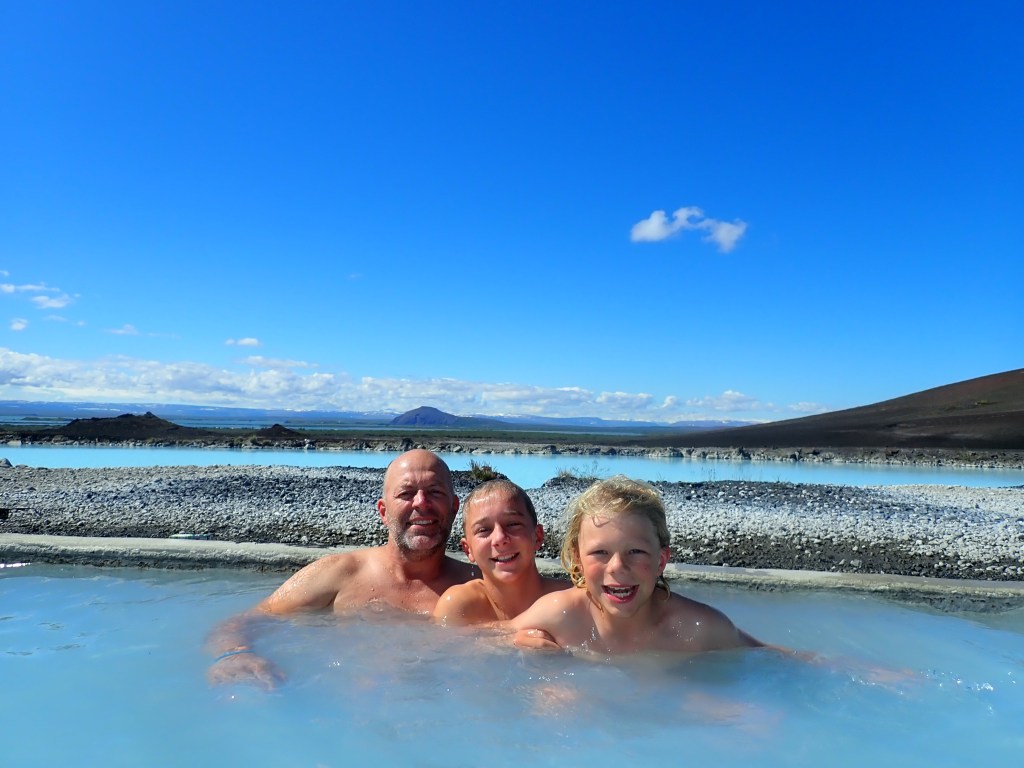
They also make great pools to relax in. We visited several. The most famous and closest to the airport (also the most touristy) is the Blue Lagoon.
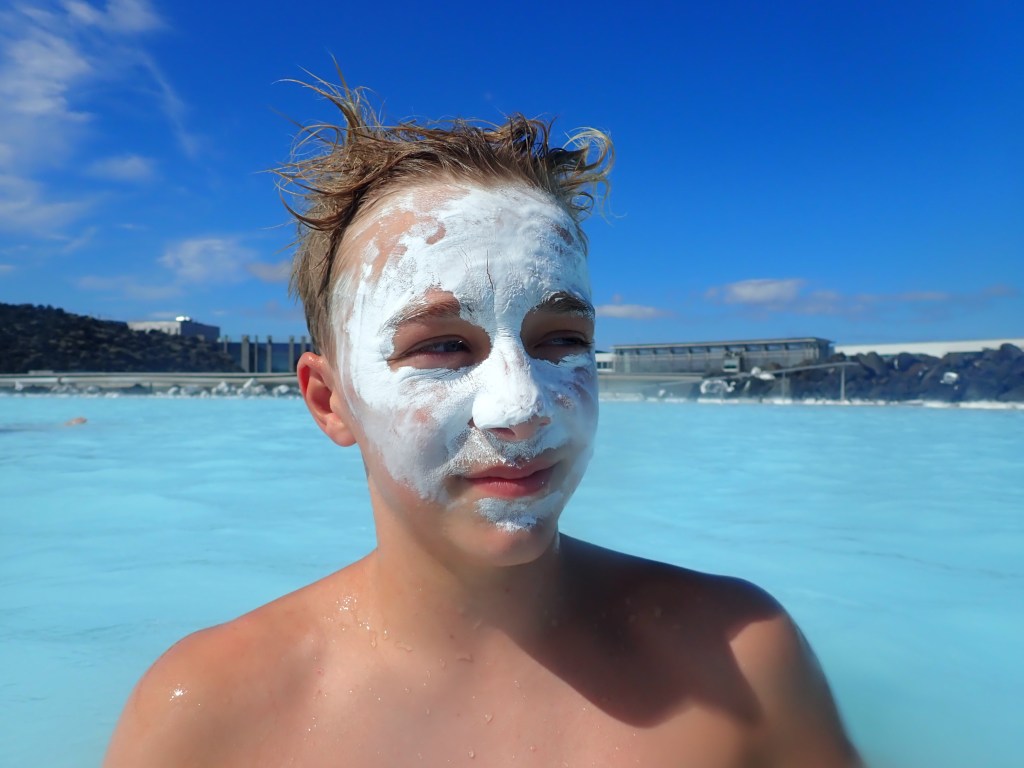
Thanks to Covid-19 and all of the travel restrictions, the pools were not too crowded and most of the visitors were locals. The water is an amazing light blue color, due to the high silica content. You are also treated to a silica face mask, which is supposed to be cleansing for the skin. Unfortunately, it is incredibly drying to your hair. They recommend leaving conditioner in your hair while you are in the lagoon, but even doing that, your hair feels like straw afterwards.
Leo had no interest in trying the silica masks. Oliver did it twice.
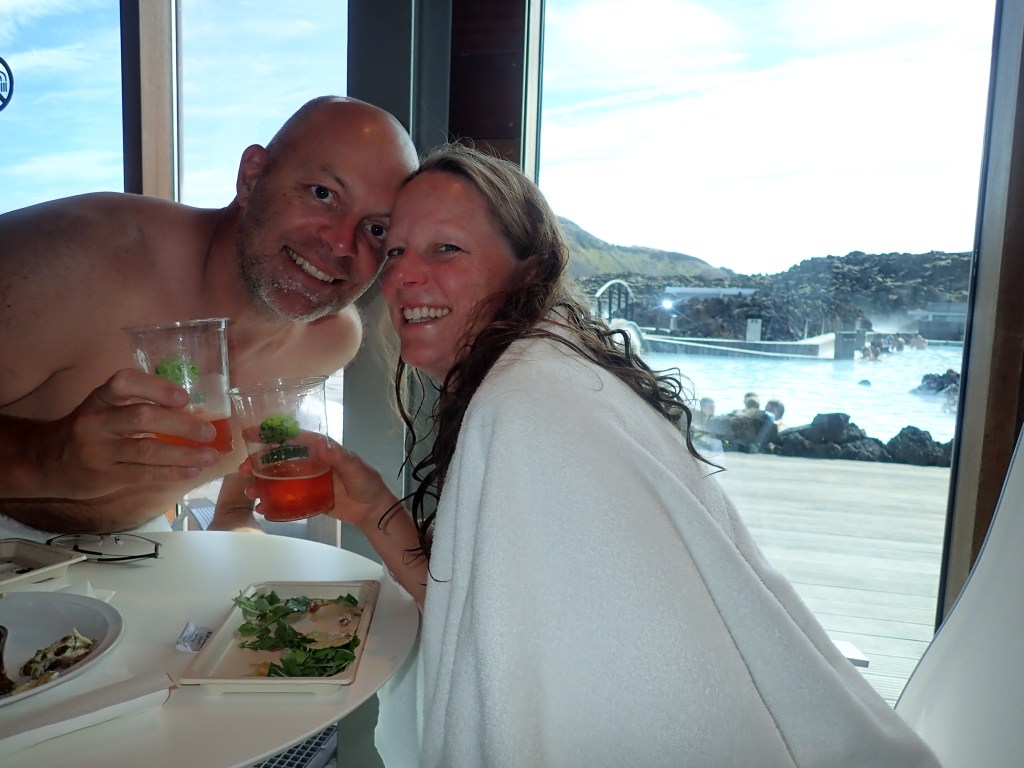
It was a nice place to spend our anniversary.
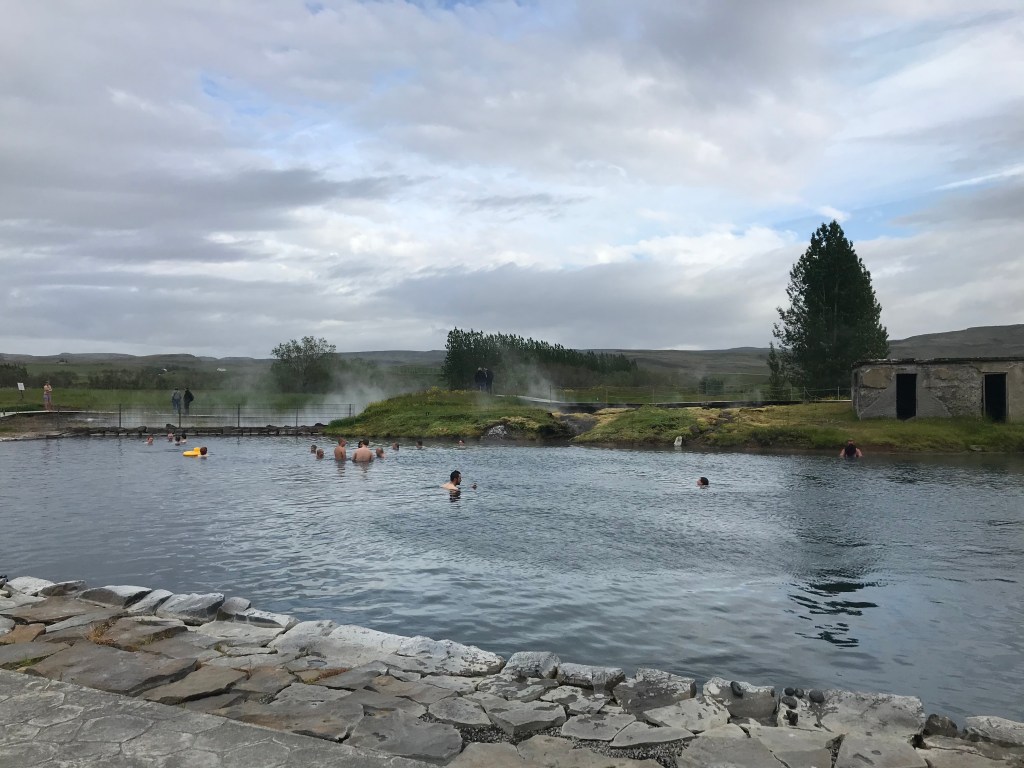
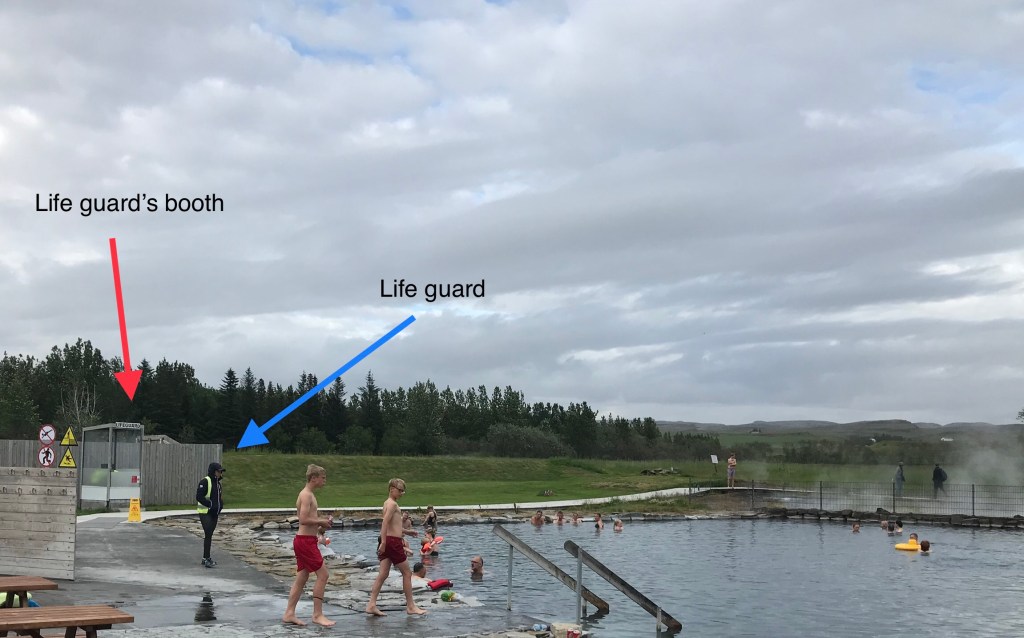
The Secret Lagoon, is the oldest swimming pool in Iceland.
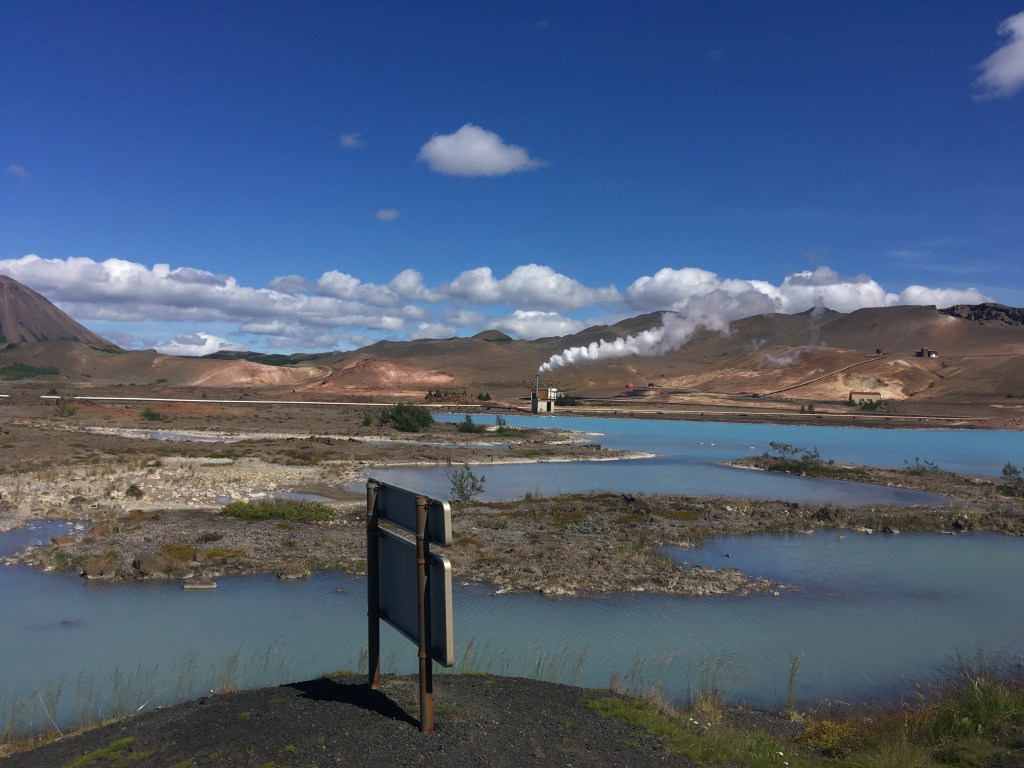
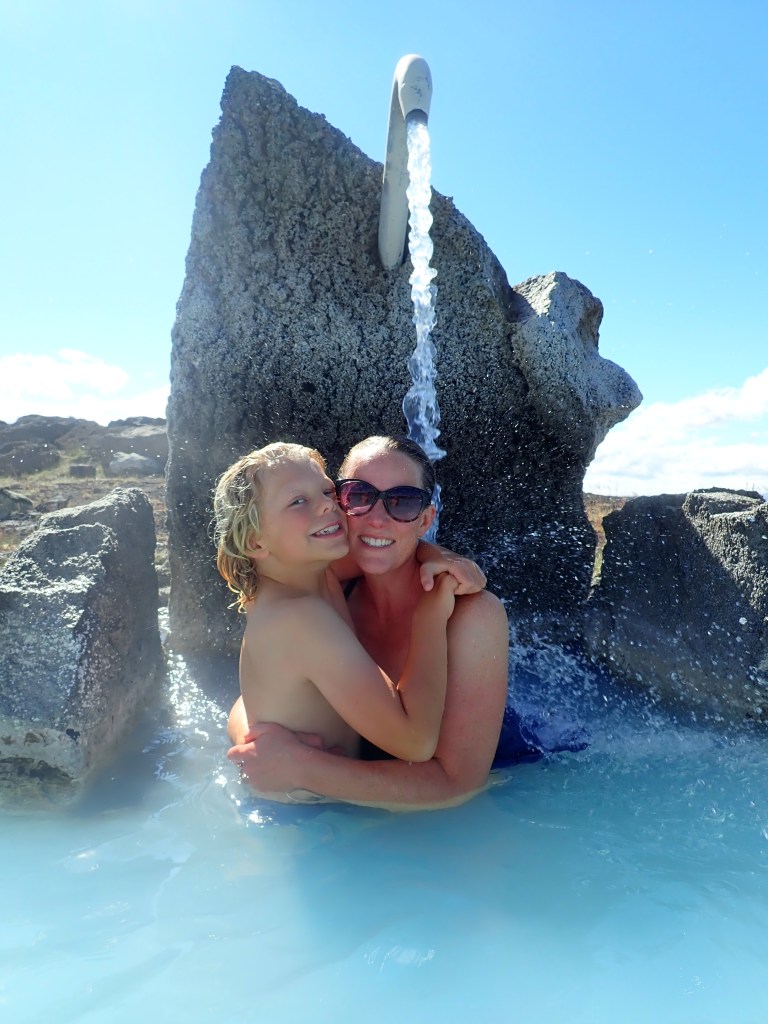
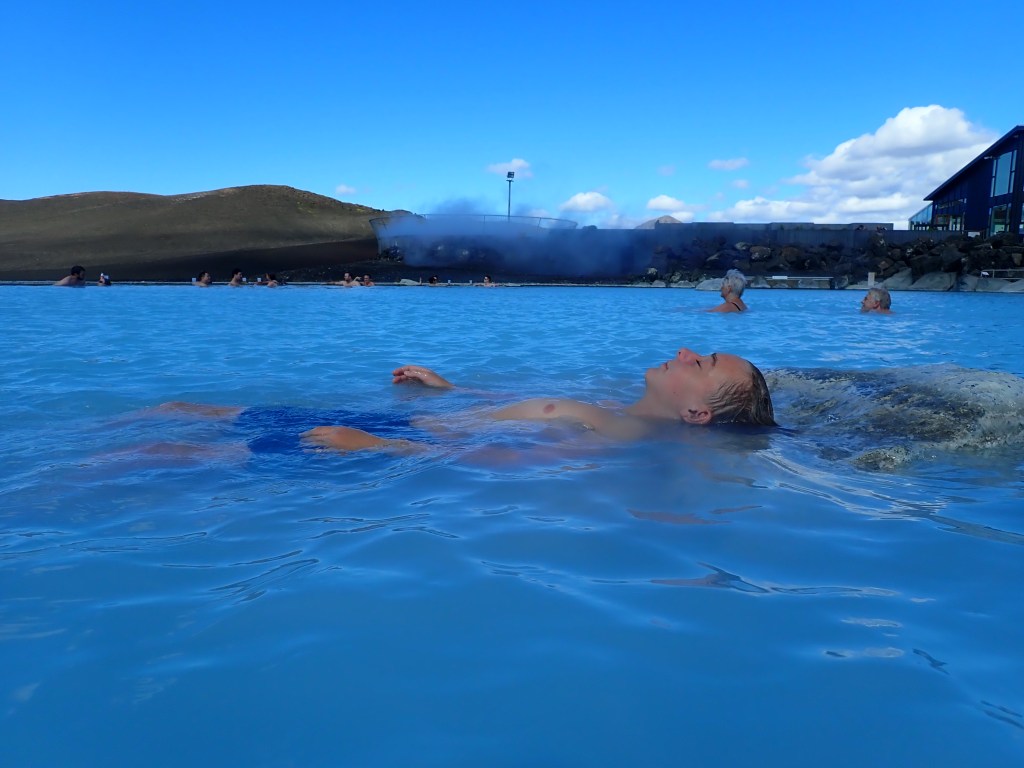
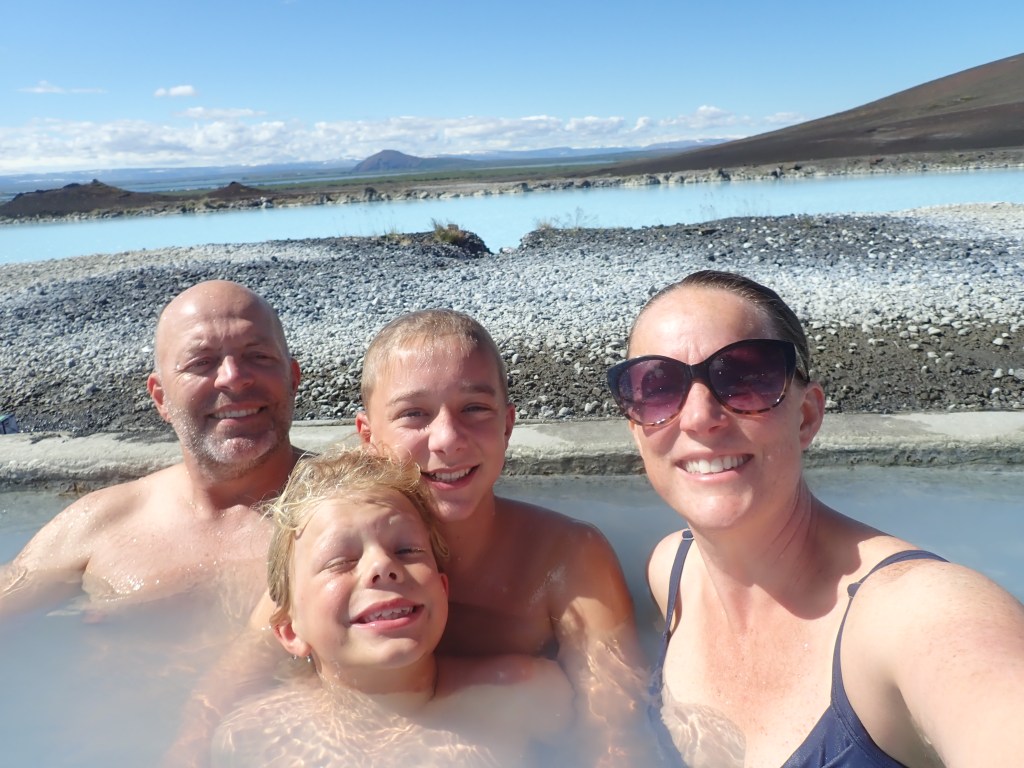
Lake Myvatn Nature Baths is very similar to Blue Lagoon. These baths do not have the silica, however, and leave your skin feeling quite smooth.
Besides the water temperature, hanging out at pools in Iceland is different from pools back home. Life guards are not dressed in swimsuits. They have pants, jackets and often hats. Sometimes they even sit inside a booth.
Also quite noticeable was the absence of the loud playfulness I’m used to in the States; in contrast, the children are calm and mellow. There is no splashing around. People mostly just cluster together and talk.
We wished we had more time for more hot springs, especially the more natural ones, something to leave for another trip I guess.
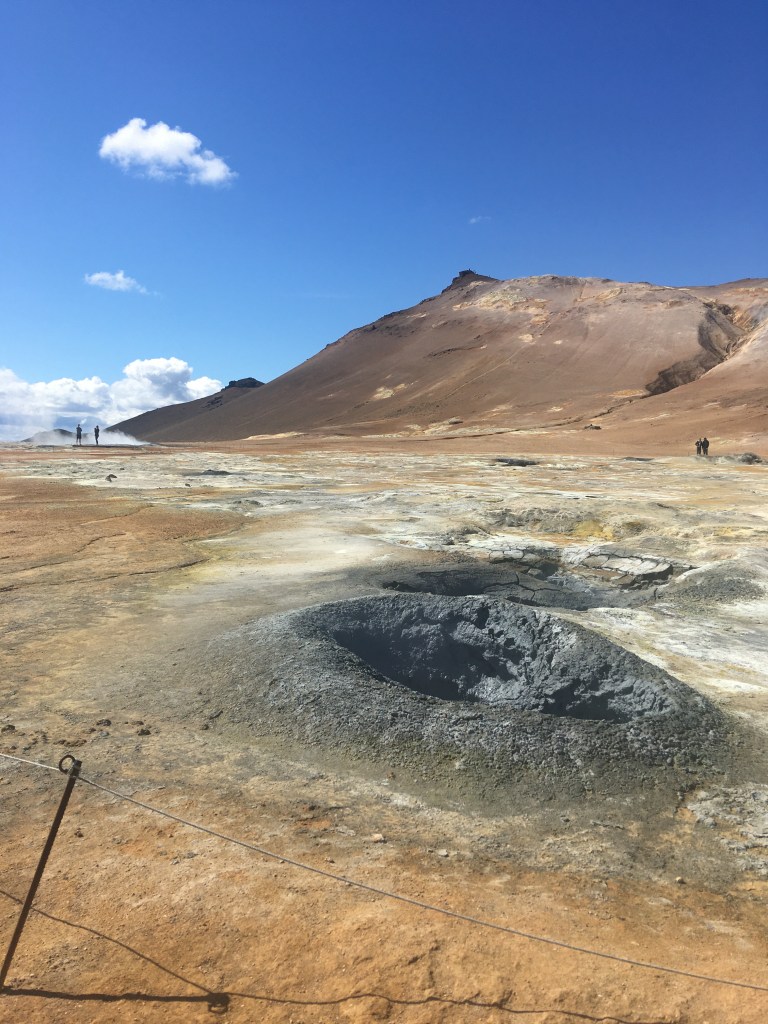
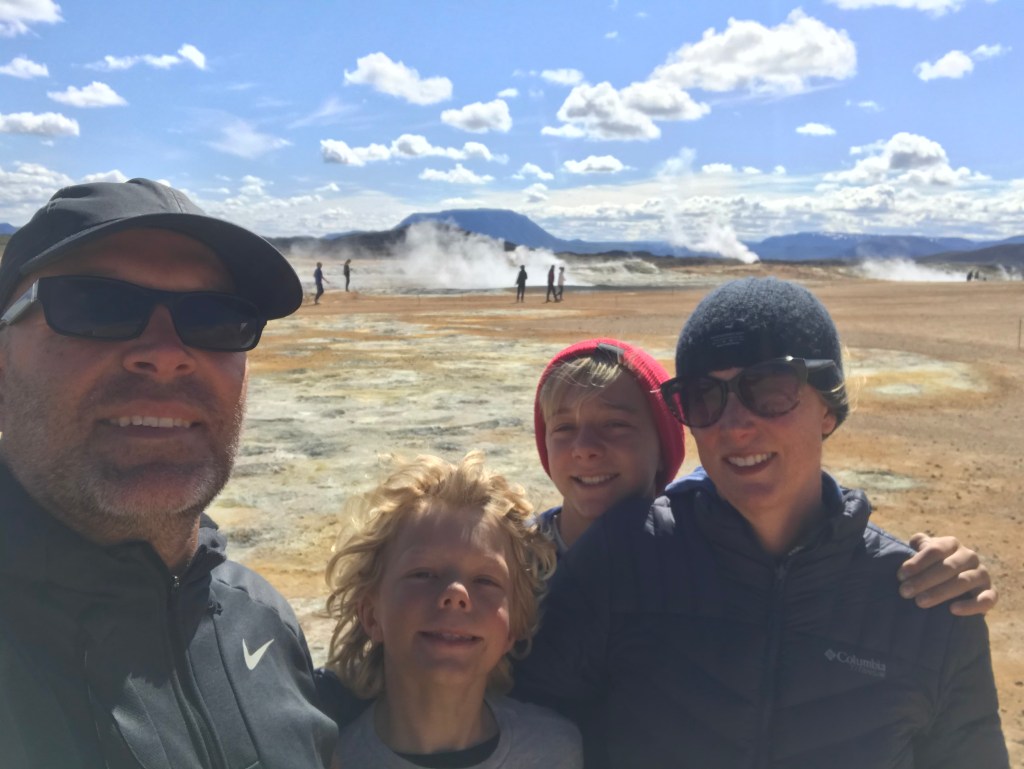
Some of the hot springs are not places you’d want to take a dip however. Hverir is a desolate landscape that looks like something you might find on Mars, with the addition of bubbling, steaming pools of mud.
A little compilation of the bubbling and steaming at Hverir.
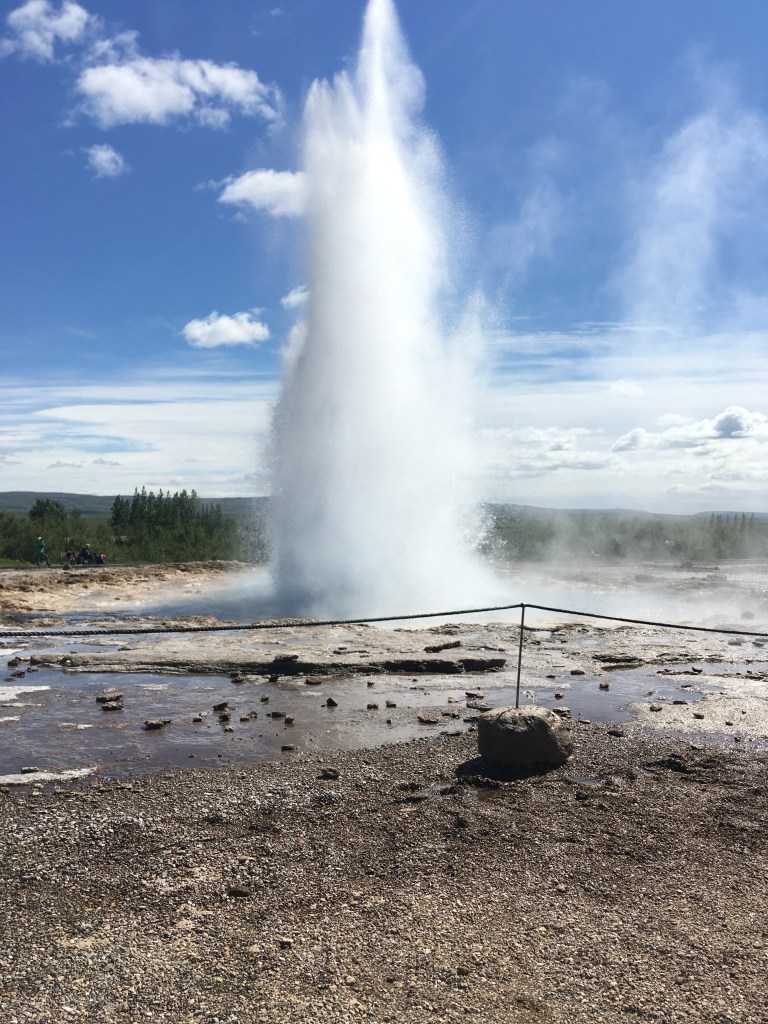
The geothermal activity also makes for exciting geysers.
A little video of the geyser going off.
Geysir is a site of several geysers. The most exciting one is Strokkur. It goes off every 6-10 minutes (unlike America’s Old Faithful which goes off every 80-100 minutes). Nearby is another one called Geysir, which only goes off every few years based on tectonic activity.
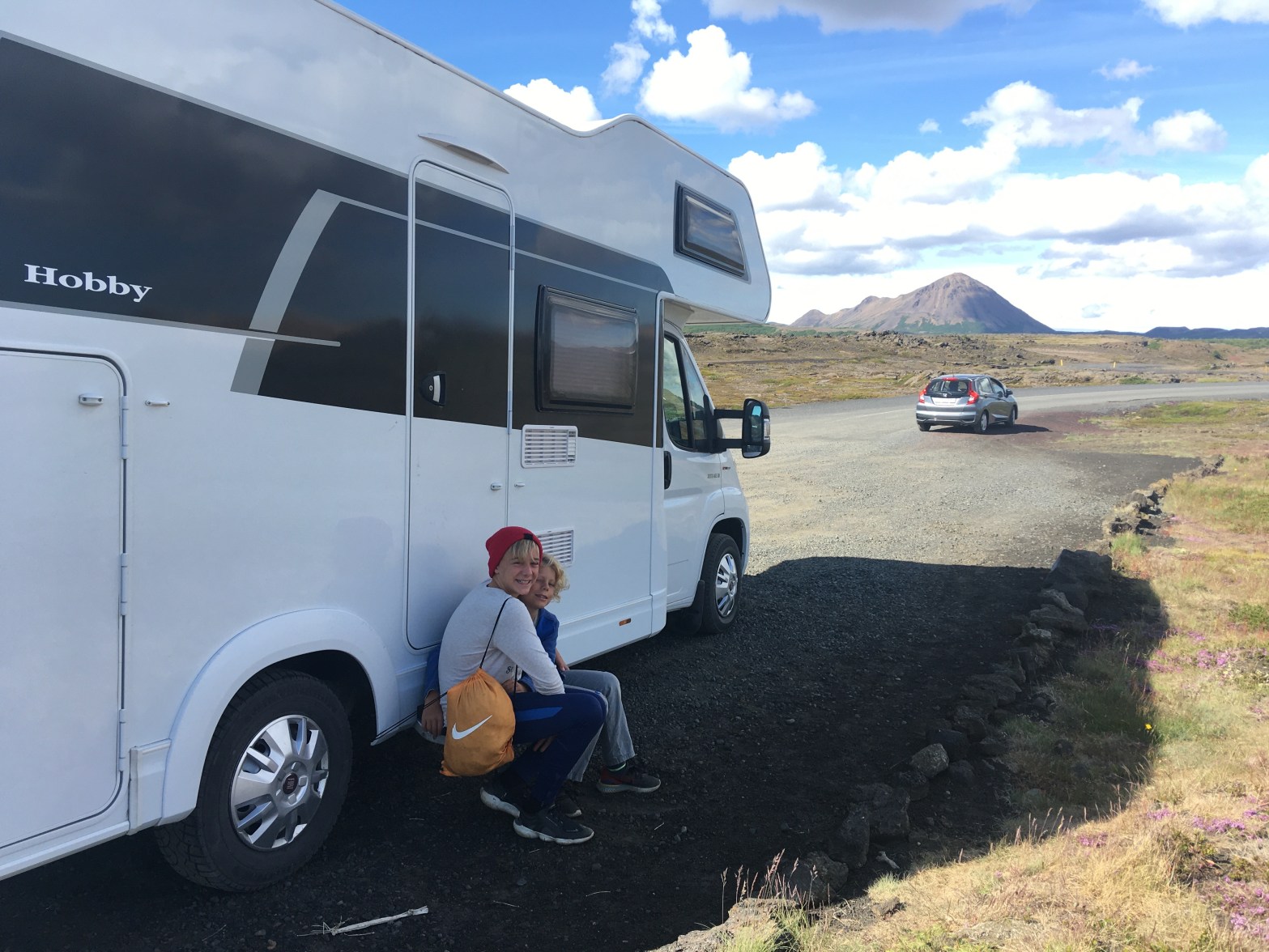
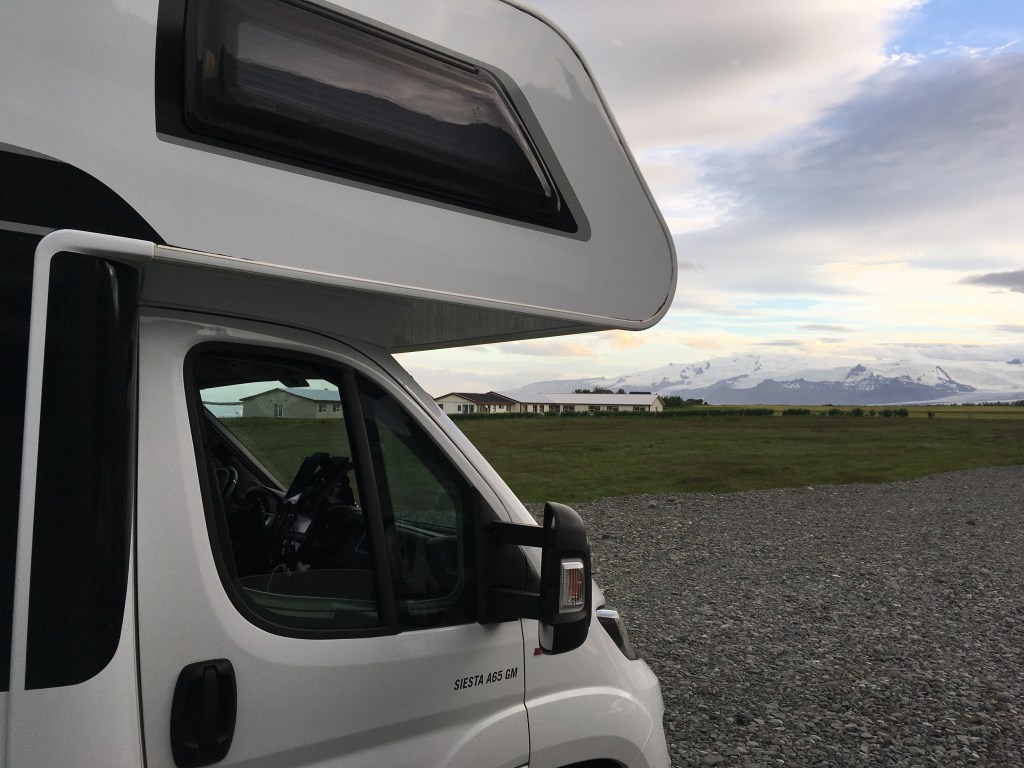
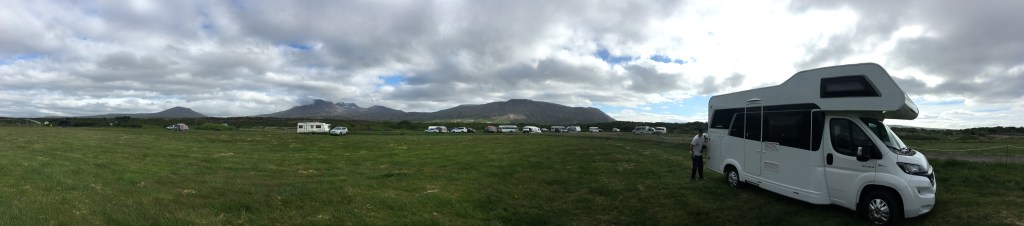
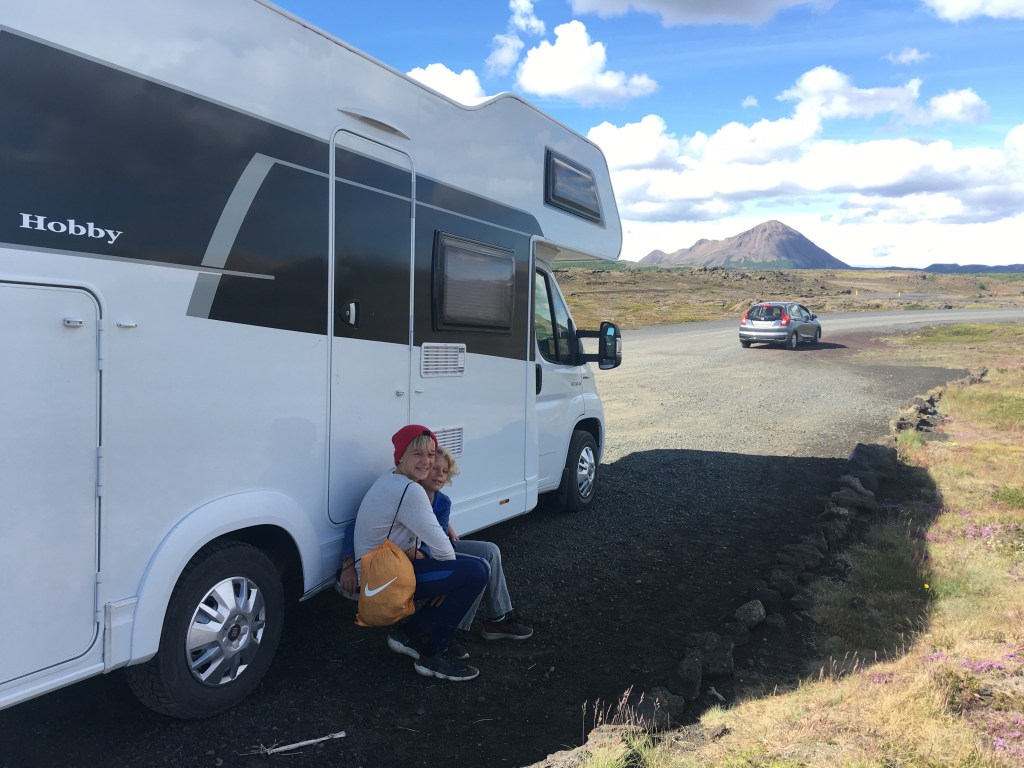
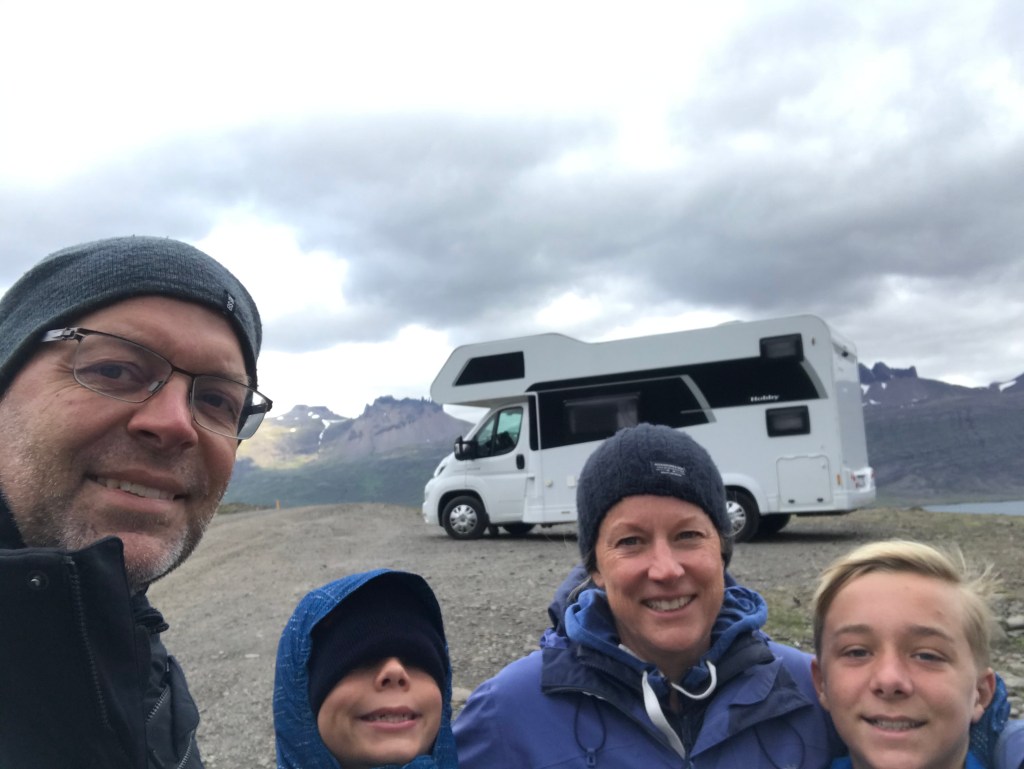
Renting an RV gave us a lot of flexibility and social distancing as we did a road trip around Iceland.
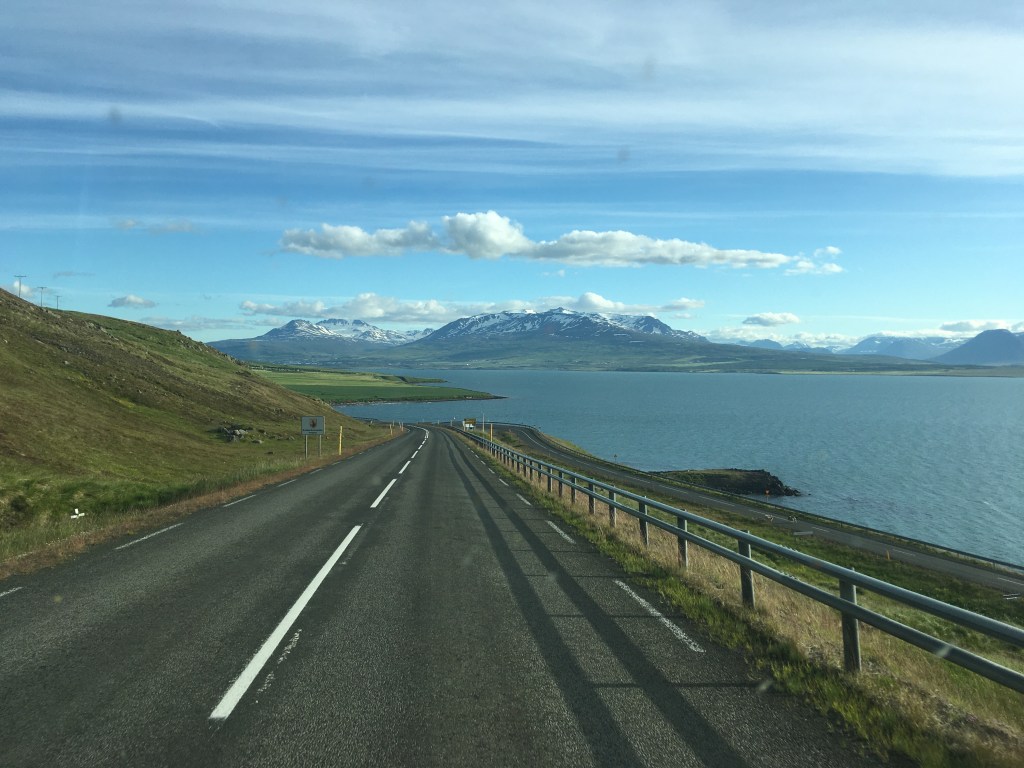
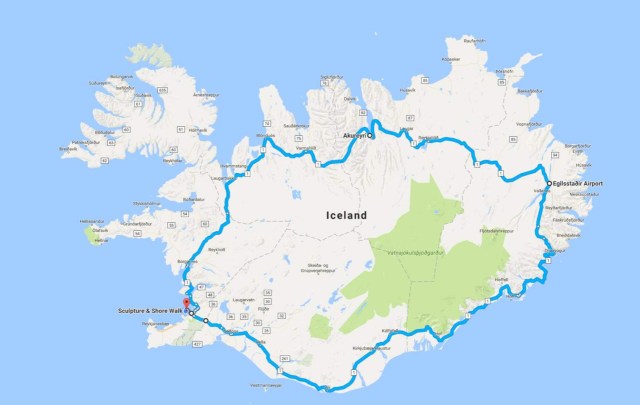
We traveled the Ring road.
This is pretty much the route we took, although we had a few side excursions along the way (including the Golden Circle and Borgarfjordur Eystri).
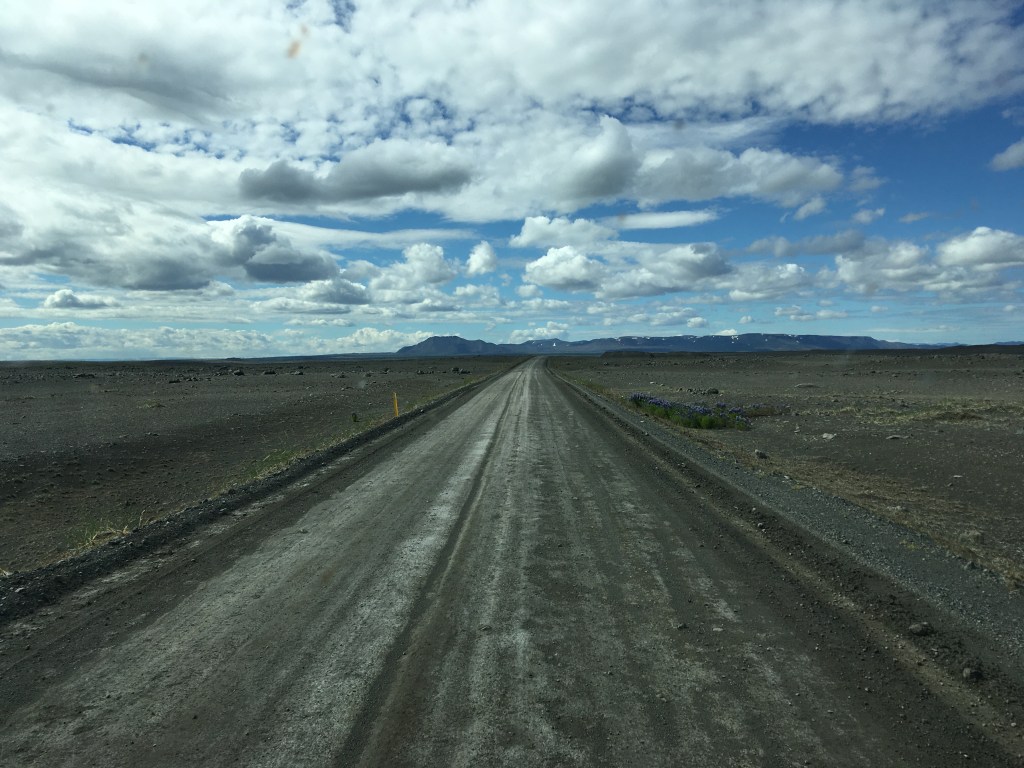
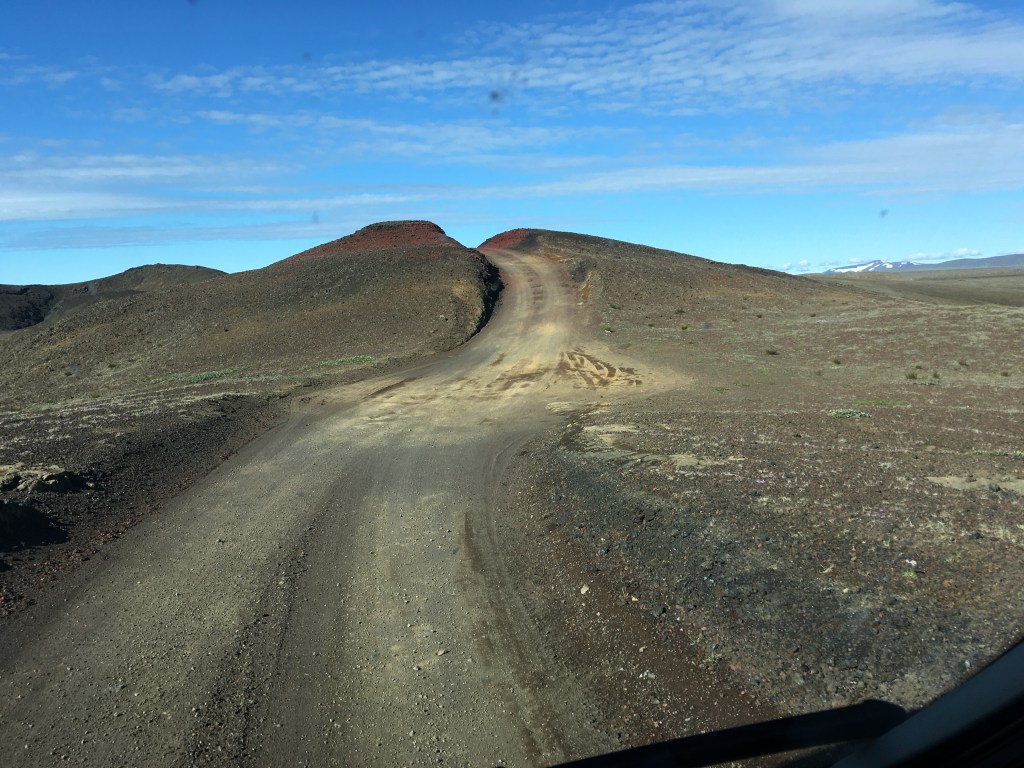
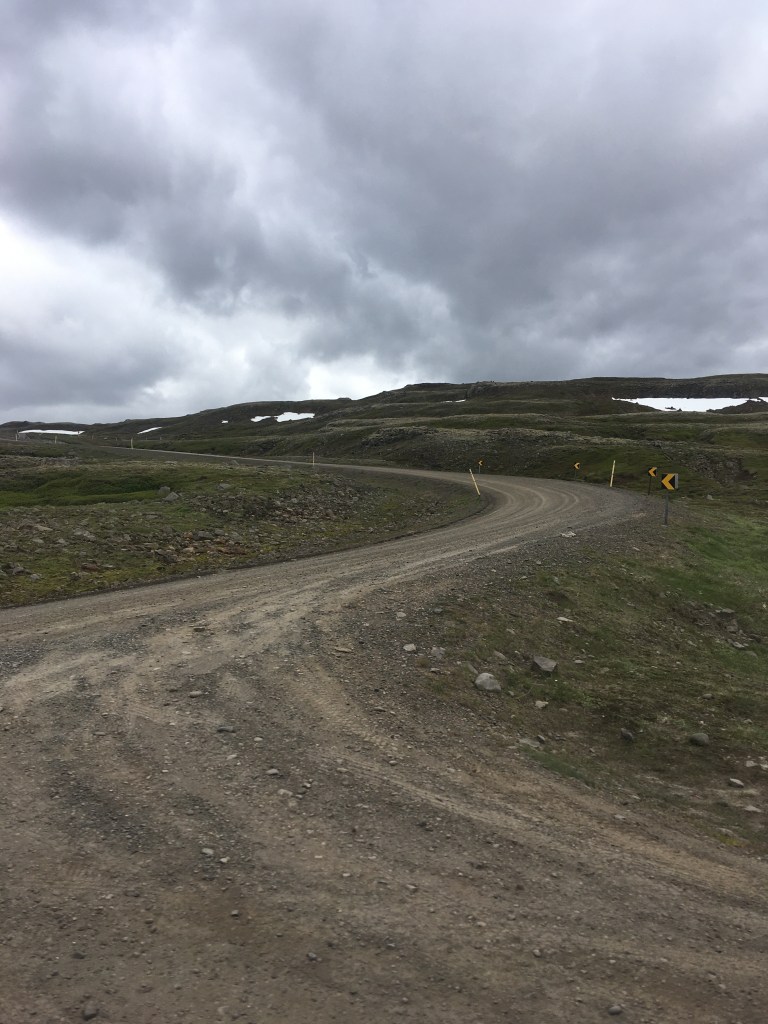
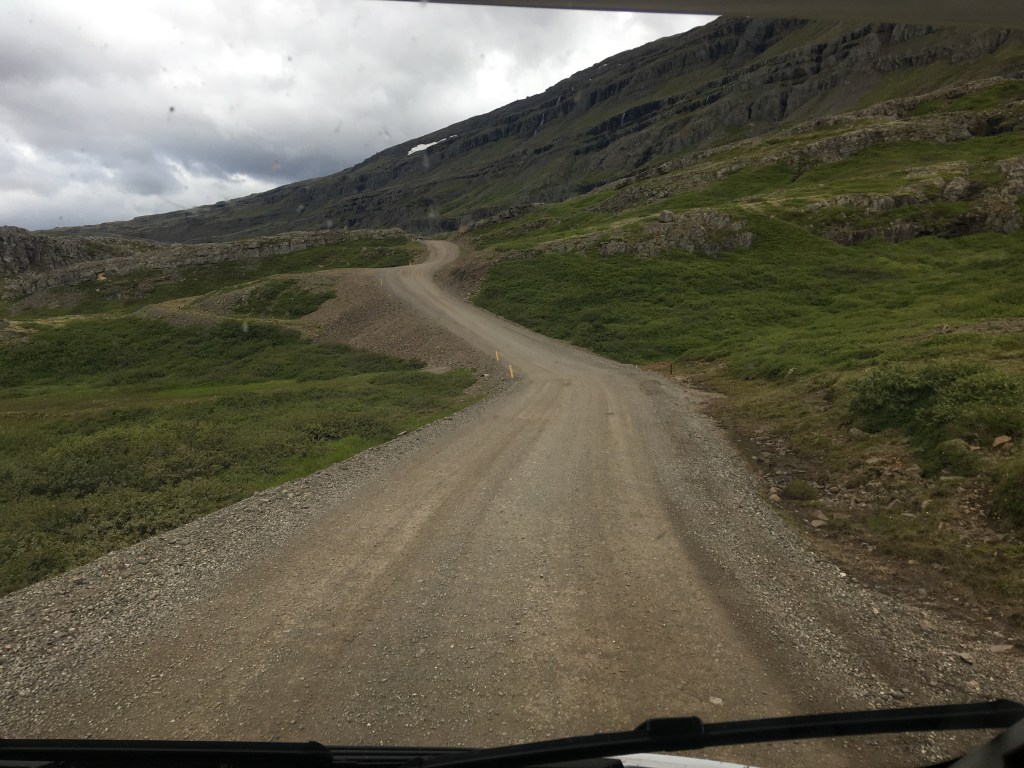
All of the roads inside of the Ring Road are classified as F roads which require a 4X4 vehicle. With our RV we stuck to the perimeter of the Ring Road, and it was plenty rough, since many of the roads are gravel and there was plenty to see.
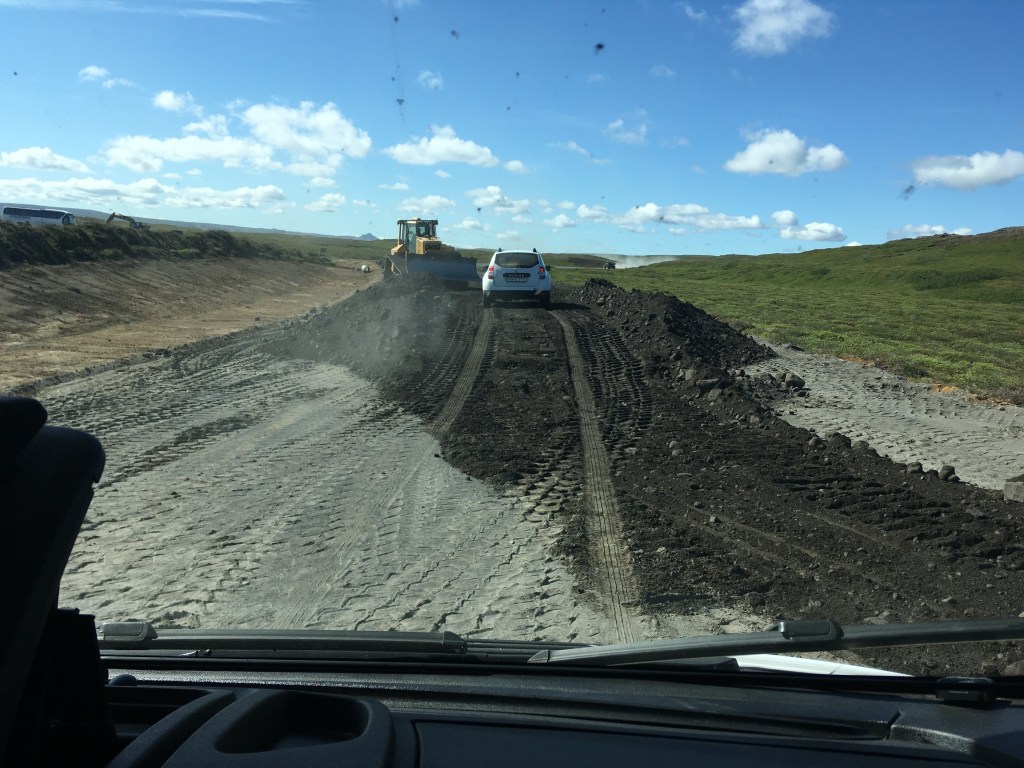
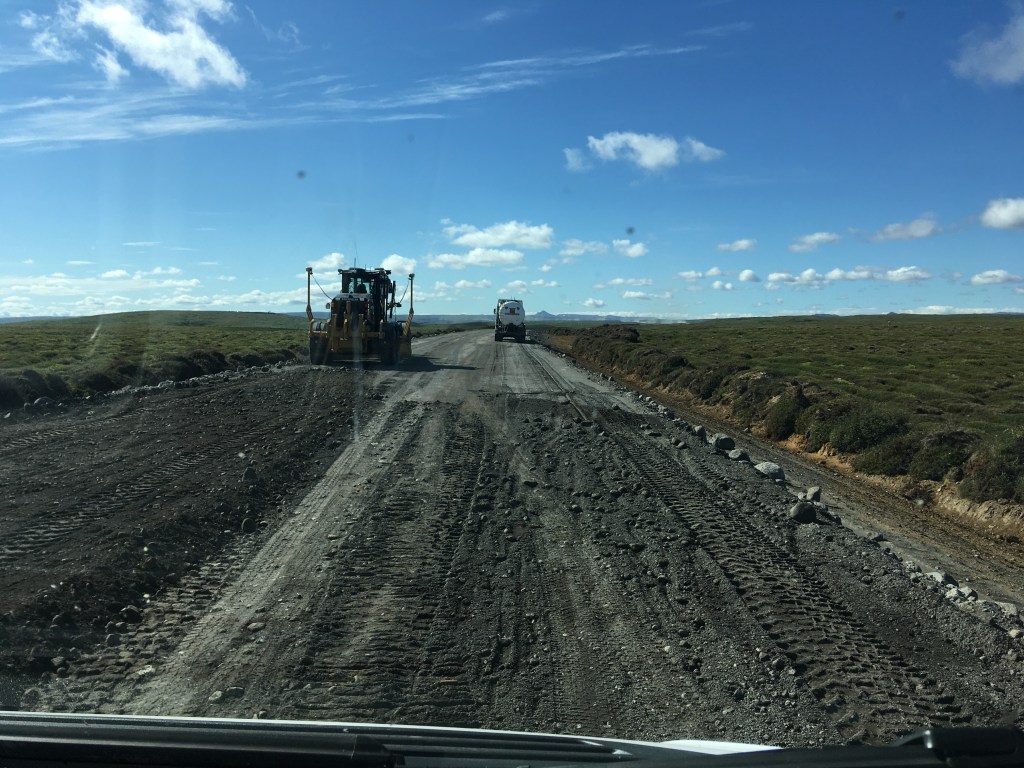
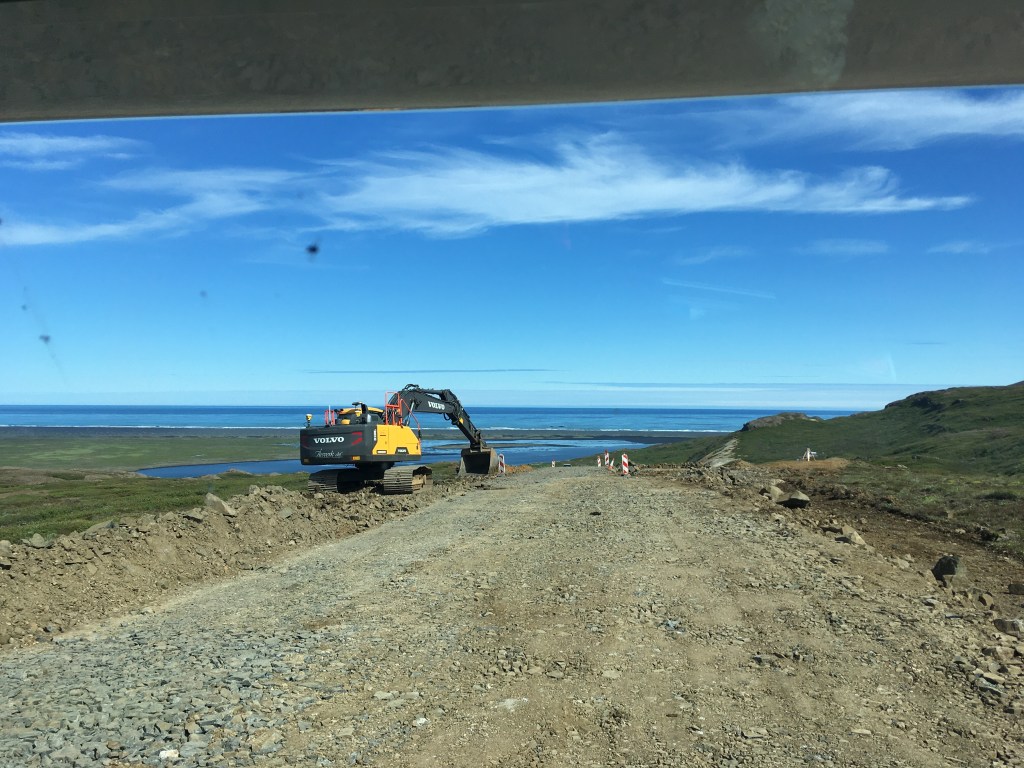
There was a lot of construction along the roads, but none of it really slowed us down. The severe winter weather does a lot of damage and requires a lot of regular road work.
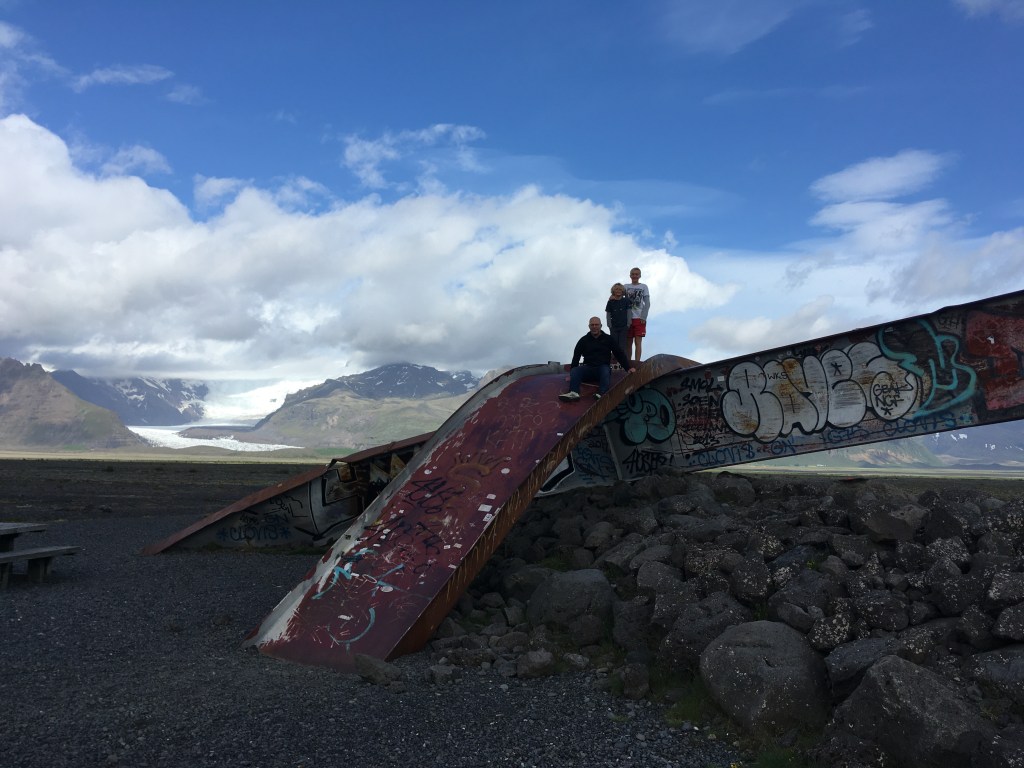
This is part of a bridge washed away from flooding
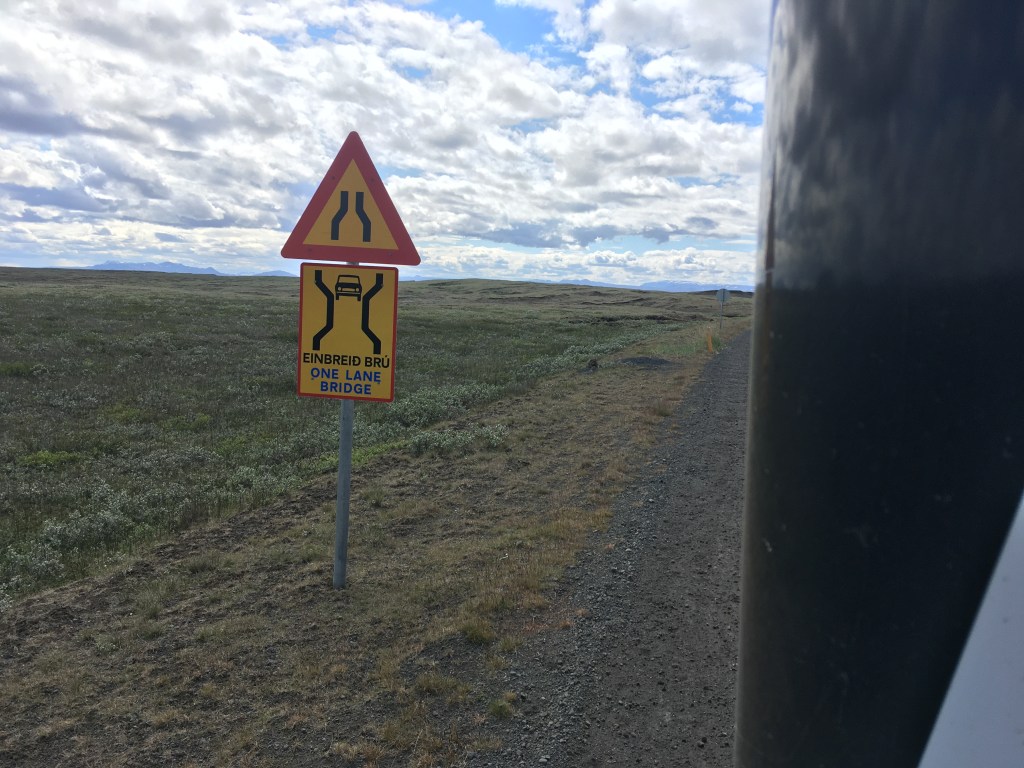
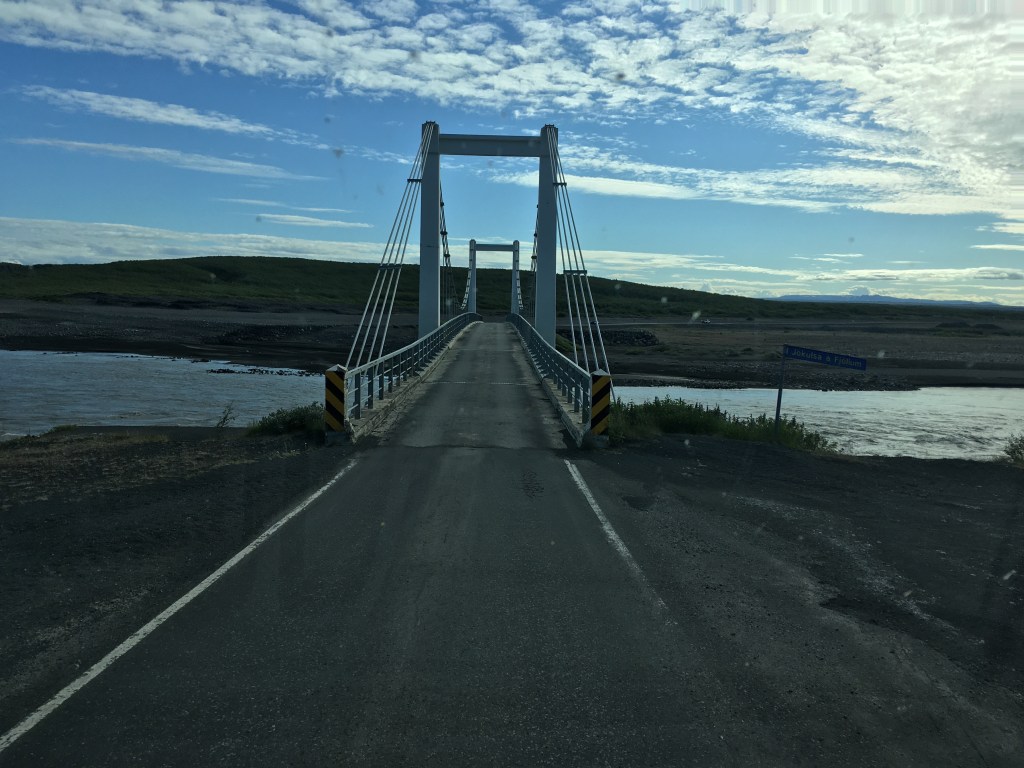
Nearly every bridge was a single lane bridge. Our guess is that since the roads and bridges get washed out so often, it is cheaper to build a single lane bridge.
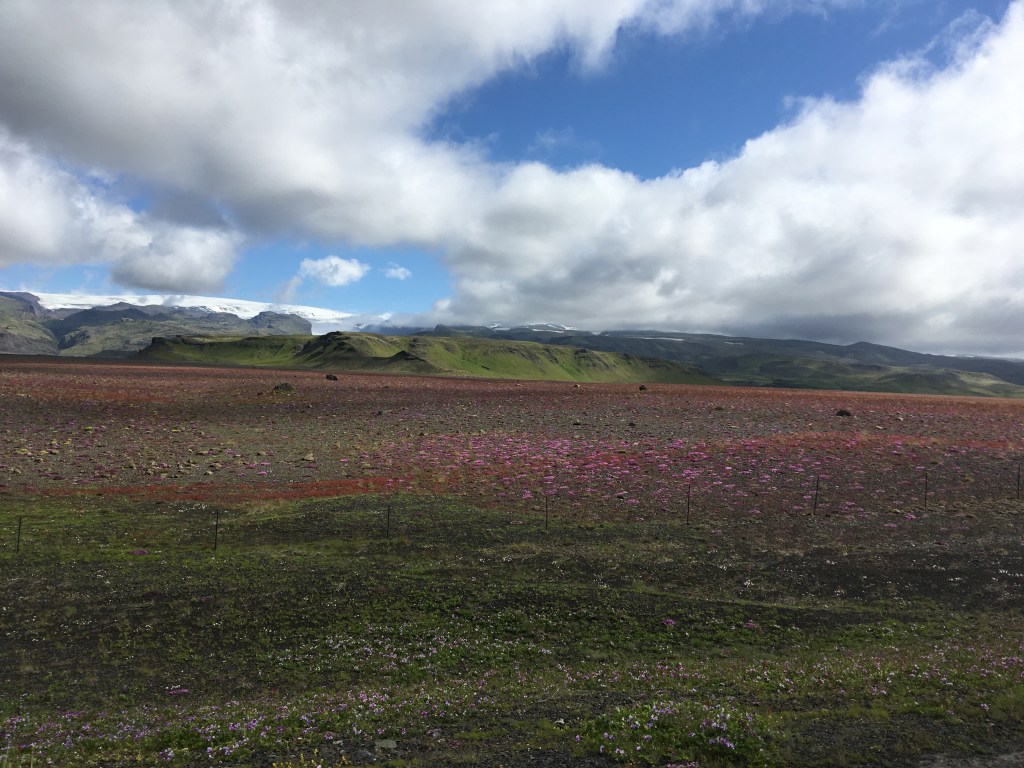
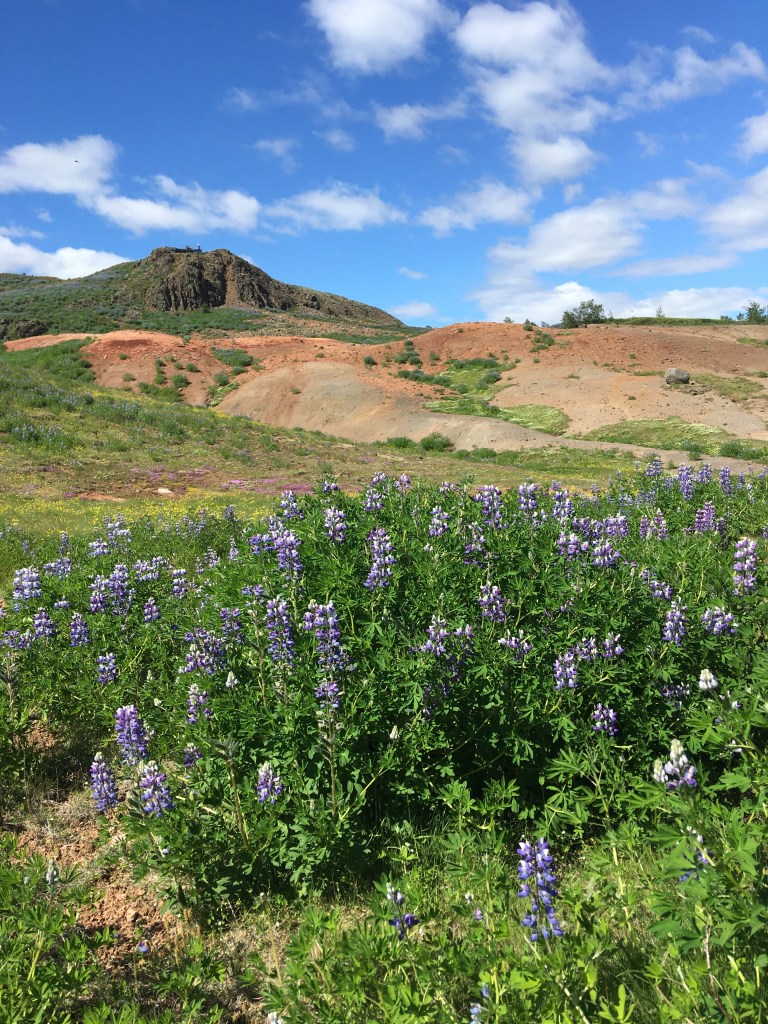
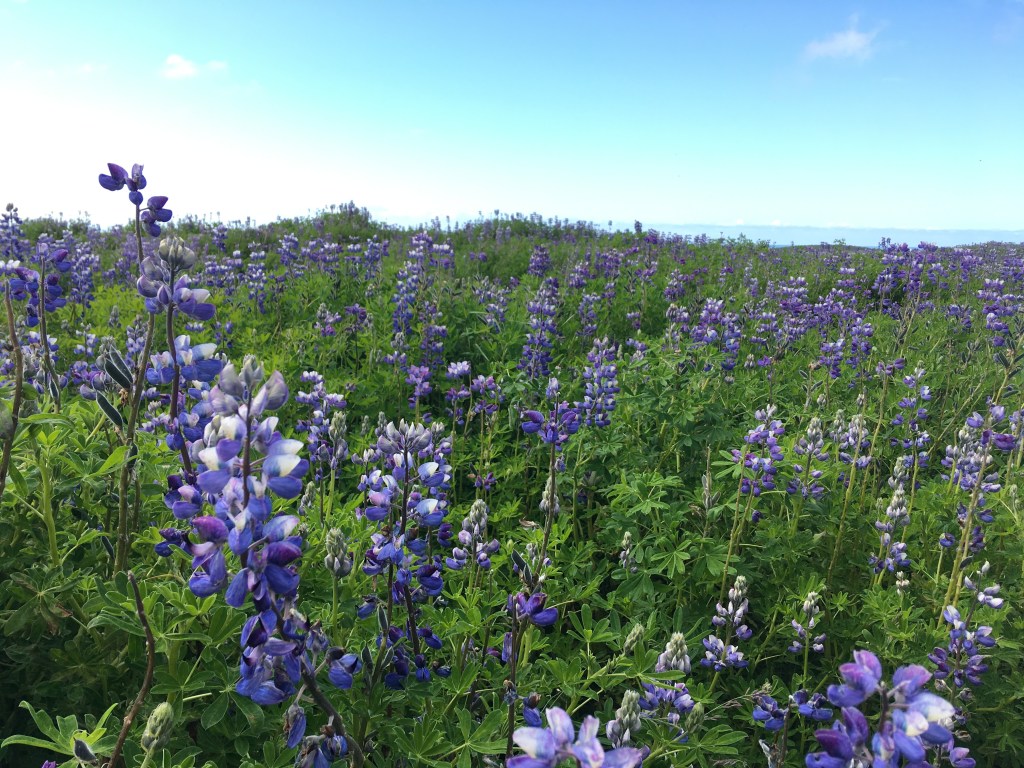
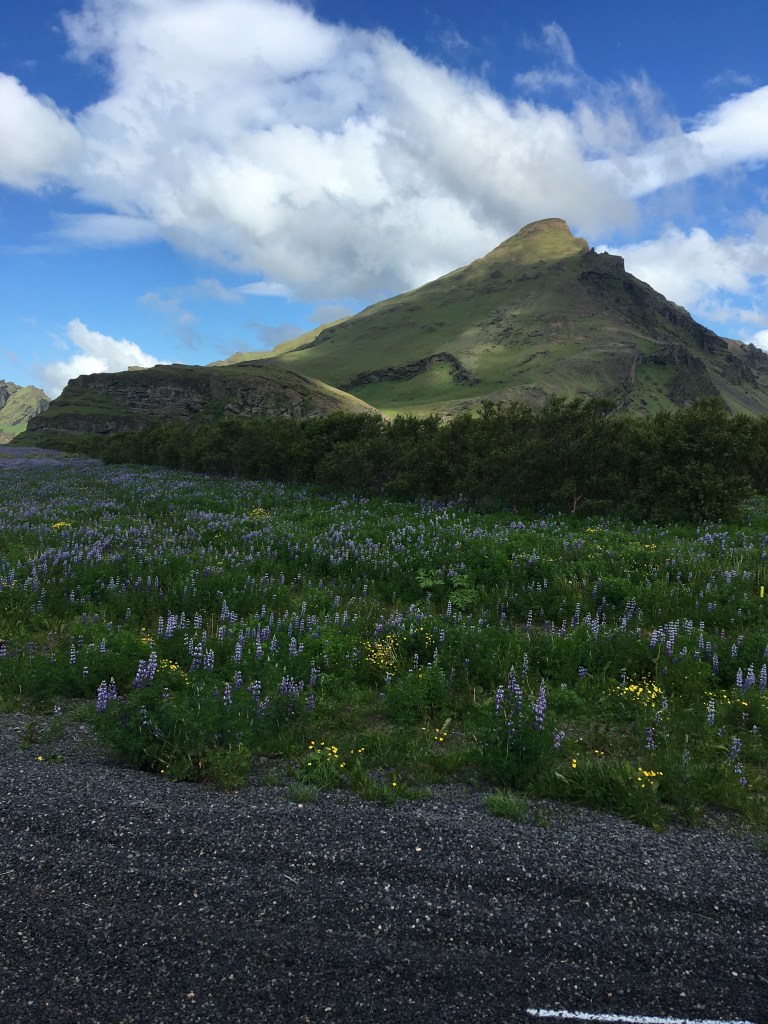
Lupine lined the roads and covered the fields like weeds.
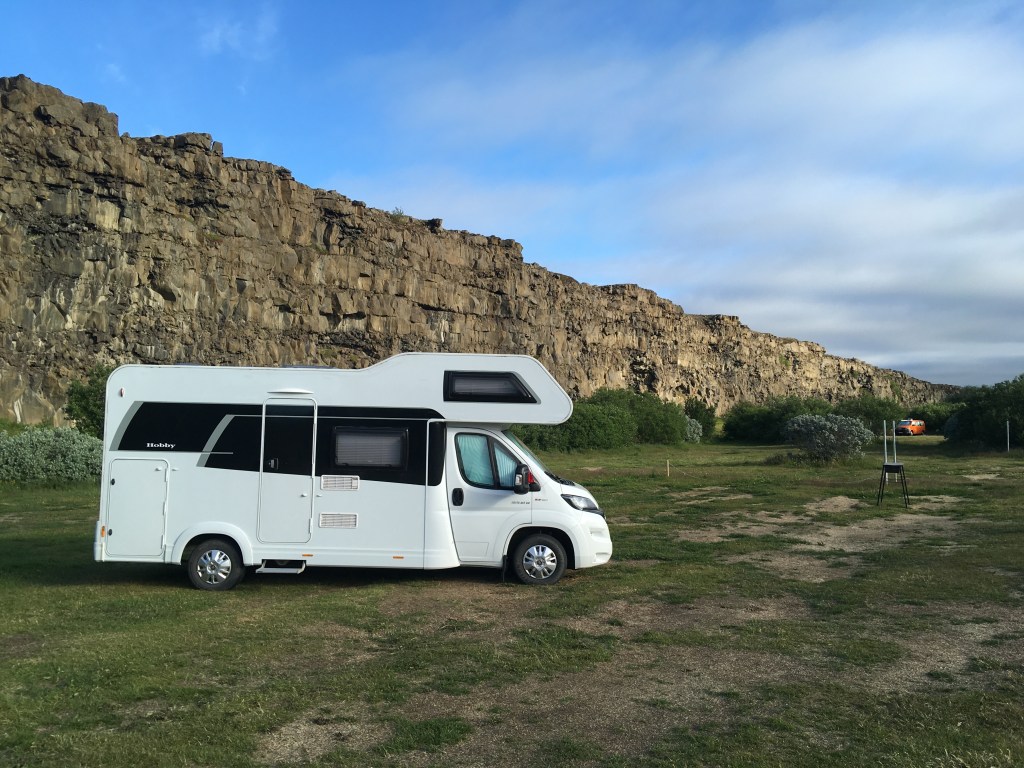
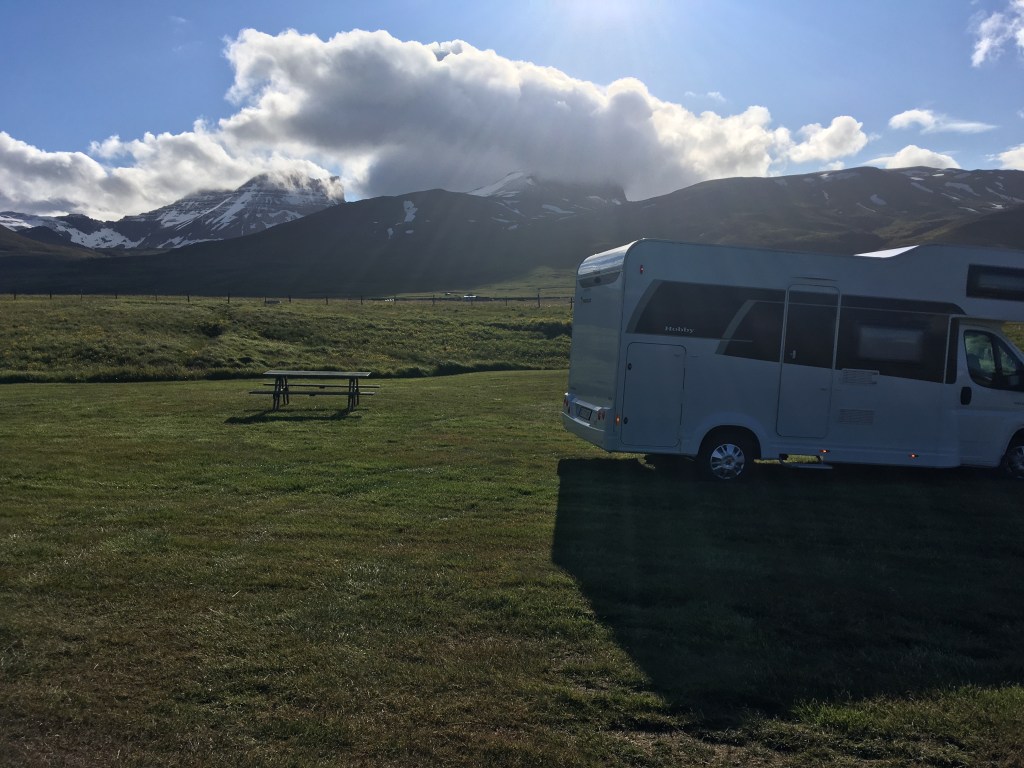
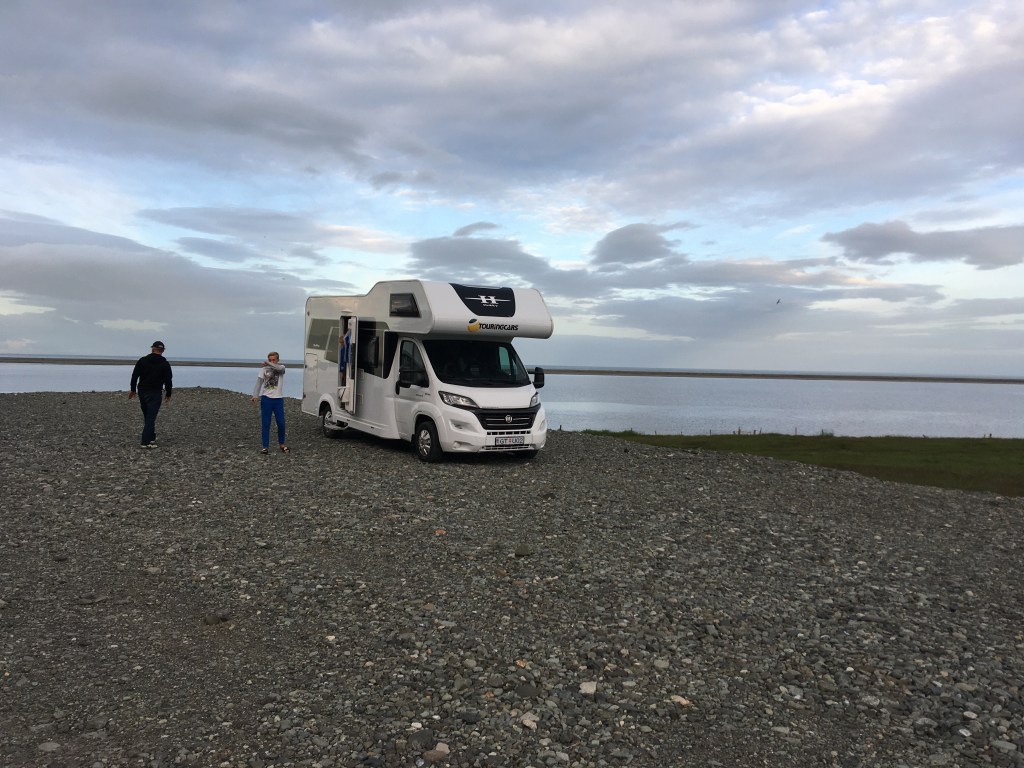
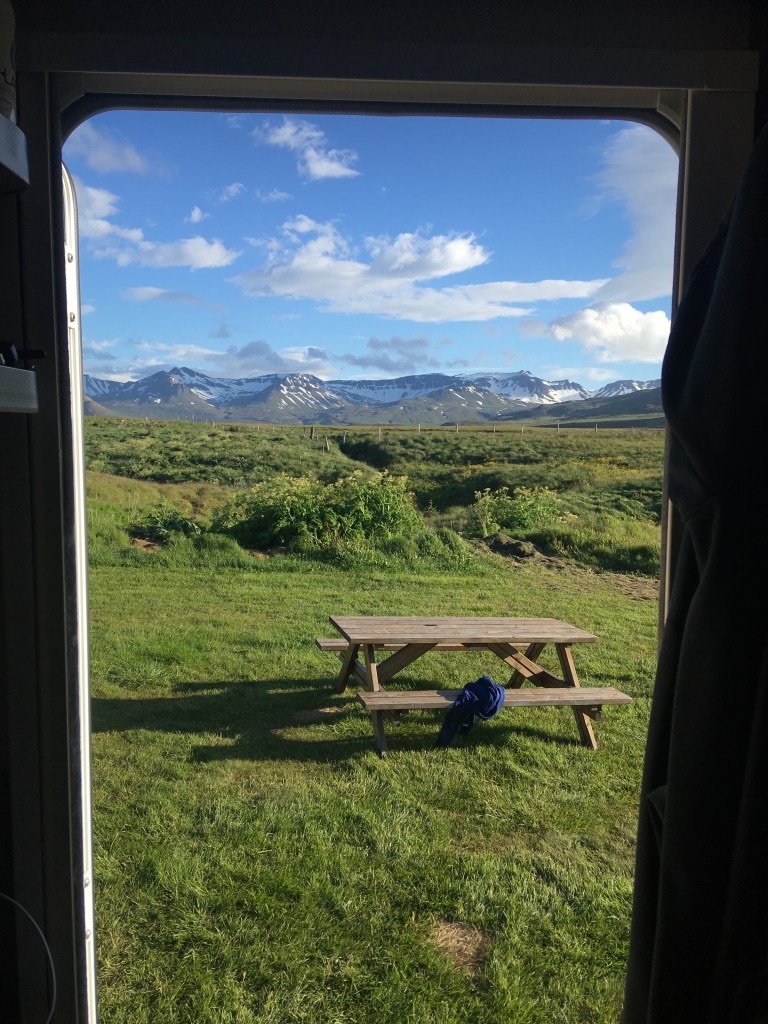
We camped in some amazing locations.
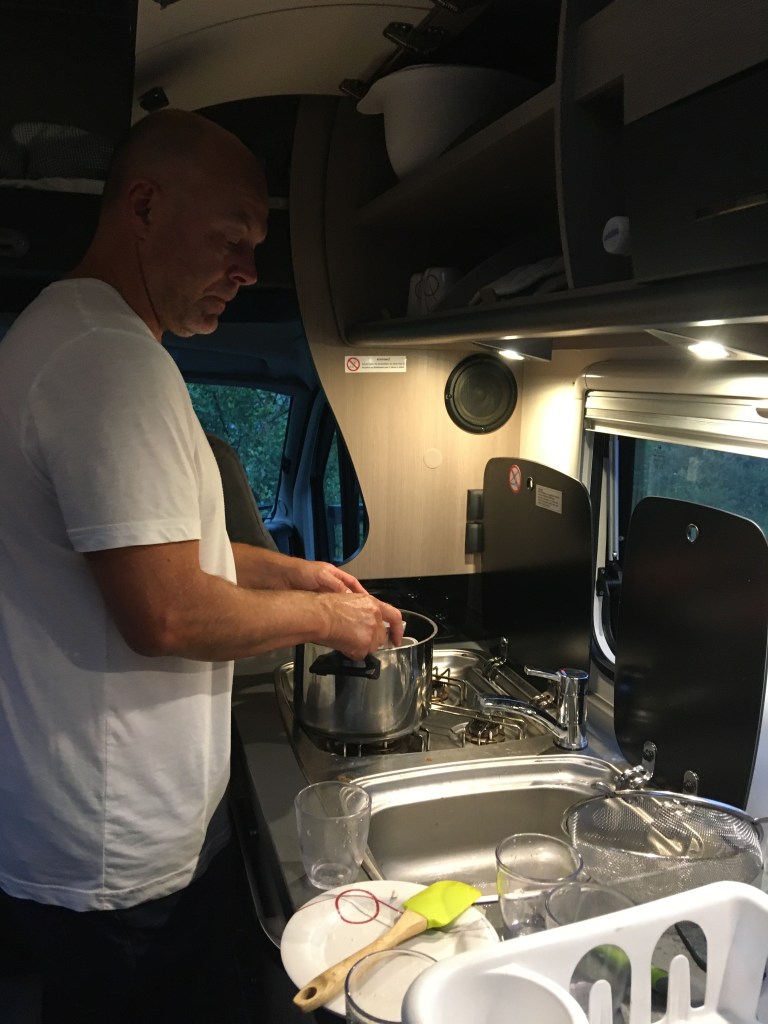
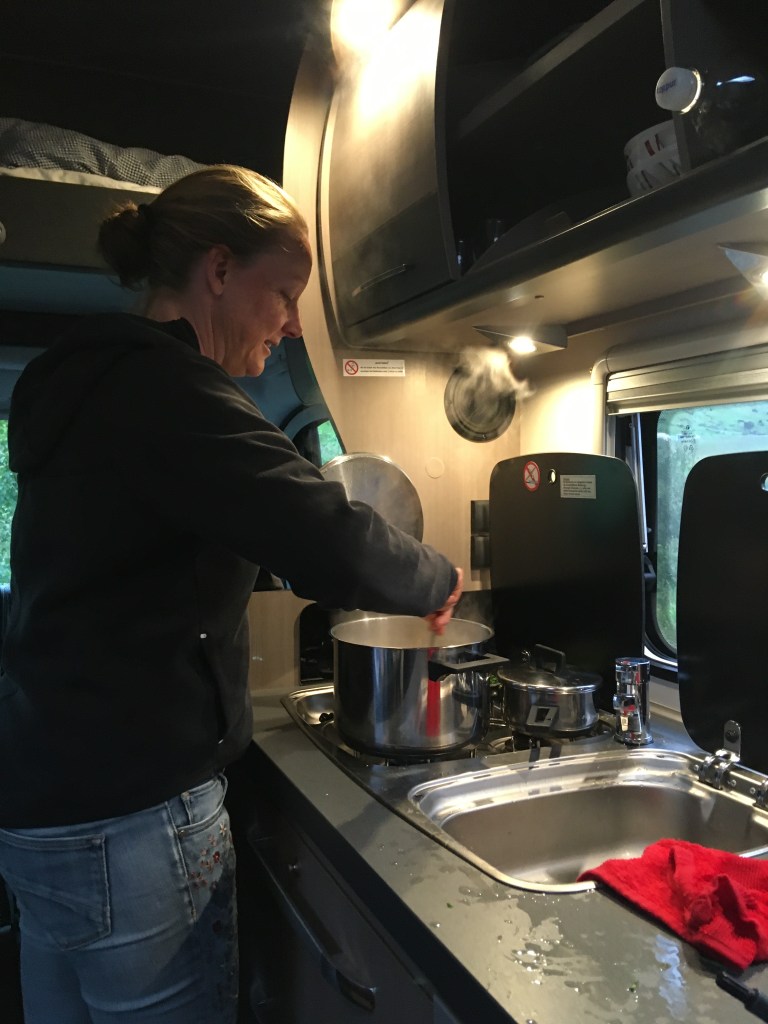
Food in Iceland in expensive, but groceries aren’t too bad, so we loaded up our RV with groceries, and mostly ate in (that could mean in a campground, parking lot, side of the road or even while driving).
We really enjoyed living in the RV for a week. We’d definitely do it again if we had a big road trip.
Next up… all the amazing sites we saw along this epic road trip!
As you know, we had to make, cancel and remake many plans to get home from Spain. Our original plan involved traveling through Italy (they haven’t really reopened after their COVID-19 battle), Greece (they are strongly encouraging tourists but only from select countries; Spain did not make that list) and passing through Iceland for a few days. We planned to stop in Iceland because the flights were incredibly affordable and Oliver learned about some amazing things to see in his Geography class which inspired us to stop.
Plans B through F included driving to Portugal (they did not open their borders with Spain very late June), northern Spain (travel within provinces in Spain was not allowed until very late June), and going to Iceland mid-June (flights were cancelled until July). But finally, finally, we got a flight that wasn’t cancelled out of Spain (we are waiting for refunds on 8 of 10 flights that got caught up in all of the cancellations of Plans A-F).
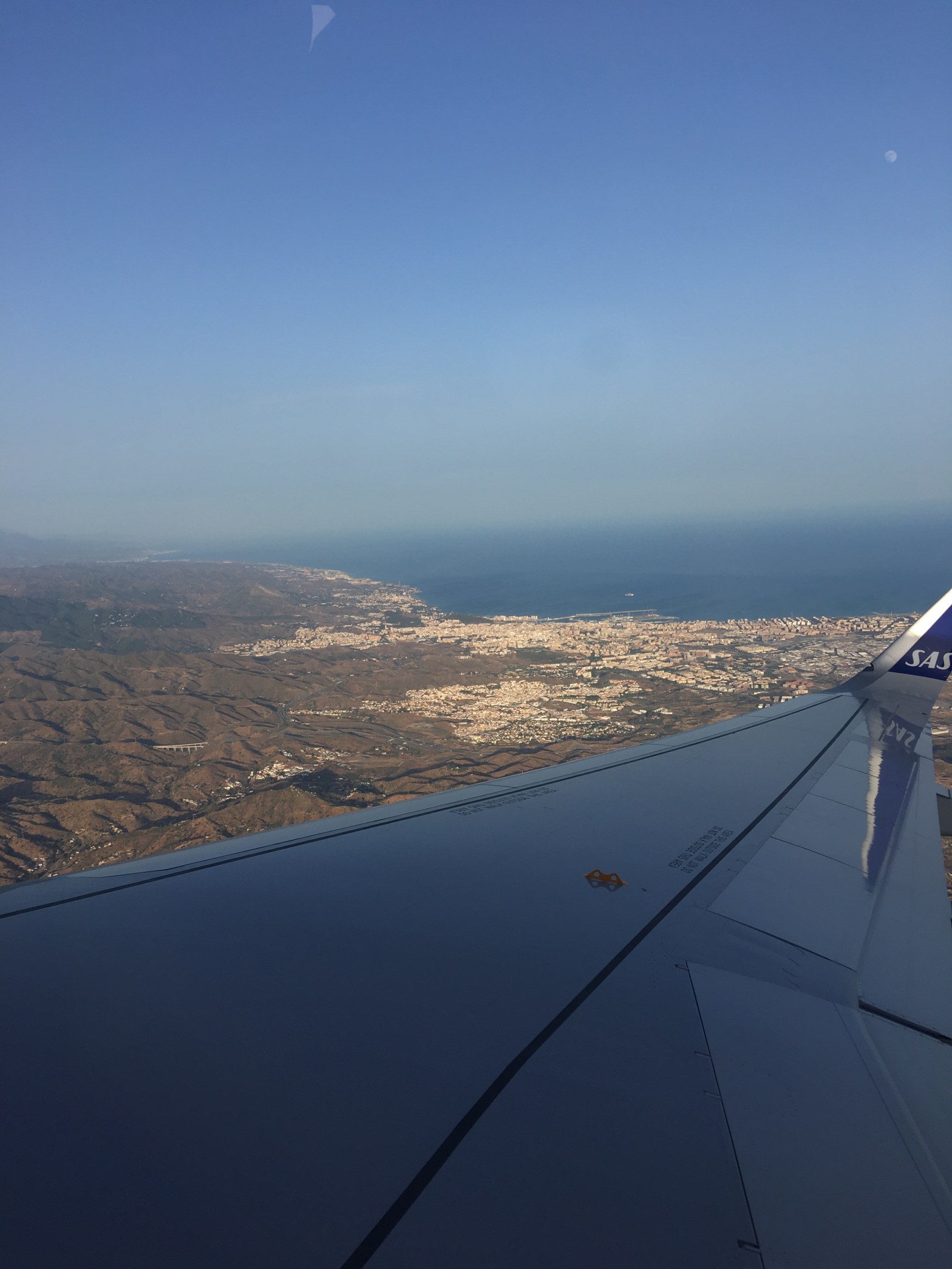
One final look back at Málaga
Plan G took us on a flight to Denmark, where we spent the night, and on to Iceland for a week.
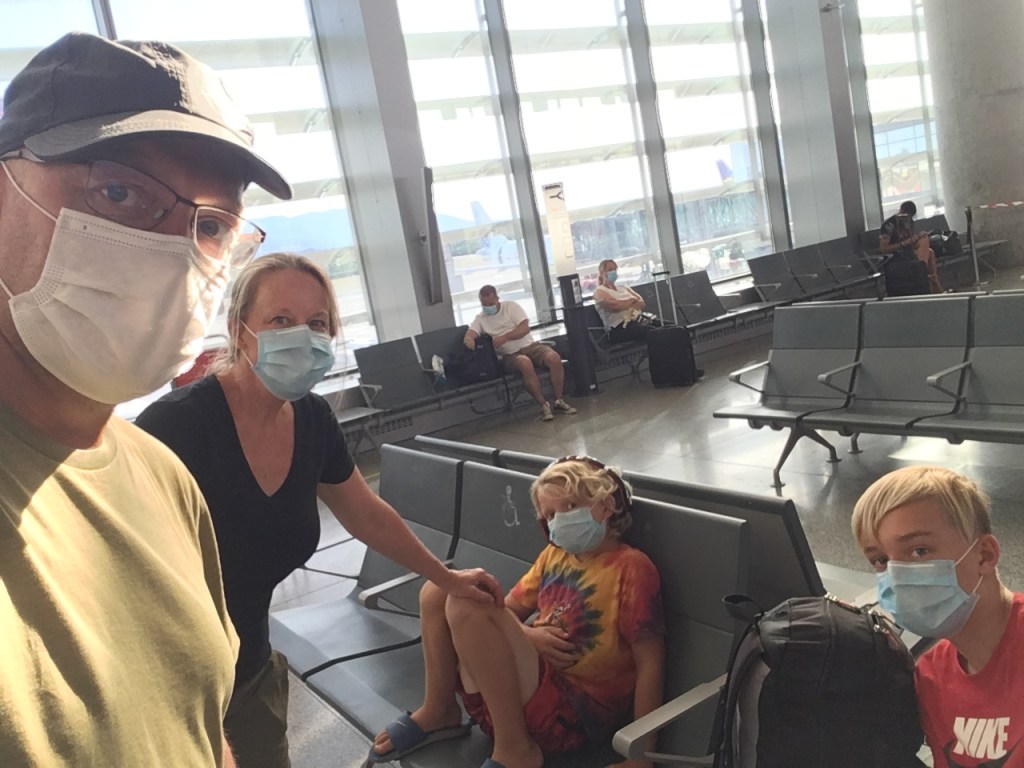
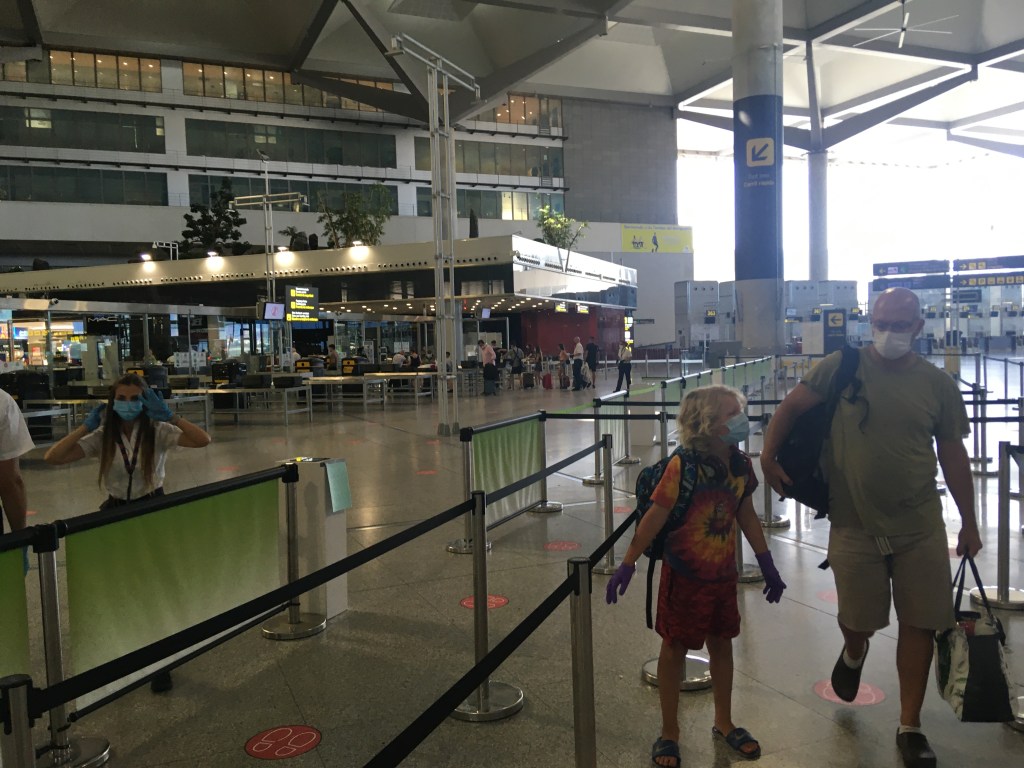
Our flights out of Spain to Denmark and Iceland went smoothly. The airport and security were nearly empty.
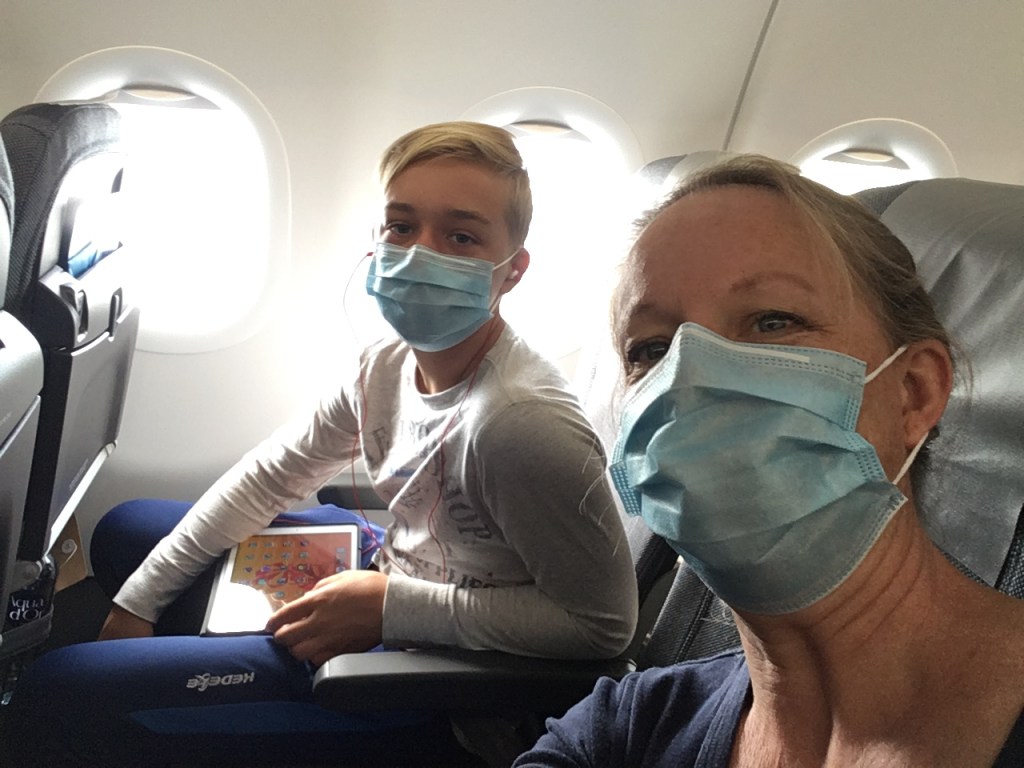
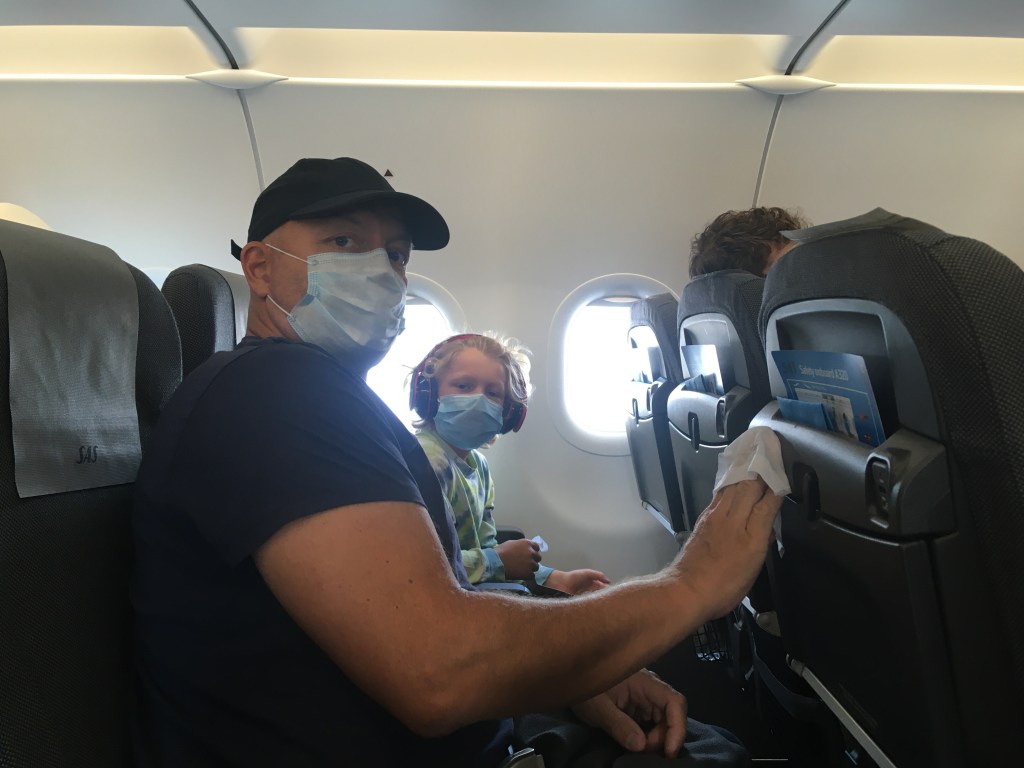
The plane was less than a quarter full. Everyone wore masks.
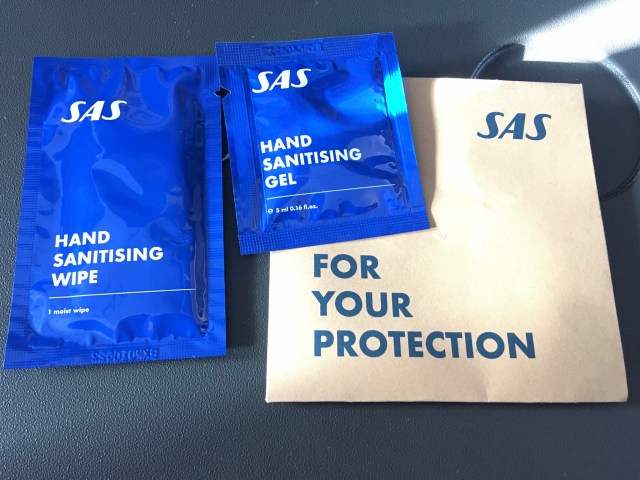
In-flight service was extremely limited; they give you hand sanitizer and a bottle of water when you board and you bring any garbage to the front on your way out.
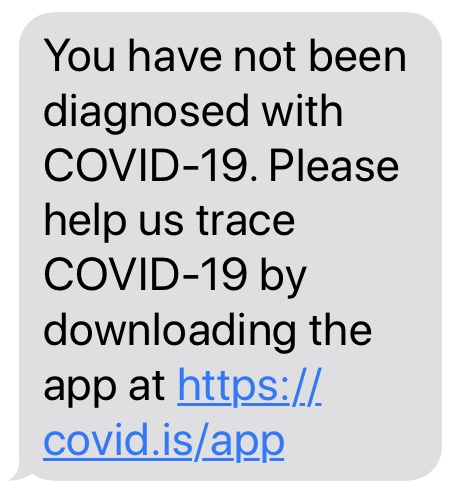
Upon arrival in Iceland Todd and I were given tests for COVID-19 (sorry, we weren’t allowed to take pictures). The test involved taking a swab of our throats and a swab of the inside of our nostril (or Todd would say the back of our brain). This part was not fun. The kids did not have to be tested (thankfully). In a couple of hours we received a text saying that we COVID free and good to go on an adventure in Iceland!
The most noticeable and shocking thing for us arriving in Iceland was the lack of people wearing masks, especially coming from Spain. Everyone in Spain wears masks, it is mandated by the government. Iceland had such an effective response to COVID-19, and such an isolated population, that there were very few cases (that is why we felt safe visiting). It was a refreshing break to store our masks for a week.
From the airport we rented a RV to serve as our lodging and transportation and were off for a week of remote exploration and adventure!
It wasn’t this cold the whole trip, but there were a few spots that were chilly, especially compared to Spain.
Our time in Spain has finally come to an end. It has been an incredible series of adventures; some were expected, many were not (especially the COVID 19 part).
Luckily, thanks to Spain’s strict lockdown, we were able to move into the “new normal” stage and emerge from our solitude to be able to say goodbye.
We said goodbye to friends.
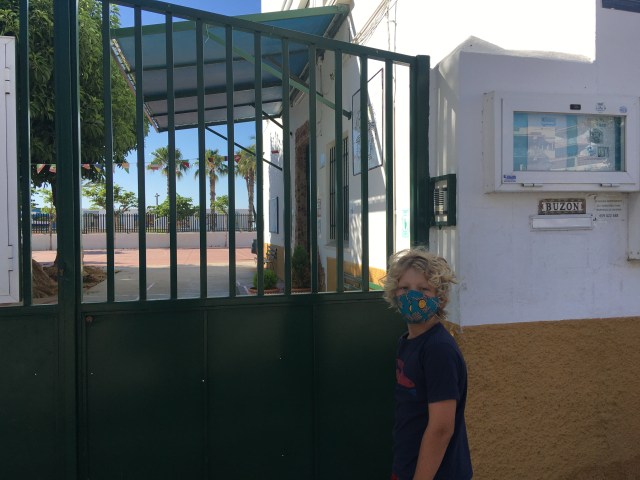
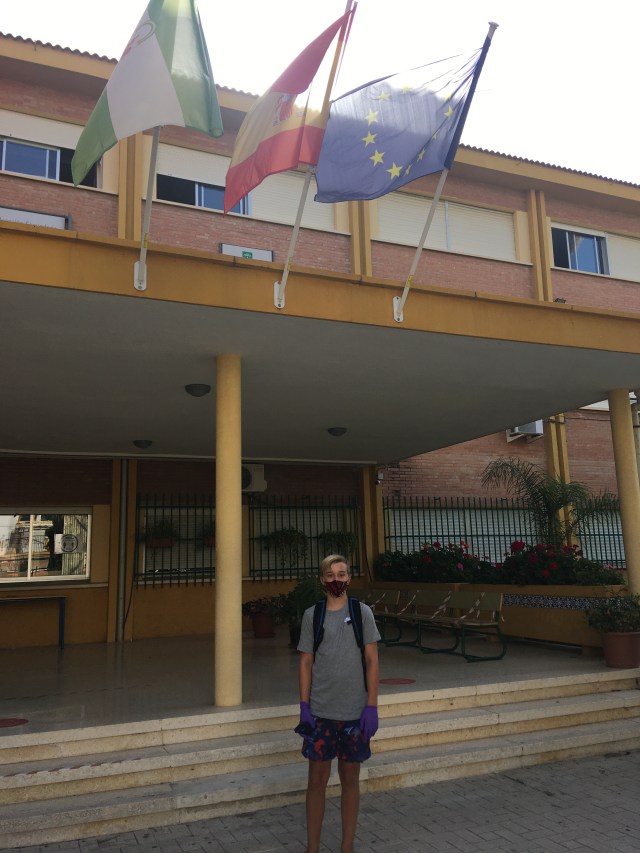
We said goodbye to school.
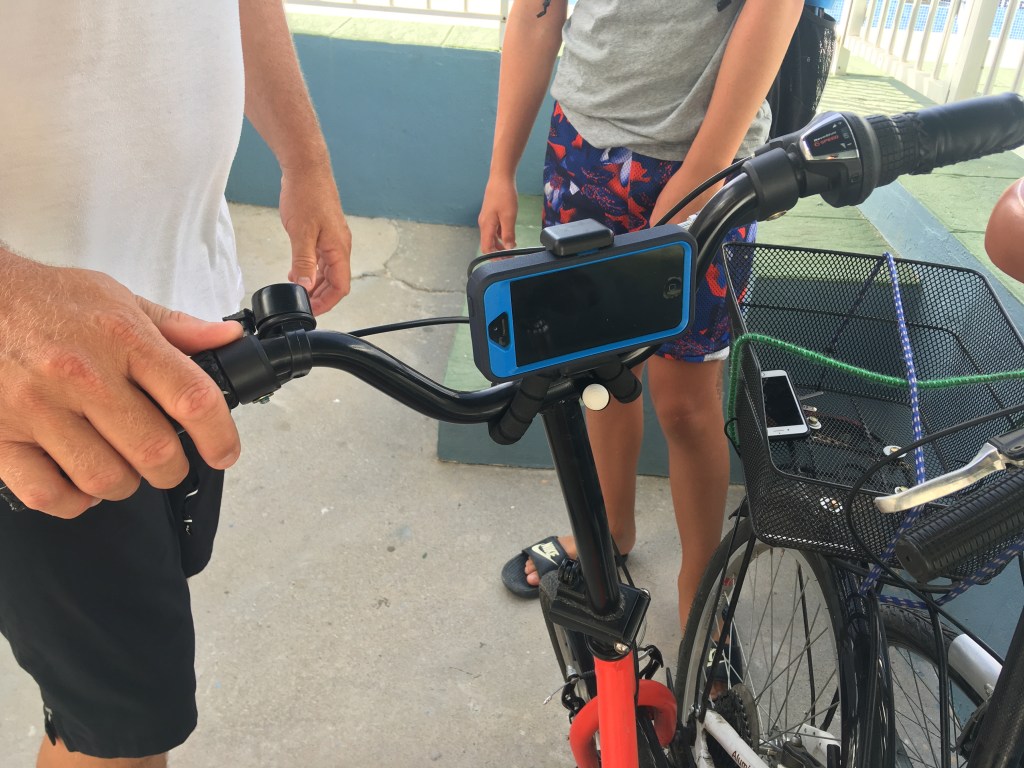
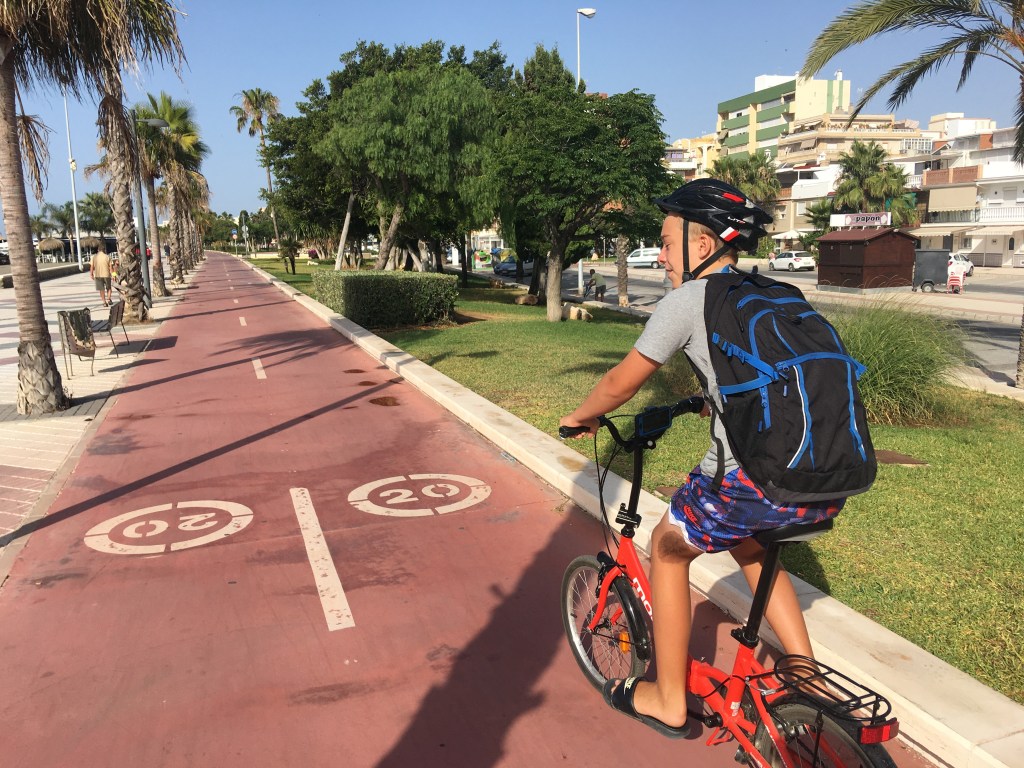
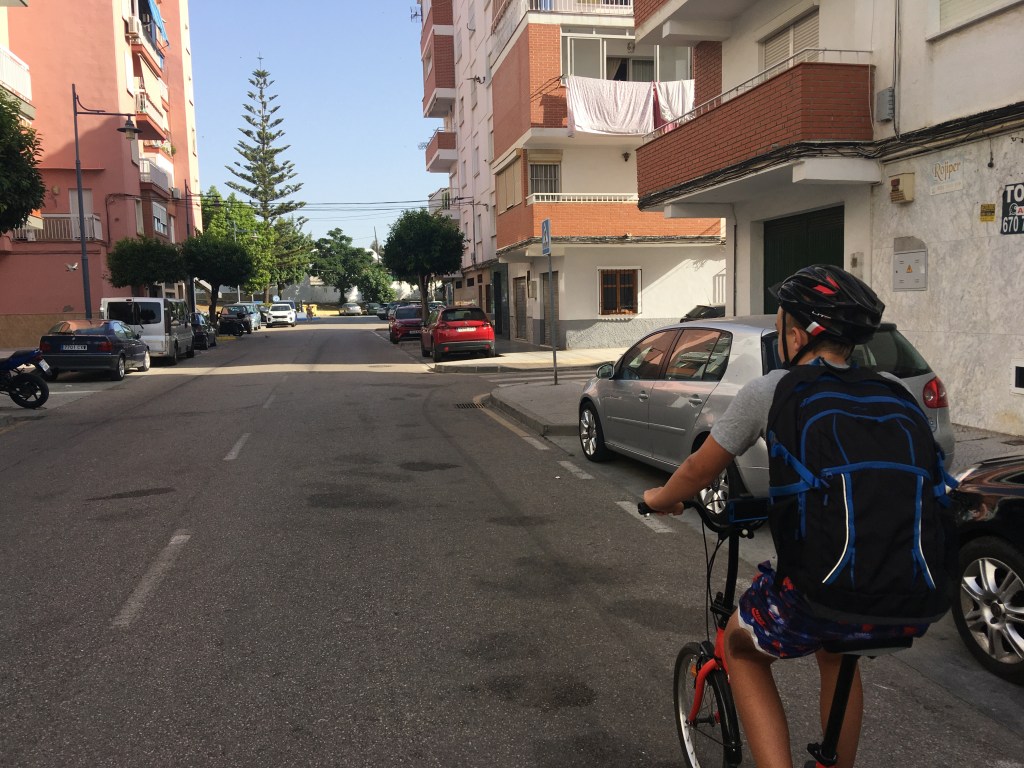
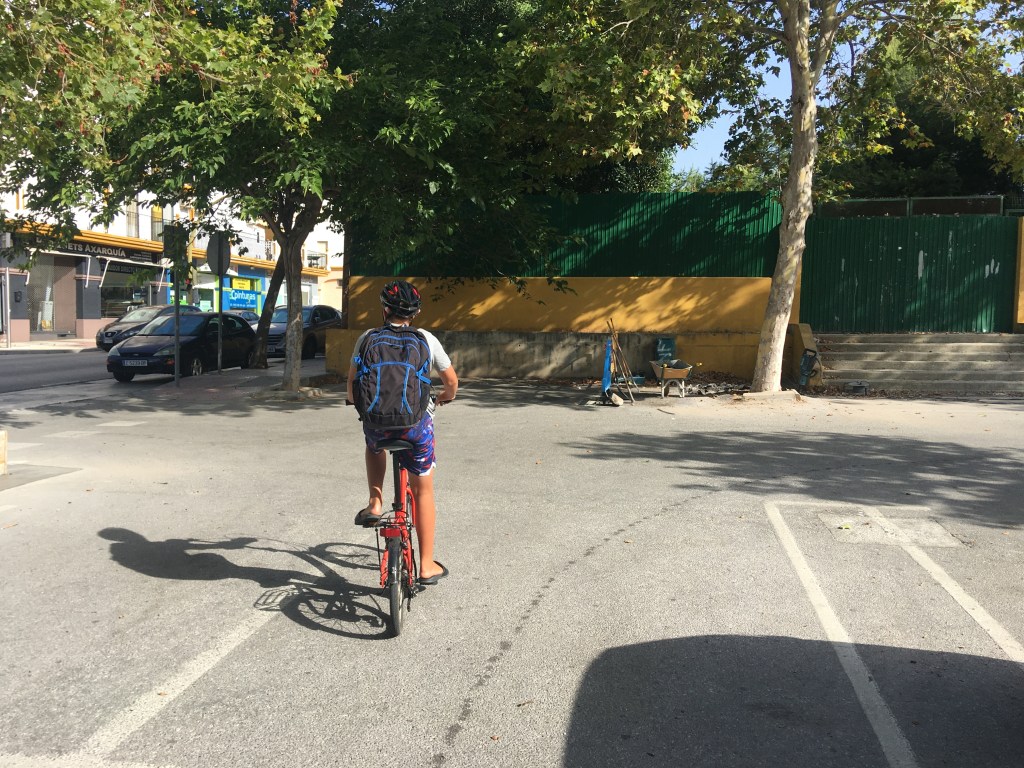
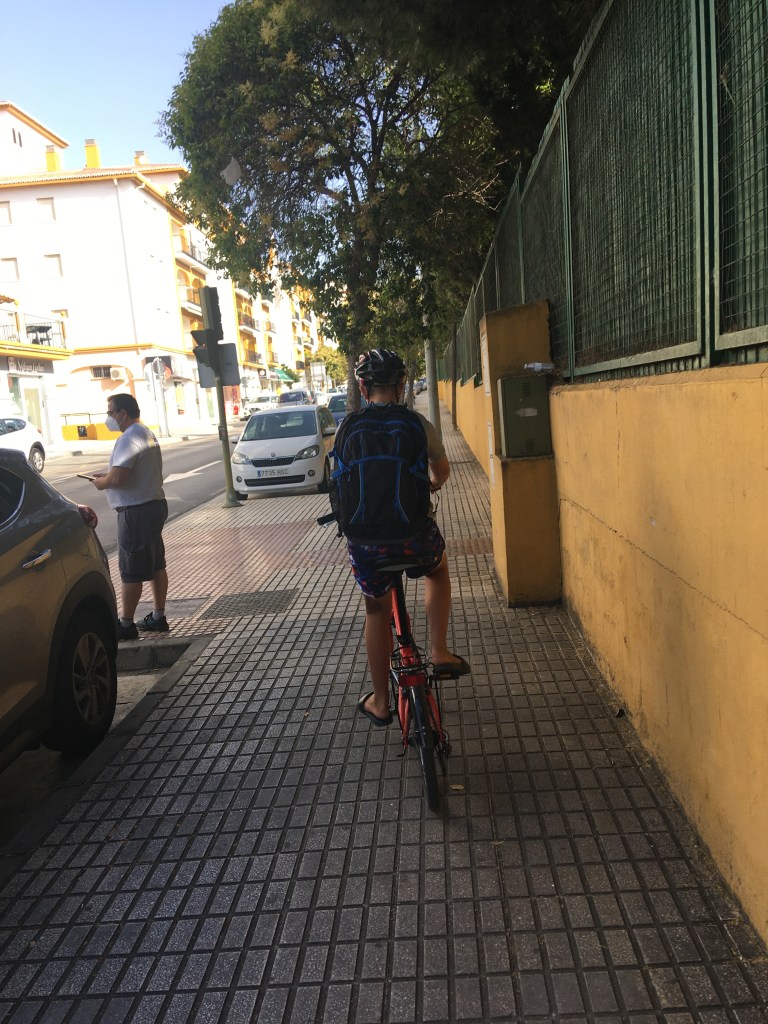
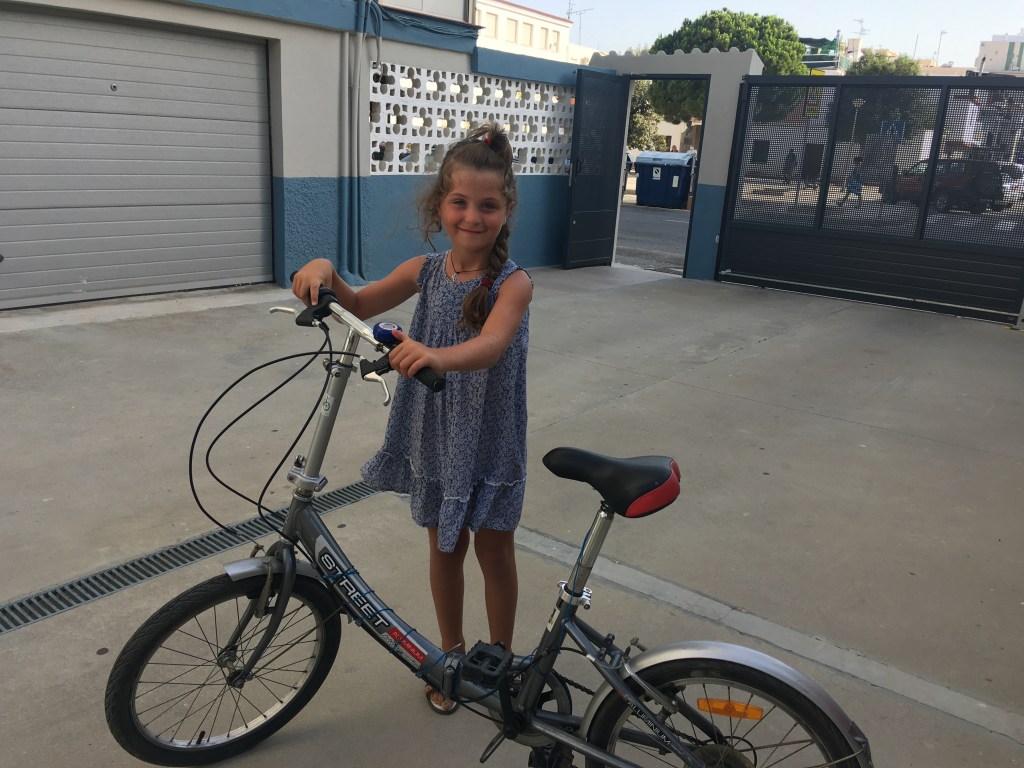
Oliver made a video of his bike ride to school so he can remember.
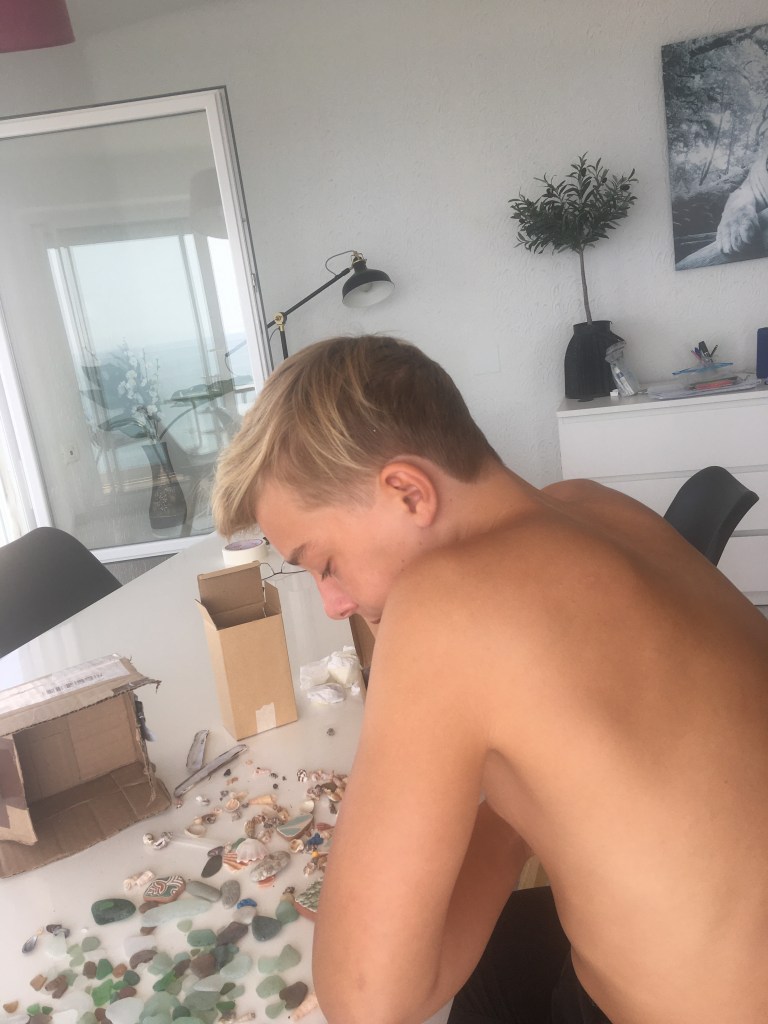
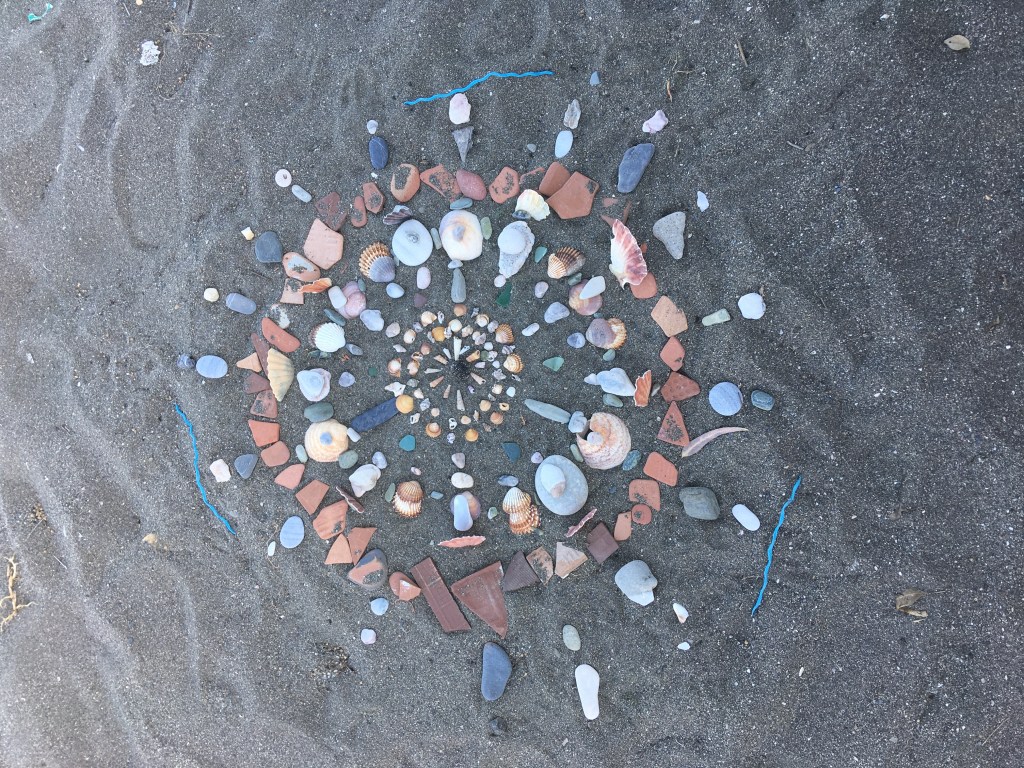
We said goodbye to beach treasures. If you know Oliver, you know that he is a boy who loves shells, rocks and sea glass. Living next to the Mediterranean provided Oliver with the opportunity to collect bags and pockets and nets full of shells, rocks and sea glass. But if you know Oliver, you also know that he has a really hard time letting go of them. Since we can’t fill our suitcases with rocks, he had to leave most of them behind. To honor the treasure that they were to him, he made a mandala of many of them and left them on the beach for others to discover and enjoy.
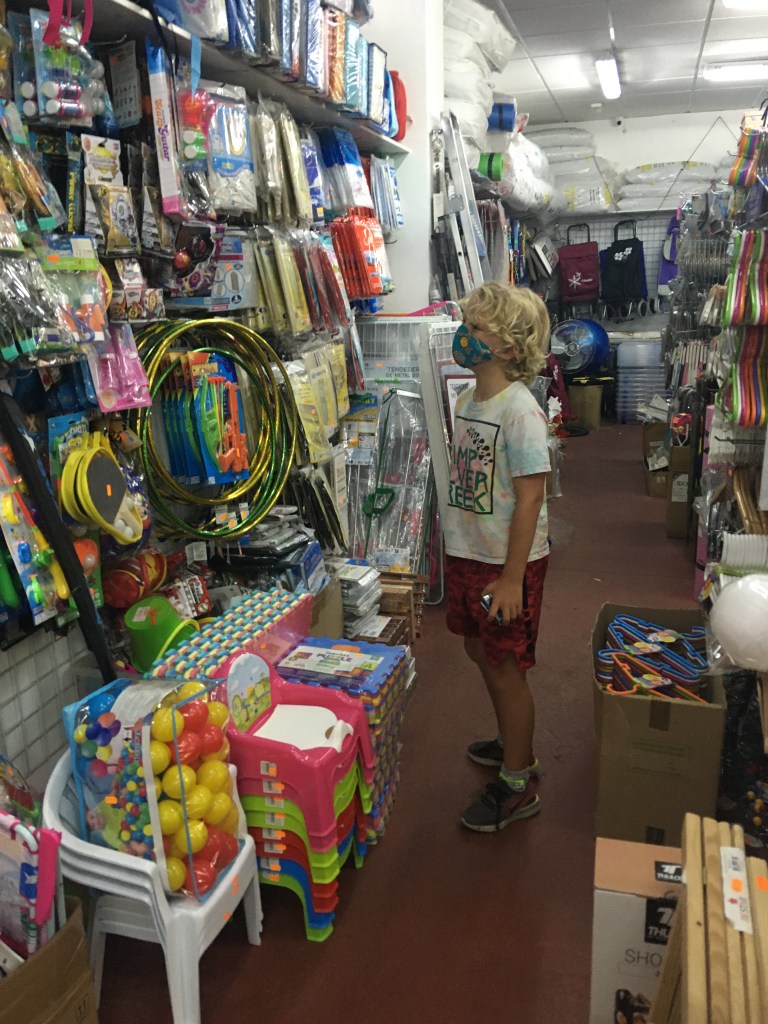
Leo said goodbye to one of his favorite store (pretty much Spain’s answer to the Dollar Store). He literally went down each aisle and said goodbye to all the items.
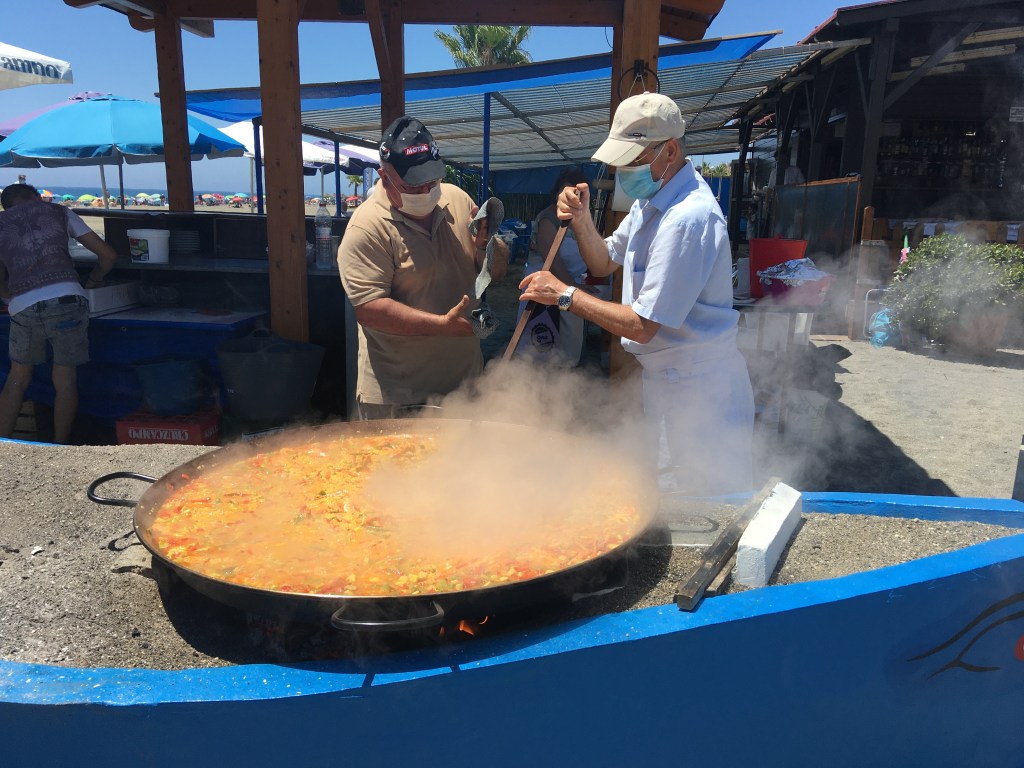
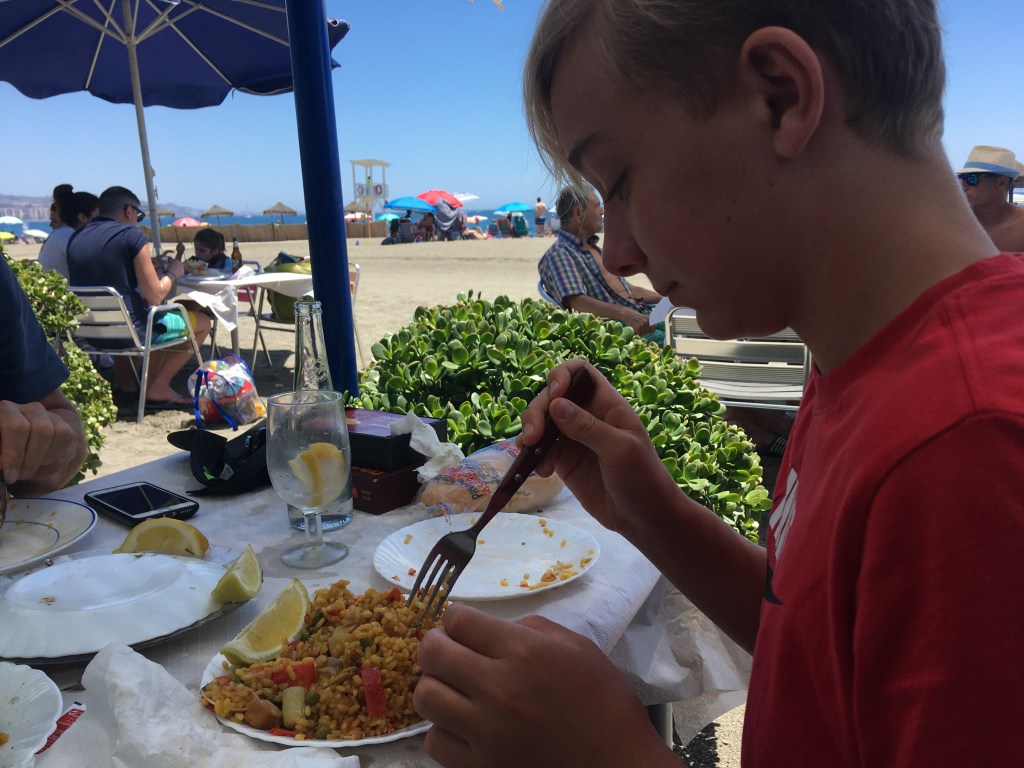
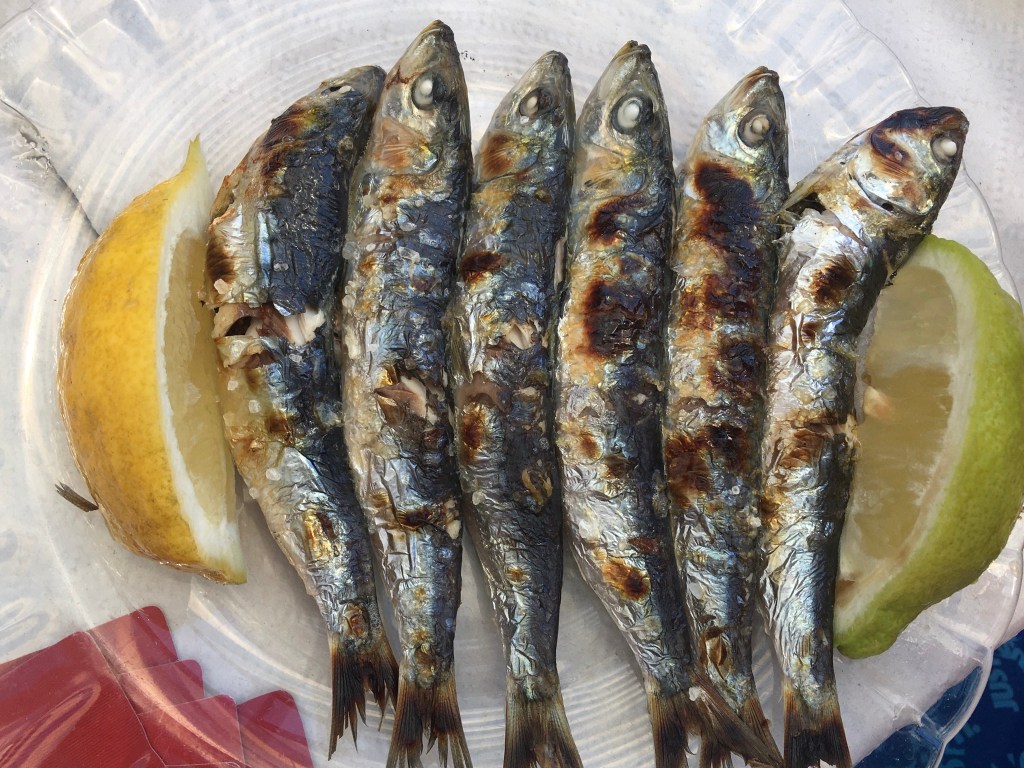
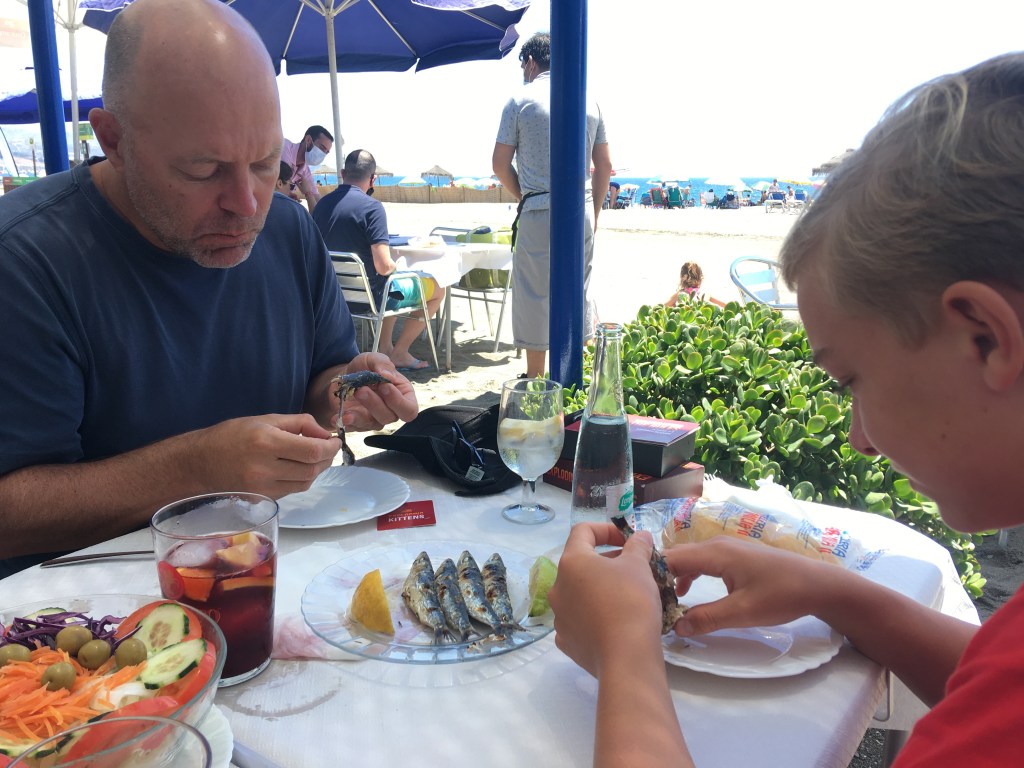
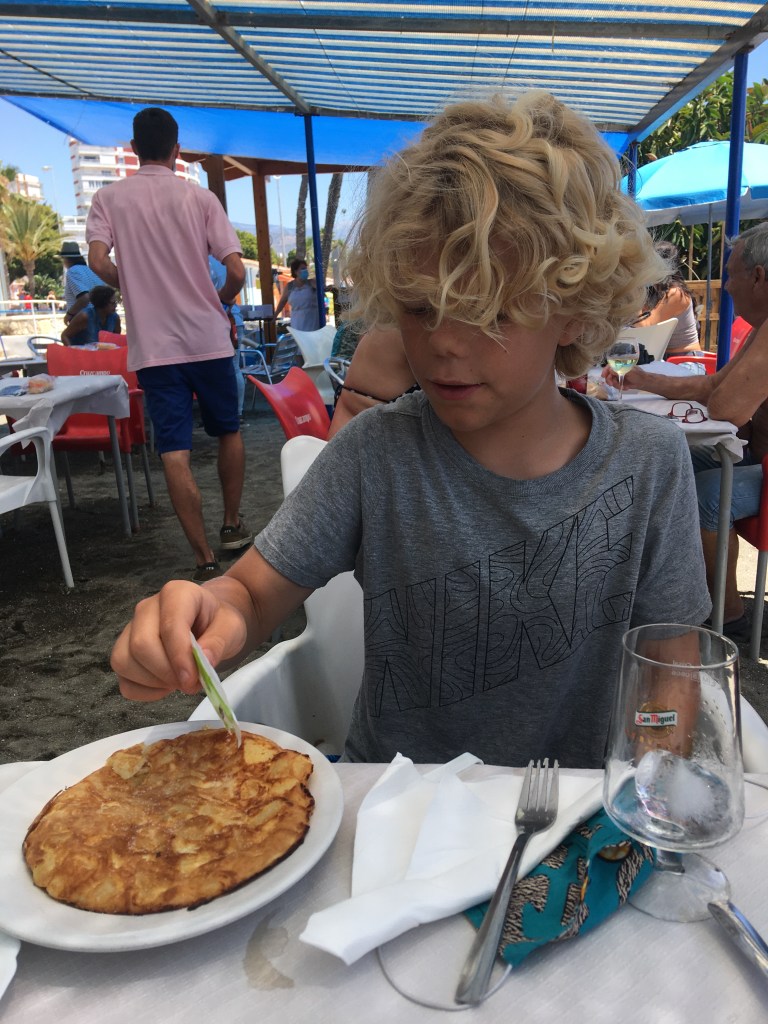
We said goodbye to Spanish food.
paella
Espetos de sardinas
Tortilla española
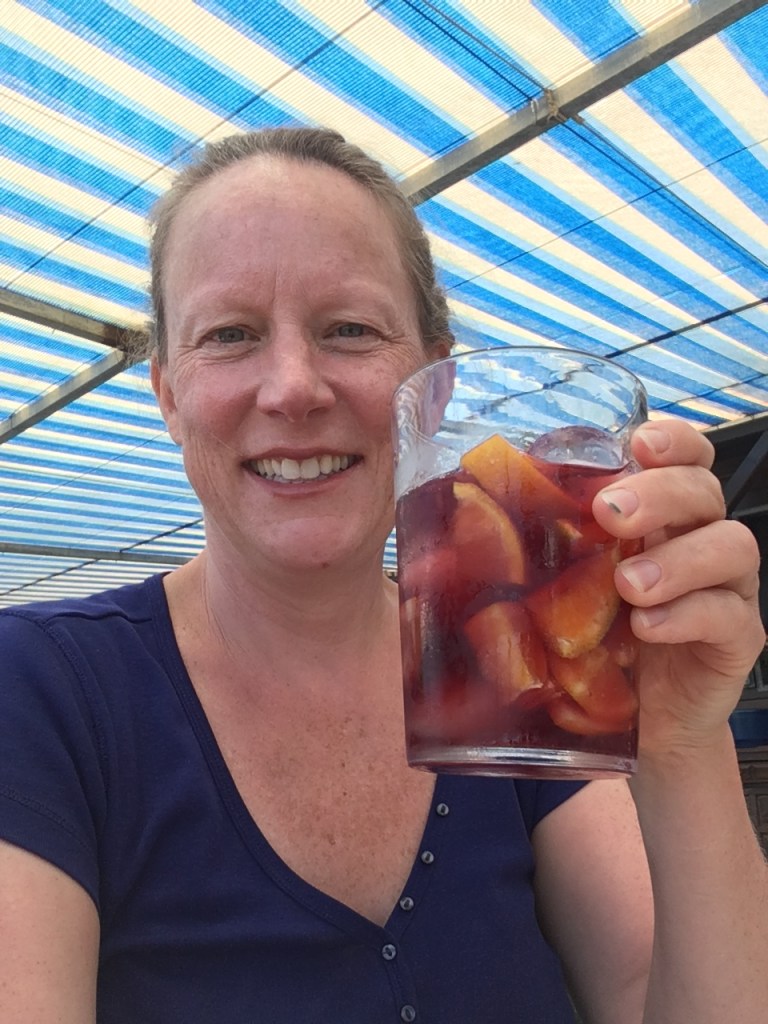
Sangría
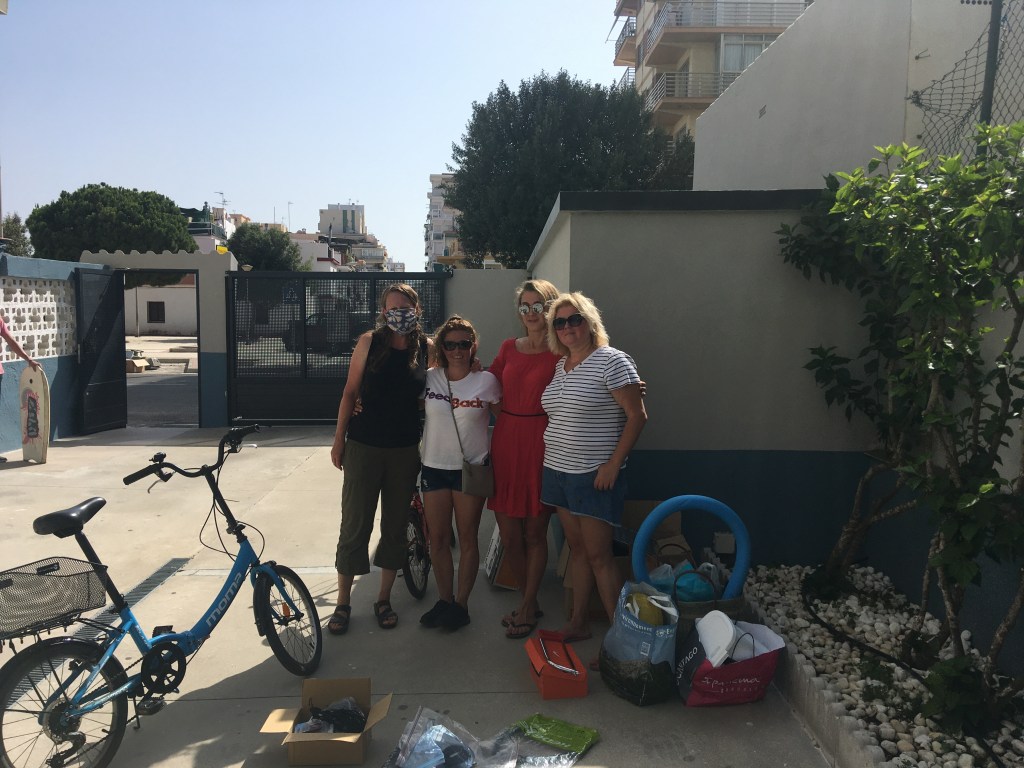
We said goodbye to our stuff. It is amazing what you can accumulate in a year. One of our friends works with refugees and she helped connect us with 3 different families (from Columbia, Georgia and Ukraine) who could really use the things we needed to leave behind. It felt great to see them go to new homes.
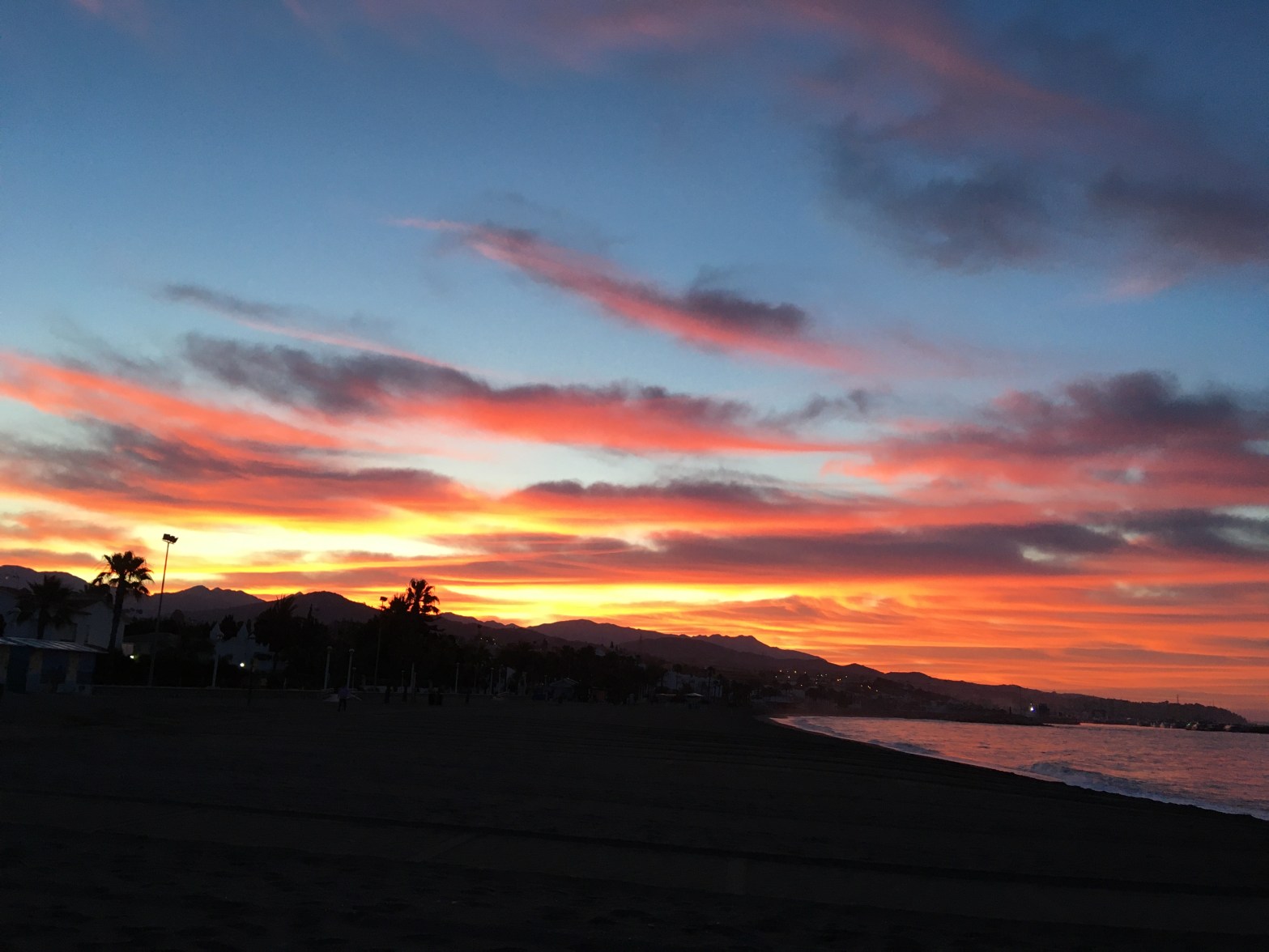
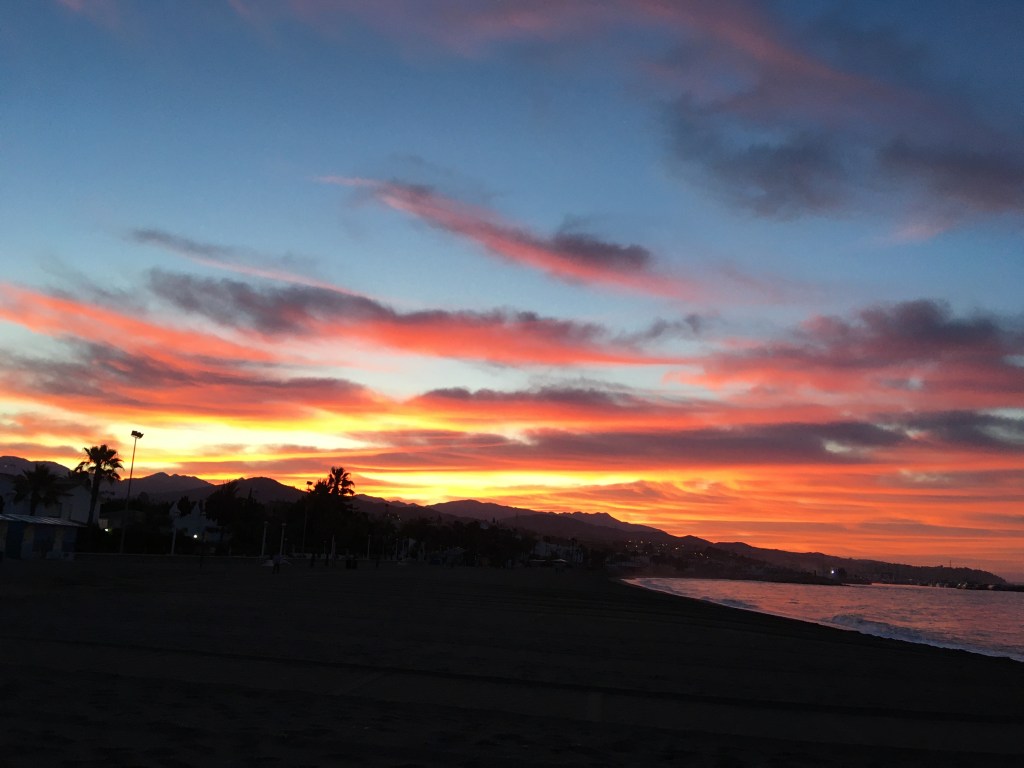
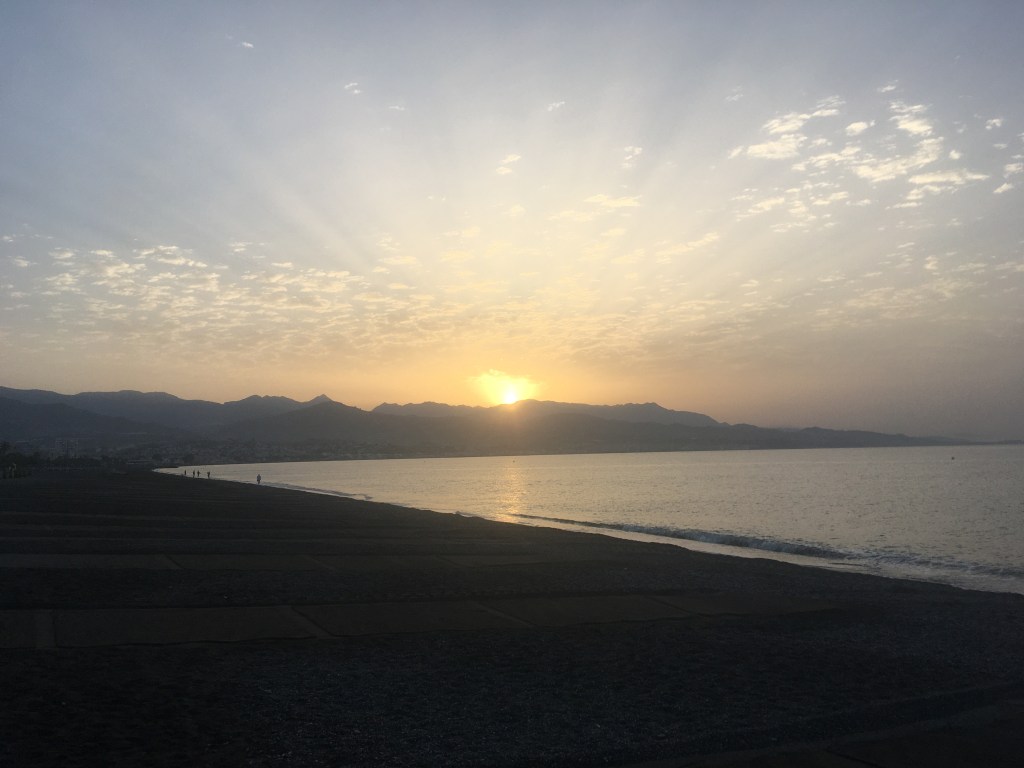
We said goodbye to the amazing sunrises and sunsets.
And we said goodbye to the Mediterranean, many, many times.
Now, the long ride home, with a week pause in Iceland!
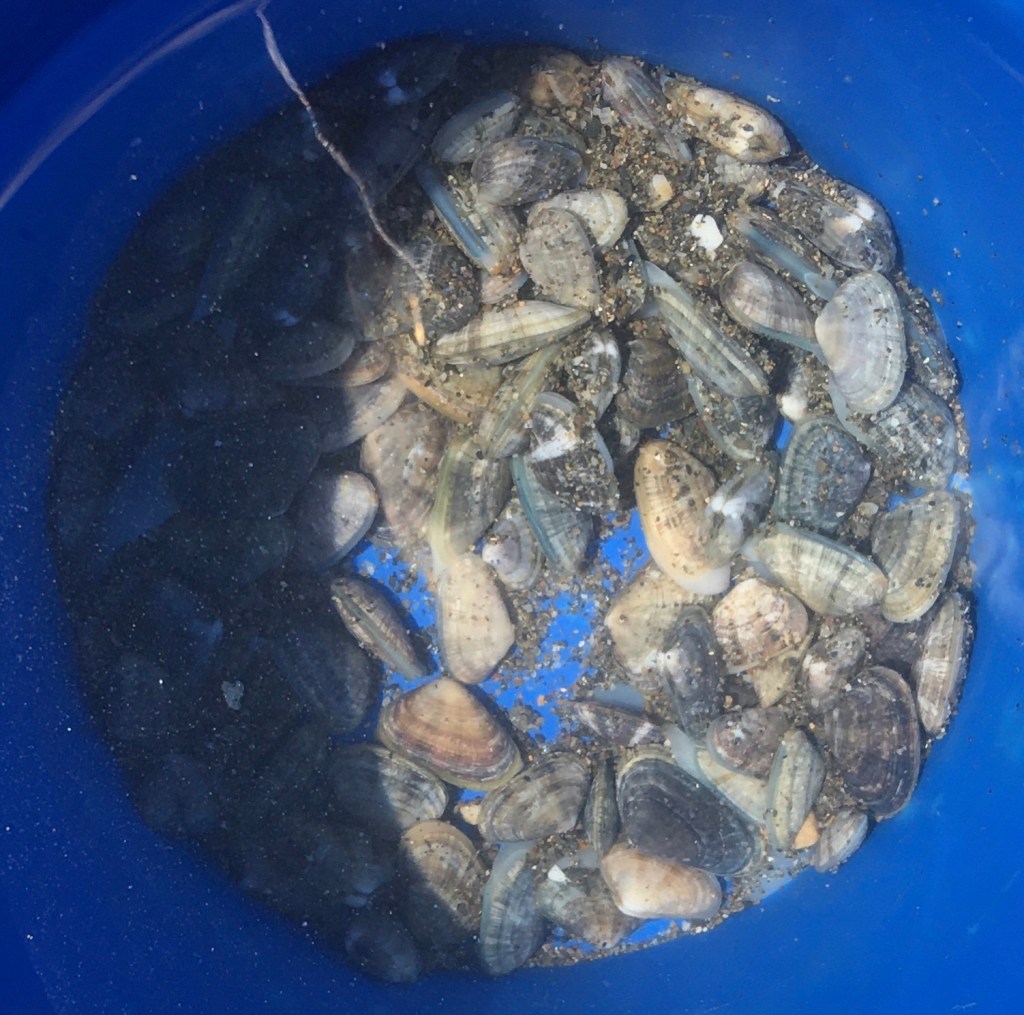
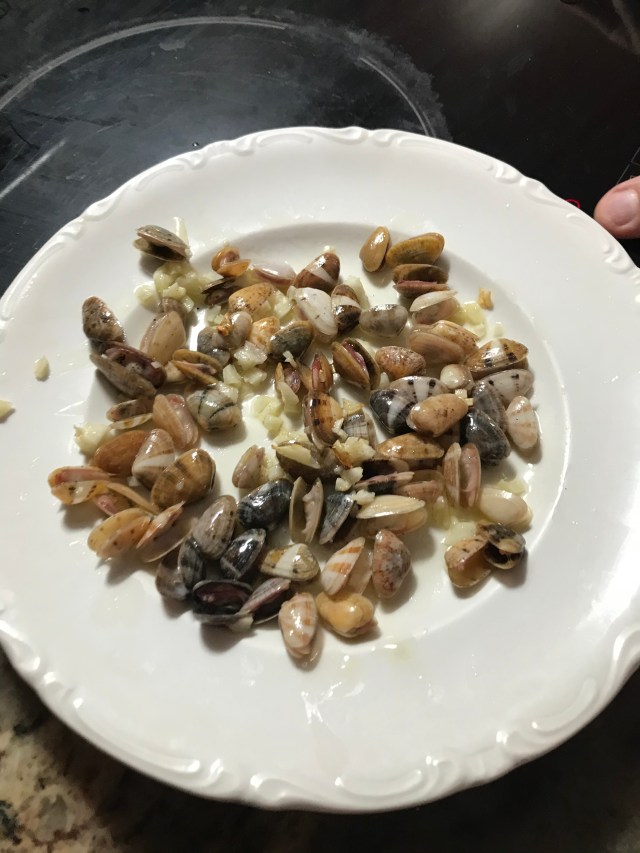
This type of clam is called a Coquina. After many weeks we have found that the only time we can find coquinas is when the surf is calm and you are able to get to where the waves break.
There are a few different ways to catch these clams but first there is something you need to know; the coquinas are small, so they live close to the top of the sand. This means that you do not have to dig that far down. Anyway, back to how to catch them. We have found three easy ways to catch coquinas:
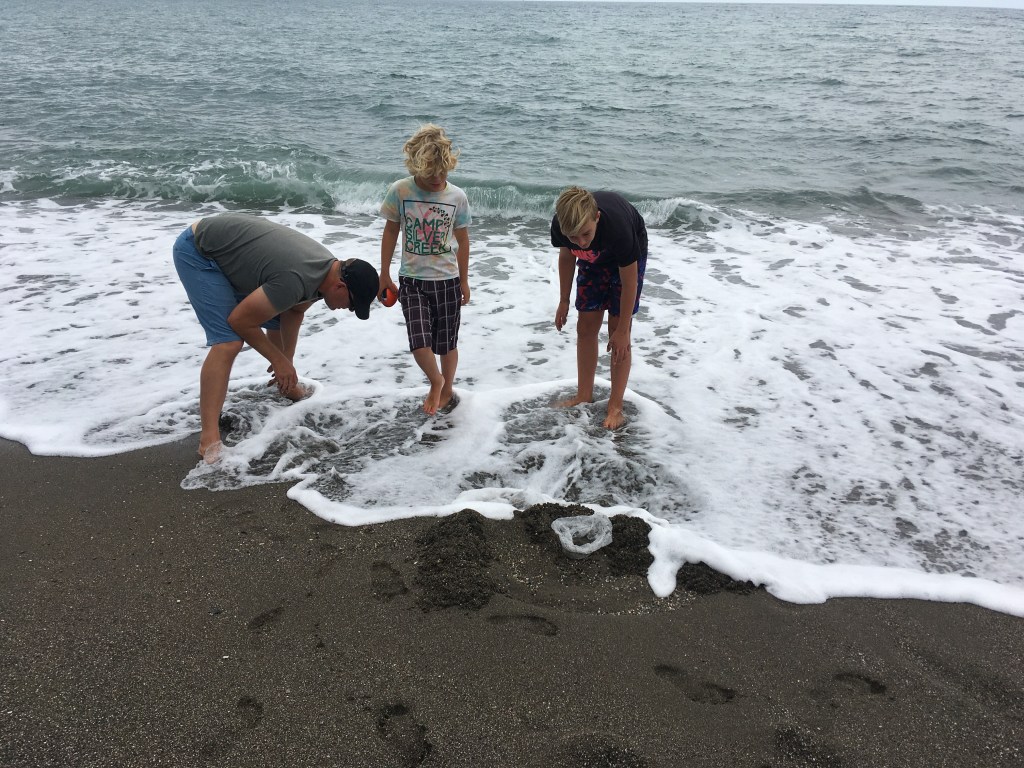
You dig a shallow hole and let the coquinas be uncovered and washed into your hole. This method does not require much effort but you don’t catch very many. Also, you have to make lots of holes because there is a limited amount of coquinas in each spot.
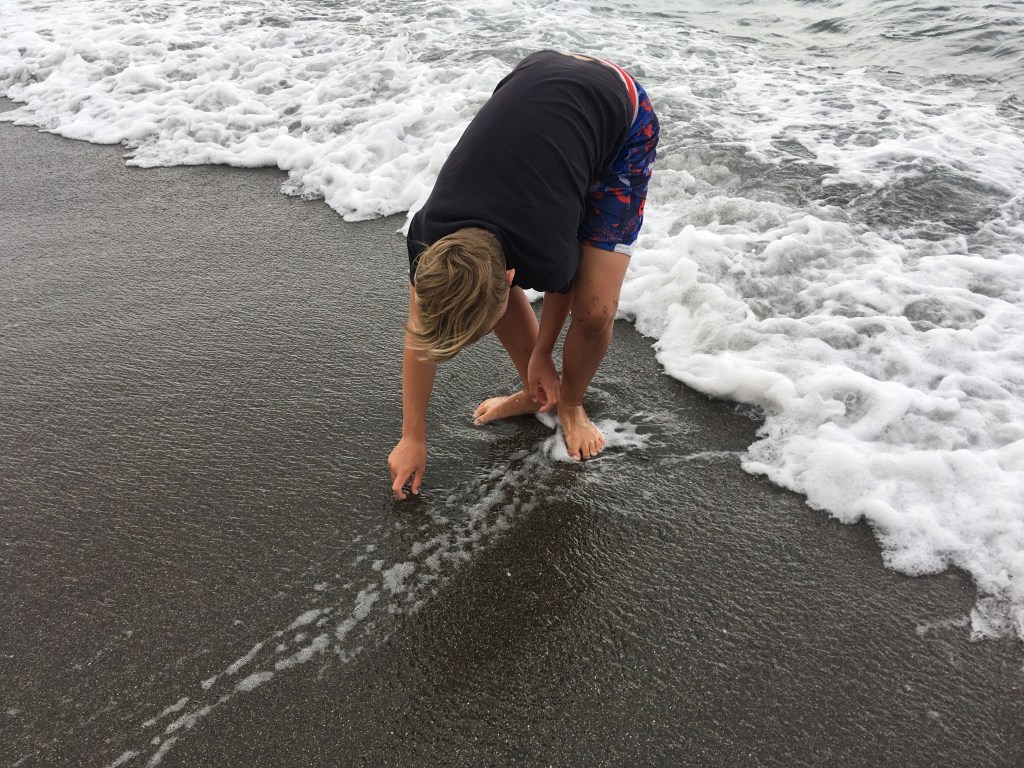
If you have very sharp eyes you can look when the waves crash there are some coquinas that get tumbled and you can just grab them. This way isn’t easy but you get a fair amount of coquinas.
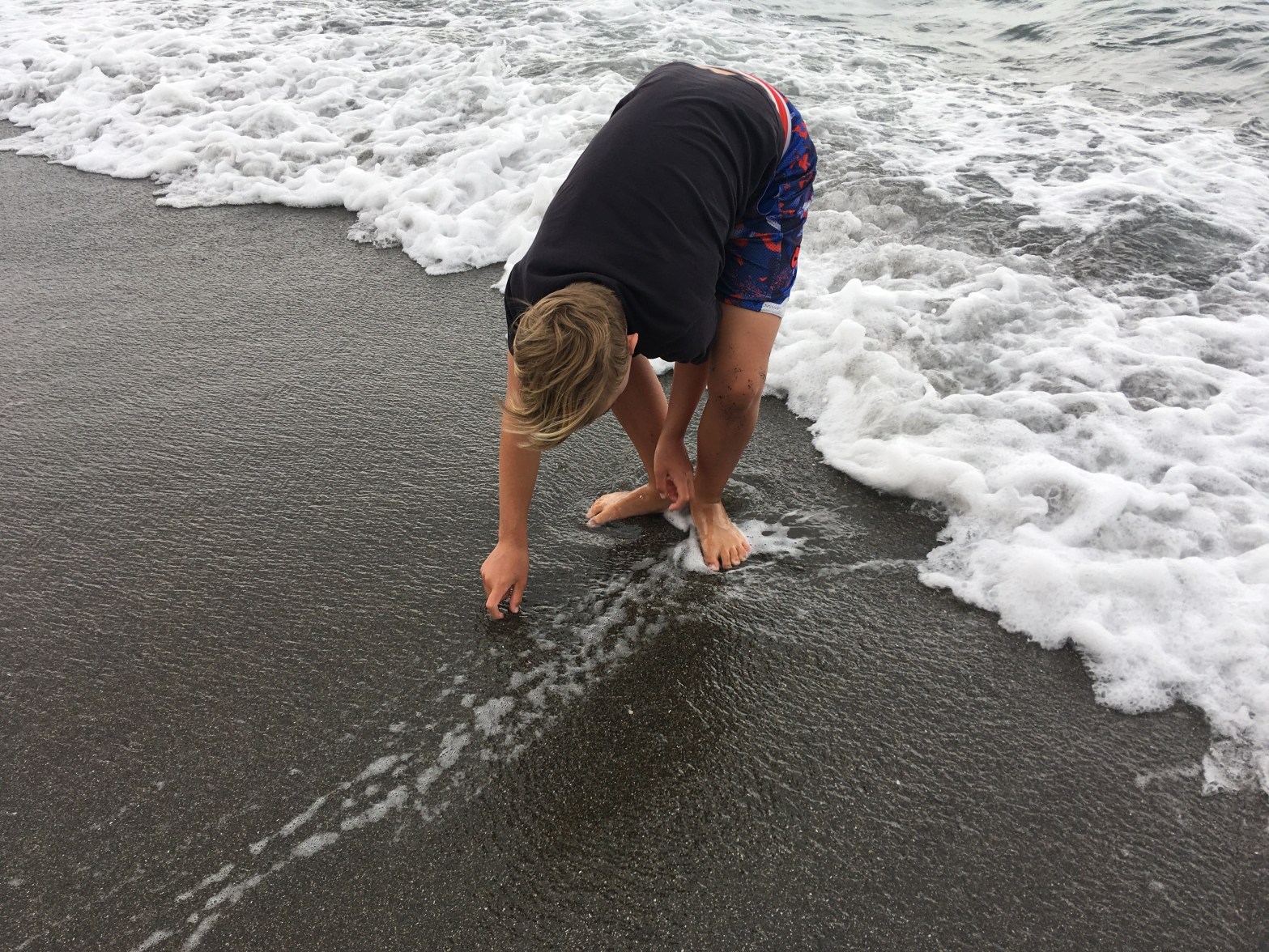
My favorite way to catch coquinas is by standing in the shallow water with your feet in a v with the point of the v pointing to the sea. When the waves pass by your feet they create a moat around your feet leaving all the coquinas turned up by the waves and under your feet in that moat.
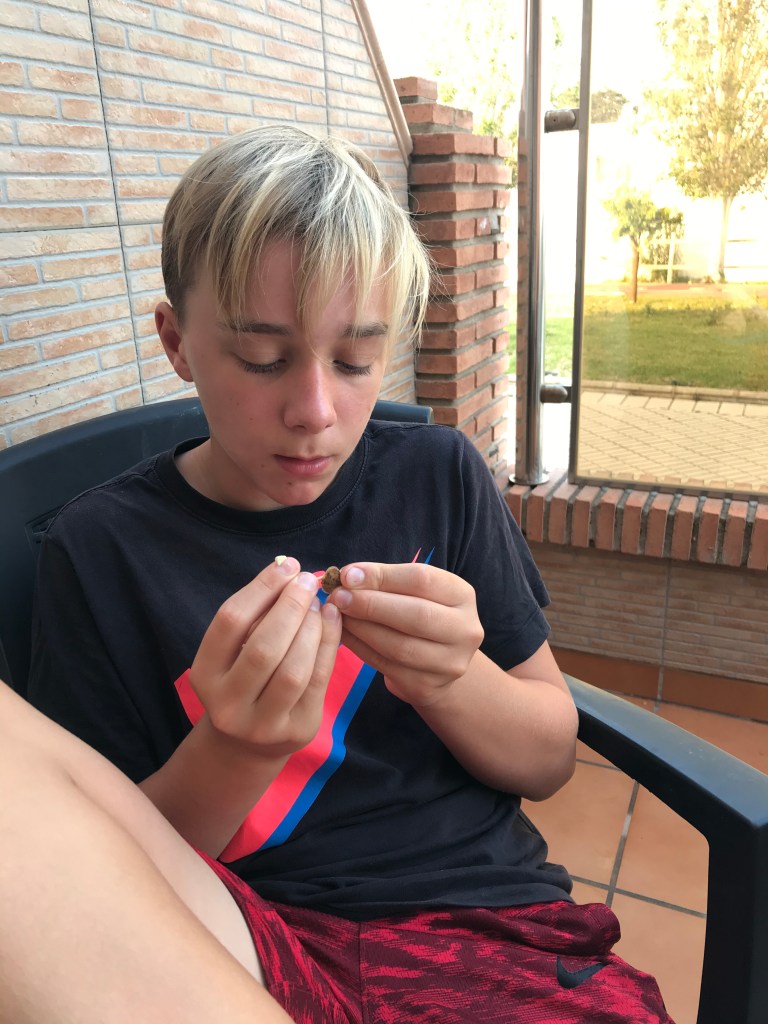
How to Cook Coquina Clams When cooking coquinas, the part that takes the longest is preparing them. As we all know clams are filter feeders, for this reason you must let them rinse out all the sand in their body.
Watch this little video of the Coquinas moving about in the jar.
The first step of filtering out the sand is to put the coquinas in a glass jar and fill it up halfway with salt water. Once you have done that, leave them in the glass for thirty minutes.
The second step is to pour out the salt water and wash all the coquinas off. Then you fill the jar with new salt water and put the coquinas back in the jar. You leave them in there for thirty more minutes. The only difference is that this time you put a dash of vinegar in the jar. Clams don’t like vinegar so as they try to push it out of their body, in the process they also push almost all the sand out of their body.
The third step of cleaning your coquinas is to rinse them all off, pour the water out and repeat step two but put a little more vinegar and replace the salt water with fresh water.
Finally, after all that, you can now rinse off your coquinas and begin to cook them.
The actual process of cooking the coquinas only takes about ten minutes. What you need: olive oil, white wine (optional), garlic and, obviously, coquinas.
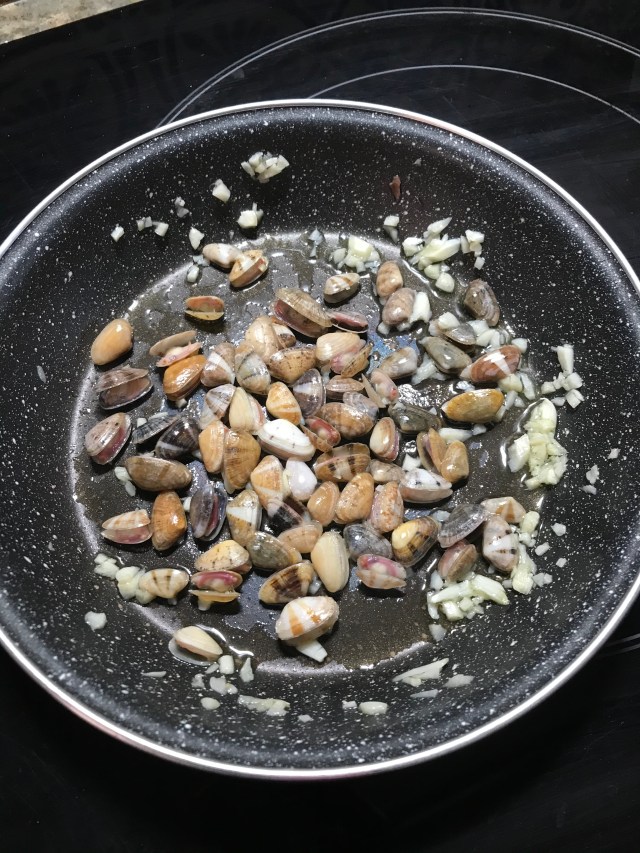
First, put a small layer of olive oil in a pan then turn the burner on high.
Then add diced garlic in the pan (the amount of garlic should be about the amount of coquinas).
When the garlic starts to brown put the coquinas in. You will know they are ready when the coquinas pop open. If some of them are not opening, take the ones that are cooked out of the pan and put the ones that have not popped open over direct heat. If they still don’t open that means they are not good coquinas.
Now you may serve your cooked coquinas.
Note: Freezing coquinas will make cooking them impossible. Frozen coquinas will never pop open. I learned that from experience.
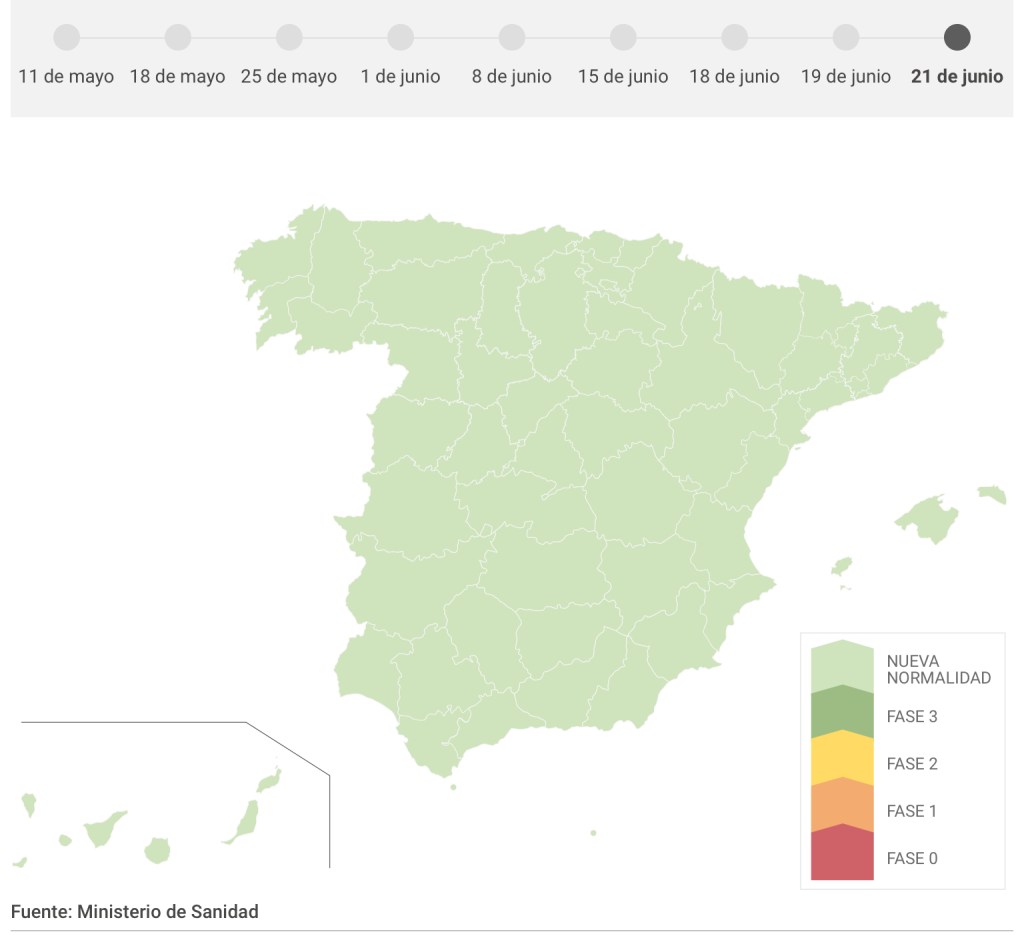
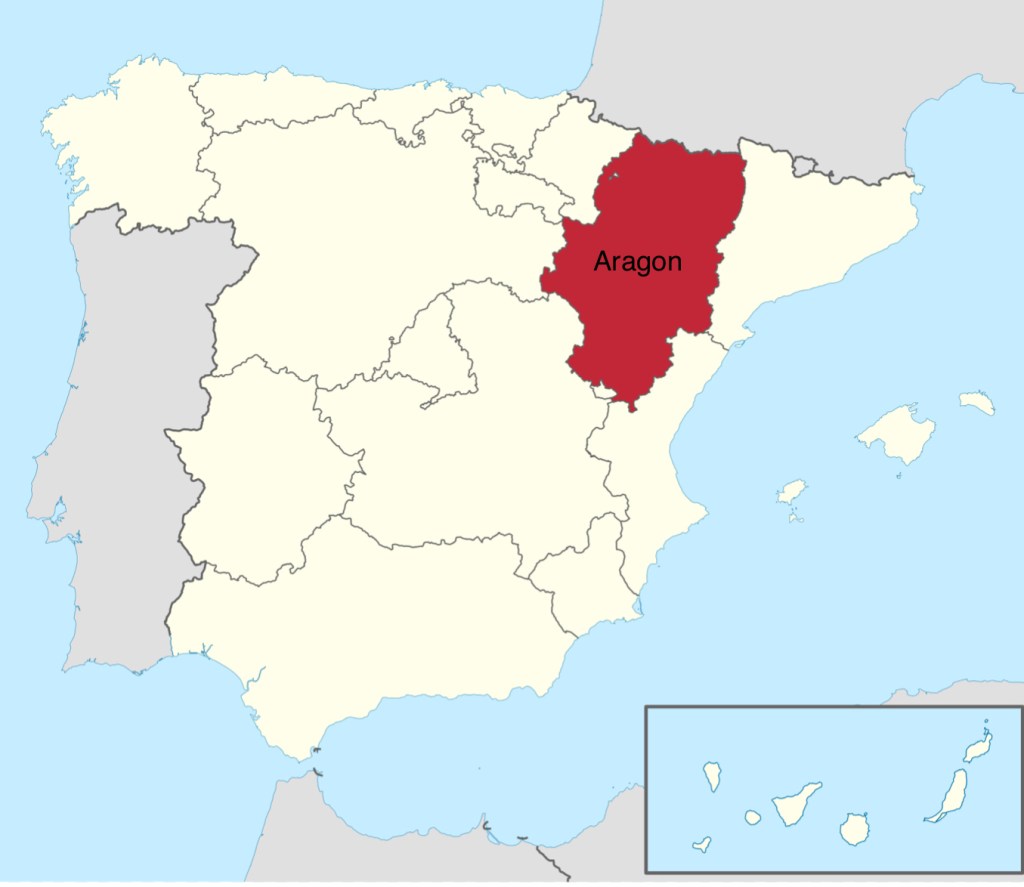
Sunday marked the end of the state of alarm and the move into “new normal ,” across all of Spain (although after 3 days, the region of Aragon had to lock back down due to a spike in COVID cases).
The main change is allowing free movement throughout all of Spain and allowing European Union and Schengen area citizens to enter Spain for the first time since mid March. However the border with Portugal is still closed (until July 1st at Portugal’s request).
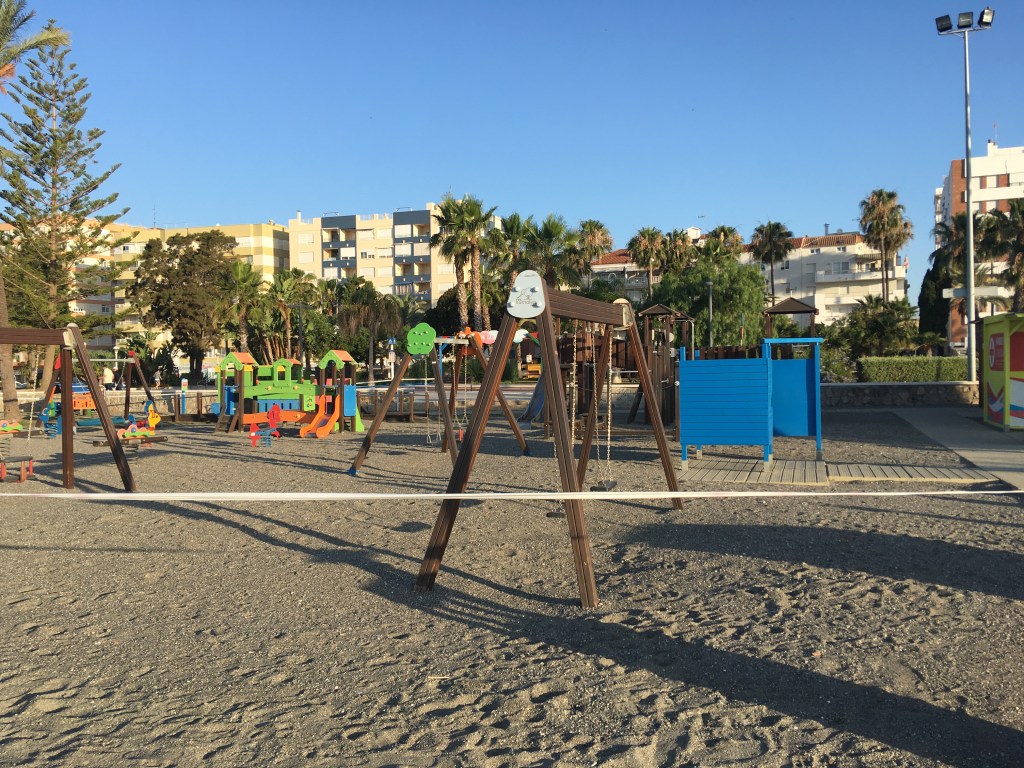
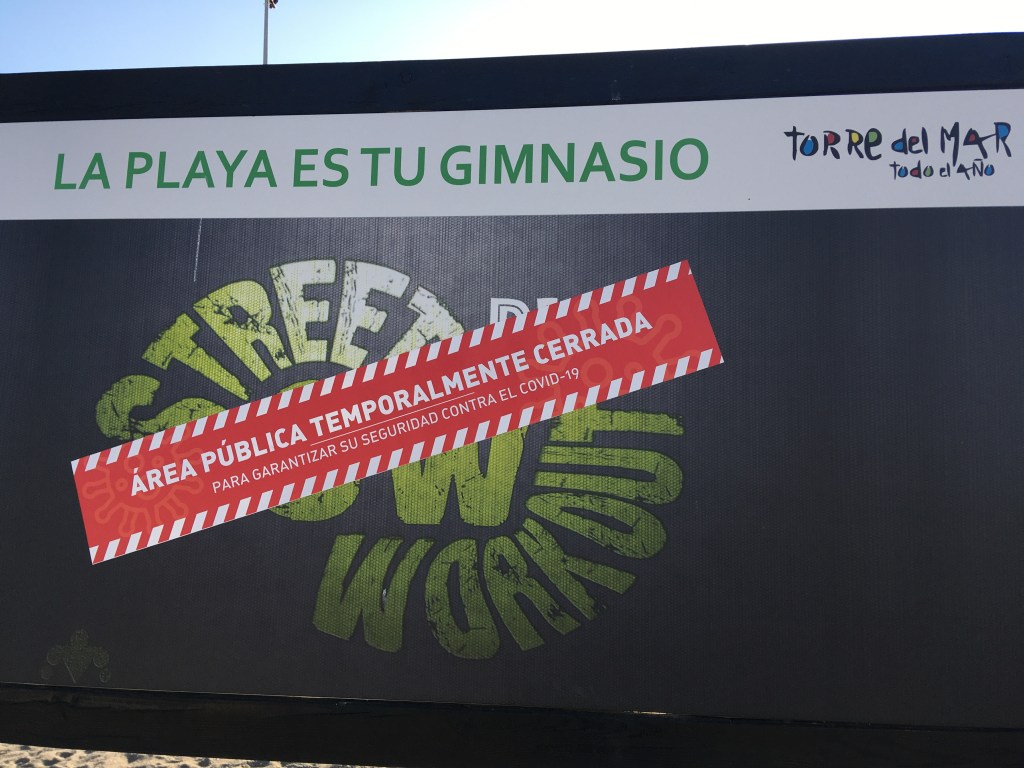
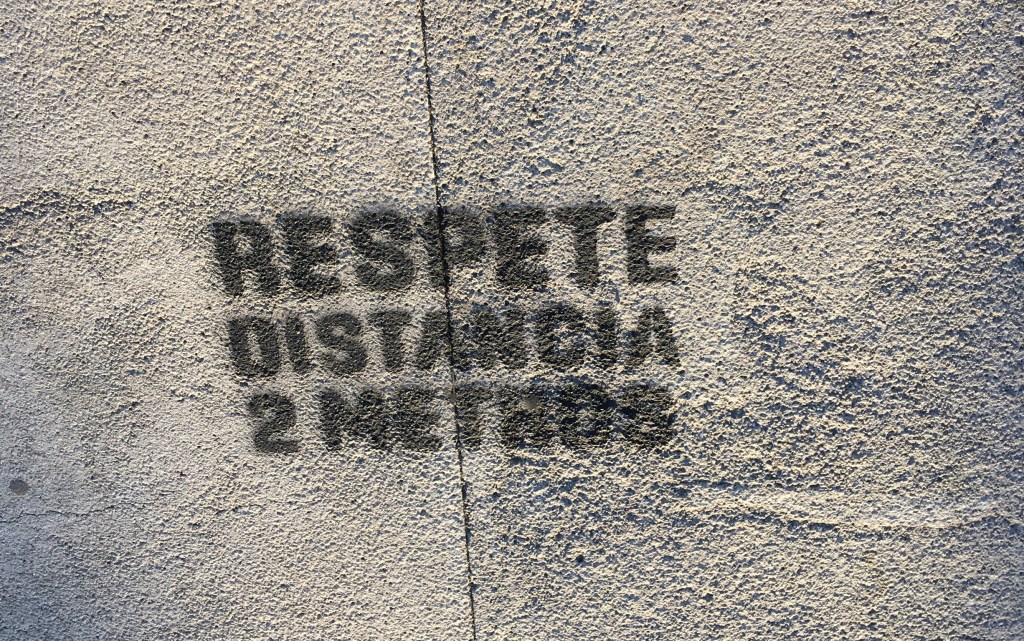
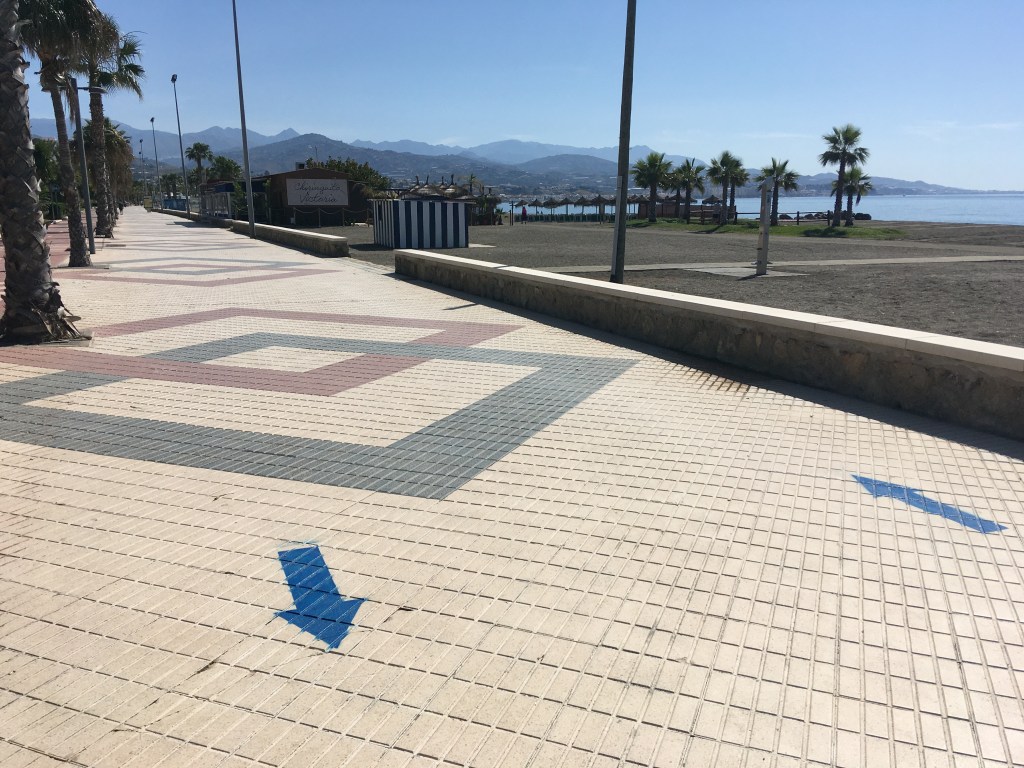
“New Normal” isn’t normal. People are still required to wear masks inside any businesses or any outdoor locations where you cannot maintain 2 meter’s distance. Swimming pools are closed for the summer. Beaches are closely monitored to avoid overcrowding, and to enforce social distancing. Playgrounds, outdoor workout parks and picnic tables will remain closed for the summer as well. Businesses still have to limit the numbers of people allowed in at the same time. All summer festivals and celebrations have been cancelled.
For example, tonight is the Fiesta de San Juan. Normally, it is a busy night of bonfires, barbecues and fireworks on the beach, culminating in people bathing their faces in the water at midnight in hopes of a year of beauty. This year, the police cleared the beaches of people, starting at 8:30pm.
People were allowed to return at midnight, however, to bathe their faces.
A little glimpse of the stroke of midnight.
Flights in and out of Spain have resumed, but at a greatly reduced frequency. In July there will be an average of 100 flights per day, whereas last year the average was 512 per day. Because of so many flights being cancelled, we will be staying 2 weeks longer than we originally planned, and two weeks beyond the end of our townhouse lease. We had to find somewhere else to for our last couple of weeks in Spain. Luckily we were able to rent the very first apartment we lived in when we arrived in Spain.
After moving into this apartment, however, our flight was cancelled yet again, and we booked a new flight out one day later (we’re on Plan G now if you are keeping track). Unfortunately, we were not able to extend our stay in our current apartment for that one day. Summer rentals here are done by the fortnight, so adding a day would cut into the first day of July’s first fortnight. We could wait until the last minute to see if it doesn’t rent, but we are not interested in adding more uncertainty to our current situation, so we’ve decided to make a return trip to the Guadalhorce Reservoir and spend our last night there.
A couple of weeks ago we made a day trip to the Ardales region, to visit the Guadalhorce Reservoir and the Ardales Caves. We had planned to visit the caves in March during our sister-in-law’s visit, but due to Covid-19 both her visit and the cave visit were cancelled. At the beginning of June, as we entered Phase 2, the cave museum called and asked if we would like to visit. We jumped at the opportunity to go somewhere.
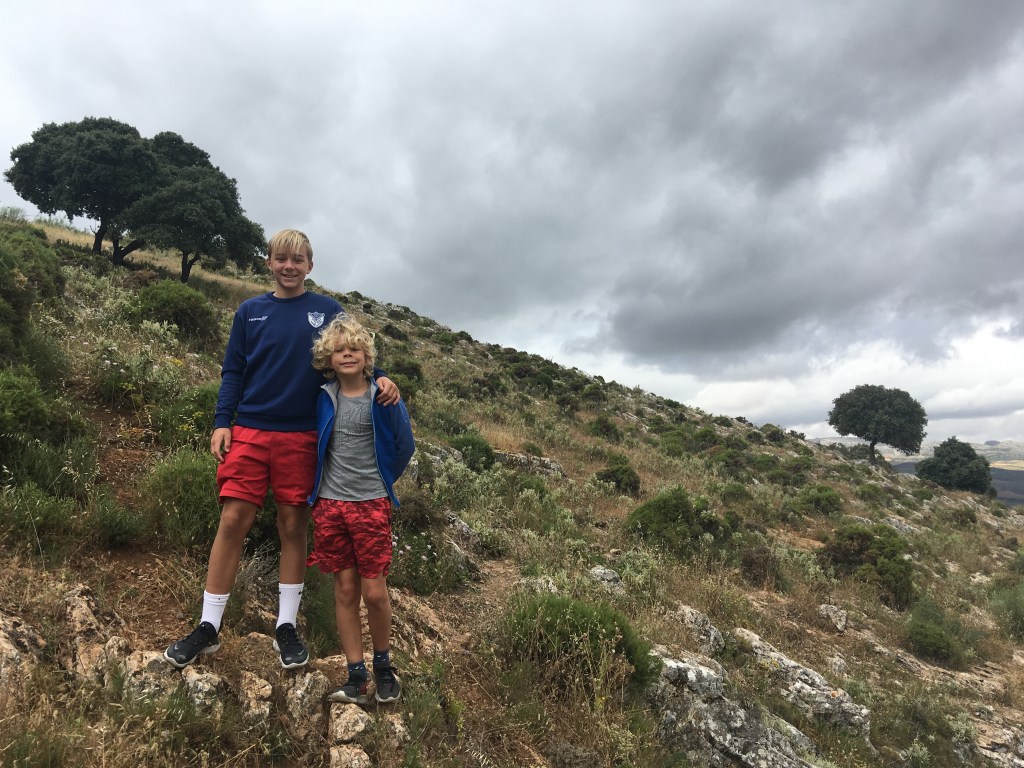
Climbing the hillside above the caves.
The entrance to the cave
The Ardales cave, also known as Doña Trinidad Grund Cave, features several prehistoric paintings, etchings, and a fossilized prehistoric rope.
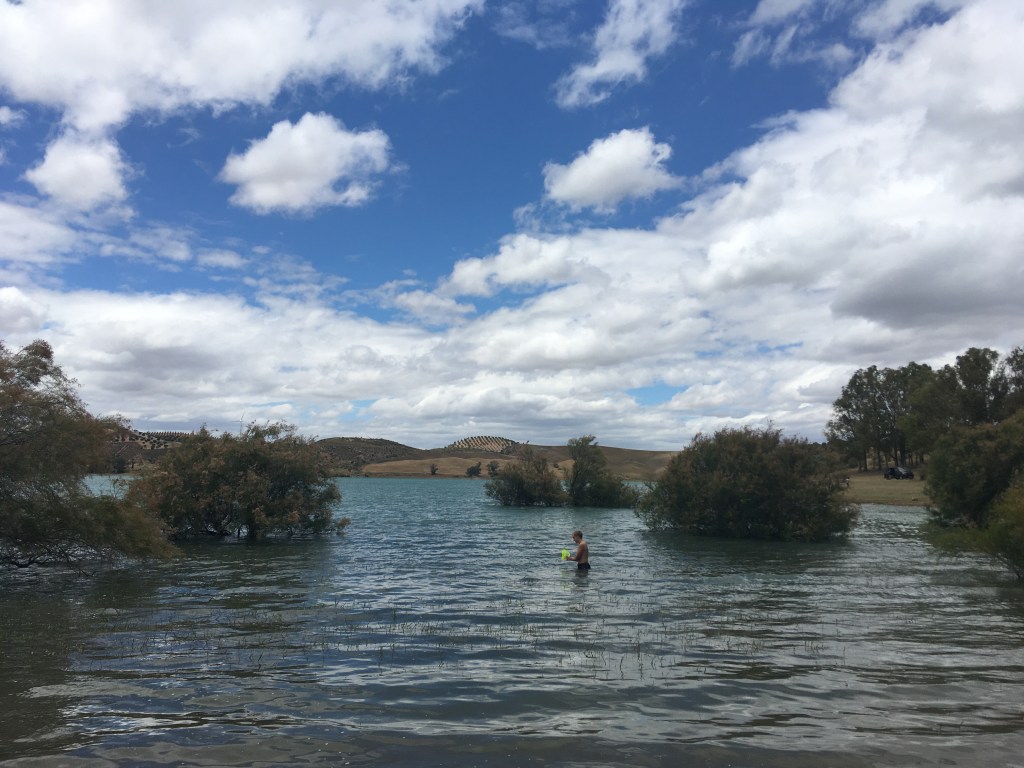
The Ardales cave is a little over an hour’s drive from our home, so we decided to also stop at the Guadalhorce Reservoir, which was just down the road, for a swim.
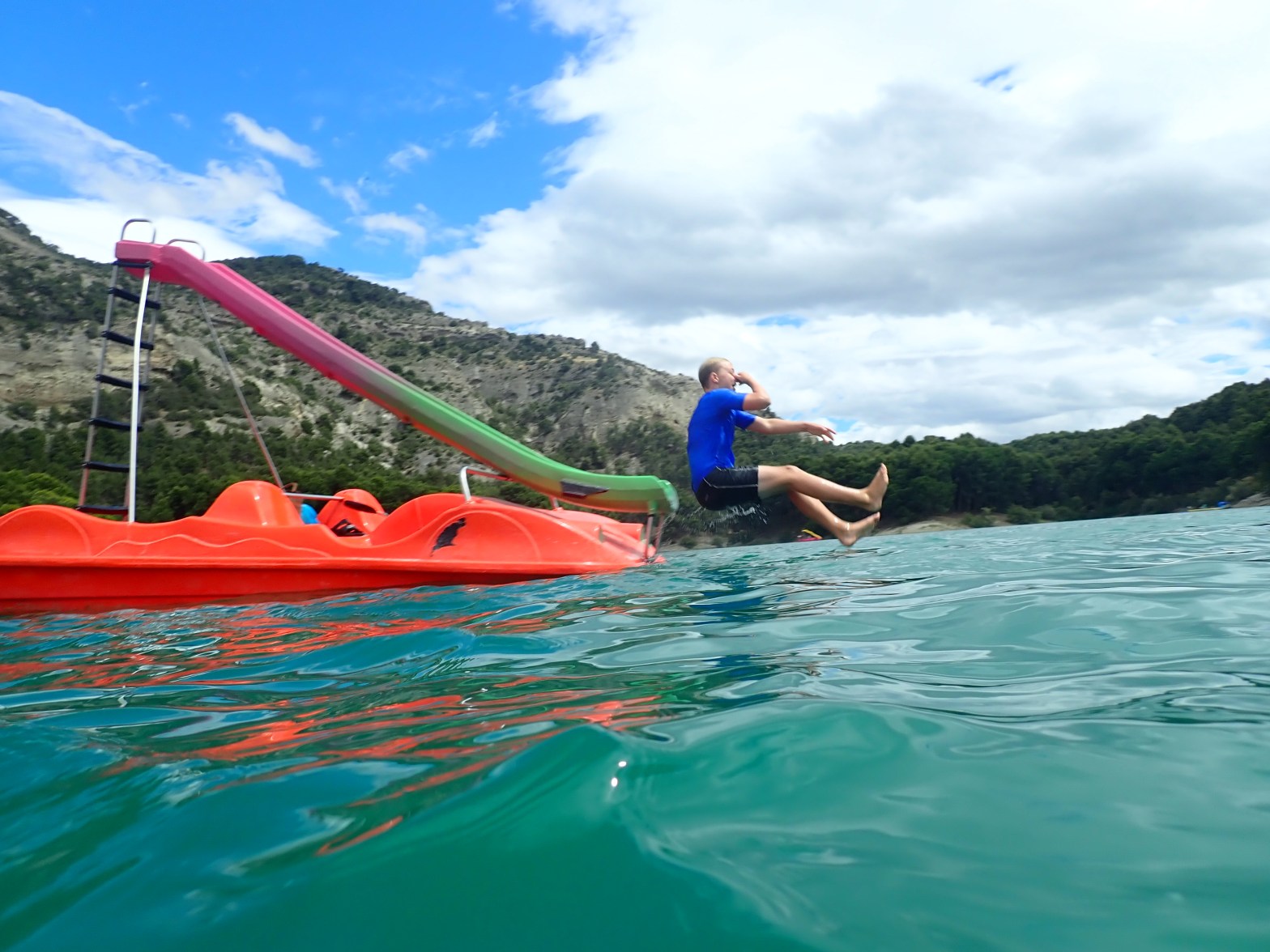
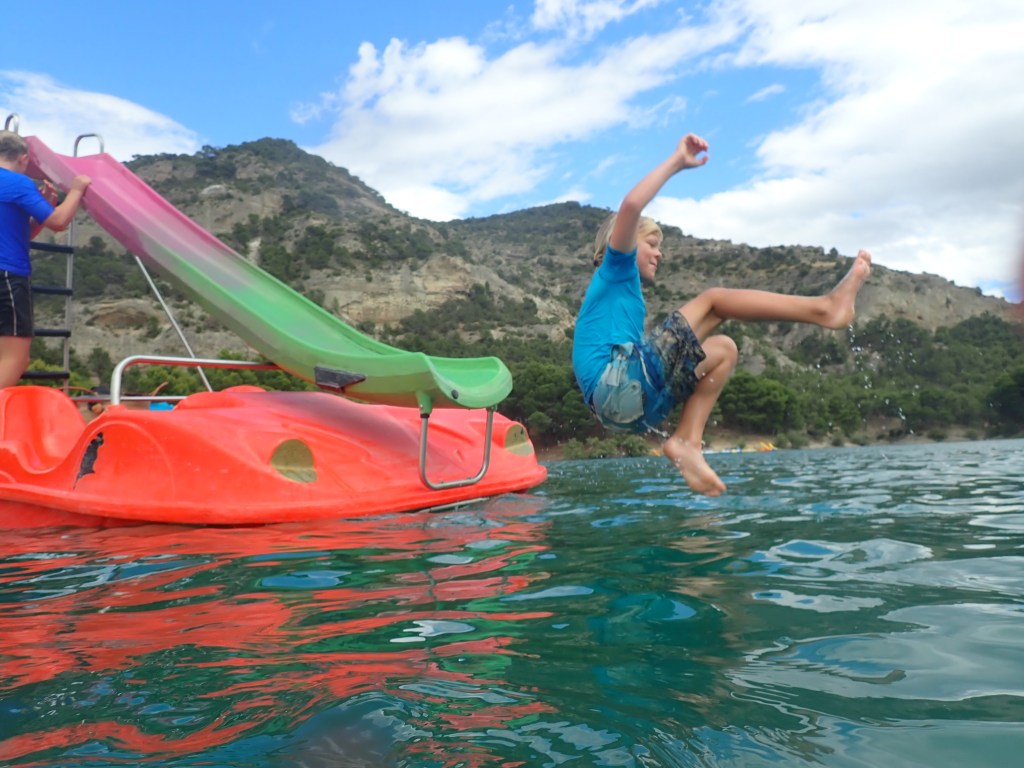
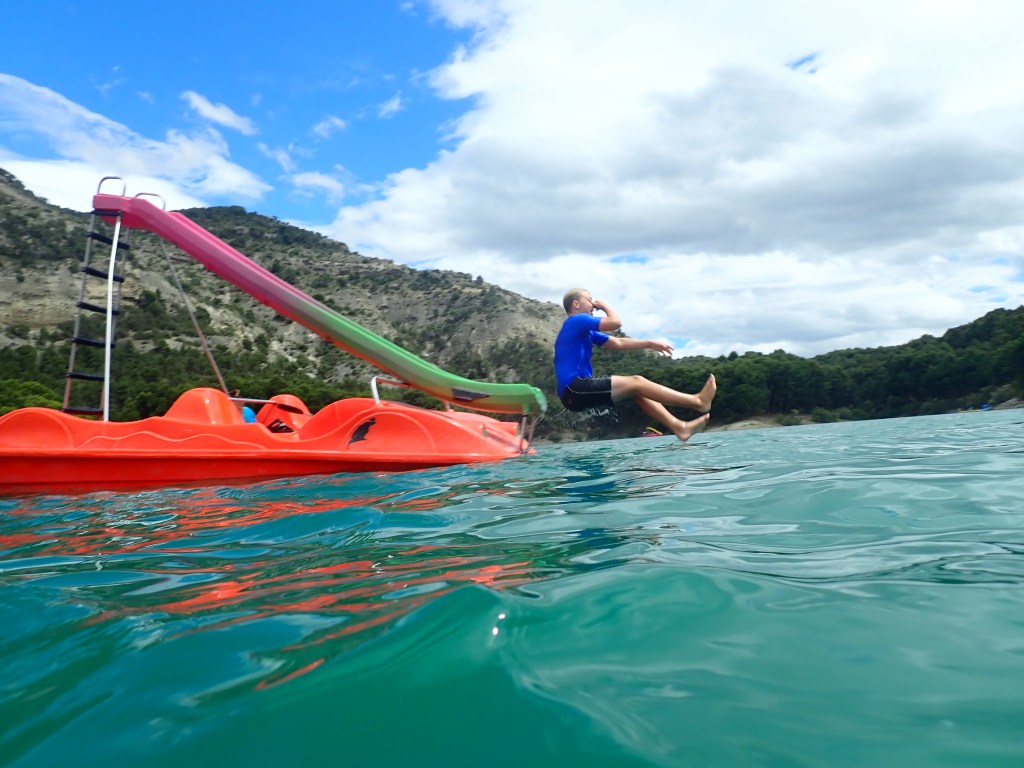
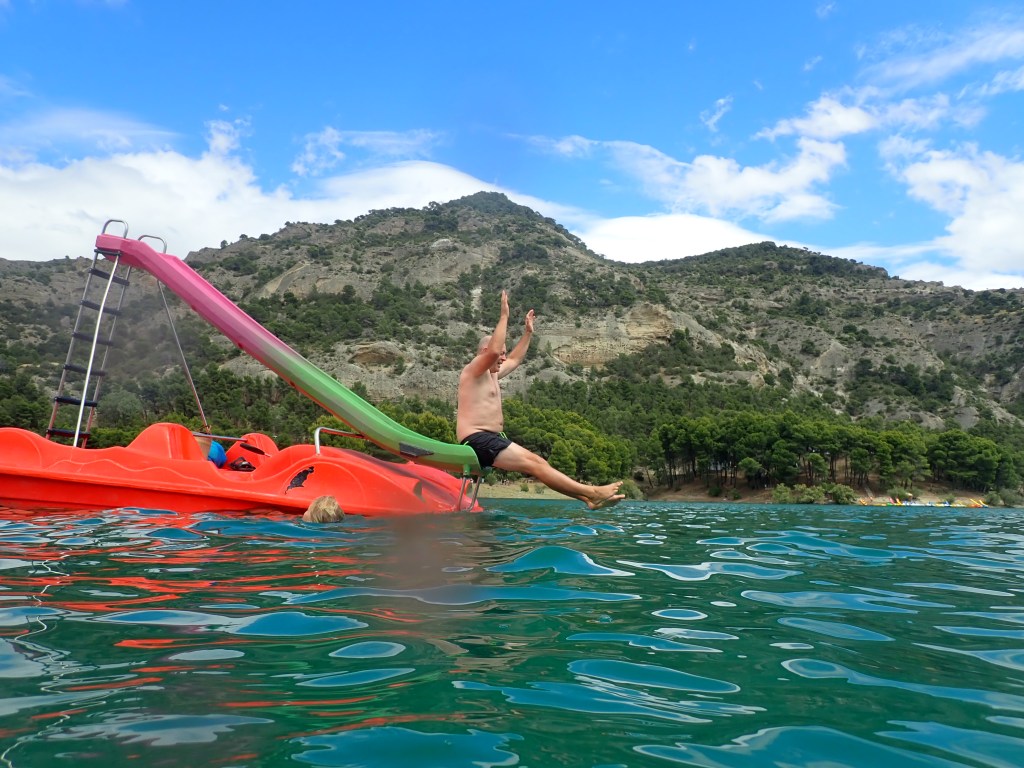
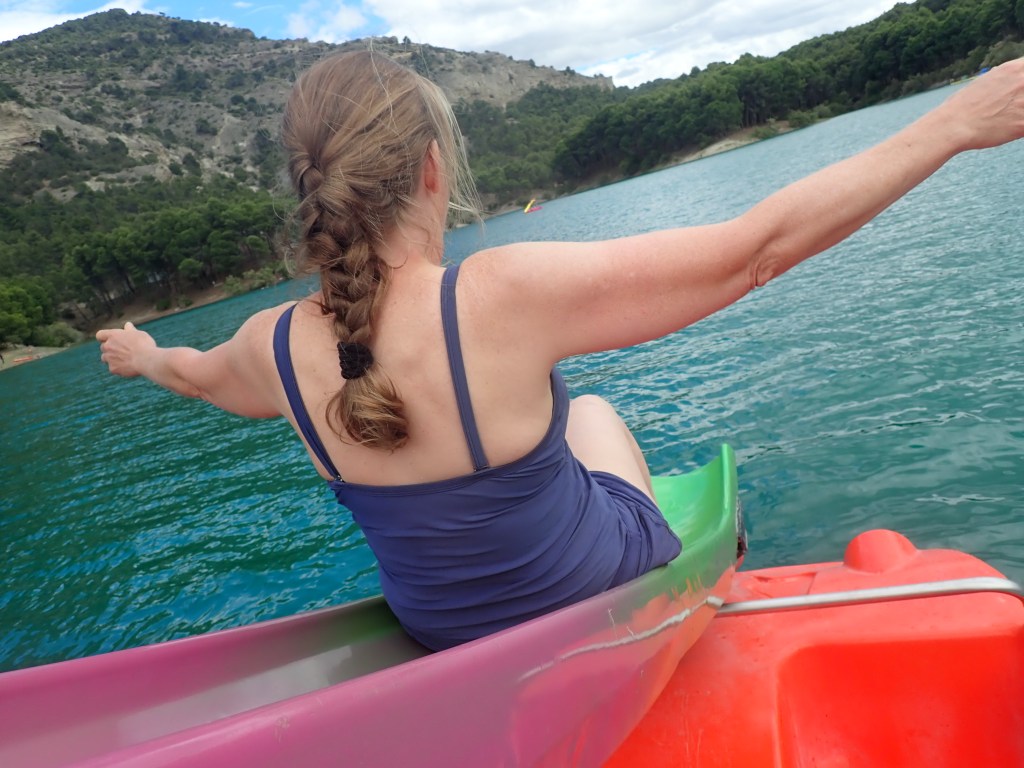
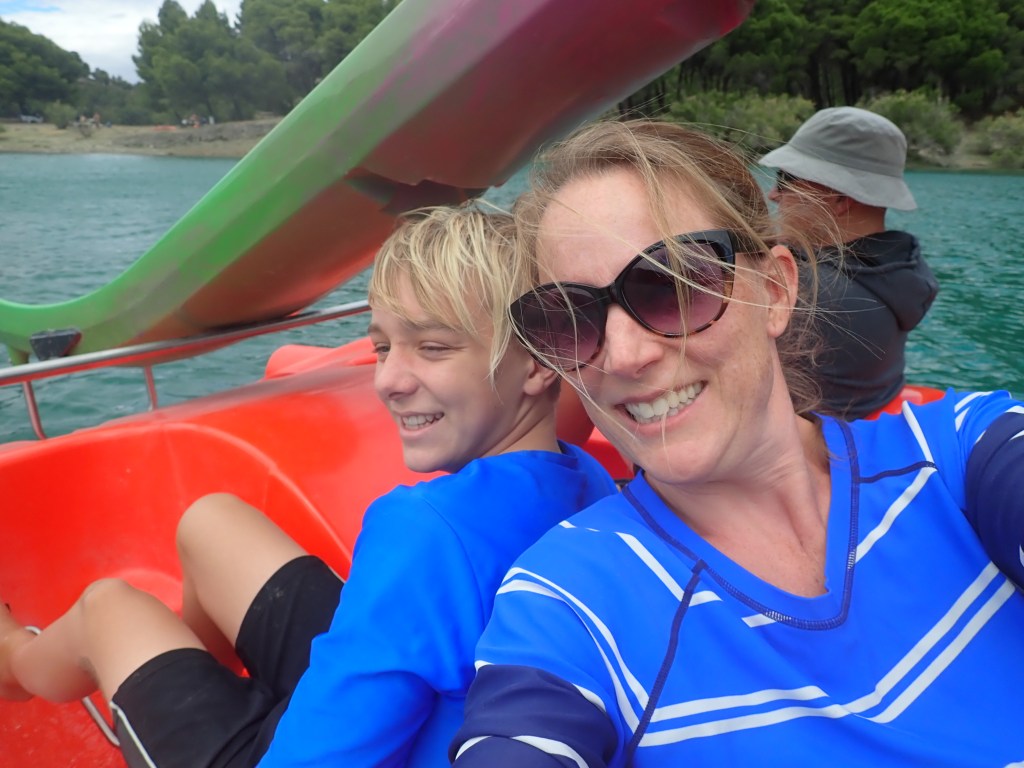
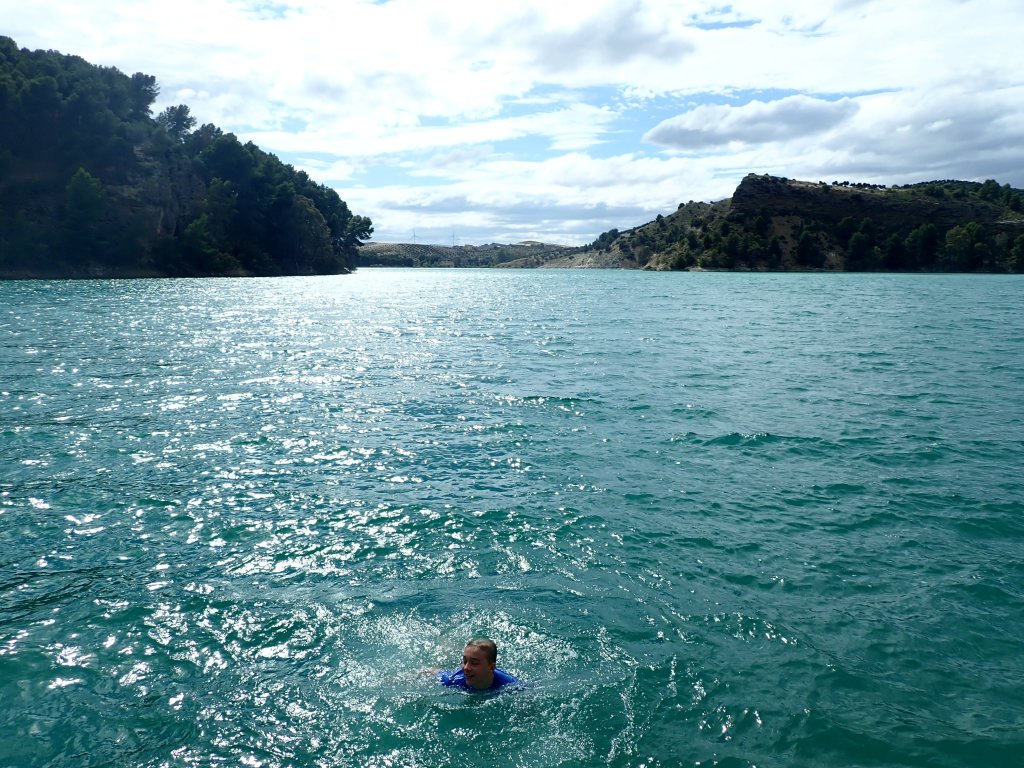
We rented a paddle boat with a slide for an hour and made use of every second.
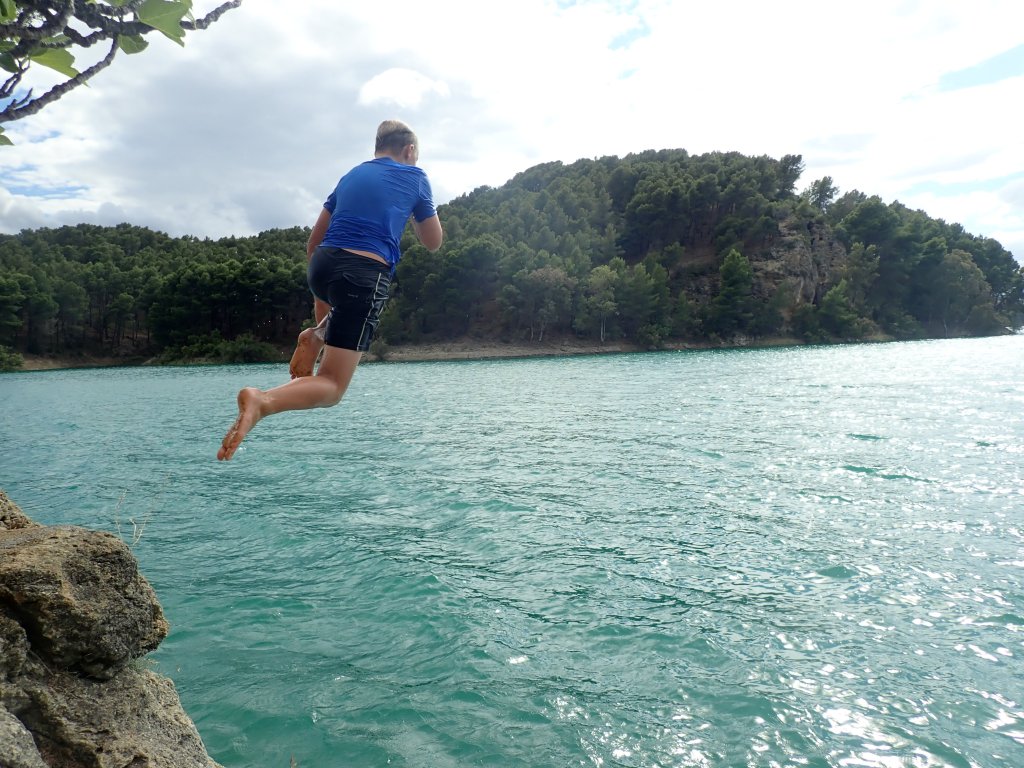
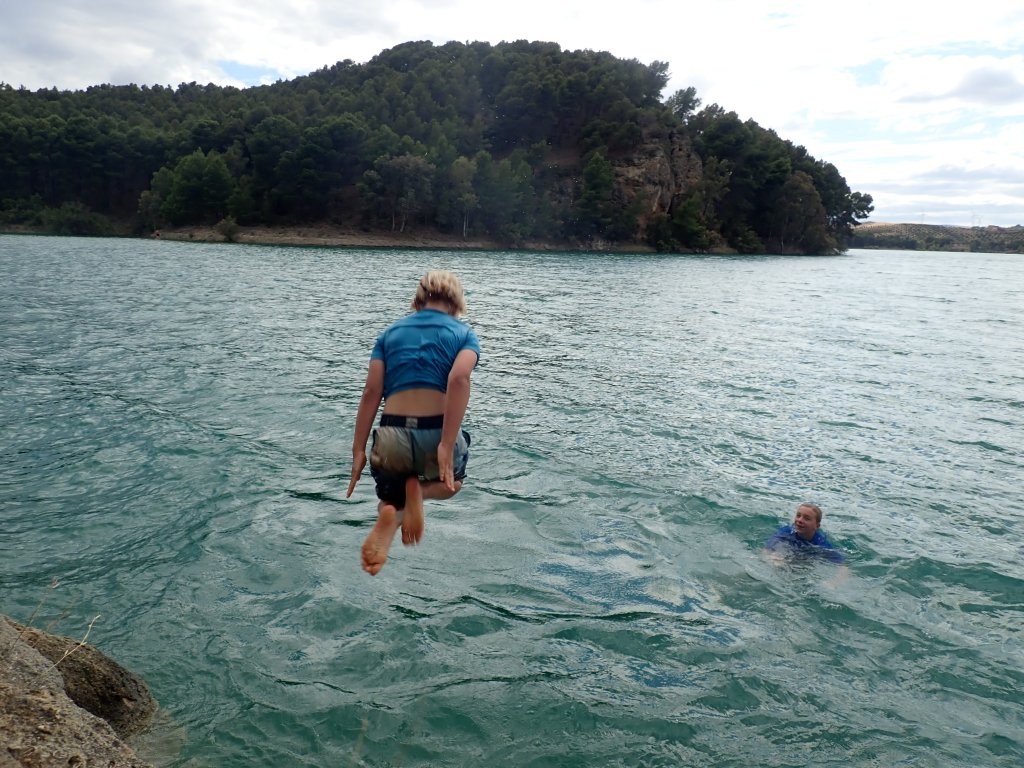
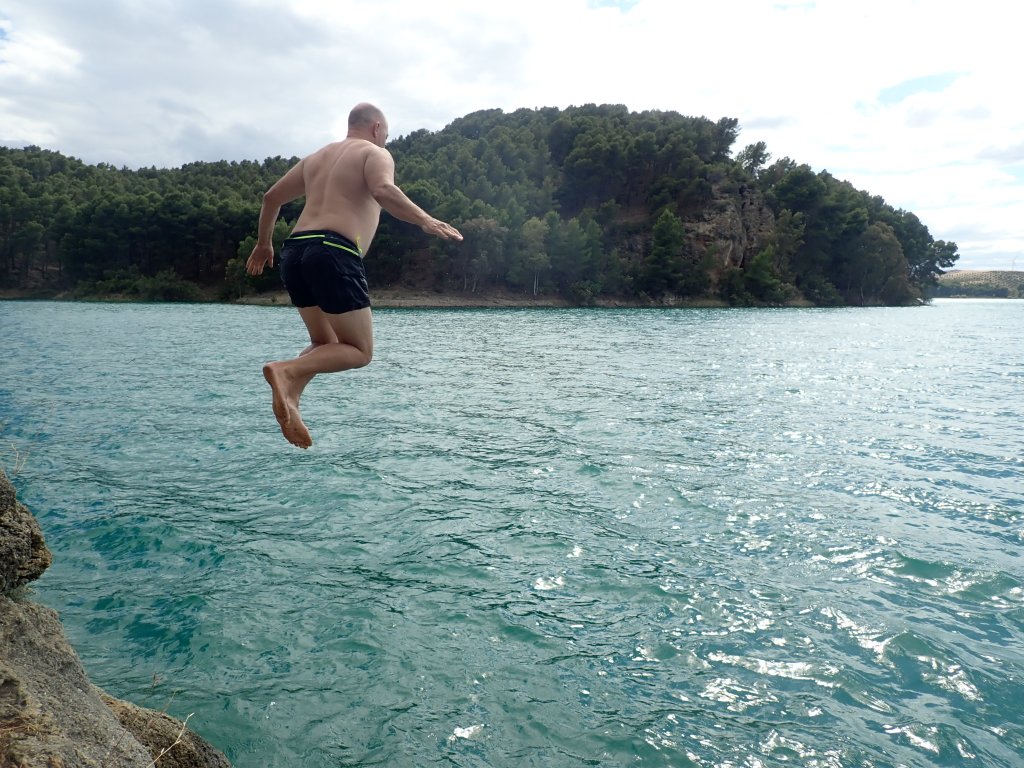
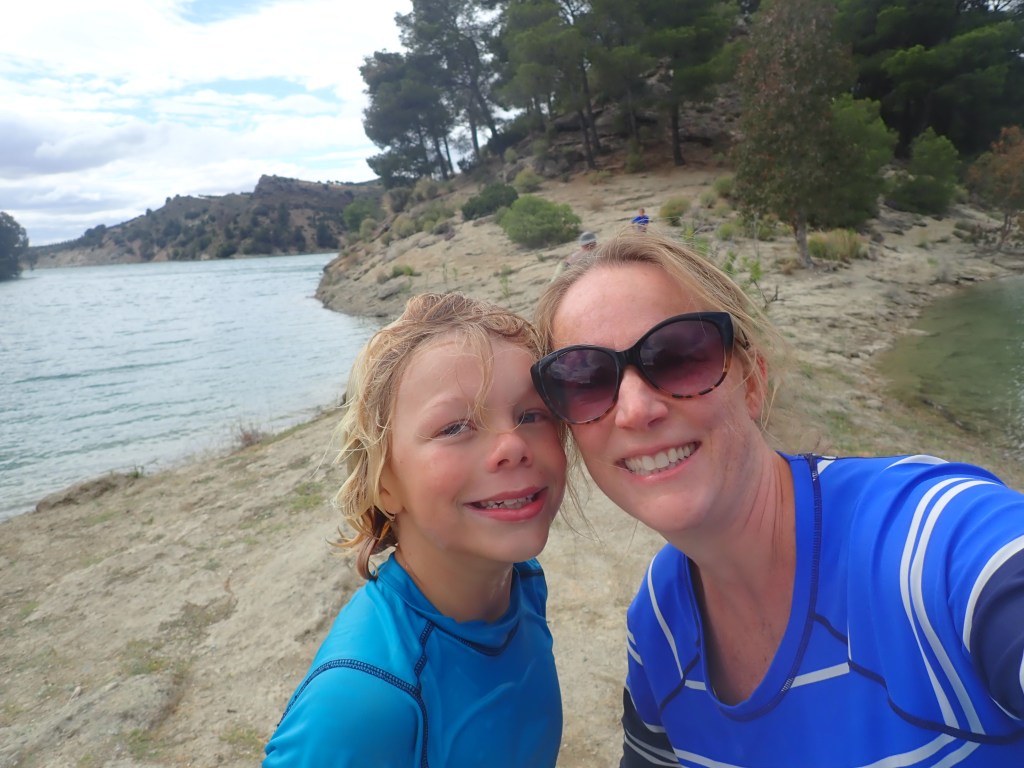
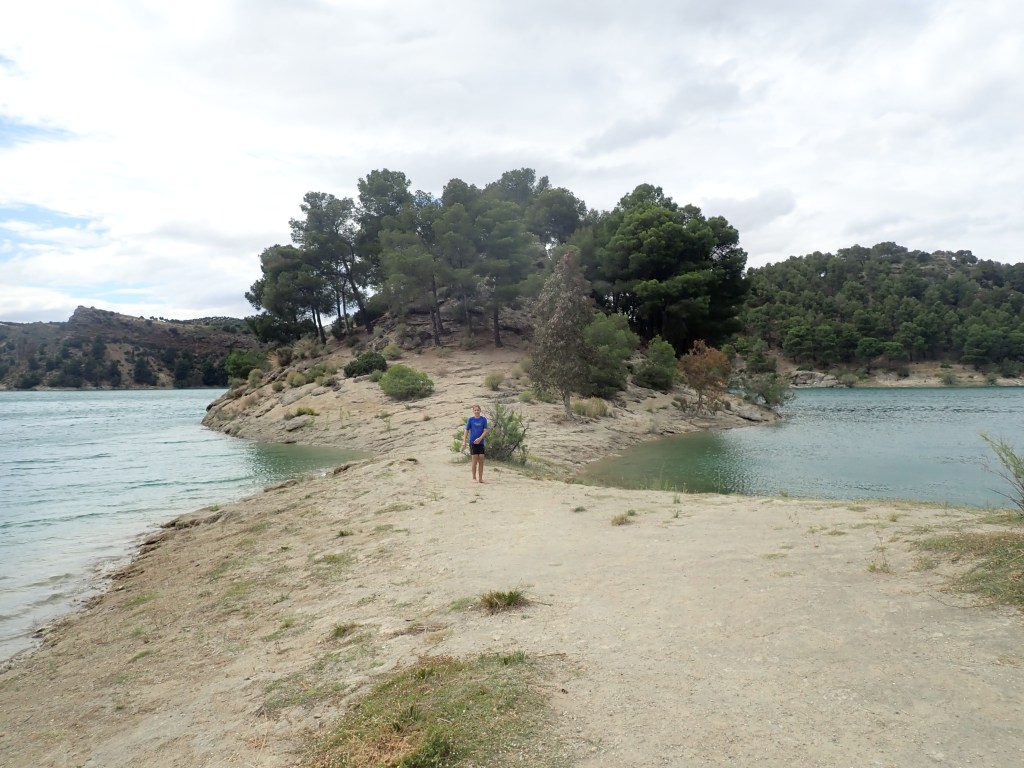
We walked out to a peninsula called La Isla to jump off the cliffs.
The water in the reservoir is warmer and cleaner than the Mediterranean, and the boys LOVED it (we all did, really) and have repeatedly asked to return. That’s why when faced with having to vacate our home, again, we have decided to spend our last two days there.
Fingers crossed that Plan G is the one that will get us out of Spain and on our way home.
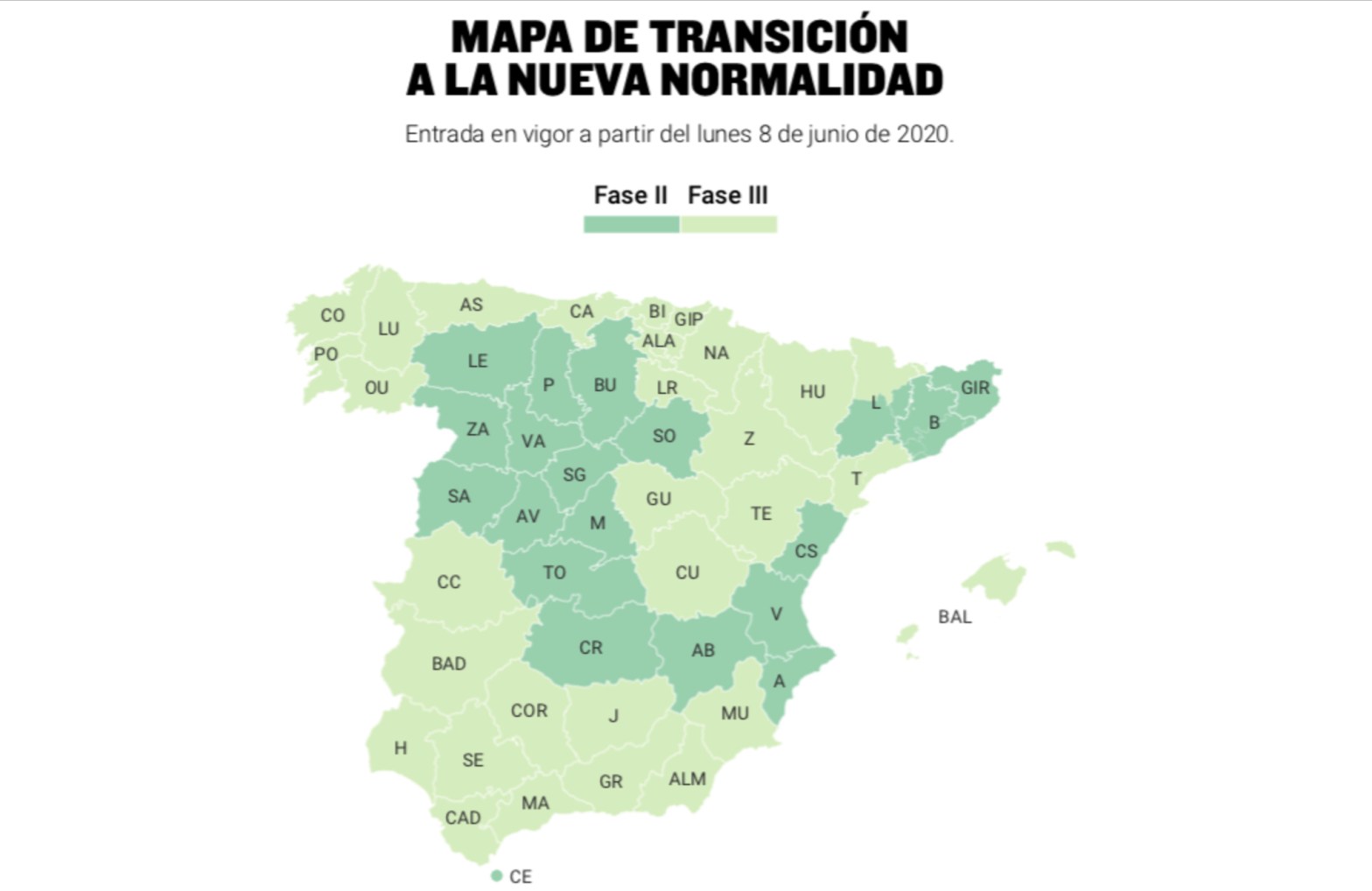
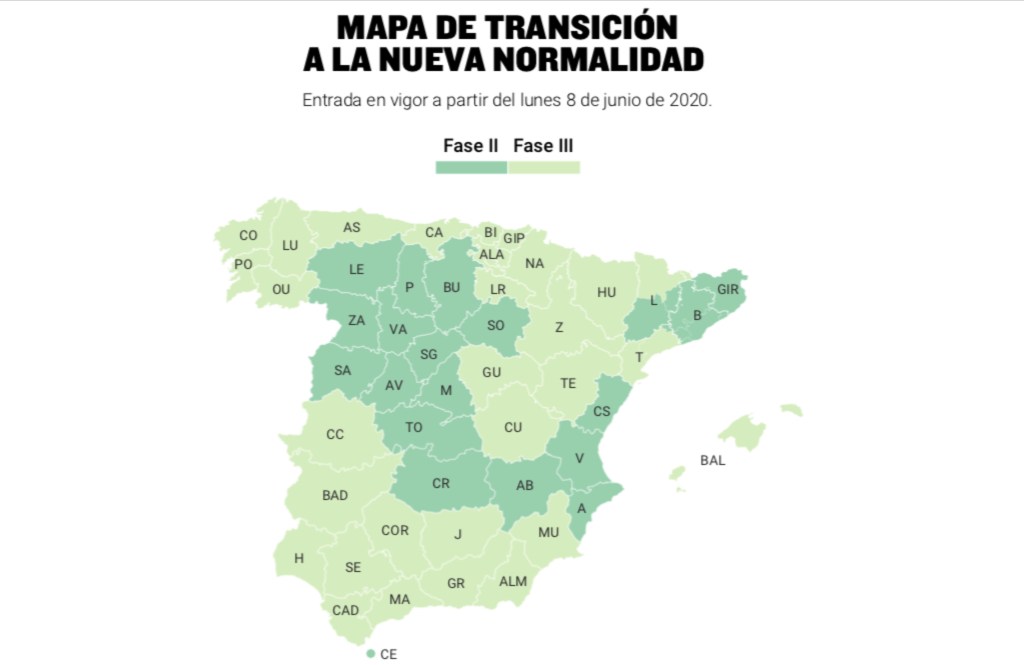
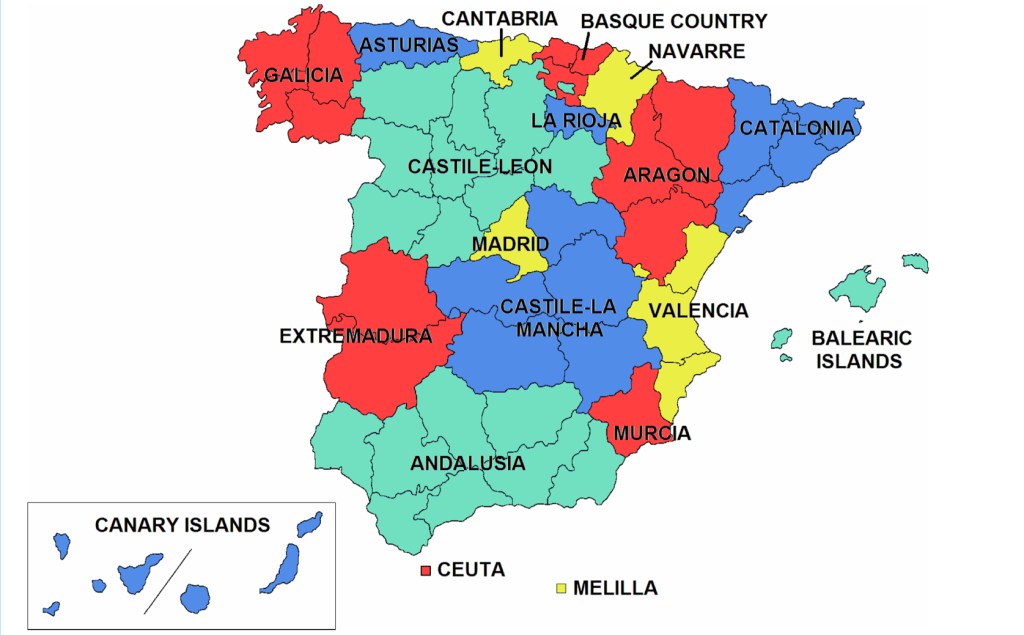
The main change is that once an autonomous community reaches Phase 3, they regain local control (something that was given over to the national government during the state of alarm that started in mid March). Spain is made up of 17 autonomous communities.
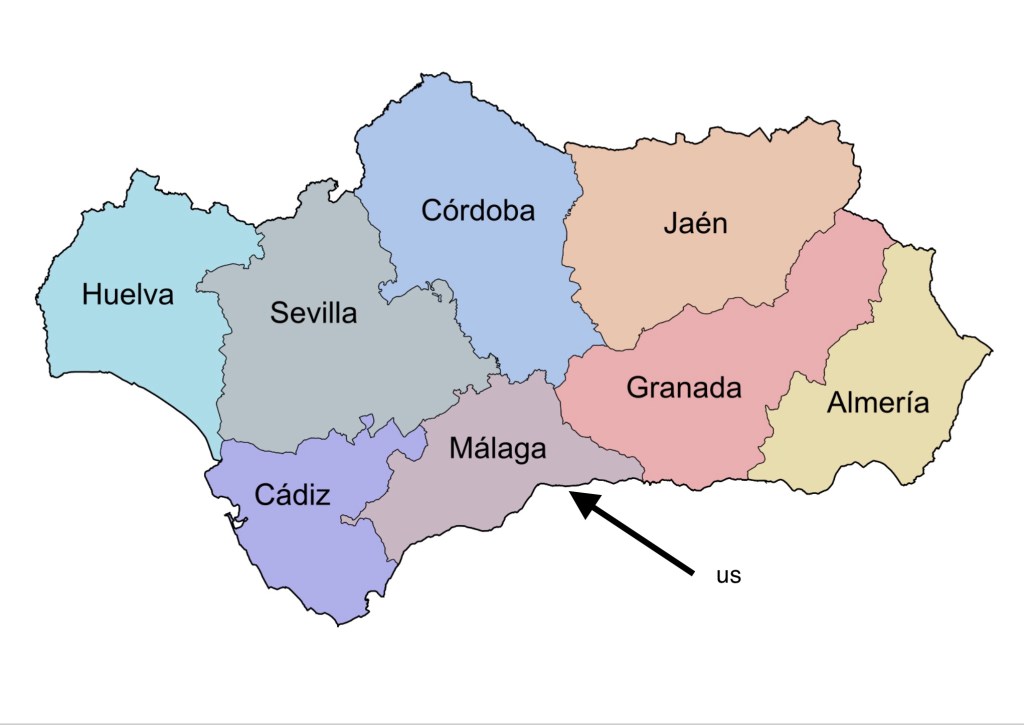
Andalucía, the most southern autonomous community, is made up of 8 provinces, including Málaga, where we live.
Another freedom allowed in phase 3 is movement throughout the entire autonomous community of Andalucía, and not just the province of Málaga.
We are allowed to get out when we want and most stores and businesses are allowed to open, with strict sanitary guidelines. People still need to wear masks and keep distance when possible.
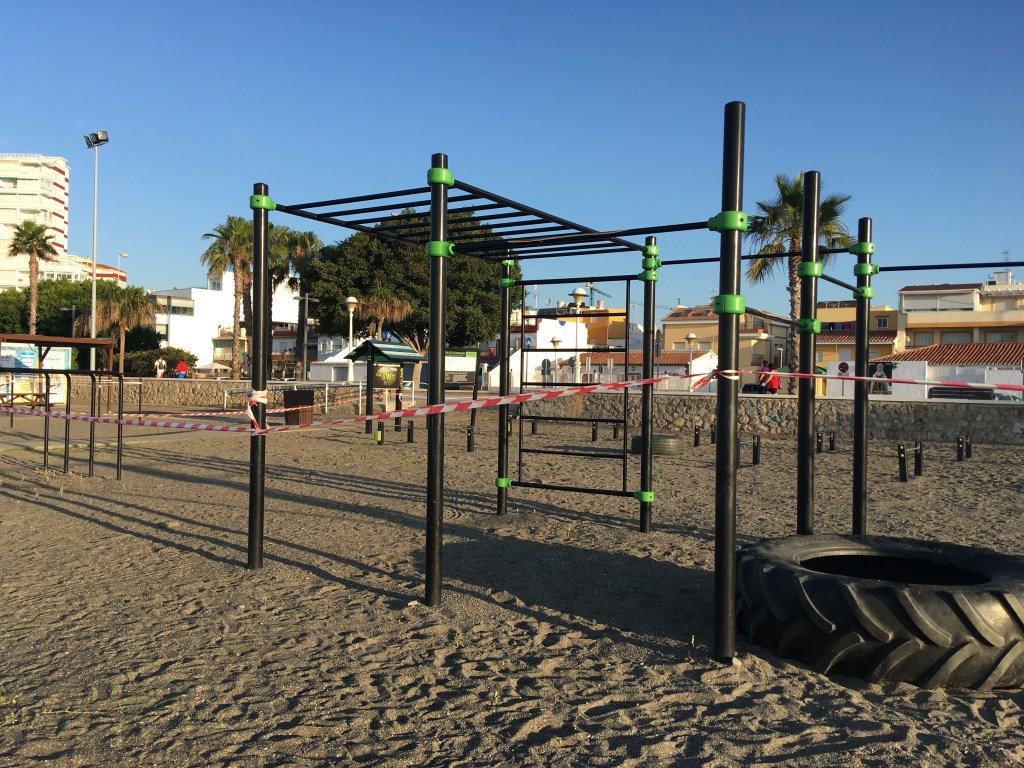
Playgrounds and workout parks remain closed.
The coastal region of Andalucía, known as Costa del Sol, is looking forward to the economic benefits of the return of tourists, both national and international, by the end of the month, but also very concerned about the summer beach crowds and is trying to put many measures place to encourage people to keep their distance.
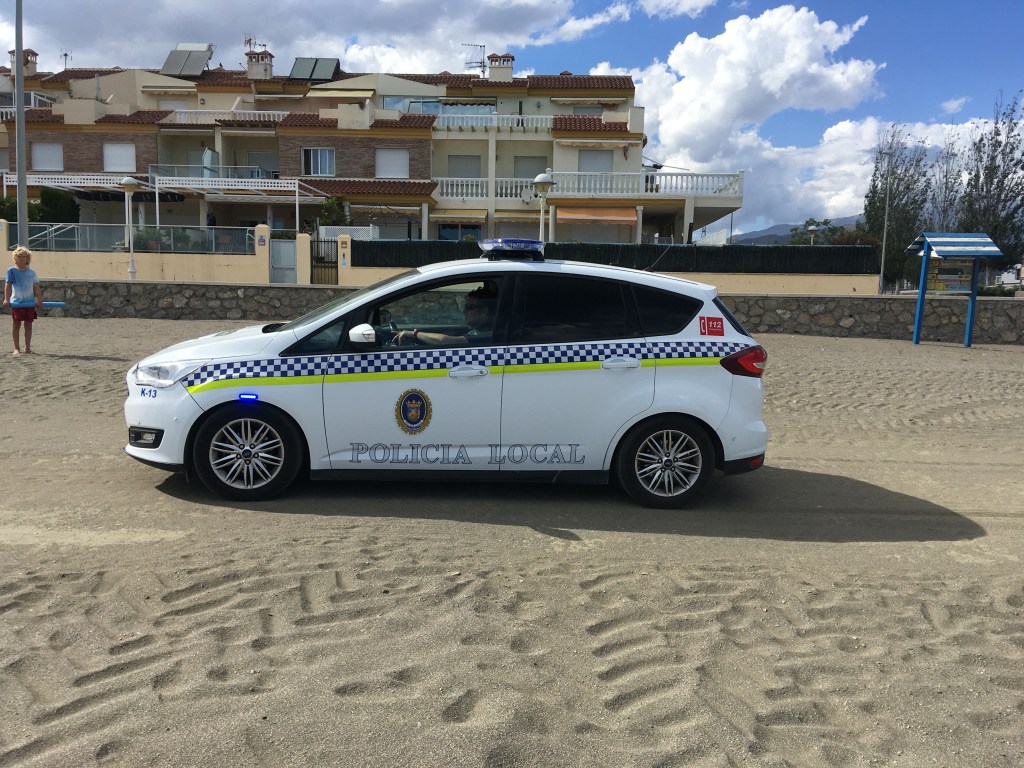
While we do still see police from time to time, mostly on the beach, their presence is greatly reduced. I think mostly they are checking to make sure that people are not gathering in too large of groups (at this point, no more than 20).
The national government has said that the state of alarm will come to an end June 22, and we will enter “new normal,” which will stay in place until a vaccine is developed. The international borders will not open until July 1st, however, so our return home is delayed until July, when, hopefully, we will be able to get a flight out of Spain, and then a flight into the US.

 Adrift in Andalucía